Purple flowering tree with blue sky background. Text overlay reads "Hello Hello December" in green and red decorative font, capturing the magic of December in the Garden.

December in the Garden!

Hello Hello, dear gardening friends! December officially marks the start of summer here in Victoria and is the most exciting month of the year! Long summer evenings, garden parties, friends over for dinner, school holidays, vacation home getaways, and especially Christmas and New Year celebrations! 
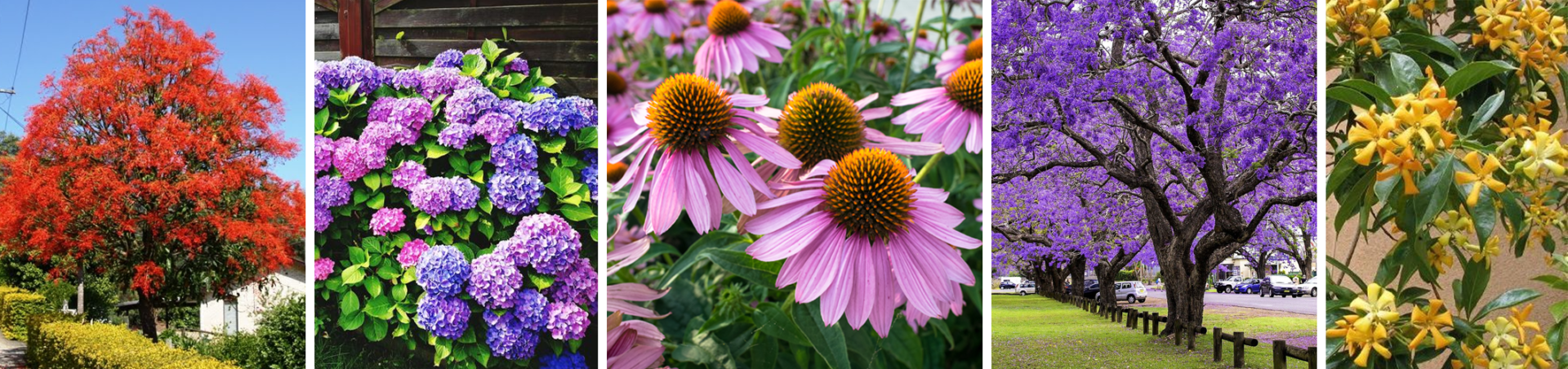
There are beautiful flowers blooming everywhere right now such as Jacarandas, Hydrangeas, Flame Trees, Daisies, and so many others, keeping the bees buzzing around all day long! The veggie patches are starting to provide us with the first zucchinis, tomatoes, and peppers, to cook some homegrown goodness! Fruit trees such as raspberries, blueberries, cherries, and mulberries are loaded with delicious fruit to tempt our taste buds! 

If you have not yet completed your garden for the holiday season, now is the time to do it! Make sure to check out our FREE Garden Design(Click Here) service by Chris, to help you build your perfect garden! Here are a few things that need our attention in the garden this December:

Christmas Trees & Gift Vouchers! 

🎄Potted Christmas Trees are in store Now!🎁🎅

If you prefer the look, feel, and smell of a real tree and if you can’t bear the thought of cutting down a tree just to use as a decoration, why not use a live potted Christmas tree or plant!?

We have a lovely selection of Pines, Spruces, and Firs that you can use as your live Christmas tree for the next 10 years! They are slow-growing, easy to maintain, and can be kept in pots for a long time!

We also have Bright Red Poinsettias and Holly plants that look amazing at this time of the year!


Click here to read more about how to take care of your Christmas Tree!


Bulk Deals!
 

To make it easier for you to fill up the garden we have lots of bulk deals on popular, winning plants sold by the tray in 3 inch or 6 inch pots! This is the most cost-effective way to fill up big spaces and transform your garden in no time!


Click here to see all our bulk deals


Flowers

Now that we are in summer, flowers in the garden are competing with each other for the attention of pollinators. That means brilliant colors, big blooms, and an abundance of nectar and pollen accompanied by sweet scents to attract the bees and butterflies. Geraniums, Scaevolas, daisies, Echinacea, Salvias, Petunia and many more are in full bloom right now.
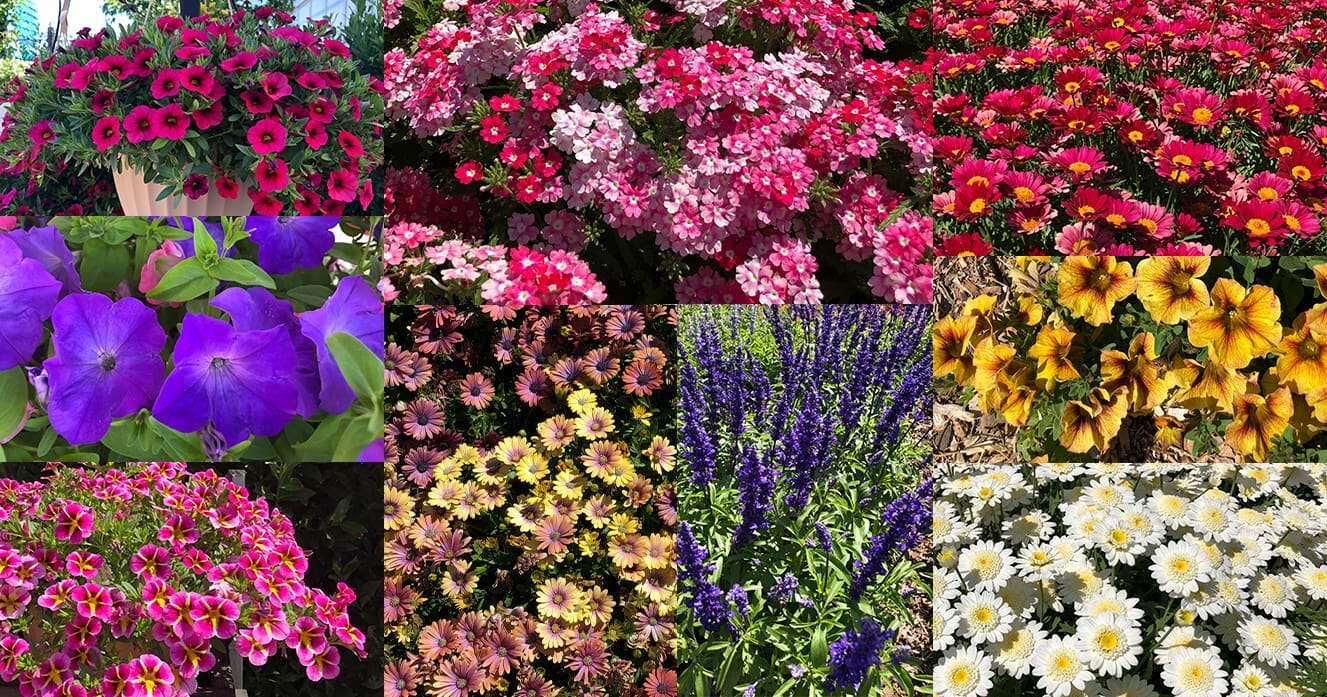
• We have a fantastic selection of potted colour in store right now that are already flowering or just about to flower. You can easily plant these in your garden to make it pop with interesting textures and colors all Summer long.

Companion plants: To naturally deter many pests such as aphids and slugs, here are a few flowers that you can plant from seed or seedlings right now: marigolds, sunflowers, asters, delphiniums, foxgloves, snapdragons, cosmos. Nasturtiums and marigold are the best companions for Summer tomatoes and capsicums.

Tube Flowers. We also have a great selection of flowers in small pots (tubes) of 3-4 inch diameters. These are cheaper alternatives to larger sizes, grow very fast, and will bloom beautifully in the next 2-3 months or so.


Roses

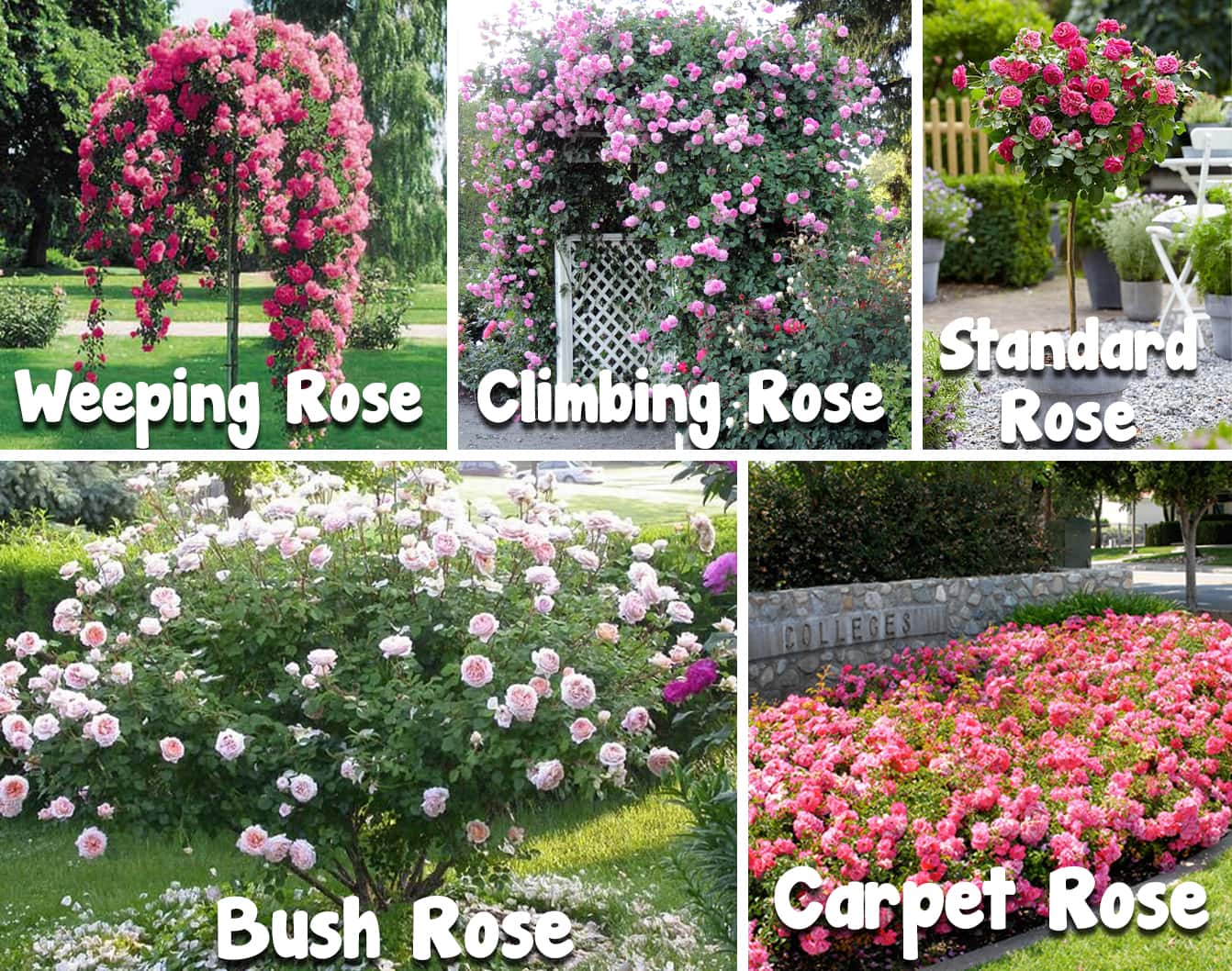
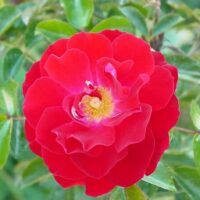
Roses are blooming beautifully all over Melbourne at this time of the year. Now is a great time to choose which one is your favorite in terms of color and scent, so make sure you check out our range of roses in full bloom now. It is also a good time to feed your roses with some balanced, bloom, or rose fertilizer. Keep an eye out for aphids that love to feed on the fresh new flower buds. A good tip for more blooms on your roses is to dead-head the spent flowers regularly as this encourages more flowers to form. Avoid overhead watering as this can cause fungal problems. Watering early in the morning is better than in the evening. Once established, roses are quite drought hardy so water deeply only every so often. Most varieties are available in several “forms”, or shapes, such as bush form, climbing form, carpet roses, weeping roses, and as standard (lollipop shape).
Click here to see them all!


Fruits

Going into your garden, picking your own fruit, and enjoying them as fresh as they can be is really a special feeling. If you choose a dwarf variety, you do not always need much space for them, as they are happy to grow in big pots and you can trim them to your preferred size. Now if you have space, by all means, plant a full-size variety and put them in the ground and let them grow into bountiful monsters! You could then perhaps exchange or sell your surplus produce!

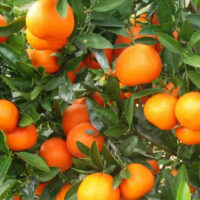
Citrus plants. We have a great variety in 4L pots that are on sale right now! Citrus trees have been hard to get and in high demand this year, but this batch is new in. These are fantastic varieties that were originally destined for Victorian fruit farms, so you know they are born to produce fruit, plus they are very affordable.

 

Veggies, herbs and Greens!

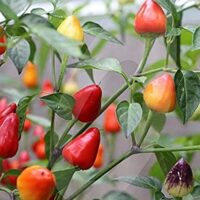
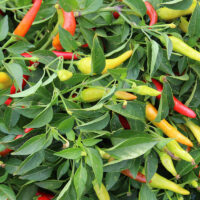
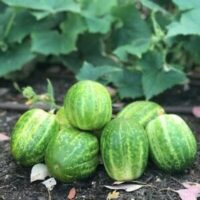
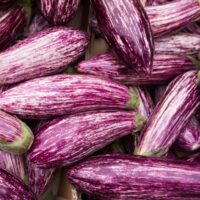
Summer/Spring veggies such as tomato, peppers, squash, eggplants, zucchini, chilies and basil can still be planted out in the ground as we still have 3 long months of summer for them to grow and fruit! With the hot summer days, remember to water them regularly and occasionally with some seaweed fertilizers, which will give them the boost needed to cope with the heat and also produce abundantly and improve the taste. See full list here.

Fertilize your tomatoes and peppers when you first plant them and then when they start to set fruit. After the tomato plants start growing fruit, add light fertilizer once every one to two weeks for better yields.

Leafy greens such as lettuce, spinach, rocket, endive, silverbeet, mustard greens, and celery will all grow well in the garden right now until the early hot days of Summer are here. If you have limited space, you may want to favor Summer veggies instead and leave the leafy greens for the cooler months. You can also get creative and plant lettuce/rocket under or around your tomatoes/capsicums as they usually have shallow root systems that will not interfere too much.  Planting them every couple of weeks will ensure a steady supply.

See full list here. 

Culinary herbs are really easy to grow and can be grown in pots on your balcony or your patio. They will grow well in shaded, partly shaded and sunny spots. You can harvest them and they will simply grow back. You can also chop them up, dry them and create your own mixed herbs for later use. Once you start planting your own herbs, you will never buy them at the supermarket again.
Click here to see them all.  

Pruning, Repotting & Weeding

• If your potted plants are looking overcrowded, you can always trim them or split and re-pot them into new pots. Make sure to use the right potting mix for them.

Scraggy plants. If you have tried to revive and fertilize old and sad looking plants to no avail, perhaps it is time to replace them. Rework the soil after pulling them out and let it settle for a week before planting a new plant there.

• Always stay on top of the weeds. With all the Spring flowers blooming and then releasing their seeds in the wind, you will see small seedlings popping up everywhere. It is easier to get them while they are still small by disturbing the topsoil and applying some mulch.

Soil, Fertilising, and Mulching

• Improve the growth, health, and yield of your plants by nurturing the soil as an alternative to using fertilizers. You can do that by restoring the beneficial microbial activity in your soil with some compost tea and top dress your soil with compost, manure, and also some blood and bone meal. Turning the soil over is not recommended as it will disturb the delicate worm and microbial systems, which take time to build and are important for good plant development.


• It is best to give some liquid feed to Summer flowering annuals every couple of weeks with a complete liquid fertilizer, to encourage healthy and vigorous new growth. You can also add some slow-release granular fertilizer that will feed your plants over a period of 3 to 6 months.

•  Mulching. When the summer heat comes round, it is important to have a nice thick layer of mulch on your soil to keep some moisture in the ground and also keep the roots of your plants cool. This will reduce the frequency of watering and prevent your plants to go through heat and drought stress. If you are putting mulch for the first time, make sure to choose the right ones as they change the PH of the soil when they break down. Pine bark mulch creates acidity when breaking down, so it is perfect for Azaleas or Camellias, whereas straw or sugarcane are recommended for veggie beds. Do not put mulch too close to the stems but rather around it, as this will encourage the roots to grow outwards to find water and make them stronger. Also, make sure to give the soil a good soak before mulching. When watering over mulch, it needs some extra water to make sure it penetrates into the soil.

Pests & Disease

Now that there are lots of new shoots and seedlings, coupled with some warm weather and few showers here and there, there will be more insects in the garden. The hot and humid weather is perfect for them to proliferate, feed, and cause damage to plants.

Aphids, thrips, and mites. With the warm weather, these sap-sucking insects find their way into our garden to feast on all the new growth. If there are not too many, you can leave them to help build the beneficial insect population that will then take care of the bad bugs for you later on. Adult aphids eat thrips and mites and ladybugs also eat aphids, thrips, mites, and whitefly If you have an infestation, on the other hand, you can make some homemade aphid spray to apply under the leaves of affected plants. Mix 2 tsp vegetable oil, 1 tsp dishwashing liquid, and some garlic cloves crushed,  mixed in 1lt of water, and left to infuse overnight. This is completely safe for other beneficial insects. Also, think of planting some beneficial insect plants that will attract ladybirds and they will take care of aphids for you. A favorite plant for ladybirds is the Angelica herb. • For ants you could sprinkle some diatomaceous earth on the ground where there is a lot of ant activity but only when it is dry. You will have to reapply it after it has rained. It is a natural organic control method that will not harm other insects.

Psyllids are a tiny (native) sap-sucking insect that are occasionally referred to as plant lice. They congregate in large numbers and can disfigure the new growth primarily on their chosen host plant of many lillypilly species. They are almost always found on the underside of the new foliage. They usually target unhealthy and vulnerable plants so make sure to keep your plants fertilized and as healthy as possible. New foliage can show signs of dimpling or bubbling and give the impression that it is a disease. Older foliage is often left untroubled. Although psyllid attack can occur anytime between early spring and mid – Autumn, the main times for control is October through March. This coincides with the breeding cycle of the insect. You can remove affected leaves and spray the plant with some natural products such as horticultural oils or neem oil. Ladybirds and lacewing insects are natural predators to the psyllids so encourage them in your garden by planting some beneficial insect plants such as Angelica, dill, coriander, etc.

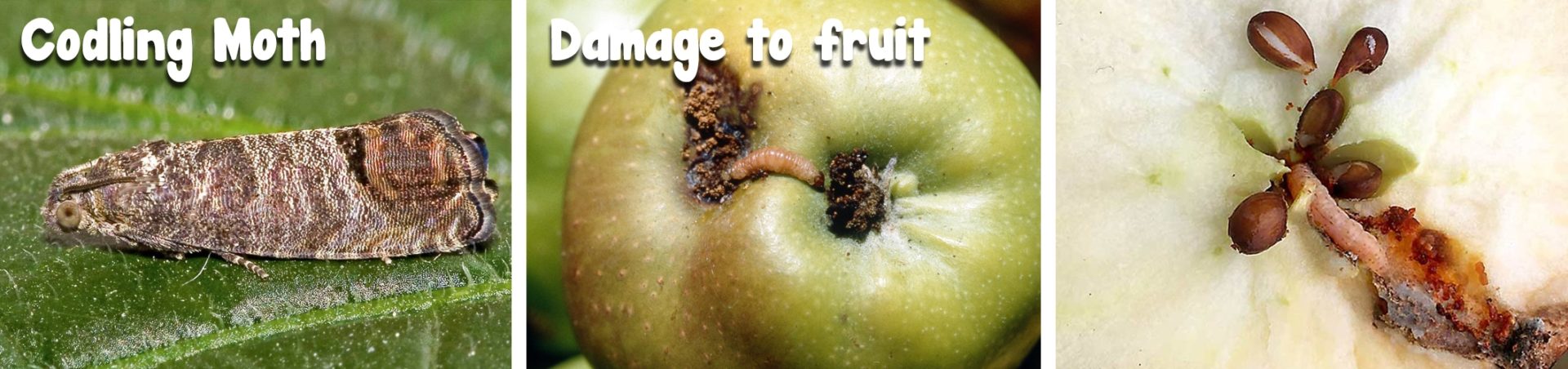
• Codling Moth attacks Apples and Pears. The moth lays its eggs on leaves and immature fruit as flowering finishes. The hatching caterpillars then burrow into the fruit and eat it from the inside.   Yates Success Ultra is a good product to control these. You can also use organic control methods such as neem oil or even physical barriers such as fruit bags. Welcoming beneficial insects in your garden will also help with the control of codling moths. • Keep an eye out on your Rose plants for common diseases such as black spot, rust, and mildew. If you have noticed any fungal disease in the past on your plants, now is a good time to spray them with some organic copper-based fungicides.

That’s it for this month!

Wishing you all the best in the garden! Keep smiling, be happy and as usual, stay safe lovely people  🙂

Gardening December Melbourne, Victoria, Australia.

Bouquet of red and pink roses with "Hello Hello November" written in colorful text overlay, capturing the charm of November in the Garden.

November in the Garden!

Hello Hello, dear gardening friends! It is already November and the weather is looking fantastic here in Melbourne with warm days, clear blue skies but also the occasional shower! With the lock-down finally lifted, we were so happy to see all of you back in store these past few days! 

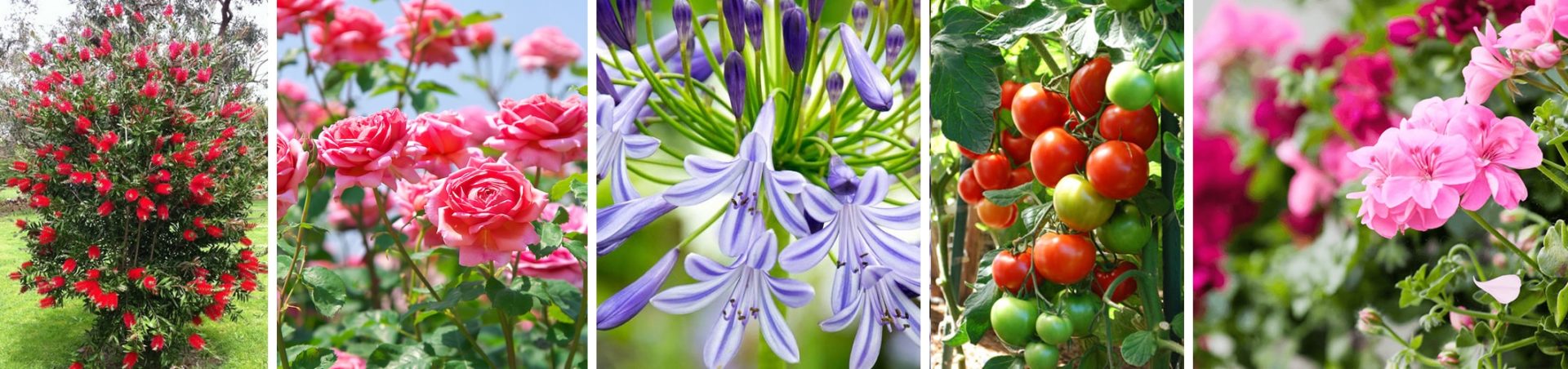
Traditionally Cup weekend has been used as a marker to plant out tomatoes and other summer crops. Callistemon, Geranium, and roses are blooming beautifully, Hydrangeas and Agapanthus are getting ready to bloom in the next couple of weeks, and summer veggies like tomatoes and peppers are growing very well.  From clipping back your spring-flowering plants to mulching, there is always a lot to do, so let’s see what can be done in the garden right now.

Roses

Most roses are blooming beautifully at this time of the year. Now is a great time to choose which one is your favorite in terms of color and scent, so make sure you check out our range of roses in full bloom now. It is also a good time to feed your roses with some balanced, bloom, or rose fertilizer. Keep an eye out for aphids that love to feed on the fresh new growth.


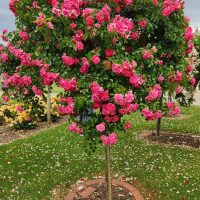
A good tip for more blooms on your roses is to dead-head the spent flowers regularly as this encourages more flowers. Avoid overhead watering as this can cause fungal problems. Watering early in the morning is better than in the evening. Once established, roses are quite drought hardy so water deeply only every so often. They are available in several forms such as bush form, climbing form, carpet roses, weeping roses and as standard (ball on a stick).

Click here to see them all!

Flowers

• We have a fantastic selection of perennial flowering plants in store right now that are already flowering or just about to flower. You can easily plant these in your garden to make it pop with interesting textures and colors all Summer long.

Companion plant: Here are a few flowers that you can plant from seed right now: marigolds, salvias, petunias, sunflowers, asters, delphiniums, foxgloves, snapdragons, cosmos, and dianthus. Nasturtiums and marigold are the best companions for Summer tomatoes and capsicums, as they deter many pests such as aphids and slugs.

Tube Flowers. We also have a great selection of flowers in small pots (tubes) of 3-4 inch diameters. These are cheaper alternatives to larger sizes, grow very fast, and will bloom beautifully in the next 2-3 months or so.

Native Gardens

Native plants are very popular right now as they can easily be included in any type of garden. Native plants have so many advantages as they have lower maintenance requirements, are easy to grow, and quite hardy. They require less water and are wildlife-friendly. If you want a fully Australian native landscape, then a natural design and layout work best. Crushed granite on curved fluid pathways, timber sleepers for edging beds, and rustic garden sculptures all fit together very well. 

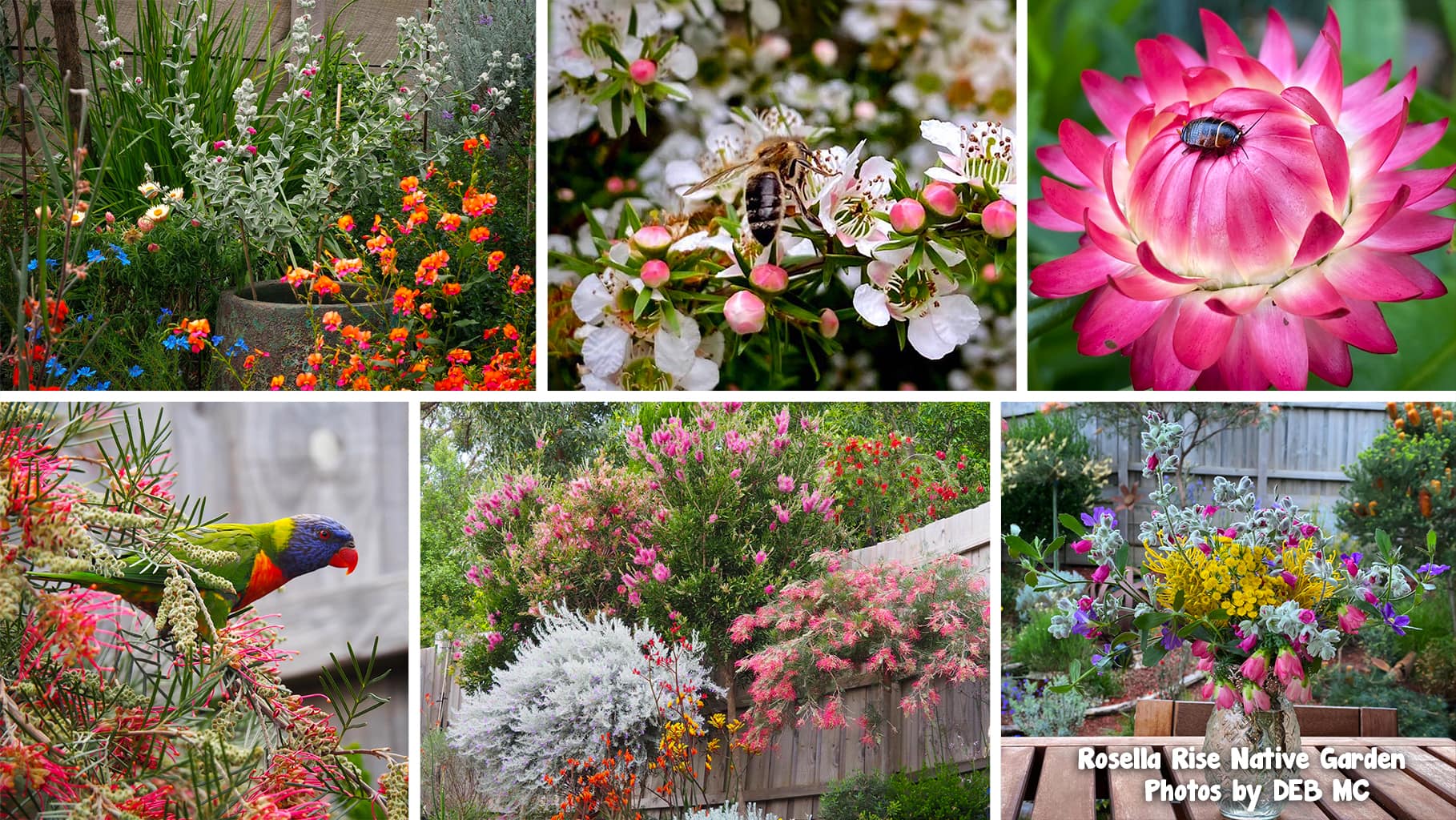
The Facebook page Australian Native Plant Enthusiasts forum is great for some native plant inspiration and one particular garden that always catches my attention is the Rosella Rise Native Garden of Deb MC. It has such a beautiful combination of plants, colors and textures that it would inspire anyone to start a native garden! Be sure to click on the link to see more of that amazing Australian Native garden.

To create such a paradise, you can use a variety of grasses, desert plants, shrubs, ground cover, succulents, herbs, food plants, fruit and berries to create a diverse Australian native garden.

Click here to see them all!


Fruits

Going into your garden, picking your own fruit, and enjoying them as fresh as they can be, is really a special feeling. If you choose a dwarf variety, you do not always need much space for them, as they are happy to grow in big pots and you can trim them to your preferred size. Now if you have space, by all means, plant a full-size variety and put them in the ground and let them grow into bountiful monsters! You could then perhaps exchange or sell your surplus produce!

Citrus plants. We have a great variety in 4L pots that are on sale right now! Citrus trees have been hard to get and in high demand this year, but this batch is new in. These are fantastic varieties that were originally destined for Victorian fruit farms, so you know they are born to produce fruit, plus they are very affordable.

Berries . Here is a great selection of the most popular and rare varieties, ideal for small spaces. These are in limited quantities, so better hurry up.


Veggies, herbs and Greens!

Summer/Spring veggies such as tomato, peppers, squash, eggplants, zucchini, chilies and basil can now be safely planted out in the ground! It is warm enough for them to grow beautifully. Remember to water them in properly with some seaweed fertilizers, which will help them settle in their new spot. See full list here.

Before planting your summer crops, dig in a generous amount of compost and manure in your veggie patch as these plants are quite heavy feeders. If you have experienced blossom end rot on your tomatoes in the past, it could be that your soil is deficient in calcium, and adding some garden lime will fix this issue. Just be aware that garden lime also raises the pH level of soils high in acidity, to make them more alkaline.

Leafy greens such as lettuce, spinach, rocket, endive, silverbeet, mustard greens, and celery will all grow well in the garden right now until the early hot days of Summer are here. If you have limited space, you may want to favor Summer veggies instead and leave the leafy greens for the cooler months. You can also get creative and plant lettuce/rocket under or around your tomatoes/capsicums as they usually have shallow root systems that will not interfere too much.  Planting them every couple of weeks will ensure a steady supply. See full list here.

Culinary herbs are really easy to grow and can be grown in pots on your balcony or your patio. They will grow well in shaded, partly shaded and sunny spots. You can harvest them and they will simply grow back. You can also chop them up, dry them and create your own mixed herbs for later use. Once you start planting your own herbs, you will never buy them at the supermarket again.

Click here to see them all.


Pruning, Repotting & Weeding

Spring flowering bulbs should be pulled out of the ground, trimmed of any shoots and excess roots, the soil is gently brushed off and the bulb is let it dry. Then you can store them in a paper bag in a cool dry place over summer and autumn until it is time to plant them again.

• If your potted plants are looking overcrowded, you can always trim them or split and re-pot them into new pots. Make sure to use the right potting mix for them.

Scraggy plants. If you have tried to revive and fertilize old and sad looking plants to no avail, perhaps it is time to replace them. Rework the soil after pulling them out and let it settle for a week before planting a new plant there.

• Always stay on top of the weeds. With all the Spring flowers blooming and then releasing their seeds in the wind, you will see small seedlings popping up everywhere. It is easier to get them while they are still small by disturbing the topsoil and applying some mulch.

Soil, Fertilising, and Mulching

• For your veggie patch, if you have very poor soil, mix in generous amounts of rich compost, manure, and also some blood and bone meal. If your soil is already quite good, instead of turning it over, try top dressing. Turning the soil over when you already have healthy soil will disturb the delicate worm and microbial systems, which take time to build and are important for good plant development.

• Improve the growth, health, and yield of your plants by nurturing the soil as an alternative to using fertilizers. You can do that by restoring the beneficial microbial activity in your soil with some compost tea.

• Put some rich compost or well-aged manure around your fruit trees, to give them the well-needed boost for the Summer fruiting season.

• It is best to give some liquid feed to Summer flowering annuals every couple of weeks with a complete liquid fertilizer, to encourage healthy and vigorous new growth. You can also add some slow-release granular fertilizer that will feed your plants over a period of 3 to 6 months.

•  When the summer heat comes round, it is important to have a nice thick layer of mulch on your soil to keep some moisture in the ground and also keep the roots of your plants cool. This will reduce the frequency of watering and prevent your plants to go through heat and drought stress. If you are putting mulch for the first time, make sure to choose the right ones as they change the PH of the soil when they break down. Pine bark mulch creates acidity when breaking down, so it is perfect for Azaleas or Camellias, whereas straw or sugarcane are recommended for veggie beds. Do not put mulch too close to the stems but rather around it, as this will encourage the roots to grow outwards to find water and make them stronger. Also, make sure to give the soil a good soak before mulching. When watering over mulch, it needs some extra water to make sure it penetrates into the soil.

Pests & Disease

Now that there are lots of new shoots and seedlings, coupled with some warm weather and few showers here and there, there will be more insects in the garden. The humid weather is perfect for them to proliferate, feed, and cause damage to plants.

Aphids, thrips, and mites. With the warm weather, these sap-sucking insects find their way into our garden to feast on all the new growth. If there are not too many, you can leave them to help build the beneficial insect population that will then take care of the bad bugs for you later on. Adult aphids eat thrips and mites and ladybugs also eat aphids, thrips, mites, and whitefly If you have an infestation, on the other hand, you can make some homemade aphid spray to apply under the leaves of affected plants. Mix 2 tsp vegetable oil, 1 tsp dishwashing liquid, and some garlic cloves crushed,  mixed in 1lt of water, and left to infuse overnight. This is completely safe for other beneficial insects. Also, think of planting some beneficial insect plants that will attract ladybirds and they will take care of aphids for you. A favorite plant for ladybirds is the Angelica herb.

• For ants you could sprinkle some diatomaceous earth on the ground where there is a lot of ant activity but only when it is dry. You will have to reapply it after it has rained. It is a natural organic control method that will not harm other insects.

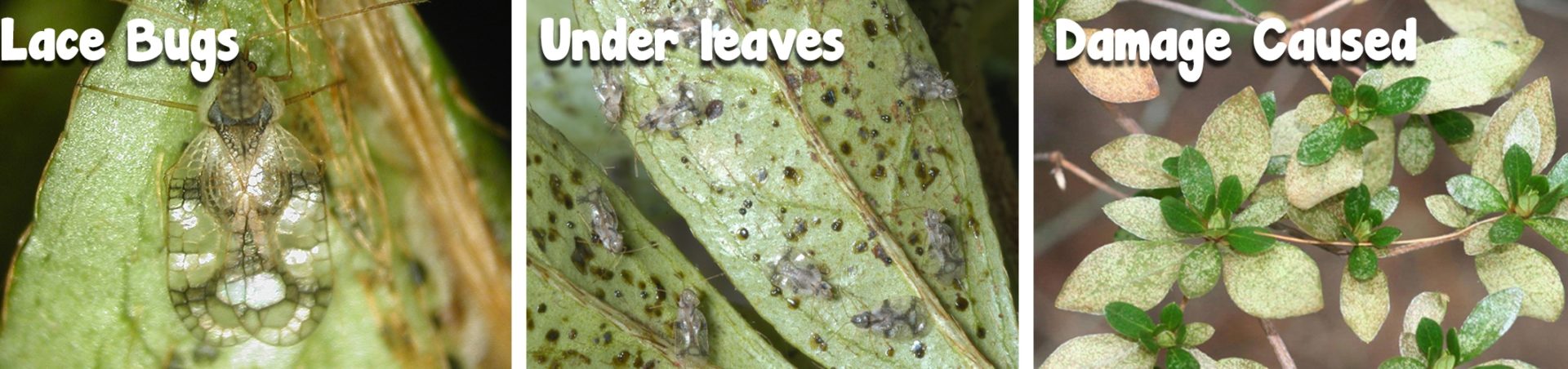
Azalea Lace Bug
Lace bug damage to azaleas normally occurs on the leaves and will look like silvery, white, or yellow spots. This is caused by these azalea insects, literally sucking small sections of the leaf dry and killing that section of the leaf. As these azalea leaf pests move on across the leaf, more and more spots will appear. These azalea insect problems are best avoided in the first place. The azalea lace bug tends to attack plants that are already weakened due to poor fertilizing or watering, so make sure to take proper care of your plants.
If your azalea shrub is already infested with these azalea leaf pests, you can try one of two methods for getting rid of them. The first is chemical controls and the other is organic control. Chemical control involves using insecticidal soaps (some of which are organic). Most off the shelf insecticides will effectively kill azalea lace bugs. For organic control of these azalea insects, you can try several methods. The first method to try is to spray the plant down with a sprayer on the hose. This can knock the pests of the plant and disorient them enough to prevent re-infestation.

• Codling Moth
Codling Moth attacks Apples and Pears. The moth lays its eggs on leaves and immature fruit as flowering finishes. The hatching caterpillars then burrow into the fruit and eat it from the inside.   Yates Success Ultra is a good product to control these. You can also use organic control methods such as neem oil or even physical barriers such as fruit bags. Welcoming beneficial insects in your garden will also help with the control of codling moths.


• Keep an eye out on your Rose plants for common diseases such as black spot, rust, and mildew. If you have noticed any fungal disease in the past on your plants, now is a good time to spray them with some organic copper-based fungicides.

That’s it for this month

Wishing you all the best in the garden! Keep smiling, be happy and as usual, stay safe lovely people  🙂

Gardening November Melbourne, Victoria, Australia.

A colorful sign with an "WE'RE OPEN!!!!" announcement features a person in a pink tutu holding a star wand, set against a vibrant backdrop.

WE’RE OPEN!!!

It is already November in a couple of days and the weather is looking beautiful here in Melbourne! With the lock-down finally lifted, we were so happy to see all of you back in store these past few days! For those who have not been come in yet, we have 3 great reasons for you to do so!


🍁 Open Cup Day –3 Japanese maples to be won! 🐎

Be sure to come over this weekend and early next week to get some fantastic deals and a chance to participate in our Cup day Sweepstakes! We will be open all day from 9am to 5pm on Melbourne Cup day, Tuesday the 2nd. To celebrate this and the reopening of the store, we are doing a sweepstakes with 3 amazing prizes to be won! 👉

🥇1st –  16″ pot 5ft tall Inaba Shidare🍁 Worth $300!

🥈2nd –  12″ pot 2ft tall Inaba Shidare🍁 Worth $160!

🥉3rd – 10″ pot 4ft tall Inaba Shidare🍁 Worth $120!
(See Photos on Facebook by clicking here or our Facebook Story)

To participate all you need to do is come and shop in-store starting this Saturday at 9am until Tuesday the 2nd at 5pm and every $200 purchase will give you a ticket to the raffle which will be drawn by Chris on Wednesday the 3rd of November around midday.

The Prizes must be collected in-store in Campbellfield within 12 days. Prizes cannot be exchanged or redeemed for cash. We will kindly ask for photos of the winners and their prize, to be featured on our social media.

We are also doing a  MASSIVE SALE on all your favorite plants! We have brought in beautiful FRESH NEW STOCK, that is looking so lush and fantastic you will want to buy them by the tray, to fill up every corner of your garden. That is perfect as we have some fantastic BULK BUY discounts!!

Ok, here is what we have in store for you:

3 Inch Specials

3 Inch BULK BUYS – Save Even More!

6 Inch Specials

6 Inch BULK BUYS – Save Even More!

More Specials!


Amazing Cottage flowers!

Fruit Trees!

That’s not all!!

We have many more specials in-store only at:
1477, Sydney Road Campbellfield!
Please remember to wear your mask and try your best to observe the social distancing, for everybody’s safety, our staff, and your own!

We are so excited to see you all in-store!!

Colorful flowers and a smiling bee surround the text "Hello October in the Garden" on a bright blue background. A person in a fairy costume is on the left, adding magic to this vibrant scene.

October in the Garden

Hello Hello, dear gardening friends! It is quite hard to believe that October is here already! With some beautiful warm days now in Melbourne, we are eagerly anticipating the end of lockdown. With the incredible amount of orders we have received and the thousands of plants we have delivered the past month, we know for a fact that many of you are making the absolute best use of this time, to reconnect with nature and enjoy some sunshine in the garden, amongst all the pretty plants.  


Soon we will be having people over, for a little party or a catchup barbie, and we can flaunt our amazing gardens. After all the hard work we have put in, we deserve a little praise! There are always little touch-ups to do, little nooks and crannies to fill up, with some colorful flowers perhaps, and general maintenance to do. Maybe you did not think about the garden too much over Winter, but now with the warm weather, you want to spruce it up. If that is the case, there are easy ways to make the garden pop and looking amazing without breaking too much of a sweat. Gardening works wonders for the body and the soul, so let’s get digging and planting!

Maples

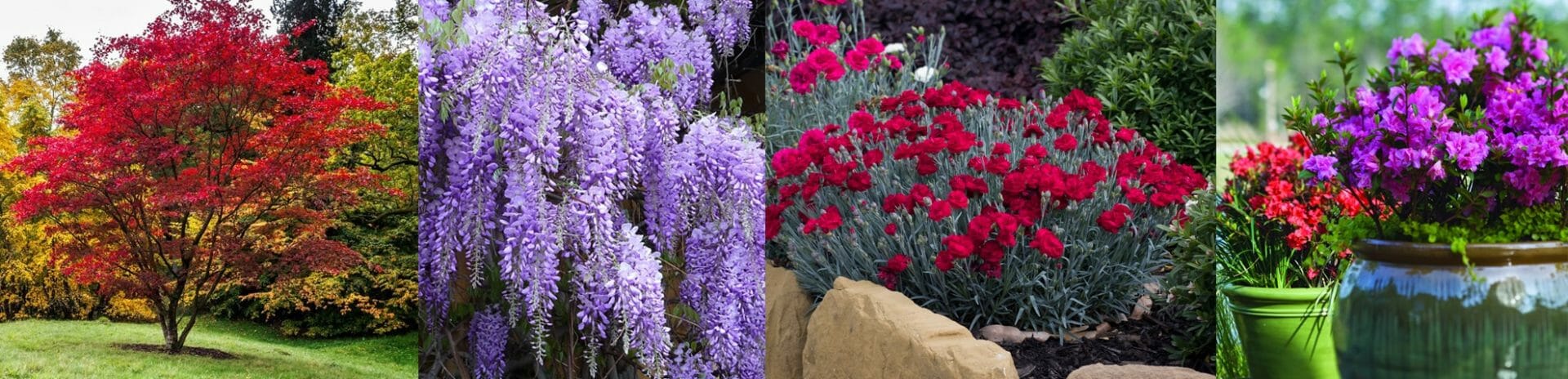
This is a great time to choose your maple as they are at their best right now, putting on an amazing display, with their spectacular array of foliage types and colors. Maple trees can provide a striking focal point in your garden, be the perfect plant to put in a large container on your patio or grow into an impressive bonsai specimen. We have dozens of Japanese maple varieties in various sizes, with a large assortment of leaf shapes and colors ranging from shades of green to orange, red, purple, pink and variegated.

Click here to see them all!

Striking foliage grasses

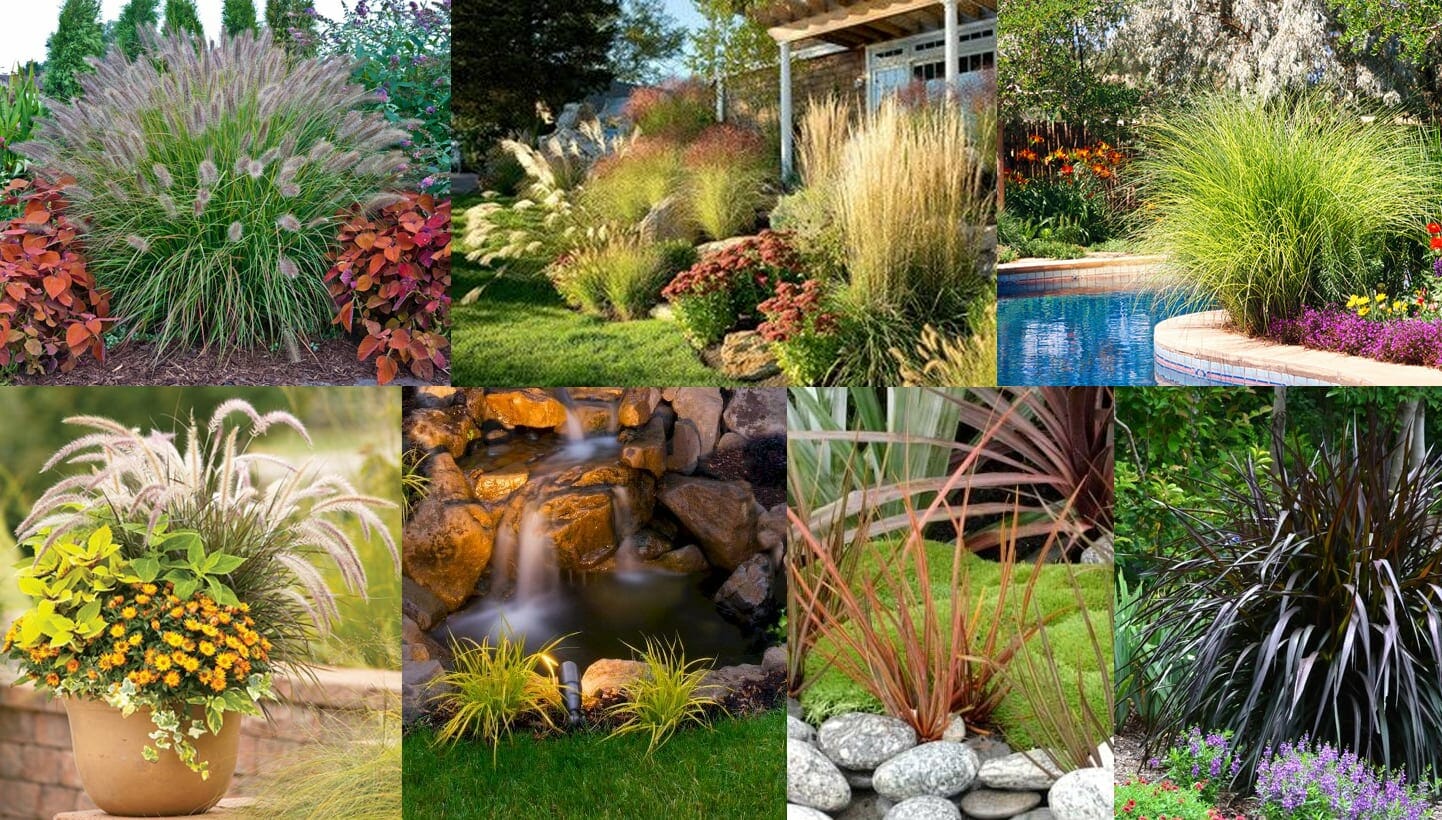
Grasses are starting to bounce back after naturally dying back in Winter and are looking great. Here is an exciting selection of grasses we have right now that will make any garden look amazing!Click here to see them all!


Bare Rooted Plants – Sale Ends Monday!

There are no more bare-rooted roses, but we still have a few great bare-rooted trees such as Maples, Claret and Golden Ash, Robinias, and Mop-Tops.
SALE ENDS MONDAYSee Full list of Bare Root Bonanza here!

Flowers

• We have a fantastic selection of perennial flowering plants in store right now that are already flowering or just about to flower. You can easily plant these in your garden to make it pop with interesting textures and colors all Spring and Summer long.

Companion plant: Here are a few flowers that you can plant from seed right now: marigolds, salvias, petunias, sunflowers, asters, delphiniums, foxgloves, snapdragons, cosmos, and dianthus. Naturtiums are a great companion for Summer tomatoes and capsicums, as they deter many pests.

Tube Flowers. We also have a great selection of flowers in small pots (tubes) of 3-4 inch diameters. These are cheaper alternatives to larger sizes, grow very fast, and will bloom beautifully in the next 2-3 months or so.

More exciting flowering plants! Here are some new and exciting varieties of flowers we have in store.

Fruits

Going into your garden, picking your own fruit, and enjoying them as fresh as they can be, is really a special feeling. If you choose a dwarf variety, you do not always need much space for them, as they are happy to grow in big pots and you can trim them to your preferred size. Now if you have space, by all means, plant a full-size variety and put them in the ground and let them grow into bountiful monsters! You could then perhaps exchange or sell your surplus produce!

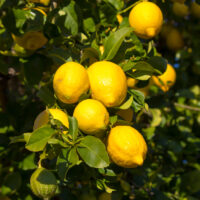
Citrus plants. We have a great variety in 4L pots that are on sale right now! Citrus trees have been hard to get and in high demand this year, but this batch is new in. These are fantastic varieties that were originally destined for Victorian fruit farms, so you know they are born to produce fruit, plus they are very affordable.


Stone Fruit. Here is a great selection of the most popular, some of the rare varieties, and some dwarf varieties, ideal for small spaces. These are in limited quantities, so better hurry up.See full list here. 


Various fruits. Here are some other interesting fruit trees for you.

Veggies, herbs and Greens!

Summer/Spring veggies such as tomato, peppers, squash, eggplants, zucchini, chilies and basil can now be safely planted out in the ground! It is warm enough for them to grow beautifully. Remember to water them in properly with some seaweed fertilizers, which will help them settle in their new spot. See full list here.

Before planting your summer crops, dig in a generous amount of compost and manure in your veggie patch as these plants are quite heavy feeders. If you have experienced blossom end rot on your tomatoes in the past, it could be that your soil is deficient in calcium, and adding some garden lime will fix this issue. Just be aware that garden lime also raises the pH level of soils high in acidity, to make them more alkaline.  

• If you still have remaining Winter veggies, which are surely flowering right now, time to say goodbye. You can juice the leaves or use them in your compost pile. It is not worth saving the seeds, as they will most likely not grow into the same plant you harvested them from. Broccoli, Brussels sprouts, cabbage, cauliflower, collard greens, kale, and turnips come from the same Brassicaceae mustard family of plants and cross-pollinate each other resulting in a hybrid plant when their seed is planted. 

Leafy greens such as lettuce, spinach, rocket, endive, silverbeet, mustard greens, and celery will all grow well in the garden right now until the early hot days of Summer are here. If you have limited space, you may want to favor Summer veggies instead and leave the leafy greens for the cooler months. You can also get creative and plant lettuce/rocket under or around your tomatoes/capsicums as they usually have shallow root systems that will not interfere too much.  Planting them every couple of weeks will ensure a steady supply. See full list here.
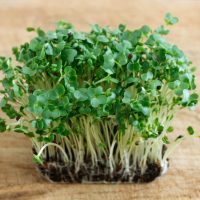


• Root Veggies such as carrots, radish, turnips, parsnips, and beetroot are also great to plant right now. These are best sown directly in the soil. Young leaves can also make a tasty addition to your salads.

Culinary herbs are really easy to grow and can be grown in pots on your balcony or your patio. They will grow well in shaded, partly shaded and sunny spots. You can harvest them and they will simply grow back. You can also chop them up, dry them and create your own mixed herbs for later use. Once you start planting your own herbs, you will never buy them at the supermarket again.

Click here to see them all.

Herbal Teas are perfect to aid digestion, sleep, and have many other beneficial virtues. You can either dry the leaves up for storage or use them fresh. 


• Interesting herbs. These are beautiful variegated varieties that have a different and interesting look to them. They look fantastic in pots.


Pruning, Repotting & Weeding

Spring flowering plants that have already bloomed can be deadheaded to keep them nice and tidy, and encourage more blooming. 

• If your potted plants are looking overcrowded, you can always trim them or split and re-pot them into new pots. Make sure to use the right potting mix for them.
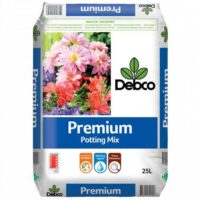
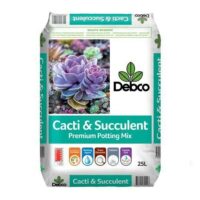
Scraggy plants. If you have tried to revive and fertilize old and sad looking plants to no avail, perhaps it is time to replace them. Rework the soil after pulling them out and let it settle for a week before planting a new plant there.

• Always stay on top of the weeds. With all the Spring flowers blooming and then releasing their seeds in the wind, you will see small seedlings popping up everywhere. It is easier to get them while they are still small by disturbing the topsoil and applying some mulch.

Soil, Fertilising, and Mulching

• For your veggie patch, if you have very poor soil, mix in generous amounts of rich compost, manure, and also some blood and bone meal. If your soil is already quite good, instead of turning it over, try top dressing. Turning the soil over when you already have healthy soil will disturb the delicate worm and microbial systems, which take time to build and are important for good plant development.
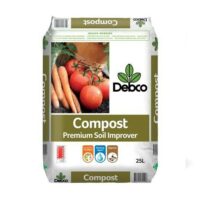
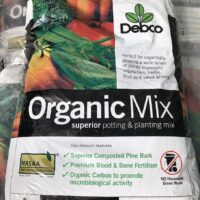

• Improve the growth, health, and yield of your plants by nurturing the soil as an alternative to using fertilizers. You can do that by restoring the beneficial microbial activity in your soil with some compost tea.

• Put some rich compost or well-aged manure around your fruit trees, to give them the well-needed boost for the Summer fruiting season.

• It is best to give some liquid feed to Summer flowering annuals every couple of weeks with a complete liquid fertilizer, to encourage healthy and vigorous new growth. You can also add some slow-release granular fertilizer that will feed your plants over a period of 3 to 6 months.

• You can put some fresh mulch around your plants to keep weeds at bay. If you are putting mulch for the first time, make sure to choose the right ones as they change the PH of the soil when they break down. Pine bark mulch creates acidity when breaking down, so it is perfect for Azaleas or Camellias, whereas straw or sugarcane are recommended for veggie beds. Do not put mulch too close to the stems but rather around it, as this will encourage the roots to grow outwards to find water and make them stronger. Also, make sure to give the soil a good soak before mulching. When watering over mulch, it needs some extra water to make sure it penetrates into the soil.

Pests & Disease

Now that there are lots of new shoots and seedlings, coupled with some warm weather and few showers here and there, there will be more insects in the garden.

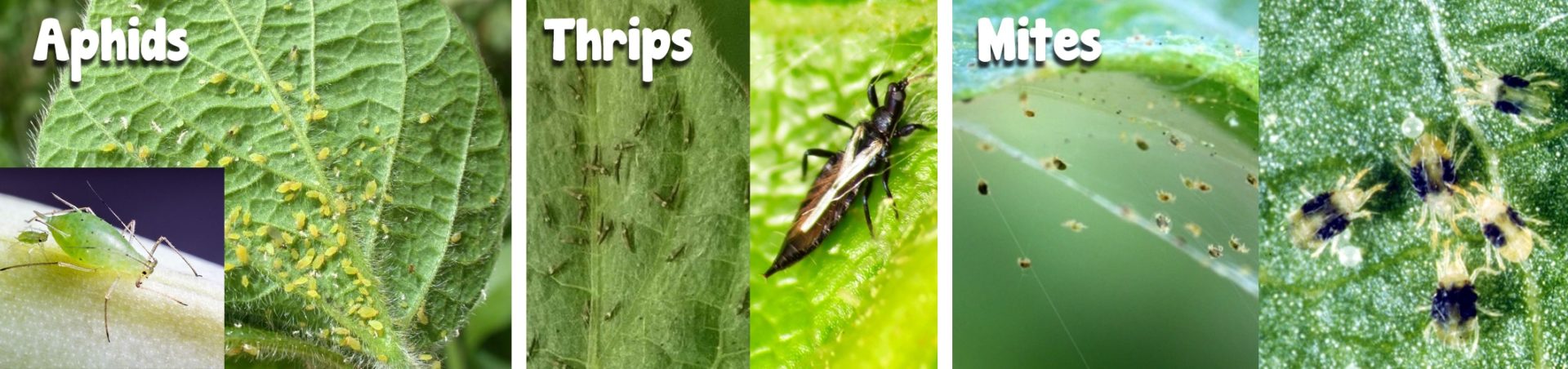
Aphids. Keep an eye out for them as they love the tender new growth. If there are not too many, you can leave them to help build the beneficial insect population that will then take care of the aphids for you later on. If you have an infestation, on the other hand, you can make some homemade aphid spray to apply under the leaves of affected plants. Mix 2 tsp vegetable oil, 1 tsp dishwashing liquid, and some garlic cloves crushed,  mixed in 1lt of water, and left to infuse overnight. This is completely safe for other beneficial insects. Also, think of planting some beneficial insect plants that will attract ladybirds and they will take care of aphids for you. A favorite plant for ladybirds is the Angelica herb.
• For ants you could sprinkle some diatomaceous earth on the ground where there is a lot of ant activity but only when it is dry. You will have to reapply it after it has rained. It is a natural organic control method that will not harm other insects.

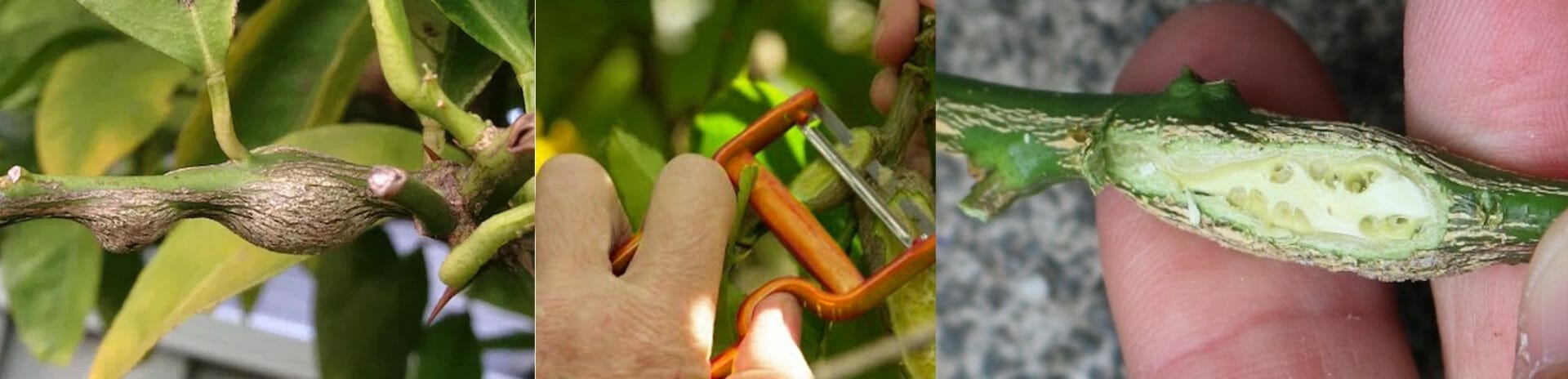
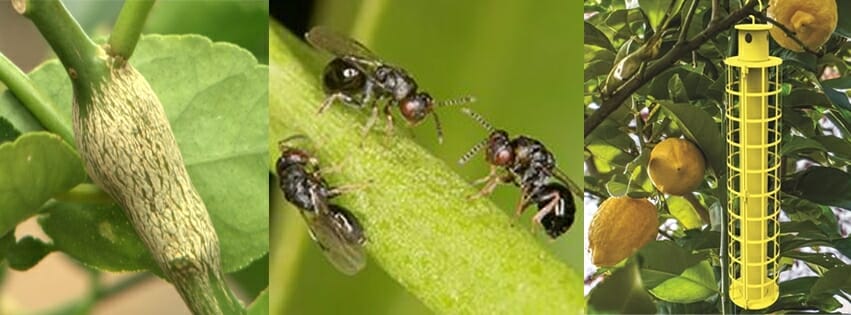
Citrus gall wasps are starting to emerge now that there is new growth. You should inspect your citrus trees and shave off of any galls you see with a potato peeler, exposing the wasps to die instead of cutting off the stems. If you cut the stems, it will encourage new growth that the wasps love. Some extra protection can be given by setting up some wasp traps.


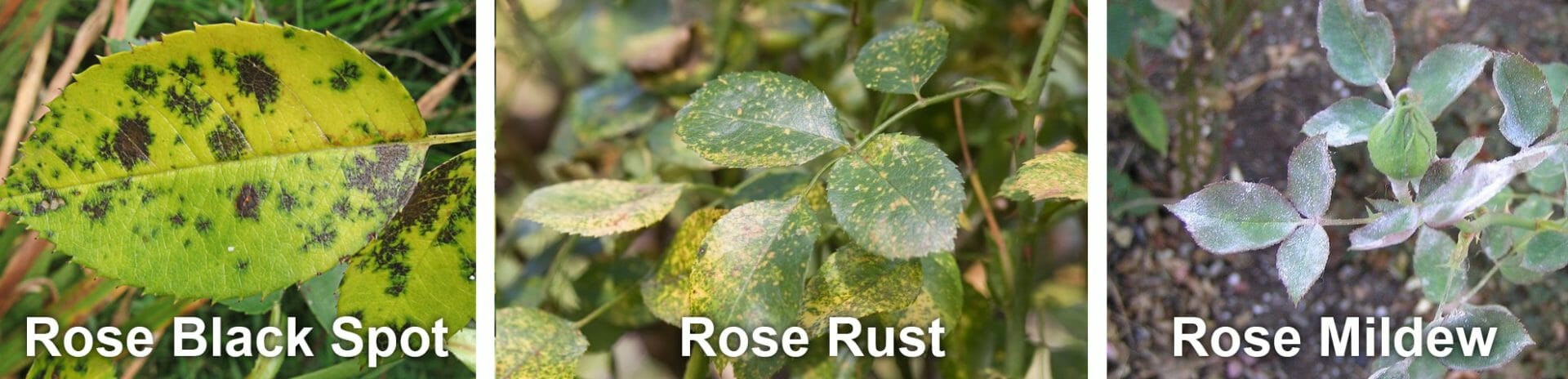
• Keep an eye out on your Rose plants for common diseases such as black spot, rust, and mildew. If you have noticed any fungal disease in the past on your plants, now is a good time to spray them with some organic copper-based fungicides.

That’s it for this month
! How exciting!

Wishing you all the best in the garden! Keep smiling, be happy and as usual, stay safe lovely people  🙂

Gardening October Melbourne, Victoria, Australia.
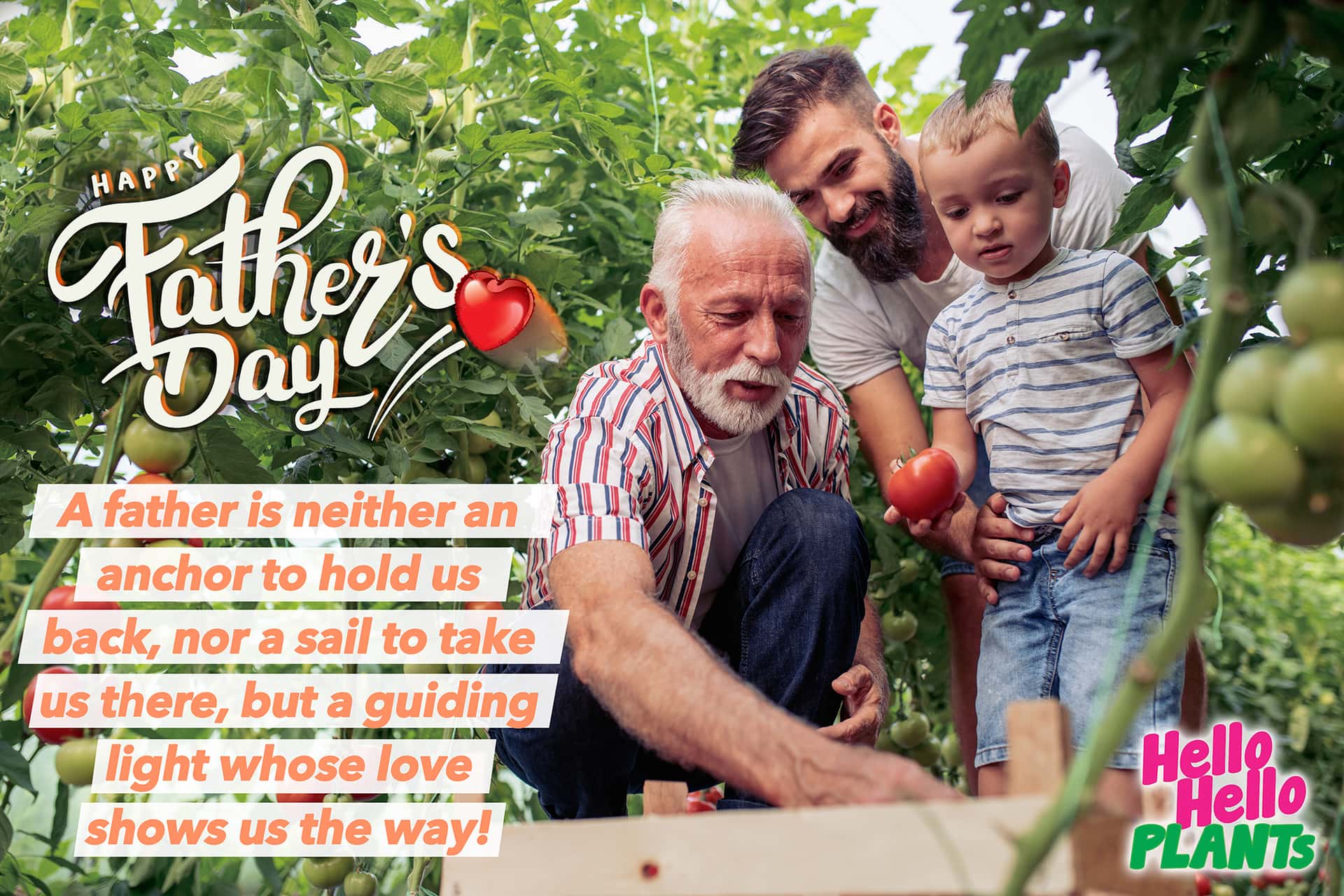
A grandfather, father, and young child are in a garden picking tomatoes. The text "Happy Father's Day" is written with a heart symbol, celebrating the joy of family bonds.

Father’s Day 2020 in the Garden

In Australia on Sunday the 6th of September we celebrate Father’s Day, a celebration of dads, honouring fatherhood, paternal bonds and the role fathers play in society. Do not miss this opportunity to tell your dad and/or granddad how much they mean to you on this day, but also every other day!

This year in Victoria, Father’s Day is possibly a bit tough for many of us, as lockdown restrictions might mean we can’t see dad on the day. But we can still get creative and send some love his way! Especially some wonderful plants and supplies for the garden.

Father’s Day Deliveries to Dad

All around Victoria, the postal, courier and delivery network is feeling the strain of lock-down demand, and here at Hello Hello Plants we are working double shifts and delivering every day from morning to night just to keep up! That being said, there are some delays all round.

If you want to give dad the gift of plants, these may not reach him in time or on Father’s Day. We suggest two options:

1. The best choice is getting dad one of our email gift vouchers. While we also offer physical gift cards, we’re all at the mercy of Australia Post at the moment and we cannot guarantee that a posted card will arrive on time. You can elect to have this sent straight to dad’s email, or sent to your own email to then forward to him or print on the day. Then he can order what he wants on our website and get home delivery.

2. If you want to specifically pick out plants for dad, you can still order a surprise gift for him, and then send him copy of his order on Father’s Day and let him know it’s on the way. Our current turnaround time is 1-10 days with an average of 6 days during lockdown. Just specify in your order notes if we shouldn’t deliver BEFORE Father’s Day!

Gift Vouchers and Hand Written Cards!
How about giving dad the gift of his choice? A gift voucher is perfect if you have no idea what he would like and want to let him choose. Also, we can add a handwritten card to your plant order for a very personal touch if you go for option 2 above!

Top specials for our superhero, DAD!


Click here for even more current specials!

Some more plants that Dads Love! Pines and Bonsais!

Fertilizers!

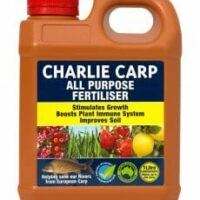
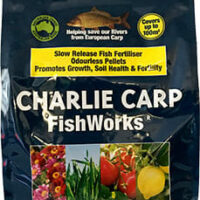
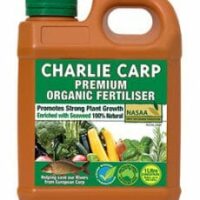
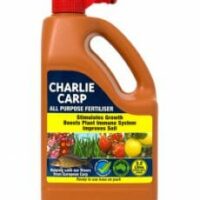
He spends so much time out in the garden and it should look like a million bucks! Healthy soil and the right fertilization regimen makes plants thrive and bloom. It makes all the time spent out there worth it. Here is a new selection of quality Australian made fertilizers you can get for him.

Potting Mix and Compost!

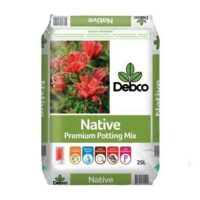
When you buy beautiful plants, you should not risk planting them in bad soil. There are so many potential problems, such as PH, drainage, pathogens, nutrient content, etc. So for stress-free planting, choose some professional planting mix  that will guarantee greater plant success!

Text "COVID-19 August Update" is overlaid on a background of lush green plants.

August COVID-19 Update

In line with the Victorian Government’s latest direction to prevent the spread of COVID-19, our Campbellfield retail store will be closed from Thursday the 6th of August to all customers except for genuine tradespeople (builders, landscapers, developers, farmers etc).

You can continue to purchase plants from us online via our website, or over the phone on (03) 9359 3331. Our retail store’s customer service staff will switch focus to answering your phone and email inquiries. We will continue to offer our contactless delivery service throughout metro Melbourne and regional zones, as well as posting smaller plants across the East Coast of Australia. In support of all those people doing the right thing and staying at home, we have decided to continue to offer free delivery on all orders over $300 within Metro Melbourne and to most regional Victorian centres, despite the cost to our business.

In the last few weeks we have received an unprecedented number of orders for delivery, but we are confident in continuing to fulfill your orders. There may be some delay as we adjust our business to face these new hurdles, re-deploying staff and managing the change. But we have met the challenges this year has thrown at us so far, and our 6-vehicle fleet will keep doing laps of Victoria from morning to night 7 days a week. We have maintained growing at our own farm in preparation for Spring despite these uncertain times, and we are working closely with dozens of suppliers and small Victorian growers to maintain availability of the broadest possible range of plants.

As the Victorian Government has announced, we can & will also continue to operate a Click & Collect service, allowing you to pick up your plants from our Campbellfield store. If you are picking up from us after Thursday the 6th of August, you will receive special instructions on how to safely do so. However, if you do select this option, please ensure that you are not violating stay at home restrictions by visiting us to collect your plants. Instead, it’s safer to select one of our contactless delivery options.

It is not unusual at the moment for all of our phone lines to be busy with customer inquiries. If you cannot get through to us over the phone on (03) 9359 3331, please email sales@hellohelloplants.com.au for general inquires, to check the availability of any products or to make an order. For an existing order, please email orders@hellohelloplants.com.au.

Please be kind to our staff. They all want you to get your plants, and they are working extremely hard to make sure you do so.

Keep calm and garden on Victoria, from all of us at Hello Hello Plants.

A mug with "August in the garden" printed on it, filled with daisies, next to a straw hat and a book, set against a sunlit, blurry natural background.

August in the garden

Hello Hello, dear gardening friends! August is here and we start yet another exciting month in the garden. We are still getting a few frosty mornings in Melbourne, but the days are getting noticeably longer. This is the last month of cold Winter days, and soon we will be in jumping into the most exciting season: Spring! But before Spring gets here, there is a lot to do in the garden, to get it ready for this magical time of the year!

Right now native plants, Azaleas, and Camellias are reaching the end of their flowering season. Acacias and Hardenbergias are putting on dramatic displays and deciduous trees such as cherries and magnolias have swelling buds that are getting ready to burst open revealing their great unique beauty and delightful fragrance.

Despite the cold, we know how eager you are to get into the garden, but where to start? Here are some things to do in the garden:

Bare Rooted Plants

Now is the best time to get your bare-rooted plants while it is still cold, to give them the best start possible. They will have sufficient time to harden off, get their roots growing in their new spot, and be ready for a Spring explosion of growth and bloom. That includes beautiful weeping cherries, Standard Roses, Ornamental Pears, Mop Tops, and Silver Birches. (Click on the links to view the products)
If you have already purchased and planted your bare root plants, remember to keep it moist. Even though they have no leaves, they still need water to grow a nice root system. If you are still planning to get some bare-rooted plants, here is a practical guide about how to plant them properly. Click here.

• Bare Root fruit trees will be here very soon! In about a week we will have a fantastic selection of apples, pears, apricots, plums, etc. The next two months is the best time to plant them.

Flowers, Bulbs and Seeds

• There are several perennial flowering plants that are just about to flower, that you can easily pop in your garden to give you some beautiful colors.

• Now is a good time to plant spring-flowering bulbs such as Dahlias, Liliums, Lily of the Valley, etc. (We do not sell this in-store yet)

• You can now plant Spring/Summer flowering annuals such as Snapdragons, Hollyhocks, Verbena, and Lupins. You can start sowing Marigold and Petunias in the coming weeks but you will need to provide protection from late-season frosts. Marigolds are also a great companion plant for tomatoes and capsicums, as they deter many pests. (We do not sell seeds in-store yet)

• We have an incredible range of deciduous magnolias in store right now that are about to burst into bloom in the next couple of weeks! Click here to see them.

Fruits

Protect yourself and your family with some extra Vitamin C and natural anti-oxidants by growing and eating fresh fruits right in your garden. If you have limited space, ask us about our dwarf varieties, which are specially developed to stay small but still produce big crops of fruit. Here is what you can grow right now:

Citrus plants. Right now is just perfect for planting citrus. We have a great selection of dwarf and full size trees such as oranges, mandarins, limes and kumquats.

Berries are so yummy and easy to grow. We have lovely varieties of strawberry, blueberry, blackberry and dwarf mulberries.

Stone fruit are about to flower and put on a beautiful show for us before giving us some amazing summer fruit, starting with the lovely pink apricot blooms! We have some amazing varieties right now that are ready to fruit this season and they are on sale right now In-Store Only, from $̶5̶9̶.̶9̶9̶ to Only $29.99. This includes Plum (Angelina, Santarosa, Satsuma), Apricot (Moorpark, Travat), and Pears (Triumph and Beurré Bosc)!

Vegetables & Herbs

• As we still have about a month of cold weather left you can grow lettuce, leek, spinach, peas, rocket, Asian greens, silverbeet, onions, parsley, radish, beetroot, parsnip, broad beans, Jerusalem artichokes and Asparagus.

• You can also grow potatoes although make sure to grow from potato seed and not store-bought ones as they can spread disease in your garden.

• You can still grow winter crops such as cabbage, broccoli, and cauliflower if you already have them in the ground but it is not worth starting them from seed right now or buying small seedlings. Actually, in the next couple of weeks, it would be ideal to harvest them all from your garden to prepare the soil for the Spring and Summer veggies.

Spring/ Summer veggies. If you have a glasshouse you can try your luck at getting an early start with sowing seeds of tomatoes, capsicum, zucchini and eggplants. The seeds can also be germinated on a sunny windowsill indoors and once spring is here you can pop them in the garden for some early crop. (more info about preparing soil below)

• It is always a good time to plant herbs. We have a fantastic variety in store, such as mint, oregano, marjoram, verbena, chamomile, etc

Pruning, Repotting & Weeding

• If you forgot to prune your roses at the end of the last flowering season, you can still do it now, to get them ready for the new spurt of growth in Spring. Make sure to use clean secateurs. Pruning is best done mid to late Winter or early Spring – remember to hold off until the most severe frosts have passed in frost-prone areas.

Apricots are best pruned in Autumn, but you can still do it lightly once they have started flowering, which is right about now, to keep them tidy and manageable. Avoid pruning if your area has late frosts. (Pruning in Winter allows entry of bacterial gummosis in many stone fruit. More about this lower in the article). Other Deciduous fruit trees could also use a fresh trim now!

Winter-flowering natives and non-natives can be pruned back and deadheaded to keep them nice and tidy. It is also a good time to prune back your evergreen trees to encourage new growth this Spring.

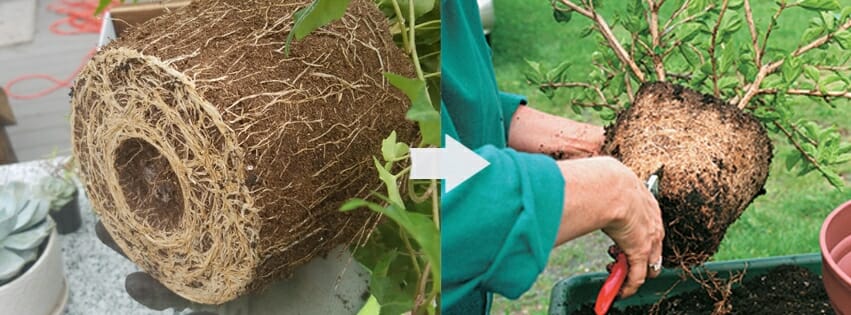
• If some of your potted plants have become overcrowded or looking sad, now is a great time to split them up and re-pot them. The sad-looking ones are usually root-bound and could use a light root trimming and potted into a bigger pot perhaps, or the same one with some fresh potting mix. Keep them partly shaded and protected for at least a week, then you can give them a liquid or foliar fertilizer feed. Also remember to remove the dead, damaged, and excessive growth to improve air circulation. Your succulents can be divided up and put into new pots. More plants!! YAY!

Scraggy plants. In their prime, they looked fantastic! But now some plants are not performing well despite being pruned, fertilized, and taken care of. They are prone to disease and put your other healthy plants at risk. They could be old and have dwindling strength. Consider pulling them out and replacing them with something that will perform for you. Remember to rework the soil and let it settle for a week or two before putting a new plant there. If you are unsure if your plant can bounce back, you can always send us a photo of the plant with some details and we will give you some advice.

• Stay on top of the weeds and pull them out as soon as possible, as with the longer days they will start to set seed! And you do not want that to happen, as you will be fighting weeds all Spring and Summer long if they start dropping in your garden.

Soil, Fertilising, and Mulching

• If you have poor soil in your vegetable beds, with a couple of small Winter crops still growing, you could start harvesting and emptying the beds to prepare them for Spring vegetables. Throw in generous amounts of rich compost, manure and blood and bone meal and turn it over to mix it thoroughly. Let it settle for a week or two and it will be perfect for your tomatoes, eggplants, and capsicums during Spring and Summer. It is also a good idea to test the PH of the soil and amend it as necessary. Remember that the PH will change with the new additions so test it at various intervals. The aim is to get a neutral Ph of 6-7, which vegetables thrive in. Sulphur (liquid or pellets) and pine mulch make your soil acidic whereas lime and mushroom compost increases alkalinity.

• Over the winter the microbial activity in your soil is very low because of the cold. In the next couple of weeks, you can prepare some nice compost tea to give it a microbial boost for spring.

• Put some rich compost or well-aged manure around your fruit trees, to give them the well-needed boost for the Summer fruiting season.

• It is best to give some liquid feed to Winter/Spring flowering annuals every two weeks with a complete liquid fertilizer.

• You can put some fresh mulch around your plants to keep weeds at bay. If you are putting mulch for the first time, make sure to choose the right ones as they change the PH of the soil when they break down.

Pests & Disease

There are always pests and diseases lurking around, but we do not see them a whole lot in Winter. Thankfully the cold gets rid of a lot of pests and gives us a nearly pest-free garden until the temperature starts to rise.

Citrus gall wasps emerge in Spring, often timing emergence with the onset of a flush of new growth. You should inspect your citrus trees and prune off of any galls you see. Some extra protection can be given with some wasp traps.

• There are a lot of fungal diseases that can attack your rose plants such as black spot, rust and mildew. If you have noticed any disease in the past, now is a good time to spray them with some organic copper based fungicides.

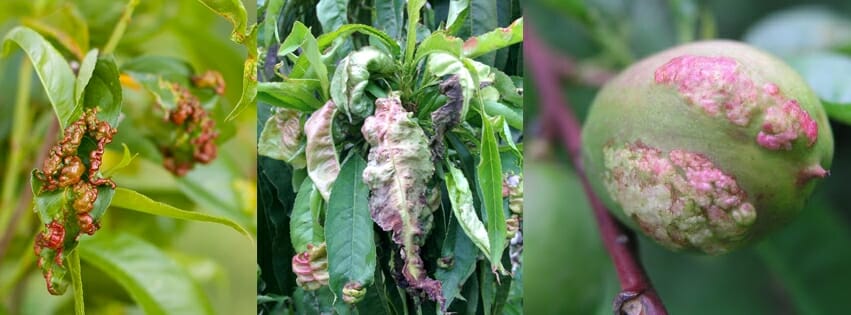
Leaf curl is mainly a disease of peaches and nectarines, though it may also affect almonds and apricots. It’s caused by the fungus Taphrina deformans and occurs wherever peaches and nectarines are grown. Some symptoms are leaves that are entirely or partially curled, distorted, and are initially pale green in colour before turning red or purple. This will result in fruit that has raised, irregular rough patches, usually red in colour. Such fruit often falls prematurely. You can treat this with commercially available copper or lime-based fungicide sprays just during bud swelling, but before they have opened. Once opened it is too late to spray as the leaves will get damaged.

That’s all Folks!

You probably thought that there was not much to do in the garden at this time of the year, but hopefully, this article has given you some insights and motivation to get a smashing start to Spring! See you next month and happy gardening lovely people 🙂

Gardening August Melbourne, Victoria, Australia.
Text reading "July COVID-19 update" overlaid on a background of lush green leaves.

July COVID-19 Update

Victoria has gone back into lockdown for 6 weeks.

As previously during the original lock-down period, retail stores can remain open subject to social distancing, which we ask you to follow if you decide to visit us in store, to keep yourself and our staff safe. But we also encourage you to place your order online or over the phone for delivery or collection.

What we learned from the first lock-down is that Victorians love to garden, and they love cheap/free home delivery! Rather than using couriers, our strength has always been in maintaining our own in-house delivery fleet. We were able to continue to provide contact-less deliveries to everyone stuck at home, and we were a little unprepared for the demand the first time around! We thank all our customers who waited patiently to get their plants. We have been delivering 7 days a week since then, and at times our drivers delivered over 100 orders a day around Metro Melbourne, as well as servicing regional and remote Victoria!

The good news is that we learned a lot and have spent this period improving our order fulfillment process and adding more staff to cope with a higher demand. Along with our existing cheap delivery fees, we have decided to continue our offer of Free Delivery for orders over $300 to Metro Melbourne and Victorian regional centres.

We know that gardening is a great way to pass a lock-down, whether it be making your surrounds beautiful or finishing off that project, so we are committed to helping you get your plants. Winter is a great time to plant as there is plenty of rain to keep your plants moist during their first few weeks in the ground. Many plants are dormant or semi-dormant and are quite happy to be transplanted or sold and transported bare rooted. This usually equals a saving cost wise, and your plants are well settled and ready to burst into life come Spring.

Some things to know:

• We are open from 9am to 5pm every day at our store at 1477 Sydney Road Campbellfield until further notice.

• You can visit us in store, but please stay home if you have any symptoms of illness. Maintain social distancing at all times, use the hand sanitizer provided, and be courteous to our staff.

• You can call us to place an order over the phone on (03) 9359 3331, or place your order online via our website.

• You can still get a free Garden Design consultation via video chat (Zoom, Skype etc). Simply complete the preliminary questionnaire and request a Garden Design booking.

• For existing orders, we will contact you the day your order will be delivered, or as soon as it is ready to pick up. To inquire about the progress of an order, please email us at orders@hellohelloplants.com.au

Stay safe and garden on Victoria! And we’ll bring the plants!

Transparent globe amidst lush greenery with "World Environment Day" text, symbolizing nature conservation efforts.

World Environment Day 2020!

World Environment Day is celebrated worldwide on June 5. A platform for action, World Environment Day is the United Nations day for encouraging worldwide awareness and action to protect our environment.

Origins of the World Environment Day

It’s the 48th World Environment Day this year, and the first one took place in Stockholm, Sweden in 1972.  Back then, it was the first major conference of it’s kind. The aim was to focus on the development of environmental politics, environmental issues, and encouraging worldwide awareness and action for the protection of the environment. The responsibility for the primary celebrations rotates to a different country each year.

Theme and Host Country for World Environment Day 2020

World Environment Day 2020 will focus on Biodiversity and will be hosted in Colombia in partnership with Germany. This year World Environment Day 2020 theme is “Celebrating Biodiversity”, with the slogan “Time for Nature.”

“With 1 million species facing extinction, there has never been a more important time to focus on biodiversity.”

Colombia has put together a wide-ranging series of events featuring experts on biodiversity issues from across the globe. Click Here to view the programme.

Threats to Biodiversity

Australia has such a diverse unique flora and fauna

‘Many of the Earth’s ecosystems are nearing critical tipping points of depletion or irreversible change, pushed by high population growth and economic development. By 2050, if current consumption and production patterns remain the same and with a rising population expected to reach 9.6 billion, we will need three planets to sustain our ways of living and consumption.’

Human activities have significantly disturbed three-quarters of the world’s land surface. Two-thirds of ocean areas are also impacted by human activity, through overfishing, industrial pollution and oil spills, and garbage accumulation. Wildlife species are disappearing tens to hundreds of times faster now than in the past 10 million years. By 2030, the world may have lost one out of every four known species. Scientists have declared this the sixth mass extinction event in world history. At current rates of species extinction, the sixth event is on track to be more severe than the one that wiped out the dinosaurs.
Here are the 6 main threats to Biodiversity:

  1. Climate Change
    Increase in the temperature of the atmosphere has major effects on the environment such as the seasons, rising of the sea levels, and glacial retreats, floods and as we have seen here in Australia, more bush fires and droughts.
  2. Habitat Loss and Degradation
    Habitat loss are sometimes caused by natural events like geological calamities but more commonly by human activities such as deforestation, diverting rivers, mining, fracking and many other destructive behaviors.
  3. Pollution
    Be it in water ,air, or land pollution, all forms of pollution are a threat to all life forms on Earth. Recently with the Covid 19 pandemic, we have witnessed a decrease in pollution due to a slowing down in human activities, and that was refreshing, but on the other hand we saw many plastic gloves and face masks washed up in the ocean and killing wildlife.
  4. Invasive Species
    An exotic or unnatural species can be any kind of organism that has been introduced to a foreign habitat. This introduction can cause major threats to the native species. For example Cats are a major threat to our native bird population here in Australia.
  5. Over Exploitation
    This refers to the act of over-harvesting species and natural resources at rates faster than they can actually sustain themselves in the wild.
  6. Other Threats
    There are many other threats such as the spreading of diseases from farmed animals to wild animals. The impact of roads and highways reduce the habitat area of many species. Noise and perturbations to the environment such as sonar uses in the sea that disrupts cetacean species communications and many more.
From Bushfires to Deforestation, what is the future of the Koala bear?

Australia’s Biodiversity loss

Since the arrival of Europeans in Australia, just over 200 years ago, there has been an extraordinary increase in the rate of environmental change and in the loss of biodiversity in our ecosystems. One of the main threats to Australia’s biodiversity is habitat loss, and land-clearing is happening at a staggering rate. Projections suggest that 3m hectares of untouched forest will have been bulldozed in eastern Australia by 2030, thanks to a thriving livestock industry and governments that refuse to step in.

Some of these ecosystems lost include:

  • 75% of rainforests and nearly 50% of all forests;
  • over 60% of coastal wetlands in southern and eastern Australia;
  • nearly 90% of temperate woodlands and mallee;
  • more than 99% of south-eastern Australia’s temperate lowland grasslands;
  • over 83% of Tasmania’s lowland grasslands and grassy woodlands;
  • about 95% of brigalow scrub that originally grew in Queensland;
  • over 90% of Victoria’s grasslands.
The thylacine, now extinct, is one of the largest known carnivorous marsupials, evolving about 4 million years ago. The last known live animal was captured in 1933 in Tasmania.

We concluded that exactly 100 plant and animal species are validly listed as having become extinct in the 230 years since Europeans colonized Australia. You can read more about this here.

Clearly, human activities have the most significant impact on biodiversity loss. At present, our planet continues to face these threats to biodiversity.

IN THE FUTURE, YOUR CHILDREN OR THE YOUNGER GENERATION MIGHT ASK YOU A QUESTION ALONG THE LINES OF, “WHEN THE CRISIS ON BIODIVERSITY BECAME SO RAMPANT DURING THE EARLY 2000S, WHAT DID YOU DO ABOUT IT?” WHAT WILL YOUR ANSWER BE?

Things you can do to help biodiversity and the environment:

Sydney, Australia – March 15, 2019  Climate Emergency rally
  • Reduce, reuse, and recycle. Cut down on what you throw away. Follow the three “R’s” to conserve natural resources and landfill space. Reduce your use of water, electricity and other non renewable and recycle everything as much as possible.
  • Volunteer and Educate. Volunteer for cleanups or tree planting in your community. Teach others, especially children to help them understand the importance and value of our natural resources.
  • Conserve Water & Energy. The less water you use, the less runoff and wastewater that eventually end up in the ocean. You can also save grey-water from your sink to water your garden. Energy efficient light bulbs reduce greenhouse gas emissions. Also flip the light switch off when you leave the room! Does your WiFi or your phone need to be always on?
  • Shop wisely & Choose sustainable. Buy Local, buy organic.Learn how to make smart food and seafood choices. Buy less plastic and bring a reusable shopping bag.
  • Drive less. Bike or walk more, and use your car sparingly. Do some car pooling with your mates and use public transport.
  • Plant as many trees as you can. Go for Native trees and flowers that support the local wildlife the best. Trees provide food and oxygen. They help save energy, clean the air, and help combat climate change. They help the biodiversity and ecosystems to survive and thrive. If you have land, seek your local council or nurseries to see if there are any free or cheap plants. If you have limited space, consider pots. And if you do not have space, volunteer some time or money to tree planting organisations. Click here for our big selection of very cheap plants.
  • QUIT the use of pesticides and petroleum based fertilizers in your gardens. These often have knock-on effects in wildlife populations and run off into water courses with adverse effects for the plants and animals living there. Ask your Local Authority to do the same.
  • VOTE! Find out about legislation affecting biodiversity, make contact with your local political representatives, tell them how you feel and ask them what they will do to help.
  • Support people and groups who are acting on long-term ecological sustainability. Find out about activists group and share their message and donate to their cause. This is vital for our future!

20 Cents For a Native Plant!

For this long Weekend only (6,7 and 8th of June) and to promote biodiversity we will be selling native plants for the symbolic price of 20 Cents for Kids only. As children are the future, they should be taught and encouraged to plant!

That will be an Economy grade plant that is Native to Australia such a Kangaroo Paw or Callistemon. There is a limit of one plant per child and isthis offer is IN store only at 1477 Sydney Road, Campbellfield.
We hope that this article gave you some inspiration or incentive to make changes to your lifestyle. Thank you for your time and remember that: Protecting our planet starts with you!

Some plants that are great for biodiversity:

Low growing flowers and herbs such as Daisies, Lavenders and Thyme are excellent for bees and other beneficial insects in the garden.
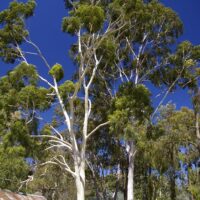
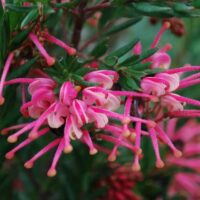
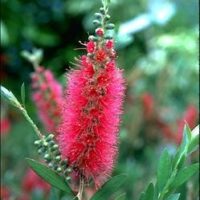
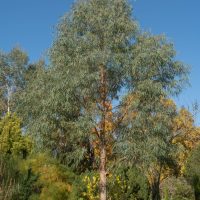
Flowering shrubs and trees, especially natives such as Grevillea, Callistemon, Corymbia, Gum Trees, Banksia, Westringia, Tea Tree are all excellent for native bees and birds!

A colorful advertisement banner saying "hello hello plants - overstock sale open everyday over cup week!" set against a cartoonish green landscape.
We’ve Overbought! Now we need to Under Price!

Hello Hello Friends,

You might already know how Chris loves to get you the best deals possible by buying in bulk from his suppliers, and passing his savings on to you!

But he was a little overzealous while ordering, and now the nursery is Chock FULL of beautiful plants that need a new home!! So Chris is now walking around the nursery in his pink tutu and slashing all the prices!! These won’t stay in stock for very long at these low low prices, so make sure you get those plants that you’ve always wanted while they are cheap cheap!

Here are just some of the plants that are in the clearance, and there are many others that are available exclusively instore!

A Flash Back In Time

A Flash Back In Time

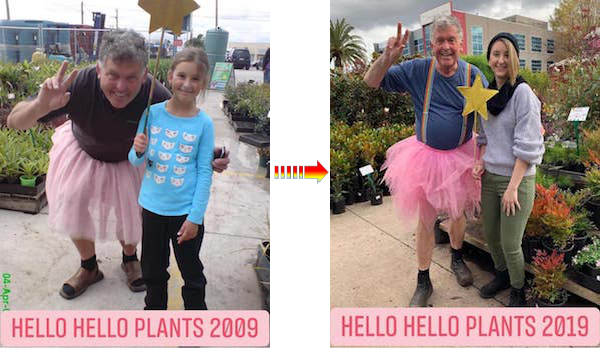
??Awww doesn’t it make your heart melt?!??One of our beautiful customers shared this photo she had of her daughter from 2009!
?So we recreated it 10 years later!!
What champs! ?
Thanks guys! ?

We love stories like this. After serving the local community and grater Victoria for such a long time it is really wonderful for us to be able to experience special moments like this. They say a picture is worth a 1000 words… well how about 2 pictures!?

?1477 Sydney Rd, Campbellfield ☎️(03) 9359 3331 ⭐️OPEN EVERYDAY 9am – 5pm ?

Chris With Customer

Select the fields to be shown. Others will be hidden. Drag and drop to rearrange the order.
  • Image
  • SKU
  • Rating
  • Price
  • Stock
  • Availability
  • Add to cart
  • Description
  • Content
  • Weight
  • Dimensions
  • Additional information
Click outside to hide the comparison bar
Compare