

10 Tips for a More Colourful Garden
When I work on garden designs, the most common request I receive from people is for low maintenance, followed closely by a desire for lots of colour. It’s not surprising that people love to have colour in their gardens; after all, it excites the senses and brings life and vibrance into our homes. By strategically placing brightly coloured plants both in the foreground and background, you can create a sense of dimension and openness within your garden.
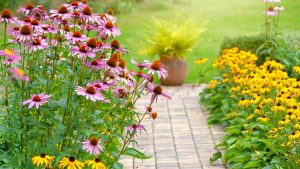 Colour can create so much interest in a garden and will make you want to walk around and admire the array of colours in your own backyard! When designed well, a colourful garden can be absolutely stunning.
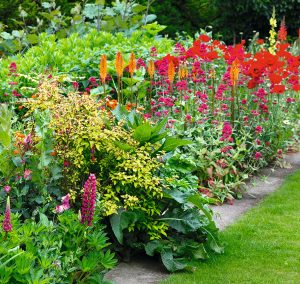
When you drive around and observe people’s gardens, you might notice a lack of vibrant colours. This can be attributed to the fact that many people aren’t aware of the simple gardening ‘tricks of the trade’.
In our free garden designs, we implement some of these tricks to introduce more colour into people’s gardens. Our customers find themselves with a garden they truly adore, and what they may not immediately realise, is that the key factor they love about it is the abundance of colour and the careful way it has been incorporated.
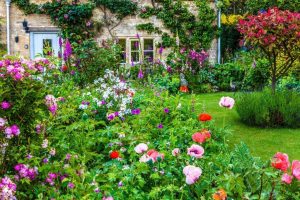
One of the primary reasons many people find their gardens lacking in colour is they will visit a nursery, select some vibrant plants, bring them home, and plant them. However, the disappointment often sets in when these plants only bloom for a brief week or two before their flowers fade away, leaving the garden once again devoid of colour.
So to help you avoid the dullness of a colourless garden, here are my top 10 tips to incorporate more colour into your garden:
10 Tips for a More Colourful Garden
Choose Plants that Give You Year Round Colour
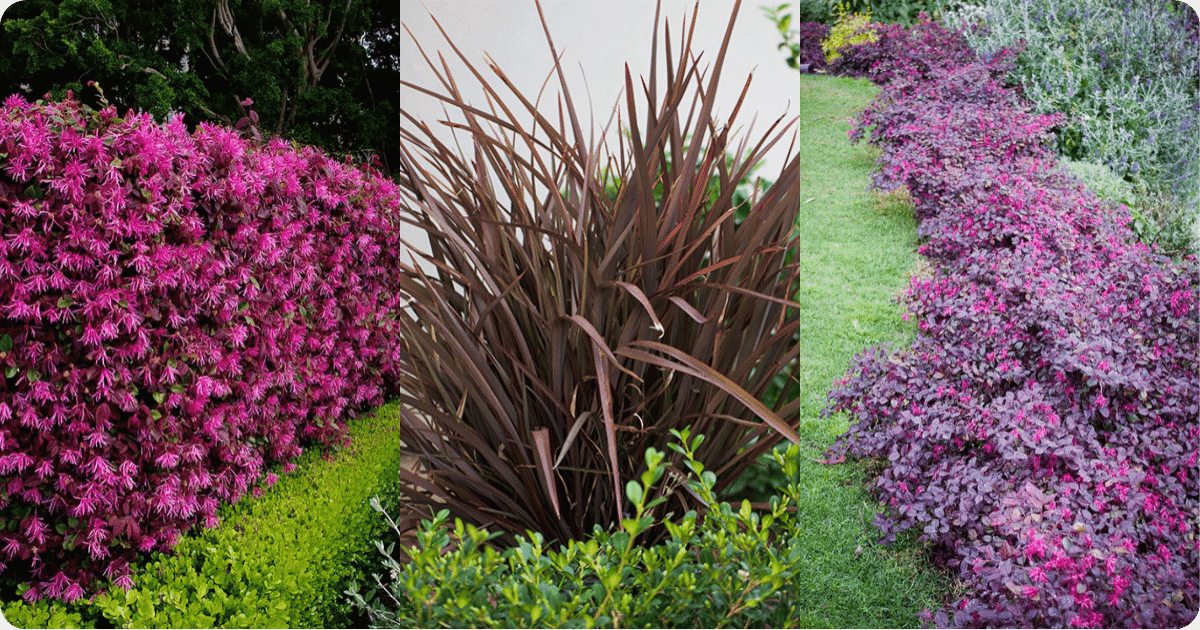
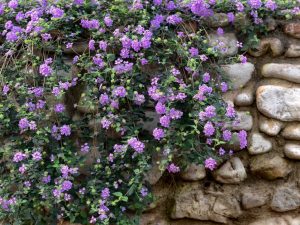
Many visitors to the nursery inquire about plants that bloom all year round, but it’s essential to understand that nothing flowers profusely all year. Some plants, like the purple trailing lantana or Polygala ‘Little Bibi’, do flower year-round, however, they will flower very sparsely at certain times and more profusely at other times.

To achieve consistent year-round colour, consider plants with vibrant foliage, and possibly flowers. One excellent choice is Loropetalum ‘Plum Gorgeous’, showing off rich, purple foliage throughout the year and striking pink spring blossoms. Alternatively, Abelia ‘Kaleidoscope’ features brilliant gold, variegated leaves and occasional white flowers.
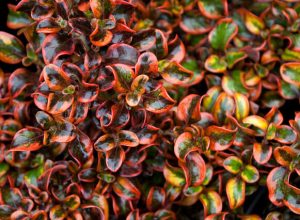 Other options for year-round colour include colourful flaxes, cordylines, and Coprosmas like ‘Evening Glow’ or ‘Tequila Sunrise’. Using these plants in your garden will enrich it with colour 365 days a year. There are so many other options, so don’t hesitate to ask your nursery staff or garden designer for more recommendations.
Choose Long Flowering Plants
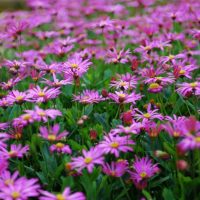
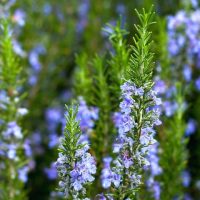
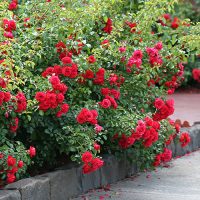
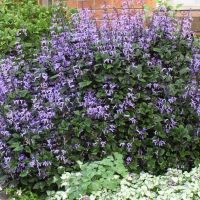

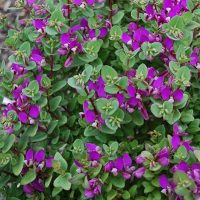
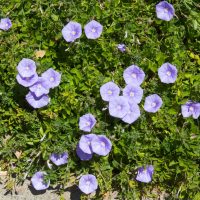
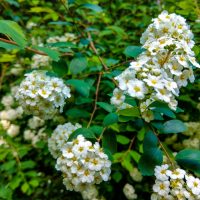
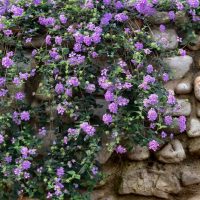
Selecting long-flowering plants is key to creating a garden that displays year-round colour. Here are some options you could consider: Brachyscome, Mona Lavender, Carpet Rose, Blue Lagoon Rosemary, French Lavender, Polygala, blue convolvulus, and white or purple Trailing Lantana. These plants typically flower for around four to seven months each year, filling your garden with a continuous supply of colour.
Repeat the Same Colour Combinations Throughout the Garden
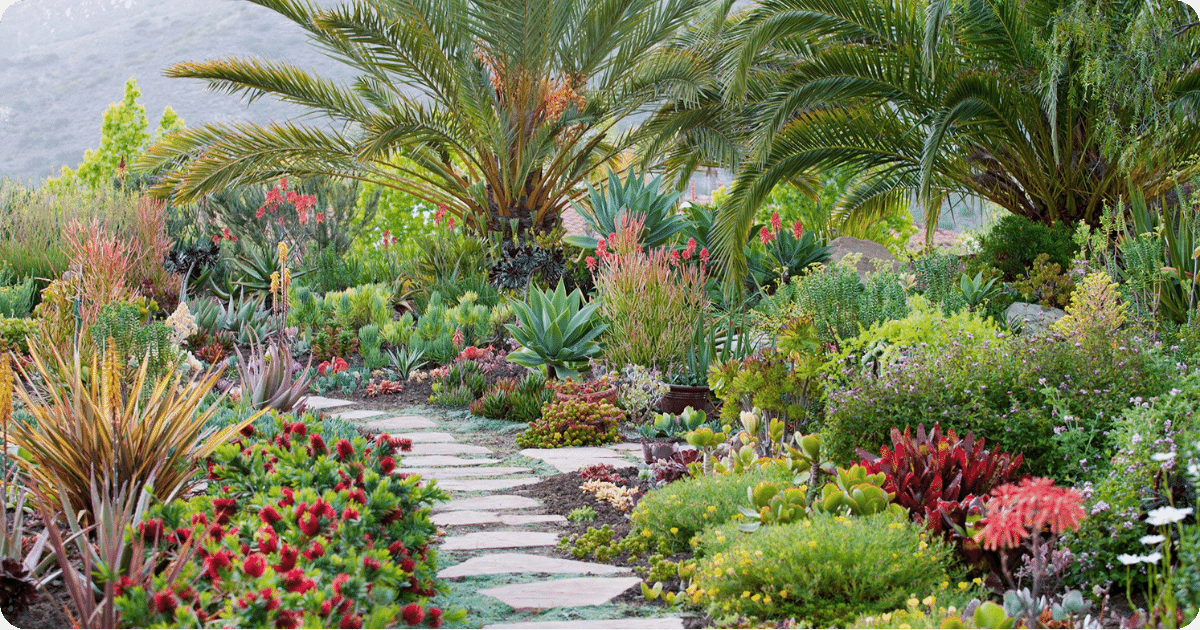
I once came across a garden where a particular combination of colours was repeated four or five times throughout the entire space, and the impact was impressive. The centrepiece of the garden was a brilliant pink Agastache which was paired with white Shasta Daisies, with Avonview Lavender on one side and Blue Salvia on the other. This same combination was then echoed throughout the garden, creating a striking effect. You can experiment with colours and create your own unique combinations, there are so many possibilities!
Create Dimension in Your Garden
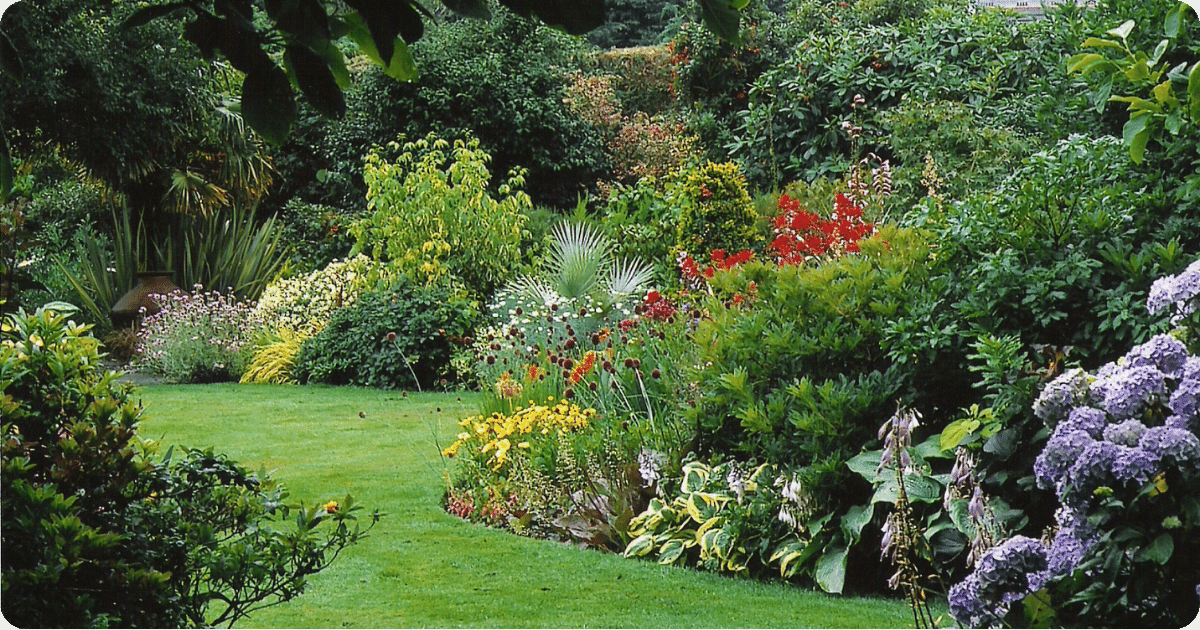
To create a sense of depth and dimension in your garden, carefully place vibrant plants like a pink carpet rose in the foreground as well as at different points in the background. This not only brightens your garden with colour but also creates a sense of space and dimension.
Mass Plant Colourful Plants in Your Garden
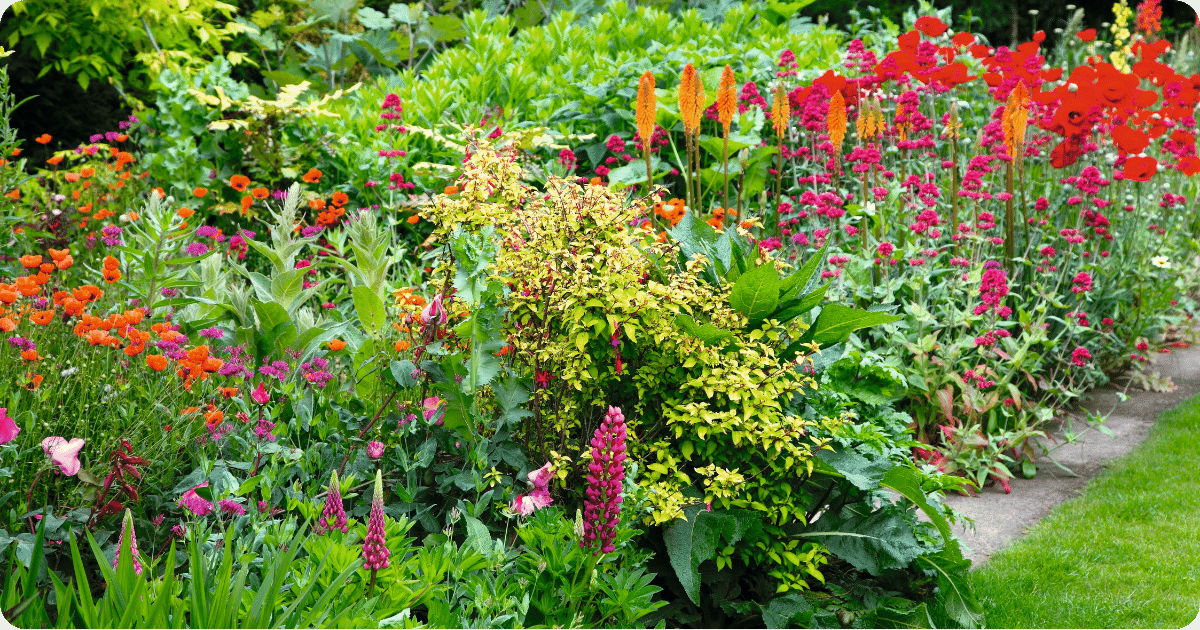
When you come across a hardy, colourful, long flowering plant such as an African Daisy, take the opportunity to create an intense display of colour. Plant a large garden bed or create a border and enjoy the enormous impact of mass planting.
Compliment Your Feature Trees with Flowering Plants
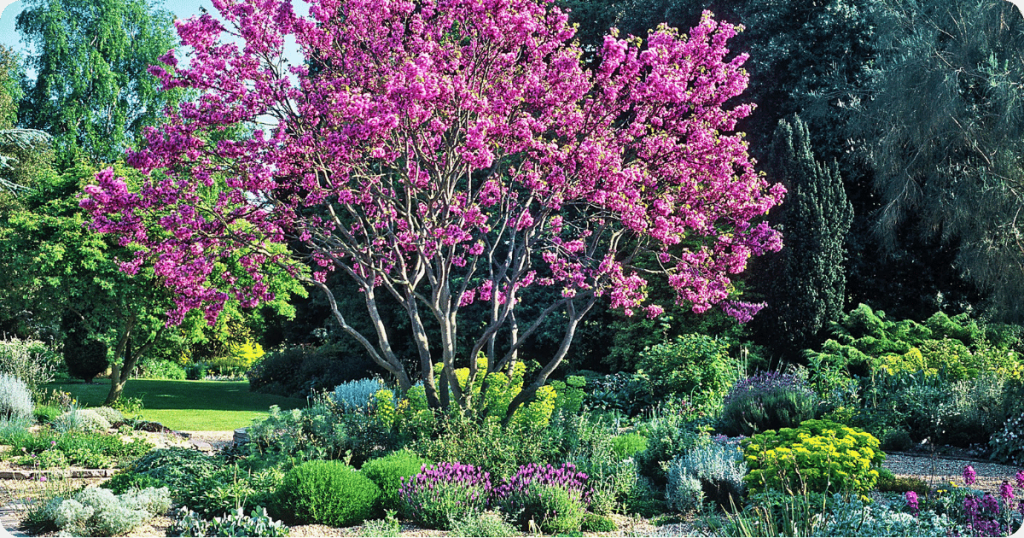
Enhance the beauty of your prominent feature tree by selecting complementary plants that bloom at the same time. This will multiply the visual impact of your feature tree. For instance, you can create a stunning display of blues and purples by surrounding your summer-flowering Jacaranda with baby blue agapanthus, which flower at the same time. Similarly, the white and pink Saxifraga are in full bloom precisely when your weeping cherries come to life. Planting these beneath a weeping cherry tree will enhance the impact of the cherry tree when it’s in full blossom.
Plant a Cottage Garden
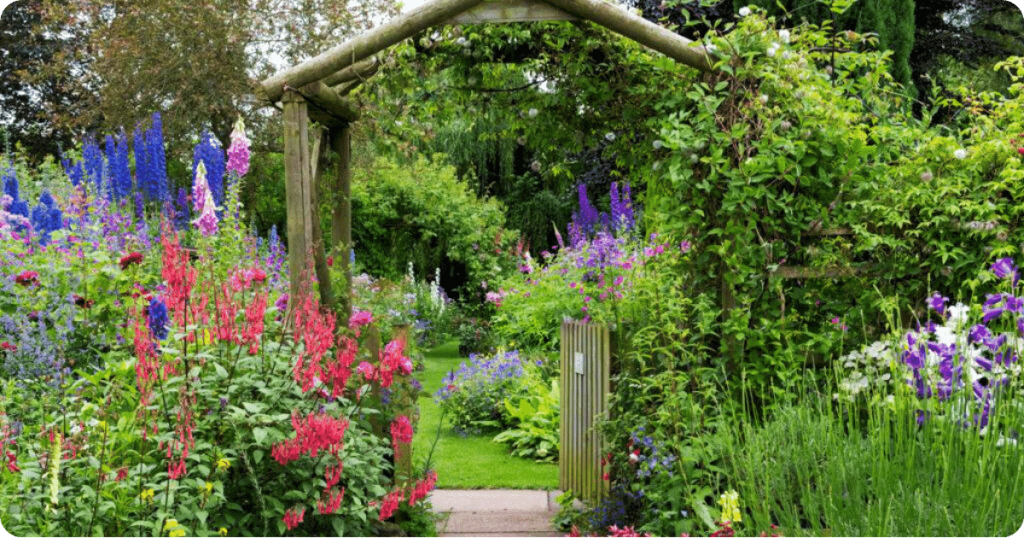
To achieve year-round colour in your garden, consider planting a cottage garden. In a cottage garden, you have the freedom to mix a wide variety of plants with different coloured flowers and foliage. I once worked for a very keen cottage gardener who declared that “a cottage garden could be whatever you wanted, wherever you wanted it”. Planting a cottage garden offers you so much flexibility, allowing you to fill your garden with a lot of colour.
Select “Hardworking” Feature Trees
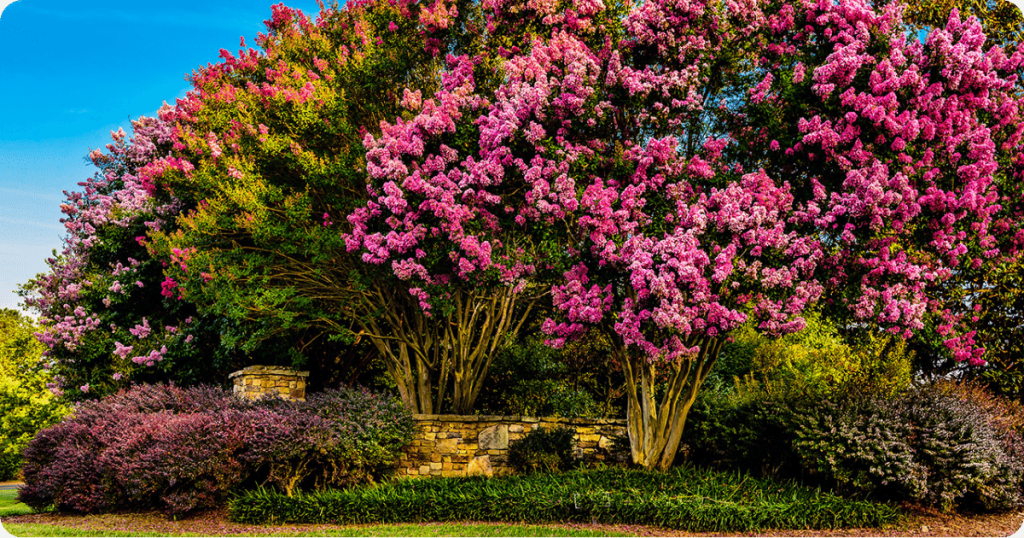
In a small garden, feature trees need to be carefully selected. Space constraints in small gardens often only allow for one or two trees, so it’s essential for these trees to be “hardworking.” Here are three of my favourite hardworking trees that provide consistent colour and interest throughout the year:
Senkaki Maple
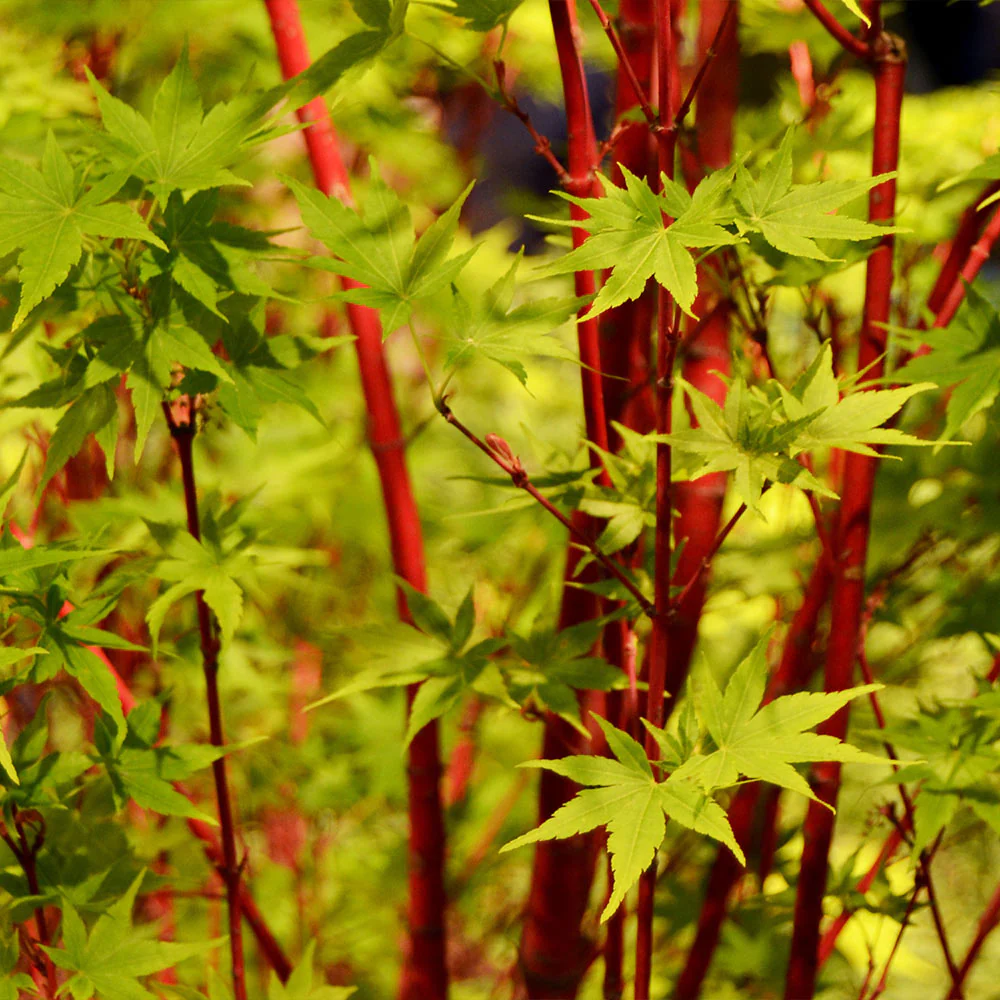
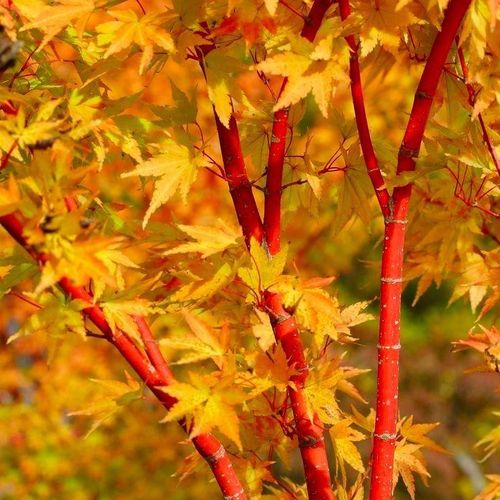
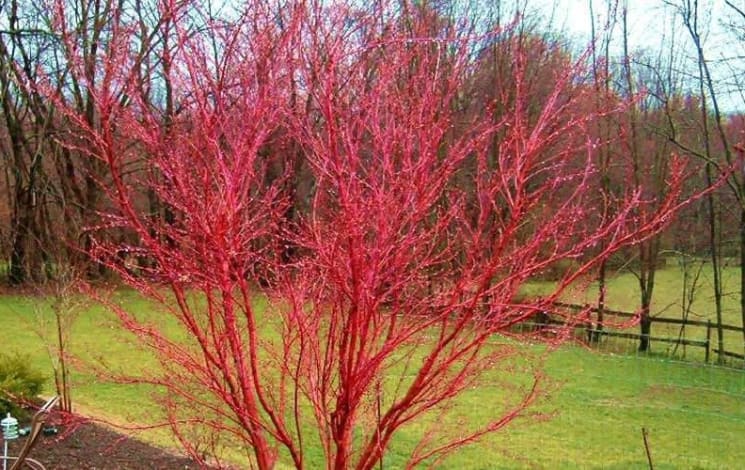
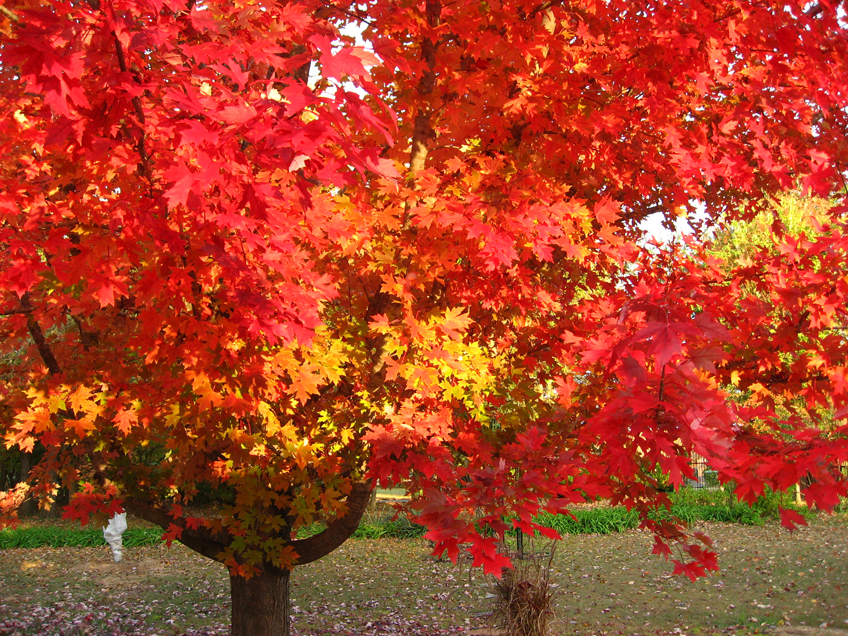
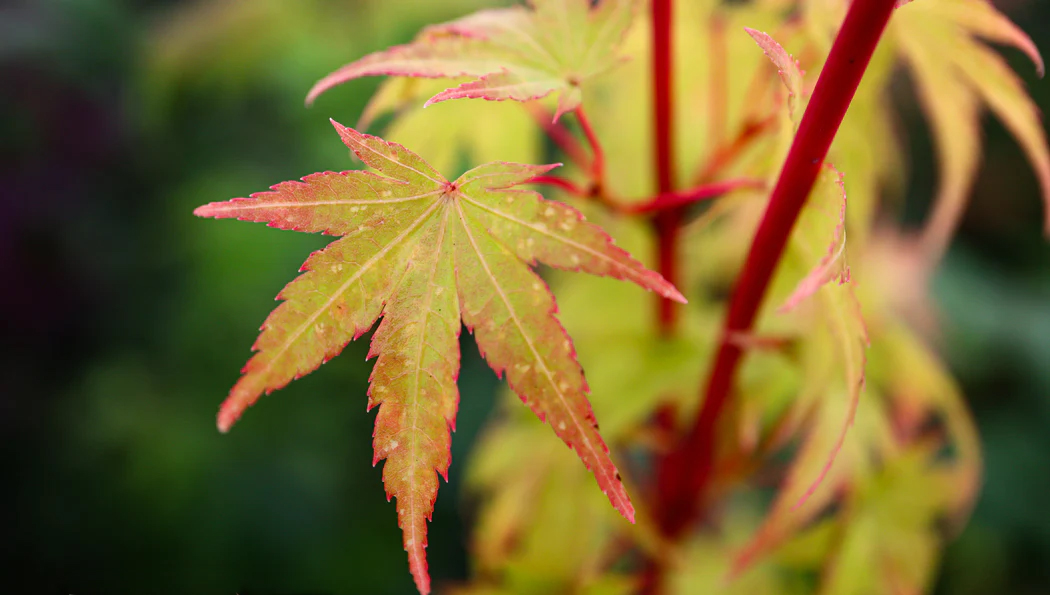
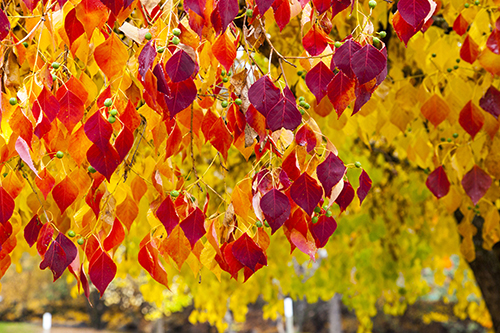
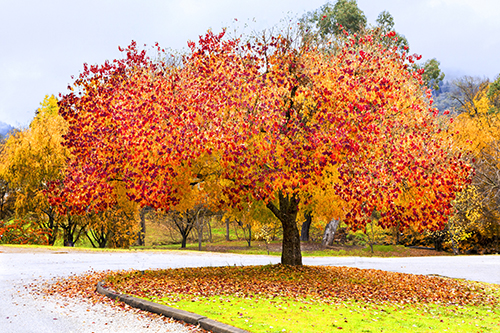
The Senkaki Maple Tree displays brilliant scarlet red stems during the winter when it sheds its leaves. In the spring, it is covered with fern-like soft green foliage complemented by its striking red stems. As summer approaches, you are presented with a subtle hint of pink and orange tones. Then finally, in autumn it will display vibrant red, orange, and yellow hues before the leaves drop and the cycle starts again.
Green spring foliage with striking red branches
The yellow leaves you can find in the autumn months
Brilliant scarlet red stems during the winter when it sheds its leaves.
Autumn display of vibrant red, orange, and yellow leaves.
Fern-like soft, green foliage of spring
As summer approaches, you are presented with a subtle hint of pink and orange tones.

Forest Pansy
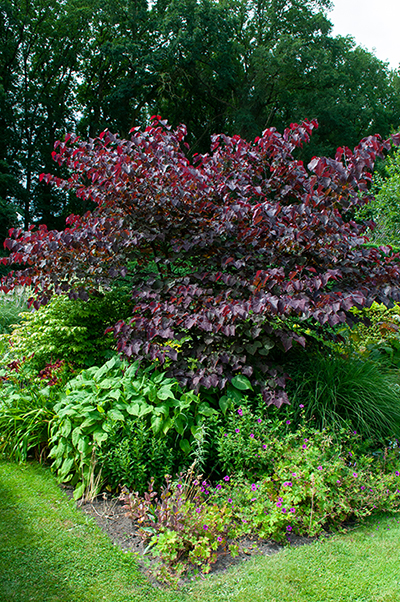
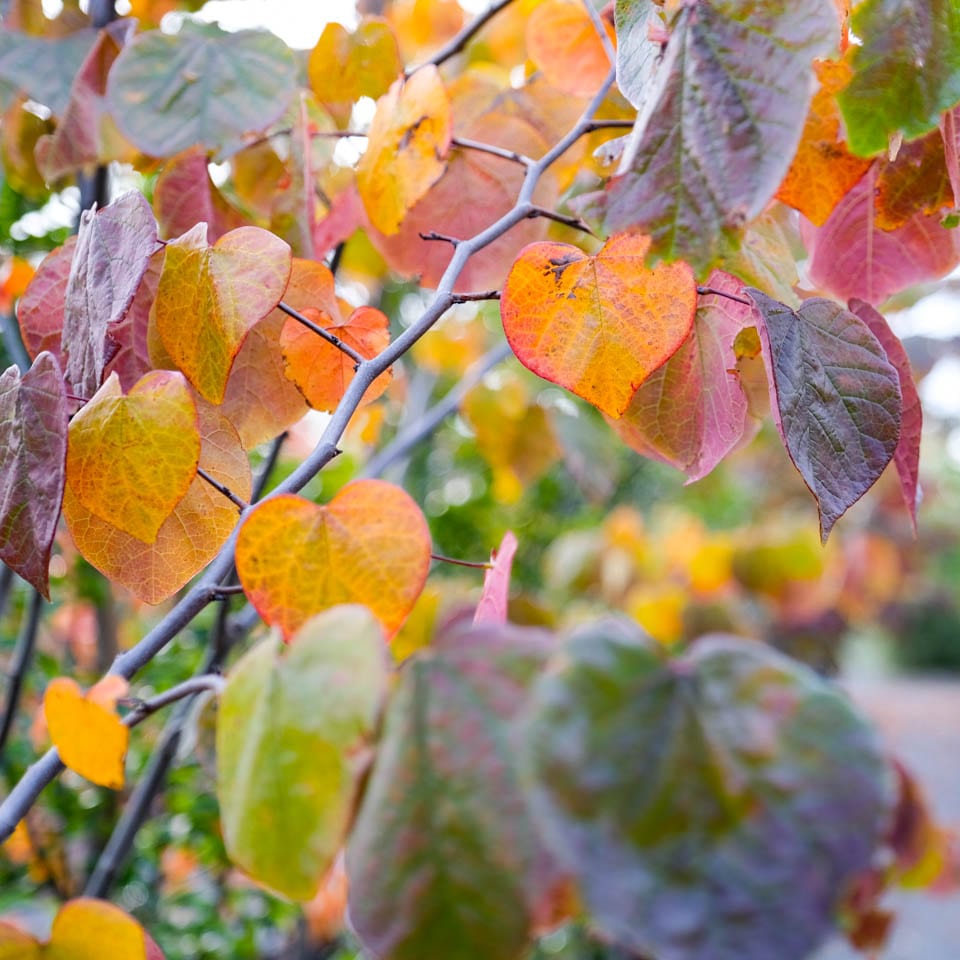
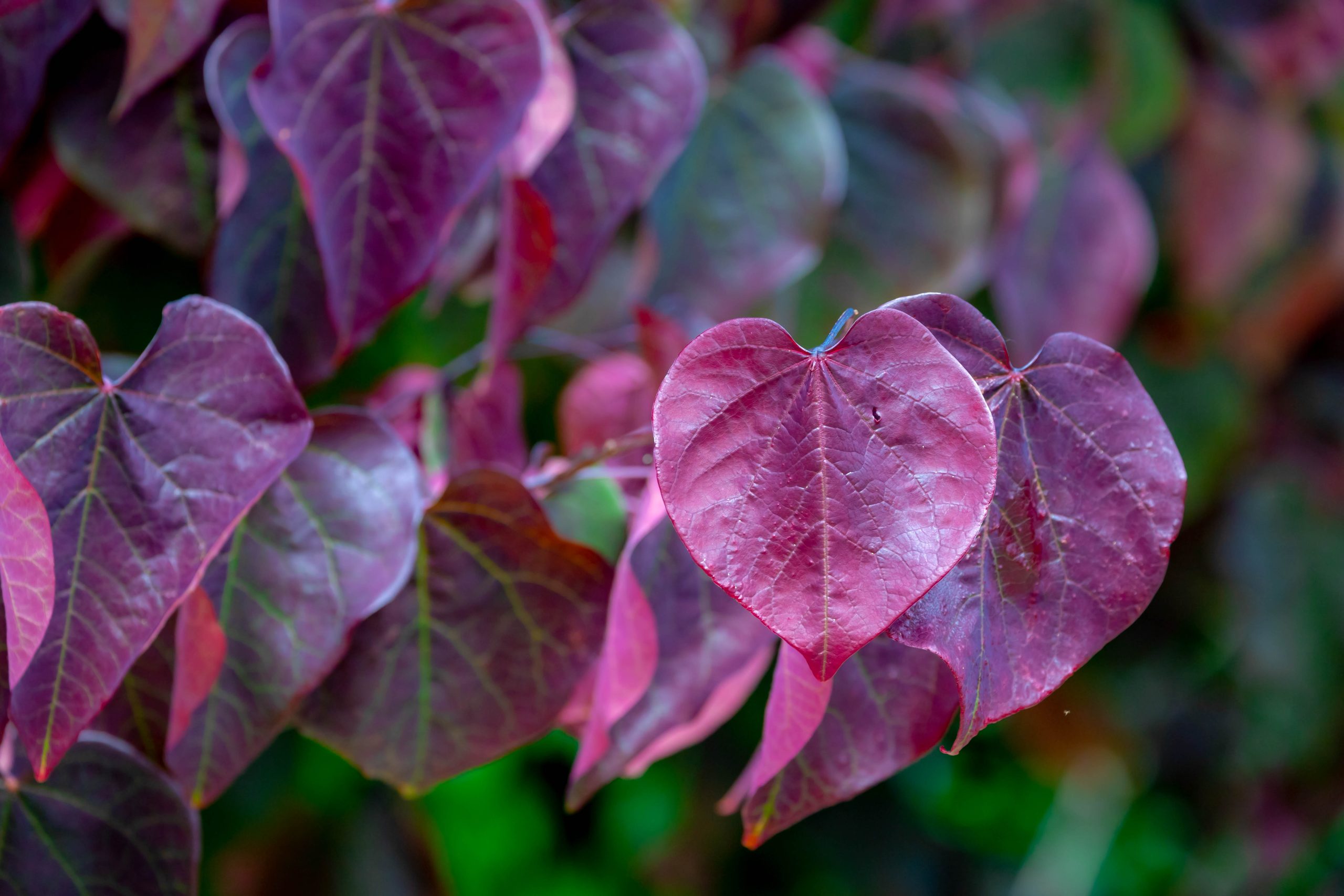
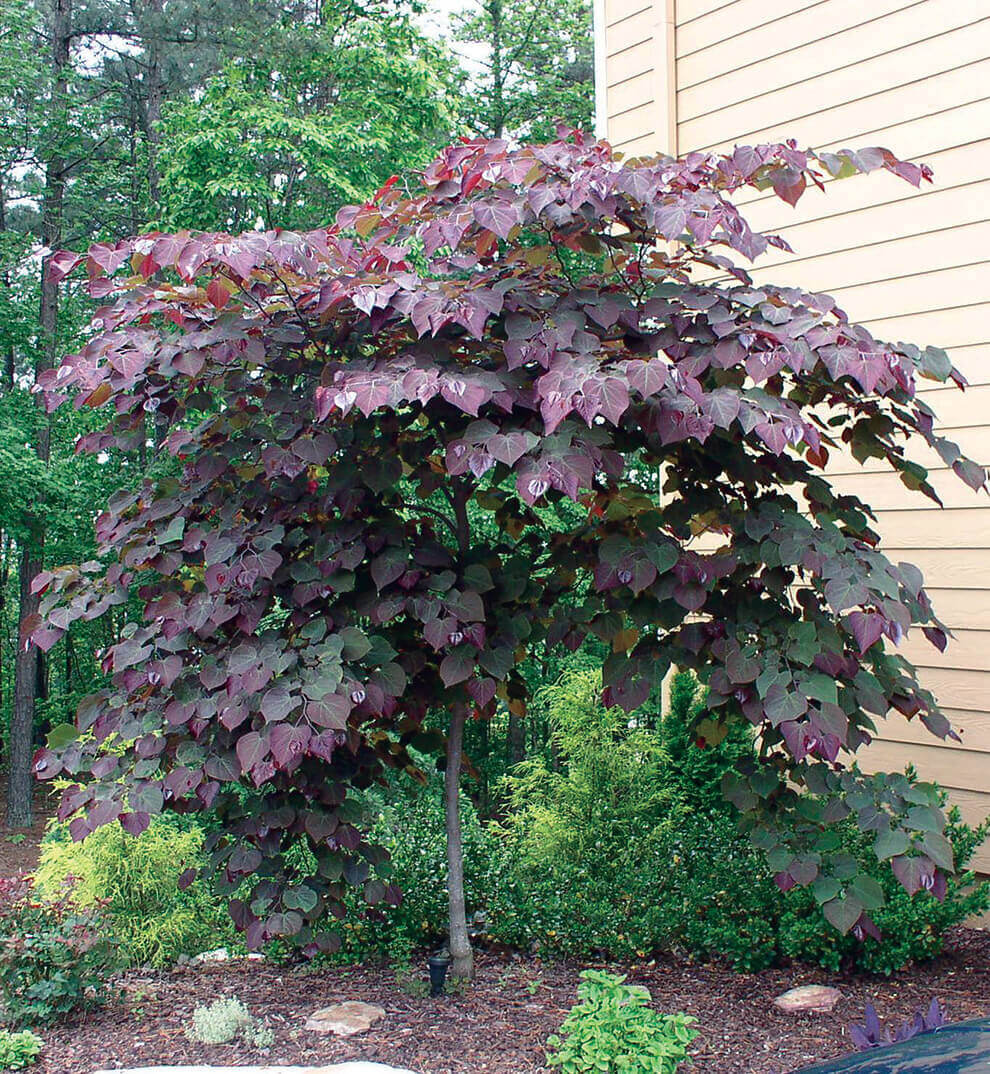
During spring, the Forest Pansy brightens your garden with vibrant pink blossoms. Its large, deep purple leaves continue to shine through spring, summer, and autumn, then finally display a kaleidoscope of colours just before winter begins.
Deep purple leaves continue to shine through spring, summer, and autumn.
Displays a kaleidoscope of colours just before winter begins.
The large, deep purple leaves of spring, summer, and autumn.
The vibrant colours of it’s winter foliage.
Displays deep purple leaves in spring, summer, and autumn.
The brilliant display of colours in winter.
Crepe Myrtle
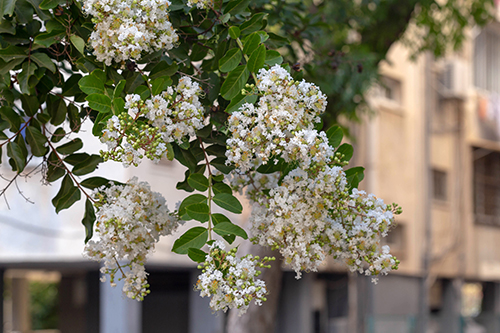
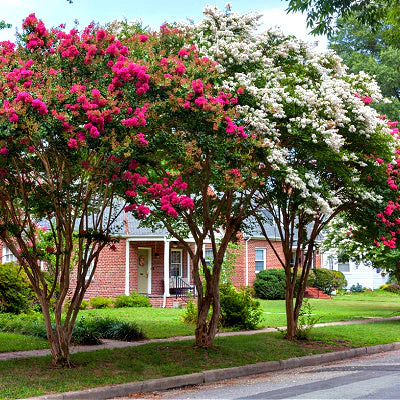
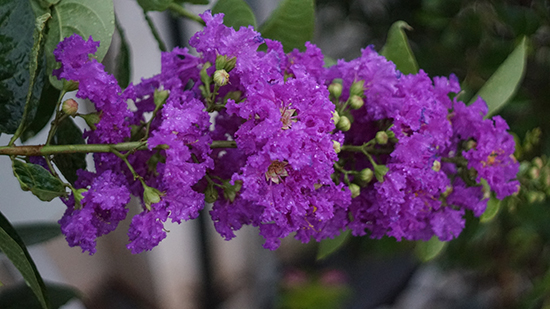
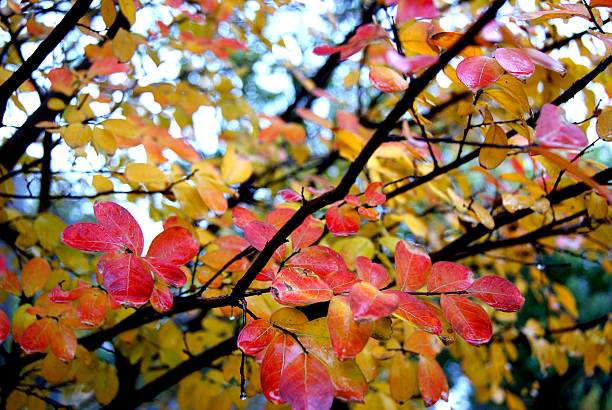
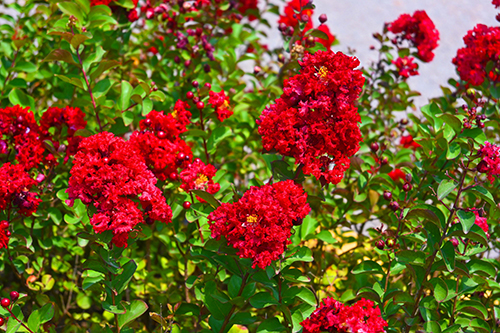
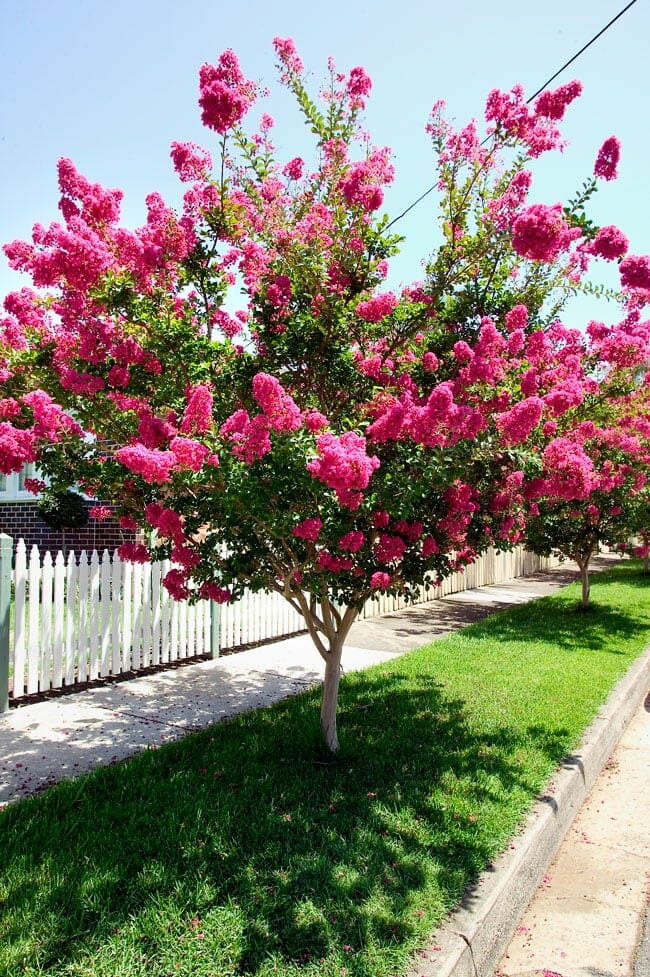
This small to medium-sized tree is well-shaped and visually captivating. A mature Crepe Myrtle presents smooth, dappled bark and often features multiple trunks. Throughout the summer, it produces weeks of colourful blossoms in shades of white, pink, red, or purple. Following this amazing display of flowers, you will see the foliage transform from green to colourful shades of orange and burgundy during autumn.
These beautiful white flowers are one of four colours this tree blooms in.
This tree often features multiple trunks.
The purple flower is one of four colours this tree comes in.
The foliage transforms from green to colourful shades of orange and burgundy during autumn.
The Crepe Myrtle with red flowers.
A small to medium-sized, well-shaped tree.
Choose a Colour Combination and Keep it Consistent
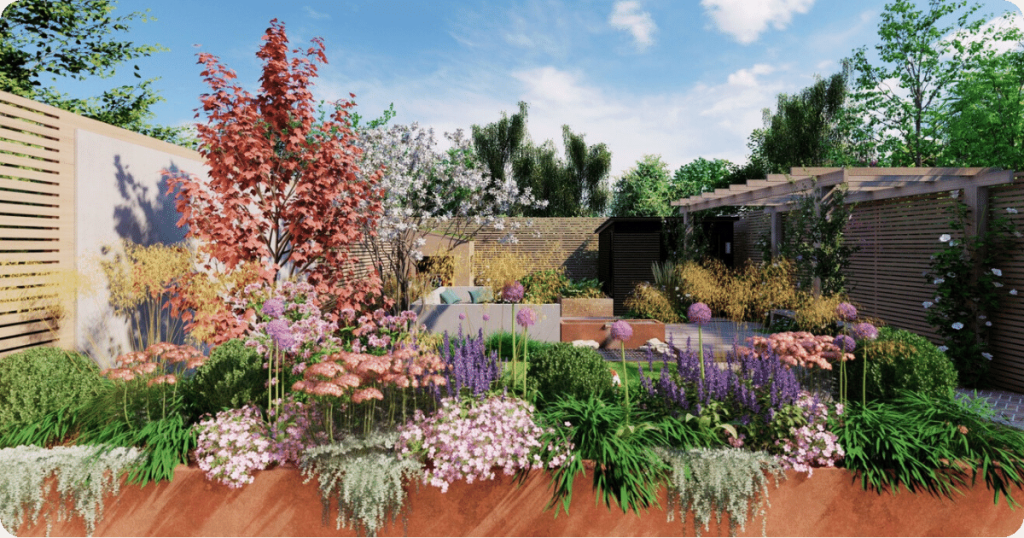
Select a particular colour combination and maintain its consistency throughout your entire garden. In my frequent work with cottage gardens, I like to combine plants with green or silver foliage with cottage plants displaying flowers in shades of white, pink, lavender, purple, and blue. This approach makes the colours pop amongst the silver or green foliage creating a charming cottage garden.
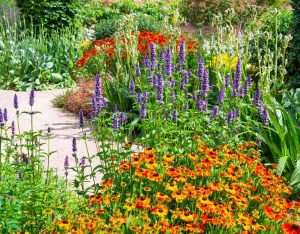 I recently saw a garden where the overall colour scheme was a combination of soft lemony yellows, delicate pinks, and pale blues. The resulting garden looked fabulous. The key here is putting together a coordinated colour combination and keeping it consistent throughout your garden. Doing this will create high-impact visual appeal and give you a beautiful garden to enjoy.
Plan for Winter
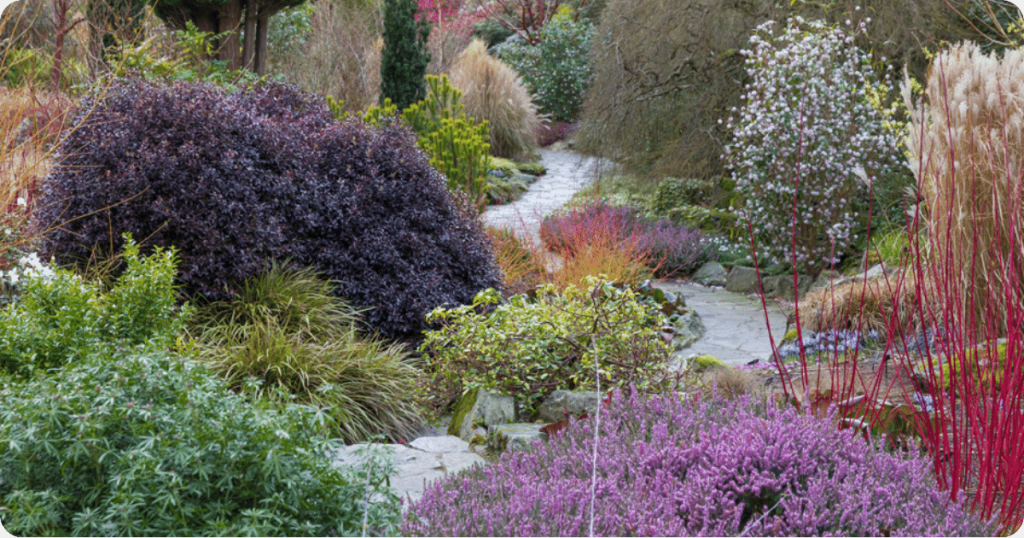
Don’t overlook the importance of planning for the winter season. While anyone can easily achieve a colourful garden in spring, the winter months can leave your garden feeling desolate without some planning. Fortunately, there’s a wide range of winter-flowering plants, including Helleborus ‘Winter Rose’, Flowering Quince, Convolvulus ‘Silver Bush’, Prostrate Rosemary, Wallflower, French Lavender, and many others, ready to add colour to your winter garden.
 With careful planning, perhaps even visiting well-established gardens during the winter season and seeking guidance from your local nursery, you can plan for and enjoy a winter garden brimming with colour.