| Description | Prunus yedoensis x subhirtella 'Snofozam'
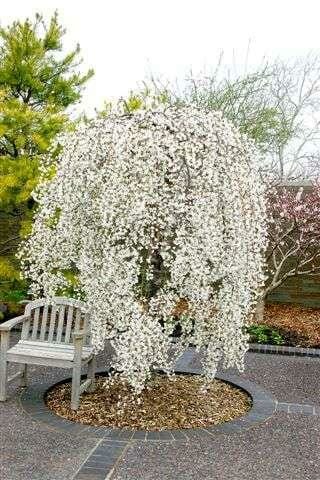
Hands down the most popular feature tree, the Weeping Cherry tree! And it's no wonder why, with little maintenance and year round interest it's a definite crowd pleaser.
• The most narrow of weeping cherries, Falling Snow's branches hang directly down
• Covered in little white blossoms in the spring, green foliage in summer changing to an awesome display of autumn colour
• Grows in most soils, disliking heavy clay and soggy soils
See our Prunus - Ornamental Blossom Factsheet here for more about the different cherry and plum blossom varieties!
For care instructions, features and more, check out Additional Information below | Pyrus calleryana Chanticleer®
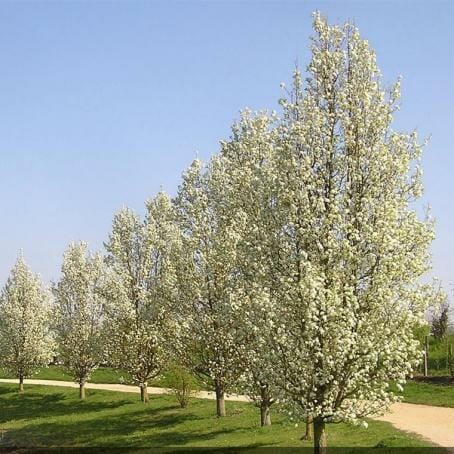
A truly popular ornamental pear for its natural tear drop shape, giving the appearance of a highly manicured tree.
• Spring blossoms on bare branches
• Vibrant autumnal colours or red, orange and purple
• Ideal feature tree, along fencelines & driveways
For more information on Ornamental Pears see our Pyrus - Ornamental Pear Factsheet
For care instructions, features and more, check out Additional Information below | Escallonia hybrids 'Pink Pixie'
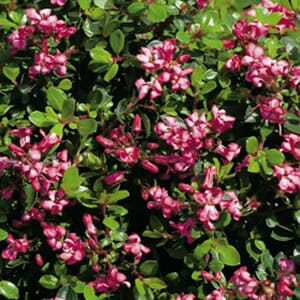
Escallonia Pink Pixie is a hardy small and fast growing evergreen shrub that bears dark green foliage and produces beautiful pink flowers. Pink Pixie can be shaped into a low hedge or border. It's vivid flowers appear in Summer and Autumn and are insect attracting.
Escallonia Pink Pixie grows best in full sun but can also grow in partial shade. It is drought tolerant and frost tolerant. | Westringia fruticosa
Wynyabbie Gem is an ornamental medium shrub with narrow leaves and delicate pale lilac/blue flowers appearing in summer. Very hardy fast growing shrub for most garden situations.
It is an excellent light screen or informal hedge. Can be used as a cut flower. |
| Additional information |
| Botanical Name |
Prunus 'Snofozam'
|
| Other Common Names |
Higan Cherry, Rosebud Cherry, Snofozam, Snow Fountain, White Fountain, White Weeping Cherry
|
| Origin |
Japan
|
| Plant Type |
Weeping Tree
|
| Leaf Drop |
Deciduous
|
| Sunshine |
Full Sun, Part Shade
|
| Tolerances |
Pollution Tolerant, Poor Soil Tolerant, Soggy Soil Sensitive, Frost Tolerant, Heat Tolerant, Drought Tolerant
|
| Soil Type |
Loam, Loamy – Clay, Sandy, Sandy – Loam, Well drained
|
| pH |
Acidic, Neutral
|
| Water Requirement |
Moderate
|
| Fertilise Me |
October, September
|
| Fertilizer Frequency |
Annually
|
| Planting Distance |
Min. 3m away from any other plant or object
|
| Max Height |
3m
|
| Max Width |
2.5m
|
| Growth Speed |
Moderate
|
| Prune Me |
after flowering, Only if required
|
| Flowering |
Yes
|
| Flowering Time |
August, November, October, September
|
| Flower Colour |
White
|
| Fragrance |
None
|
| Foliage Colour |
Green
|
| Autumn Colour |
Orange, Red, Yellow
|
| Fruit / Seed |
No
|
| Attracts |
Bees, Birds
|
| Toxic To |
Children, Dogs, Livestock
|
| Uses |
Feature
|
|
| Botanical Name |
Pyrus calleryana Chanticleer®
|
| Other Common Names |
Callery Pear, Cleveland Ornamental Pear, Cleveland Select Pear, Flowering Pear, Glen's Form, Ornamental Pear
|
| Origin |
China, Vietnam
|
| Plant Type |
Tree
|
| Leaf Drop |
Deciduous
|
| Sunshine |
Afternoon Sun, Full Sun, Midday Sun, Part Shade
|
| Tolerances |
Pollution Tolerant, Poor Soil Tolerant, Wind Tolerant, Frost Tolerant, Heat Tolerant, Drought Tolerant
|
| Soil Type |
Clay, Loam, Loamy – Clay, Sandy – Loam, Well drained
|
| pH |
Acidic, Alkaline, Neutral
|
| Water Requirement |
Moderate
|
| Fertilise Me |
April, March, November, October, September
|
| Fertilizer Frequency |
Bi-annually
|
| Best time to plant |
All Year
|
| Planting Distance |
4-5m apart
|
| Max Height |
11m
|
| Max Width |
6m
|
| Growth Speed |
Fast
|
| Prune Me |
Annually, Only if required, In the cooler months
|
| Size Maintained at |
5m
|
| Flowering |
Yes
|
| Flower Colour |
White
|
| Flowering Time |
November, October, September
|
| Fragrance |
Strong
|
| Foliage Colour |
Green
|
| Autumn Colour |
Orange, Purple, Red
|
| Fruit / Seed |
Yes – Non-edible
|
| Fruiting Time |
December, January
|
| Attracts |
Bees, Birds, Butterflies
|
| Toxic To |
Children
|
| Uses |
Fenceline, Shade Tree, Street Tree, Feature Tree, Hedging & Screening
|
| |
| botanical name |
Westringea fruticosa x W eremicola
|
| height x width |
1.5m x 1.5m
|
| planting distance |
For hedge or screen: 1m
|
| features |
Clusters of small pinky-mauve flowers along slender grey-green leaves for most of the year on a compact shrub, fast growing
|
| conditions |
Full sun to light shade with well drained soil
|
| landscape use |
Screens, dry areas, general garden beds
|
|