Tag: top 10

Pink chrysanthemums with text overlay: "10 best plants for Autumn flowering in Australia." Perfect for solving garden design problems with vibrant colors and seasonal blooms.

The 10 Best Plants For Autumn Flowering in Australia

We all know about beautiful autumn foliage, the fiery reds, deep purples, striking golds and vibrant oranges. We’ve written extensively about these plants, from the big, towering trees, to the small shrubs anyone can fit in their garden.

But what we haven’t written about yet is the beautiful plants that provide colour in different ways during autumn – with their flowers.

Jump straight to the 10 best plants for autumn flowering:

1. Japanese Anemone Windflowers
2. Sedum Autumn Joy
3. Camellia sasanqua
4. Dahlia
5. Mexican Bush Sage Salvia
6. Chrysanthemums
7. Hellebores Winter Roses
8. Begonia
9. Kangaroo Paw
10. Marigold

Now, you should definitely still have plants with stunning autumn foliage in the garden too. Here’s all the articles we’ve written about that to help you pick the best one for your tastes and needs:

Overall Best Plants For Autumn Colour
Top 10 Best Autumn Shrubs
Top 10 Autumn Trees

We’ve got a beautiful range here of autumn flowering plants so let’s jump right into it.

Japanese Anemone Windflowers
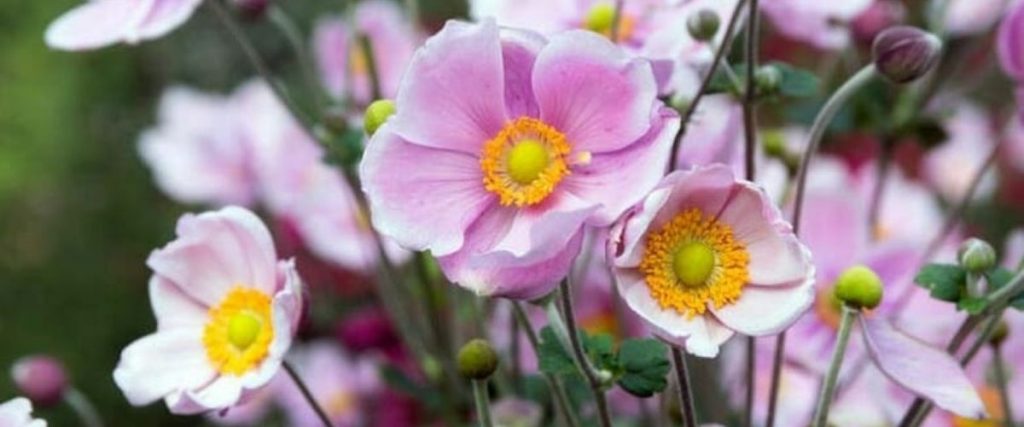

A close-up of pink flowers with yellow centers and lush green foliage illuminates the garden, offering a solution to common garden design problems.

These delicate poppy-like flowers are perfect for someone looking to elevate the elegance in their garden for little effort.

Here are some of the things we love about Japanese Anemone Windflower:

  • Low maintenance and resistant to pests
  • Upright growing habit makes it perfect for any sized garden
  • Versatile and can be mass planted, grown in a pot or planted as a border
  • Can choose between pink, purple and white shades for suits your garden best
  • Can grow in full sun or part shade
  • Attracts bees and butterflies

Sedum Autumn Joy
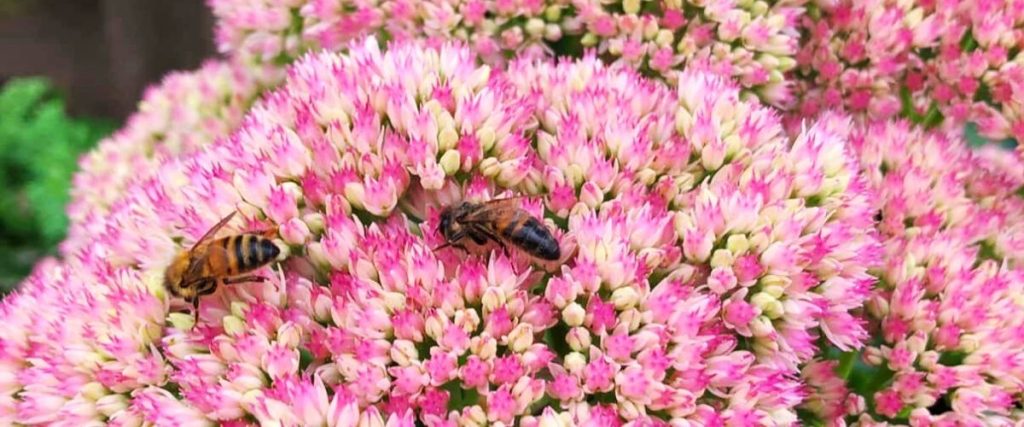

Two bees are perched on clusters of small pink and white flowers, collecting nectar. The blooms form dense, rounded bunches, a striking solution to common garden design problems with their colorful, textured backdrop.

With a name like that, how could this gorgeous succulent plant not be on our list? Sedum Autumn Joy is what you pick when you want something that is cottage style, you have a very sunny spot and not a lot of time to take care it.

Here are some of the positives about Autumn Joy:

  • Thrives even with minimal care
  • Drought tolerant and can grow in many soil types (but not soggy soils)
  • Large deep pink flowers that deepen into a bronze hue in autumn
  • Attracts bees and butterflies
  • Interesting type of foliage with fleshy green leaves

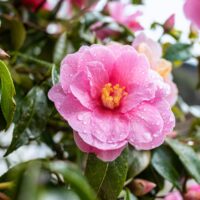
Camellia sasanqua
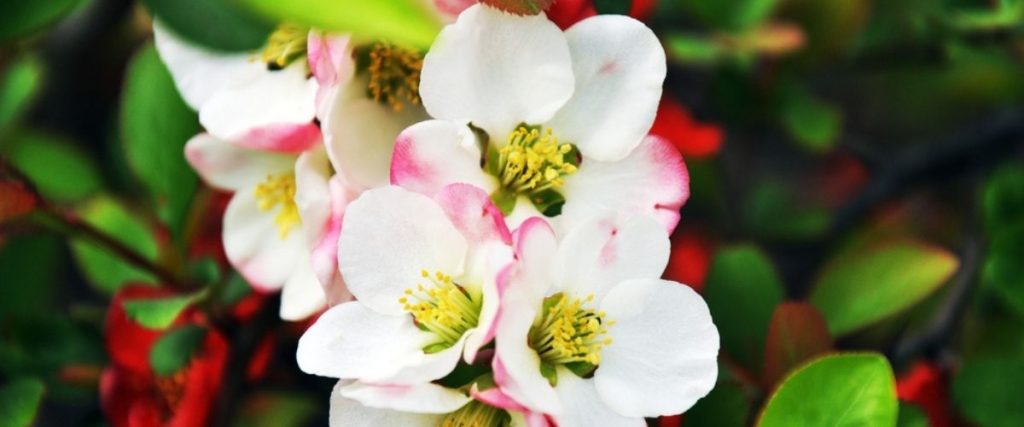

White and pink flowers with yellow centers are clustered together, surrounded by green leaves, offering a charming solution to common garden design problems.

If you’re looking for a privacy screen that will add elegance to your home, look no further than Camellia sasanqua. You can also plant them as a tall feature.

Other reasons you should choose Camellia sasanqua are:

  • Range of colours you can choose from including pink, white, red and purple
  • Can grow it in a sunny or part shade position
  • Also flowers in winter giving you colour during the greyest times
  • Glossy lush foliage that looks great all year
  • Can grow up to 5 metres tall or pruned to keep smaller

Dahlia
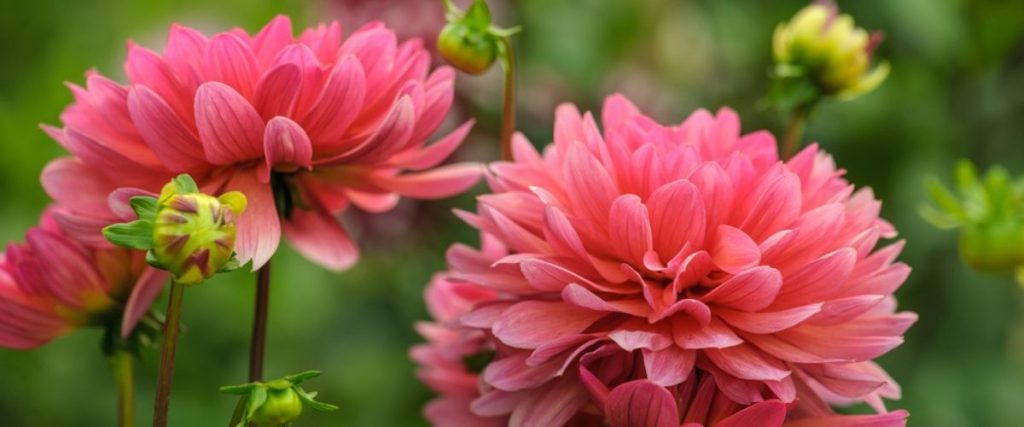

Pink dahlias in full bloom stand as a striking solution amidst green foliage, subtly addressing garden design problems with their vibrant presence.

These are some real show-stopping flowers with an extraordinary range of colourways and are perfect for those looking for something really striking in the garden.

Let us tell you a bit more about Dahlias:

  • Some varieties are multi-coloured which creates even more visual interest
  • Flowers are large in size
  • Grows best in full sun and well drained soils
  • Attracts birds, butterflies and bees.
  • Perfect for cut flowers
  • Regular deadheading and fertilising will prolong the flowering

Mexican Bush Sage Salvia
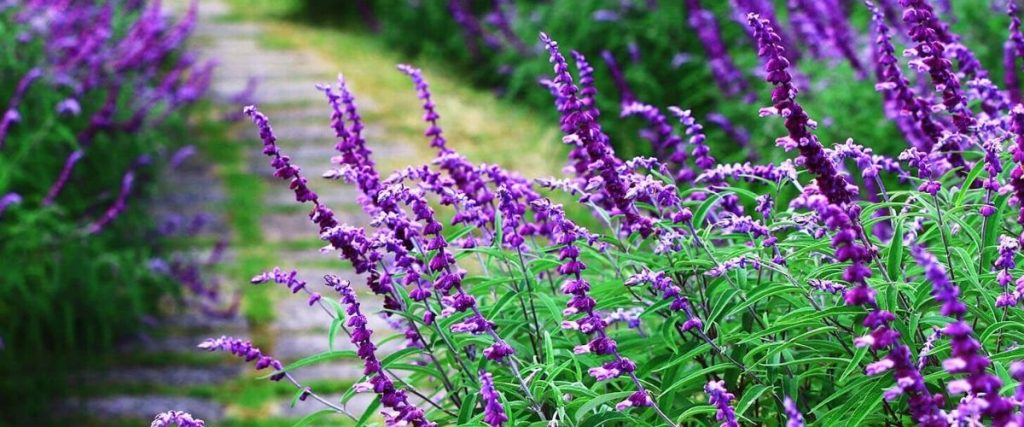

A stone path meanders through a garden lined with tall purple flowers and lush green leaves, showcasing a solution to common garden design problems.

For those wanting a good sized hedge that is very easy to grow and has flowers for ages, Mexican Bush Sage Salvia is the plant for you.

Here are some other things we love about Mexican Bush Sage Salvia:

  • It is fast growing so you can save money and buy a small plant and let it grow big
  • It also flowers throughout winter so you can have those stunning purple flowers for months on end
  • It is drought resistant and thrives in full sun
  • Makes for fantastic cut flowers
  • Rabbits ignore it, but butterflies love it
  • Can be grown in containers, as a border, or a hedge
  • Are also other varieties of Salvia that bloom in autumn if you’re looking for something slightly different

Chrysanthemums
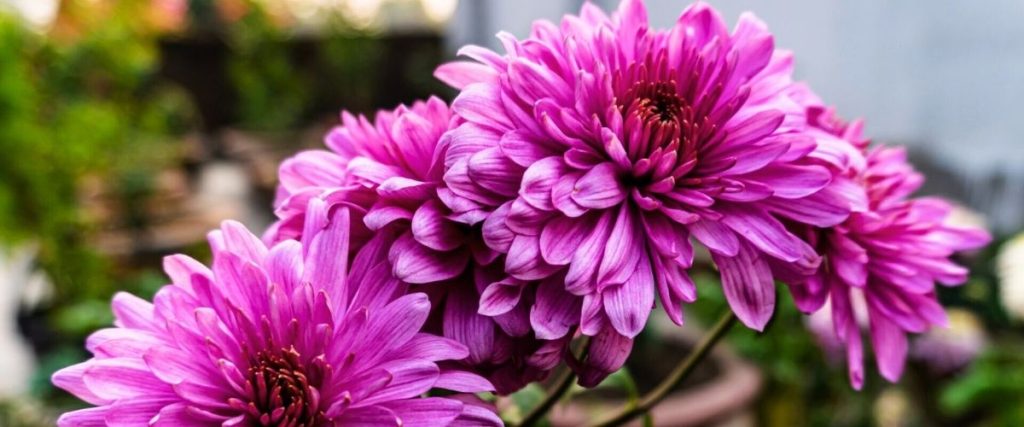

Close-up of vibrant pink chrysanthemums with layered petals, showcasing a solution to common garden design problems in a lush setting.

Get the classic autumn colours of yellows, reds and oranges with the stunning multi-petaled Chrysanthemums. This is the plant to choose when you want something that is truly striking and will solicit many compliments from others.

There are so many reasons we adore Chrysanthemums, here are some of them:

  • A huge range of colours to choose from including yellow, orange, red, pink, white or purple
  • Can choose between the garden bed or a pot to grow it in
  • Love full sun and well-drained soil
  • Wonderful as cut flowers
  • Pest and disease free
  • Are quite low maintenance

Hellebores Winter Roses
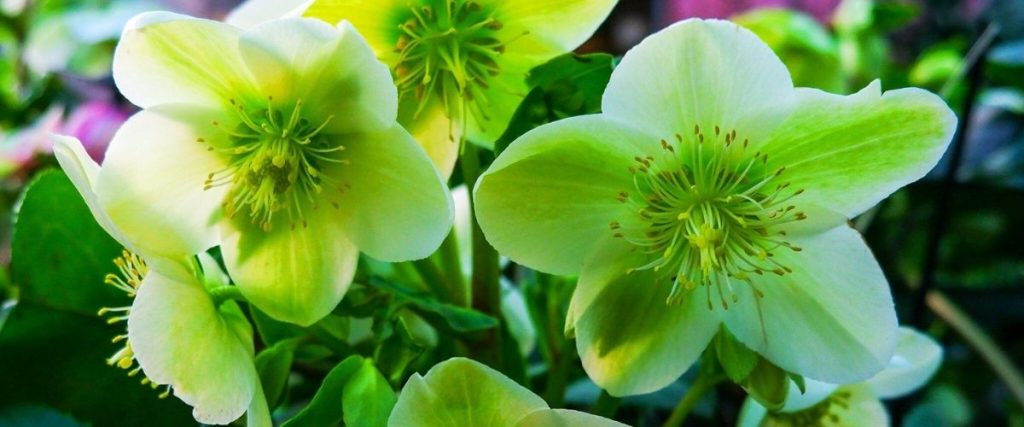

Close-up of pale green hellebore flowers with prominent stamens, surrounded by green leaves in natural light, offering inspiration for garden design solutions.

Now these may be called the Winter Rose, but they make for incredible autumn flowers. If you love the delicate beauty of Japanese Anemones but want slightly larger flowers, these are perfect for you.

Read on for more reasons to love Hellebores:

  • Choose between white, pink or purple shades
  • Cup shaped flowers that add a whimsical touch
  • Great for partially shady spots with moist rich soil
  • Perfect for mass planted under trees
  • Dark green glossy leaves

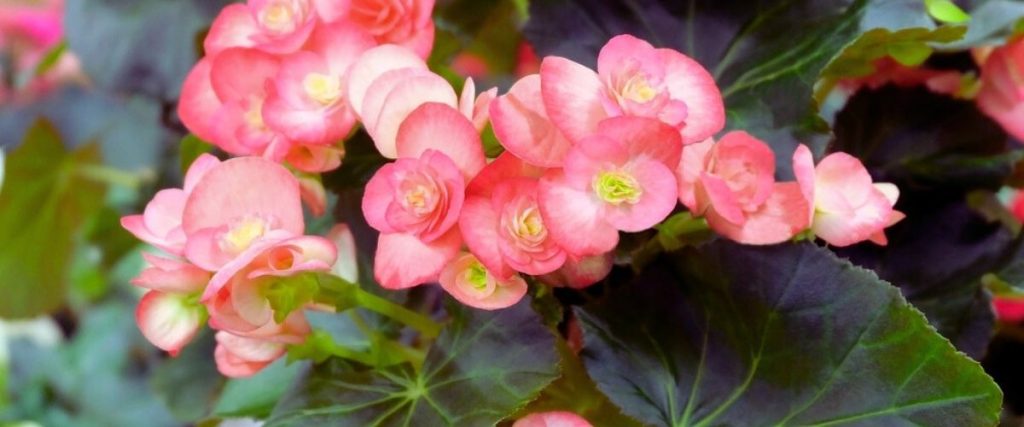
Begonia


Close-up of pink begonia flowers with ruffled petals, solving garden design problems by adding a burst of color against the backdrop of lush green leaves.

When you have a partially-shady spot that needs filling and want flowers for ages in the garden, Begonia is a great choice for you.

Here are some more wonderful things about Begonias:

  • They flower from late summer through autumn
  • Can be grown in dappled light or partial shade
  • A wide range of colours available including pink, white, orange, red and yellow
  • Are quite low maintenance as long as they have well-drained soil
  • Great for pots on balconies or patios

Kangaroo Paw
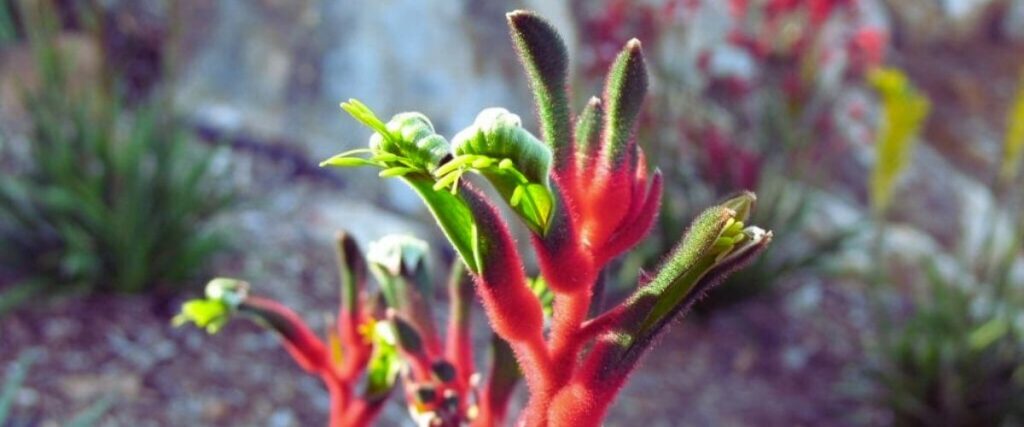

Close-up of a red and green Kangaroo Paw plant, gracefully contrasting against a blurred backdrop of greenery and rocks, showcasing nature's solution to garden design problems.

Kangaroo Paw is the perfect plant for when you have a Native garden but still want stunning autumn flowers.

Even if you don’t have a native garden, here are some reasons to plant Kangaroo Paws:

  • Uniquely shaped fuzzy flowers
  • Vibrant colours to choose from in red, yellow, black and pink
  • Thrives in full sun and sandy, well-draining soil
  • Attracts birds
  • Hardy, vigorous and low maintenance
  • Great for cut flowers
  • Great mass planted – can even alternate different colours for greater visual interest

Marigold
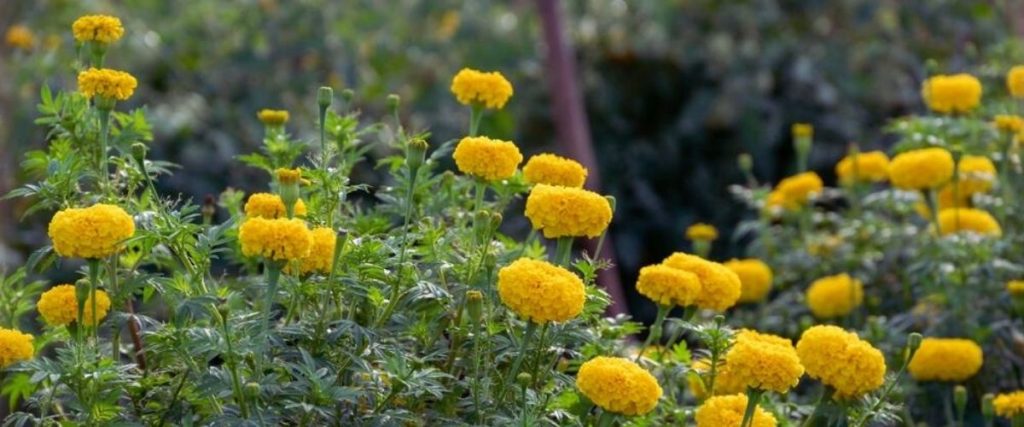

Yellow marigold flowers with green leaves brighten up the garden, overcoming common garden design problems to create a harmonious setting.

Marigolds are such a cute addition to any garden but are particularly great for those wanting to add some warmth through vibrant yellow colour.

Here’s a bit more about Marigolds:

  • Great border plants
  • Low maintenance
  • Repels pests
  • Grows in full sun to part shade with well-draining soil

In Closing

There you have it! The top 10 best plants for autumn flowering in Australia. We believe autumn is a time of great colour in the garden – it can even be more colourful than your spring or summer garden!

We hope this blog has inspired you to think outside the box when creating your dream autumn garden.

Feeling inspired to create your own garden, but want some expert advice? Try our one-on-one garden design service with Chris. Together you’ll come up with a selection of plants along with a layout plan that gives you the look you want, as well as being suitable for your local soil and conditions.

get your own tailored modern garden design:


FIND OUT HOW

Articles you may also like

Blog Post Top 10 Australian Native Hedges copy

Top 10 Australian Native Hedges

We find natives are a love ‘em or leave ‘em, hit and miss or sorely misunderstood plant species with many Victorians. But the following list of native hedging plants will make anyone rethink their idea about natives!
Not only do many natives grow extremely well in the varied conditions around Victoria, but they have a certain charm and character, which can be emphasised with a bit of tender loving care. Like most hedging plants, give them a light prune, shape them according to your needs and you will find you will have one of the most unique and hardy hedges on the block!

Top 10 Australian Native Hedges

  1. Syzygium ‘Lilly Pilly’
  2. Callistemon ‘Bottlebrush’
  3. Grevillea
  4. Westringia
  5. Correa
  6. Adenanthos ‘Woolly Bush’
  7. Agonis ‘Willow Myrtle’
  8. Dodonaea ‘Hop Bush’
  9. Leptospermum ‘Tea Tree’
  10. Rhagodia ‘Salt Bush’

Some more options are: 

  • Acacia
  • Prostanthera ‘Mint Bush’
  • Philotheca ‘Wax Flower’


Syzygium ‘Lilly Pilly’

Single-handedly the most popular Australian native hedging plant, and most people don’t even realise it’s a native! Stunning glossy green leaves, tender red new growth and certain varieties produce beautiful flowers and edible berries (Yup! A hedge that provides a great source of fruit!) They come in many shapes and sizes as well including dwarf hedging lilly pilly, columnar lilly pilly, narrow lilly pilly that requires very little pruning and, of course, your big, dense, neighbours-be-gone varieties!


Callistemon ‘Bottlebrush’

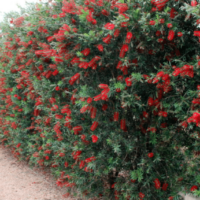
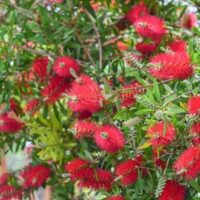
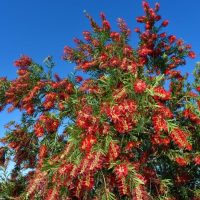
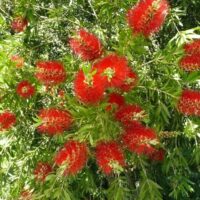
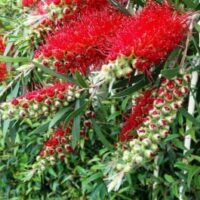
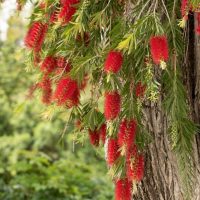
A tough but elegant feature tree that doubles as a hedge or screen! The Callistemon can block out any neighbour in almost any condition. They tolerate heat, drought, frost and coastal conditions as well as clay or sandy soils! Plus Callistemon comes in a variety of floral colours such as white, red, pink, yellow and purple. They truly are a gorgeous native.


Grevillea

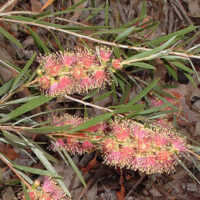
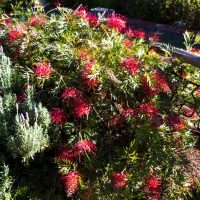
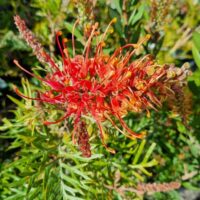
Much like the Callistemon, the Grevillea are another tough contender to the Australian climate. Heat, frost, sandy and clay soils are no issue for Grevillea. And their colourful native flowers are not only loved by many a neighbour but also by the local bird life. Grevilleas come in groundcover forms as well as up to 3m tall, bushy shrubs, making ideal hedges and screens.
 

Westringia

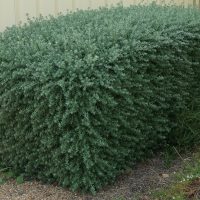
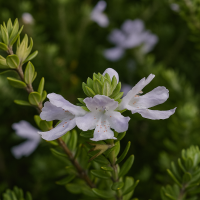
Commonly seen in a lot of housing estates, and for a very good reason! Westringia is one of the best choices for a native box hedging plant. Westringia produces star-shaped flowers in purple, pink or white and when trimmed create a dense, compact habit. They are very easily shaped into square hedging, some have been tried very successfully as topiary!


Correa

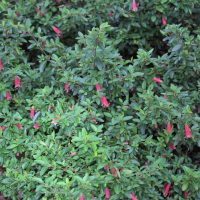
The next best contender for native box hedging is Correa. Just like Westringia, it is commonly used in many housing estates, not only for its gorgeous and versatile appearance but also due to its hardy nature. Correa tolerates poor soils, heat, part shade and frost. They, too, come in a variety of sizes and styles, including elongated green leaves such as that on the Correa reflexa or rounded, grey-green leaves like that of Corra alba.


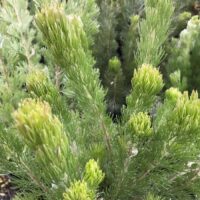
Adenanthos ‘Woolly Bush’

If you’re after super soft, fluffy, dense foliage, look no further! This shrub is like hugging a giant teddy bear plant! It is ridiculously soft, staff and customers can’t help but touch them when they walk past them in the nursery. And they make wonderful hedges! Adenanthos produce little red flowers and tolerate sandy soils, light frosts and full sun.


Agonis ‘Willow Myrtle’

Tall, elegant hedging is what comes to mind when Agonis is mentioned. These elegant plants have slightly weeping foliage that comes in greens, maroons and purples. When grown as a large, blockout hedge, they make quite the impact! Tolerating drought, heat, frost and coastal conditions make it a very popular large native hedging plant.


Dodonaea ‘Hop Bush’

Another much like the Agonis but more robust and upright. Dodonaea comes in a variety of colours and sizes and are able to make narrow, low-maintenance hedging right up to large, colourful feature hedges. They, too, tolerate most soil conditions, drought and frost.


Leptospermum ‘Tea Tree’

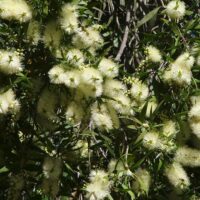
A native pollinator and bee favourite, Leptospermum ‘Tea Tree’ are popular in every native garden. ‘Tea Tree’ comes in small, low hedging sizes right up to tall, neighbour-screening hedges and there are many colours to choose from in both foliage and flower!


Rhagodia ‘Salt Bush’

A medium to low hedging plant with stand-out foliage! ‘Salt Bush’ are a silver foliage native that respond really well to shaping and pruning. Many councils have taken on Westringia, Correa and Salt Bush as their go to hedging and topiary shrubs in public spaces. In fact many a round-a-bout across Melbourne can be seen adorned with these three plants, trimmed and shaped as if they were your regular English Box shrub! And Salt Bush is as hardy as they come, tolerating all soil types, coastal conditions, frost, drought and heat.


Honourable Mentions


Acacia

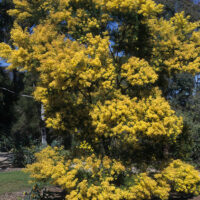
We can’t pass up on mentioning Acacia’s in this list. There are a few varieties that make soft, green hedges and screens. Acacia fimbriata is a gorgeous, tall hedging native that produces the classic yellow pompom flower of the Acacia family. Acacia ‘Limelight’ is a much shorter, hybrid Acacia that is ideal for borders and edging, with soft, delicate, slender green foliage and almost inconspicuous flowers.
 

Prostanthera ‘Mint Bush’

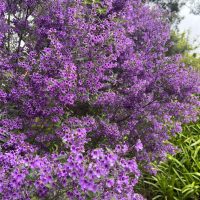
Often overlooked but suddenly makes an appearance in spring to summer when it puts on a spectacular show of purple flowers, covering the entire plant! Often they will be spotted along the roadside in the Wombat State Forest causing drivers to slow down and ponder ‘What is that plant?’ Little do they know it also makes a wonderful hedging and large topiary shrub. If you want a purple hedge, look no further!
 

Philotheca ‘Wax Flower’

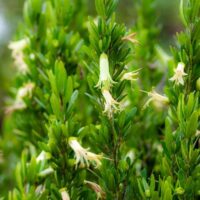
Used for box or medium hedging, or the occasional large topiary feature, Philotheca produces a dense, green habit when trimmed and maintained regularly. Plus, they have a delicate aroma when trimmed. Philotheca ‘Wax Flower’ produce small white flowers and tolerate a wide range of conditions including drought, poor soils and frost.


Here are some more articles you may like:

Sign up for our newsletter below

We will send you gardening tips, great deals, and exclusive giveaways. Happy Gardening!

Top 10 Frost Resistant Hedge & Box Plants

Living in regional Victoria can have some drawbacks in the garden that those in the city may take for granted. Our regional gardens are more susceptible to extreme conditions such as heat, wind, hungry native animals and, in particular, the cold and ice.

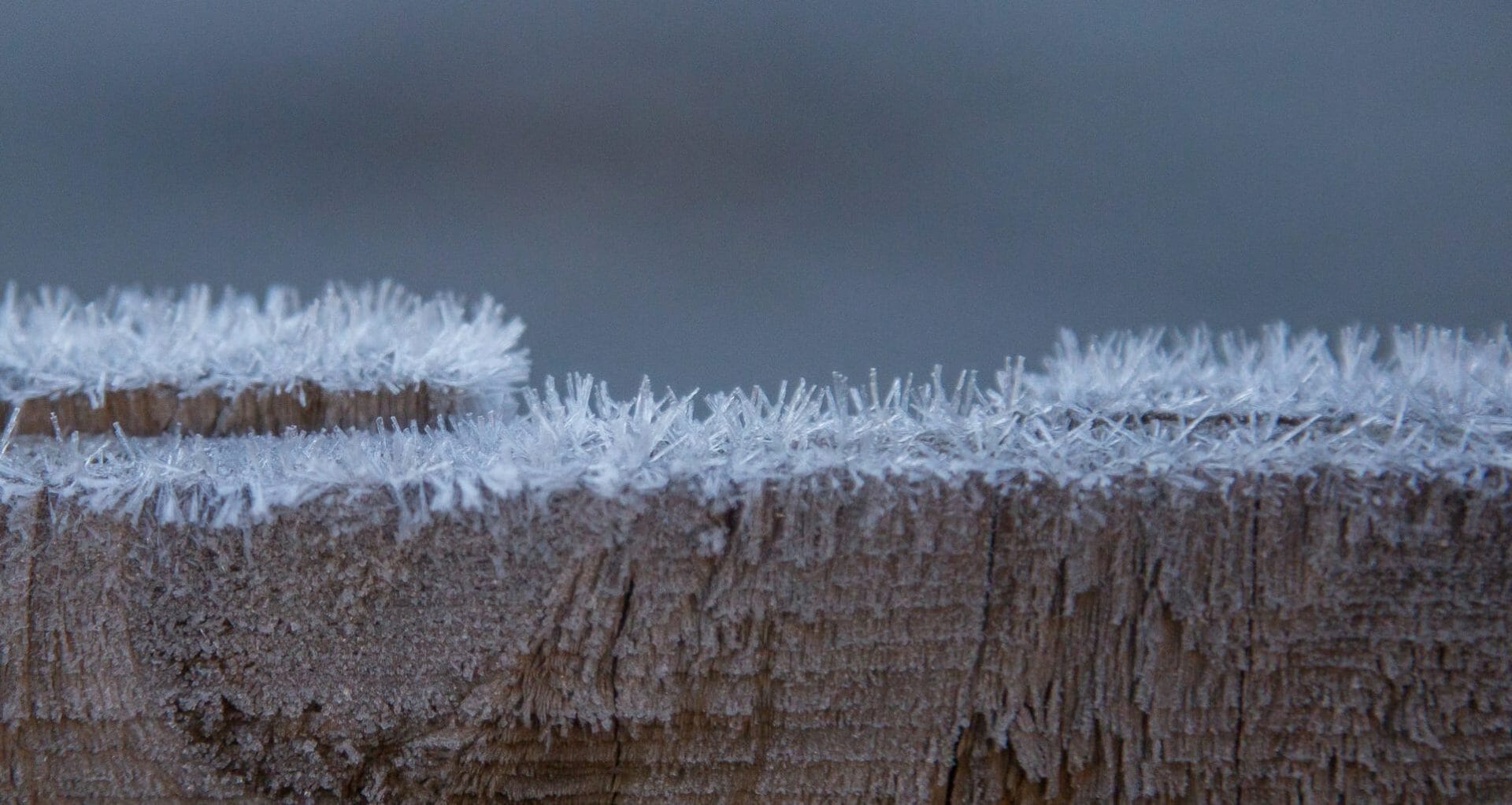
Hello Hello Plants Melbourne Victoria Australia Close up of Frost forming on a fence in Trentham by #arteliz
Frost on a fence in Trentham

To protect your garden from the icy cold of winter, and the frosts of late autumn and early spring, it is wise to create a barrier or hedge. And this hedge has got to be a toughie to block these kinds of temperatures!

Australian Natives are obviously the most suited plant to endure frosts and the Australian climate, having spent centuries acclimatising to this sometimes cruel environment. In fact, we could fill this entire hedging list with natives alone! Instead, here is the list of Top 10 Australian Native Hedges, all of which are frost resistant and perfect for hedging. You’ll find Callistemons, Grevilleas and Westringia just to name a few!

For alternatives to our wonderful natives, here is our list of super tough, built-to-last hedges that can endure the cold.

Top 10 Frost Resistant Hedge

  1. Escallonia iveyii
  2. Photinia robusta
  3. Prunus lausitanica ‘Portuguese laurel’
  4. Prunus laurocerasus ‘Cherry Laurel’
  5. Ligustrum undulatum ‘Box leaf Privet’
  6. Laurus nobilis ‘Bay Tree’
  7. Buxus sempervirens English Box
  8. Hebe
  9. Pittosporum ‘Silver Sheen’ and ‘Tobira’
  10. Cupressocyparis ‘Castlewellan Gold’ and ‘Leighton Green’


Escallonia iveyii

A glossy-green, robust hedging plant with clusters of white flowers that bloom in the summer. Escallonia iveyi are used as medium hedging, formally pruned or in its natural, unkempt form. Known to endure low temperatures, frosts and even light snow! It is suited to Cottage, Formal or Hampton-style gardens.


Photinia robusta

This colourful hedge can be spotted from miles away, with vibrant red new growth. This sturdy plant can be trimmed as a medium or tall hedge, looking quite striking when trimmed into a formal hedge. Photinia produces small, white clusters of flowers in the spring. Suited to Formal or Cottage gardens. There are a few varieties of Photinia, all of which are suited to frost and cold tolerant hedging.


Prunus lausitanica ‘Portuguese laurel’

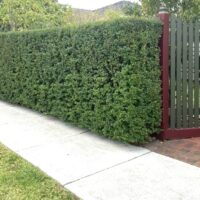
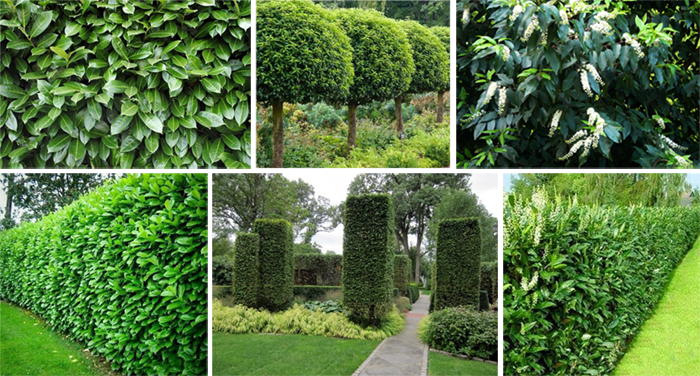
Truly elegant and formal as a hedge, the Portuguese Laurel is a stunning, dark green foliage plant with long, white flowers that bloom in summer. It can be kept as a medium or tall hedge and can also be pleached. Portuguese Laurel does require regular pruning to maintain its shape. It can tolerate a wide variety of environmental conditions, heat, poor soils and light snow included.


Prunus laurocerasus ‘Cherry Laurel’

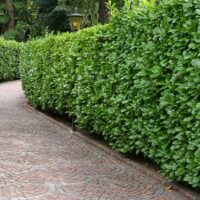
Much like its cousin, Portuguese Laurel, Cherry Laurel is another hardy plant suited to big and medium hedging. Its large, glossy green leaves create dense hedges that block sound, wind and cold. Cherry Laurel also produces white clusters of flowers in the spring that, unlike the Portuguese Laurel, protrude upward in a candelabra-like fashion. Tolerates poor soils, wind, heat, frost and light snow. Best suited to Formal, Cottage, Modern, Lush & Leafy and Woodland garden types.


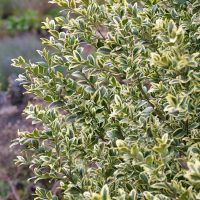
Ligustrum undulatum ‘Box leaf Privet’

Commonly known as a box hedging plant, this versatile little beauty can also be grown and trimmed into medium and large hedges. It is best kept neatly hedged as it can look quite untidy when left to its own devices. It is a very hardy plant, enduring extreme heat, clay soils and frost. Unlike many other hedging plants, Box Leaf Privet does not produce flowers so it is a wonderful addition to the Low Maintenance garden or Poolside.


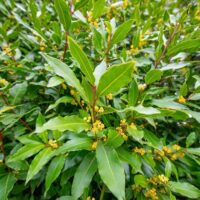
Laurus nobilis ‘Bay Tree’

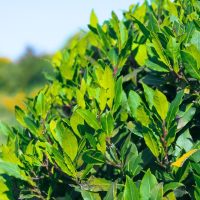
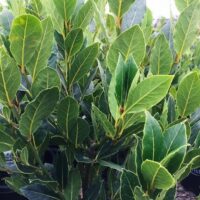
Bay Leaf is not only suited to the culinary garden. Laurus nobilis is a very popular Formal garden addition, often utilised as gorgeous potted standards, topiaries and pleached or full, formal hedges. It is a slow to medium growing plant so it doesn’t take much to maintain and once established, produces little inconspicuous yellow flowers. A great addition to the frost-tolerant garden.


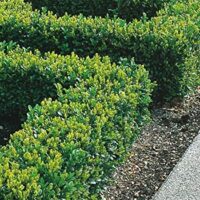
Buxus sempervirens English Box

A classic box hedging plant that can also be used as a medium hedge, English Box is a tough plant. Known to tolerate snow and ice, this slow grower suits almost any garden style from Cottage, Formal to Modern or Woodland. As it’s slow-growing it requires very little maintenance to keep it looking neat and it doesn’t produce any flowers, great for poolside or pathways.


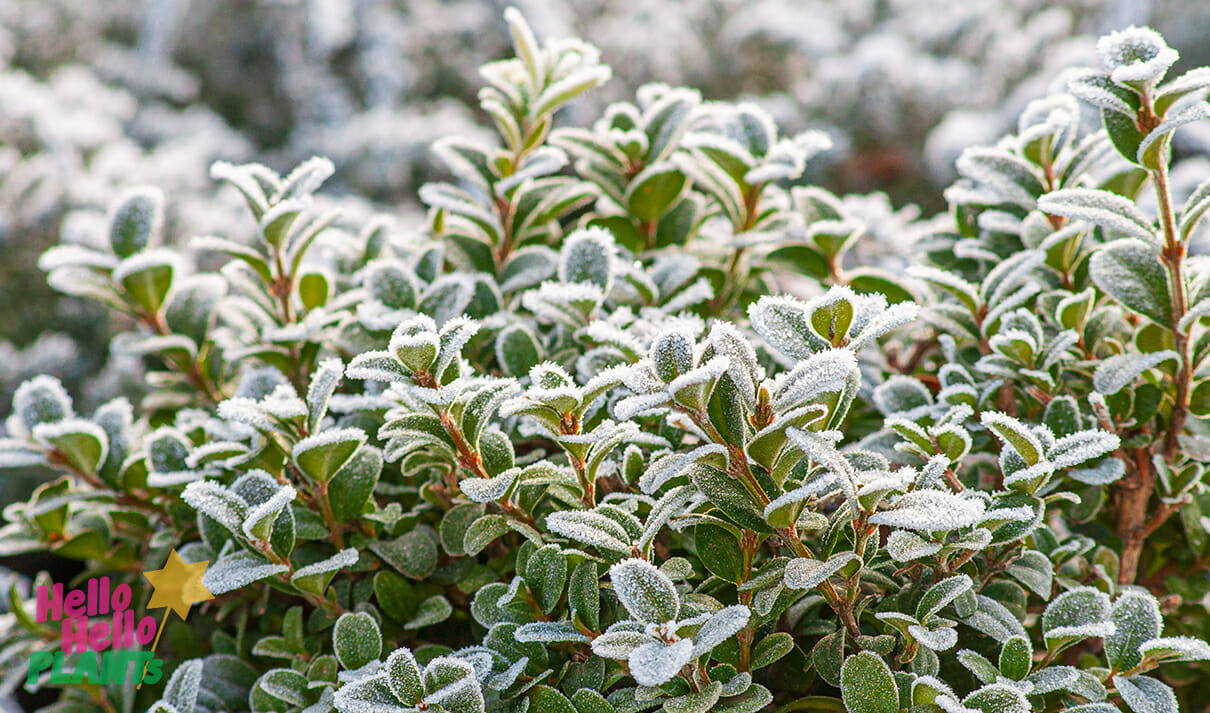
Boxwood plants resistant to frost

Hebe

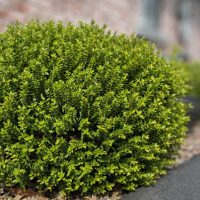
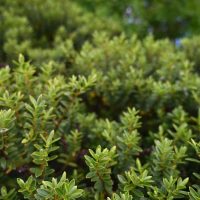
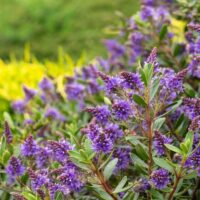
If you’re after that box hedge look but with more colour, look no further. There are many varieties of Hebe available, all of which are frost and cold tolerant. With flower colours ranging from white to pink, purple and almost blue, there are lots to choose from! They are best suited for box or medium hedging and can be formally trimmed or left unkempt. Suitable for Formal, Modern, Pots & Containers, Woodland or Cottage garden types.


Pittosporum ‘Silver Sheen’ and ‘Miss Muffet’

Fast-growing hedging is what Pittosporums are known for and all Pittosporums are cold and frost tolerant. For maximum performance, plant in well-drained, rich soil and you’ll have your hedge in no time! The ‘Silver Sheen’ and other similar varieties have small, rippled leaves but don’t let their size fool you. They can create a very dense and neatly trimmed hedge. But if you’re after a broader leaf variety, the ‘Miss Muffet’ Tobira Pittosporum has a deeper green, a long leaf that can tolerate even snow! Commonly found in Modern or Cottage gardens.


Cupressocyparis ‘Castlewellan Gold’ and ‘Leighton Green’

The most popular rural or acreage hedging plant are these big, lush conifers. If left to their own devices they can grow many metres tall and wide but kept neatly trimmed and maintained, they become one of the most stunning, shapely and formal-looking frost tolerant hedges. ‘Leighton Green’ and ‘Castlewellan Gold’ Conifers are best suited for tall hedging and not ideal for the small suburban or unit garden. They produce no flowers and are so dense they block sound and wind too! As mentioned they are found in Acreage style gardens as well as Formal, Hampton or Mediterranean garden types.


Here are some more articles you may like:

Mini screening plants

Sign up for our newsletter below

We will send you gardening tips, great deals, and exclusive giveaways. Happy Gardening!

Blog Post Top 10 Screening Plants

Top 10 Screening Plants!

Imagine being in your backyard relaxing, enjoying a drink and kicking back on your deck to catch some serious rays and then you catch the neighbour having a peek at you over the fence. Relaxation ruined! Or what if a two-storey unit goes up right next to your property with a whole floor of windows peering down into your backyard creating the feeling that you’re always being watched, even when you’re not!
Not all of us are lucky enough to get views of the rolling hills or the ocean from our yard. Instead we’re in fence-to-fence housing with backyards to match. To reclaim some privacy, screening plants are essential. But screening is not the only reason to be planting a hedge, green wall or screen.

Top reasons to plant screening plants:

  1. Privacy from neighbours, tall units and busy roads
  2. Protection from strong winds and gusts
  3. Cools any concrete or brick areas during summer and subsequently reduces heat inside the house.
  4. Thick screens are great sound insulators from busy roads
  5. A filter for dust and smoke pollution that might otherwise just blow onto your outdoor furniture, deck, windows or pool
  6. Attract wildlife and birds
  7. Hides unsightly features such as water tanks or ugly walls
  8. Create a lush, relaxing outdoor environment

Hedging or screening plants. What’s the difference?

Although they sound the same, hedging and screening have some subtle differences. It just depends on your needs.

  • A screen is typically less formal in design than a hedge, and it is used to hide an eyesore, create privacy or block the wind
  • A screen often uses more individual plants, rather than a dense block of foliage
  • A screen commonly requires less maintenance than most hedges, which usually need several trimmings throughout the year to keep them in a tight shape
  • Hedges provide total block-out while screens break a view (from a particular window for example)
  • A hedge will be dense, generally from top to bottom, and will block out light and views while a screen can be pleached halfway down the bottom.

Planting and Growing Tips for Screening plants:

  • Drip-irrigation system on a simple timer is highly advised. Correct watering is critical for quality growth.
  • Work the soil according to the plant requirements. Adding some quality compost or composted manure through the soil is ideal.
  • Once planted, fertilise with some liquid fertiliser and feed at regular intervals. A controlled release component that feeds for 6-months and an organic component to look after all-important soil microorganisms works wonders.
  • Mulch well at planting time and top-up at least once a year.
  • Prune early and prune often. Regular pruning and shaping makes a screen dense and bushy, similar to a hedge. Light pruning will allow more light through and the plant to grow more tree like.
  • If you want a dense screen, grow plants fairly close together – a distance slightly less than the mature spread of the plant (We have provided ideal planting distance for each plant below)
Trimming your screen is very important! It keeps it healthy and lush looking!
  • Be patient! If you are on a budget and will plant fewer or smaller plants, they will take some time to get established before they start growing fast. If you want a quicker effect, be prepared to pay more for larger plants; what we would call instant screens.
  • Should you be in a real hurry, bamboo makes a quick and tall screen. Clumping varieties are advised rather than the running types, which are prone to taking over a garden, and your neighbours!
  • Make sure to trim your screens at the desired height often. If you let them grow too tall, they might be difficult or even costly to trim back afterward.
  • Choose your plants by your requirements such as soil type, growth speed, maintenance, and also your visual preference. The wrong plant in the wrong environment won’t grow!

Ok, now that you know the basics, let’s take a look at the plants


Top 10 Screening Plants

  1. Leighton Green Cypress
  2. Bamboo Gracilis
  3. Sweet Viburnum
  4. Weeping Lily Pillys
  5. Ficus Flash
  6. Cherry Laurel/ Portugal Laurel
  7. Photinia Robusta
  8. Orange Jessamine
  9. Pittosporum Silver SheenPittosporum Wonder Screen
  10.  Neighbours-Be-Gone Lilly Pilly – Syzygium Australe


1. Leighton Green Cypress

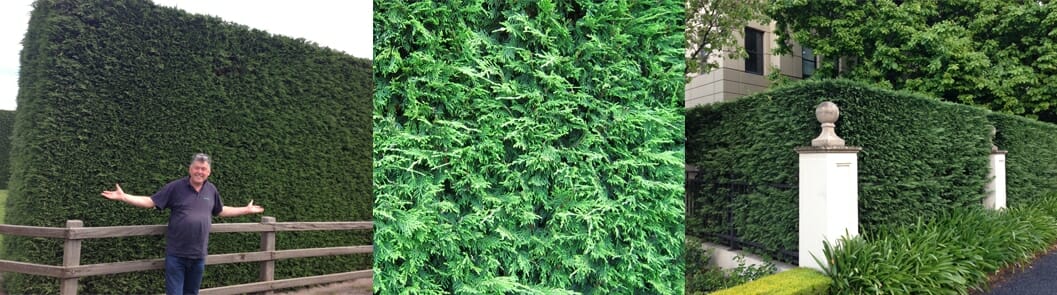
Leighton Green Conifer is a fast-growing conifer that provides great green colour all year round. Grows upright and is usually quite symmetrical.
Click here to read the full fact sheet.

Ideal for: Total visual, noise, dust & dirt protection. Large gardens – NOT small
Growth Rate: Fast – Upto 3 meters in the first 18 months
Height: 10-12m if left unchecked
Soil Requirements: Tolerates nearly all soil types but prefers well-drained, fertile soil.
Maintenance: Medium-Low. Prune 2-3 times a year to keep nice and thick.
Planting Distance: 1m apart

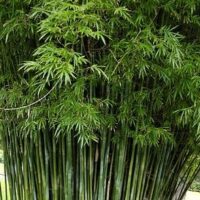
2. Bambusa ‘Gracilis/Slender Weavers’

Slender Weavers Bamboo’s stalks are tall, narrow, and straight, and graceful leaves with ever-changing green stems make this bamboo a real stunner. It is ideal as a large screening plant for privacy against a double story next door or planted in a small courtyard as a great specimen. It is also an extremely fast grower and will grow in a wide range of situations including a windy coastline or a shady mountain gully.

Ideal for: Tall narrow hedge in small spaces.
Growth Rate: Very Fast- 3 to 4 meters in 12 months time
Height: 4-6 meters, up to 8m in warmer areas
Soil Requirements: Deep, well-drained, fertile soils.
Maintenance: Low. Requires regular watering so a timed watering system would be ideal. Prune and thin once a year. Thick shoots can be dried and used as garden stakes!
Planting Distance: 80cm apart for a dense screen. Keep in mind that they clump (send out new shoots all the time.)

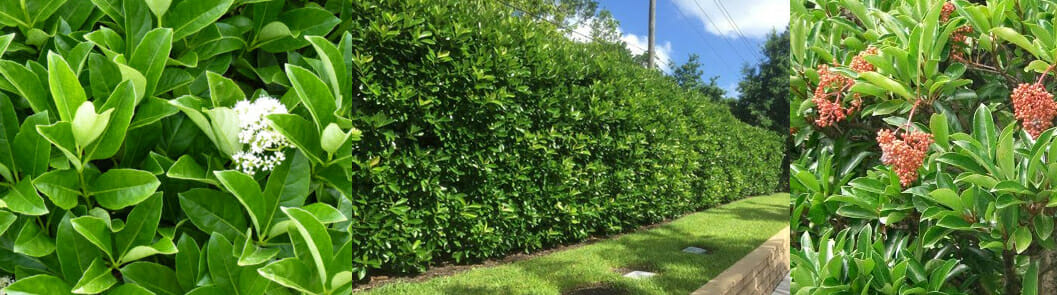
3. Sweet Viburnum – Viburnum odoratissimum

Sweet Viburnum is a dense evergreen shrub with distinctly large leathery oval green leaves and producing fragrant small white flowers in spring. It makes a perfect ornamental addition to any garden, particularly as it sprouts beautiful red berries in autumn.

Ideal for:  Ornamental flowering hedge or screening plant that grows even in shaded areas
Growth Rate: Moderate – 30-60cm per year
Height x Width: 3-4m
Soil Requirements: Moist, moderately fertile, cool soil
Maintenance: Low-Moderate. A couple of prunings a year to keep it in shape. Produces berries that may require cleaning up.
Planting Distance: 1m apart

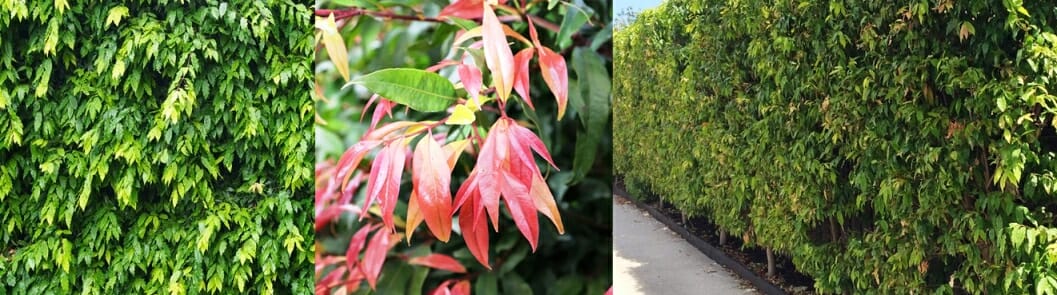
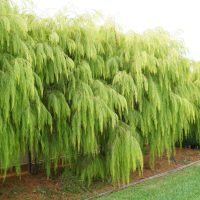
4. Weeping Lilly Pilly – Waterhousea floribunda

This Australian native is known as the Weeping Lilly Pilly due to its slightly drooping habit, which is visually very attractive. It is often used as a hedge or screen and responds well to pruning. Although often used as a hedge, it can also be planted as an evergreen tree. It flowers white in summer. It can easily grow in many soil types and copes well with damp soils. It is fast-growing and has a lovely, lush, compact foliage with the new growth a pink/rust colour adding contrast. It is less prone to bug attacks than other Lilly pillys.

Ideal for: Average soil types and around pools with regular trimming
Growth Rate:
Fast. Up to 2m a year.
Height: 8m if left unchecked
Soil Requirements: Grows well in a wide range, but prefers Loamy to Sandy loam soils
Maintenance: Moderate. Twice yearly pruning to keep it in shape is advised. Does produces tiny fruit in warmer climates that may require cleaning up. Not so much in Melbourne
Planting Distance: 1 to 1.5m for total screen

5. Ficus ‘Flash’

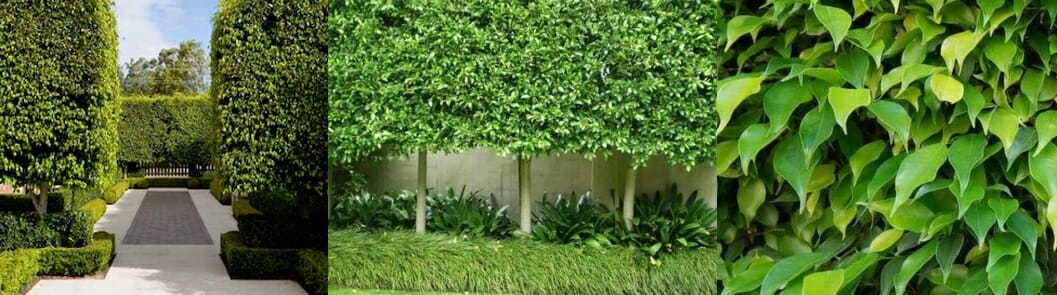
Ficus hillii ‘Flash’ is ideal as a screen because of its dense foliage, fast-growing habit and ability to be trimmed into many shapes! It has attractive foliage which, consists of different beautiful glossy greens. Ficus hillii ‘Flash’ can also be shaped into a standard (ball on a stick) topiary style tree and pleached (Leaves on top, bottom trunk bare). Caution: It does have an aggressive root system so it is advised to contain the size of the plant to contain the roots. Not suited for around pools.

Ideal for: Very windy, drought-prone areas, salt
Growth Rate: Fast – 1-1.5m per year
Height: 10-15m tall in the natural environment. 4-6m tall in urban environments.
Soil Requirements: Fast. Up to 60cm per year.
Maintenance: Low. One or two prunings a year is enough.
Planting Distance: 1 to 1.5m for total screen

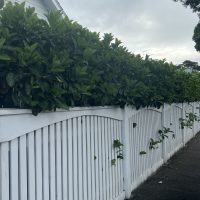
6. Cherry Laurel and Portugal Laurel

Cherry Laurel is a large evergreen shrub or small tree that has deep green glossy leaves that are large, leathery, and oblong. The veins are distinctly yellow. It has strongly scented tiny creamy white flowers that appear in spring. Cherry Laurel is an attractive and useful addition to the landscape. This plant is shade tolerant and makes an excellent dense hedge. Prefers well-drained moist soil.

Portugal Laurel is an evergreen, large spreading tree. It features glossy dark green leaves with slender spikes of small, scented white flowers in summer. Portugal Laurel is very effective as a hedging or screening plant that can be kept clipped from 1-4 metres, or left to grow into a small spreading tree. Its dark glossy green leaves provide an ideal backdrop for other plants in the garden, and it’s very showy when in full flower.

Cherry laurel Portugal Laurel Hello Hello Plants Melbourne Australia

Ideal for: Flowering Screen or Pleached tree
Growth Rate: Moderate- 30-60cm per year
Height: 4-8m depending on conditions
Soil Requirements: Slightly acidic, moderately fertile, moist, well-drained soils.
Maintenance: Low. Twice yearly trimming to keep it neat. Can produce berries that may need cleaning up
Planting Distance: 60-90cm

7. Photinia Robusta

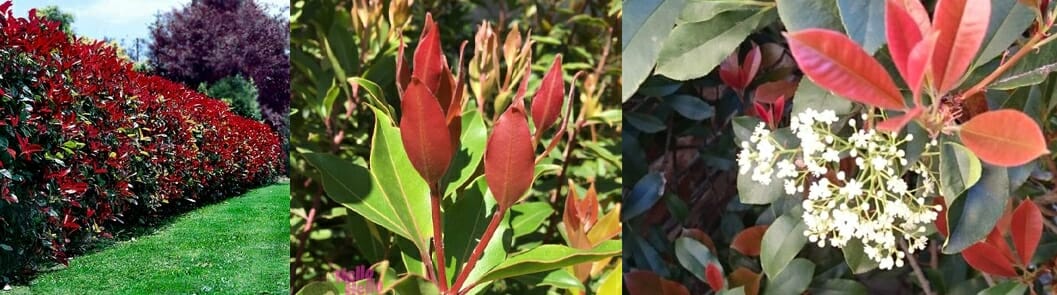
Photinia Robusta is a small fast-growing tree with glossy red foliage turning green in the warmer months. It has small white flowers, that can have a slightly unpleasant odour in summer with red fleshy fruit following. With a dense growth habit, it’s great for screening.

Ideal for: Colourful, red and glossy screen
Growth Rate: Moderate- 30- 50 cm in 1 year
Height: Up to 7m
Soil Requirements: Fertile, loamy, and well-drained soil
Maintenance: Low. Pruning two times a year. Flowers may require pruning if they bother you.
Planting Distance: 1 to 1.5m for total screen

8. Orange Jessamine – Murraya paniculata

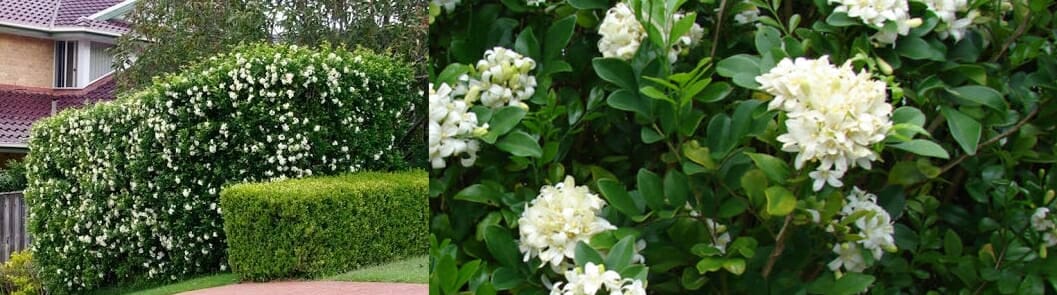
Orange Jessamine makes a fantastic hedging or screening plant. As it flowers it creates a wonderful feature hedge that is highly fragrant. It can also be used in pots as a specimen tree or as screening on balconies. Orange Jessamine’s white, highly perfumed flowers appear in summer in large masses but can spot flowers throughout the year. The uncommonly seen fruit is a small orange berry shape.

Murraya orange jessamine

Ideal for: Flowering hedge or screen
Growth Rate: Slow to medium – Grows about 30-40 cm per year
Height: 3-4m
Soil Requirements: Adaptable to various soils but prefers loamy, free-draining soil enriched with organic matter
Maintenance: Low. One pruning per year is enough.
Planting Distance: 30-50cm apart

9. Pittosporum ‘Silver Sheen’ &  Pittosporum ‘Wonder Screen’

Pittosporum ‘Silver Sheen’ is a lovely evergreen screening plant. The silvery-green leaves give it a unique shimmering effect. It can be planted along fence lines to give your space some privacy. It likes full sun, can grow in coastal areas, tolerates light frost, is suitable for growing in containers, and responds very well to pruning.

Wonder Screen is a new form of Pittosporum that is noted for its dense and tighter habit. Similar to ‘Silver Sheen’ foliage it produces a striking mix of silver and green with dark stems. It will grow in full sun to a semi-shade position. Grows to approximately 2-4m in height.

Pittosporum Silver Sheen

Ideal for: Different looking screening and hedging
Growth Rate: Fast. 60-75cm per year
Height: 2-4 m high and
Soil Requirements: Adaptable to most soil types except wet clay or really dry but prefers deep, well-drained soil.
Maintenance: Low. One to two prunings per year
Planting Distance:
1 per meter

10. Neighbours-Be-Gone Lilly Pilly – Syzygium australe 

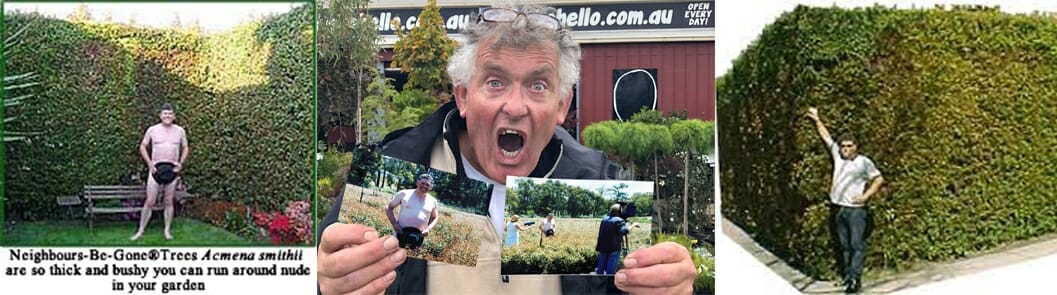
Neighbors-be-gone and Chris running around nude in the garden is literally what made Hello Hello Plants famous back in the day! Chris had (and still has) these wacky ideas for ads and he just had to do them!

Neighbours be gone

Neighbors-be-gone trees can be used to create tall screens, large hedges, and large topiary. They can be planted in pots or confined areas. Although they have the potential to grow into large trees, their size can be contained by regular clipping. Neighbors-be-gone trees have deep green, dense, fine foliage and copper-red new growth and can grow two or more meters per year once established, and love to be clipped and shaped.
Click here to read the full fact sheet.

Ideal For: Thick privacy screens
Growth Rate: Very fast: 1-2m per year once established
Height: Over 25m if left unchecked. Maintain at the desired height.
Soil Requirements: They thrive in almost any soil
Maintenance: Moderate. Requires a few prunings per year and clean up when it flowers and fruits.
Planting Distance:
For fast results plant 75cm apart otherwise 1-1.5 metres apart

Some other great recommendations for Screens

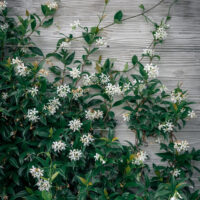
Some other great Screens that require Fence/Trellis support

If you already have a fence, you can also plant a climbing plant to grow over it! It might not cover everything, but will provide some privacy, especially higher up.


Here are some more articles you may like:

Sign up for our newsletter below

We will send you gardening tips, great deals, and exclusive giveaways. Happy Gardening!

Select the fields to be shown. Others will be hidden. Drag and drop to rearrange the order.
  • Image
  • SKU
  • Rating
  • Price
  • Stock
  • Availability
  • Add to cart
  • Description
  • Content
  • Weight
  • Dimensions
  • Additional information
Click outside to hide the comparison bar
Compare