Tag: pet friendly plants

A dachshund jumps on a garden path surrounded by green plants; text reads "Top 10 Dog Friendly Plants for your garden.

The Top 10 Dog Friendly Plants

Dogs really are man’s best friend, and we are so lucky to have such incredible animals in our lives. Dogs provide so much joy – from their silly antics, to their enthusiasm for everything, to all the cuddles and slobbery kisses they give.

So we completely understand how important it is to have plants in your home and garden that won’t harm your furry friend. Chris himself has a groodle dog he loves very much called Harry! You can see Harry yourself in our cute video here. But in today’s article wanted to dive deeper into how you can use these dog friendly plants in your garden.

Jump straight to the 10 Best Dog Friendly Plants:

1. Spider Plant
2. Boston Fern
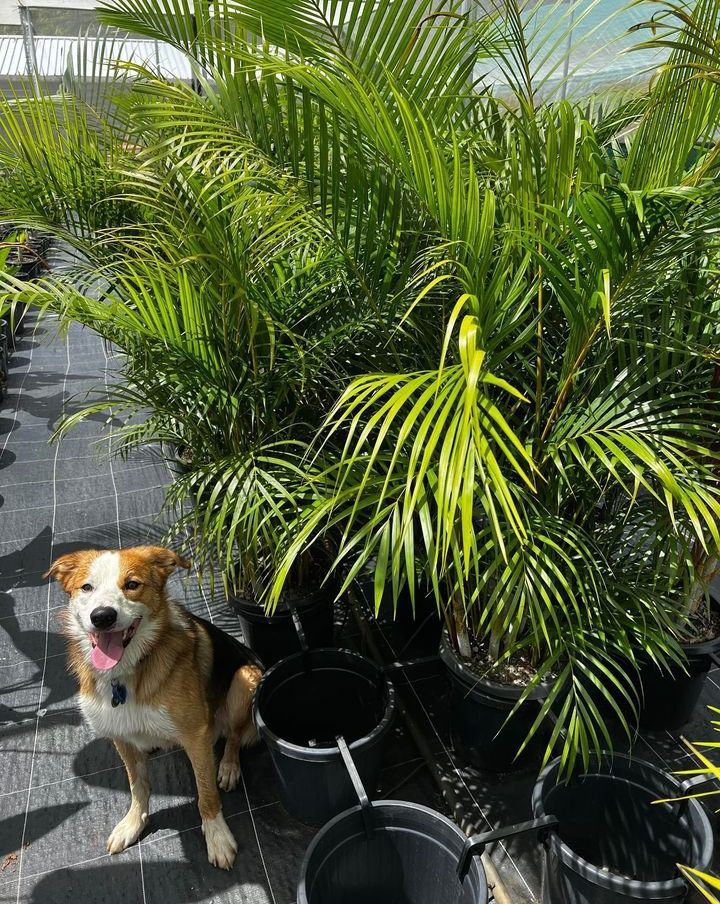
3. Golden Cane Palm
4. Prayer Plant
5. ‘Zebra’ Plant
6. Parlour Palm

7. Common Bamboo
8. African Violet
9. Herbs (Basil, Thyme and Rosemary)
10. Marigolds

If you choose any of these plants to add to your home, we’d love a pic of it with your pup! Tag us and you could get reposted on our channel.

Chlorophytum ‘Spider Plant’
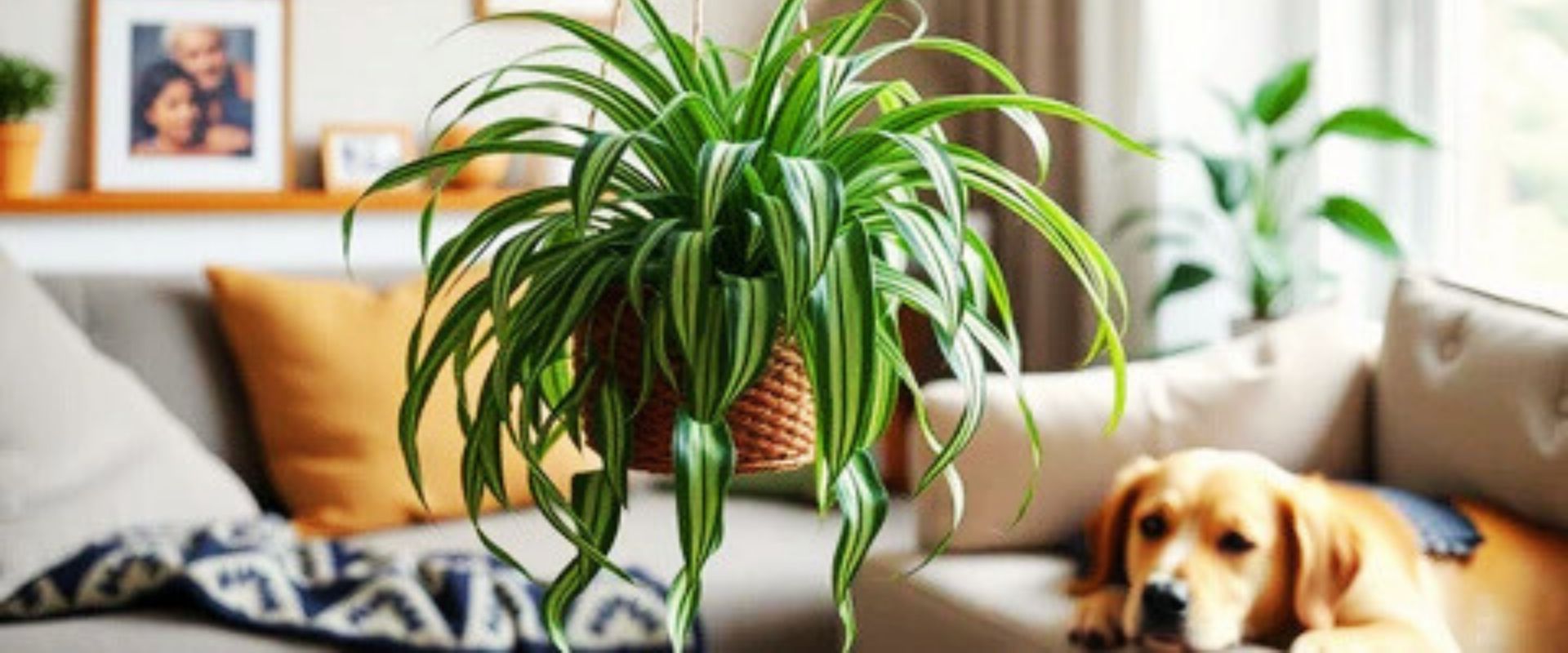

This truly is one of the perfect houseplants, for so many different reasons.

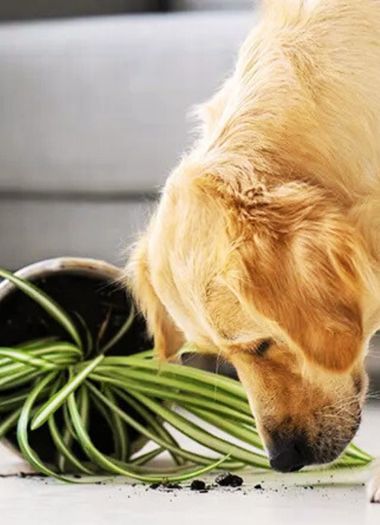
Most importantly, it’s completely safe for dogs! Spider Plants have no poisonous substances that can harm animals or humans. Your dog can nibble on the leaves with no problem – and Spider Plants are so tough that it can survive almost anything.

The long green and yellow leaves make for a stunning feature within your home, and it cascades down beautifully with ‘baby’ Spider Plants sprouting and creating their own cascading foliage.

Spider Plant would look great in a hanging basket to really show off that interesting foliage, or you can put it in a stylish pot on a table and let it flow over the edges.

Not only is it a beautiful feature, but Spider Plants also have air purifying properties! NASA found it to be one of the best air purifying plants!

What we love is how easy they are to grow and propagate, you can buy one Spider Plant and then have an endless supply to spread around your house or share with friends and family.

They survive infrequent watering so you don’t have to worry when life gets busy and you can’t keep up on your watering schedule.

They also make for a fantastic tall groundcover where they spread quickly and cover an area with lush, patterned foliage.

Nephrolepis ‘Boston Fern’
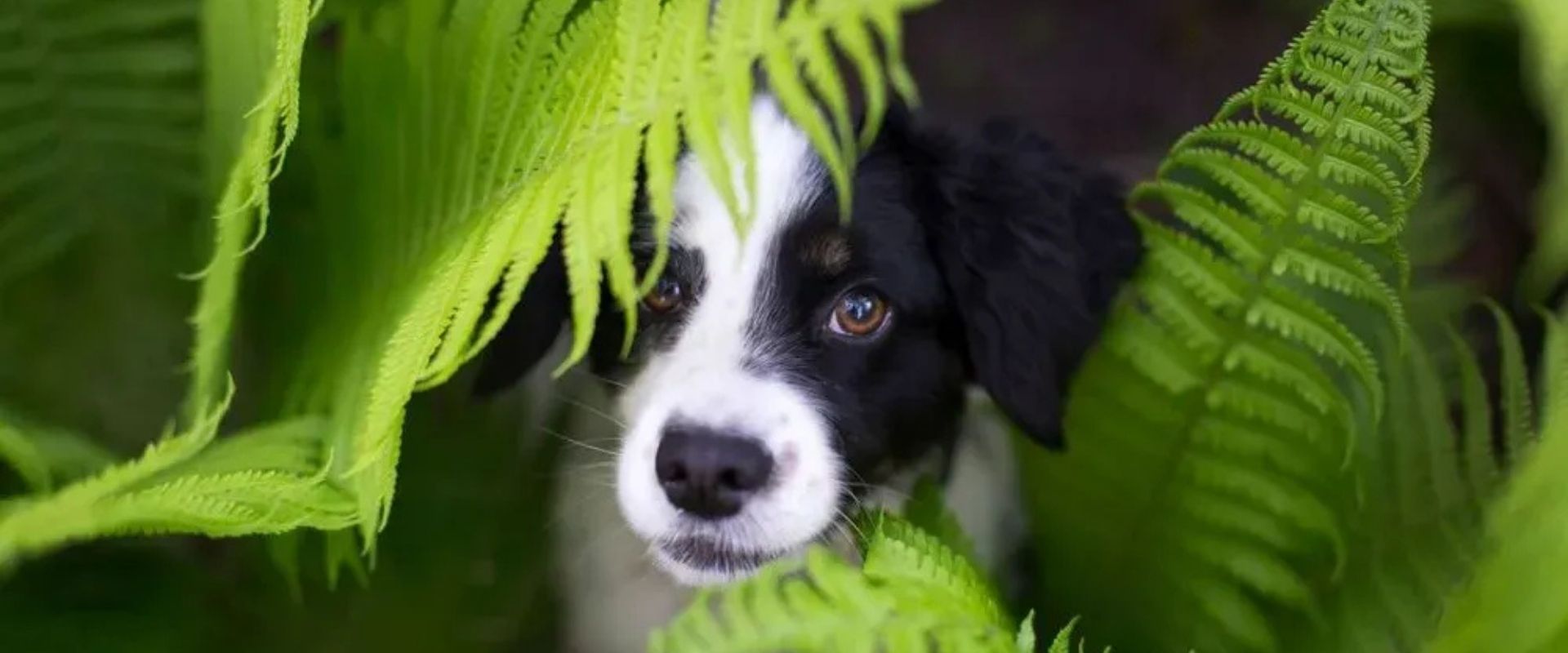


The Boston variety is a fern favourite for many, and your furry friend will thank you for this safe addition to the house.

You can plant Boston Fern outside in a shaded courtyard, but they’re most commonly used indoors. Choose between a hanging basket or pedestal pot to really show it off – you can even have it in the bathroom because they love humidity!

They’re quite reliable and easy to take care of, pop them in a spot that gets bright indirect light or dappled shade. Be careful of the soil drying out, try and water it regularly and also mist it to give it that high humidity it loves. (If it’s in a bathroom you don’t need to mist it).

The long, light green fronds of Boston Fern arch gracefully, adding lushness and beauty to your home. Boston Fern is also great for a natural air purifier!
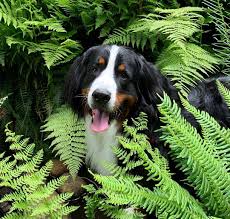

Dypsis ‘Golden Cane Palm’
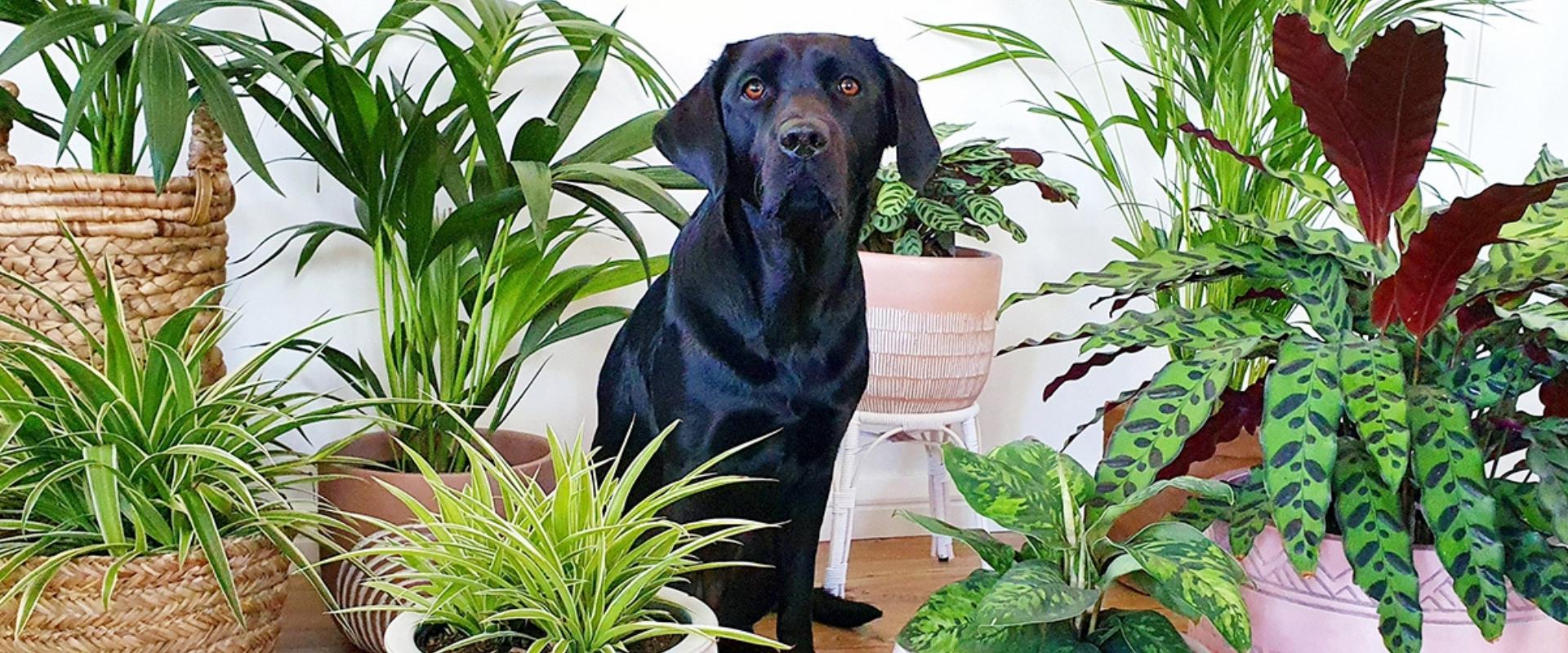


Also known as Areca Palm, your doggo might not be able to enjoy the rich golden coloured trunks and bright green fronds, but they will love how safe it is!

Golden Cane Palm is very popular for how beautiful and easy to grow it is. Those golden trunks combined with feathery fronds makes you feel like you’re on a tropical holiday in your own home. We don’t know what it is with dog friendly plants and air purifying plants but Golden Cane Palm is yet another plant with fantastic air purifying qualities!

You have the choice between planting it outdoors and using it as a privacy screen or single feature or having it indoors to brighten up your home office, hallway or living room.

Golden Cane Palm loves morning-midday sunlight or partial shade but keep it out of the harsh afternoon sun. Give it some water when the topsoil feels dry.

Pair it with other tropical style plants on this list to create an indoor jungle that both you and your dog love.

Calathea ‘Prayer Plant’
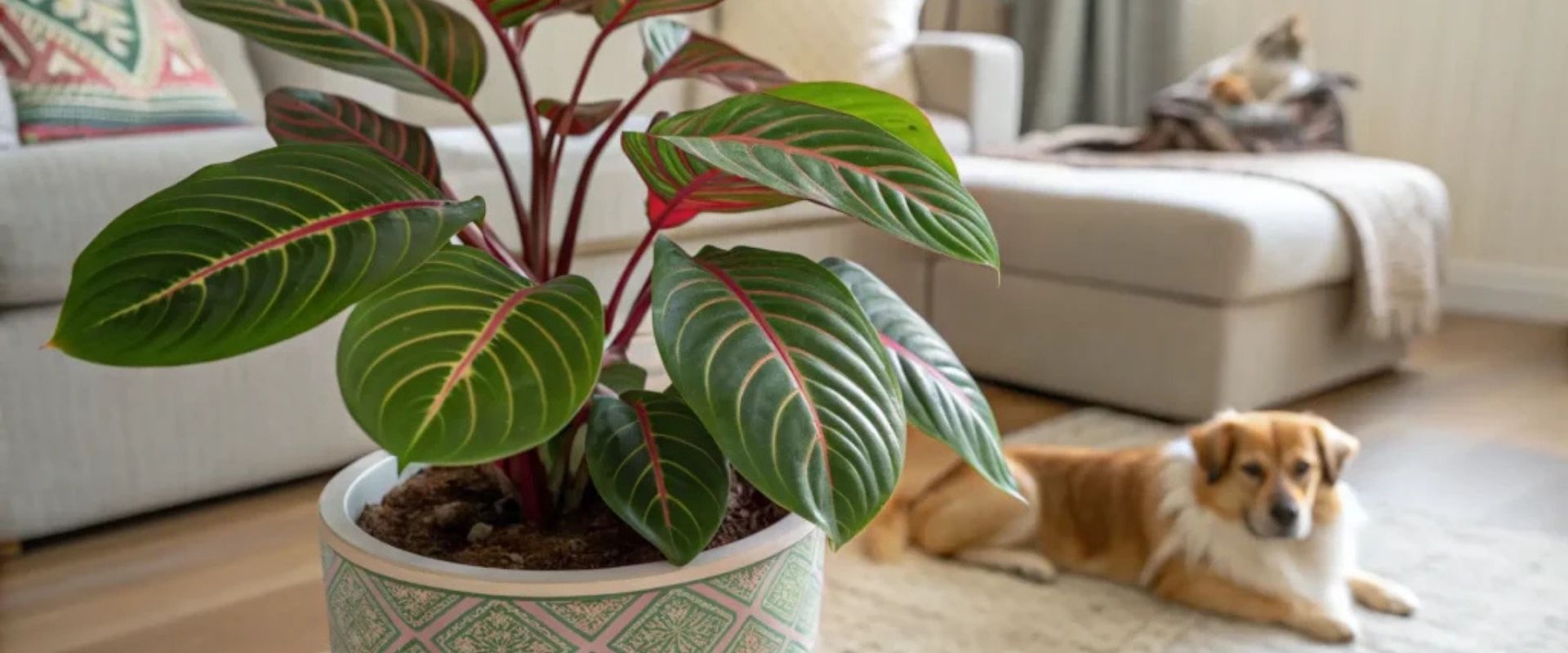

For something really interesting choose a Prayer Plant, their large striped leaves fold up at night – like hands in prayer! It’s truly something unique and you can make your Prayer Plant stand out even more by putting it in a decorative pot.

Prayer Plants are best kept indoors and are best put on a table top or shelf that doesn’t get lots of direct light. This also keeps them out of the way of any playing puppies that like to run around the house.

You can have them outside, but they need a specific climate and conditions to grow well. They also love humidity so mist those leaves or pop a humidifier next to them. They like moist soil, but not soggy.
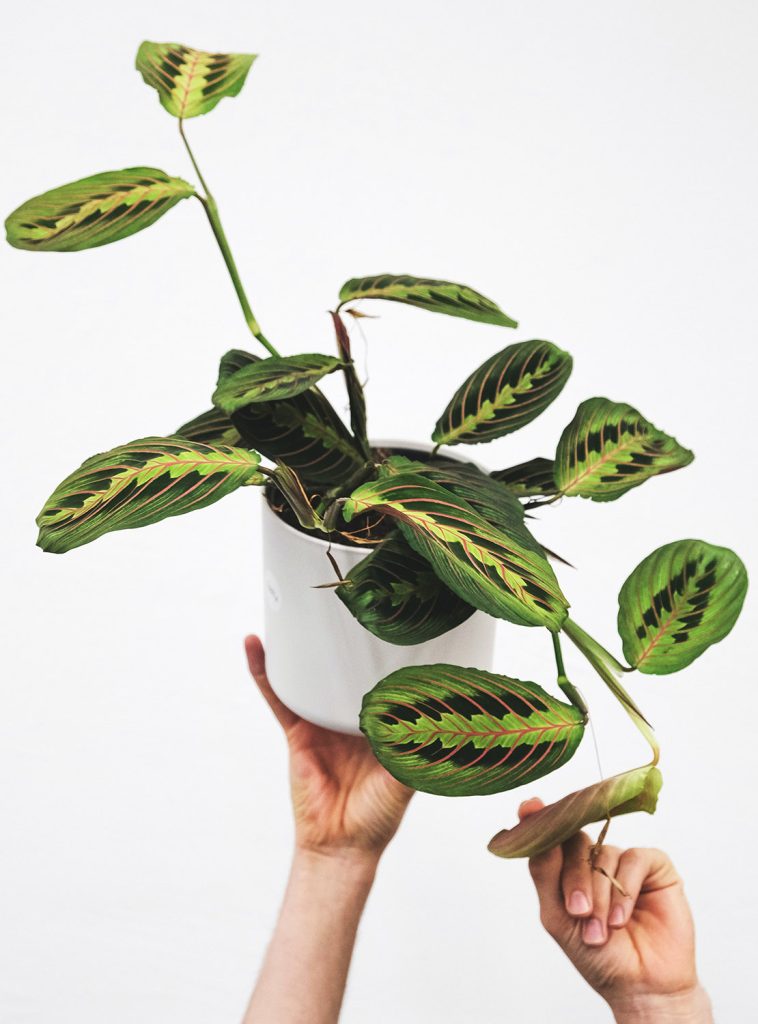

Haworthia ‘Zebra’ Plant
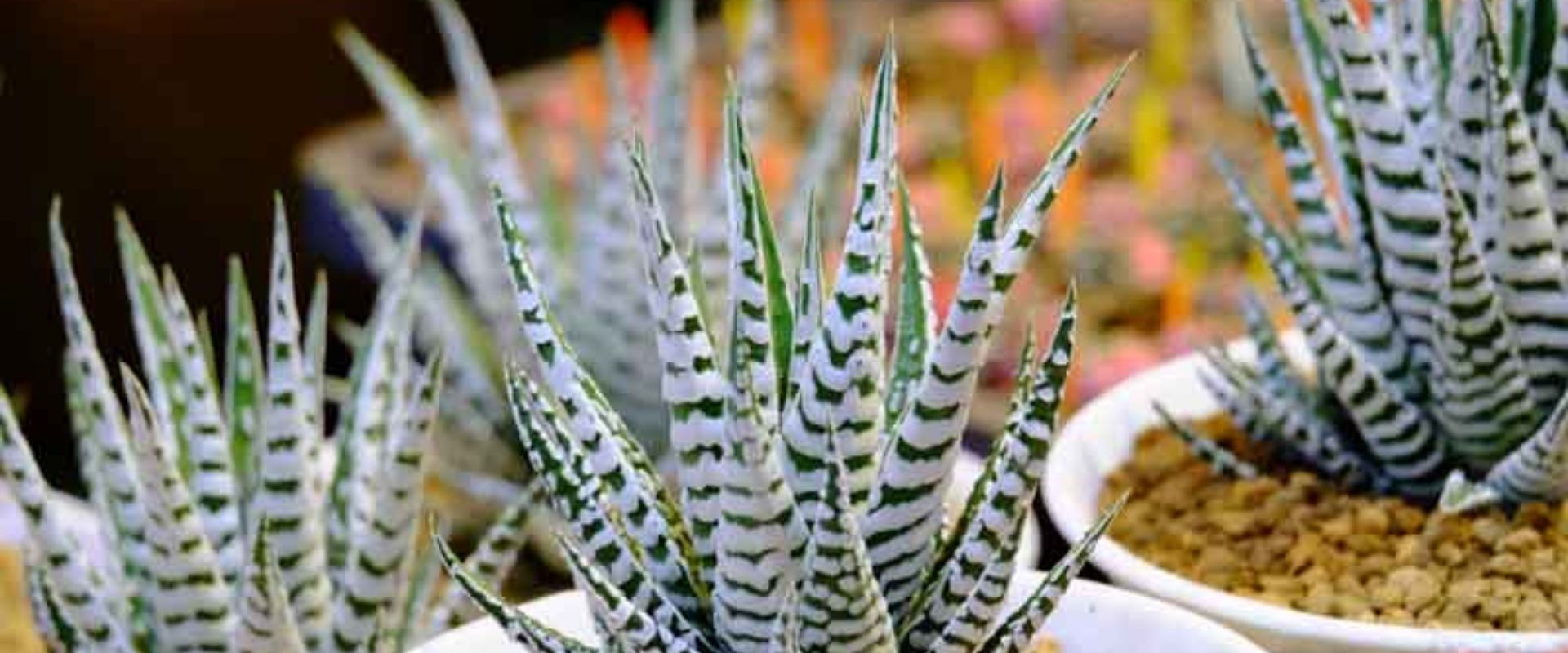

If you’re after something really hardy that could theoretically survive if it got a bit knocked over and bruised by playing puppies, consider the Zebra Plant.

This tough-as-nails succulent is perfect for putting in a small pot on your desk or windowsill. So if want some greenery but you don’t have much space for something like a Fern, choose a Zebra Plant.

Their adorable rosettes of patterned leaves will have you naming it like it’s another pet! They love direct sun, free-draining soil and little water.

If you’re the type of person who always forgets to water their plants, Zebra Plant is perfect for you. Consider planting them in a bigger pot with other succulents, just make sure to check the other succulents are also dog friendly.

Chamaedorea elegans ‘Parlour Palm’
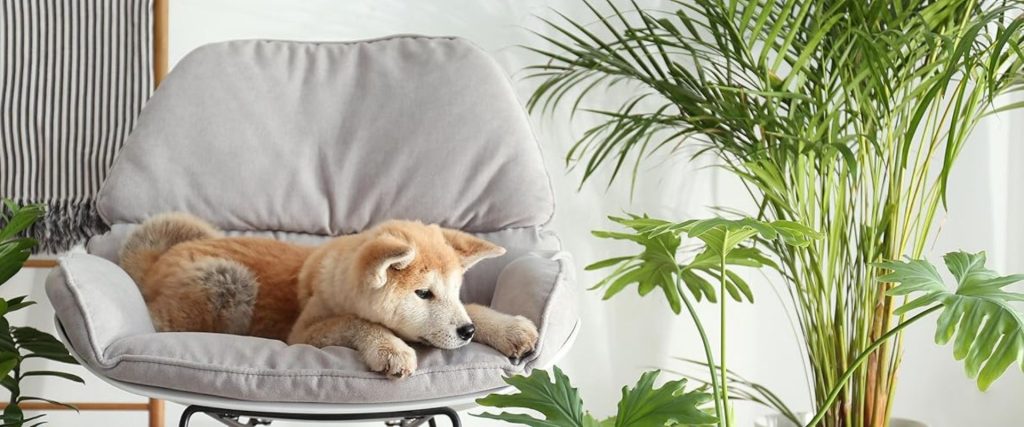

We’re back with another tropical style air-purifying plant that will transform your home into a peaceful oasis. There’s nothing more relaxing than knowing your furry friend will be completely safe with this new addition.

This is smaller in size than some other Palms so good for rooms where you want a plant on the floor but can’t have it taking up too much space. They grow to approximately 1.2 metres in height.
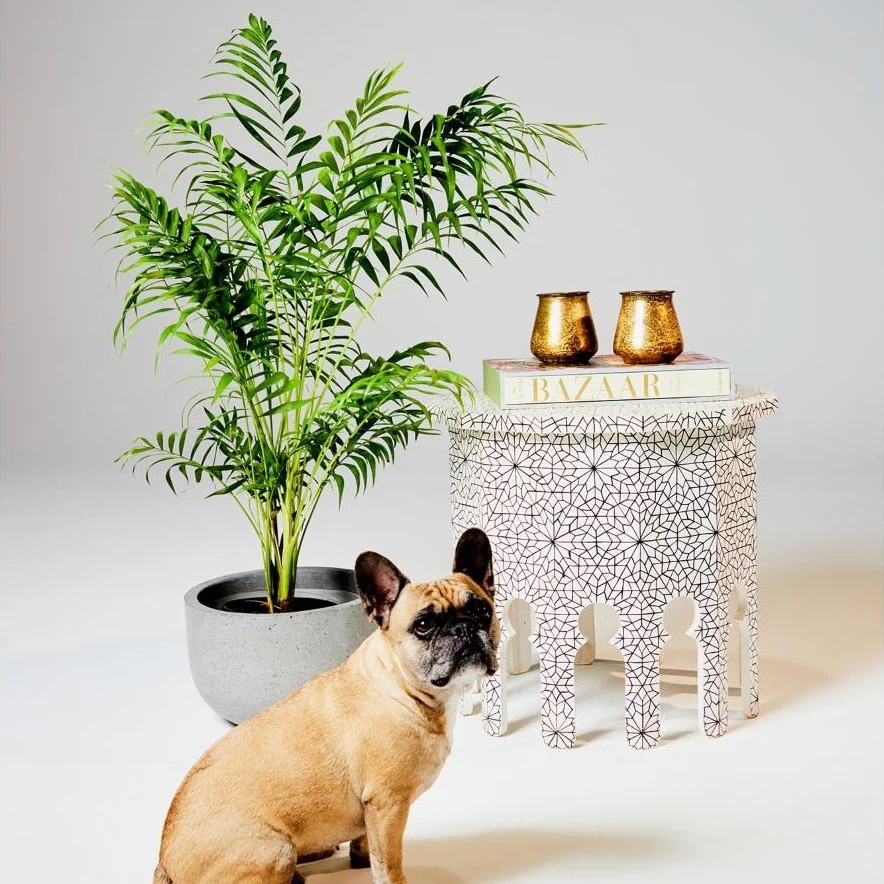

Parlour Palm is beloved by many and would look great in hallways, bedrooms and home offices. What’s particularly wonderful about the Parlour Palm is that it grows well in low light conditions and requires very little water.

Parlour Palm even made NASA’s list of the top 50 indoor plants for air cleaning properties!

You can also pop one on shaded spot on the patio to create a tropical feeling outside while you have your morning cup of coffee.

If you’re a beginner to gardening, Parlour Plant is a really easy option to start with. Water it when the topsoil feels dry and mist it occasionally to let it really thrive.

Bambusa ‘Common Bamboo’
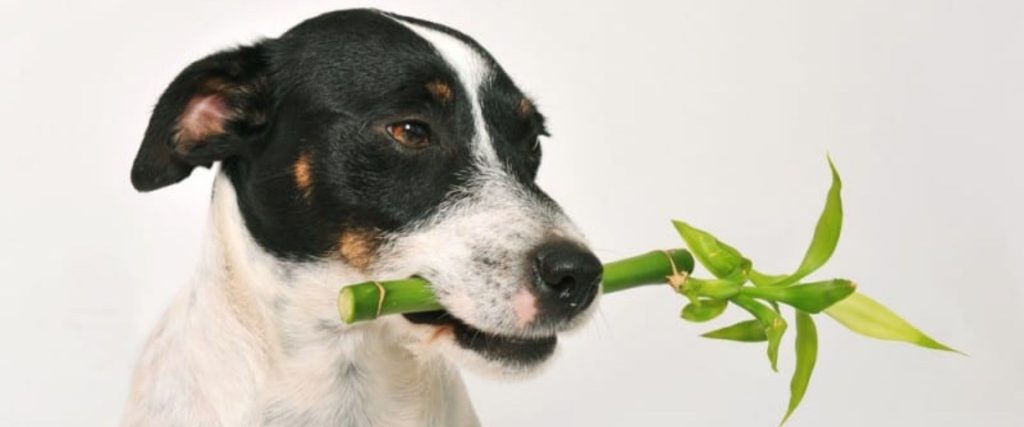


Here’s a chew-proof and dog friendly plant that will add an exotic air to your home and garden. Common Bamboo is the most widely cultivated bamboo for its rapid growth and versatility.

If you find a lot of your new plants get trampled by your dog, this could be a good option to look into as it will shoot up quite quickly. Once established the shoots are quite strong and flexible so are less likely to get damaged by any playing puppies.

This is a clumping bamboo that forms dense stands so is also a good option for creating privacy from neighbours. This clumping habit means it does not spread aggressively through underground runners like some other types of Bamboo can.

Common Bamboo is very adaptable and can grow in a wide range of conditions so is suitable for most gardens.

You can also grow Common Bamboo in a pot, just make sure the pot is large enough and we recommend terracotta pots as they are breathable and allow for moisture evaporation.

Saintpaulia African Violet
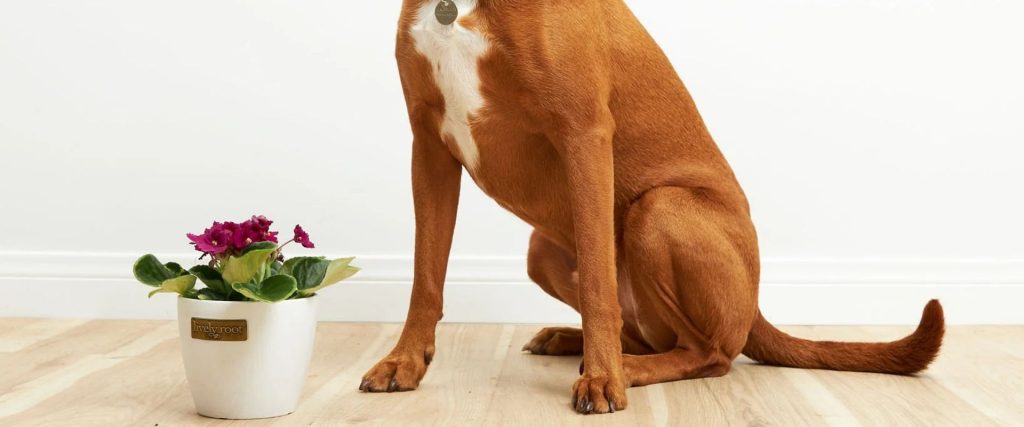
A brown dog sits on a light wood floor next to a white pot containing a purple-flowered, dog-friendly plant, against a plain white wall.

Looking for something with colourful blooms you can have indoors? Choose African Violet. It flowers multiple times a year indoors! Pop it on a sunny windowsill, a desk or on shelves.

African Violet likes bright indirect light, but not harsh sunlight. You can plant it outside if you are in the right area as they like tropical climates and need a warm and sheltered environment.

Choose between purple, pink or white flowers and enjoy this beautiful feature without worrying about your dog.

Herbs
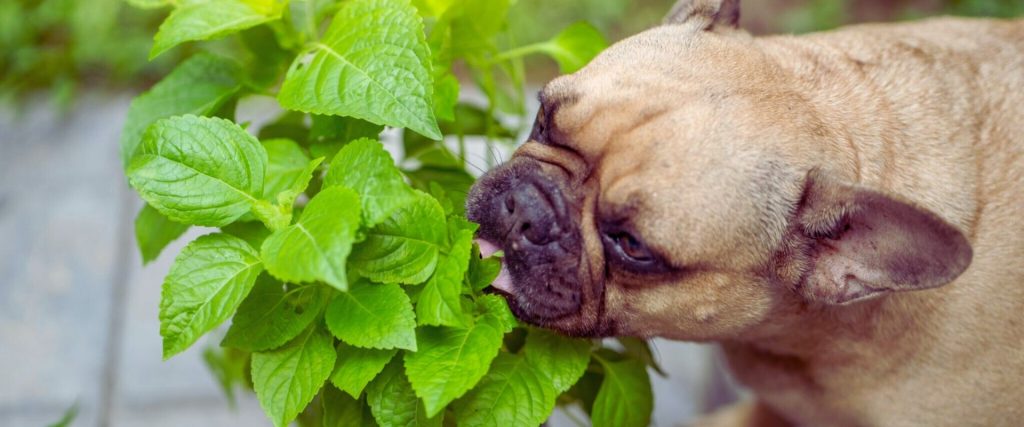

A fawn French Bulldog is outdoors, biting and chewing green leaves from dog-friendly plants.

There are a number of edible herbs that are safe to pets and are a great low maintenance addition to the garden – and kitchen!

We’re going to specifically talk about Basil, Parsley and Rosemary. 

Basil
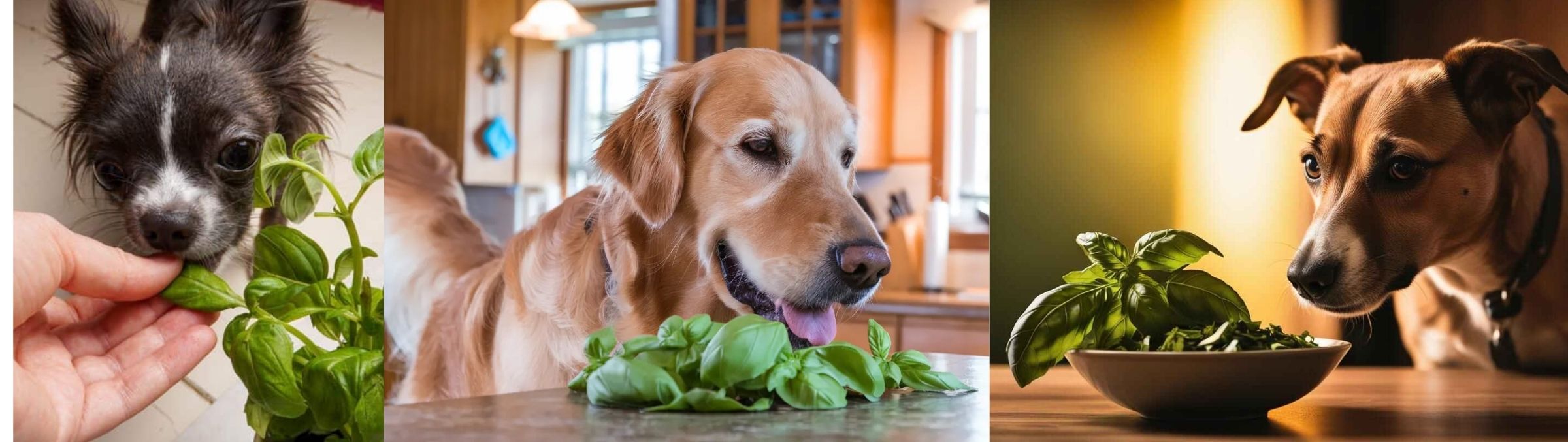

Three dogs interact with dog-friendly plants: one sniffing, one licking, and one staring at a bowl of fresh basil on a table in separate indoor settings.

Basil is great on a windowsill, balcony or in a veggie patch. It has a delicious fragrance and tastes incredible (as you well know) and even has small white flowers in mid to late summer. They love full sun and regular watering.

Thyme
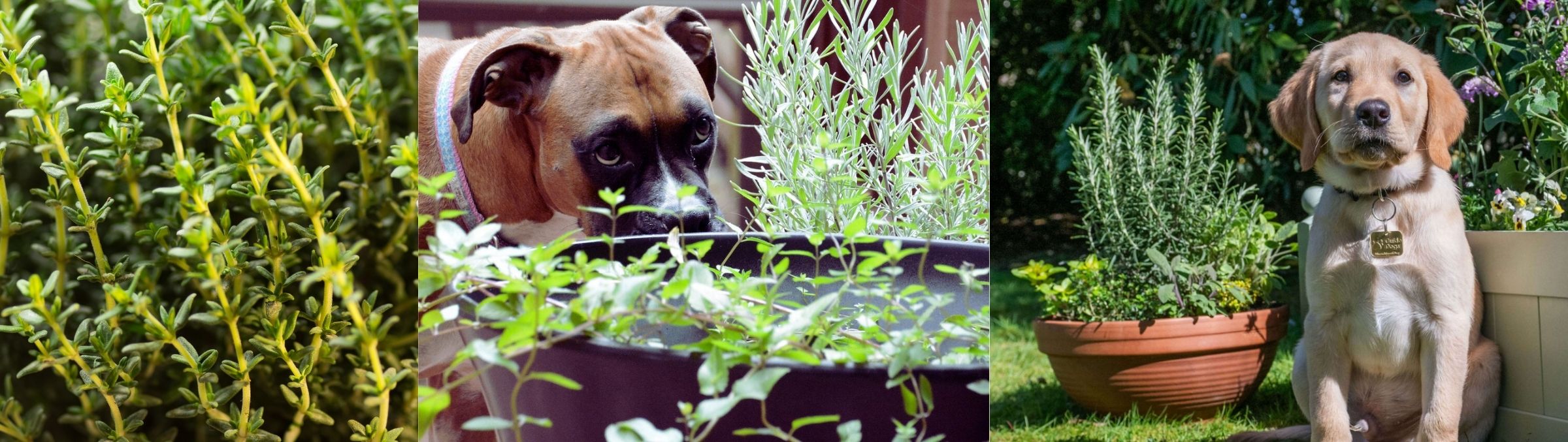

Three panels: close-up of green herbs, a dog sniffing a potted plant labelled Dog Friendly Plants, and a dog sitting outdoors beside large plant containers.

Thyme is great on the balcony, in a rockery or along garden borders. You can have it as a bushy plant in a pot or a fragrant groundcover. It also has a great fragrance and is great for use in cooking. Thyme also needs full sun, but unlike Basil, is drought tolerant once established. In late spring, Thyme has pink, white or purple flowers.

Rosemary
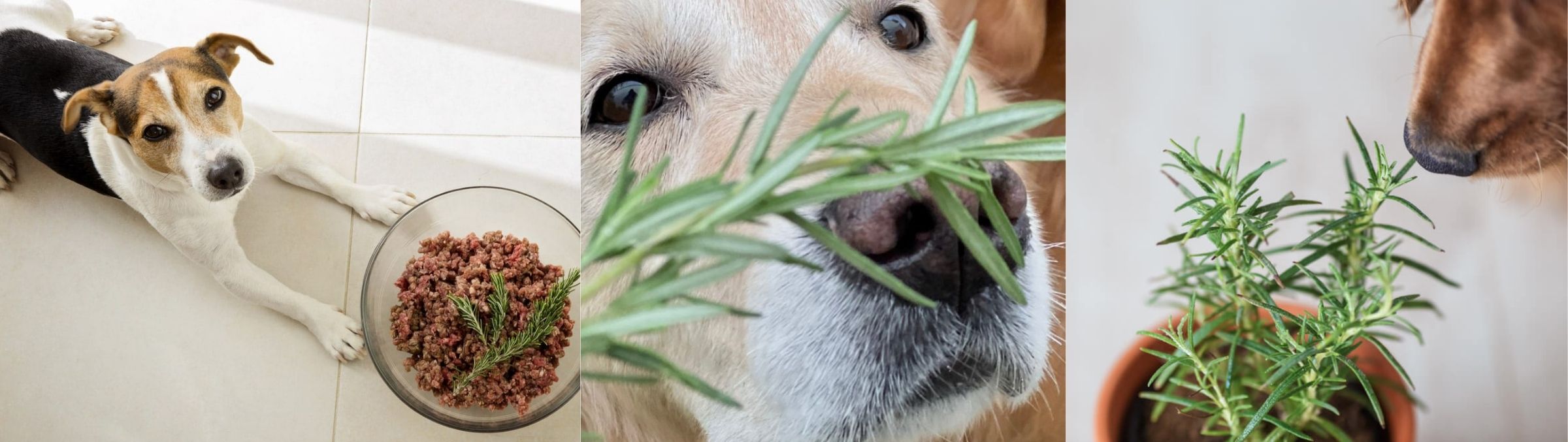

Three images: a dog with a bowl of food topped with rosemary, a dog sniffing rosemary, and a dog near potted rosemary—a great example of Dog Friendly Plants.

Rosemary is something you’ve likely already seen in dog food, but it also makes for a great garden addition. Put the on the balcony or patio in a pot or plant as a small hedge. Rosemary has attractive pale blue flowers in the springtime. Rosemary needs full sun and is very drought tolerant once established.

All of these herbs add fragrance and beauty to your garden, are a useful addition to your cooking, and are completely safe for your dog.

Tagetes Marigold


A brindle boxer dog sniffs yellow marigold flowers—one of many dog-friendly plants—along a garden path.

There are a couple of different colour varieties with the Tagetes Marigold, vibrant oranges and sunny yellows and striking reds. Choose what suits your garden best and plant it in garden beds, as a border or in pots.

They’re really great planted in vegetable gardens because they repel certain pests, improve soil health and attract beneficial insects. They flower for ages, so you get to enjoy those beautiful blooms for ages.

Make sure to plant them in full sun and water regularly, while being careful to not over water.

In Conclusion

There is our list of 10 beautiful plants that are completely safe for your furry friend! You have so much choice – whether you’re after an indoors tropical style plant, something colourful for the garden, or a fragrant edible plant that you or your dog can eat.

We hope you love your beautiful new plants stress-free, make sure to tag us in any photos you post!

Please Note: This list isn’t extensive and it’s always best to check when planting something with pets in the house and backyard. But absolutely go ahead and plant our Top 10 Dog Friendly Plants we’d recommend and enjoy a beautiful safe garden!

Feeling inspired to create your own garden, but want some expert advice? Try our one-on-one garden design service with Chris. Together you’ll come up with a selection of plants along with a layout plan that gives you the look you want, as well as being suitable for your local soil and conditions.

get your own tailored modern garden design:


FIND OUT HOW

Articles you may also like

Hands adding coffee grounds from a bowl onto soil with seedlings, accompanied by the text "The Best Garden Hacks Using Everyday Household Items." Discover simple garden hacks to boost plant growth with things you already have at home.

The Best Garden Hacks Using Everyday Household Items

You don’t need fancy, expensive things to have a healthy, thriving garden. In fact, people have been using these common household items in their gardens for years. Some of these you may already know about, but we’re sure there will be a couple that will surprise you.

Jump straight to the Best Hacks using these items:

Tin Cans
Dishwashing Detergent
Beer
Vaseline
Ground Coffee
Egg Shells
Potato or Pasta Water
Epsom Salt
Banana Peel Water

Whether it’s aphids or poor soils or any of the common problems you deal with in the garden, we’ve got just the hacks for you. What we love about these hacks is that they reduce waste and give items that typically just get thrown straight in the trash another purpose.

Let’s get right into it.

Catching Earwigs Using Tins

Close-up of an earwig insect with pincers on its abdomen, walking on a green leaf. Discover how understanding earwigs can inspire the best garden hacks, all set against a blurred green background.
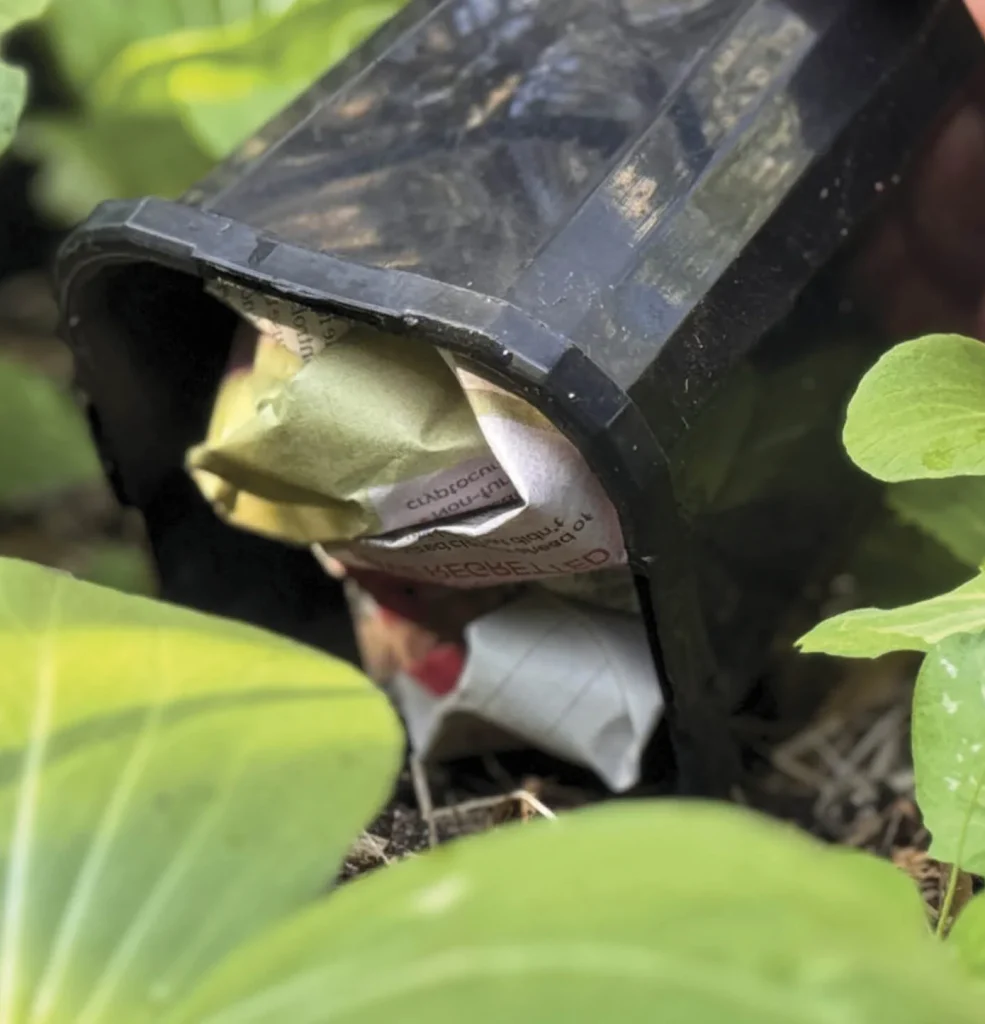
A hand places a black plastic container filled with crumpled paper among leafy green plants in a garden, showcasing one of the Best Garden Hacks for nurturing healthy soil.

Earwigs can be a great nuisance in many gardens; they feed on many different plants causing cosmetic damage and hindering growth.

Now, the next time you cook a meal that uses something tinned, instead of throwing it away this is what you do.

Take the lid off completely and give it a good rinse. Then you screw up newspaper and pop that inside the tin. After that it’s as easy as popping it under the bushes in your garden and waiting. Then the next day you go around with a bucket of boiling hot water and upend the tin over this bucket.

Earwigs that had been nestling in the tin will fall into the boiling water and bam earwig problem gone. With this hack it’s best to create several tin traps and do it on a semi-regular basis to keep earwigs under control.

Get Rid of Aphids Using Dishwashing Detergent

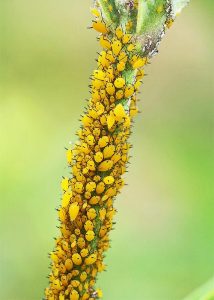
A plant stem densely covered with clusters of small, yellow aphids against a blurred green background—a reminder that garden hacks can help keep pests at bay.The key with this is only using a little bit of detergent and using water to highly dilute it. Less is more in this instance. This trick also works with other sucking insects!

Also make sure to do this in warm weather, around 23-28 degrees, such as on a morning of a nice sunny day.

So you create your solution in a misting bottle, just a touch of detergent with lots of water, and then go around and spray it on the affected areas in your garden.

You want to wait 48 hours and then spray all the affected areas again. This solution is non-toxic and non-residual so what happens is that the detergent dissolves the oily coating on the outside of the aphid. Then the aphid shrivels up and dies in the heat of the sun. Bye bye.

Get Snails Drunk on Beer Then Drown Them

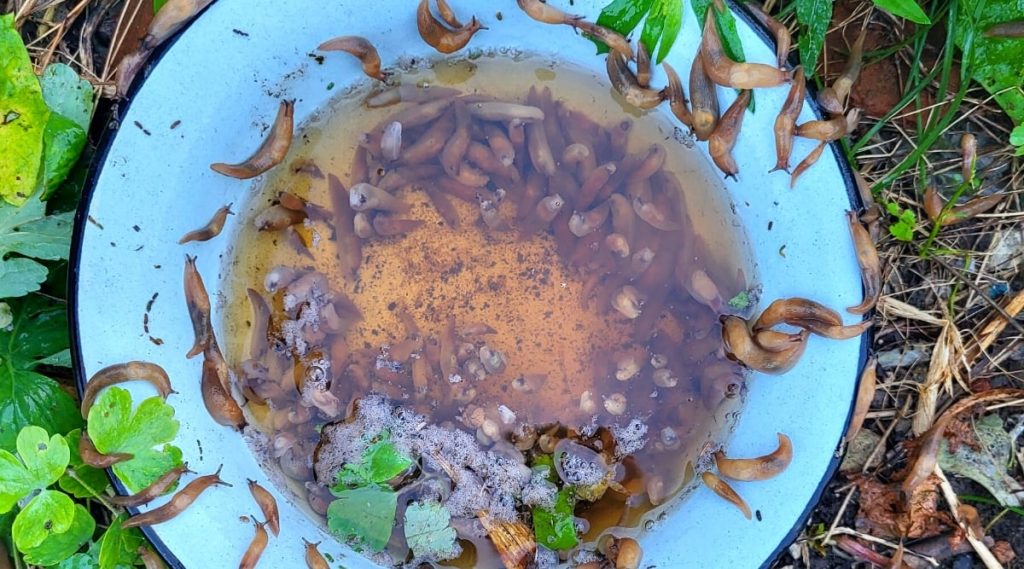
White basin filled with water, containing numerous dead brown slugs and plant debris, surrounded by green leaves and soil—a simple garden hack for dealing with pests.

Yep, you read that right, this hack is all about sending snails off to a watery beer-y grave.

How you’re going to do it is by taking a plate or pan that has shallow edges but progressively gets deeper towards the middle. What happens is the slug drinks beer, gets intoxicated and moves closer to the middle where it drowns in the deep end of your beer pool. In the words of Chris the snail “has a happy death”.

Use Vaseline To Create a Barrier For Slugs and Snails

Several slugs crawl near two plant pots; one pot has a smear of Vaseline on its side—a clever Garden Hack. A tin of Vaseline is visible in the background.With just Vaseline you can create the equivalent of a magical “you shall not pass” line. Slugs and snails despise Vaseline and will refuse to cross a line of Vaseline.

So what you want to do is put Vaseline around the edge of your pot to protect any potted plants from snails and slugs.

Improve Your Soil With Coffee Grounds

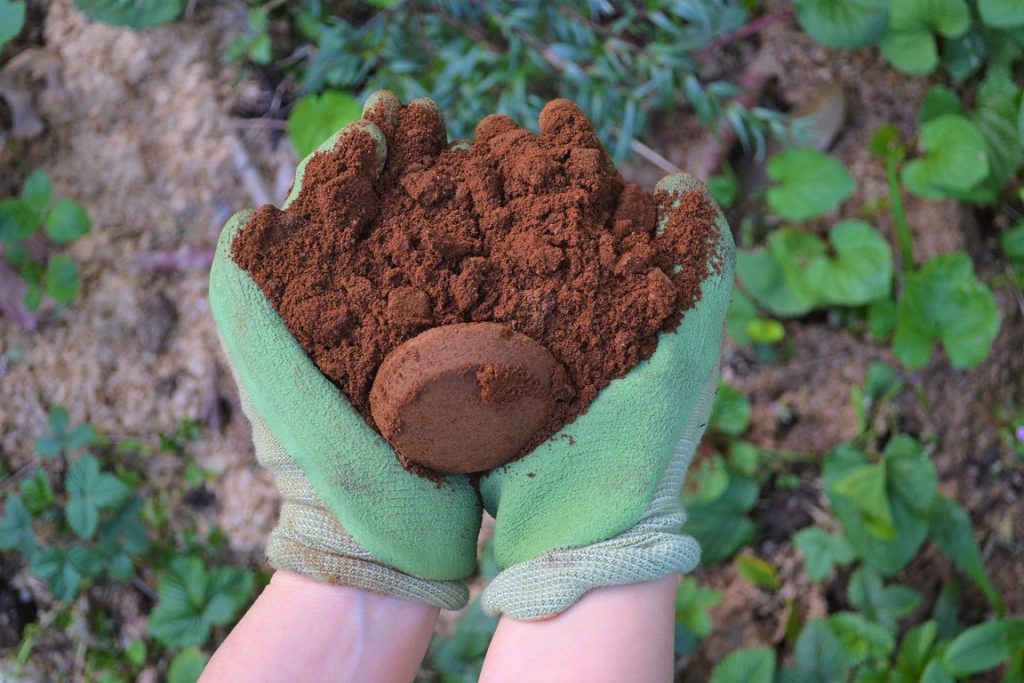
Hands wearing green gloves hold a pile of brown coffee grounds with a compressed coffee puck, surrounded by plants in a garden—showcasing clever Garden Hacks for enriching your soil and boosting plant growth.

Nourish yourself and your garden with your cup of morning coffee. Collect your coffee grounds and let them dry out first. Then sprinkle a thin layer (less then 1cm thick) around the base of your plants or mix it into your compost pile. Or you can mix your coffee grounds into the top layer of soil.

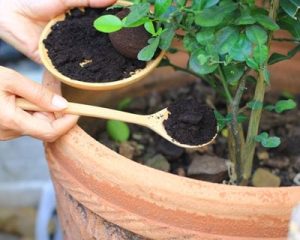
A person uses a wooden spoon to add coffee grounds from a small bowl to the soil in a potted plant, demonstrating smart Garden Hacks.How it works is that coffee grounds contain small amounts of nitrogen, potassium, and phosphorus—all nutrients plants love. They also improve soil texture, making it fluffier and better at holding water. Plus, coffee grounds attract worms, which help break down organic matter and improve soil health.

Don’t do this every day, once or twice a week is plenty. If you do it too often you risk making the soil too acidic.

Deter Slugs and Add Calcium with Crushed Eggs


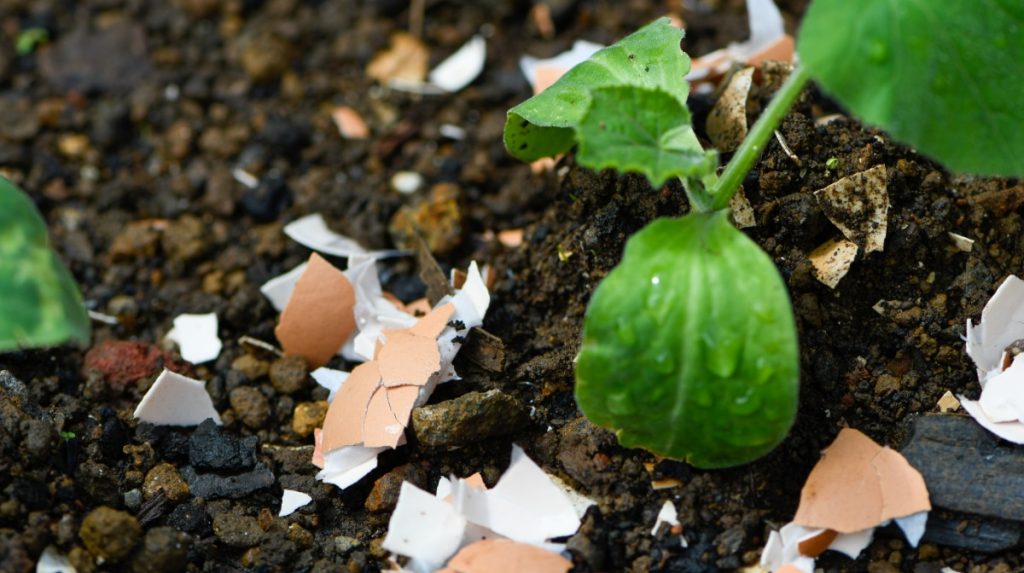
Close-up of a small green plant growing in soil, with pieces of broken eggshell scattered around the base—a clever example of Garden Hacks for nurturing healthy plants.

Made some scrambled eggs? Great, take those egg shells and rinse them out. Crush them into small, sharp pieces – you can use a rolling pin for this. Then sprinkle the crushed eggs over your soil.

Slugs will not crawl over ground with crushed eggshells as it’s like walking barefoot over rough jagged ground.

The crushed eggs have a double benefit of slowly releasing calcium into the soil which plants like tomatoes and peppers absolutely love.

It’s a good idea to do this after rain as we know how slugs love to come out after it’s rained. For the calcium boost it’s best to apply every 2-3 weeks.

Add Nutrients with Potato or Pasta Water

Uncooked spaghetti partially submerged and standing upright in a pot of boiling water on a gas stove—perfect for quick meals before diving into your favorite Garden Hacks.Unfortunately this isn’t a hack you can do while cooking your normal pot of pasta or potatoes because you need the water to be unsalted. Salt is great for flavouring your food but not so great for plants.

How it works is that when you boil potatoes and pasta, they leach minerals and starches into the water. This starch acts like a mild carbohydrate boost for soil microbes and it also contains minerals like iron or phosphorus that nourishes your plants.

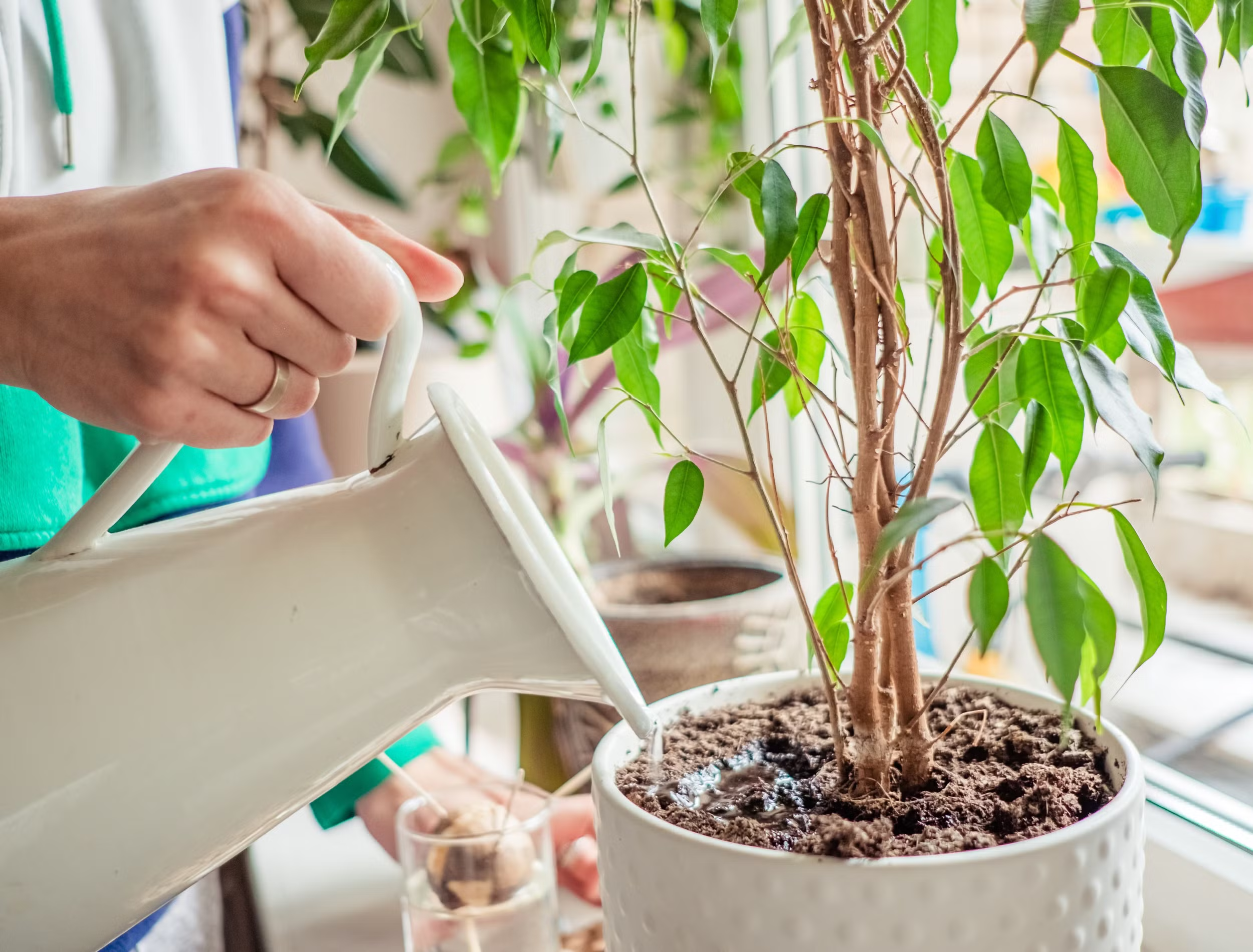
A person uses clever garden hacks as they water a potted indoor plant with a white watering can near a window.So once you’ve boiled your potatoes or pasta, take them out (eat them if you feel like it) and let the water cool to room temperature. Then pour the cooled water around your plant’s base.

Do this once a week – you can rotate it with your plain watering schedule.

Have Greener Leaves with Epsom Salt Spray

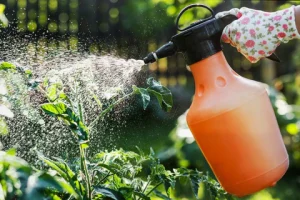
A gloved hand sprays water or liquid from an orange spray bottle onto green plants in a garden, showcasing simple garden hacks for healthier growth.You’ve probably heard of using Epsom salt for muscle relaxation, but it’s also great for making leaves greener. What happens is the magnesium from the Epsom salt helps plants make chlorophyll, which is the green pigment they use to transform sunlight into energy.

So by dissolving a tablespoon of Epsom salt into 1 litre of water, pouring it into a spray bottle and spraying it directly onto plant leaves you can make them greener. It’s best to do it in the early morning or late afternoon, you just want to avoid the harsh sun.

A close-up of coarse white salt in a bowl, with a wooden spoon resting on top and filled with salt—perfect for trying out simple Garden Hacks. Don’t overdo this because too much magnesium can be bad for your plants. We recommend every 2-4 weeks during the growing season.

Boost Potassium with Banana Peel Water

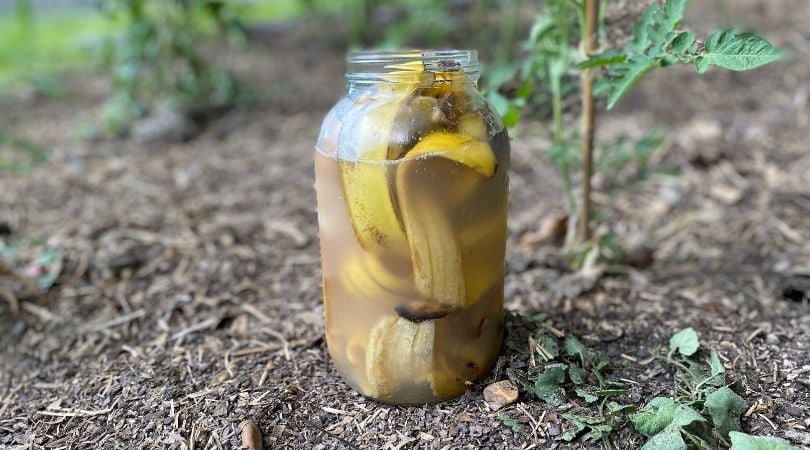
A glass jar filled with banana peels soaking in water, placed on soil near green plants outdoors—a simple Garden Hack to nourish your plants naturally.

We all know bananas are rich in potassium – and so are their peels. Plants need potassium for strong roots, disease resistance and flower production.

All you need to do is cut up banana peels and place them in a container with water. Let it soak for 2-3 days then strain the water and pour it onto the base of your plants.

Do this method every 2-3 weeks during the growing season.

In Conclusion

It’s crazy to see how many ways plants are just like us – they also need the right nutrients and when you start taking care of your plants your garden will absolutely flourish. We hope you enjoyed these hacks! Be sure to follow us on our socials for more hacks and tips to have the best garden.

Feeling inspired to create your own garden, but want some expert advice? Try our one-on-one garden design service with Chris. Together you’ll come up with a selection of plants along with a layout plan that gives you the look you want, as well as being suitable for your local soil and conditions.
get your own tailored modern garden design:


FIND OUT HOW

Articles you may also like

A tabby cat peeks through green plant leaves with text overlay: "The 6 Best Pet Friendly Autumn Flowering Plants" in bold, black and green font.

The 6 Best Pet Friendly Plants

In Victoria there is an estimated 1.4 million households with a pet – that’s a whopping 58% of adults with a pet. So it’s no surprise that one of the most common questions we get in our Live Q&A isIs that plant pet friendly?

Maybe you’re looking for an indoor plant that won’t hurt your cat if it decides to take a nibble of it, or you want something in the garden that won’t hurt your bunnies or dog.

Jump straight to the 6 Best Pet Friendly Plants:

1. Camellia
2. Snapdragons
3. Prayer Plants
4. Correa
5. Edible Herbs
6. Boston Fern

Plants to Absolutely Avoid for Pets

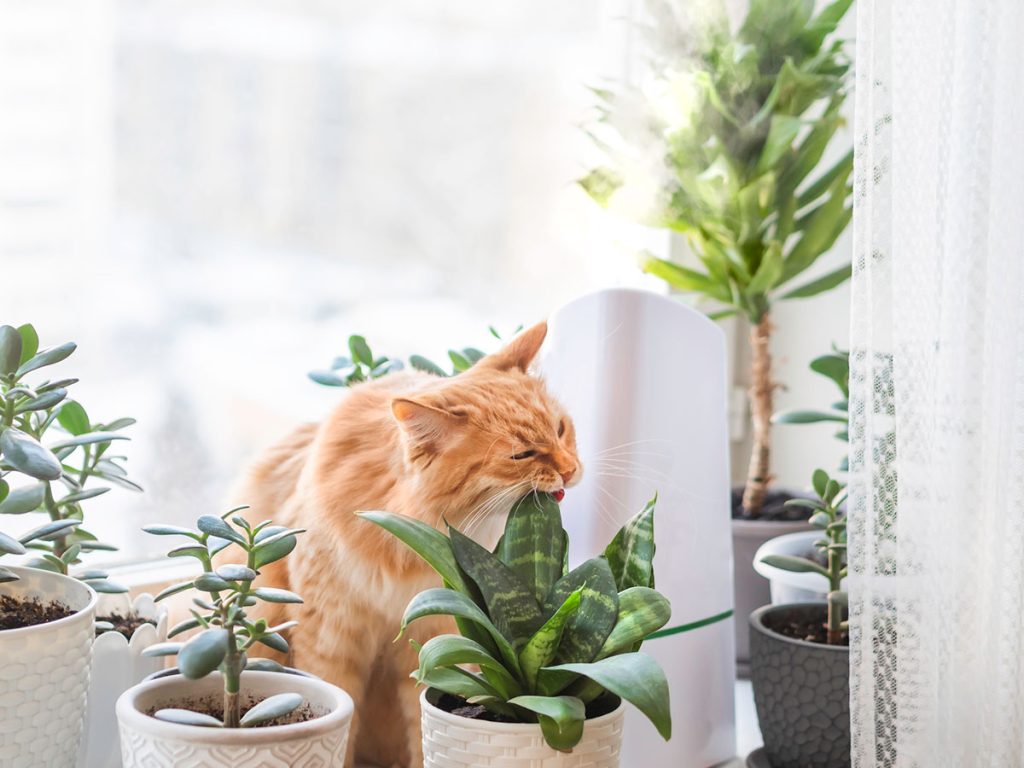
An orange cat sits on a windowsill among potted autumn flowering plants, biting the leaves of one plant, with natural light coming through the window.

Also a quick aside, if you’re not already coming to our weekly Live Q&As, what are you doing?? It’s a free space where you can come and ask all your niche questions to gardening expert Chris and get them answered on the spot. Join us at 12pm on any of our platforms (Instagram, Tik Tok, Facebook, X and YouTube) and level up your gardening. 

Anyways, today we’re going to chat about the six best pet friendly plants and also mention the plants to absolutely avoid. Now most plants shouldn’t be a problem for pets, but we want to touch on the most beautiful and versatile options that have been proven by reputable sources and ASPCA to be okay. 

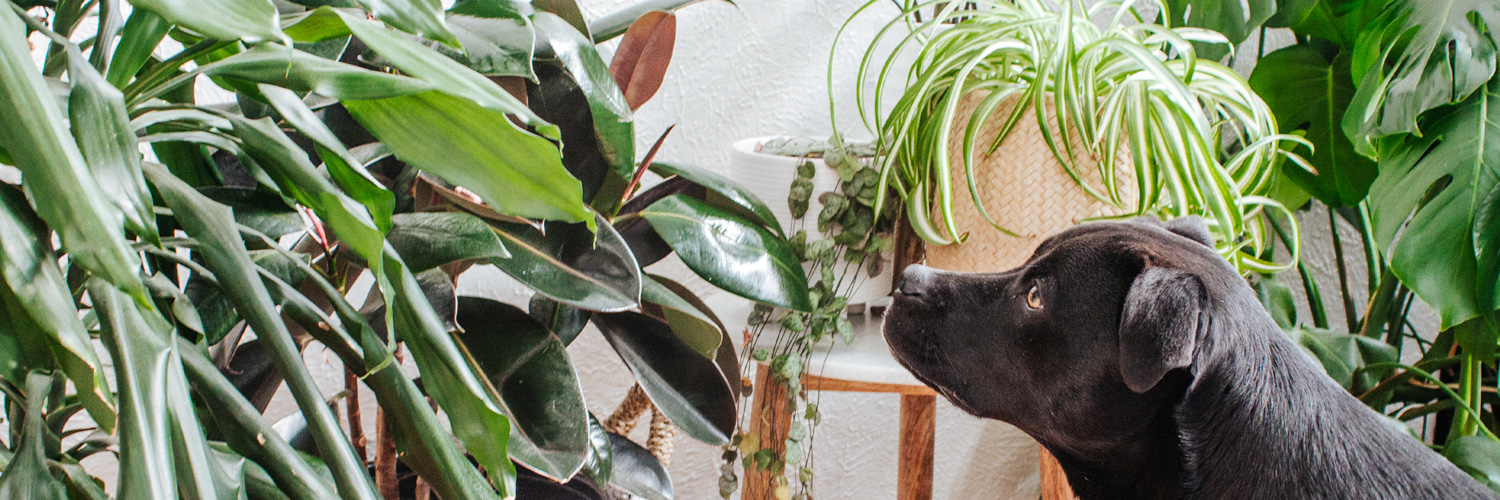
A black dog looks intently at a group of green houseplants, including some autumn flowering plants, arranged on and around a wooden table indoors.

Read on and make sure your furry friend will love your plant choices as much as you do. Please note this is not a countdown, all of these plants are equally great, and it depends completely on what your needs are for which plants is the best for you.

Camellia


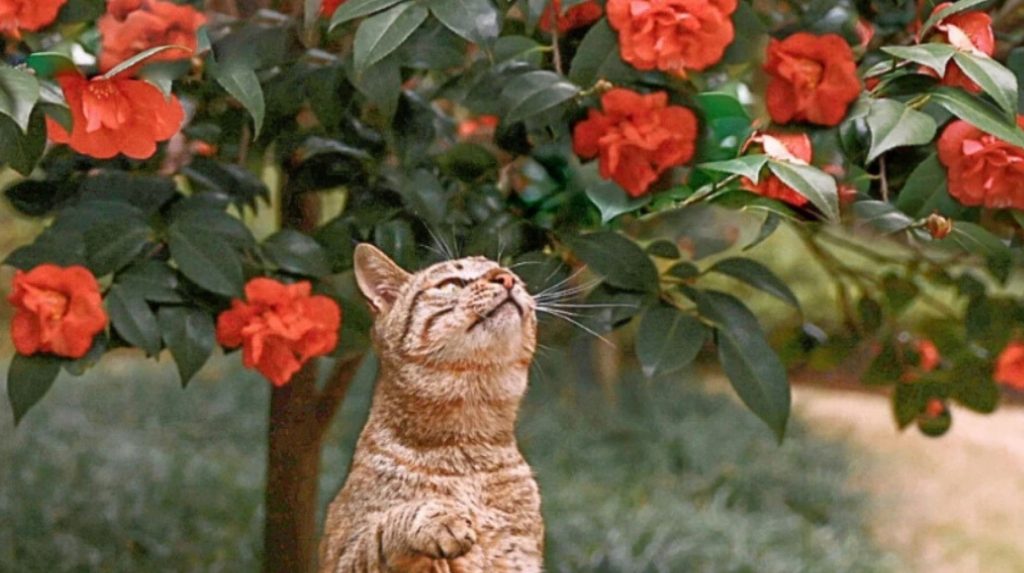
A tabby cat sits on the grass and looks up at red blooms on an autumn flowering plant.


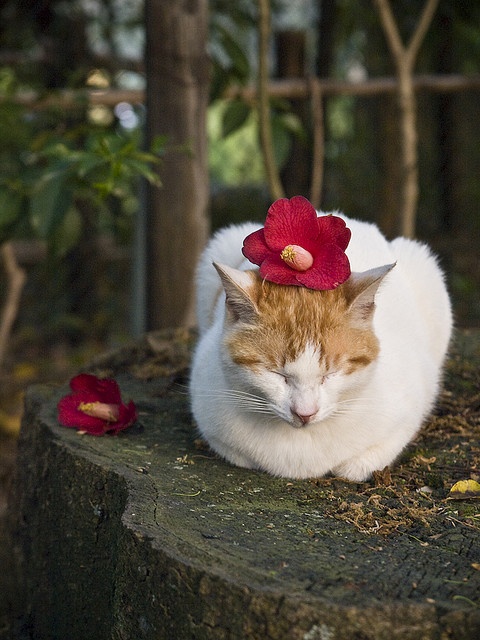
A white and orange cat sits on a tree stump with its eyes closed, wearing a red flower from autumn flowering plants on its head; another red flower lies nearby.

Here’s a fantastic evergreen shrub that will add a lush, classy touch to your garden. Best of all, in the colder months of autumn and winter this shrub bursts to life with colourful multi-petaled blooms.

With the flowers you have the choice between a classic white, pale pink, vibrant hot pink or striking red. Each variety has the same dark green glossy foliage that oozes elegance. 

There’s a number of different ways you can use this plant in the garden. Camellia’s dense foliage makes for an excellent privacy hedge and if you’re wanting a screen quickly choose a Camellia sasanqua for faster growth.

Plant a single Camellia by itself for an elegant feature plant that will give you year round beauty with its glossy leaves and autumn to winter blooms. The best varieties for this application are either Camellia japonica or Camellia reticulata. 

Got a bare spot under a tree? Camellias love protection from the harsh afternoon sun and will provide an extra layer of greenness and interest. 

Pop your Camellia in a large pot and enjoy its beauty on the balcony, patio or in a courtyard garden. Tip – create privacy on your balcony by placing the Camellia against the side to create a lush green screen.


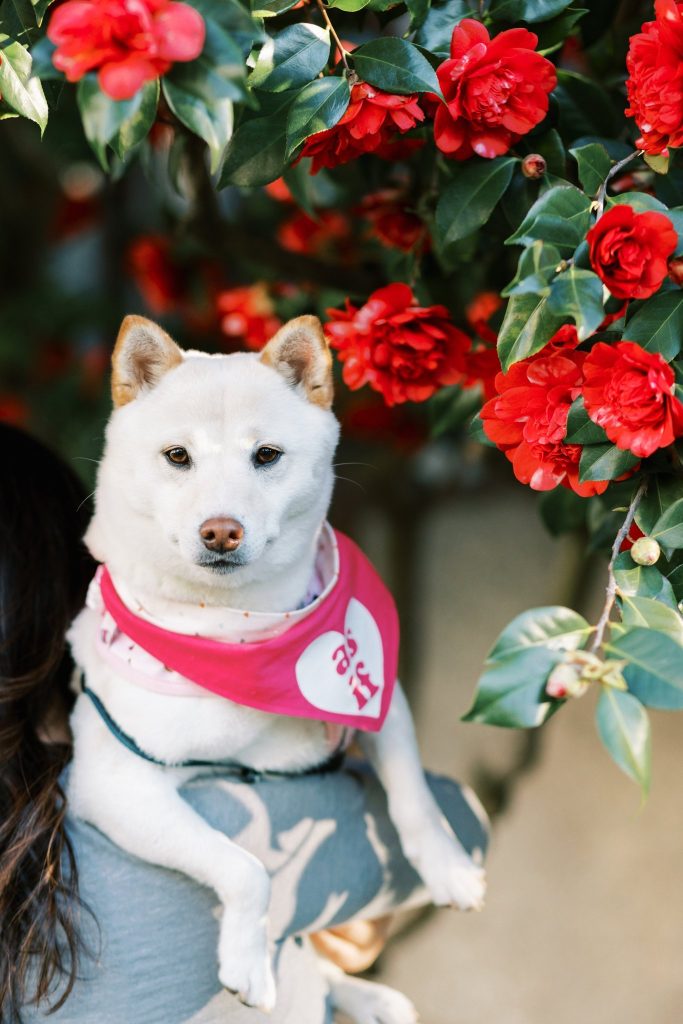
A white Shiba Inu wearing a pink bandana is held by a person near a bush with vibrant red autumn flowering plants.


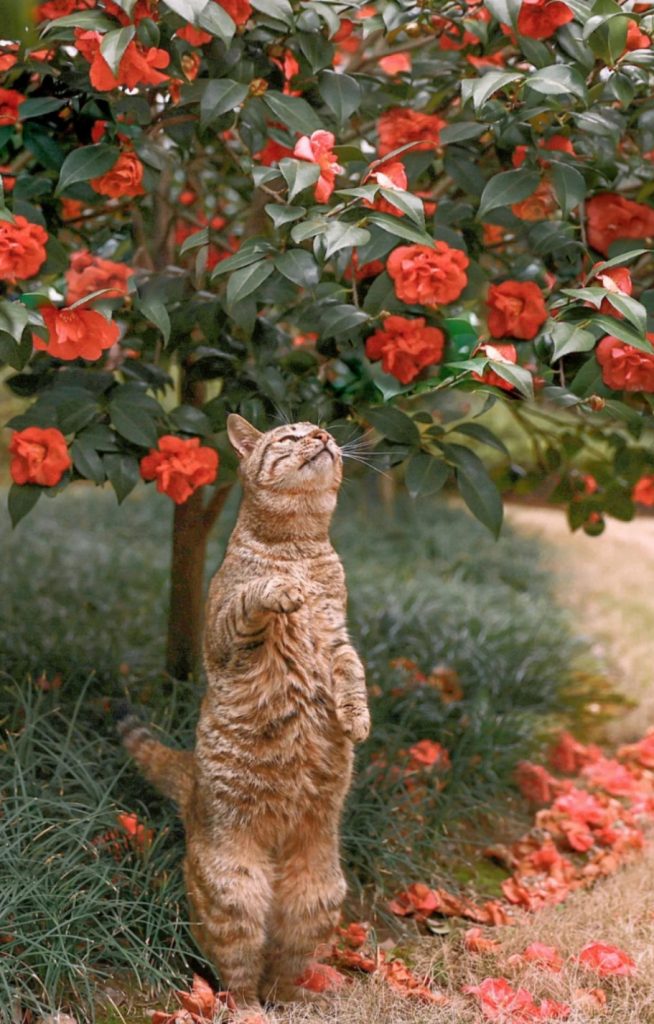
A tabby cat stands on its hind legs under a bush with red flowers, looking up at the blossoms of autumn flowering plants.

The most complimentary garden styles for a Camellia are a Woodland or Japanese style garden where they pair perfectly with azaleas, ferns and hostas. 

Camellias thrive best in partial shade to dapple sun, but there are varieties that are more shade loving than others. They require a medium level of maintenance mostly consisting of pruning after flowering, regular watering when first establishing and a rich, acidic, well-draining soil. 

A good tip is to use camellia/azalea potting mix if it’s planted in a pot, and if it’s planted in a garden bed use compost and acidic mulch like pine bark. You want to avoid full sunny hot spots, and if you area does get quite a bit of sun keep the roots cool with mulch. Use 5-7cm of pine bark or sugarcane mulch. 

To really make your Camellia thrive use a slow release, low-phosphorus fertiliser once in early spring and again in summer.


SHOP ALL OF OUR CAMELLIA’S HERE


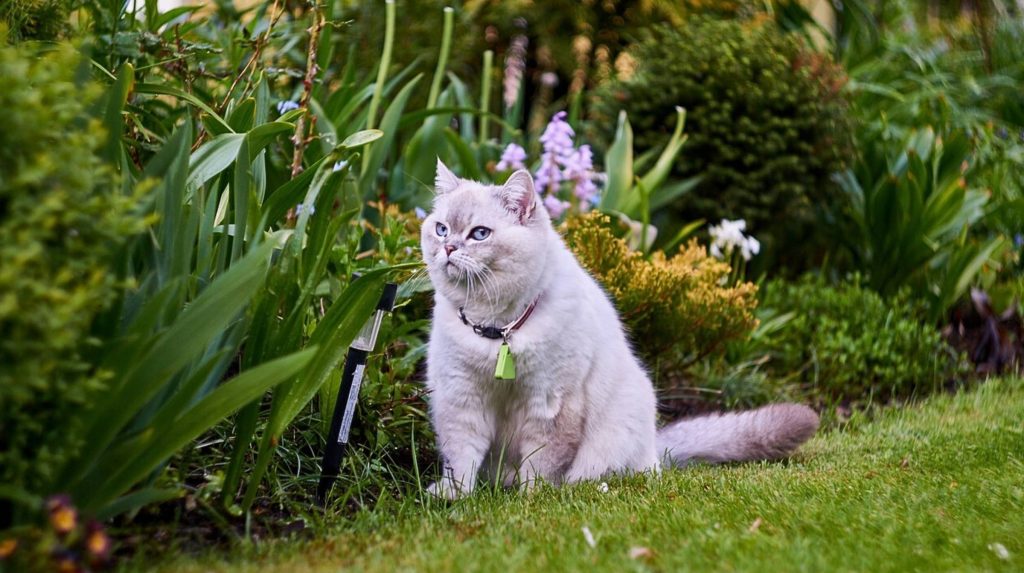
A light gray cat with a collar sits on green grass surrounded by various plants and autumn flowering plants in a garden.

Snapdragons


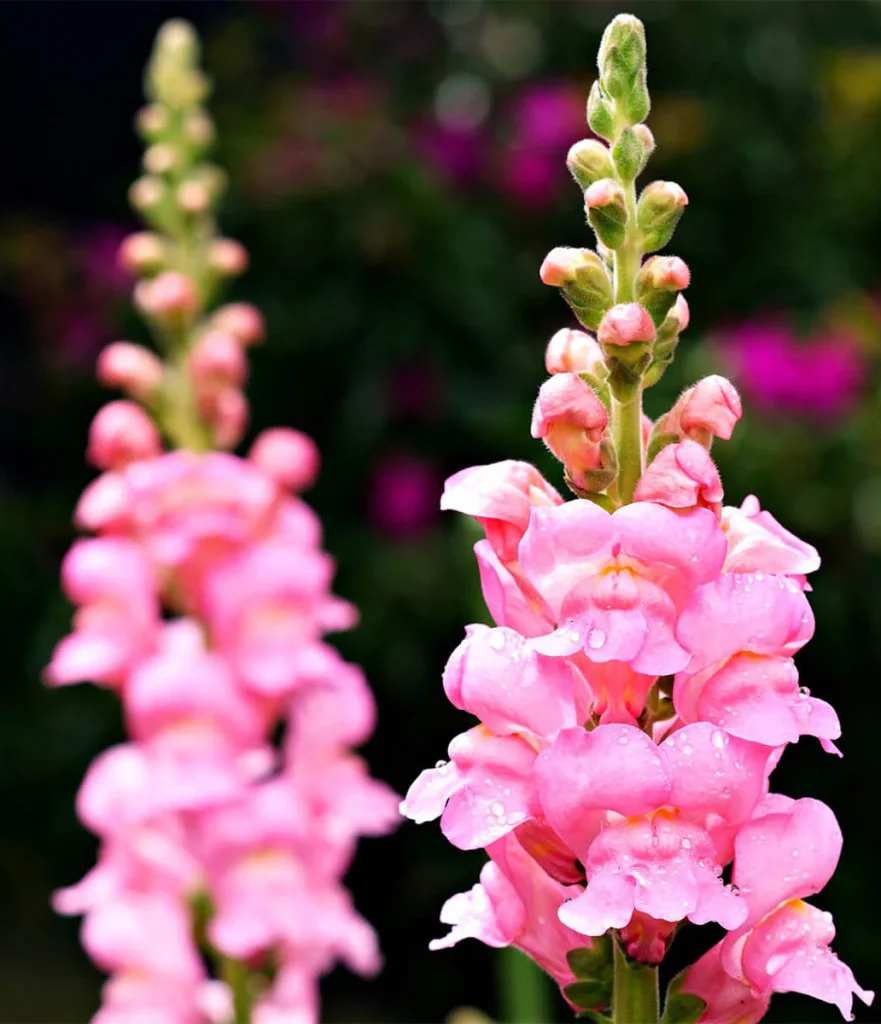
Close-up of two tall stalks of pink snapdragon flowers with green buds, set against a blurred outdoor background—vibrant examples of autumn flowering plants.

This annual/short-lived perennial also made the cut for our list of the best cut flowers to grow in Victoria, so you know this is an amazing plant. Puns aside, this is a gorgeous plant that adds so much life and beauty to a garden. 

They grow in vertically, with the stems being covered in flowers from top to almost bottom – a unique design that you don’t see as often in flowering plants. 

It’s also a low maintenance annual that flowers from spring through to autumn with vibrantly coloured blooms. You have the choice between yellow, white, red and pink to fill your garden with.

They’re cheery cute annuals that you can use in a couple different ways. Like we mentioned before, you can grow them for use as cut flowers and actually repeated harvesting encourages more blooms. 

They make for excellent borders or edging when planted in a row or cluster to create a pop of vertical colour. Or you can use them in a seasonal bedding display where you pair them with other annuals and short-lived perennials like petunias, pansies and violas.


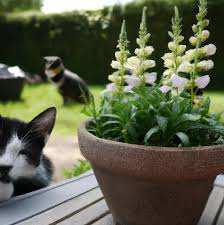
A black and white cat sits near a potted autumn flowering plant with pale blooms on a table outdoors; another cat is blurred in the background.


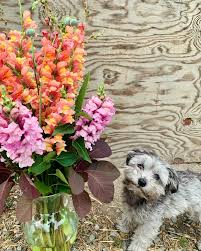
A small gray dog sits on gravel next to a large bouquet of pink and orange autumn flowering plants in front of a wooden wall.

Snapdragons are perfect for a cottage garden but are also great for a pop of colour in any garden style. They grow great in pots or window boxes and can be used to create a really distinctive layered design. Pop them in the back for the highest layer, then plant shorter flowers in the front and add even more interesting with a cascading trailing plant that spills over the side. 

If you like changing it up in your garden, then these annuals are perfect because you can have them for a year and then change it out for something new the following season. They’re also the perfect plant for a beginner as they are so easy to grow from seed and require such little maintenance.

Prayer Plants


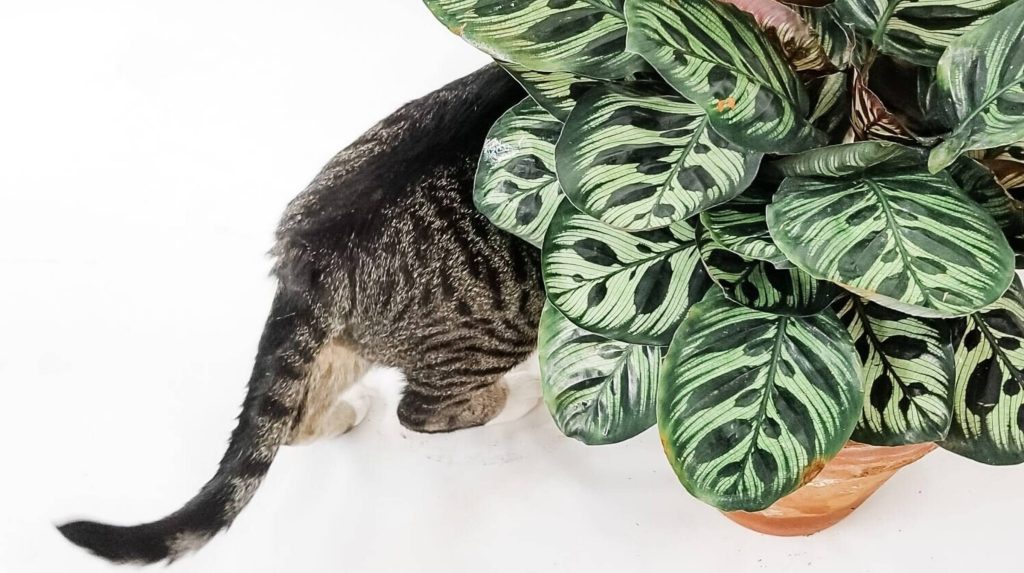
A tabby cat with its head hidden behind a potted autumn flowering plant, only its body and tail visible, on a white background.


A fluffy, blue-eyed cat sits among various green and patterned houseplants, including some autumn flowering plants, looking up at the camera.

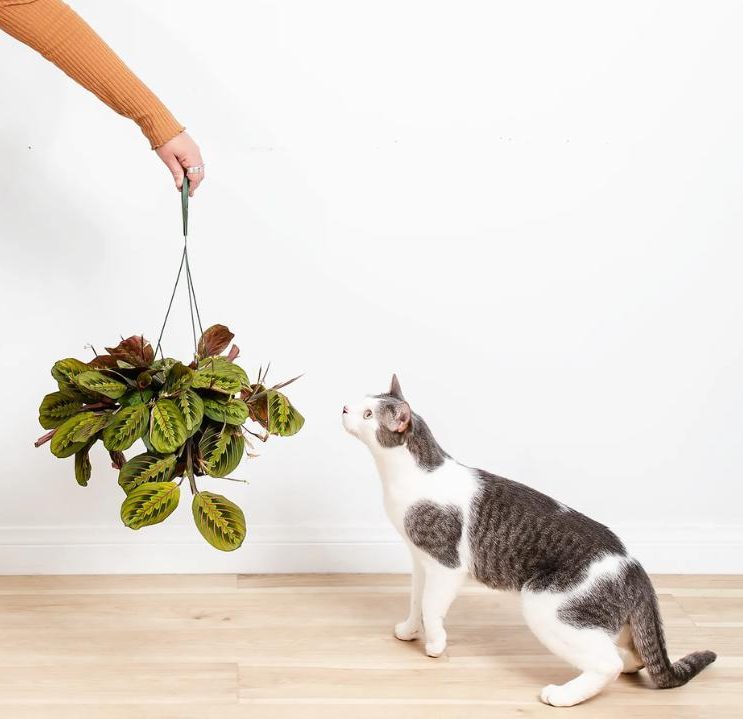
Here’s a fantastic indoors option that is going to give your home beauty through its large, patterned leaves and tropical appearance. You can also grow it in a garden bed in a shady location. 

The silver and white striped pattern creates a distinctive look while still remaining in a neutral colour palette. What’s really captivating about this plant though is the way the leaves fold up at night – like hands in prayer.

They grow to about 50 x 50cm and you want to pop it in a spot that gets bright indirect sunlight. They require a medium level of maintenance. You want to water them when the top 2-3cm of the soil feels dry and if possible, try to use room-temperature or filtered water because they can be sensitive to fluoride. 

Don’t plant in direct sun as it can scorch the leaves. They can tolerate lower light, but the colours may fade. Prayer Plants love high humidity and can struggle in winter when the air gets quite dry in homes – potentially attracting spider mites or mealybugs. You can use a humidifier or group it with other plants to counteract this.


A person holds a hanging plant, possibly one of the beautiful autumn flowering plants, near a white and gray cat standing on a wooden floor and sniffing the plant.


A black and tan dog sniffs three potted autumn flowering plants in blue containers arranged on a wood floor near a white wall.

It’s best to use a light, well-draining soil mix such as potting mix, perlite and orchid bark. In spring and summer fertilise it monthly with half-strength liquid fertiliser. Remove yellowing or damaged leaves and occasionally wipe the leaves clean of dust. 

The most important thing is to give your Prayer Plant steady moisture, humidity and soft light.

Correa


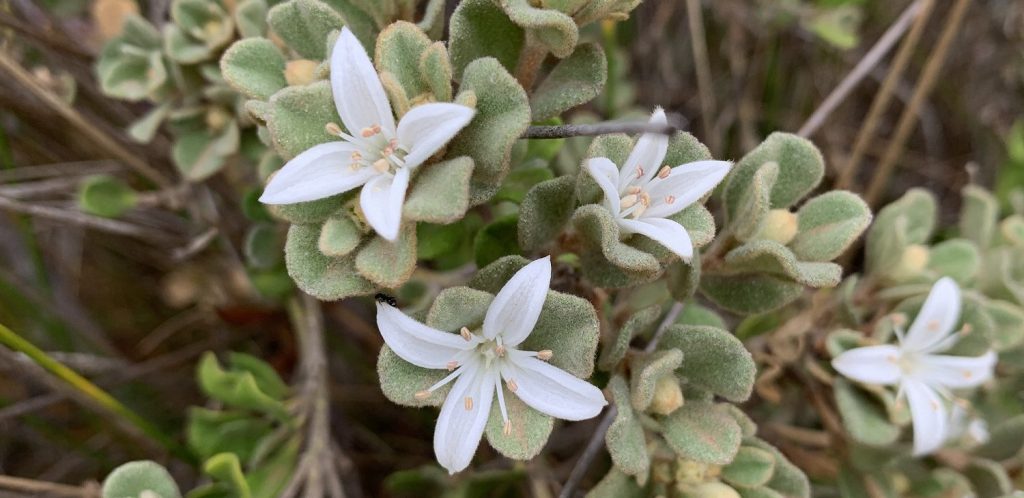
Close-up of one of the autumn flowering plants, featuring clusters of small, fuzzy green leaves and several white, star-shaped flowers with yellow stamens.


A Siamese cat sits behind a bush of pink bell-shaped autumn flowering plants next to a wooden fence.

This hardy Australian native shrub is perfect for those wanting something low maintenance in the garden. The coarse green foliage complimented by bell-shaped flowers in autumn to spring makes for a great support act plant. 

It grows up to 1.5 metres and is both frost and dry tolerant. 

You can use Correa in a number of ways, even trimming it into a ball for a modern formal style that is distinctive from typical English box balls.

Correa is perfect for understory planting because it naturally grows beneath larger trees in the wild and loved shaded or dappled light areas.

Plant in a spot with full sun to part shade and it grows well in both garden beds and containers. This Correa is so animal safe that it even attracts beautiful bees and native birds!

Of course it’s perfect for an Australian native garden but can add subtle beauty and winter colour to any garden style. Different varieties have different coloured flowers, but the most common Native Fushia type has bright pink and cream flowers.


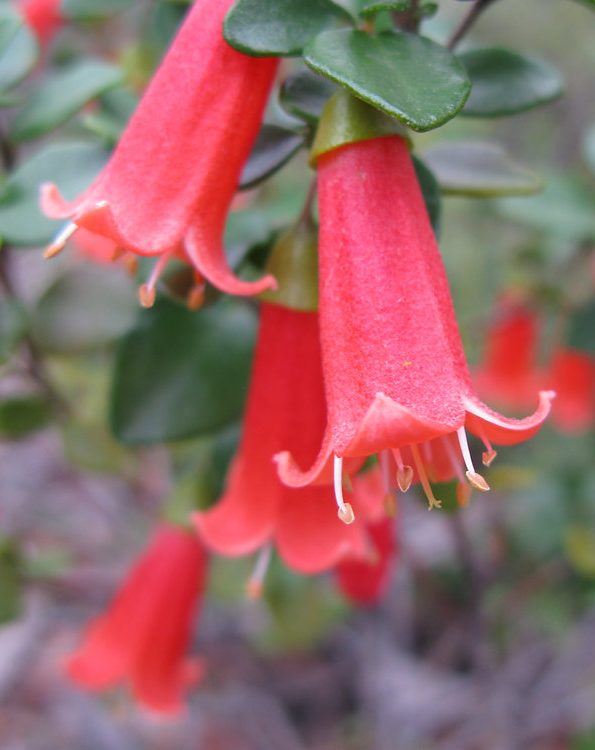
Close-up of red tubular flowers with green leaves, featuring prominent stamens extending from the petals—ideal for adding vibrant color to gardens with autumn flowering plants.


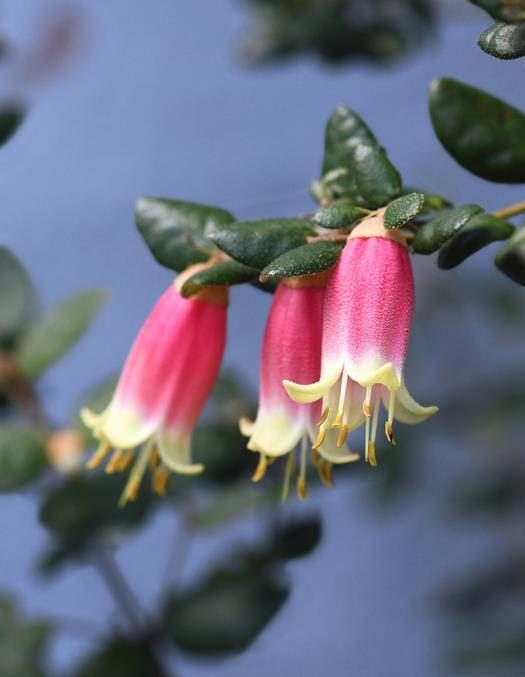
Three pink tubular flowers with yellow-tipped petals hang from a green leafy branch against a blurred blue background, showcasing the delicate beauty of autumn flowering plants.

They also make for great low hedges/borders and can either be kept nice and neat with a trim or allowed to grow more naturally for an informal look. Take it a step further and clip them into particular shapes to create low mounds, domes or balls. They also grow great in a pot!

Correa are very useful on embankments and sloping areas because they have a dense root system that helps prevent erosion. They are also very useful in coastal spots as they are salt tolerant, dry tolerant and can handle poor soils once established. 

A very hardy useful plant!

Edible Herbs


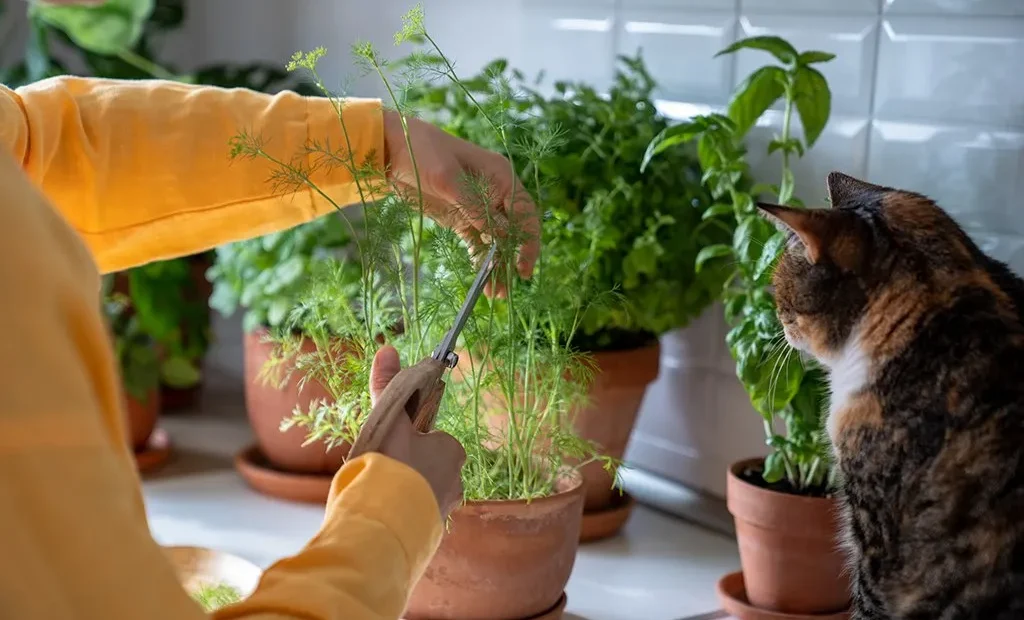
A person trims herbs in pots on a windowsill while a cat watches nearby, surrounded by vibrant autumn flowering plants.

There are a number of edible herbs that are safe to pets and are a great low maintenance addition to the garden – and kitchen!

We’re going to specifically talk about Basil, Parsley and Rosemary. 

Basil


Three pets—an orange cat, a bulldog, and a brown cat—each sniff or chew on leafy green autumn flowering plants placed in front of them.

Basil is such a great herb for many dishes, really bringing out tomato dishes like pastas, pizzas and soups. But did you know that Basil repels aphids, mosquitoes and whiteflies, while attracting bees and good insects. 

You can either keep basil indoors by a windowsill or plant it in a pot on the patio. Even plant it by doorways and let that sweet strong aroma greet you when leaving the house. Make sure to keep basil warm – it won’t tolerate frost and water it consistently.

Parsley


A dog and a cat each holding parsley in their mouths, with another dog holding a sprig of curly parsley—an adorable trio posed against white backgrounds, reminiscent of the vibrant hues seen in autumn flowering plants.

Parsley also has a wide range of uses in the kitchen, spanning from salads and meat marinades to delicious sauces like chimichurri. Plant them as border edging in a veggie bed outside or keep them in a pot on the balcony. Their pretty flowers attract ladybugs and bees which are beneficial to other plants too. 

A good tip is to grow them with carrots, onions and tomatoes in a full sun to part shade spot. Make sure to regularly water it.

Rosemary


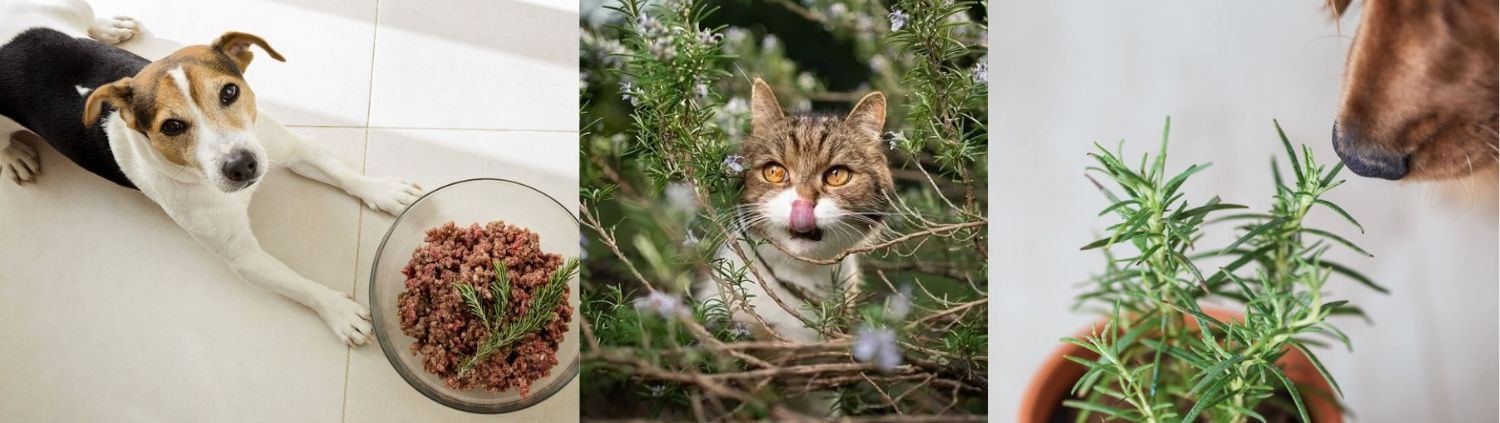
Three images: a dog next to a bowl of food with rosemary, a cat peeking through autumn flowering plants and rosemary bushes, and a dog sniffing a potted rosemary plant.

Rosemary is great in the kitchen, but especially useful in the garden because it grows bigger than these other two herbs. Rosemary is a shrub that can be used as a border or low hedge, a single feature, or even trained into a topiary for something really interesting. You can also plant it in a pot to put it in the patio – we recommend a terracotta pot for best visual appeal. 

The herb itself can be used in marinades, roasts, infused oils and focaccias. This drought tolerant plant compliments a Mediterranean style garden and is a great solution if you want a garden that has low water needs. It also flowers for long periods of time and attracts bees, while repelling pests like cabbage moths! 

Each of these herbs are delicious to eat – and it won’t matter if your furry friends take a nibble out of them too!

Boston Fern


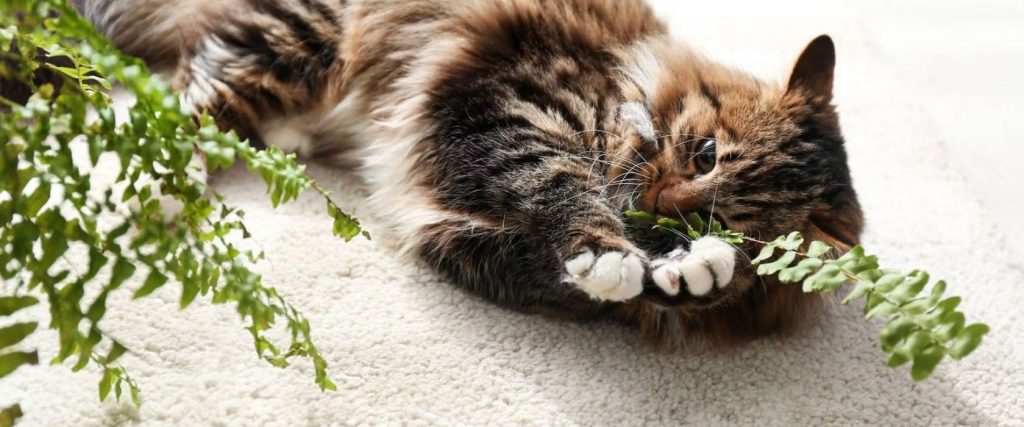
A tabby cat lies on a light carpet, playfully grabbing and chewing on a green fern frond, while nearby, Autumn Flowering Plants add a touch of seasonal color to the scene.


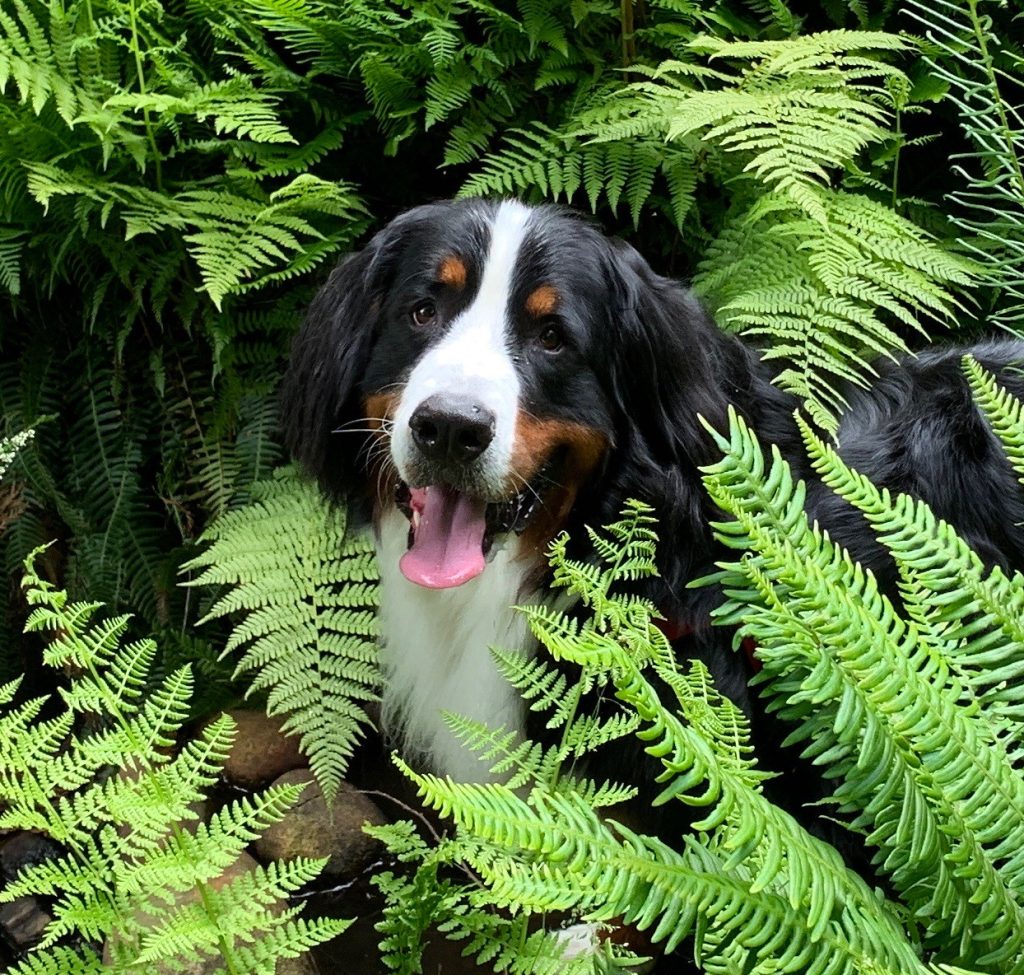
A Bernese Mountain Dog sits among lush green ferns and autumn flowering plants, with its tongue out and looking toward the camera.

Here’s another fantastic indoors option that will add greenery and lushness to your home – and you won’t have to worry if your cat gets into it. This is a reliable and low-medium maintenance fern that adds a tropical touch – pair it with enough other tropical style plants and your own home with feel like an island getaway!

The long weeping palm fronds creates a beautiful feature either in a pot or hanging basket to really accentuate that weeping habit. Plant it in indirect light or dappled sun and keep it well watered with a good level of humidity. This lush plant is also air purifying, helping your home be nice and clean.

Plants to Absolutely Avoid for Pets

We wanted to quickly cover some of the plants you can’t have in the garden if you have pets because they are very dangerous and even lethal.

  • Lily is extremely toxic to cats and can cause kidney failure.
  • Oleander is poisonous to animals AND humans, causing heart issues, tremors, vomiting and death.
  • Sago Palm is toxic for dogs and cats and can lead to liver failure and death.
  • Daffodils are toxic for pets, causing seizures, vomiting and diarrhea.
  • Brunfelsia is alarmingly quite common in Victoria and can cause tremors and seizures in dogs.
  • Foxglove is deadly for pets, causing vomiting, heart irregularities and death.

Please Note: This list isn’t extensive and it’s always best to check when planting something with pets in the house and backyard. But absolutely go ahead and plant the six ones we’d recommend and enjoy a beautiful safe garden!

Feeling inspired to create your own garden, but want some expert advice? Try our one-on-one garden design service with Chris. Together you’ll come up with a selection of plants along with a layout plan that gives you the look you want, as well as being suitable for your local soil and conditions.
get your own tailored modern garden design:


FIND OUT HOW

Articles you may also like

Select the fields to be shown. Others will be hidden. Drag and drop to rearrange the order.
  • Image
  • SKU
  • Rating
  • Price
  • Stock
  • Availability
  • Add to cart
  • Description
  • Content
  • Weight
  • Dimensions
  • Additional information
Click outside to hide the comparison bar
Compare