
Bring Japan to Your Garden
How to Design the Perfect Japanese Style Garden
It seems like everyone and their mum are going to Japan, even several people from our team have been lucky enough to go to Japan! For those who were fortunate enough to go and are reminiscing over the beautiful cherry blossoms, the intricate bonsais and lush maples, let us show you how you can recreate that same beauty in your own backyard.
And for those who weren’t able to go this season, but have been looking in envy at everyone’s stories, why not bring a slice of Japan to your own home and feel like you are there from your own garden.
Jump straight to the sections we’ll be talking about today:
Planning the Design
Types of Gardens:
– Small Balconies and Courtyards
– Small Gardens
– Medium/Large Sized Suburban Gardens
– Large/Medium Sized Commercial Properties
Design Principles
Consider Your Location
Incorporate Other Natural Elements
Maintain Your Garden
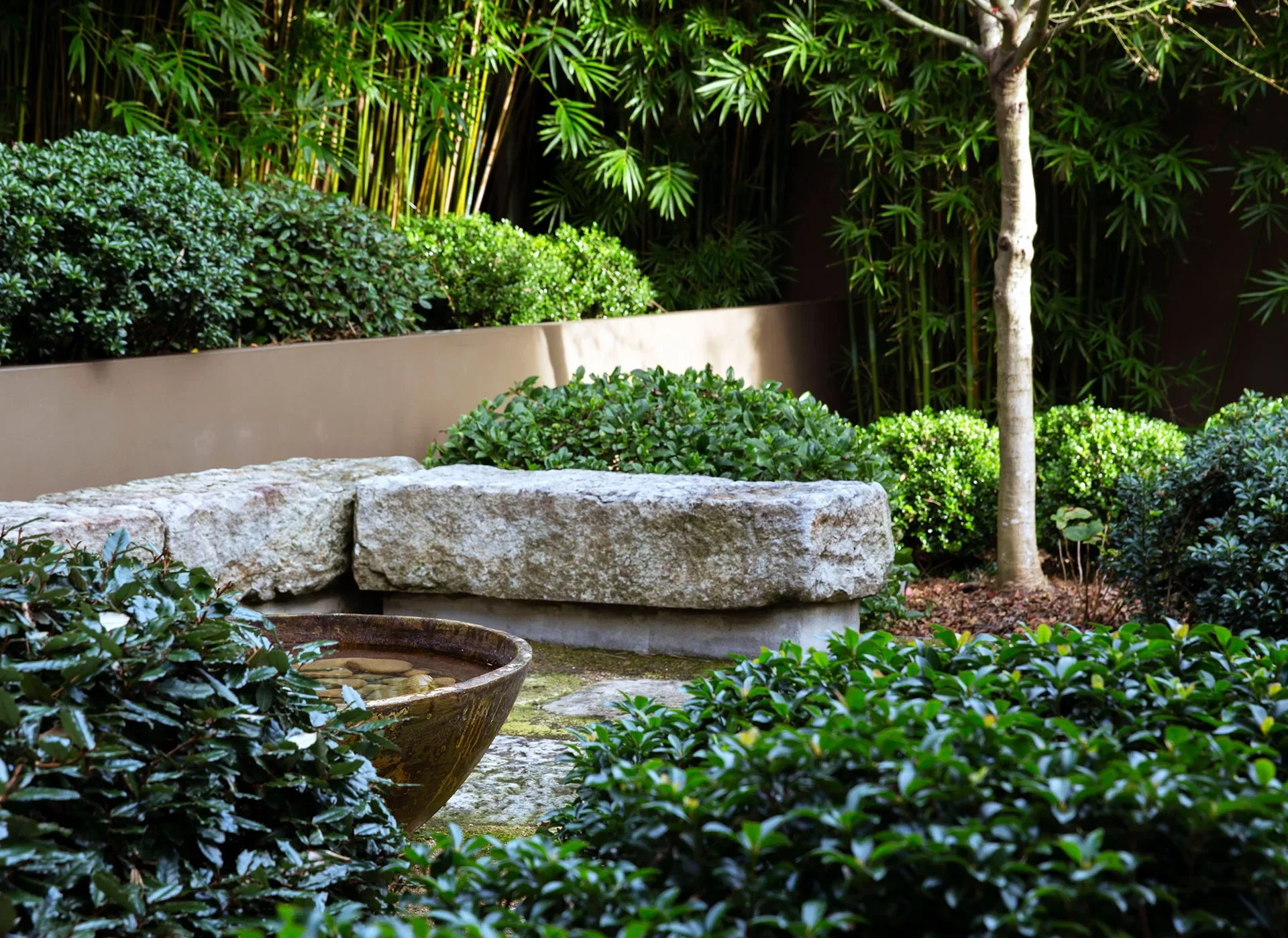
We’ll define the Japanese Style Garden first. It is an ancient art form that has developed from sentiments within Japanese culture and philosophy. It is about creating a space of tranquillity where you can reflect on yourself and meditate. There is a careful balance of natural elements between water, rocks and plants. It’s truly such a beautiful style of garden.
Let us tell you how you can easily create a Japanese Style Garden.
Planning the Design

The first step is to of course plan out your garden, you’ll need to take into account your location, garden size and shape, amount of sun, amongst many other things we’ll get into.
If this sounds like too much to contend with, book in a professional Free Garden Design with us and we can handle it all – we even offer Free Delivery on orders over $300!
Book your Free Garden Design here.
See if you’re eligible for Free Delivery here.
But if you want to do it on your own, here’s how to plan out your garden.
Take a look at the size and shape of your garden. You may be physically limited by what you have, but you aren’t creatively.
We are going to go through a range of different types of gardens, so you can skip to your one, but we recommend reading through each part because you’ll glean tips and ideas from other types of gardens.
Types of Gardens
Small Balconies and Courtyards
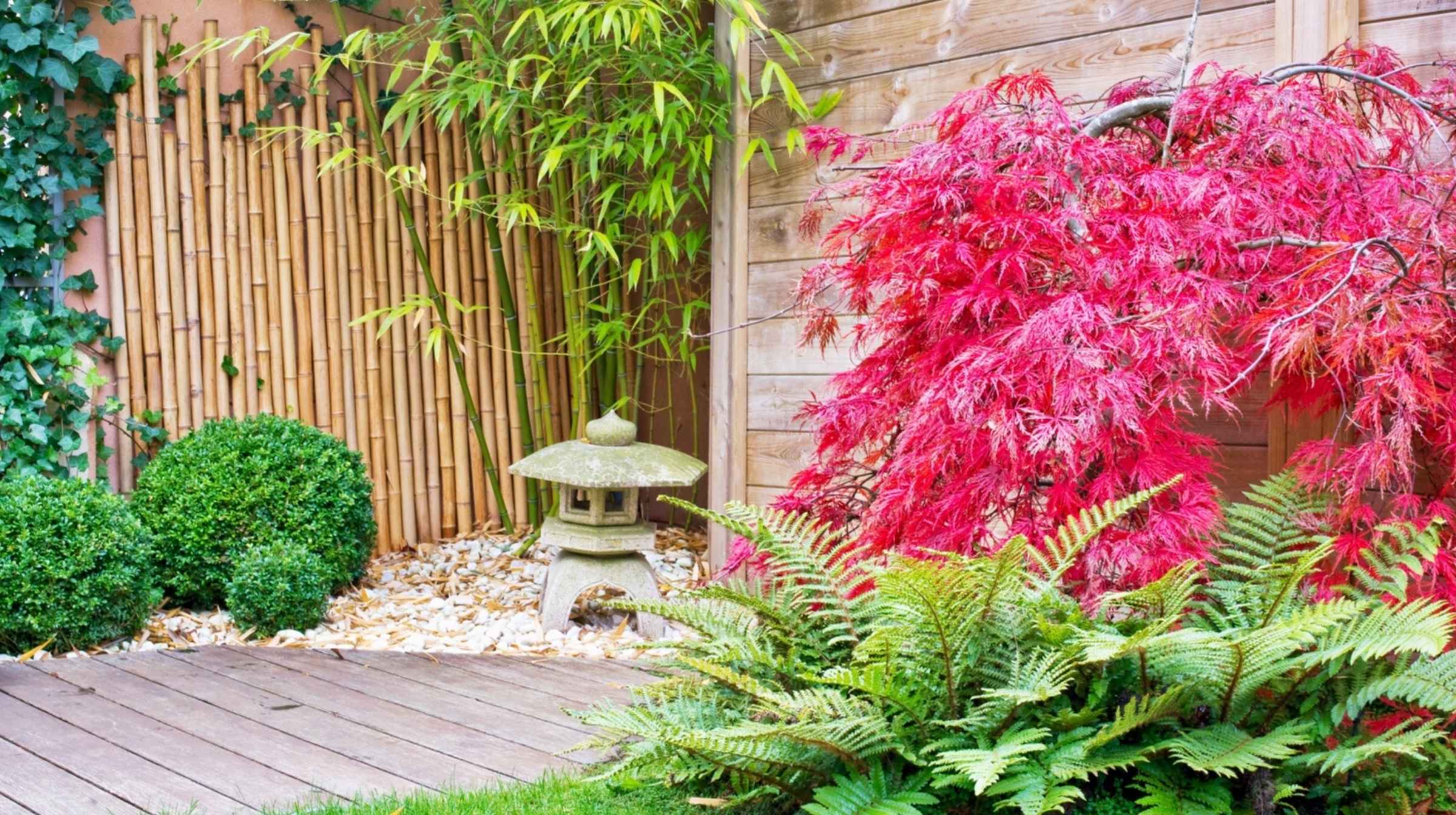
We are going to start with the most physically limited spaces – that of balconies and courtyards where pots are needed. Yes, you can still create a Japanese inspired garden in these spaces, and you’d be surprised just how many Japanese style plants can be grown in a pot.
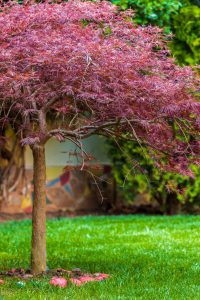 From the quintessential Japanese Maple (upright & weeping) or Weeping Cherry to the flowering shrubs like Azaleas and Camellias, and then the supporting acts like Lime Lava and Nandinas.
The best plan of action with a space like this is less is better. We have an ethos of few pots but lots of plants – it creates a much more dynamic look and doesn’t clutter the space. What we mean by this is putting multiple plants in one pot.
You can have a tree with different groundcovers at its base, or even a variety of smaller plants in one big pot. Opt for classic colours like black or white to create neutral sophistication.
Small Gardens
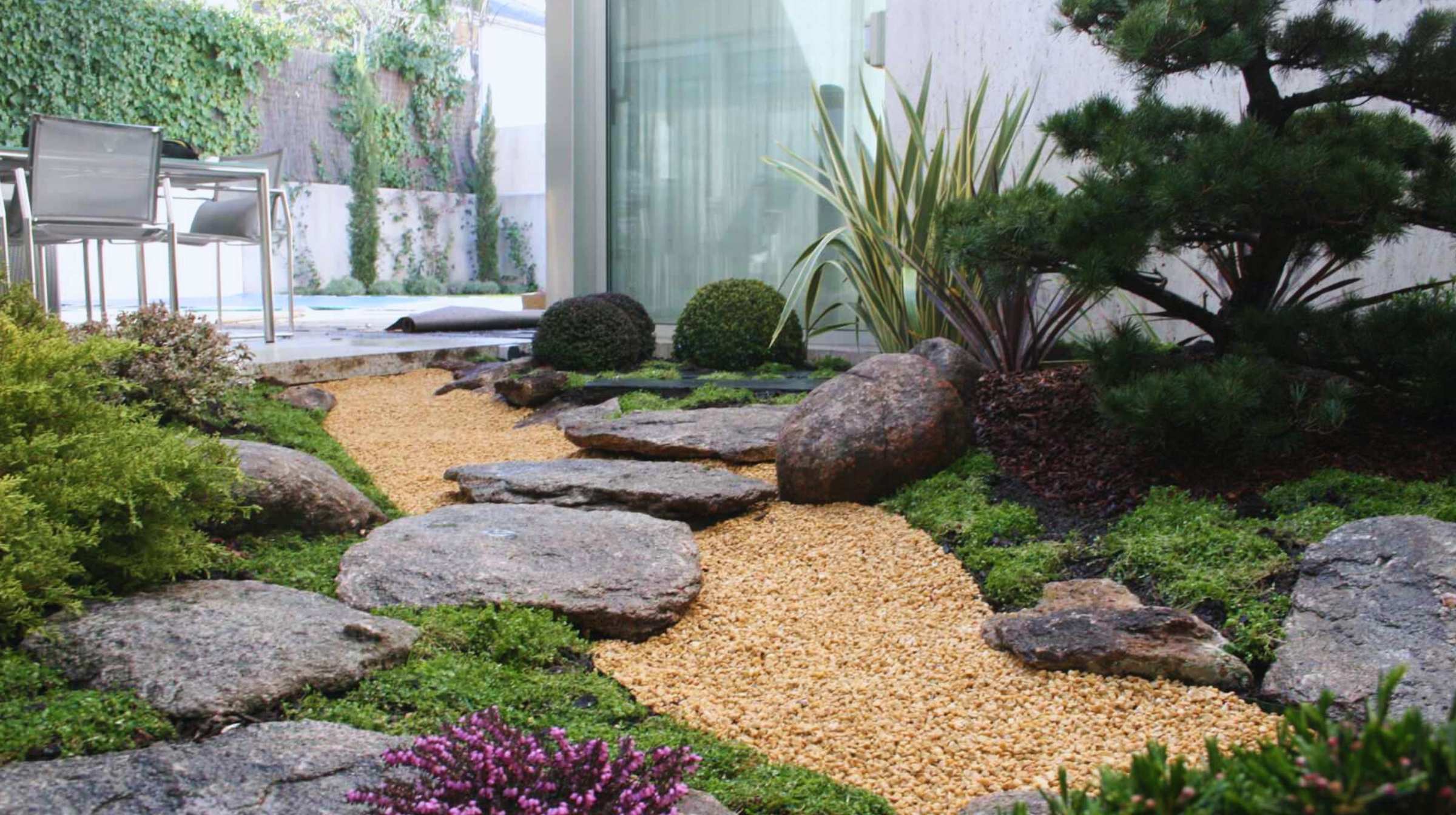
So you got some soil and dirt, yay! But you’re still working with quite a limited space. Okay, this is what you do.
Pare back on the variety of plants and focus in on a few select pieces to create tranquillity. The good thing about Japanese Maples is that many of them are on the small side like Acer palmatum ‘Shaina’, Acer palmatum ‘Red Pygmy’, Acer palmatum ‘Mikawa yatsubusa’ and plenty of other choices.
 You can also find Cherry Trees that are small like Prunus ‘Kojo No Mai’ Ornamental Cherry, Prunus ‘Falling Snow’ Weeping Cherry, Prunus ‘Rosea’ Pink Weeping Cherry or Prunus ‘Cheals’ Weeping Cherry.
Then you want to select a few supporting act plants that you can scatter throughout the garden for a cohesive look. The principle here is to choose around two plants, no more than three, and plant them in different parts.
So one corner can have the Japanese Maple with some Black Mondo Grass or Lime Lava planted around the base. Then in another corner you can have three Nandina bushes spaced apart with some Black Mondo in between them.
There’s so many different plant combinations you could go for, don’t hesitate to call us or come in store if you need some advice.
Medium/Large Sized Suburban Gardens
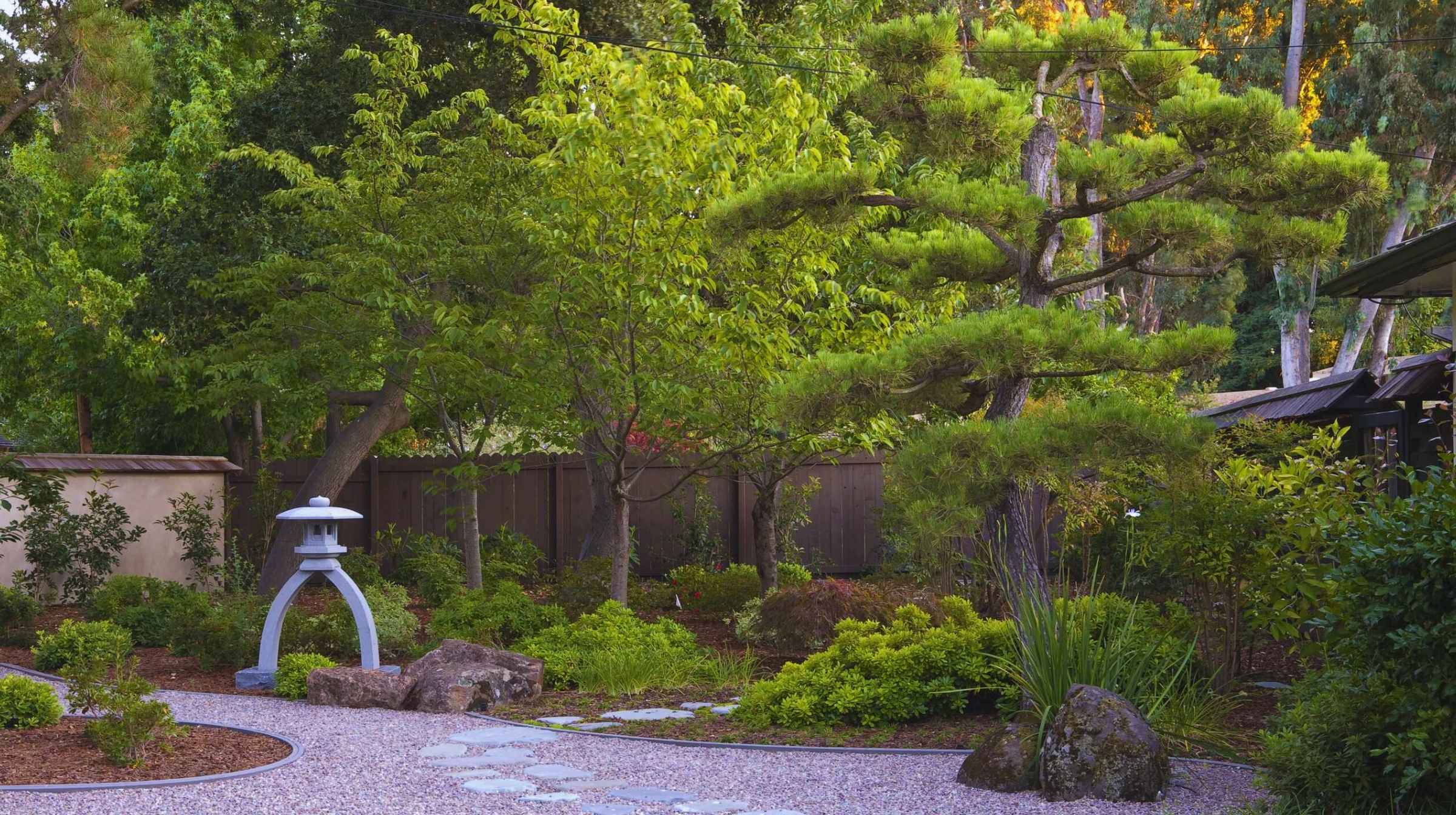
You have a decent amount of space you’re working with but don’t become overeager with the different plants you choose. Remember, simplicity is best.
A key thing to note here is that plants are usually arranged in odd numbers of 3, 5 or 7.
Consider all the different types of plants you can add in, such as:
- Climbers up a wall like Chinese Star Jasmine or Boston Ivy
- Groundcovers for between pavers or planted together in a small patch like Pratia White Star Creeper or Lime Lava
- Small hedges like Japanese Box or Hakuro Nishiki Variegated Willow
- Feature trees like Japanese Maples (Upright or Weeping) or Cherry Trees
- Small shrubs like Nandina, Azaleas or Bush Wisteria
Although you can have colour in Japanese Style Gardens, we wouldn’t go overboard. Keep things neutral with a focus on greens and whites and the occasional splash of colour.
Make sure to put in a wooden bench in so you can sit and admire your garden!
Large/Medium Sized Commercial Properties
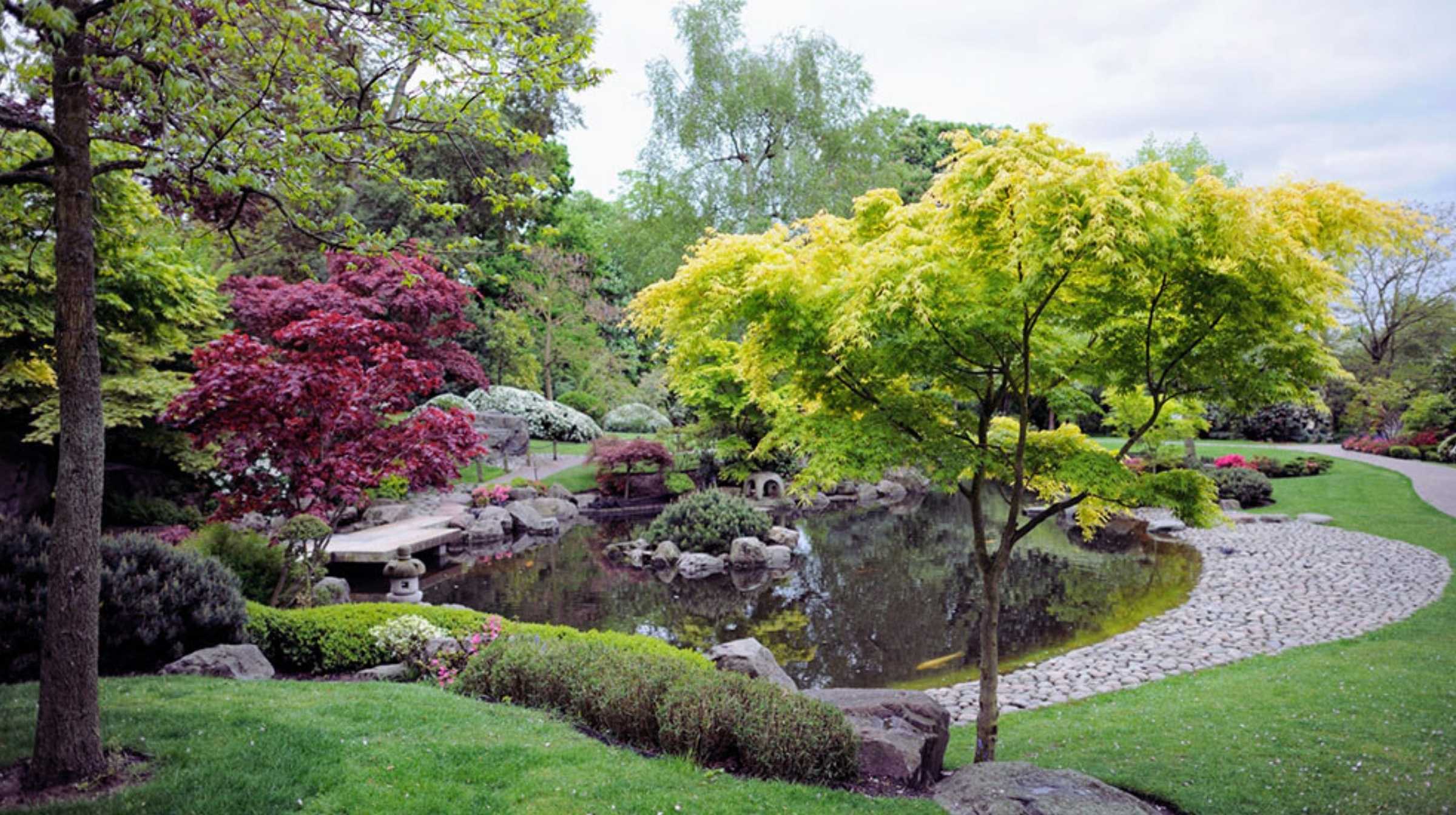
When planning a commercial property you are likely after something that is inexpensive and easy to maintain. Now we do think it’s worth it to splurge here and there on a beautiful feature such as a Japanese Maple (Upright or Weeping) or Weeping Cherry as they truly do raise the value of a place.
But you can find other plants for quite low prices, consider buying smaller sized plants and look around for bargains. You’re likely to find quite a few on sale in our nursery.
 A huge amount of space can sometimes be just as tricky as planning a small garden, but we actually offer the same advice here. Just because you have the space doesn’t mean you should plant 50 different types of Japanese style plants.
Try to create little pockets or privacy within your garden using screens, and place benches throughout the space so people can sit and ponder. Keep in mind you want to create a space that encourages reflectiveness.
Mass planting is your friend, pick a few key plants and spread them throughout your property. It will create a cohesive look and simplify your design greatly.
In these larger commercial properties it becomes even more important to add other elements like a water feature, statues, pagodas, boulders and so on.
Design Principles
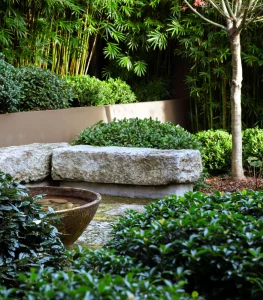 If you’re still struggling, return to the basic principles of the Japanese Style. These include:
- Balancing the different elements of your garden
- Avoiding perfect symmetry in all the arrangements, allow for nature’s beautiful imperfections
- Considering the symbolism behind your choices – a rock can represent a mountain, sand can represent the ocean
- Use hedges and walls to create a sense of seclusion and privacy
Consider Your Location
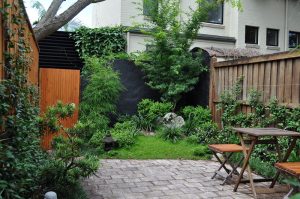 We mention location because some plants don’t work well in certain climates. For example if you are near the beach there are Japanese style plants such as Japanese Boxwood, Azaleas and Camellias that are sensitive to salt and won’t work well in your garden.
Or if you live in a particularly windy spot then you want to steer clear of Japanese Maples and Azaleas as you risk damaging the foliage/flowers. A good rule of thumb is to try and plant your Japanese Maples in more sheltered spots, although there are certain varieties that are hardier than others.
Incorporate Other Natural Elements
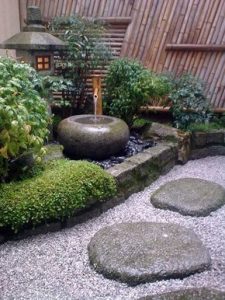
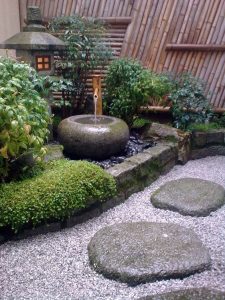 There’s more to a Japanese Garden than just the plants. One of the quintessential parts of the Japanese Style Garden is the water feature, whether this be a pond, stream or waterfall. Go the extra mile and even add in some brightly coloured fish!
Water features are expensive though so we understand if you aren’t able to incorporate one (though the Japanese may not).
What you can do instead is include some other natural elements like rocks, whether that’s larger boulders or small pebbles, sand, or gravel.
Add simple ornaments to tie the whole design in together such as lanterns, statues or a gazebo.
Maintain Your Garden
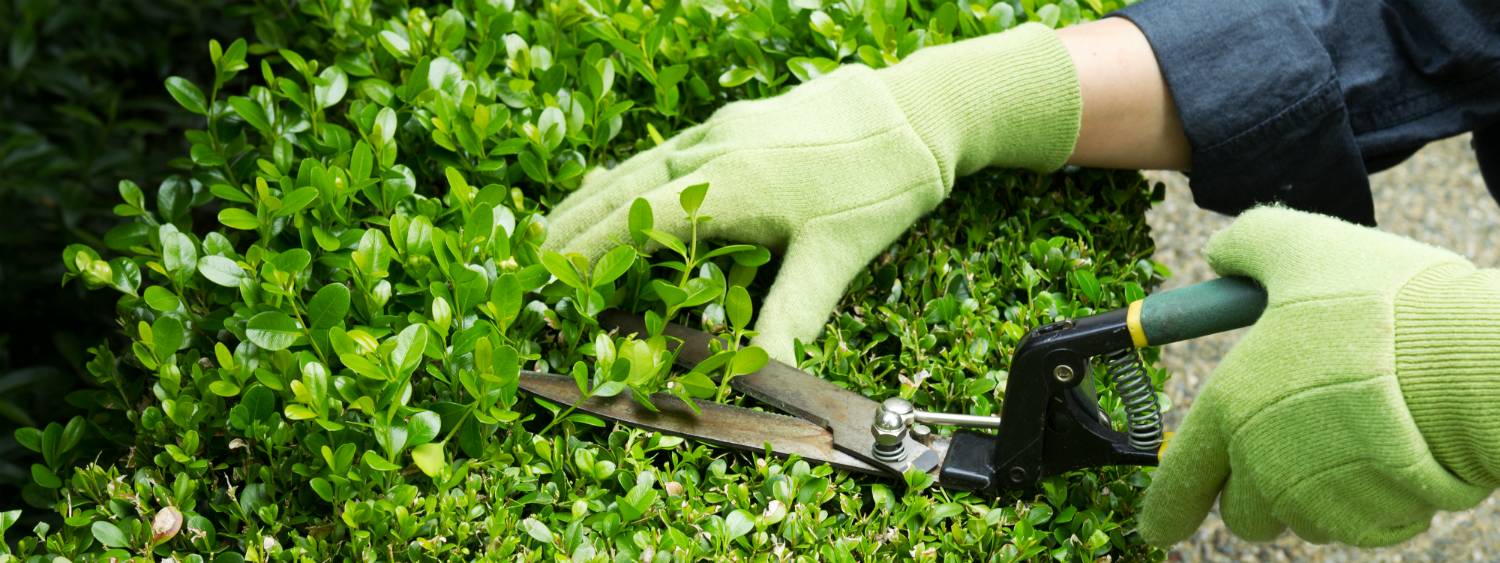
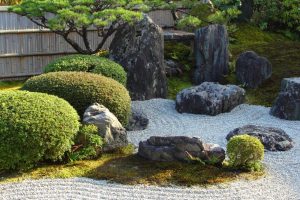 It’s important you don’t let your plants get unruly, now depending on what plants you choose, Japanese style gardens can range from low maintenance to high maintenance.
This can depend on facts like water requirement and frequency of trimming. You always want to make sure you are keeping your plants healthy and well-watered.
If you have a water feature, make sure to clean it regularly and check that the water circulation is correct.
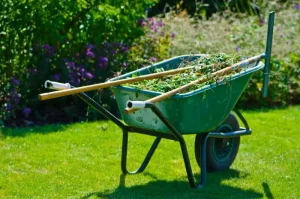
Always keep the weeds at bay, nothing ruins the Zen style quicker than scraggly plants taking over your beautifully manicured garden.
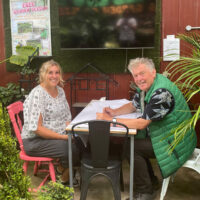
Feeling inspired to create your own garden, but want some expert advice? Try our one-on-one garden design service with Chris. Together you’ll come up with a selection of plants along with a layout plan that gives you the look you want, as well as being suitable for your local soil and conditions.

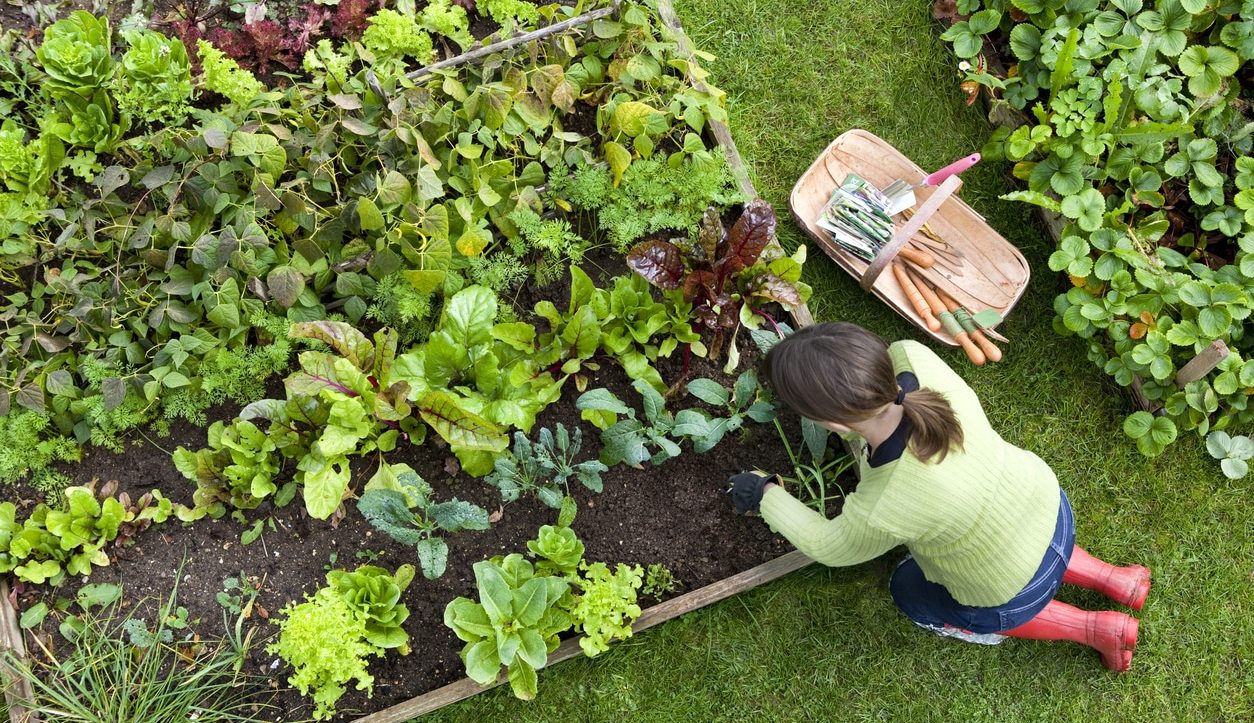
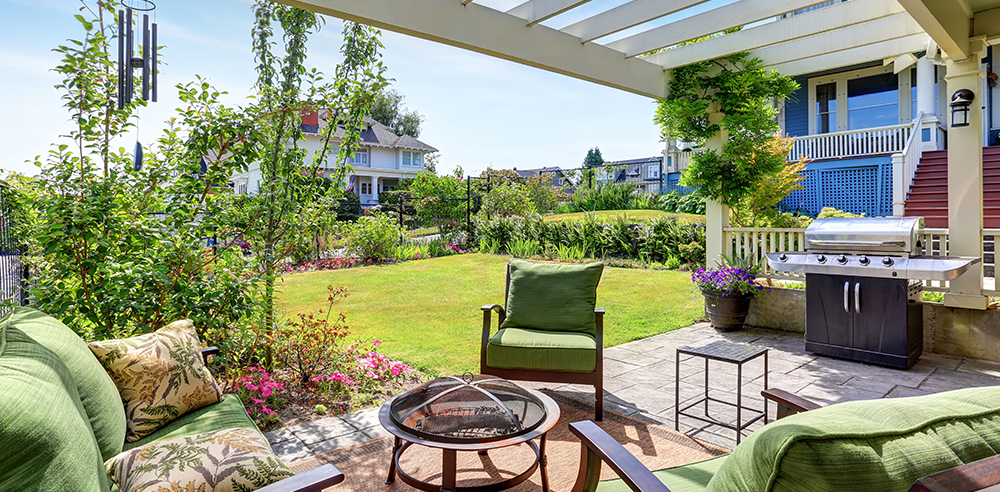
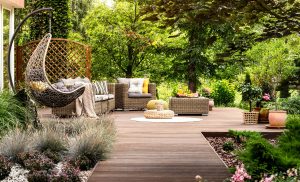 Now once you’ve spent some time in the garden – you get to reap the benefits of just having a beautiful garden. This means having a wonderful space to sit in the sun and read a book or have friends over for a BBQ or play with your kids.
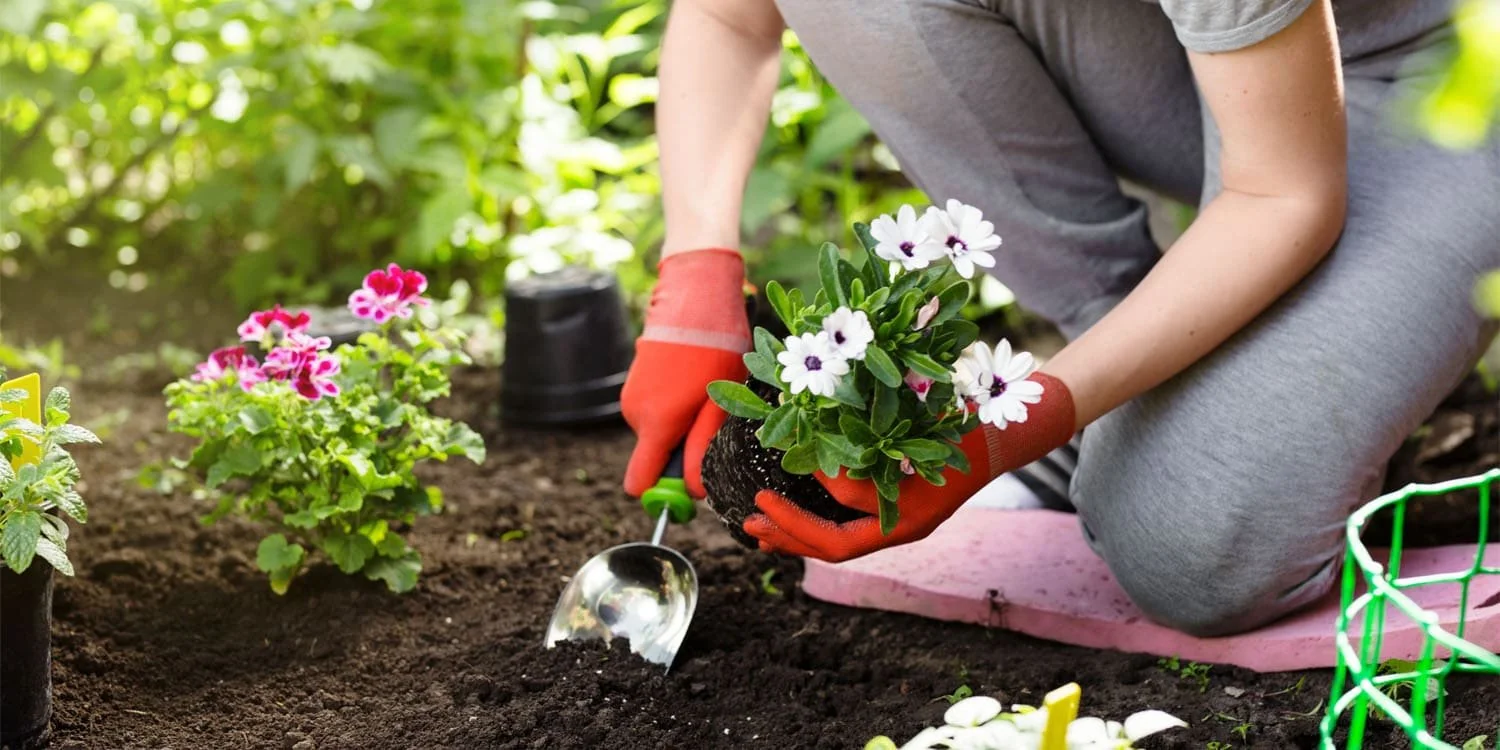 We want to chat to you about our philosophy when it comes to successfully starting this amazing hobby. The MOST important thing is…
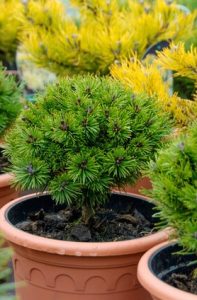 The reason why so many people lose their spark in gardening is because they get over-excited and choose complicated plants that are tricky to grow and then die on them. There’s nothing worse than buying plants that just keep dying on you, it would make anyone give up!
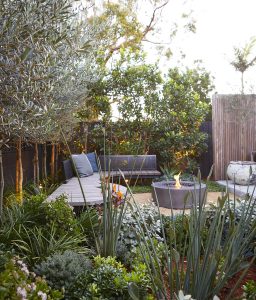 So now that we’ve convinced you to start gardening as a hobby, here’s how to do it.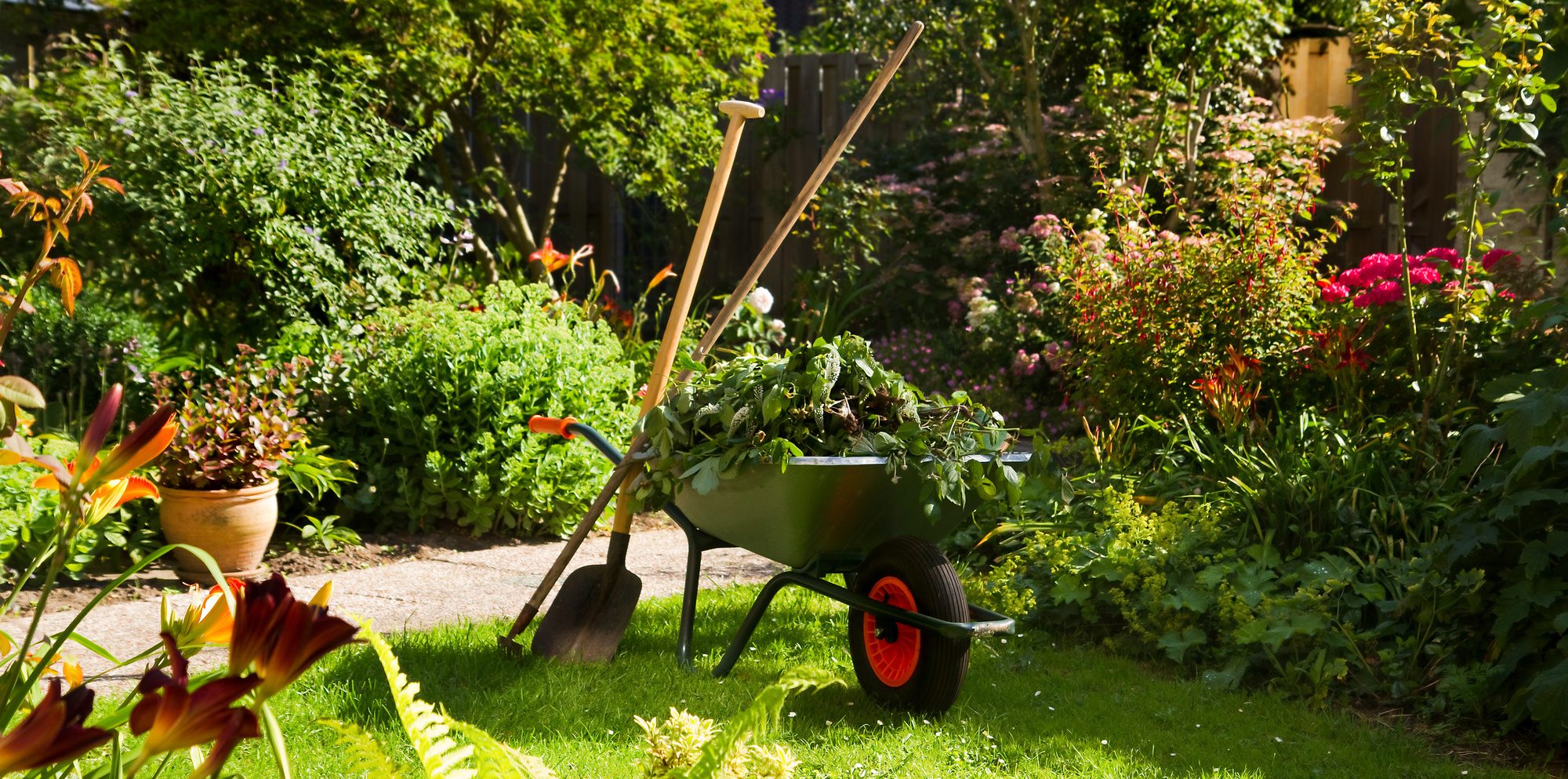
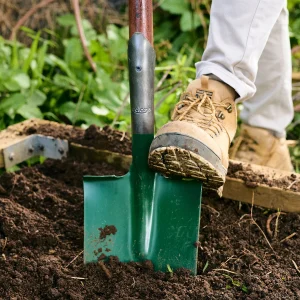 This next step will be the longest, but you can break it up into small chunks and work at it systematically. What you want to do is get a shovel and dig turn smash. What that means is dig your shovel into the dirt, turn the dirt over and smash the dirt up with the shovel.
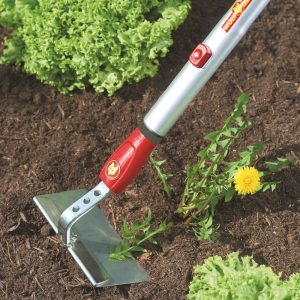 We are a big advocate of NOT mulching or pebbling straight after planting. It’s actually a little secret tip of ours on how to have less weeds. Instead of mulching and pebbling, get a small wolf draw hoe and start weeding.
 Now you could just plant up your garden and be done with it, but a good garden requires constant creation.
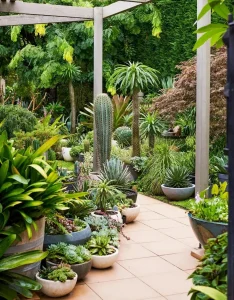 You don’t need to have a true dirt backyard garden to get into gardening – with the wonderful invention of pots ANYONE can have some fun with gardening. Now it won’t be on the same scale as owning a backyard/front yard, but you can still do quite a lot.
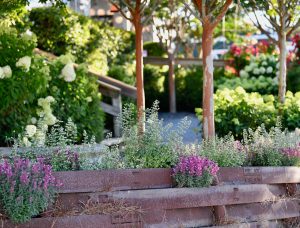 We hope this helped you realise how wonderful gardening is as a hobby. Yes, it does take quite a bit of upfront effort, but it is so worth it when you are in an incredible garden that you created yourself.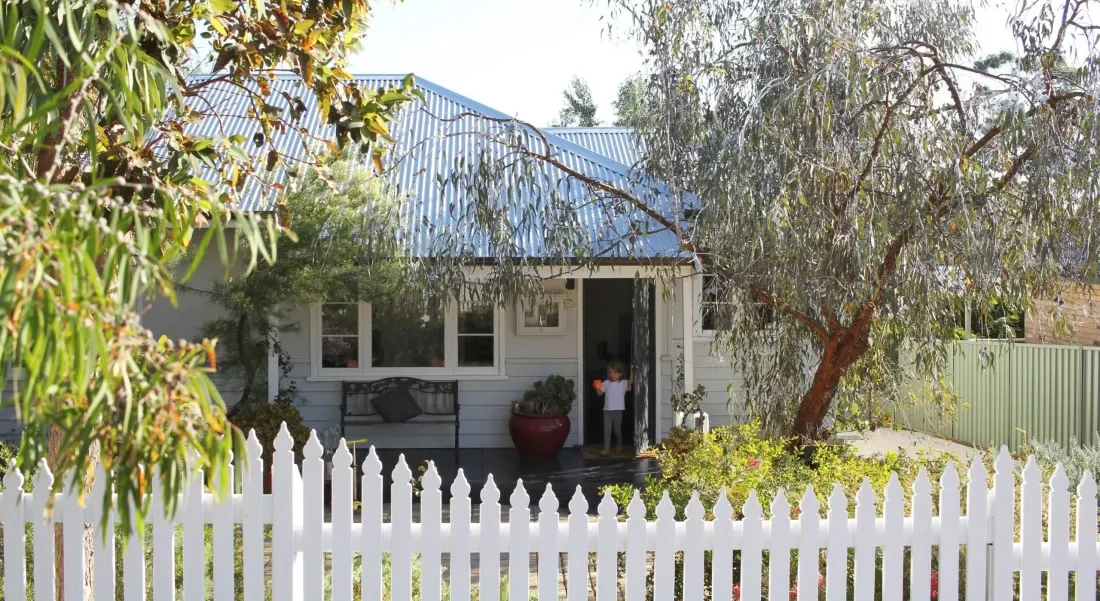
 This is the profiles we’ve created: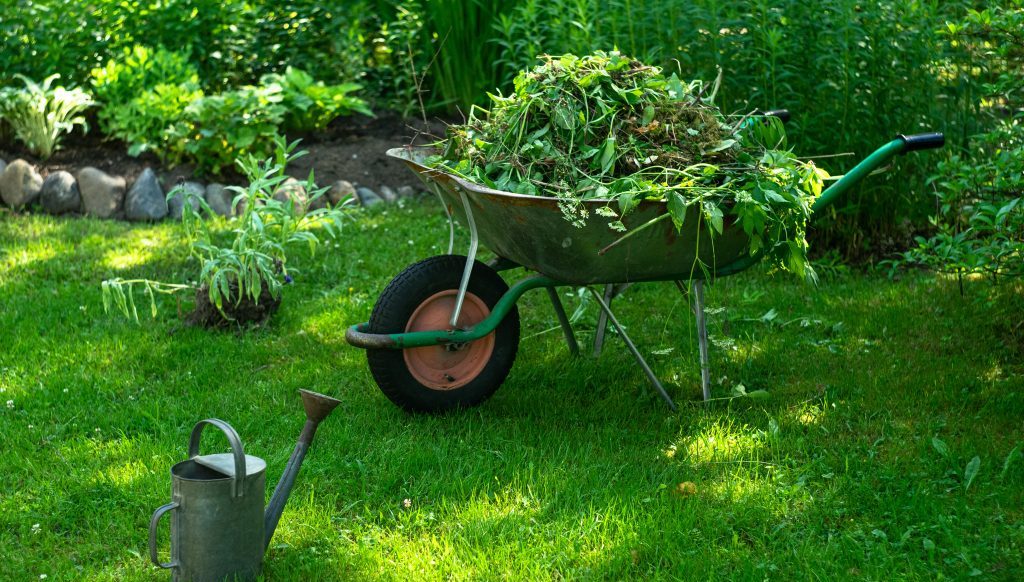
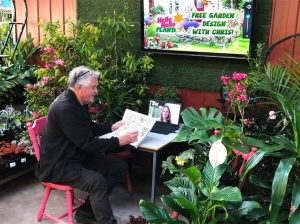 If making a decision between all these plants feels like too much effort, why not take literally all of the hassle and thought out of it and book a
 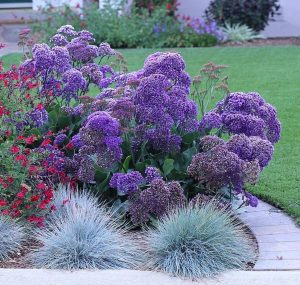 Rather than randomly picking an arrangement of 30 different varieties and stuffing them all into one space, take a step back and consider mass planting the same few types for a more cohesive look.
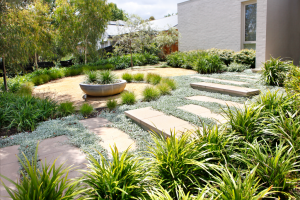 It’s very important that you also choose what we like to call ‘the support act plants’, the type of plants that are still beautiful, but much more subdued. Earlier we mentioned a couple great options so be sure to check those out.
 We hope this article has helped you prepare for all those fun social things we mentioned before. The garden is so much more than just a bunch of plant stuffed together. It’s a place to relax and enjoy the sun, a place to hangout with your friends, a place to play with your kids and pets. To have a beautiful garden is to have a beautiful place to do all of those things and more.