Tag: garden design

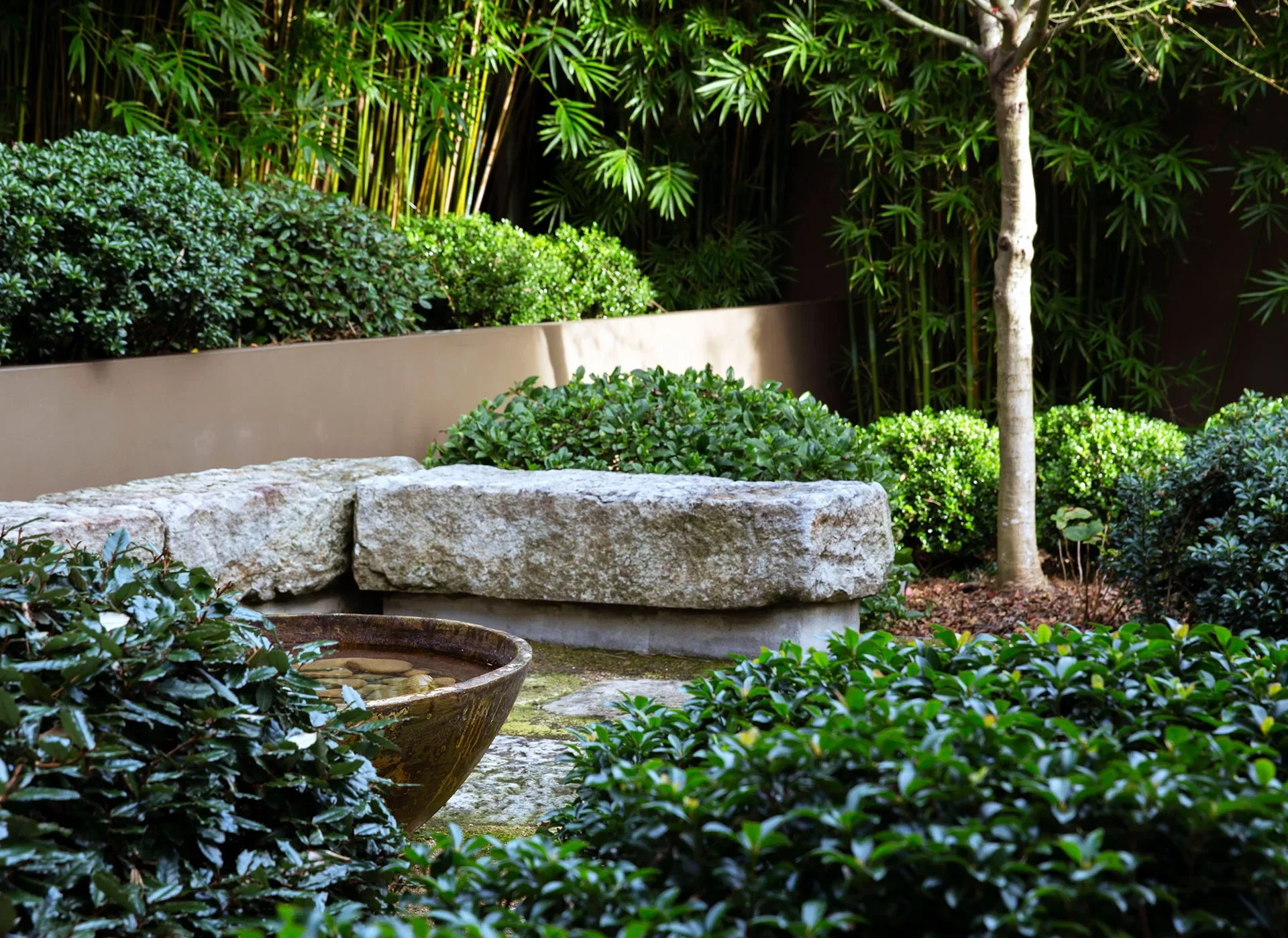
A landscaped garden with dense green shrubs, a tree, a large stone bench, and a shallow bowl water feature in the foreground showcases the beauty of Japanese gardens.

Bring Japan to Your Garden

How to Design the Perfect Japanese Style Garden

It seems like everyone and their mum are going to Japan, even several people from our team have been lucky enough to go to Japan! For those who were fortunate enough to go and are reminiscing over the beautiful cherry blossoms, the intricate bonsais and lush maples, let us show you how you can recreate that same beauty in your own backyard.

And for those who weren’t able to go this season, but have been looking in envy at everyone’s stories, why not bring a slice of Japan to your own home and feel like you are there from your own garden.

Jump straight to the sections we’ll be talking about today:

Planning the Design
Types of Gardens:
– Small Balconies and Courtyards
– Small Gardens
– Medium/Large Sized Suburban Gardens
– Large/Medium Sized Commercial Properties
Design Principles
Consider Your Location
Incorporate Other Natural Elements
Maintain Your Garden

We’ll define the Japanese Style Garden first. It is an ancient art form that has developed from sentiments within Japanese culture and philosophy. It is about creating a space of tranquillity where you can reflect on yourself and meditate. There is a careful balance of natural elements between water, rocks and plants. It’s truly such a beautiful style of garden.

Let us tell you how you can easily create a Japanese Style Garden.

Planning the Design

A wooden boardwalk borders a garden area with white gravel, green plants, rocks, and patches of moss, capturing the serene beauty of Japanese gardens.

The first step is to of course plan out your garden, you’ll need to take into account your location, garden size and shape, amount of sun, amongst many other things we’ll get into.

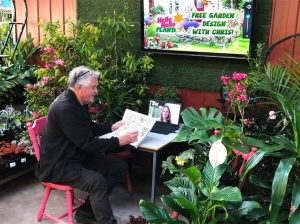
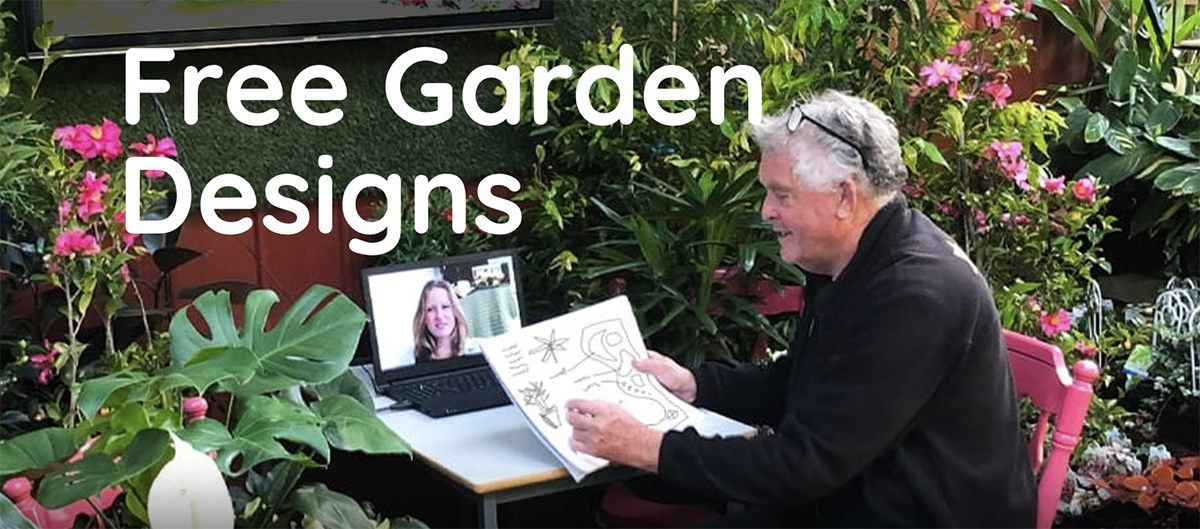
If this sounds like too much to contend with, book in a professional Free Garden Design with us and we can handle it all – we even offer Free Delivery on orders over $300!

Book your Free Garden Design here.

See if you’re eligible for Free Delivery here.
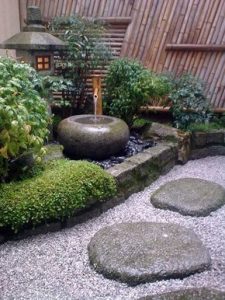
A traditional Japanese garden showcasing the beauty of Japanese gardens with a stone water basin, lantern, lush green plants, bamboo fence, and large stepping stones on white gravel.

But if you want to do it on your own, here’s how to plan out your garden.

Take a look at the size and shape of your garden. You may be physically limited by what you have, but you aren’t creatively.

We are going to go through a range of different types of gardens, so you can skip to your one, but we recommend reading through each part because you’ll glean tips and ideas from other types of gardens.

Types of Gardens

Small Balconies and Courtyards
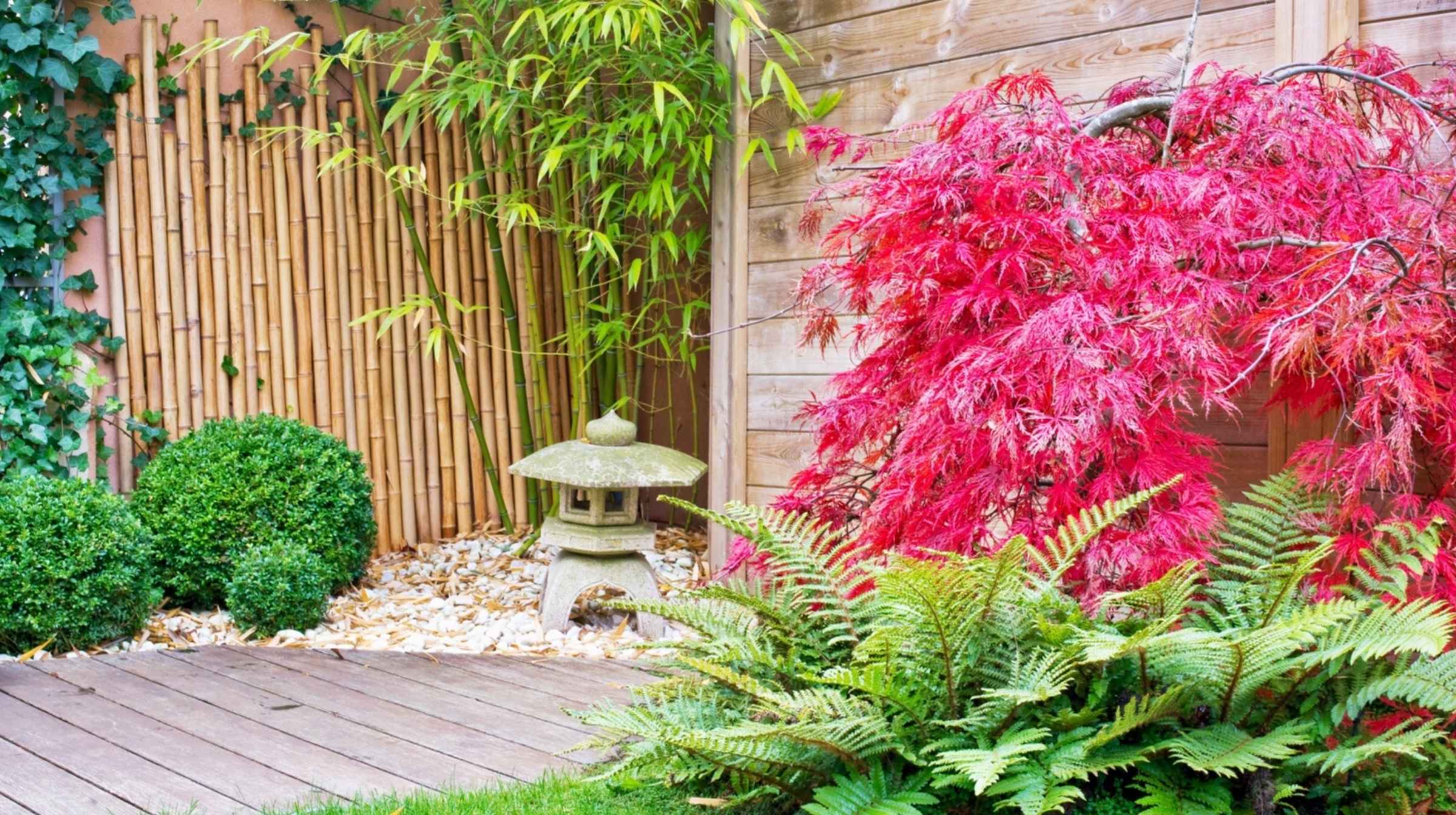
A small Japanese-style garden showcasing the beauty of Japanese gardens, with bamboo, a stone lantern, ferns, a red Japanese maple, and a wooden fence.

We are going to start with the most physically limited spaces – that of balconies and courtyards where pots are needed. Yes, you can still create a Japanese inspired garden in these spaces, and you’d be surprised just how many Japanese style plants can be grown in a pot.
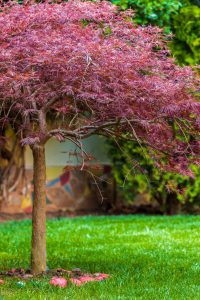
A modern tree in a garden. Inaba Shidare Red Weeping Japanese MapleFrom the quintessential Japanese Maple (upright & weeping) or Weeping Cherry to the flowering shrubs like Azaleas and Camellias, and then the supporting acts like Lime Lava and Nandinas.

The best plan of action with a space like this is less is better. We have an ethos of few pots but lots of plants – it creates a much more dynamic look and doesn’t clutter the space. What we mean by this is putting multiple plants in one pot.

You can have a tree with different groundcovers at its base, or even a variety of smaller plants in one big pot. Opt for classic colours like black or white to create neutral sophistication.

Small Gardens
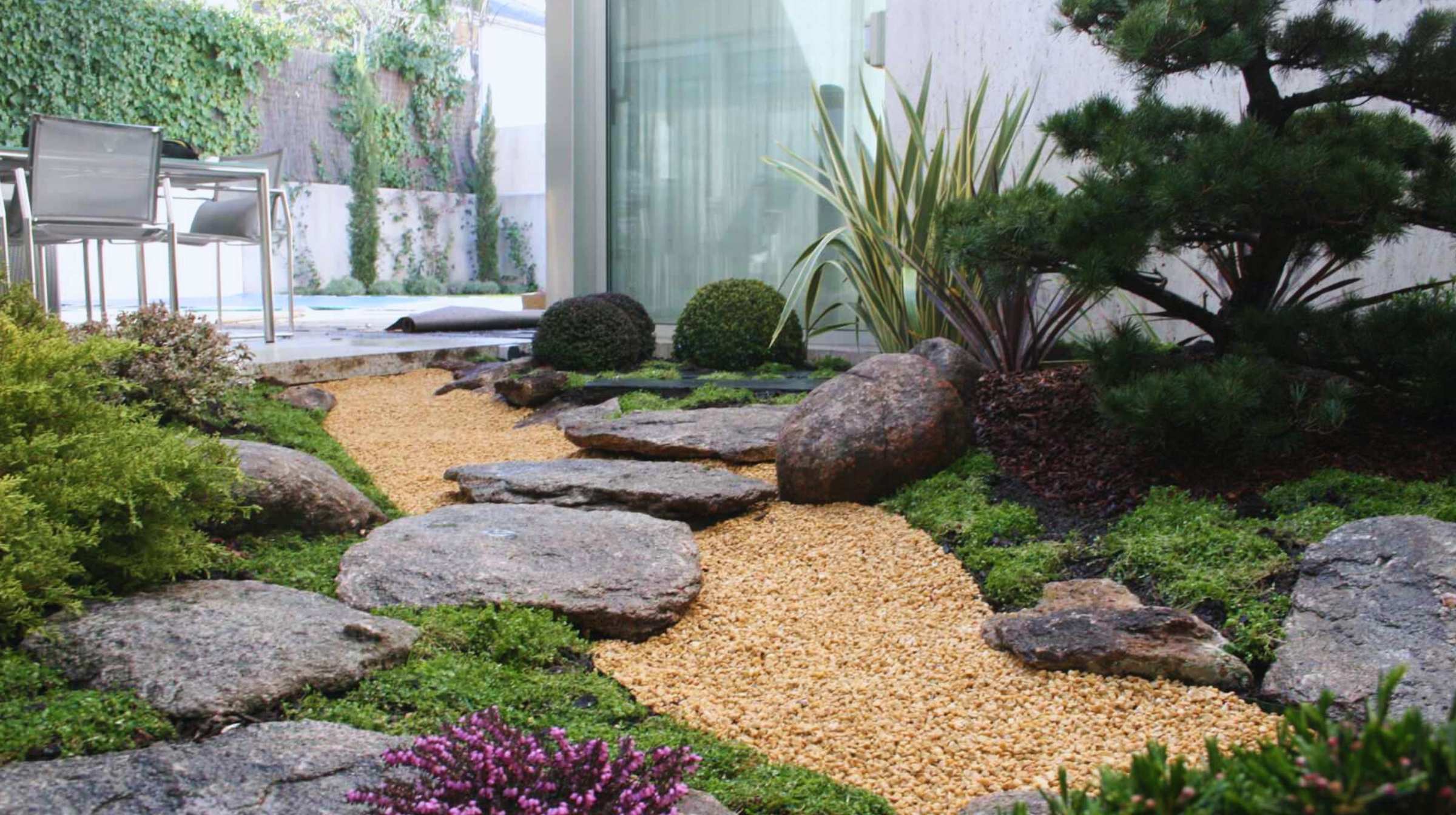
A landscaped garden with large stepping stones and a gravel path, surrounded by green shrubs and bushes, captures the beauty of Japanese gardens. A patio with chairs sits in the background, inviting relaxation.

So you got some soil and dirt, yay! But you’re still working with quite a limited space. Okay, this is what you do.

Pare back on the variety of plants and focus in on a few select pieces to create tranquillity. The good thing about Japanese Maples is that many of them are on the small side like Acer palmatum ‘Shaina’, Acer palmatum ‘Red Pygmy’, Acer palmatum ‘Mikawa yatsubusa’ and plenty of other choices.
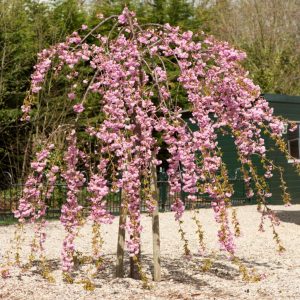
A small weeping cherry tree with drooping branches covered in pink blossoms stands on a gravel surface near a green building and trees, capturing the timeless beauty of Japanese gardens.You can also find Cherry Trees that are small like Prunus ‘Kojo No Mai’ Ornamental Cherry, Prunus ‘Falling Snow’ Weeping Cherry, Prunus ‘Rosea’ Pink Weeping Cherry or Prunus ‘Cheals’ Weeping Cherry.

Then you want to select a few supporting act plants that you can scatter throughout the garden for a cohesive look. The principle here is to choose around two plants, no more than three, and plant them in different parts.

So one corner can have the Japanese Maple with some Black Mondo Grass or Lime Lava planted around the base. Then in another corner you can have three Nandina bushes spaced apart with some Black Mondo in between them.

There’s so many different plant combinations you could go for, don’t hesitate to call us or come in store if you need some advice.

Medium/Large Sized Suburban Gardens
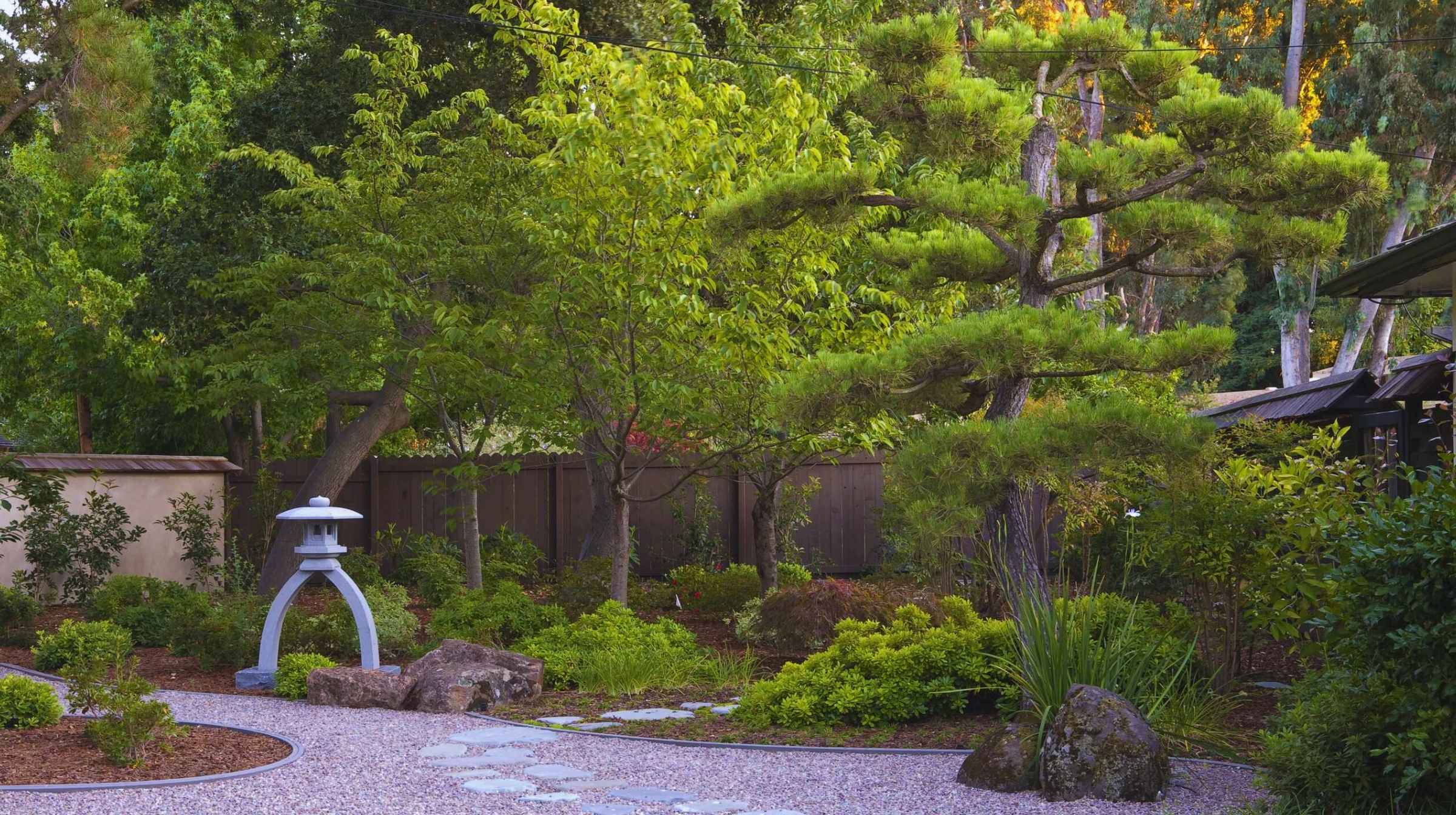
A landscaped Japanese garden showcases the beauty of Japanese gardens with a stone lantern, stepping stone path, manicured trees, shrubs, and a wooden fence in the background.

You have a decent amount of space you’re working with but don’t become overeager with the different plants you choose. Remember, simplicity is best.

A key thing to note here is that plants are usually arranged in odd numbers of 3, 5 or 7.

Consider all the different types of plants you can add in, such as:

Although you can have colour in Japanese Style Gardens, we wouldn’t go overboard. Keep things neutral with a focus on greens and whites and the occasional splash of colour.

Make sure to put in a wooden bench in so you can sit and admire your garden!

Large/Medium Sized Commercial Properties
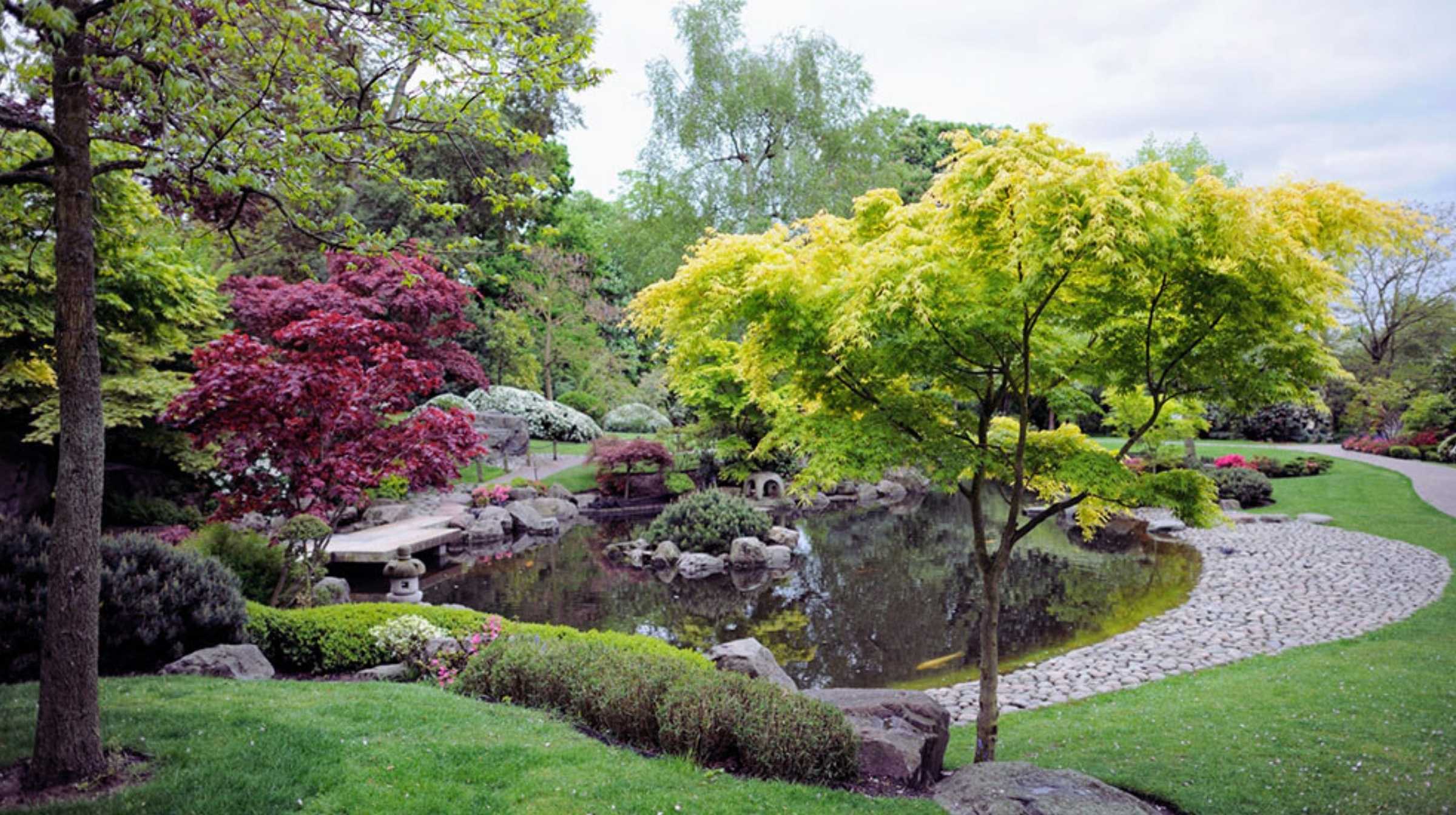
A landscaped garden with a pond, various trees in green and red foliage, trimmed bushes, and a stone path curving around the water showcases the beauty of Japanese gardens.

When planning a commercial property you are likely after something that is inexpensive and easy to maintain. Now we do think it’s worth it to splurge here and there on a beautiful feature such as a Japanese Maple (Upright or Weeping) or Weeping Cherry as they truly do raise the value of a place.

But you can find other plants for quite low prices, consider buying smaller sized plants and look around for bargains. You’re likely to find quite a few on sale in our nursery.

Modern courtyard garden inspired by the beauty of Japanese gardens, featuring a central tree, manicured shrubs, stepping stones, raked gravel, rocks, and floor-to-ceiling glass windows of a contemporary building.A huge amount of space can sometimes be just as tricky as planning a small garden, but we actually offer the same advice here. Just because you have the space doesn’t mean you should plant 50 different types of Japanese style plants.

Try to create little pockets or privacy within your garden using screens, and place benches throughout the space so people can sit and ponder. Keep in mind you want to create a space that encourages reflectiveness.

Mass planting is your friend, pick a few key plants and spread them throughout your property. It will create a cohesive look and simplify your design greatly.

In these larger commercial properties it becomes even more important to add other elements like a water feature, statues, pagodas, boulders and so on.

Design Principles
A landscaped garden with green bushes, a tree, stone benches, and a decorative bowl reflects the beauty of Japanese gardens, set against a background of tall bamboo.If you’re still struggling, return to the basic principles of the Japanese Style. These include:

  • Balancing the different elements of your garden
  • Avoiding perfect symmetry in all the arrangements, allow for nature’s beautiful imperfections
  • Considering the symbolism behind your choices – a rock can represent a mountain, sand can represent the ocean
  • Use hedges and walls to create a sense of seclusion and privacy
Consider Your Location
A small backyard garden with a paved patio, wooden table and chairs, green plants, wooden fences, and a tree near a light-colored house captures the tranquil beauty of Japanese gardens in its serene and harmonious design.We mention location because some plants don’t work well in certain climates. For example if you are near the beach there are Japanese style plants such as Japanese Boxwood, Azaleas and Camellias that are sensitive to salt and won’t work well in your garden.

Or if you live in a particularly windy spot then you want to steer clear of Japanese Maples and Azaleas as you risk damaging the foliage/flowers. A good rule of thumb is to try and plant your Japanese Maples in more sheltered spots, although there are certain varieties that are hardier than others.

Incorporate Other Natural Elements
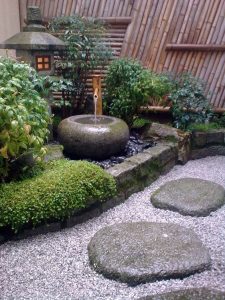
A Japanese garden showcasing the beauty of Japanese gardens with a stone water basin, bamboo spout, moss-covered stones, gravel path, lush green plants, and a bamboo fence in the background.There’s more to a Japanese Garden than just the plants. One of the quintessential parts of the Japanese Style Garden is the water feature, whether this be a pond, stream or waterfall. Go the extra mile and even add in some brightly coloured fish!

Water features are expensive though so we understand if you aren’t able to incorporate one (though the Japanese may not).

What you can do instead is include some other natural elements like rocks, whether that’s larger boulders or small pebbles, sand, or gravel.

Add simple ornaments to tie the whole design in together such as lanterns, statues or a gazebo.

Maintain Your Garden
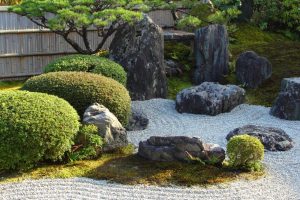
A traditional Japanese rock garden showcases the beauty of Japanese gardens with carefully arranged rocks, gravel, and manicured shrubs, bordered by a bamboo fence and pine tree.It’s important you don’t let your plants get unruly, now depending on what plants you choose, Japanese style gardens can range from low maintenance to high maintenance.

This can depend on facts like water requirement and frequency of trimming. You always want to make sure you are keeping your plants healthy and well-watered.

If you have a water feature, make sure to clean it regularly and check that the water circulation is correct.

Always keep the weeds at bay, nothing ruins the Zen style quicker than scraggly plants taking over your beautifully manicured garden.

Feeling inspired to create your own garden, but want some expert advice? Try our one-on-one garden design service with Chris. Together you’ll come up with a selection of plants along with a layout plan that gives you the look you want, as well as being suitable for your local soil and conditions.

get your own tailored modern garden design:


FIND OUT HOW

Articles you may also like

In a colorful garden, a child in a straw hat and blue shorts discovers the many benefits of gardening while watering plants with a silver can.

Having Your Garden Flourish in the Summer

Almost every Melbourne garden is spring orientated. In these months the gardens come alive with gorgeous flowers and colours of all kinds. But it’s not spring anymore.

Summer has come and the excitement of Melbourne gardens has disappeared. Your Weeping Cherries are done. The newness of foliage on Japanese Maples has waned. All the blossoms on your Plums, Apricots, Almonds, Apples, you name it, are long gone with the wind. What’s left is dullness and dryness.

Jump straight to the sections we’ll be talking about today:

Take Stock of the Situation
Watering Your Plants
Saving the Pot Plants
Fertilising Your Plants
Reviving Your Roses
Mistakes You Should Avoid

Or perhaps they have prioritised autumn colour, with plants that will light up with fiery colours but for now are just a plain green. We are here to turn that around. Now you don’t have to be in Melbourne to make use of these tips.

We’re going to chat about how you can make your garden flourish in the summer – both in terms of colour and in the health of your plants.

Take Stock of the Situation

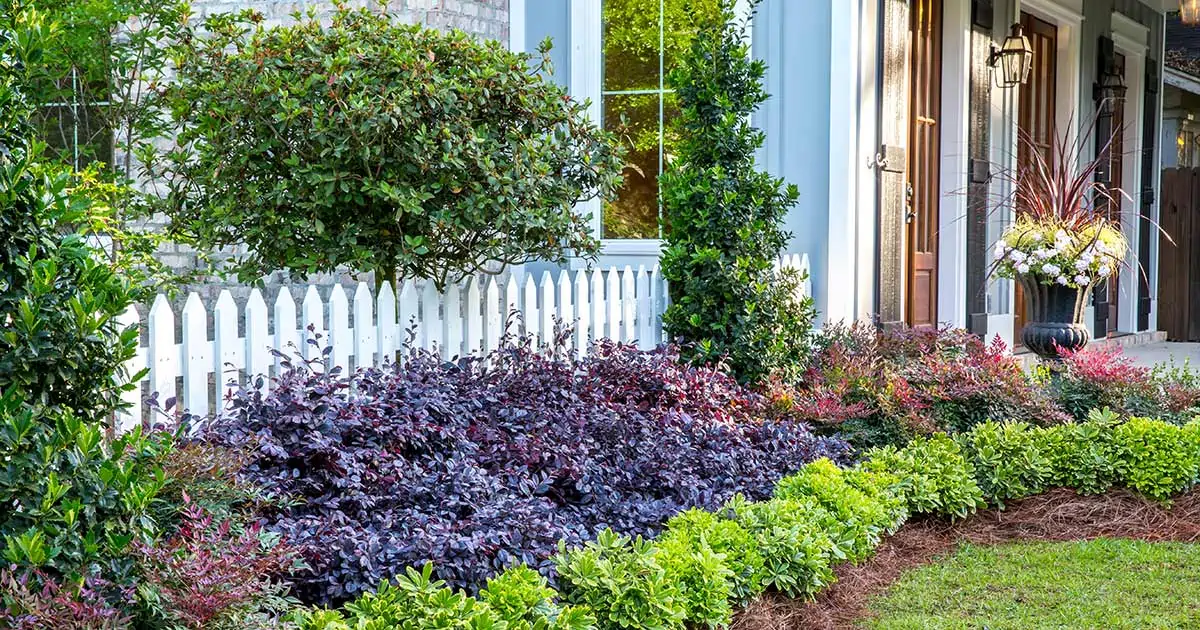
Front yard of a house with a white picket fence and a variety of plants including purple and green bushes in a well-maintained garden bed. A tree is visible beside a window, offering inspiration for cultivating top indoor plants. Loropetalum

The first step to recovery is acceptance. Okay jokes, but the first step is to take stock of what your garden looks like currently.

Approach it like you were someone coming over for the first time, become critical with what you are seeing.

Are some of your plants looking dry and fried? If so, you can skip ahead to this part where we chat about how to fix that.

Close-up of a flourishing Loropetalum plant with red flowers and dark leaves, covered in glistening water droplets, against a blurred green garden background.The next thing to look for is colour – can you find any? If not, here are some quick hot tips on how to fix that.

Choose plants with beautiful foliage. This is actually just a great tip for getting year round colour in the garden. These are your plants like Loropetalums (which comes in different shades), Iresine ‘Bloodleaf’, Ajuga ‘Burgundy Glow’, or Abelia ‘Kaleidoscope’.

Choose trees that flower in the summer such as Crepe Myrtles and Jacarandas. The fantastic thing about Crepe Myrtles is how many different colours you can get the flowers in – and even the foliage! Yep, you can choose between the classic green foliage or a dark purple. We’ve raved all about Crepe Myrtles in this article here.

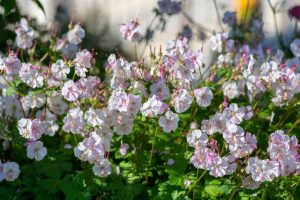
A cluster of pink and white flowers with green leaves flourishes in the garden, showcasing a vibrant summer setting.The most obvious is to pick plants that flower in the summer – which is quite an extensive list.

Also so many of these plants are very cheap and easy to grow. These are your Geraniums, Impatiens, Mandevillas, Salvias, the list goes on. We’ve got an entire article dedicated on how to fill your summer garden with colour, check it out here.

Any of these plants will bring your garden to life in the summer.

The following step is to get an expert’s help, it will barely cost you anything at all. Our Garden Designs with Chris are free when you purchase your plants with us. Essentially, they’re free. You have the choice between a quick consult or a more in depth discussion. In both of these Chris will take into account your location, wants, climate, garden/house style and suitability of plants. This is a dynamic design where you get to contribute to the final look. Book your Free Garden Design here.


Free Garden Design

A bonus handy tip is to come into the nursery and just see what is literally flowering right now. Browse the aisle and take note of what is looking beautiful at this moment. You are more than welcome to ask any of our staff how much longer certain plants will flower for so you can know how much longer they will look beautiful in your garden for.

You can have it all – a garden that looks beautiful in every season. It’s just a matter of having the knack and knowledge to achieve that.

Watering Your Plants

watering garden with hoseThe heat has taken quite a toll on both of us humans and plants. Now most plants actually adore the heat, granted that they are watered properly. We do have a comprehensive article on how to water your garden properly, which you can find here.

But we know people are time poor, so we’ll recap the most important points here quickly.

Everyone in Melbourne right now should be watering their garden and feeding their plants with fertiliser.

A garden sprinkler watering a green lawn under bright sunlight, with trees and bushes in the background.What you want to do is get a Soaker Hose, unroll it and start slowly watering your plants. Drag it around your garden letting it water everything. What you want is slow water getting in deep.

A nifty trick for making your garden flourish is watering during the summer rain. Yes, we did say to water while it’s raining. But hear us out. Trees and most plants draw water from deep down in the soil and in the summer that soil tends to dry from deep down.

So regular watering just doesn’t get to that deep part of the soil. But when it’s raining and you start watering your plants, that water is going to get in nice and deep.

Person in boots adding gravel to a trench in soil with a trowel, next to green plants.

If your garden is particularly dry, then it’s a good idea to add some soil wetter before the rain comes and combine that with the watering and raining technique. Keep an eye on the forecast and when you see a rainy day come up give your garden some soil wetter, it can be even just 20 minutes before the rain hits. Your plants will LOVE you.

Or even if rain isn’t coming but your garden is looking very dried out, you can still use soil wetter to help get the water in efficiently and effectively.

Saving the Pot Plants

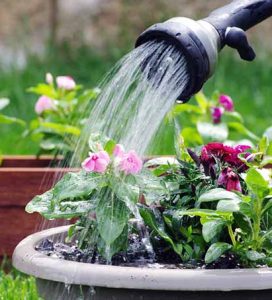
Watering potted flowers with a watering can in a garden, with pink and purple blooms visible.A lot of pot plants are looking dry and fried around this time so if you are able to it’s a good idea to move them out of the hot sun into a spot that gets morning sunlight and afternoon shade.

To stop them from drying throughout the day put the pot in a shallow saucer filled with water.

A handy tip to revive a dry plant is the double soak method. How it works is you water your plant like normal, then go have a mug of tea or dinner (basically wait about 30 minutes) and then water it again. This helps the water get in nice and deep.

Fertilising Your Plants

A person wearing gloves uses a blue trowel to apply granular fertilizer to plants in a garden.Surviving through summer takes a lot of energy out of plants, lots of things are happening like flowering, fruiting, and of course, the intense heat. If plants are looking a bit tired right now is a great time to be out fertilising.

Slow release fertiliser such as Osmocote is great for getting a good volume of nutrients into your plants. If your plants are looking really yellow and hungry then you should use that with a liquid fertiliser.

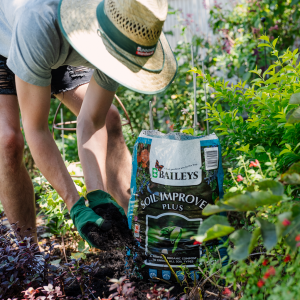
Person wearing a straw hat and gloves, spreading soil from a bag labeled "Baileys Soil Improver Plus" in a garden.The trick with liquid fertiliser is to apply it in the early morning or late evening when the evaporation rate is low. Spray it over the whole plant including the leaves, bark and root.

What’s great about liquid fertiliser is that it is in the plant doing its magic within seconds. Whereas slow release fertiliser can take weeks to get to the whole part of the plant.

Liquid fertiliser is the short term answer and slow release fertiliser is the long term answer. Liquid fertiliser can be used on a weekly basis in summer.

Reviving Your Roses

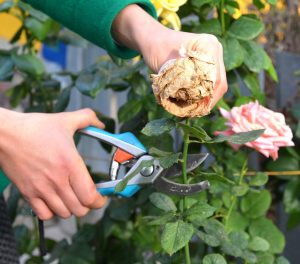
A person wearing a green jacket is pruning a dried rose with garden shears among healthy rose plants.With the hot days we’ve had, a lot of roses are looking fried. Here is how you un-fry them.

Give your roses a good trim and feed with liquid fertiliser. A good trim entails removing dead flowers, dried branches and foliage, to get back to some nice buds and foliage.

Doing this will mean that in early March you will get a rebirth of beautiful flowers that will last all the way until May.

Mistakes You Should Avoid

Person wearing gloves, tending to green leafy plants in a garden with soil and mulch.One thing you can do wrong during this time is trimming back your hedges or topiaries really hard before upcoming hot days. This is because the leaves can actually get sunburnt. Instead do quite a light trim and be mindful of the weather forecast. Save your hard pruning for late February.

Another mistake people make is thinking that perennials like Catmint, Salvias and Gauras, have done their dash of flowering for the year. But they haven’t.

What you need to do is give them a good prune and feed and you’ll find that they will come back for a whole other flowering season. How exciting!

In Closing

So there’s how to freshen up your garden for summer. If you’d like even more tips on garden design, check out our article How to Get Your Garden Ready For All Your Summer Events.

Feeling inspired to create your own garden, but want some expert advice? Try our one-on-one garden design service with Chris. Together you’ll come up with a selection of plants along with a layout plan that gives you the look you want, as well as being suitable for your local soil and conditions.

get your own tailored modern garden design:


FIND OUT HOW

Articles you may also like

Garden design tools and colorful flowers are artfully arranged around soil, framing the text "New Year, New Garden" at the center.

New Year, New Garden

New year new me. You’ve heard that a million times before. As people start to get on exercise bicycles and reattempt crash diets, we wanted to slow things down and talk about a hobby that will bring unlimited benefits to your life and your loved one’s lives.

Now of course we’re talking about gardening. But we’re talking about gardening for a good reason, or well, several good reasons.

So let’s break down why gardening is one of the best hobbies to pick up in the new year.

Jump straight to the sections we’ll be talking about today:

The Many Benefits of Gardening
The Key to Success
How to Get Into Gardening
Keeping Up With Your Hobby
When You Don’t Have a ‘Real’ Garden
2025 Here We Come

The Many Benefits of Gardening

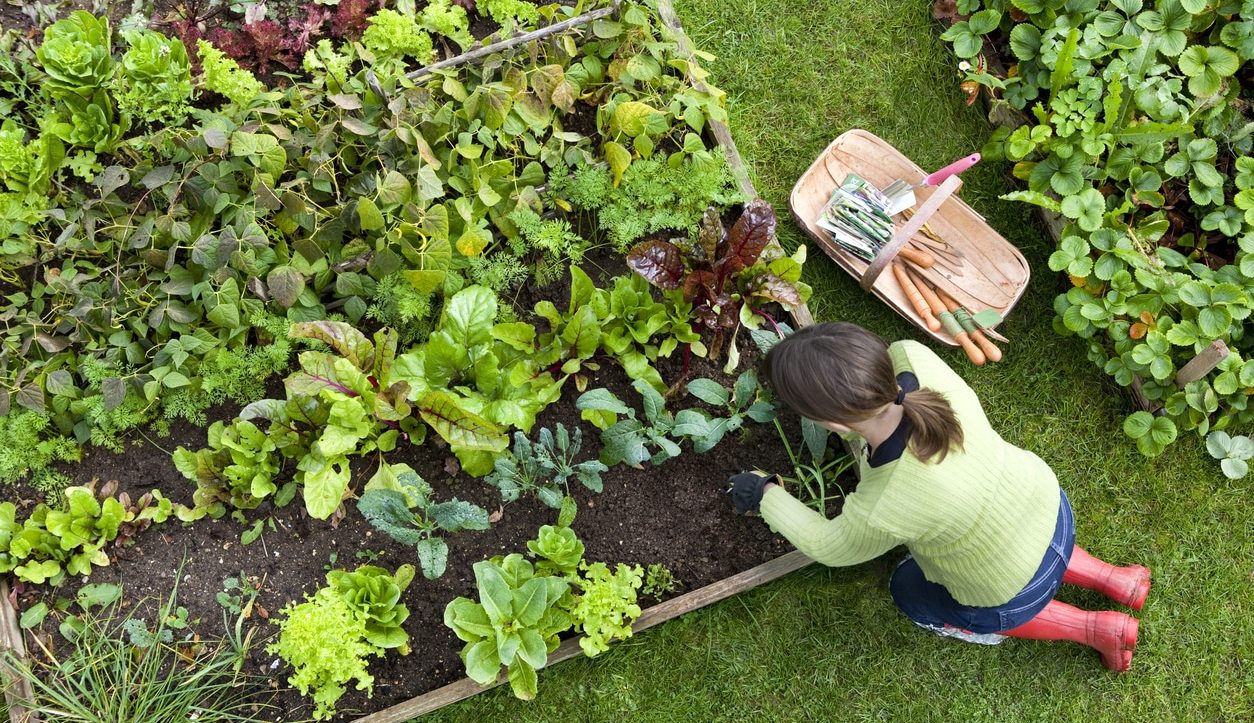
Amidst flourishing green plants, a person meticulously tends to their vegetable garden, utilizing expert garden design practices along with essential gardening tools.

Gardening is one of those hobbies that positively impacts almost every aspect of your life, from mental health to physical health to even boosting your social interactions.

Gardening classifies as a moderate-intensity exercise, but it’s the type of workout you don’t really notice because you’re so focused on your plants. This exercise improves heart health, increases strength and dexterity, and lowers blood pressure.

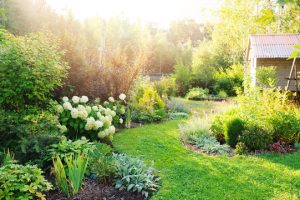
A sunlit garden brimming with many benefits of gardening, featuring green lawns, various plants, and a small wooden shed on the right. The lush scene bursts with white flowers and dense foliage, offering serenity and joy to those who tend it.

But also the fact of it being an outside hobby means you are getting essential vitamin D and connecting to nature. Being immersed in nature is one of the most important things you can do in this urbanised world where we are spending more and more time cooped up indoors.

Think about how many times your mum told you to go get some fresh air, well now you’ll be getting fresh air on a regular basis.

When you garden you reduce stress and find peace in the small routine activities of planting something up or trimming your bushes. Even just go sit in your garden for a small time and you’ll notice how you start to relax and feel better.

Of course this is conditional on what you plant, but if you choose to get edible plants then you are also getting homegrown fresh veggies and fruits. There’s nothing more satisfying than eating food you’ve grown yourself – plus it’s better for you and your bank account.

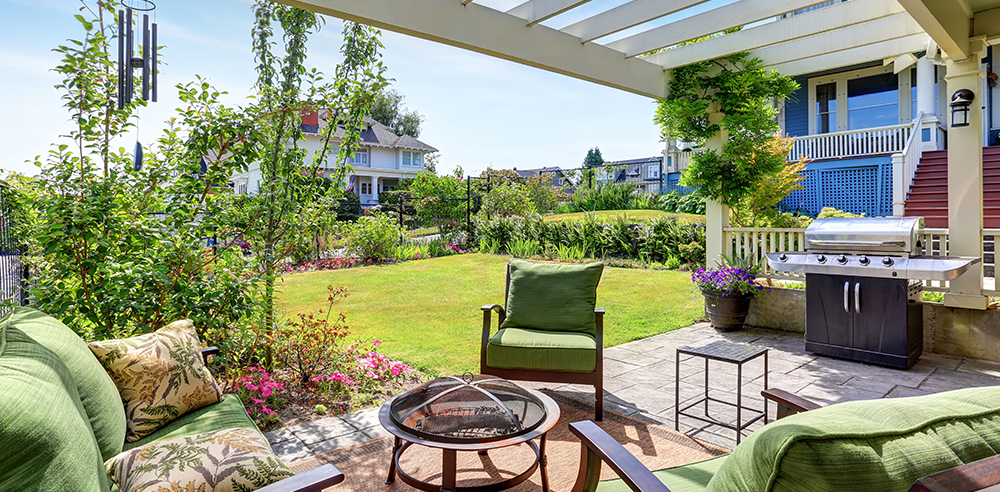
Enjoy the many benefits of gardening in this serene outdoor patio, featuring green cushioned seating around a round table and a gas grill. A lush garden and lawn create the perfect backdrop under a clear sky.

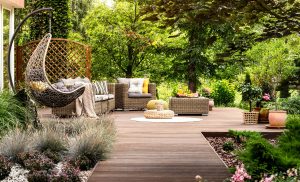
A wooden deck with wicker furniture, cushions, potted plants, and greenery, surrounded by lush trees and bushes.Now once you’ve spent some time in the garden – you get to reap the benefits of just having a beautiful garden. This means having a wonderful space to sit in the sun and read a book or have friends over for a BBQ or play with your kids.

You get to control the level of effort you put into this hobby – whether you want to be a more casual gardener or a keen gardener it’s completely up to you.

The Key to Success

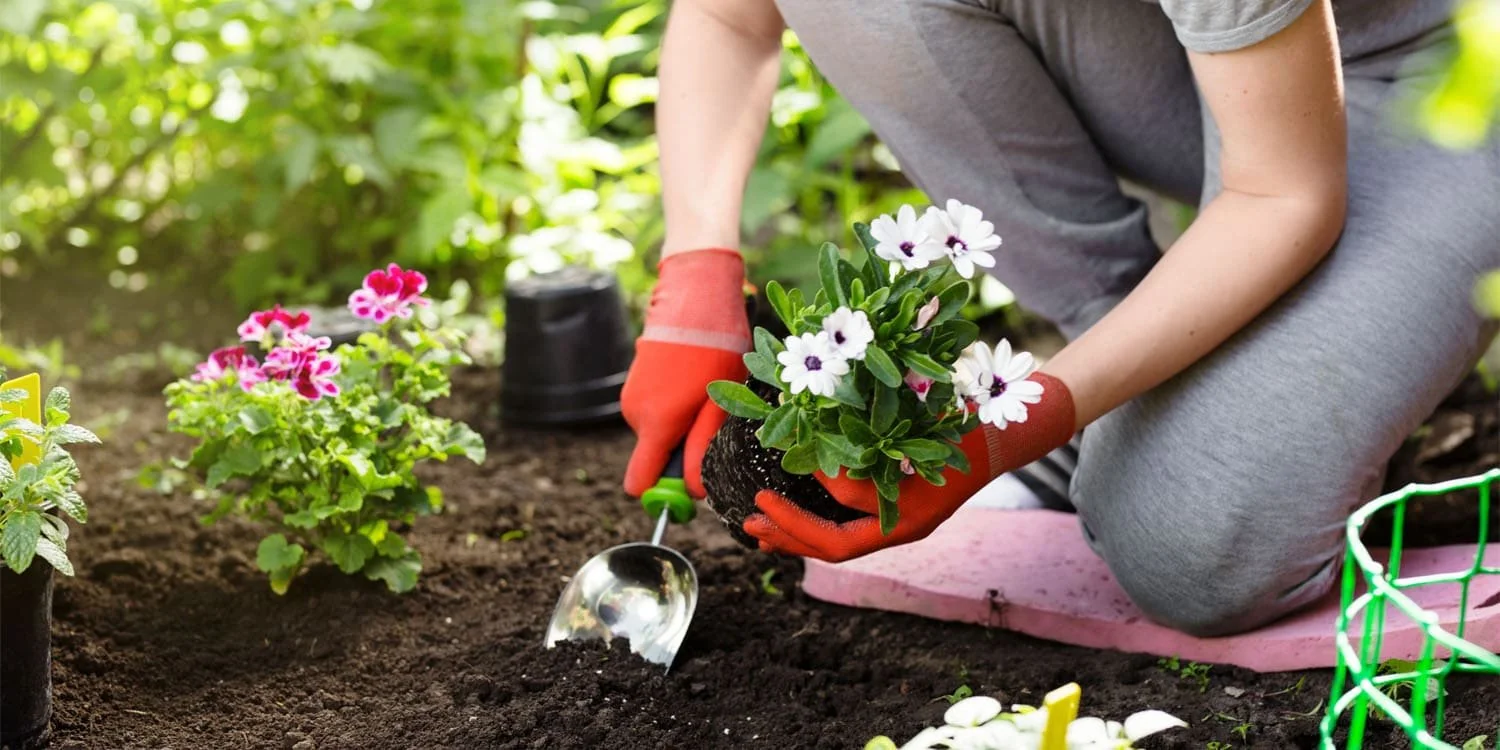
Wearing orange gloves, a person reaps the many benefits of gardening by planting white and pink flowers in a lush garden using a small spade.We want to chat to you about our philosophy when it comes to successfully starting this amazing hobby. The MOST important thing is…

Give yourself a win.

Choose something that is easy to grow and give yourself a win.

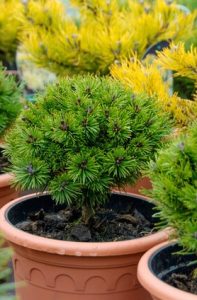
Small pine trees in terracotta pots with vibrant green foliage offer the many benefits of gardening, nestled among yellow-tinted plants.The reason why so many people lose their spark in gardening is because they get over-excited and choose complicated plants that are tricky to grow and then die on them. There’s nothing worse than buying plants that just keep dying on you, it would make anyone give up!

We understand how you can get caught up in all these different things you want to grow and all the beautiful plants you want in your garden, but it’s so important to start slow.

Choose something really simple and easy that is going to grow beautifully, and you’ll kick start your confidence. Also make sure you choose plants that are well suited to your spot and soil, if you’re not sure visit your local nurseryman.

Or you can just choose very hardy plants that can withstand almost anything.

How to Get Into Gardening

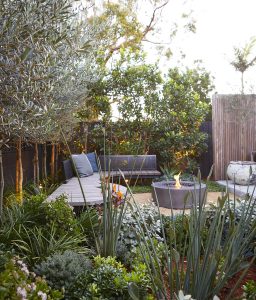
A garden scene with various plants and trees, featuring a wooden deck with seating and a fire pit surrounded by greenery, offers a serene escape. This tranquil setting is ideal for relaxing with friends while discussing tips on how to water indoor plants.So now that we’ve convinced you to start gardening as a hobby, here’s how to do it.

Stop thinking about it and just dive right in. Just make sure to do it in the right sequence of events.

First, plan out your garden design or go get one done. We offer a Free Garden Design, it is a small deposit but you get that money back when you purchase your plants with us.

Our Garden Design is done by Chris, founder of Hello Hello and an expert gardener. He has decades of designs under his belt and an acute knowledge of plants.

Having a plan gives you a framework to operate off of, so you’re not just willy nilly popping in plants and ending with a disaster of a garden.

The second step is to clear out the space, you want to start with a blank canvas. Maybe it’s a new property you just bought, and the garden hasn’t been maintained well, or you’re looking at the garden you have and wanting to spruce it up.

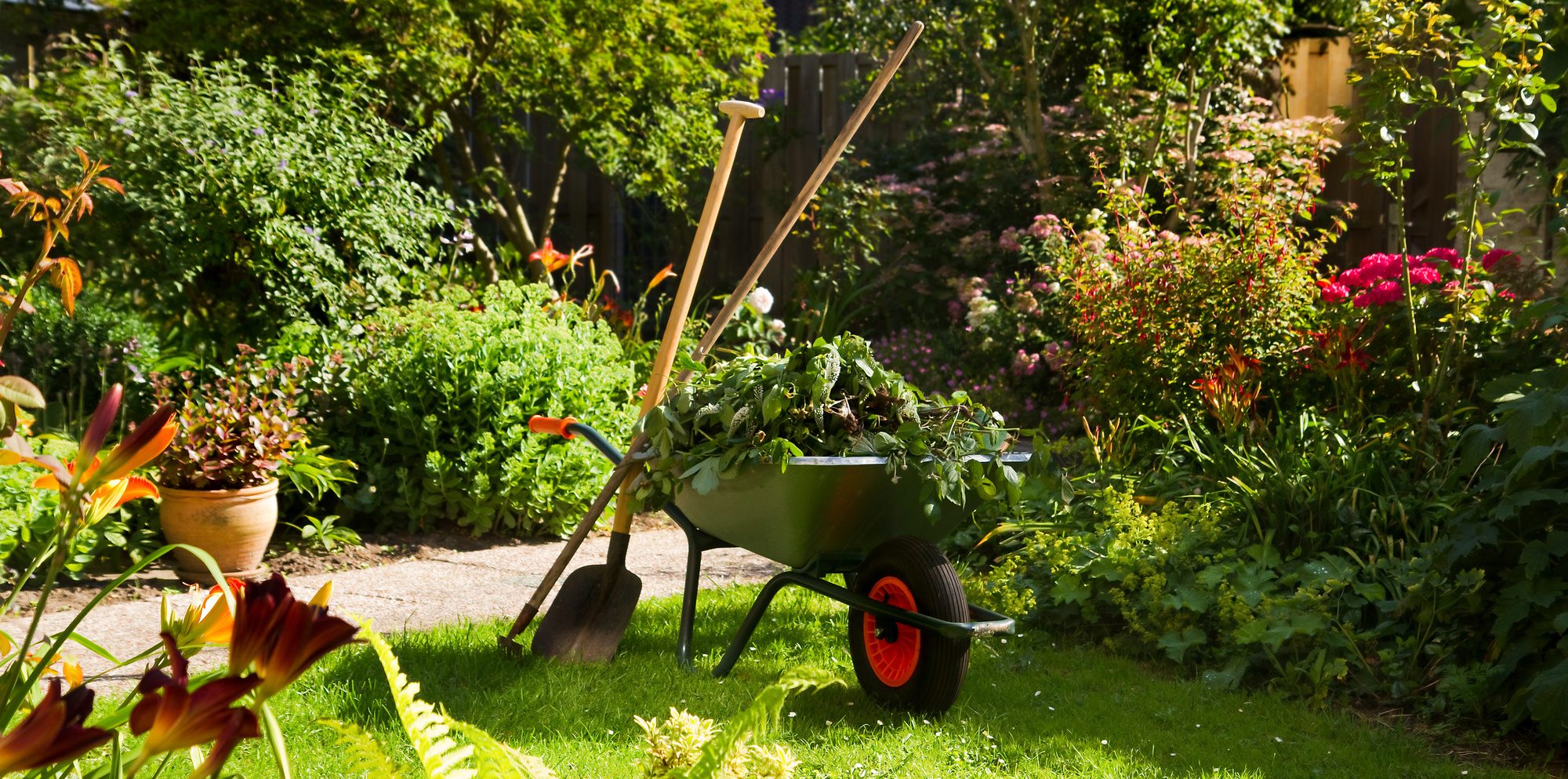
A garden scene with a wheelbarrow full of green leaves, a shovel and rake leaning against it, surrounded by lush plants and colorful flowers.

Before you add, you need to eliminate. Clear out any rubbish and get to weeding. Weeding can feel like a MASSIVE job so we’re going to break it down into the easiest way to go about it. Start by spraying any perennial weeds with roundup. Leave it for a couple of days then finish clearing it by mowing it.

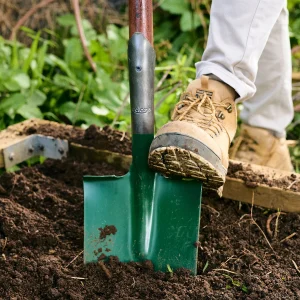
A person wearing brown boots uses a green shovel to dig soil in a garden.This next step will be the longest, but you can break it up into small chunks and work at it systematically. What you want to do is get a shovel and dig turn smash. What that means is dig your shovel into the dirt, turn the dirt over and smash the dirt up with the shovel.

Don’t do your garden all at once because your back will HURT. Instead, spend around 15 minutes after work everyday and work in sections through it.

Once you’re done, add some new good quality soil and start the whole process again. Dig turn smash. Dig turn smash. Trust us, it’s worth it. Also, you’ll find the second time is much easier.

Then get a steel rake and smash it up some more and smooth the dirt down with it.

NOW you’re ready to plant.

If you’re reading this around the time of publication (and you’re in Australia), it’s summer right now which is the perfect time for planting. Also it’s a good idea to use Osmocote and Soil Wetter.

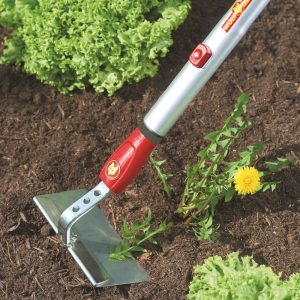
A gardening tool with a steel head is used to remove a dandelion weed from soil, surrounded by green plants.We are a big advocate of NOT mulching or pebbling straight after planting. It’s actually a little secret tip of ours on how to have less weeds. Instead of mulching and pebbling, get a small wolf draw hoe and start weeding.

Cut the weeds off and then you can just leave them as they will shrivel up in the sunlight. Do this weeding process every two weeks for a few months and you’ll notice the weeds stop germinating. It’s a lot of upfront effort, but it will save you so much time and pain later down the track when you feel like you’re constantly battling weeds.

So now you got your beautiful garden and the weeds are under control, the next important thing is to lock in your watering schedule. Watering is a very important part of gardening to keep your plants happy and thriving.

We have an article all about becoming a master at watering, check it out here. Plus we have a video for those who are visual learners.

Keeping Up With Your Hobby

Person holding a potted plant while squatting in a garden. Gardening tools and flowers are visible around them.Now you could just plant up your garden and be done with it, but a good garden requires constant creation.

A garden is not a set thing, plants are constantly changing and growing. Don’t try and hold your garden still, allow it to evolve and contribute to the evolution of the garden.

Maybe there’s one or two plants that don’t perform well and you need to replace them with something else. Or you get ideas for other things you want to add in. As you get more of a knack for gardening you can tackle more tricky plants and try out different things.

Don’t be afraid to experiment, see what works and what doesn’t work. Have fun and play around with different ideas for your garden. With a great garden you have to be constantly developing it, then your garden will just keep getting better and better.

When You Don’t Have a ‘Real’ Garden

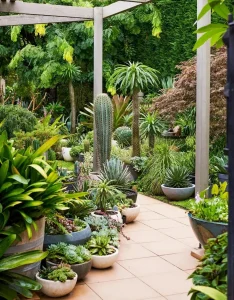
Garden with assorted potted succulents and cacti on a tiled pathway, surrounded by lush greenery and a wooden pergola.You don’t need to have a true dirt backyard garden to get into gardening – with the wonderful invention of pots ANYONE can have some fun with gardening. Now it won’t be on the same scale as owning a backyard/front yard, but you can still do quite a lot.

For example, you can plant a lemon tree and a herb in the same spot and have two things that can be used in the kitchen but also make for a pretty feature.

You’d also be surprised on how much you can change your balcony with just a few pot plants.

Also there’s no limits on the number of indoor plants you can have (at least we don’t think so).

2025 Here We Come

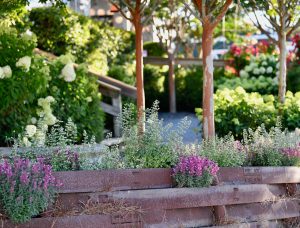
A Hamptons garden scene features blooming flowers in white and purple, bordered by wooden structures, with trees and lush greenery in the background.We hope this helped you realise how wonderful gardening is as a hobby. Yes, it does take quite a bit of upfront effort, but it is so worth it when you are in an incredible garden that you created yourself.

It is very satisfying work that you get to reap the benefits of for the rest of your life.

If you have any questions about gardening don’t hesitate to reach out to us or come into the store. We are here to make a beautiful garden accessible to everyone.

The more wonderful gardens there are, the more joy there is in the world.

Feeling inspired to create your own garden, but want some expert advice? Try our one-on-one garden design service with Chris. Together you’ll come up with a selection of plants along with a layout plan that gives you the look you want, as well as being suitable for your local soil and conditions.
get your own tailored modern garden design:


FIND OUT HOW

Articles you may also like

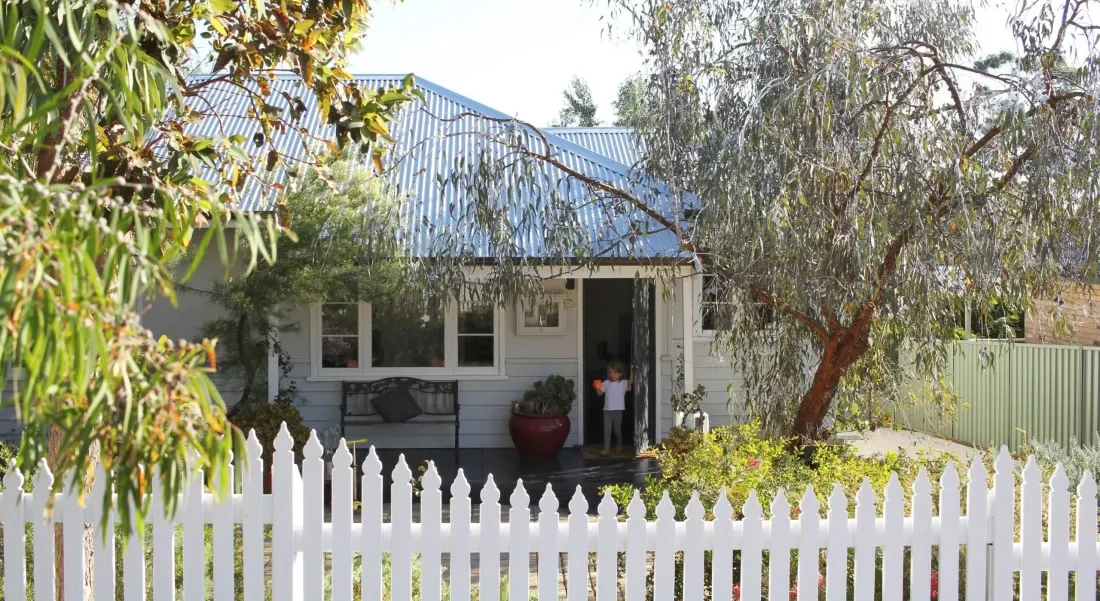
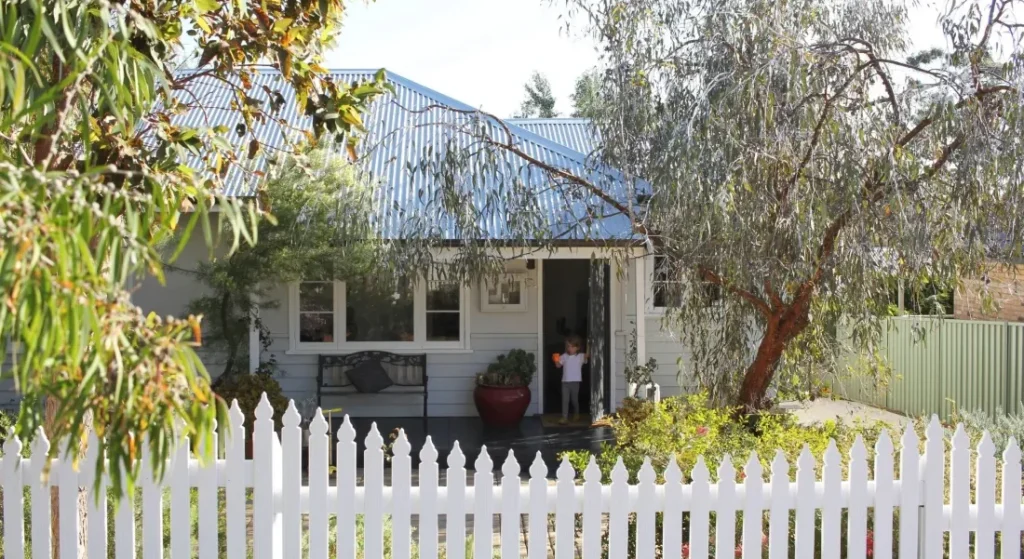
A quaint house with light grey siding, a blue metal roof, and a white picket fence features thoughtful garden design. A child and an adult are standing in the open doorway amidst greenery and trees.

How to Get Your Garden Ready For All Your Summer Events

It may not seem like it with Melbourne’s temperamental weather, but summer is looming closer and closer every day. Which means the time of garden parties, BBQ’s, pool parties, days lazing on a lounge chair and all those wonderful things, are almost here.

Now whether you have a true soil and dirt backyard, or just a balcony, we’re going to show you how to jazz up your space.

Jump straight to the sections we’ll be talking about today:

Quick and Easy Fix Up
A Moderate Amount of Effort
A High and Worthwhile Amount of Effort

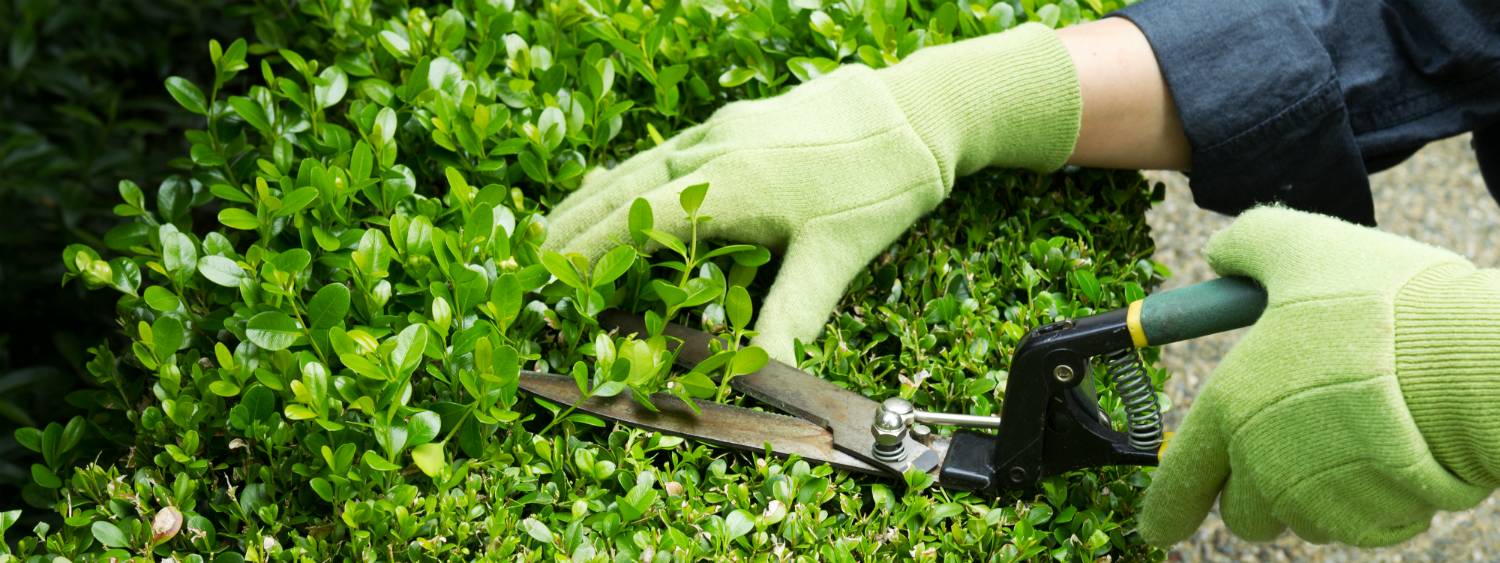
A person in green gloves expertly trims a hedge with pruning shears, showcasing their keen eye for garden design.

Because do you really want to be inviting your friends and family over and have a garden that looks scraggly, uncared for and just plain dull?  Well, we sure hope not.

Getting the garden ready doesn’t have to be a lengthy, complicated process, but we also understand there are some really keen gardeners out there. So what we’re going to do is we’re going to break it up into the three different types of gardeners and their situation.

A green wheelbarrow filled with garden clippings sits on the lawn, embodying thoughtful garden design, with two wooden rakes resting on top.This is the profiles we’ve created:

  • Please let me just do the bare minimum.
  • I’m happy to put some effort in but I am a busy person.
  • I want to spend HOURS in the garden, give me all the tips.

    Which one are you?

Quick and Easy Fix Up

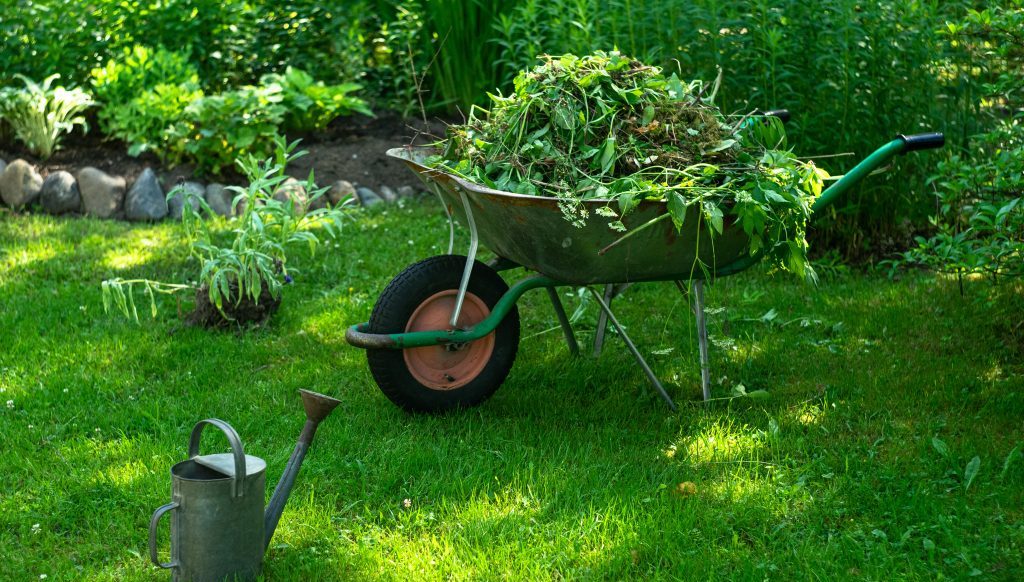
A wheelbarrow filled with garden clippings rests on the grass, complementing the art of garden design, while a metal watering can stands nearby.

Don’t particularly care about the garden but still want something nice? Yeah, we get it. Even though it breaks our little heart, we understand not everyone is as into plants as we are.

We’ll forgive you as long as you do something to have a nice garden.

Chances are you probably haven’t weeded in a while (not to call you out or anything), so that’s going to be your first step. Before you start ripping them out by hand, maybe go check out our article on the best equipment to use. Or do as you please, it’s your life after all.

A garden design masterpiece featuring a hammock, chairs, and a table nestled under a leafy tree surrounded by vibrant pumpkins.

So you’ve (hopefully) removed all the weeds from your garden. Back hurting yet? No?

Okay let’s move onto the next step. Making the garden pretty can also be as simple as just trimming up some overgrown hedges and snipping dead leaves off of plants. So grab your shears and start snip snip snipping.

Okay looking MUCH better. But still a bit dull.

We’re going to give you our top favourite low maintenance plants that are going to make a big impact in the garden.

For groundcovers you choose plants like Blue Convolvulus, Native Violet, White Creeping Thyme or Myoporum ‘Broad Leaf’.

For trees you can plant things like Tuscarora Crepe Myrtle, Silver Birch, Magnolia Little Gem or a Jacaranda Tree.

For hedges you can do English Box, Photinia robusta, Leighton Green Conifer or Prunus Portuguese Laurel.

All of these plants add style and beauty, suiting almost any garden style. Best of all, you barely have to do anything to take care of them.

A wooden deck with wicker furniture, cushions, potted plants, and greenery, surrounded by lush trees and bushes.We do have an entire section on our website dedicated to low maintenance plants, check it out here.

Plus we have a top 10 low maintenance plants article right here.

Also if you have a balcony or courtyard, you’re probably tight on space. Maybe you have a gas cooker out there and some chairs and a table. So what you’re going to want to do is select three big pots in a neutral colour, and then put multiple plants in the one pot. Check out this video for some inspiration.

Free Garden Design with ChrisIf making a decision between all these plants feels like too much effort, why not take literally all of the hassle and thought out of it and book a Free Garden Design with us.

Chris runs the Garden Designs and has years of experience and knowledge backing his every decision. He has designed the small low budget gardens, the difficult hot windswept sites, and the massive landscape jobs.

How it works is when you buy your plants from us, whatever deposit you’ve put down goes towards the plants. So this is by the far the most inexpensive and easiest way to get your garden perfect for all those BBQs.

You don’t even have to travel to our nursery, instead doing a consultation online and opting for our Free Delivery. Sounds pretty sweet hey? Book yours here.

A Moderate Amount of Effort

A garden scene with a wheelbarrow full of green leaves, a shovel and rake leaning against it, surrounded by lush plants and colorful flowers.So you do care about your garden and want to spend some time making it nice. We can work with that. If you skipped straight to this point, we’ll just reiterate the importance of weeding and trimming up your plants.

You want to improve what is already there before you start adding things in. Once you’re done there it’s time to start looking at what plants to pick out and pop in.

There are several ways you can do this.

Choosing a big feature and some support acts to accompany it.

Having just one great plant or tree can make a big difference (hint: this is a great budget friendly method as well). So you splurge a bit on the feature plant, and then pick cheaper and smaller plants to put in the rest of the garden.

Some ideas of a great feature are things like a Zuni Crepe Myrtle, Falling Snow Weeping Cherry, Viburnum Snowball Bush, Magnolia Soulangeana, Acer Osakazuki Japanese Maple plus a tonne of other options which you can find the full range here.

What about the support act, the ensemble plants? Well you’re looking at things like Alocasia Elephant Ears, Casuarina Cousin It, Loropetalum Plum Gorgeous, Helichrysum Licorice, Lomandra Tanika and Myoporum Yareena.

Adding some easy colour in through flowering or foliage plants.

Even just a little bit of colour can go a long way, and there is a surplus of colourful plants that are also very easy to maintain. We’re going to rattle off a few of our favourite flowering ones. These are plants like Petunias, Calibrachoas, Impatiens, Mandevilla, Hydrangeas and plenty of others.

Okay now for the ones with colourful foliage (hint: this means you have colour all year). These are plants like Loropetalum, Coprosma, Iresine Bloodleaf, Berberis Rose Glow, Ajuga Burgundy Glow and many others.

If you want more tips about adding colour in the summer, go check out our articles that cover this in more depth:

How to Fill your Summer Garden with Colour
10 Tips for a More Colourful Garden

Choosing plants that have a multi-impact in the garden.

A really nifty tricky for creating a beautiful garden is choosing plants that have several things going for them. What we mean by that is they may have beautiful spring blossoms and interesting autumn foliage, or they have colourful foliage all year and flowers in the summer. Or perhaps lush foliage and interesting bark.

Some plants can be kind of like a one trick pony – they have exceptional spring blossoms and then look drab the rest of the time.

Here are the plants that aren’t like that:
Purple Smoke Bush, Crepe Myrtle, Blueberry Bush, Senkaki Japanese Maple and Weigela Variegated.

A really good tip if you’re busy but do want to put some effort in the garden is to book a Garden Design with us, we believe in a collaborative style where we tailor the design to exactly what you love.

How it works is you bring photos and measurements of your garden, as well as mood boards and garden inspirations, and we bring the expertise to make it happen. Book yours here.

A High and Worthwhile Amount of Effort

A garden scene with various plants and trees, featuring a wooden deck with seating and a fire pit surrounded by greenery, offers a serene escape. This tranquil setting is ideal for relaxing with friends while discussing tips on how to water indoor plants.You’re our favourite person. Okay we do care about everyone, because we are all about making gardening accessible to every level of effort.

So let’s really get down into the nitty gritty of creating a spectacular garden. We probably don’t need to tell you this but an important first step is still to do some weeding and trimming.

In fact, we think it’s worth it scanning over the other tips in this article as they form a good foundation you can use to leap into the next level of gardening.

Choose your pots to maximise style.

The first way to elevate your garden is the selection of pots. With so many different types of pots available, every choice can have a significant impact. This is particularly true for those with a balcony or courtyard garden.

Chris advises “big pots little gardens” – you can check out the video here and you can see this theory in action. Essentially, instead of over cluttering your space with a tonne of different pots and one plant in each, choose just a few pots and put multiple plants in each.

Also consider how you combine different pots together, mix shapes and sizes and colours for a dynamic and interesting look. For example you could put a round squat pot next to a tall skinny pot and then in the middle type of pot to balance it out.

Explore our full range of pots here:

EARTHENWARE PLANT POTS


Check out all of our EARTHENWARE POTS RANGE here.

GLAZED PLANT POTS


Check out all of our GLAZED POTS RANGE here.

LIGHTWEIGHT PLANT POTS


Check out all of our LIGHTWEIGHT POTS RANGE here.

TERRACOTTA PLANT POTS


Check out all of our TERRACOTTA POTS RANGE here.

More plants, less varieties.

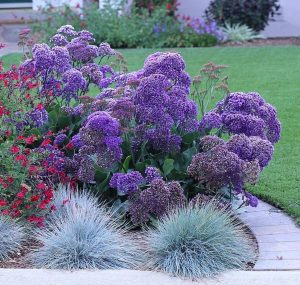
A garden with purple and red flowers, green foliage, and ornamental grass, bordered by a curved concrete path next to a lawn.Rather than randomly picking an arrangement of 30 different varieties and stuffing them all into one space, take a step back and consider mass planting the same few types for a more cohesive look.

Even if the garden isn’t small, it’s easy for it to look cluttered when there are too many varieties put together. We suggest doing repetitive planting of something that has a bright splash of colour as it helps tie the garden together.

For example something like Sea Lavender is a really great pop of blue/purple that looks amazing scattered here and there in the garden.

Not every plant can be a feature.

It can be so hard trying to figure out what THE feature plant should be in your garden, and it’s tempting to simply choose them all. But the problem with that is you have multiple incredible plants all competing for attention.

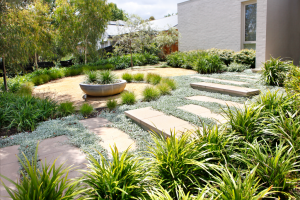
Modern garden with stepping stones, a round planter, and greenery surrounding a gravel path next to a white building.It’s very important that you also choose what we like to call ‘the support act plants’, the type of plants that are still beautiful, but much more subdued. Earlier we mentioned a couple great options so be sure to check those out.

We’ll mention a few more here though such as Seaside Daisy, Blue or White Convolvulus sabatius, Silver Dichondra and Catmint.

Okay we have mentioned this before, but we really believe our Garden Design is an incredible service that everyone could benefit from. Whether it’s the small low budget low maintenance gardens, or the grand big designs, it’s never a waste of time to seek help from the experts.

So elevate your garden even further and book here.

Are You Summer Ready?

A group of people enjoy a meal on a covered porch overlooking a scenic landscape. The table is set with food and drinks.We hope this article has helped you prepare for all those fun social things we mentioned before. The garden is so much more than just a bunch of plant stuffed together. It’s a place to relax and enjoy the sun, a place to hangout with your friends, a place to play with your kids and pets. To have a beautiful garden is to have a beautiful place to do all of those things and more.

If you want to level up your gardening, be sure to follow us on our socials. We post educational and inspirational content every day.

Feeling inspired to create your own garden, but want some expert advice? Try our one-on-one garden design service with Chris. Together you’ll come up with a selection of plants along with a layout plan that gives you the look you want, as well as being suitable for your local soil and conditions.
get your own tailored modern garden design:


FIND OUT HOW

Articles you may also like

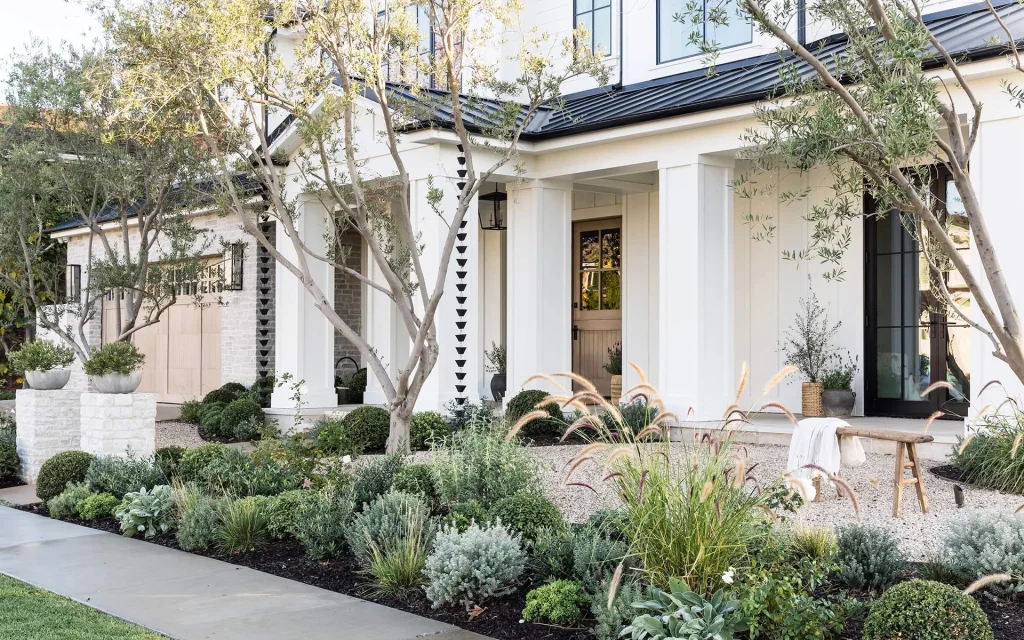
Front view of a house with a manicured Hamptons garden featuring shrubs, grasses, and decorative pots. The house boasts a white exterior, large windows, and a covered porch with elegant columns.

How to Design a Hamptons Style Garden Unique to Your Tastes

Is there anything better than having a garden that makes you feel like you’re always on holiday? Now we can’t bring the ocean and time off work of the Hamptons to you, but we can help you create a garden that is luxurious, classy and beautiful.

Small white wildflowers surrounded by green foliage and large rocks.

Two people standing in a lush garden, holding hydrangeas, in front of a shingled house with a white door. The garden path is lined with various flowering plants.

Field of purple wildflowers with tall, thin stems and clustered blooms, set against a blurred green and brown background.

A charming house with a porch and two chairs, surrounded by a blooming tree and manicured garden.

Pink flowers with yellow centers surrounded by green leaves and other purple and white blooms.

A dense bush with light green leaves and pink tips, set against a background of grass and trees.

A cluster of vibrant purple flowers with green leaves overflowing from a white planter.

The Hamptons style has been popular for a long time, and we find that almost every second garden design is asking how to do a Hamptons style garden, but with a little twist. Maybe it’s a Japanese element, or a Cottage leaning angle.

First, we’re going to define what the Hamptons style is. Then we’re going to chat about how you can make the style uniquely yours so that you stand out from the other Hamptons Style Gardens.

Here’s what we will be covering in this article:

THE ESSENTIALS
THE BEST PLANTS TO USE:
– Flowering Plants
– Trees
– Hedges
HOW TO ADD A TWIST:
– Hamptons with a Cottage Twist
– Hamptons with Australian Native Plants
– Hamptons with a Japanese Style
TIME TO MAKE YOUR HAMPTONS GARDEN

The Essentials of the Hamptons Style

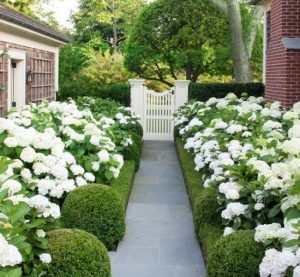
The pathway, reminiscent of a Hamptons garden, is lined with white hydrangeas and manicured bushes, leading to a charming white picket gate. A stately brick building and lush trees provide an elegant backdrop.Let’s start with breaking down the essential elements. It’s important that you have a set parameter to work within, or you’ll risk having a hodge podge of random things thrown together.

Chris actually likes to define Hamptons as a “Cottage Garden but with a specific colour palette.” Whereas a Cottage Garden gives you the freedom to mix and match as many different colour plants as you choose, you want to stick to certain shades when it comes to a Hamptons style.

A Hamptons garden scene features blooming flowers in white and purple, bordered by wooden structures, with trees and lush greenery in the background.The colours at your disposal are white, pink, mauve, blue or purple. And of course green for the foliage of the plants, or even green-silver.

What you don’t want is any plant that has shades of yellow, red, or orange, whether that be in the foliage or from the flowers.

You’ll probably have already noticed but we’ll just point it out that essentially the colour palette is quite cool tones.

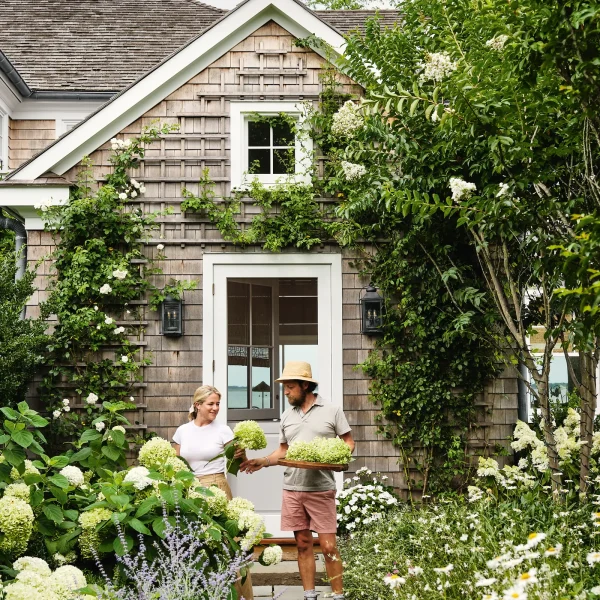
Two people standing in a lush garden, holding hydrangeas, in front of a shingled house with a white door. The garden path is lined with various flowering plants.

That doesn’t mean a warm-ish colour like magenta can’t ever find it’s way into a Hamptons garden, but you just want to make sure to use it sparingly and always strive for more cooler shades.

Now the secret to a Hamptons Style is finding the perfect balance between formality and looseness.
Lean too much towards formality and you lose the relaxed laid back quintessential vibe of the Hamptons. Err too much towards looseness and you abandon the sophistication and classiness.

To strike this perfect balance you want to bring the structure and symmetry by using hedges, topiaries and standard plants.

Then you add the soft romantic touches with your other plants like flowers, border plants, trees, shrubs, ground covers and climbers. You want to make it flowy and wild (but not too wild).
In every Hamptons Style Garden there is an interplay between structure and softness.

The Best Plants for the Hamptons Style

So you’ve got the basic elements down, what are the plants that are best suited? We’ll start with flowering plants.

Flowering Plants:
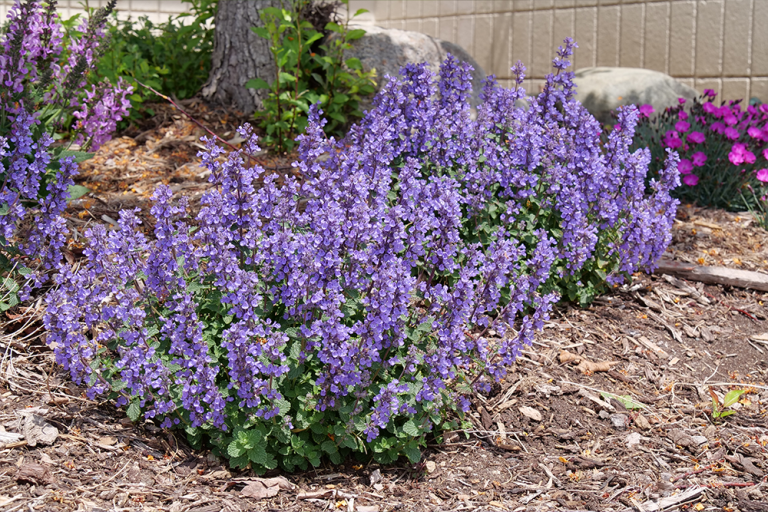
Nepeta ‘Catmint’


Purple flowering plants flourish in a garden bed with mulch, creating a vibrant lawn alternative. They're surrounded by lush green foliage and small rocks, offering both beauty and sustainability. Catmint

With the most gorgeous delicate purple flowers, Catmint is a no brainer when it comes to picking flowers. The foliage is also a perfect grey-green. Catmint is actually a herb, with a nice fresh scent.
Those gorgeous flowers will come about in summer and autumn, with the nice foliage filling your garden the rest of the time.

You could use Catmint for edging or large spaces you want to fill with a mass planting. They are so easy to grow so you don’t have to worry about spending a lot of time taking care of it.

If you are in a hot and dry area, you definitely want to be going with Catmint as they are excellent for those conditions.

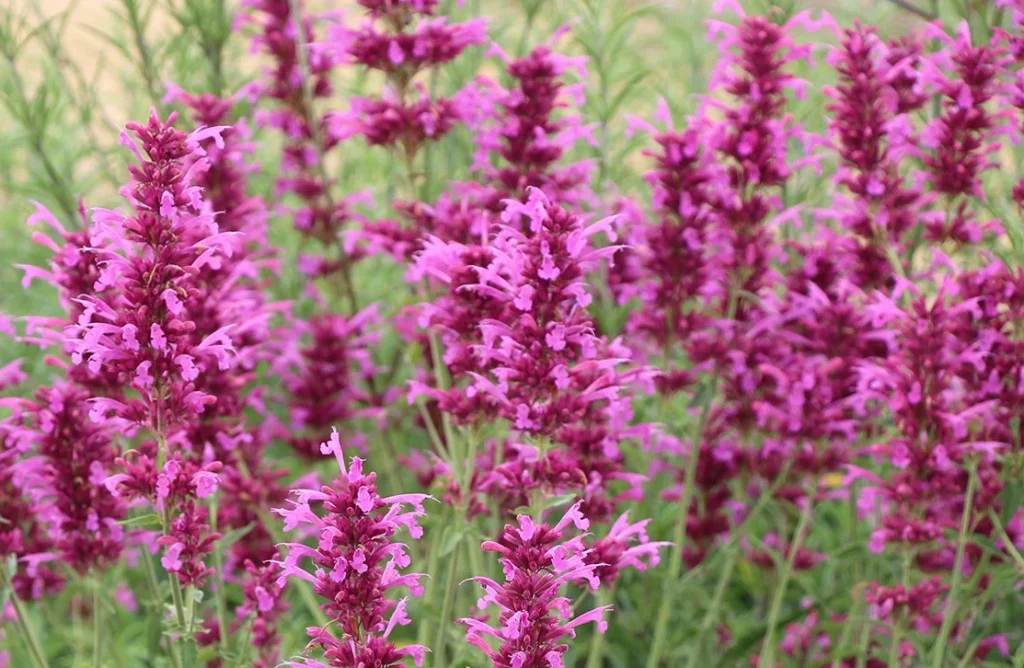
Agastache ‘Sweet Lili’


Purple blooming flowers on green stems create a vibrant lawn alternative in the garden setting. agastache sweet lili

With larger bottlebrush flowers and a more pink-purple colour, Sweet Lili is another great option. They flower from end of December through to autumn, giving you colour for a long time.
They are fantastic for the hot summer conditions and are a resilient perennial that are drought tolerant once established.

Make sure to plant in full sun with well drained soil. If you want to prolong the flowering, deadhead regularly.

You can even eat the foliage! It is anise-scented and can be used in salads and teas, or you can just use it in the kitchen as a pretty flower arrangement.

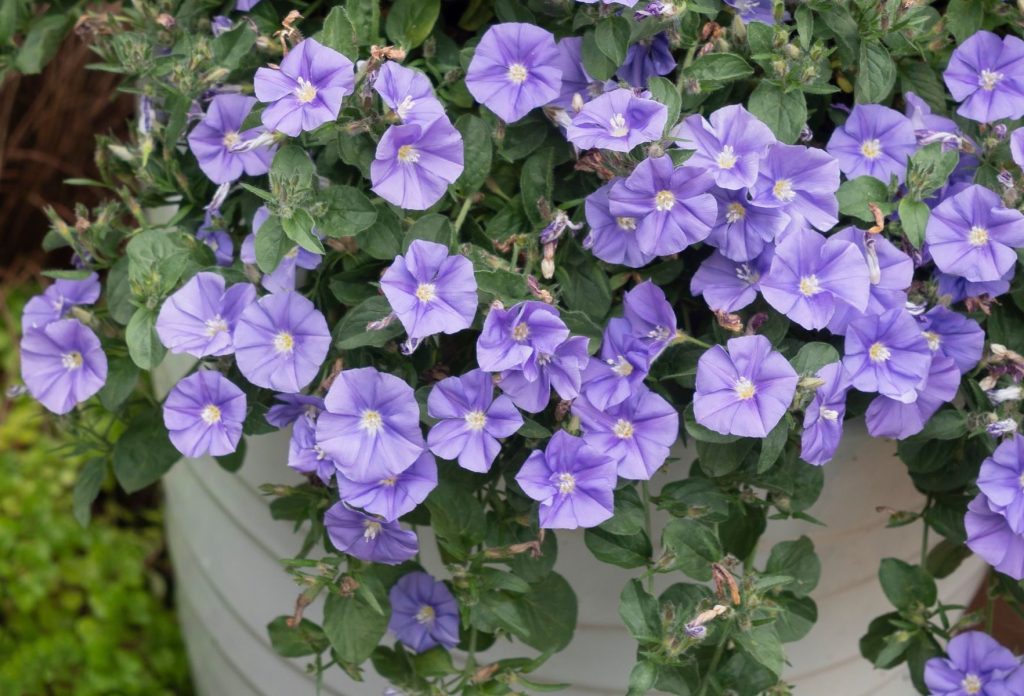
Convolvulus ‘Blue’


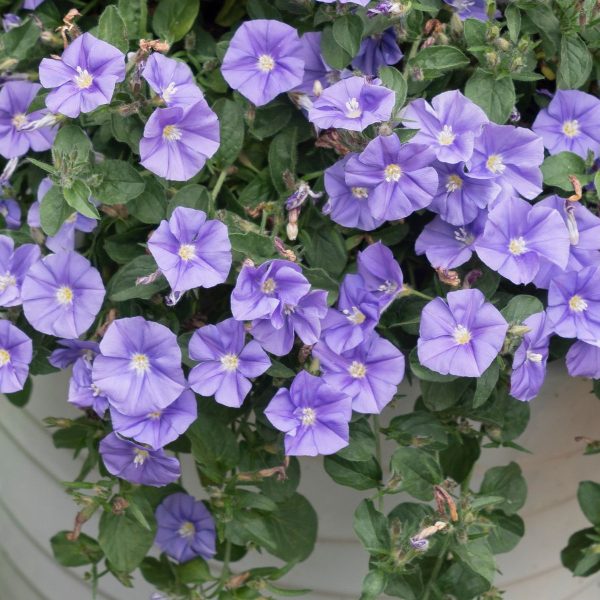
Purple morning glory flowers bloom in a white planter with lush green leaves, offering a vibrant lawn alternative. Convolvulus Blue

Convolvulus ‘Blue’ is an excellent ground cover that is not only low maintenance, but also very long flowering. You can put this in a large space that needs covering or plant it by an embankment and let it spill over and down.

The flowers are a vivid purple-blue that absolutely cover the entire plant. But even when the flowers are gone, the foliage by itself looks wonderful.

You can also use it to fill spaces between shrubs and larger perennials or even by the poolside.

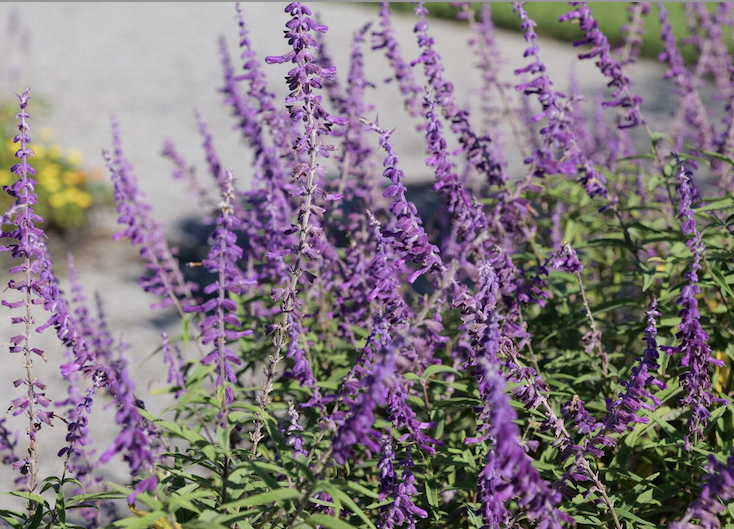
Salvia ‘Mexican Bush Sage’


Close-up of tall purple flowering plants with slender green leaves, offering an elegant lawn alternative in a garden setting.

Now here’s a plant that’s really going to add that looseness your Hamptons Garden needs. This is an evergreen shrub that flowers for a long period, from winter until end of spring.

You can choose between purple or white flowers (both fit the Hamptons colour brief!)

Mexican Bush Sage is great as a flowering hedge or a medium sized border plant. They are very easy to grow and can handle moderately dry conditions.

Make sure to plant it in a sunny spot, as it will only handle small periods of shade throughout the day.

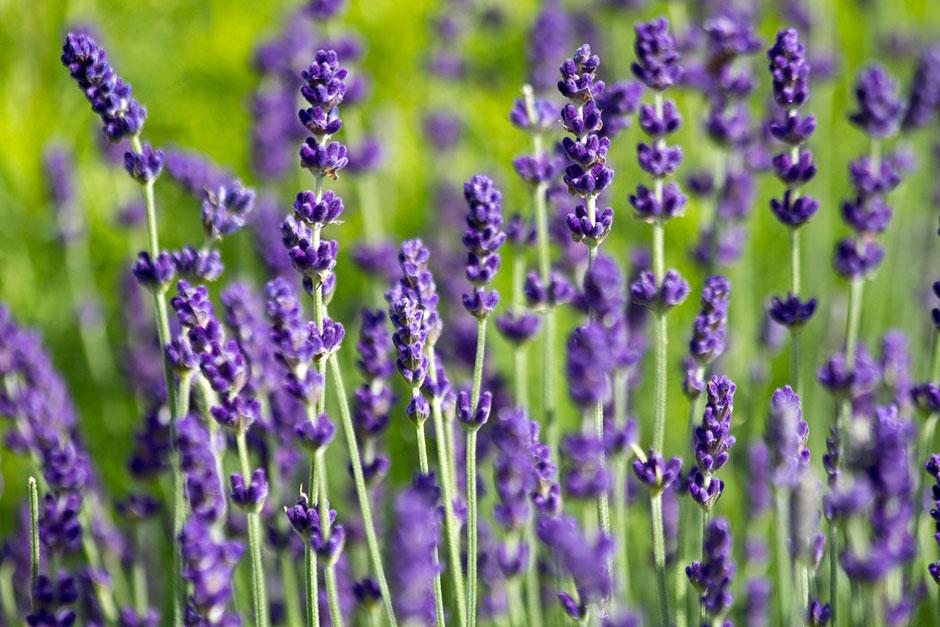
Lavandula ‘Hidcote’ Dwarf Lavender


A close-up of blooming lavender plants showcases their vibrant purple flowers and lush green stems, offering a picturesque lawn alternative.

This is a dwarf bush with striking silver-green foliage and purple-blue flowers throughout spring and summer. Of course, it also smells incredible.

Hidcote is a hardy plant that does well in hot dry conditions, and to get the best flowering make sure to plant in full sun with free-draining soil. It doesn’t grow as tall as some of the other varieties.

This is great to plant as a hedge or in a pot and its perfect for creating a romantic vibe in the garden.

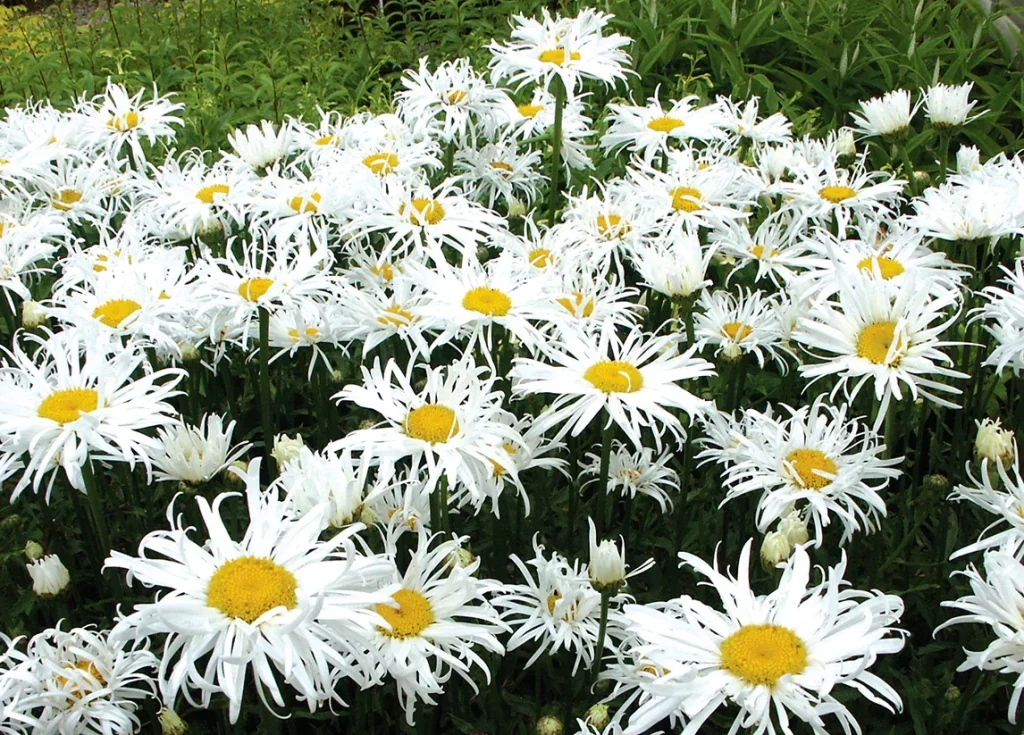
Leucanthemum ‘Shasta Daisy’ Shaggy


A cluster of white daisies with yellow centers flourishes as a vibrant lawn alternative in a garden setting, surrounded by lush green foliage. Leucanthemum Shasta Daisy Shaggy.

Those shaggy flowers really bring the wild looseness to your Hamptons Style Garden, but if you want flowers that are just a bit more formal looking you can always go for the regular Shasta Daisy.

It’s quite an unusual daisy with its ruffled petals, but we love how it’s something a bit different from normal daisies.

They have white flowers with yellow centres (don’t worry this yellow is fine in such a small dose) and green compact foliage.

Shasta Daisy can handle almost any soil and should be planted in a full sun position. Once established they are frost hardy.

This would be a perfect border plant amongst some of your other purple and blue flowers.

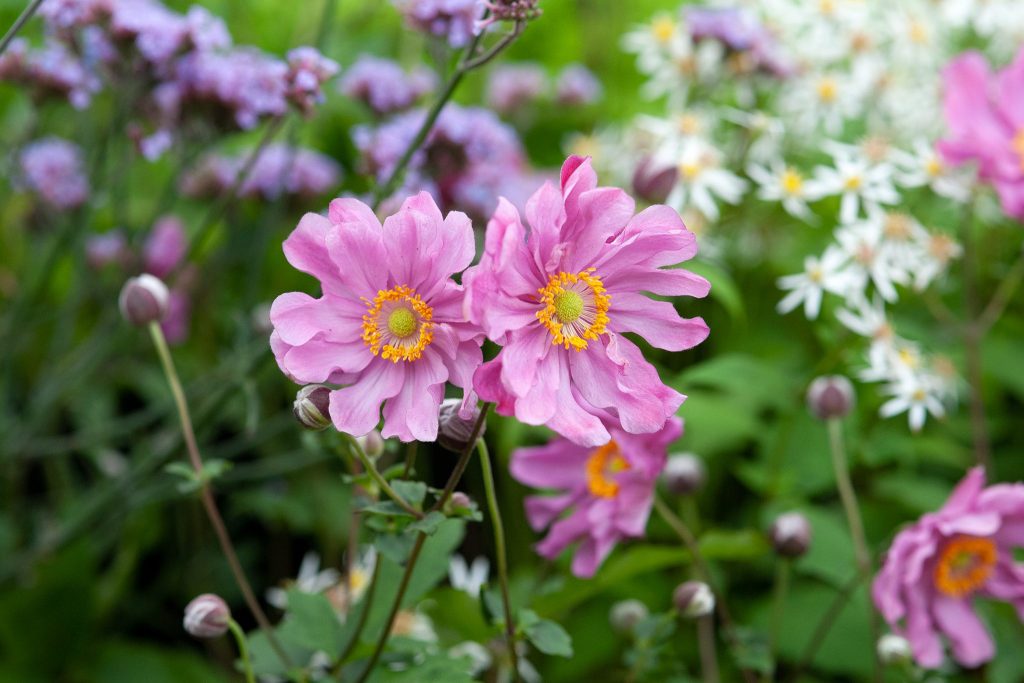
Japanese Anemone


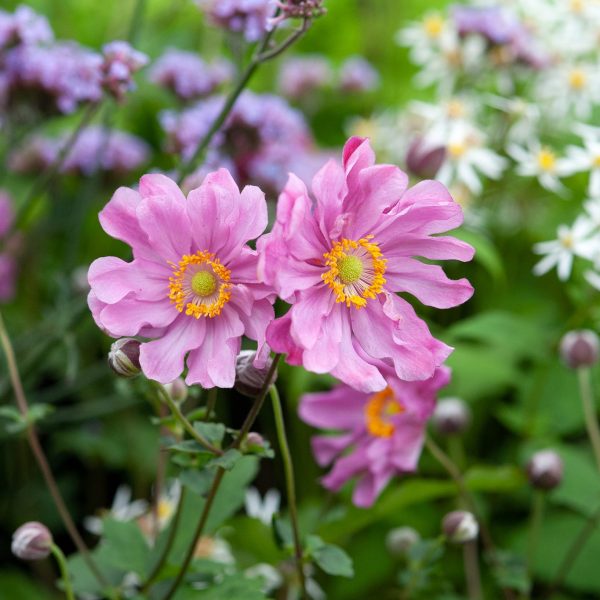
Two pink flowers with yellow centers bloom among lush greenery, surrounded by an array of purple and white blossoms, offering a vibrant lawn alternative. Japanese anemones

The Japanese Anemone is a flowering perennial with elegant pink flowers that rise up quite tall from the foliage. They are resistant to most insects and diseases.

Now you don’t have to plant these in full sun, and they actually prefer partial shade.
They are great for a border or planted anywhere you want a pop of colour.

Arenaria ‘Mountain Sandwort’


White flowers with small petals flourish among rocks and lush green foliage, offering a charming lawn alternative. arenaria mountain sandwort

Here is a low growing evergreen perennial that flowers from late spring through to early winter, so you can enjoy flowers even in the colder times.

They are great for rockers and filling gaps in the garden and form compact small mounds.


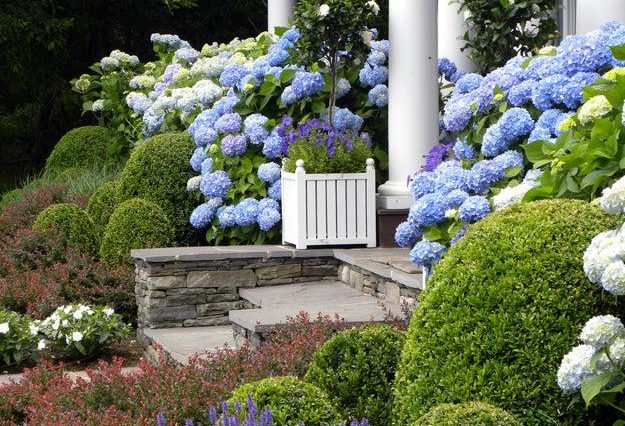
Hydrangeas


Experience a Hamptons garden, where stone steps lead you through manicured shrubs and blooming hydrangeas, all nestled alongside elegant white columns. Hydrangeas

We couldn’t write an article about the Hamptons style without talking about Hydrangeas – they are practically THE Hamptons flower.

If you have a sunny spot you want to plant a Hydrangea paniculata, if it’s a shady spot you want to use a Hydrangea macrophylla. We aren’t going to go too much into Hydrangeas here because we already have a very in depth article all about Hydrangeas which you can read here.

So there’s a huge selection of flowering plants, let’s move onto trees now.

Trees:
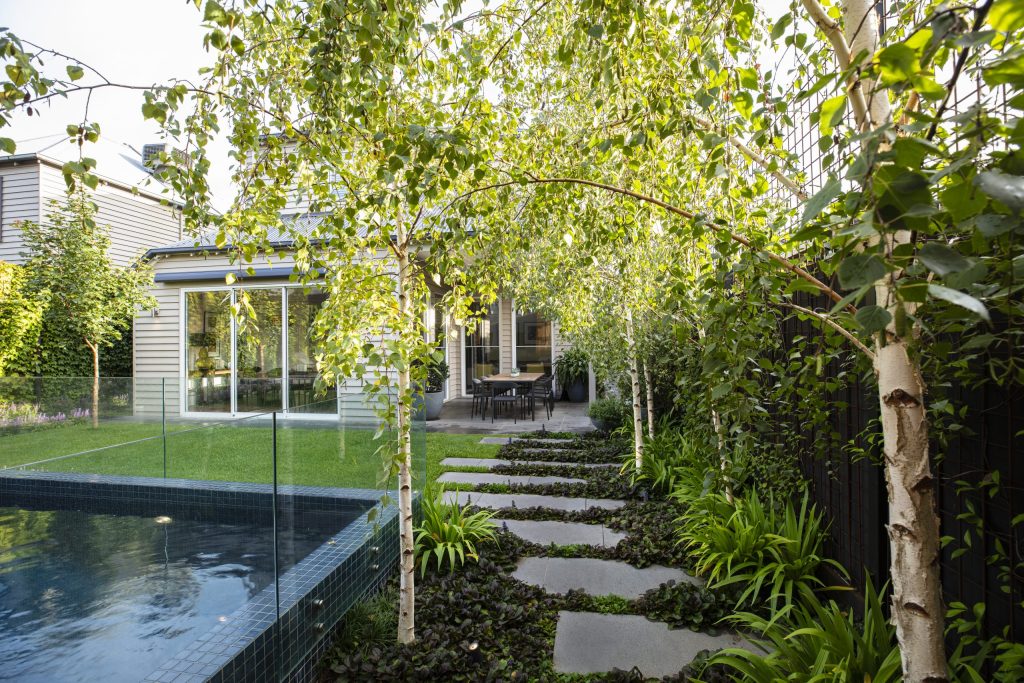
Betula ‘Moss White’ Silver Birch


A Hamptons garden features a backyard with a small pool, stone pathway, and lush greenery. A modern house stands in the background, complete with large windows that invite natural light to dance across the serene landscape.

Silver Birch will always be a classic and we particularly love Moss White for its striking white bark and foliage that turns a vivid yellow in autumn.

This is a deciduous tree that looks incredible even in winter, because you get a full view of that distinctive bark.

Moss White Birches are best in a position of full sunlight to partial shade and look fantastic when planted in groups.

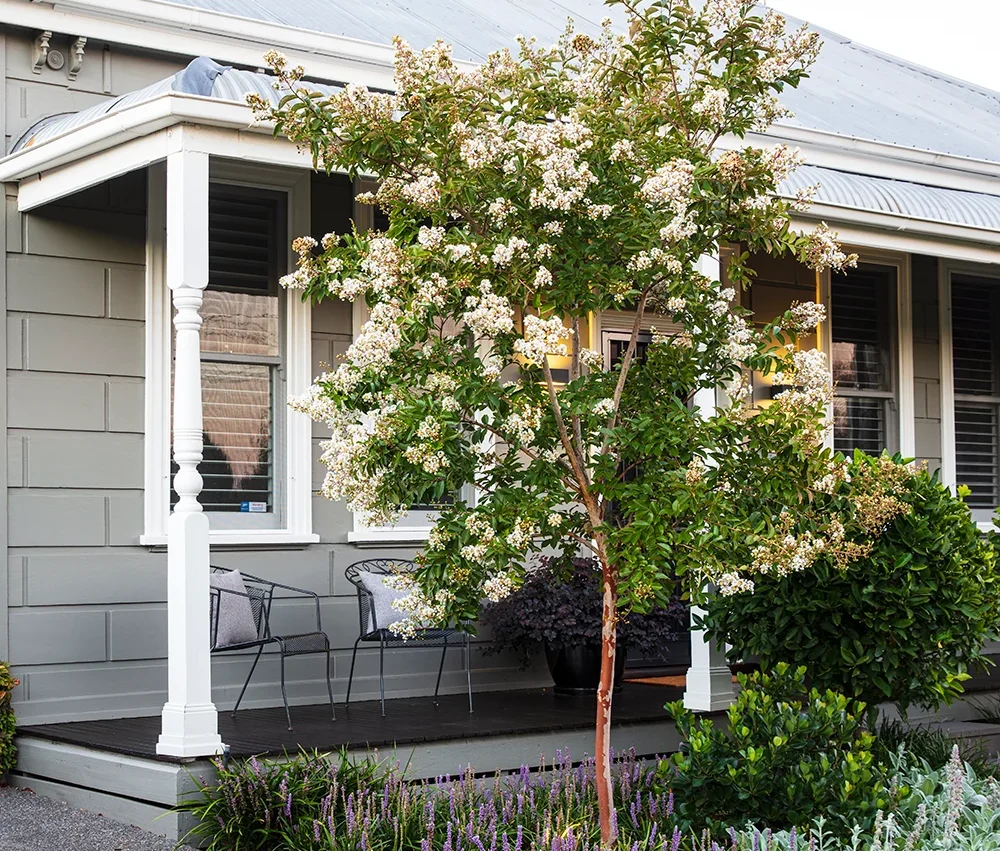
Lagerstroemia ‘Natchez’ Crepe Myrtle


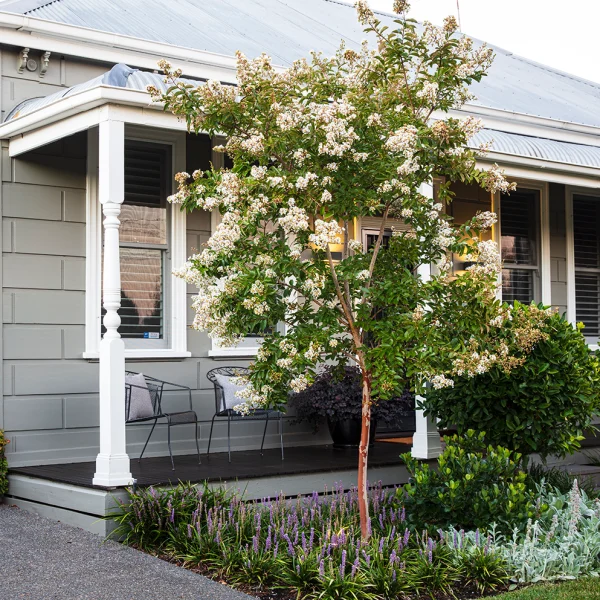
A small tree with white blossoms graces a Hamptons garden in front of a gray house, complete with a porch and two inviting chairs.

Crepe Myrtles are the trees you buy when you want something that will look incredible all year and give you something special in each season.

Summer brings a riot of white flowers, then comes dark green leaves. In autumn you see the foliage turn a bronzy red shade. Then winter the tree will be bare, with distinctive bark on full display. Spring then circles back to flowers.

Truly a beautiful tree, you can’t go wrong in picking this as your feature and for your Hamptons garden we recommend the ‘Natchez’ Crepe Myrtle as a good option.

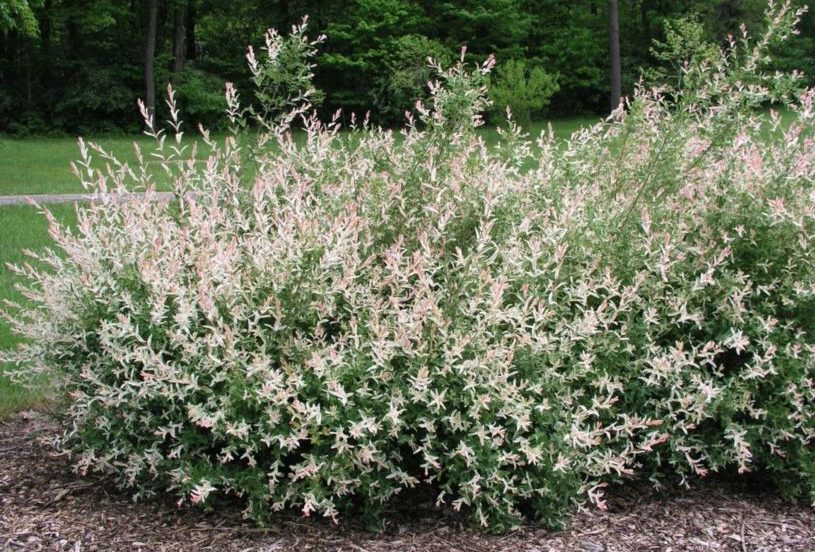
Salix ‘Hakuro Nishiki’ Variegated Willow


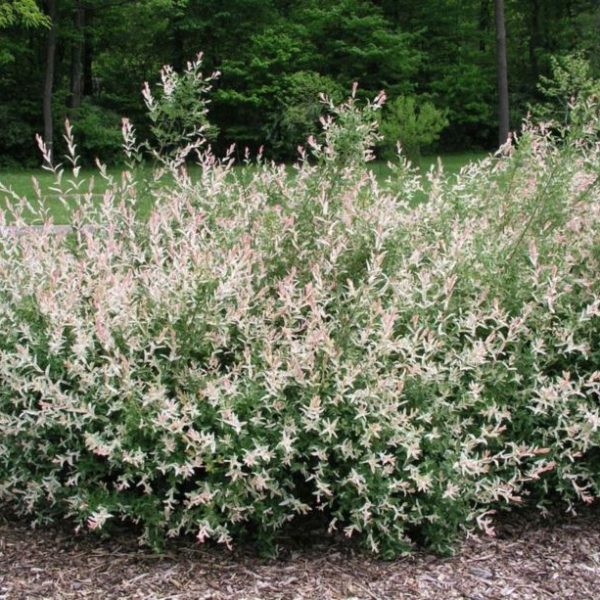
A variegated willow shrub with green and pink-tipped leaves thrives in a Hamptons garden, nestled in mulch and set against a backdrop of lush trees and grass.

You will mostly see this tree as a standard, but it looks incredible in its natural form as well. The green-white variegated leaves, pink buds in spring and catkin in autumn make for a very striking tree.

It originates from the Asian flower garden culture and elevates any garden it is added to. Hakuro Nishiki is quite low maintenance, so you don’t have to fuss over it much.

However if you want the best results plant in a sheltered full sun to part shade position. The exotic foliage is quite a wonder to look at, with even hints of pink in the leaves.

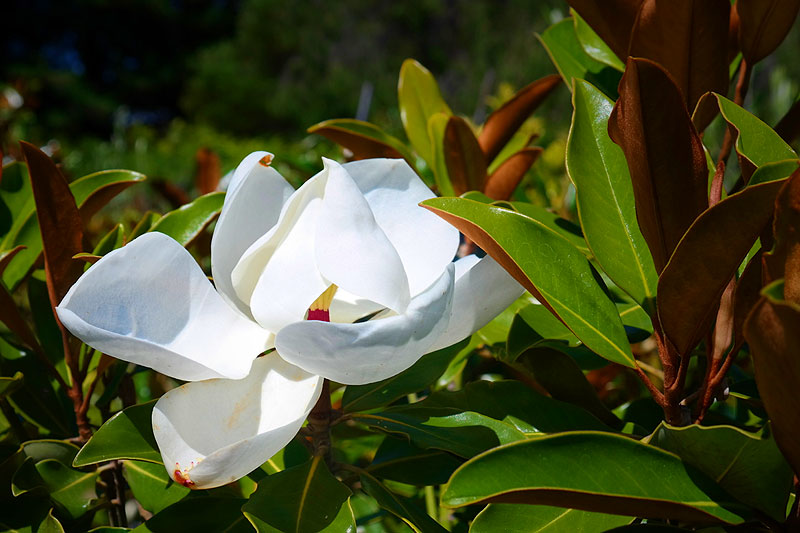
Magnolia ‘Little Gem’


In a serene Hamptons garden, a white magnolia flower blooms amidst the lush green leaves.

This is a classic beauty with two-toned leaves, one side is a glossy green, and the other one a velvety brown. On top of this in summer and autumn you get gorgeous creamy white flowers.

Little Gem is great for screening or as a feature tree, and once established is very hardy.

To add structure you’ll want to add some balls and topiaries which are best done with English Box.

Buxus ‘English Box’

This is Melbourne’s most popular topiary plant, and for good reason.

First of all, it is gorgeous and lush, remaining nice and green through situations that would turn other plants brown or scraggly.

Next it is low maintenance, only requiring pruning once or twice a year.

Lastly, you have practically no limits when it comes to what you can do with English Box, from the classic ball and cone, to more fancy options like spirals and standards.

To continue with creating that formality these are the plants you can use for hedges.

Hedges:
Buxus ‘English Box’


A hedge of Buxus 'Blauer Heinz' Box Hedge 6" Pot plants in a yard.

As we said before, English Box is such a popular and incredible plant. You can grow it up to 3 metres or trim it and keep it down to 1 metre

Viburnum odoratissimum ‘Sweet’


In a serene Hamptons garden, a white magnolia flower blooms amidst the lush green leaves.

This is a gorgeous flowering hedge that is great as a screening plant. The fragrant small white flowers in spring nestle nicely alongside large oval shaped leaves.

Then in autumn you get beautiful red berries, adding even more interest to the hedge.

Sweet Viburnum is fast growing, reaching a maximum height of approximately four metres.

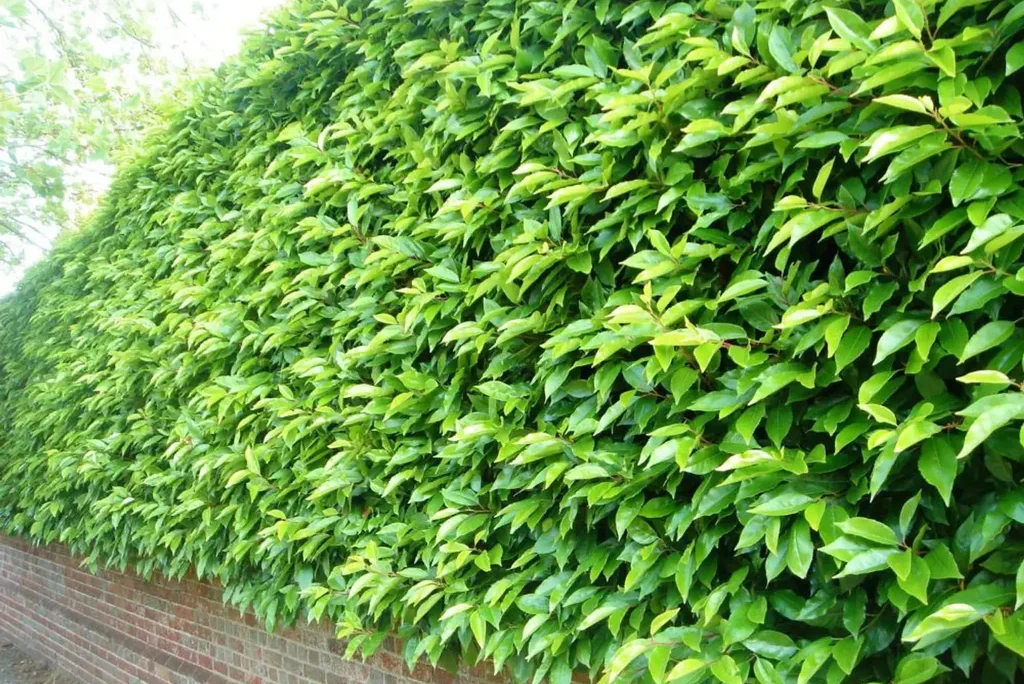
Prunus ‘Portuguese Laurel’


Tall, dense hedge with bright green leaves atop a red brick wall, reminiscent of a classic Hamptons garden, stretching horizontally across the image.

When you really want to add the classiness to your Hamptons Garden, this is the plant you go for. With deep green foliage and elegant white flowers in the warmer months, Portuguese Laurel is a great choice.

It’s perfect for pleached hedging and large standard topiaries. Portuguese Laurel will tolerate most soil conditions and loves full sun to part shade.

How to Add a Twist to Your Hamptons Style Garden

A Hamptons garden scene features blooming flowers in white and purple, bordered by wooden structures, with trees and lush greenery in the background.So let’s say you’re one of our Garden Design clients that wants to add a unique spin to the Hamptons Style Garden. Here are some of the things we’ve heard our customers say they want:

  • I want Hamptons but with a Cottage twist.
  • I want Hamptons with all Native plants.
  • I want Hamptons but in a Japanese style.

Let’s tackle each option and go through how we would approach each one.

Hamptons with a Cottage Twist

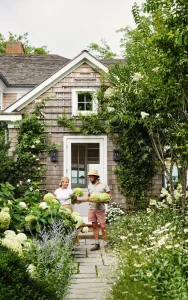
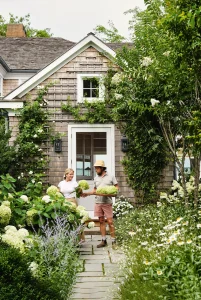
Two people stand on a garden path in front of a charming Hamptons house, holding hydrangeas. The home features classic shingles and a white door, surrounded by lush greenery and vibrant flowers, capturing the essence of a serene Hamptons garden.Now because Hamptons is essentially a “Cottage Garden but with a specific colour palette” you have so much freedom of choice here. We’ll mention a few of our favourite Cottage Plants but you definitely aren’t restricted to just them.

Some of the Cottage plants that fit the Hamptons colour palette are:

Explore our entire Cottage range here.

Hamptons with Australian Native Plants

A modern house with a porch overlooks its Hamptons-inspired garden, where neatly landscaped shrubs, ornamental grasses, and potted plants create a serene front yard.

Topiarised Natives are a great starting point for a Hamptons style using Australian Native plants. Westringia and Correa alba are to great options for topiaries, or you can also make hedges out of them.

There is also quite a few Natives that will give you that wild loose look. This is plants like Prostanthera ‘Round Leaf’ Mint Bush which has an incredible show of purple flowers with a strong mint smell. You can keep it natural or shape it into a low hedge or neat round shrub (just make sure you still have those ‘loose’ looking plants).

Native Grasses are another great plant, particularly Lomandra ‘White Sands’ with its fascinating variegated foliage. White Sands is fast-growing and great for mass planting and rockeries.

Explore our entire Native range here.

Hamptons Combined with a Japanese Style

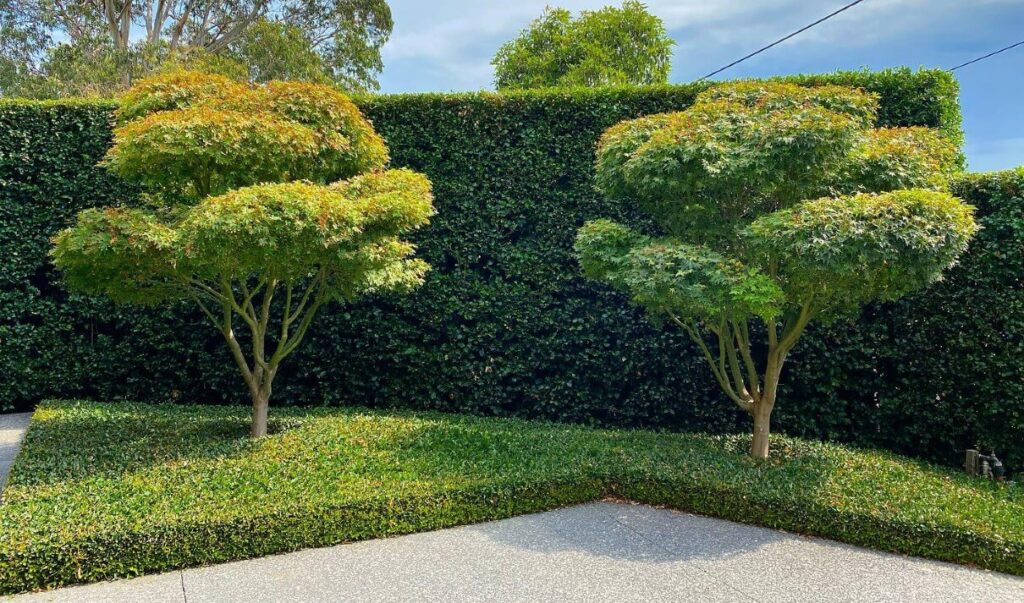
Two neatly trimmed trees with round canopies stand next to a high, well-maintained hedge, reminiscent of a classic Hamptons garden. Concrete pavement stretches in the foreground, completing this serene landscape.

Take the quintessential plant of the Japanese style – a Japanese Maple, and cloud prune it to make it Hamptons style. It looks absolutely incredible and gives you a feature tree unlike anyone else’s.

Then it’s just a matter of choosing plants that fit the Japanese style and criteria of the Hamptons style such as Ophiopogon ‘Dwarf’ Mondo Grass, Gardenia ‘Florida’, Jacaranda Tree, Prunus ‘Falling Snow’ Weeping Cherry and Wisteria sinensis ‘Purple Chinese Wisteria’.

Explore our entire Japanese range here.

Now it’s Time to Make Your Hamptons Garden

A backyard Hamptons garden with lush green plants and white flowers borders a swimming pool, surrounded by trees that create a serene atmosphere.Whether you go for the classic Hamptons Style, or incorporate some new twist to it, we hope this guide has helped you get started.

Remember, a few solid shapes combined with loose and wild plants that stick to that specific colour palette and you got a Hamptons style.

If you’re still feeling a bit suck and want some personalised advice, book one of our Free Garden Designs here.

Feeling inspired to create your own garden, but want some expert advice? Try our one-on-one garden design service with Chris. Together you’ll come up with a selection of plants along with a layout plan that gives you the look you want, as well as being suitable for your local soil and conditions.

get your own tailored modern garden design:


FIND OUT HOW

Articles you may also like

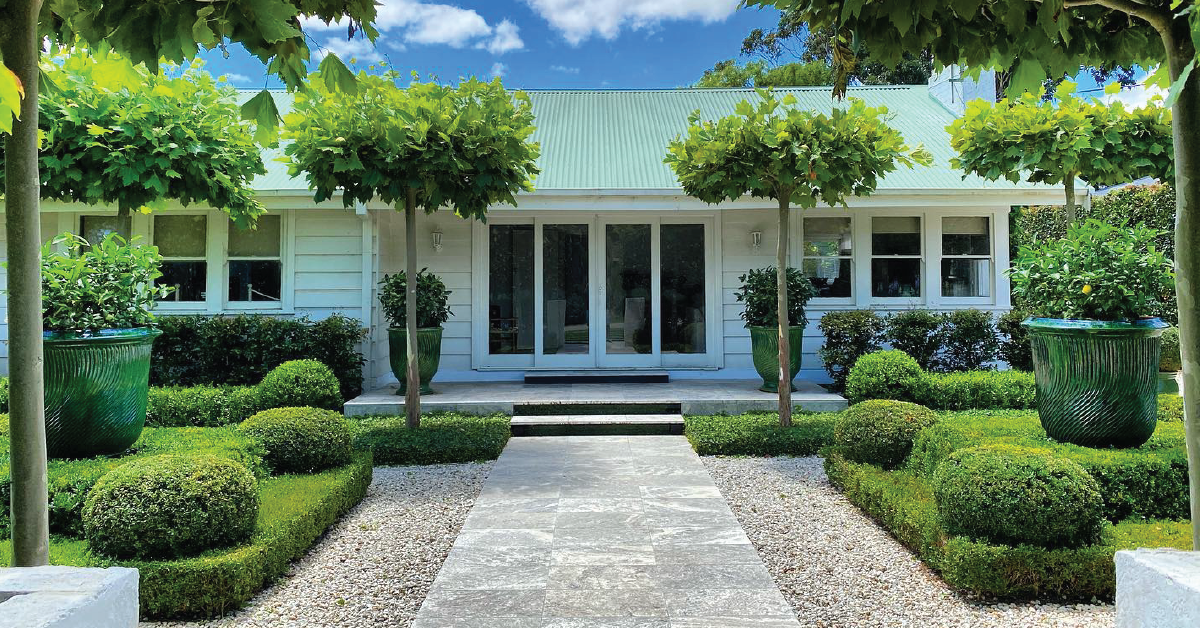
A single-story white house with a green roof and symmetrical landscaping featuring trimmed hedges, topiary, potted plants, and a stone path leading to the entrance showcases expert garden design.

The 7 Most Common Garden Design Problems and Their Solutions

We are writing this article to help people identify and easily fix some of the issues they may be having when coming up with a garden design. On average we do about thirty garden designs a week.

The 7 most common problems we see everyday  in our garden design consultations:

1. Going on the market soon
2. A combination of hot sun and deep shade
3. A need for privacy
4. Needing extra low maintenance plants
5. Having a small garden
6. Having a tight budget
7. Creating a modern style garden for current times

Going on the Market Soon

A "For Sale" sign in front of a suburban house with surrounding garden and neighboring houses in the background.A lot of people come to us wanting help for their garden as they are going to put their property on the market. These are the smart people that know a garden can greatly affect the value of a property.
The standard situation with this is people are on a very tight timeline, where the photographer is coming around the next week.

So the first question that we always ask, and that you should ask yourself now is – when? When will you be putting it on the market?

This is really important because depending on the season, different plants are going to look their best at different times. If someone was selling their property in June – we would not plant deciduous tree. We would be recommending an evergreen. But if it was September, then that Weeping Cherry could be a huge selling point.

Or we might have plants that are in flower right now looking absolutely stunning, but you won’t be going on the market for another six weeks. By that time it’s likely the flowering would’ve finished, and you’ve just spent all this money on something that is bare when it comes to auction day. Not ideal.

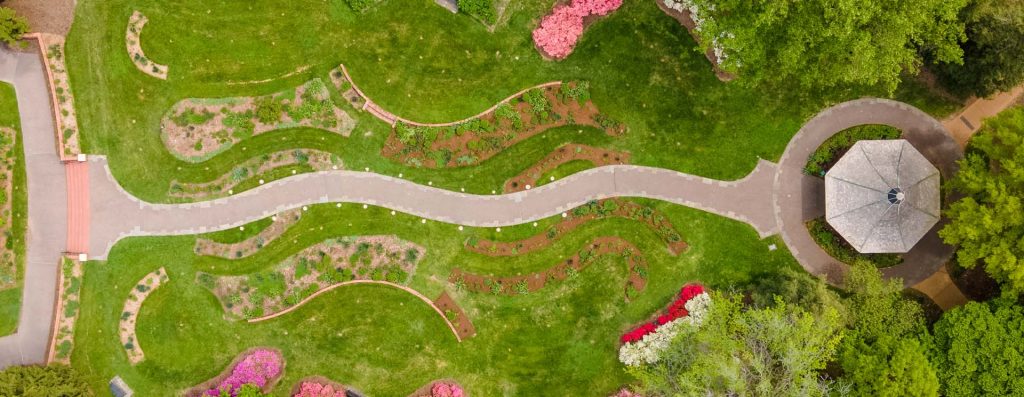
Aerial view of a landscaped garden featuring thoughtfully planned pathways, various flower beds with green and blooming plants, and a gazebo in the right corner showcasing exquisite garden design.

Planning ahead of time is ALWAYS the best method. The earlier you start planning, the more money, time and effort you will save. For example, if you had months before selling than you can buy quite small plants and give them time to grow and flower.

But we get that life doesn’t always allow for such long planning. So we’re going to focus on the situation where it’s Saturday morning and you’ve got the photographer coming on Tuesday.

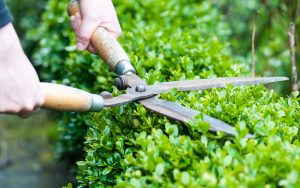
Close-up of hands using wooden-handled hedge shears to trim a green hedge, showcasing expert garden design in action.The first step you’re going to take is subtraction. This is where you want to bring in some outside opinions like your mum, brother, friend, whatever.

The reason for this is when you’ve been living somewhere for a long time you are blind to the ugliness there. But someone with fresh eyes will easily be able to point out the eye sores and ugly points.

Now this could be something like a couple of branches that were roughly hacked off a tree and just need some nice trimming to clean it up. It could be a hole in the lawn, where you need to buy a bit of turf and repair it. Maybe it’s stained concrete needing a pressure blaster to clean up.

Whatever it is, identify it and fix it. Keep picking out all the ugliest things and subtracting them.

But don’t go crazy. You don’t want to overdo it and accidentally remove something that could’ve been salvaged. For example big bushes are quite expensive, so if you have some but they’re looking a bit scraggly, invest some time in trying to get them lush and green again.

A red-brick house with one side showcasing a well-tended garden labeled "YES" and the other side with sparse, dry grass labeled "NO" serves as a testament to thoughtful garden design.

You want to step into the shoes of a potential buyer and imagine what they would be seeing as they drive up to your house. You might have a fabulous kitchen but if their first impression is of a scraggly hideous tree and brown patches of shrivelled up grass… well that’s what they’re going to remember.

A quick good tip for that grass situation – annual ryegrass is a cheap way of covering up holes in the lawn, or wheel marks on the nature strip. Right now it will only take about 14 days to turn it green. Once the weather warms up, it will only take seven days. Pretty impressive.

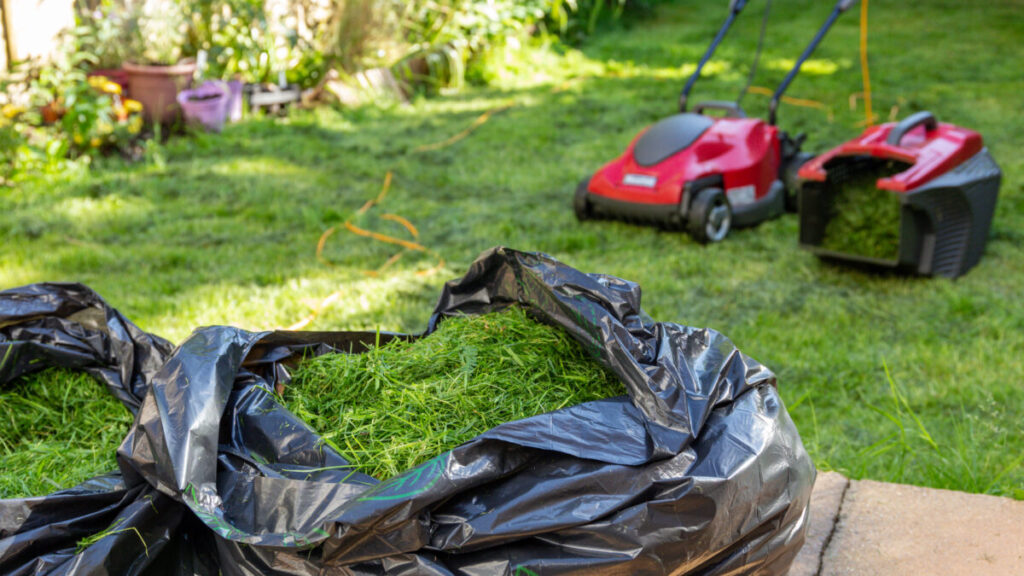
Hello Hello Plants Nursery Campbellfield Melbourne Victoria Australia soil conditioner lawn clippings mowerMow the lawn, rake out a bit of potty mix and then seed the lawn with annual ryegrass. Problem fixed. Also if you have young tender grass, mow it up high and often.


So just get rid of the really ugly things that are devaluing the place.

The next step is to look at what is needed and wanted. A mistake that a lot of people make is buying the plants they really like, but not thinking about the broad market.

For example, you might love a Weeping Peach, but a safer choice would be an evergreen Magnolia which nine out of ten people like. Other good choices are big bushes, Weeping Cherries and English Box.


Promotional graphic for a 2024 winter clearance sale. Text reads "Minimum 25% off. Hundreds of plants on sale, including the best magnolias for early spring." Shows a stylized plant in a shopping cart wearing sunglasses and a scarf.


Illustration with the words "Let's Get Bare Rooted" showing tree roots. Text below reads "for the 2024 garden design season at Hello Hello".

Our next piece of advice is to buy plants on special. Here at Hello Hello we pretty much always have a sale going on. Right now is our Winter Clearance and Bare Rooted specials so it’s a good idea to come check those out. But be clever with what you buy, don’t get something just because it’s on special.

Then finish it off with black mulch, pine bark mulch or pebbles.

A Combination of Hot Sun and Deep Shade

A quaint house with light grey siding, a blue metal roof, and a white picket fence features thoughtful garden design. A child and an adult are standing in the open doorway amidst greenery and trees.

The next problem is a garden that has both hot sun and deep shade, whether that be from a big tree or the neighbour’s two storey house.

The problem with this is that some plants are sun loving, and others are shade loving. So if you try and plant something that covers a large part of the garden, it may thrive in the sun but do terribly in the shade, or vice versa.
Here are the plants that are going to do great in both the shade and sun and give you a uniform look throughout your garden.

A white picket fence with green foliage growing over the top and through its gaps against a cloudy sky backdrop.Viburnum odoratissimum ‘Sweet’
The Viburnum ‘Sweet’ loves the sun and the shade. So if you wanted to make a nice even hedge that ran under a big tree or spot of shade and all the way through to a sunspot, this is a great choice. You’ll find that planting something else could have the hedge flourishing in the sun and then turning scraggly and brown in the shade (or the other way around).

A neatly trimmed, green shrub hedge with small leaves lines a sidewalk. The ground beside the hedge is covered with soil and shows no other plants or grass.Buxus ‘English Box’
Another great option is an ‘English Box’, we’ve seen it grow great in places that have a combination of hot sun and deep shade. We couldn’t see any difference between the sun-spot and shade-spot – it just looked beautiful and lush all over.

Climbing vine with small white flowers and green leaves growing against a textured gray wall.Trachelospermum ‘Chinese Star Jasmine’
The next great example is ‘Chinese Star Jasmine’ for a groundcover. We’ve seen Toorak gardens that have great big trees, with burning hot sun areas next to it. Then they’ve planted Chinese Star Jasmine all throughout, and it looks divine.

Chinese Star Jasmine is great if you’ve got a big area that needs covering, and it also has an incredible fragrance in the summer when it’s in flower.

Now, of course you could just plant a shade-loving plant in the shady area, and then a sun-loving plant in the sunspot. But we find that when you start planting a tonne of different things, your garden can start to look a bit messy and lack cohesion.

This was a bit of a problem back in the 80s where it would be more like a collection of random plants than a garden. Nowadays the modern style is more geared towards less plants, mass planted in the garden.

A modern, white single-story house with a green roof is framed by expertly curated garden design, featuring neatly trimmed hedges, small trees, and potted plants lining a stone pathway leading to the entrance.

Next time you see a nice garden, count how many different plants they have. You’ll find it’s actually not that many. You could have as little as three plants and create a very stylish look or have up to about seven different plants.

So that number limits you from dividing your garden up dependant on where the sun does and doesn’t fall.

Need for Privacy

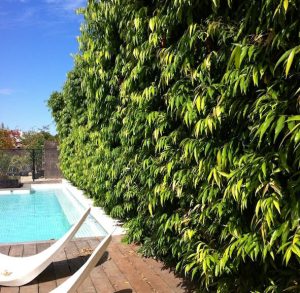
Two white lounge chairs on a wooden deck beside a narrow, rectangular pool with clear water. A tall, dense green hedge runs parallel along the side of the pool.This problem has become much more prevalent nowadays as more two storey houses and units are being built. For example, you may have brought a place 20 years ago but now there is a unit next to you that’s nine metres tall and looks into your backyard pool and you would really like to not have strangers watching you swim. Fair enough.

So the first thing you’re going to look at is going back to that sunshade situation – is the place sunny or shady? Is it a combination of both? If yes, then check above for good plant options.

If it was shady, we would still choose Viburnum odoratissimum ‘Sweet’, it’s the second tallest screen option from our collection here. Our next choice would be Buxus fastigiata ‘Upright English Box’. It’s great in a south facing situation when you need something up against the house, or you just have limited space in the garden. It’s tall, skinny and gives you a bit of height without getting out of hand.

Another option is a Prunus ‘Cherry Laurel’ which is bigger, more aggressive and faster grower. This is the tall screen for a shade spot. Or you have Rhagodia ‘Creeping Saltbush’ with lovely silver grey foliage and grows to about 1.5 metres. It trims and shapes up beautifully.

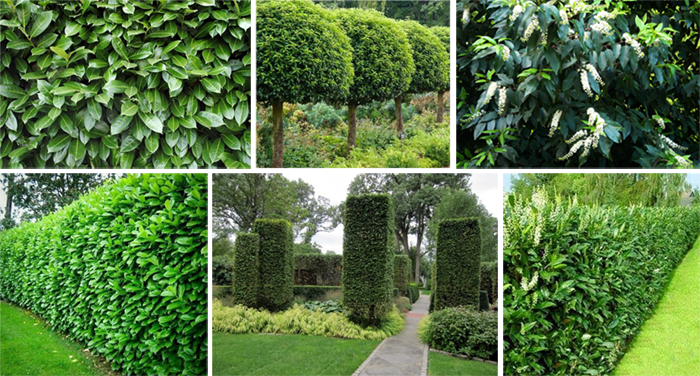
A collage showing well-maintained garden hedges and shrubs, including leafy green hedges, shaped topiary, and flowering shrubs.But let’s say you have a sunny area, a really great and practical option would be a Cupressus ‘Glauca Pencil Pine’. This is particularly good for elderly people or someone who can’t be climbing up tall ladders to trim their hedges.

Within five years, a Glauca Pencil Pine can grow to nine metres tall and block out a three or four storey building, and they have the lush look of a Sweet Viburnum. But what makes them so practical is that once they get up high, they never grow more than a meter wide.

A row of tall, conical evergreen trees stands along a dirt path under a bright blue sky with clouds. An area of green grass is visible in the foreground.They are also super tough, when they’re young make sure to give it plenty of water and fertiliser and you could get a metre and half of growth per year.

If you want something that is a bit wider and not as tall, go with a Juniperus ‘Spartan’ Conifer. It loves a trim, and you can make it thinner or chop the top off. They grow great in small narrow spaces and are both drought and wind tolerant.

The next option is a Cupressus ‘Leighton Green’ Conifer that are fabulous for making a tall narrow hedge. They can get to around seven metres high and stay only a metre wide.

They are very fast growing, you can get a three metre hedge in two years. We actually had a customer experiment with a Leighton Green Conifer, and he got it to grow seven and a half metres in three years. Insane.

So Leighton’s Green is one of the fastest growing and most trimmable Conifers on the market.

Another favourite of ours is a Waterhousia ‘Weeping Lilly Pilly’. They are really easy to manage and trim and look very luscious and nice. Now please note that there is a beetle going around that is eating a lot of the Lilly Pillies, however the Weeping Lilly Pilly is completely fine – the beetle won’t touch them.


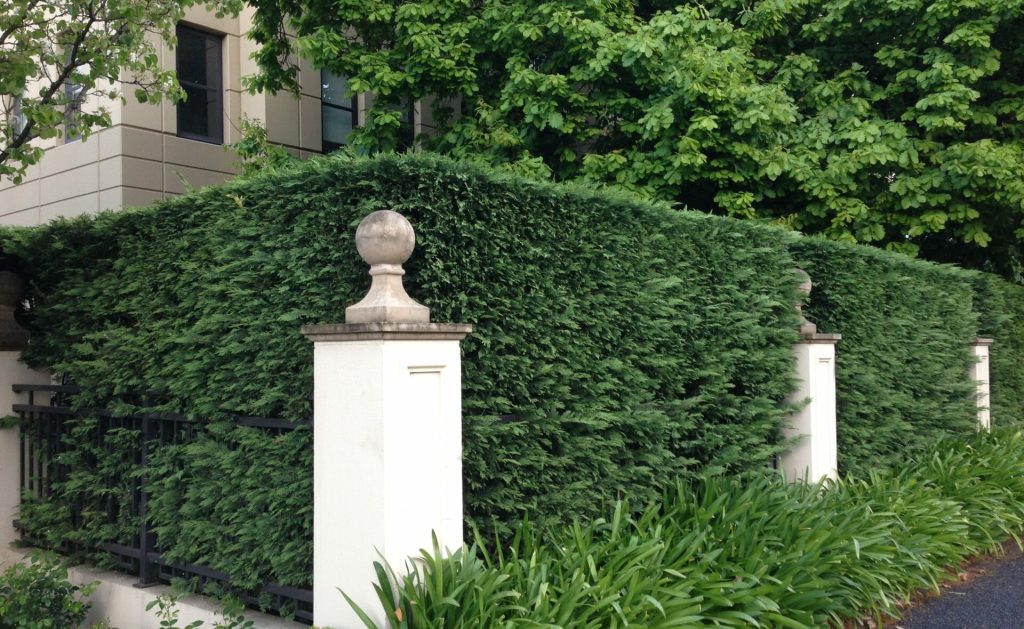
A well-trimmed green hedge stands behind a white concrete fence with stone finials, framed by leafy trees and a flower bed, showcasing impeccable garden design.

Then there is of course the Ficus hillii ‘Flash’, which is very popular for how fast growing it is. Under ideal conditions we reckon they could grow almost two metres in a year. Be mindful of the fact that Ficus Flash has a bit of an aggressive root system so don’t put it right up against the house and contain it to a reasonable size by trimming it.

Extra Low Maintenance


A man poses with two bush sculptures dressed with bowler hats and sunglasses, kneeling on the ground and smiling, showcasing his unique garden design.

SO many people want low maintenance. We all have busy lives – full time jobs, children, hobbies, multiple commitments, and it’s fair enough that you don’t have the time to be spending hours in the garden.

Also not everyone can afford to have a contractor come in and take care of the garden. So that’s where ultra-low maintenance plants are very handy.

A garden design features five moss-covered mounds, round gray stepping stones, and small gray gravel, with plants along the edges.When we decide what plants are low maintenance, we look for things like are they self-shaping, do they attract bugs, are they disease resistant, do they require a lot of water and so on.
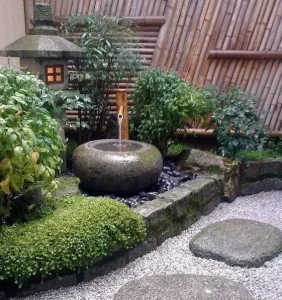
Here is a quick list of some of our favourite choices:

We do have an entire section on the website that is dedicated to low maintenance plants which you can check out here.

Small Gardens and Limited Space


A small, zen-style garden design features a harmonious mix of rocks, gravel, green shrubs, and a delicate tree adjacent to the glass building exterior.

A serene Japanese garden with a stone water fountain, surrounded by green foliage, bamboo fencing, and a thoughtfully crafted stone pathway—a perfect example of exquisite garden design.It’s quite a struggle to find a decent sized garden nowadays, we’ve seen some that are the size of a single car park or a little square of soil at the back of the townhouse.

These are actually quite difficult to design. The first thing we do is ask where they view the garden from – is it a bedroom window or the kitchen or some other room. Then we ask what is important to them – do they want lots of colour or what plants do they really love?

Look, even the tiny handkerchief of a garden can be beautiful – you just have to be tactical about it. We find that a Japanese Zen style garden actually does really well in these micro spaces.

A kitchen with a sink island, countertop appliances, and a window door opening to a lush garden with seating and thoughtful garden design.

The next thing we do is look at the sunshade factor, then we get the budget of the customer.

Let’s say you’ll be looking at the garden through the kitchen – we like to look at the kitchen to see what would compliment or contrast it nicely.

We advise not choosing too many different types of plants to avoid the space looking cluttered. Also be very economical and clever with the decision of what plants. Maybe you have space for just one tree – well then you want a tree that is going to look great for most of the year.

We would not put something like a flowering Cherry there because it may look fantastic for a few weeks in spring, but the rest of the year it can be quite boring.

Our three favourite trees to put in such a space would be a Crepe Myrtle, Senkaki Maple and Princess Gum.

Crepe Myrtle

Crepe Myrtle

What makes Crepe Myrtles so fantastic is the combination of distinctive bark, lush foliage, summer blossoms, and autumn coloured foliage. So you’re getting great beauty all year.

A garden design scene featuring a prominent tree with bright red branches, surrounded by various green shrubs and plants, set against a background of a wooden fence and a river.Senkaki Maple

Senkaki Maples are striking with their red bark and bright green foliage, then in autumn you get a medley of fiery hues. A deciduous tree that still looks fantastic in winter.

A weeping eucalypt tree stands by a bench in a meticulously crafted garden area with a building in the background. The "Hello Hello PLANTS" sign is at the bottom left of the image, showcasing thoughtful garden design.Princess Gum

Princess Gum is an evergreen that gives you gorgeous silver grey foliage all year round. It also has red flowers and big silver nuts that make it even more interesting.

A bush with bright pink flowers and dark green leaves, thoughtfully placed in a garden bed with mulch, exemplifies elegant garden design.Bushes

We like to use bushes such as Loropetalum ‘Bobz Pink’ which is round and compact with purple, burgundy foliage and pink flowers. Another great choice is Abelia ‘Kaleidoscope’ (Glossy Abelia) which is a lovely golden green round bush.

Other Plants to Use

Then you could pair it with plants like Ophiopogon ‘Black’ Mondo Grass, Liriope ‘Stripey White’ and Sagina ‘Green Irish Moss’.

We suggest taking your time and being really careful with the plants you choose because a small garden has to work a lot harder than a big garden.

Tight Budget

It’s unavoidable what is going on in the economy and we understand that people can’t fork out a lot of money on a garden, but rightfully still want something beautiful.

We actually love the challenge of a tight budget because it’s where our creative problem solving comes out. Over the years we have done so many amazing cheap gardens, so please never feel that money is a hindrance.

We have an incredible range of three inch pots that are $4.99 each and you can put together a really great garden with these. Of course, it will take longer for these plants to grow nice and bushy, but if you are willing to have patience, you’re going to save big.


A person holds Australian banknotes (five and ten dollars) while standing on a patio, with a white dog enjoying the garden design in a fenced yard nearby.

TA small birch tree with a thin trunk and lush green leaves stands gracefully, adding a touch of elegance to the garden design filled with various plants and shrubs.his is a bit obvious but keep an eye out for sales, like we mentioned before, we pretty much always have a sale going on. One of our current ones is a six foot Weeping Birch for $79.99, something that would normally be around $200.

A Silver Birch is a fantastic centrepiece for a garden and can make it look very expensive and elegant, without breaking the bank. Also right now is the BEST time to be buying plants, it is the cheapest you will ever get any plant. Come spring, everything would’ve increased greatly in price.

Hunt down the bargains, take your time and pick up a plant here in that sale and there in that sale and slowly build a beautiful garden. Make it a fun project you chip away at over a few weeks or months, rather than trying to get it done in one day.

Also be sure to follow us on our socials and be notified of any bargains happening.

The New Modern Garden

The whole point of a modern garden is, well, being modern. Something that is current and on trend right now. Of course, garden styles don’t change as quickly as say fashion, but there have definitely been shifts in what is considered modern.

We see ultra-modern gardens as a minimalistic kind of landscape. The advice from a Landscape Architect is “only plant three species in one vista.”


A white building with arched doorways and windows, partially obscured by trees, stands elegantly amidst thoughtful garden design, viewed from across a blue swimming pool.

So you have to be very tactical with what three plants you’re choosing. Our recommendation is using Hedera ‘Canary Island Ivy’ all over the front garden instead of having a patch of lawn.

Then you can pair it with a spectacular tree like a type of Crepe Myrtle, perhaps one with gorgeous white flowers, but you have so many colour options.

A garden with expertly crafted garden design features, including neatly trimmed bushes, spherical topiaries, and geometric paving stones leading through lush greenery.The final touch would be some English Box topiaries, you could plant a range of sizes, and have fun with what shapes you choose.

This garden is really easy to do and maintain. It’s also not very expensive – but it looks very classy and elevated.

You could drive up Hopetoun Avenue in Toorak and you’ll see quite inexpensive plants like your English Box and Canary Island Ivy, or Chinese Star Jasmine and Silver Birches. For the modern look you should mass plant for a cohesive and slick look.

Another thing we’re noticing is that people are doing lots of sculptures with plants like English Box. But you could also grow a green Coprosma or a Cotoneaster ‘Bearberry Cotoneaster’ and cut it into a large freeform shape. Then plant a couple of Maples in front of it.

Modern garden design with rectangular water features and concrete seating areas. Tall slender trees and various green plants surround the space, bordered by a reflective black water pool.

We’ve also seen gardens where they have pebbles or sand and large, interesting sculptures around it with some Japanese Maples. They look incredible.

When your house also has some spectacular modern architecture, the addition of a modern garden just really sets it off.

The Main Takeaways

So there you have the seven most common garden design problems, and how to go about fixing them. The main thing is to be clever with the plants you choose, plan ahead and take your time, and when in doubt get a second opinion.

Ready to take the next step in your garden plans?

Book a Free Garden Design here.

Feeling inspired to create your own garden, but want some expert advice? Try our one-on-one garden design service with Chris. Together you’ll come up with a selection of plants along with a layout plan that gives you the look you want, as well as being suitable for your local soil and conditions.

get your own tailored modern garden design:


FIND OUT HOW

Articles you may also like

Send us your Garden Design Photos and Win 3x$500 Gift vouchers!

Have you had a Garden Design done at our nursery within the past 5 years?

We are looking for great success stories of empty gardens transformed into beautiful ones, following a garden design done by Chris at our nursery. This could be a front yard or back yard, small or big garden that has been transformed. Here is a great example sent to us by Rob and Kath, along with a lovely message:

“Hi Chris, Tania, and Team,

A big thank you for designing and providing the best plants for our home. We
love it and so does everyone in the Neighbourhood. Chris, you did such a great design for us that people stop to comment on how the garden complements the house. We have no hesitation in advertising Hello Hello with what you have provided us.

Looking forward to visiting you again.

Thank you.
Rob and Kath” 😍


Send us your Garden Design photos and you could win one of three $500 Gift Vouchers to spend at our nursery!

There are 3 vouchers to be won!
All participants will be in the draw for one $500 gift voucher and we will pick the 5 most inspiring stories and photos from those submitted, drawing 2 lucky winners at random from the top 5. These lucky winners will then be contacted to get their $500 gift vouchers! The vouchers can be used in-store or online on any products at our nursery. This competition ends on the 30th of September 2022! See our full terms and conditions at the end of the page.

Fill out the form below, tell us your story and upload your before and after photos:


If you have trouble uploading the photos here, please send them directly to marketing@hellohelloplants.com.au

Terms and Conditions of participation:

  • The garden design should have been done by Chris at Hello Hello Plants nursery within the past 5 years.
  • The top stories and photos will be chosen by Chris and a random draw will be carried out to determine the 3 lucky winners out of all the participants!
  • By submitting the photos, you grant us permission to use them on our advertising materials or social media without any restrictions.
  • Submissions start Thursday the 19th of July and ends on the 29th of September 2022.
  • The lucky draw will be carried out on the 30st of September 2022 and winners will be contacted shortly after.
  • Freebies cannot be claimed in conjunction with this voucher.
  • Free delivery cannot be claimed in conjunction with this voucher.
  • Upload a maximum of 10 best images.
Select the fields to be shown. Others will be hidden. Drag and drop to rearrange the order.
  • Image
  • SKU
  • Rating
  • Price
  • Stock
  • Availability
  • Add to cart
  • Description
  • Content
  • Weight
  • Dimensions
  • Additional information
Click outside to hide the comparison bar
Compare