| Name | Ficus hillii 'Flash' remove | Ficus hillii 'Emerald' remove | Cercis 'Chinese Redbud' remove |
| Image | 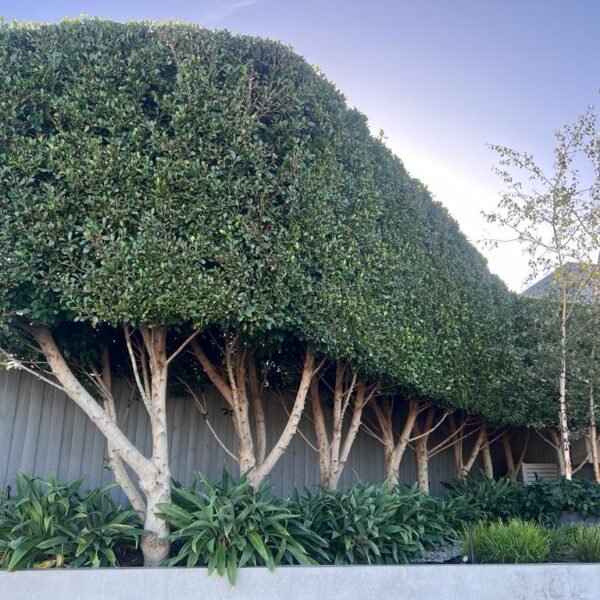 |  | 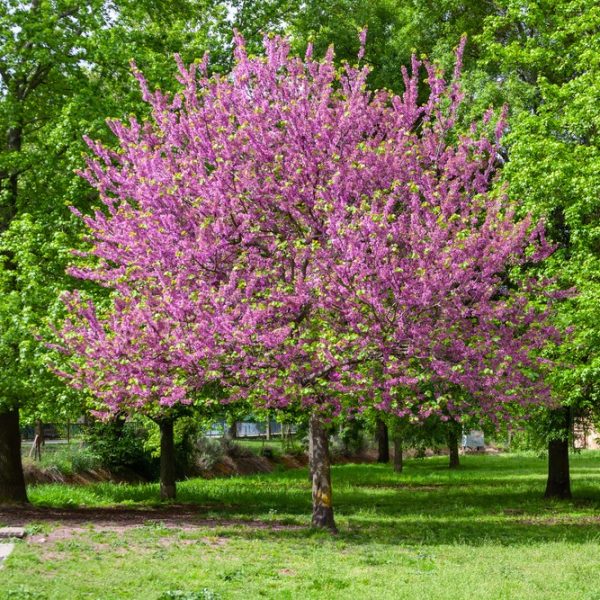 |
| SKU | FICF00 | FICEMER | CCHRB0 |
| Rating | | | |
| Price | $0.00 – $1,999.99Price range: $0.00 through $1,999.99 | $49.99 – $169.99Price range: $49.99 through $169.99 | $39.99 – $249.99Price range: $39.99 through $249.99 |
| Stock | | | |
| Availability | | | |
| Add to cart | View products
| View products
| View products
|
| Description | Ficus microcarpa hillii 'Flash'
-One of the fastest growing hedges
-Evergreen and no mess from seeds or flowers
-Dense and lush Australian native
-High tolerance of poor conditions | Ficus microcarpa hillii 'Emerald'
Ficus 'Emerald' has a glossier and deeper, emerald green foliage compared with that of the 'Flash' and 'Hill's Weeping' ficus. This rich green foliage matches well with Buxus English Box, particularly in a formal setting.
'Emerald' ficus are quite tolerant of poor soil conditions and hot or windy weather conditions, growing well in both full sun to part shade positions. It does not, however, like the touch of frost.
See our Ficus Hedging & Screening Factsheet here for more about the different Ficus varieties!
For care instructions, features and more, check out Additional Information below | Cercis chinensis
Cercis chinensis ‘Chinese Redbud’ originating from China, is a medium sized deciduous tree that makes a wonderful feature, shade tree or mass planted along driveways and Avenue’s. In late spring before the foliage re-appears, the branches are covered with bright pink flowers. The leaves are large, glossy and heart shaped. The Chinese Redbud is frost hardy, and can grow in sandy and clay soils, providing they are well drained.
See our Cercis Factsheet here for more about the different Cercis varieties!
For care instructions, features and more, check out Additional Information below |
| Content | [one_half]
[/one_half]
[one_half_last padding="0 0 0 20px"]
Why buy ficus hedging plants?
One of the fastest no mess hedges, Ficus 'Flash' are chosen for their rapid growth, lavish green foliage and high tolerance of poor conditions. These gorgeous Australian natives produce no flowers and seeds therefore no mess! And their upright, dense habit lends them to being used as not just solid hedging but as topiary, standards and pleached hedging.
Ficus plants for pleaching
The beauty of the pleached hedge is that it is very good for small gardens as you can do a 2 or even sometime 3 layer effect. It allows for a garden bed underneath the hedge, maximising your gardens beauty, colour and depth.
It’s like having a 2 or 3 story garden as you really get the 2 story effect which is becoming more and more stylish in the modern garden. Pleaching creates another dimension to your garden!
[/one_half_last]
The secret with pleaching is that ficus are evergreen and pleach very easily, and are very lush and are fantastic for doing a pleached hedge.
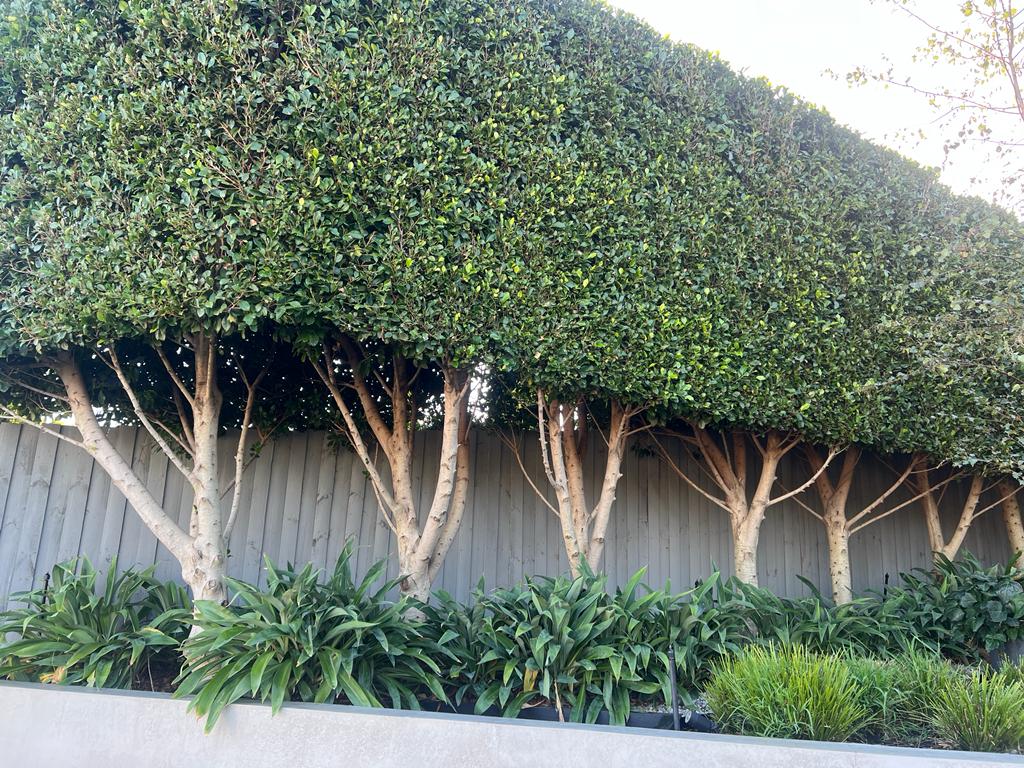 Also as Ficus hedge plants have gotten a bit of a bad name for growing an aggressive root system. The pleaching effect actually keeps the roots under control and allows for you to grow these Ficus in very confined spaces and gardens. These days with the rapid growth of our cities, lots of people are having smaller and smaller gardens!
See our Ficus Hedging & Screening Factsheet here for more about the different Ficus varieties!
Also as Ficus hedge plants have gotten a bit of a bad name for growing an aggressive root system. The pleaching effect actually keeps the roots under control and allows for you to grow these Ficus in very confined spaces and gardens. These days with the rapid growth of our cities, lots of people are having smaller and smaller gardens!
See our Ficus Hedging & Screening Factsheet here for more about the different Ficus varieties! | | |
| Weight | N/A | N/A | N/A |
| Dimensions | N/A | N/A | N/A |
| Additional information |
| Other Common Names |
Evergreen Fig
|
| Origin |
Australia, Pacific
|
| Plant Type |
Tree
|
| Leaf Drop |
Evergreen
|
| Sunshine |
Afternoon Sun, Full Sun, Part Shade
|
| Tolerances |
Frost Sensitive, Pollution Tolerant, Poor Soil Tolerant, Salt Tolerant, Heat Tolerant, Drought Tolerant
|
| Soil Type |
Clay, Loam, Loamy – Clay, Sandy – Loam, Well drained
|
| pH |
Acidic, Neutral
|
| Water Requirement |
Moderate
|
| Fertilise Me |
December, February, January, March, November, October, September
|
| Fertilizer Frequency |
Monthly, When needed
|
| Best time to plant |
All Year
|
| Planting Distance |
1 every 80cm, 1 per 1.5 metres, 1 per metre
|
| Max Height |
10m
|
| Max Width |
3m
|
| Growth Speed |
Fast
|
| Prune Me |
3-5 times a year, Only in the warmer months
|
| Size Maintained at |
2m
|
| Flowering |
No
|
| Foliage Colour |
Green
|
| Fruit / Seed |
No
|
| Toxic To |
Dogs
|
| Uses |
Balcony, Fenceline, Hedging & Screening, Standard, Topiary
|
|
| Origin |
Australia, Pacific
|
| Leaf Drop |
Evergreen
|
| Plant Type |
Tree
|
| Sunshine |
Afternoon Sun, Full Sun, Part Shade
|
| Tolerances |
Frost Sensitive, Pollution Tolerant, Poor Soil Tolerant, Wind Tolerant, Heat Tolerant, Drought Tolerant
|
| Soil Type |
Clay, Loam, Loamy – Clay, Sandy – Loam, Well drained
|
| pH |
Acidic, Neutral
|
| Water Requirement |
Low, Moderate
|
| Fertilise Me |
December, February, January, November, October, September
|
| Fertilizer Frequency |
Monthly, When needed
|
| Best time to plant |
All Year
|
| Planting Distance |
1 every 80cm, 1 per metre
|
| Max Height |
8m
|
| Max Width |
3m
|
| Growth Speed |
Fast
|
| Size Maintained at |
1.5m, 2m
|
| Prune Me |
3-5 times a year, Only in the warmer months
|
| Flowering |
Yes
|
| Foliage Colour |
Green
|
| Fruit / Seed |
No
|
| Toxic To |
Dogs
|
| Uses |
Balcony, Hedging & Screening, Pots, Standard, Topiary
|
|
| Other Common Names |
Chinese Redbud, Eastern Redbud, Redbud
|
| Origin |
Eastern Asia
|
| Plant Type |
Tree
|
| Leaf Drop |
Deciduous
|
| Sunshine |
Full Sun, Part Shade
|
| Tolerances |
Soggy Soil Sensitive, Frost Tolerant
|
| Soil Type |
Loam, Loamy – Clay, Sandy – Loam, Well drained
|
| pH |
Acidic, Alkaline, Neutral
|
| Water Requirement |
Moderate
|
| Fertilise Me |
April, March, November, October, September
|
| Fertilizer Frequency |
Bi-annually
|
| Planting Distance |
2-3m apart
|
| Max Height |
5m
|
| Max Width |
5m
|
| Growth Speed |
Moderate
|
| Prune Me |
Only if required, Only in winter
|
| Size Maintained at |
3m
|
| Flowering |
Yes
|
| Flowering Time |
October, September
|
| Flower Colour |
Purple
|
| Fragrance |
None
|
| Foliage Colour |
Green
|
| Autumn Colour |
Yellow
|
| Fruit / Seed |
Rarely, Yes – Non-edible
|
| Attracts |
Bees, Birds, Butterflies
|
| Toxic To |
Non-toxic
|
| Uses |
Shade Tree, Feature Tree
|
|