| Description | Rosa banksiae
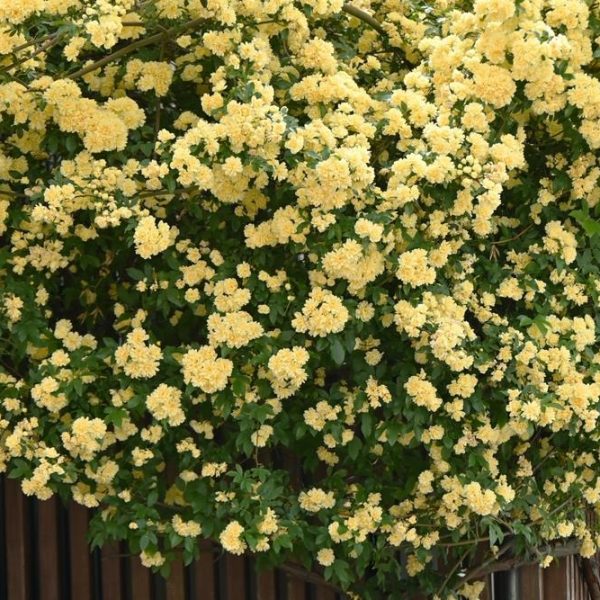
The Banksia Rose is a tough evergreen climbing rose with soft ruffled yellow flowers which appear in Spring. Like Iceberg Roses, it's prized as a disease resistant and hardy rose. It works well as a groundcover rose or a climber when given a support such as a trellis.
The Banksia rose is an incredibly useful and versatile climber or groundcover as it is low maintenance, thornless and tolerates full sun and part shade.
6"/14cm pot size. | Lavandula angustifolia
Traditionally English Lavender was grown for its heavenly fragrance, used in oils and potpourri.
• Small, slender blue-ish purple flowers on tall stems above the foliage
• Grown in pots, as a hedge or in the cottage garden to attract bees and butterflies
• Tolerates drought and dry conditions, preferring well drained soils
6"/14cm pot | Rosa hybrid tea
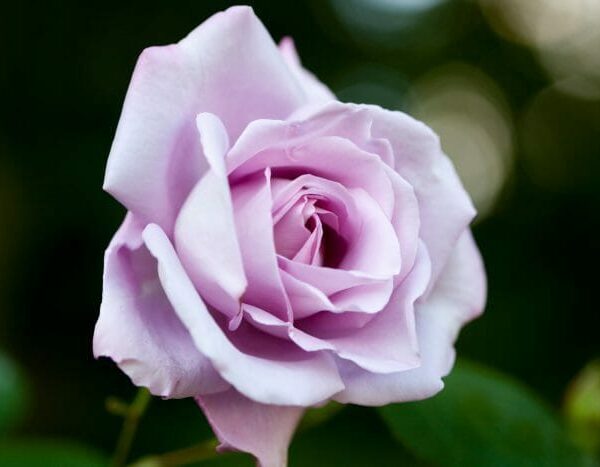
Blue Moon produces large silvery blue flowers on long stems that are highly fragrant! The lavender coloured blooms are perfect for mass planting, cut flowers, rose & cottage gardens! Blue Moon is hardy, vigorous and repeat flowering. Available in more variations. | Nandina domestica 'Nana'
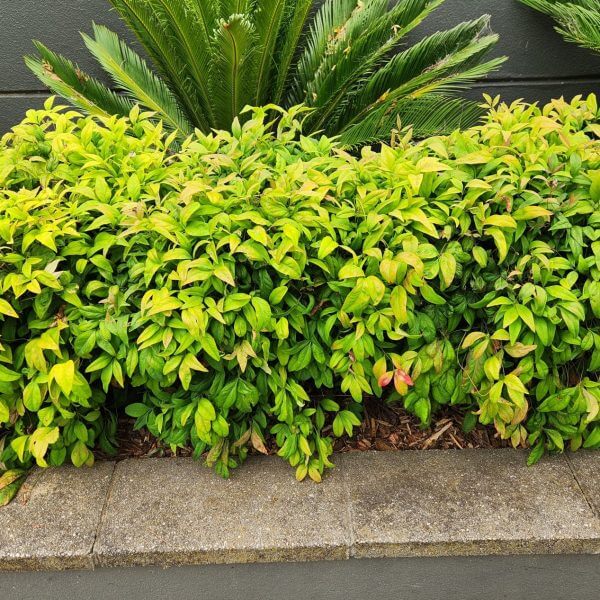
Dwarf 'Sacred Bamboo', commonly known as Dwarf Nandina, is a small self shaping, non-flowering shrub with colourful foliage.
• Green foliage in summer that changes to vibrant red in winter
• Very low maintenance and incredibly hardy
• Perfect for borders, edging, pots & containers |
| Content | | | Roses are easily one of the most popular and widely cultivated groups of flowering plants. Numerous different cultivars have been produced over the last twu centuries, although roses have been grown for millennia before their popularity bloomed. Renowned for their flowers and beauty, they are also loved for other reasons such as their fruit. The rose hip can be made into an old fashioned jam. Roses range in size and variety from your standard and bush roses to climbers and weeping varieties. Amongst all their beautiful colours, varieties and fragrances there is bound to be the perfect rose out there for your garden. For more information on selecting and growing roses, visit our Rose Factsheet. | Reasons to buy Dwarf Nandina
Loved for its attractive colourful foliage, Dwarf Nandina is one of the most popular varieties of the Nandina (Sacred Bamboo) family. Extremely versatile, and wherever you choose to plant it, its gorgeous colours will create a bright spot in any garden. Dwarf Nandina does not flower, and is loved mostly for its exotic coloured foliage. You will delight as its green/yellow foliage transforms through blush pinks in summer, before bursting in vibrant reds during winter.
Nandina grows quite low, remaining roughly as wide as it is tall which in the Dwarf (Nandina domestica nana) varieties is not much more than about 50cm tall. (It does also come in larger varieties, which we call Tall Nandina.)
Dwarf Nandina is quite a hardy plant that is suitable for most climate types. After establishing itself, it enjoys both lots of sun or partial shade, with a high tolerance for different temperatures. It even copes well with drought, but prefers soils with a little acidity that are well-drained and topped with a light sprinkling of compost. A light prune as new spring growth emerges is recommended to keep it neat, but it can do quite well with no trimming at all.
If you plant to buy Dwarf Nandina for planting in pots or containers, beware of overheating in summer. A deep soak every now and then helps. Apart from that it needs minimal maintenance.
It is equally at home in Coastal or Tropical Gardens, Mediterranean Gardens, Poolside, Courtyard and more. |
| Additional information |
| height x width |
Climber to 3-4m
|
| planting distance |
For hedge or screen: 70cm
|
| conditions |
Very hardy, likes full sun and well-drained soil
|
| landscape use |
fences, screens, cover unattractive sheds, pergolas, arbors, rotundas, trellis
|
|
| height x width |
1m x 1m
|
| planting distance |
For border: 50cm
|
| features |
Narrow aromatic grey-green leaves and slender spikes of tiny fragrant purple flower spikes during summer
|
| conditions |
Sunny open position in well-drained soil, lavender will not tolerate wet feet, please read Wet Feet Kills, prune after flowering
|
| landscape use |
Borders, hedges, single specimens, containers, cut flowers, pot pourri, oil, lavender sachets
|
| | |