| Name | Pyrus 'Everscreen' Ornamental Pear remove | Arthritis Herb 4" Pot remove | Banksia Rose 'Yellow' 6" Pot remove |
| Image | 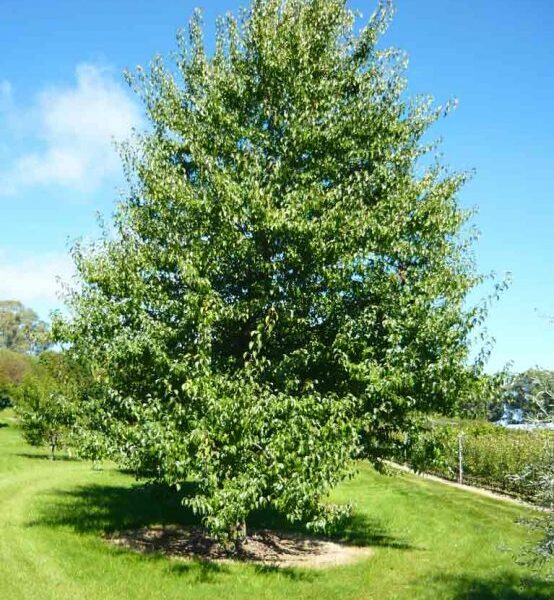 | 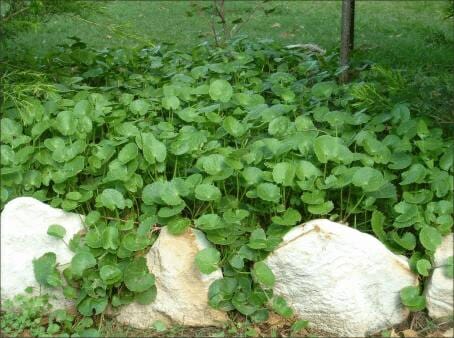 | 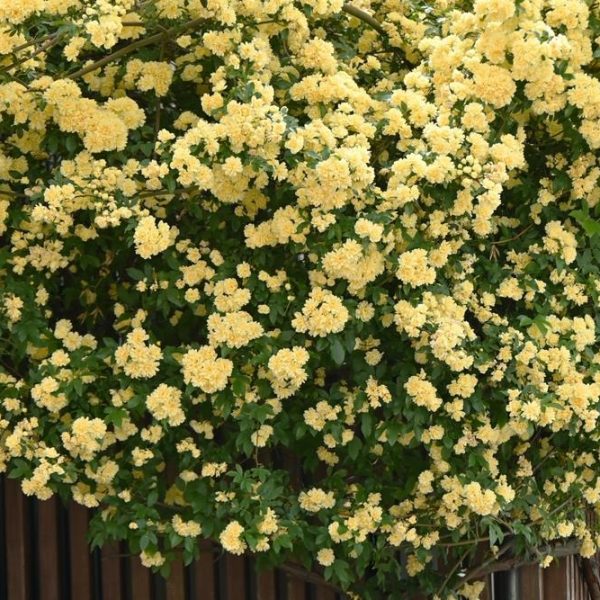 |
| SKU | PEARES0 | HARTHN60 | BANKRN35 |
| Rating | | | |
| Price | $49.99 – $499.99Price range: $49.99 through $499.99 | $7.99 | $17.99 |
| Stock | | | |
| Availability | | | |
| Add to cart | View products
| Add to cart
| Add to cart
|
| Description | Pyrus calleryana 'Winter Glow'
The only evergreen ornamental pear currently on the market, making it a highly sought after specimen tree.
• Spring blossoms on semi bare branches
• Ideal for screening or as a shade tree
• Green glossy leaves with a silvered backing
Everscreen Pears will only retain leaves in warmer climates. Cool climate areas such as rural Victoria are likely to see leaf drop in the winter but usually for only a period of up to 5 weeks. In cool climates it the Everscreen will get an autumnal colouring prior to leaf drop.
For more information on Ornamental Pears see our Pyrus - Ornamental Pear Factsheet
For care instructions, features and more, check out Additional Information below | Centella asiatica
When we think about herbs we think of things like parsley, sage and thyme, which all originate from Southern Europe. We don't hear much about those from Asia, let alone native Australian herbs. "Gotu kola" is more commonly known here as the arthritis plant. This herb has been cultivated in India, China, tropical Asia and Africa for centuries. It comes from the same family of plants as parsley and it has close relatives in Australia. Some of the traditional claims made about the medicinal properties of this plant include ; the extension of life, control of tuberculosis and leprosy, relief of high blood pressure and the pain and swelling associated with arthritis as well as a treatment for cancer and irritating skin ailments. It has also been referred to as Indian Ginseng because of its stimulating effects on many parts of the body. The arthritis herb has been used as a medicine for thousands of years in countries where it grew naturally. It is claimed to have beneficial effect on a number of other ailments including psoriasis, ulcers, rheumatism, acute infections and inflammation, upper respiratory tract infections, diarrhoea, fevers and diseases of the female reproductive organs. Modern clinical tests on humans and animals have confirmed a positive effect in the treatment of skin ailments such as ulcers, burns and wounds. The recommended daily dose is two leaves of 40mm diameter per adult, or the equivalent in smaller leaves. The leaves have a bitter taste particularly if grown in full sun. You may be able to eat the leaves straight from the plant or alternatively they can be chopped up and used like a parsley garnish on salads or mashed potato. It is commonly used to flavour rice dishes in Southeast Asia. A weak tea can be made which you might like to sweeten with honey. The naturally occurring organic chemicals in the leaves include strong alkaloids and a carcinogen called asiaticoside. It is recommended therefore, that you do not exceed this dose as symptoms of headache, dizziness and insomnia have been reported. This plant also goes by the common name of swamp pennywort and this is a clue to its preferred environment, which is shady and swampy. In such a location this plant can grow very quickly. The arthritis plant can be easily grown in the home garden. It thrives under shade in pots, hanging baskets and particularly in bog gardens or by a pond. A good idea is to keep this plant in a confined position such as a tub to prevent it from escaping. And a good potting mix will see this plant take off quickly.
4" pot size. | Rosa banksiae
The Banksia Rose is a tough evergreen climbing rose with soft ruffled yellow flowers which appear in Spring. Like Iceberg Roses, it's prized as a disease resistant and hardy rose. It works well as a groundcover rose or a climber when given a support such as a trellis.
The Banksia rose is an incredibly useful and versatile climber or groundcover as it is low maintenance, thornless and tolerates full sun and part shade.
6"/14cm pot size. |
| Content | | | |
| Weight | N/A | N/A | N/A |
| Dimensions | N/A | N/A | N/A |
| Additional information |
| Other Common Names |
Callery Pear, Ever Screen Pear, Evergreen Pear, Flowering Pear, Ornamental Pear, Winter Glow
|
| Origin |
China, Vietnam
|
| Plant Type |
Tree
|
| Leaf Drop |
Semi-Deciduous
|
| Sunshine |
Afternoon Sun, Full Sun, Midday Sun, Part Shade
|
| Tolerances |
Pollution Tolerant, Poor Soil Tolerant, Salt Sensitive, Wind Tolerant, Heat Tolerant, Drought Tolerant
|
| Soil Type |
Clay, Loam, Loamy – Clay, Sandy – Loam, Well drained
|
| pH |
Acidic, Alkaline, Neutral
|
| Water Requirement |
Moderate
|
| Fertilise Me |
April, March, November, October, September
|
| Fertilizer Frequency |
Bi-annually
|
| Best time to plant |
All Year
|
| Planting Distance |
2-3m apart
|
| Max Height |
10m
|
| Max Width |
5m
|
| Growth Speed |
Fast
|
| Prune Me |
Annually, Only if required, In the cooler months
|
| Size Maintained at |
5m
|
| Flowering |
Yes
|
| Flower Colour |
White
|
| Flowering Time |
November, October, September
|
| Fragrance |
Strong
|
| Foliage Colour |
Green
|
| Autumn Colour |
Orange, Purple, Red
|
| Fruit / Seed |
Yes – Non-edible
|
| Fruiting Time |
December, January
|
| Attracts |
Bees, Birds, Butterflies
|
| Toxic To |
Children
|
| Uses |
Fenceline, Shade Tree, Feature Tree
|
|
| botanical name |
Centella asiatica, or Hydrocotle asiatica.
|
|
| height x width |
Climber to 3-4m
|
| planting distance |
For hedge or screen: 70cm
|
| conditions |
Very hardy, likes full sun and well-drained soil
|
| landscape use |
fences, screens, cover unattractive sheds, pergolas, arbors, rotundas, trellis
|
|