
Compare
| Ulmus parvifolia 'Chinese Elm' remove | Rhodohypoxis 'White' remove | ||||||||||||
|---|---|---|---|---|---|---|---|---|---|---|---|---|---|
| Name | Ulmus parvifolia 'Chinese Elm' remove | Rhodohypoxis 'White' remove | |||||||||||
| Image |  | 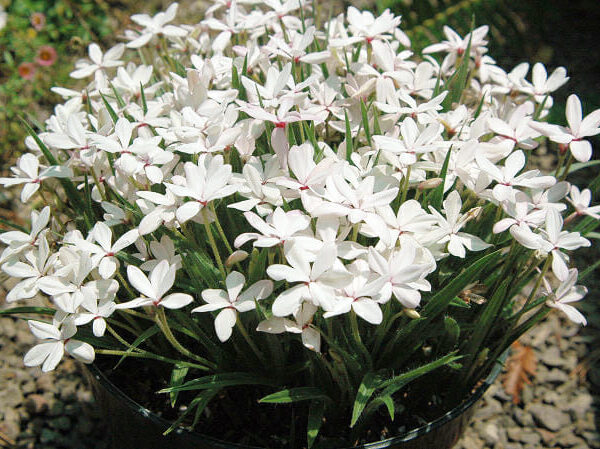 | |||||||||||
| SKU | CHEL00 | RHPXW0 | |||||||||||
| Rating | |||||||||||||
| Price | Price range: $15.99 through $339.99 | Price range: $4.99 through $11.99 | |||||||||||
| Stock | |||||||||||||
| Availability | |||||||||||||
| Add to cart | |||||||||||||
| Description | Ulmus parvifoliaThe bark of the Chinese Elm is a real stand out feature, as the tree sheds it in patches, creating the effect of a tapestry of varying browns and greys. Foliage is lush, shiny and green, and the tree is semi deciduous, turning golden in autumn, and keeping its leaves in warmer areas. It has also been noted by many Aussie gardeners in recent years that native birds enjoy the fruit of the Chinese Elm. | Rhodohypoxis Baurii "White"Rhodohypoxis in their natural habitat they are often found on open grassy slopes in areas of high altitude. They produce vivid green leaves that are long and slightly hairy. This plant flowers from late spring until autumn and comes in a range of beautiful colours from pure white to a selection of pinks and into the dark reds. This plant is fairly adaptable to low temperatures down to -5°C and will grow in all but the most tropical or hot parts of Australia. They are great for rockery planting. | |||||||||||
| Content | Video: Chinese Elms as a beautiful, medium size feature tree for a tough spot | ||||||||||||
| Weight | N/A | N/A | |||||||||||
| Dimensions | N/A | N/A | |||||||||||
| Additional information |
|