| Description | Centella asiatica
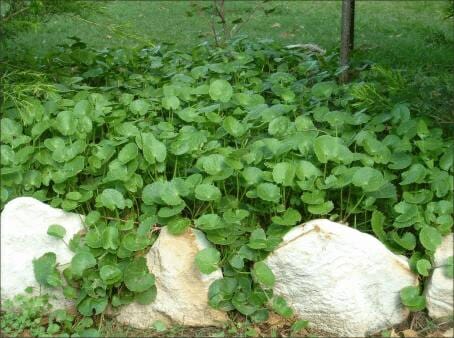
When we think about herbs we think of things like parsley, sage and thyme, which all originate from Southern Europe. We don't hear much about those from Asia, let alone native Australian herbs. "Gotu kola" is more commonly known here as the arthritis plant. This herb has been cultivated in India, China, tropical Asia and Africa for centuries. It comes from the same family of plants as parsley and it has close relatives in Australia. Some of the traditional claims made about the medicinal properties of this plant include ; the extension of life, control of tuberculosis and leprosy, relief of high blood pressure and the pain and swelling associated with arthritis as well as a treatment for cancer and irritating skin ailments. It has also been referred to as Indian Ginseng because of its stimulating effects on many parts of the body. The arthritis herb has been used as a medicine for thousands of years in countries where it grew naturally. It is claimed to have beneficial effect on a number of other ailments including psoriasis, ulcers, rheumatism, acute infections and inflammation, upper respiratory tract infections, diarrhoea, fevers and diseases of the female reproductive organs. Modern clinical tests on humans and animals have confirmed a positive effect in the treatment of skin ailments such as ulcers, burns and wounds. The recommended daily dose is two leaves of 40mm diameter per adult, or the equivalent in smaller leaves. The leaves have a bitter taste particularly if grown in full sun. You may be able to eat the leaves straight from the plant or alternatively they can be chopped up and used like a parsley garnish on salads or mashed potato. It is commonly used to flavour rice dishes in Southeast Asia. A weak tea can be made which you might like to sweeten with honey. The naturally occurring organic chemicals in the leaves include strong alkaloids and a carcinogen called asiaticoside. It is recommended therefore, that you do not exceed this dose as symptoms of headache, dizziness and insomnia have been reported. This plant also goes by the common name of swamp pennywort and this is a clue to its preferred environment, which is shady and swampy. In such a location this plant can grow very quickly. The arthritis plant can be easily grown in the home garden. It thrives under shade in pots, hanging baskets and particularly in bog gardens or by a pond. A good idea is to keep this plant in a confined position such as a tub to prevent it from escaping. And a good potting mix will see this plant take off quickly.
4" pot size. | Gaura lindheimeri "Butterfly Bush"
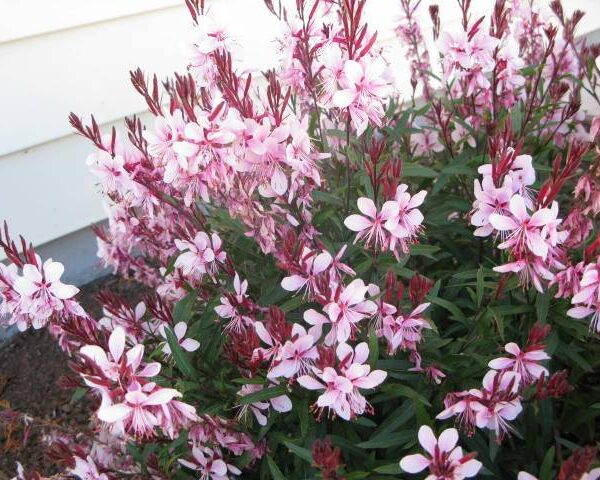
Butterfly Bush is a bushy, hardy perennial shrub with long graceful stems that bloom with pale pink flowers in spring-summer. These stems grow up to 1m long, but can be clipped back shorter, and sway gracefully in the breeze. The name of a popular variety, Whirling Butterflies, perfectly describes the way the plant resembles a cloud of butterflies when swaying in the breeze.
6" pot size. | Portulacaria afra, Money Tree
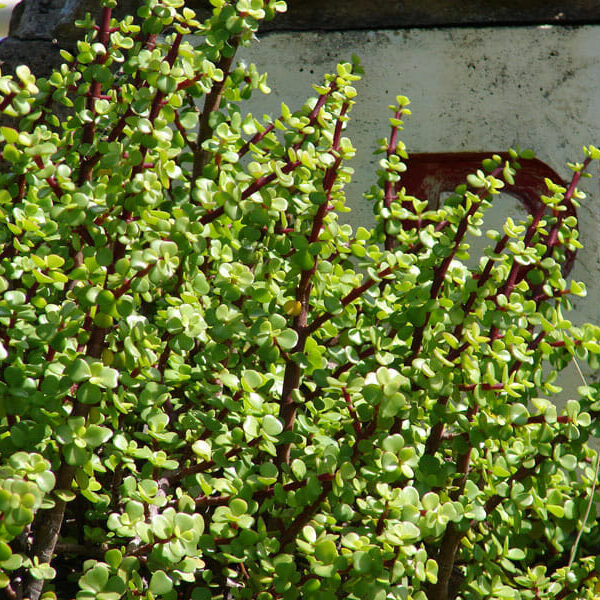
Jade Succulent is an extremely common plant in Australian gardens and has been for some time. Not only is it easy to grow, you'll find it's hardy in most conditions, and really only struggles when over-watered. Preferring a loose draining soil, the Jade Succulent is one of the more resilient succulents when it comes to things like clayey soil. A very attractive addition to any garden! | Nephrolepis exaltata bostoniensis
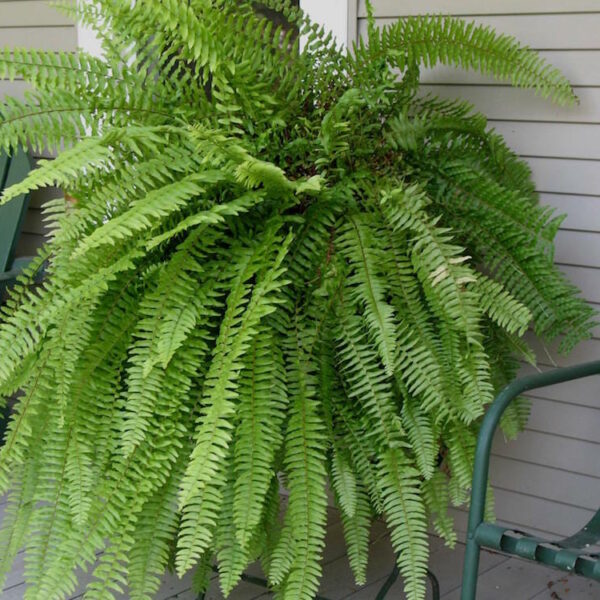
Boston Fern is one of many ferns that is suitable for indoor use as a houseplant. If you want a reliable and fairly easy care fern this is a great choice. This evergreen fern, is native to tropical regions throughout the world. It is common in humid forests and swamps. It produces long palm fronds which weep gracefully creating a very tropical feel.
Please call to confirm availability (03) 9359 3331 or place your order before attending the nursery to avoid disappointment.
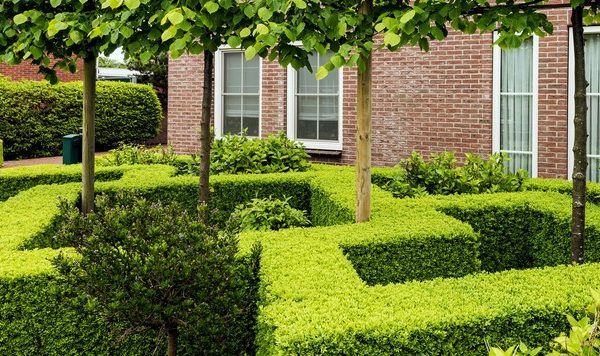
5''/12cm Hanging basket | Buxus sempervirens suffruticosa
A glossy green, rounded leaf box hedging plant
• Used for low to medium hedging and topiary
• Planted in the garden, along borders, pathways and in pots
• Tolerates shady positions |
| Content | | | | | If your looking for a small hedging plant then this is the one for you. Dutch Box is a dwarf box that grows with dense, glossy green foliage and works well in shaded areas.
Dutch Box also likes part shade in moist, well-drained soil, but will tolerate a wide range of soils and conditions. It should be clipped to maintain a formal shape.
Slight yellow discolouration of the leaves on Dutch box may occur during cooler months, but don't worry, this is normal! This is remedied by applying with Dolomite Lime, and a slow release fertilizer a month later. Or you can just leave your Dutch Box alone and it will come back lovely and green and spring.
Having trouble choosing the right Box Hedge for your garden? Click here! |
| Additional information |
| botanical name |
Centella asiatica, or Hydrocotle asiatica.
|
|
| botanical name |
Gaura lindheimeri
|
| height x width |
1.2m x 1m
|
| features |
Masses of sprays of beautiful white flowers opening from pink buds along the stems are borne from spring to autumn
|
| conditions |
Full sun in light well-drained soil, cut back hard after flowering
|
| landscape use |
Background planting, flower borders, color, general garden planting,
|
|
| botanical name |
Portulacaria afra
|
| height x width |
1-1.5m x 1m
|
| features |
Rounded fleshy deep jade-green leaves with contrasting reddish-brown stems
|
| conditions |
Full sun to light shade in well-drained soil, will handle drought but keep protected from heavy frosts
|
| landscape use |
Widely thought to be good luck in Feng Sui and often placed by the front or back door, rockeries, garden beds and pots
|
| |
| botanical-name |
Buxus sempervirens "Suffruticosa"
|
| height-x-width |
Up to 1m, but usually kept quite low as slow growing
|
| planting-distance |
For border: 5 or 6 per metre
|
| features |
An evergreen dwarf shrub with glossy green oval foliage and a dense growth habit
|
| conditions |
Sun to part shade in moist, well-drained soil, but will tolerate a wide range of soils and conditions, clip to maintain formal shape
|
| landscape-use |
Edges and borders, topiary, pots and general garen planting, widely used in formal gardens
|
|