| Description | My Yellow Rose
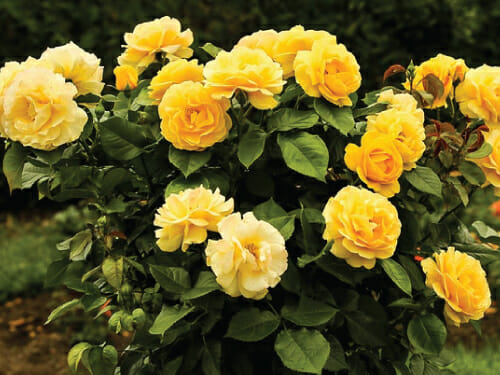
Yellow Roses colouring seeming to denote happiness and sunshine. Deep yellow roses are ideal for creating contrast in the border whereas soft yellow roses blend beautifully with other roses and plants. These roses are usually have a strong Tea fragrance, often with delicious fruity undertones.
8" pot size, approximately 3ft in height.
Available online ONLY - Not in store. | Lavandula angustifolia "Hidcote"
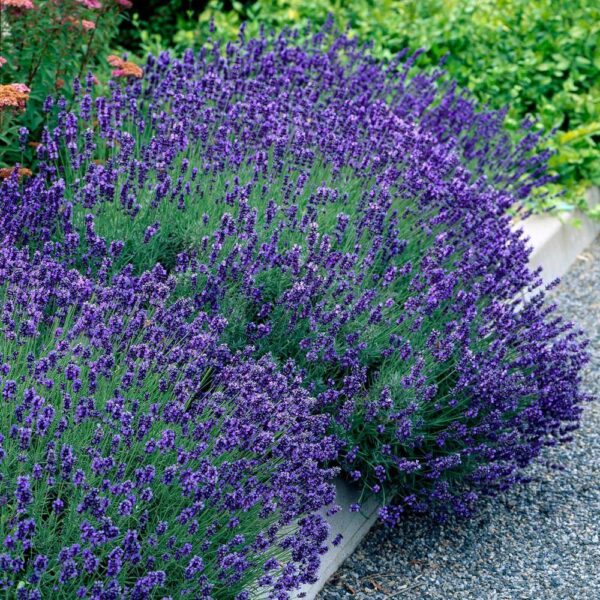
Hidcote Lavender is a dwarf bush with aromatic silver-green leaves bearing slender spikes of dark purple-blue flowers during spring and summer. The flowers are darker in colour than Munstead lavendar, and Hidcote does not grow as tall.
6" pot size, approximately 8-20cm in height. | Lavandula Hybrid
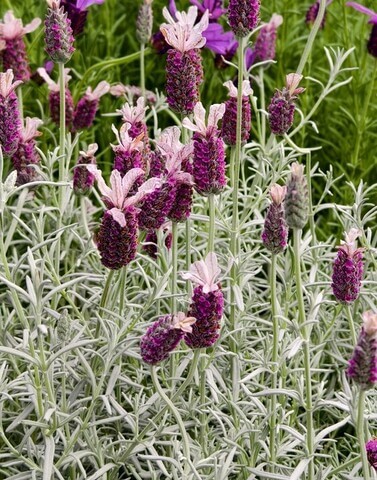
‘Viva Pink’ is a vibrant lavender variety, prized for its vivid pink flower bracts that rise above aromatic grey-green foliage. Blooming over a long season, it adds colour, fragrance, and pollinator appeal to garden beds, borders, and pots.
- Bright pink flower heads with signature butterfly-like bracts.
- Strongly aromatic foliage, ideal for scented gardens.
- Long flowering season from spring to autumn.
6"/14cm pot size. | Hybrid tea rose 'Fragrant Charm Rose'
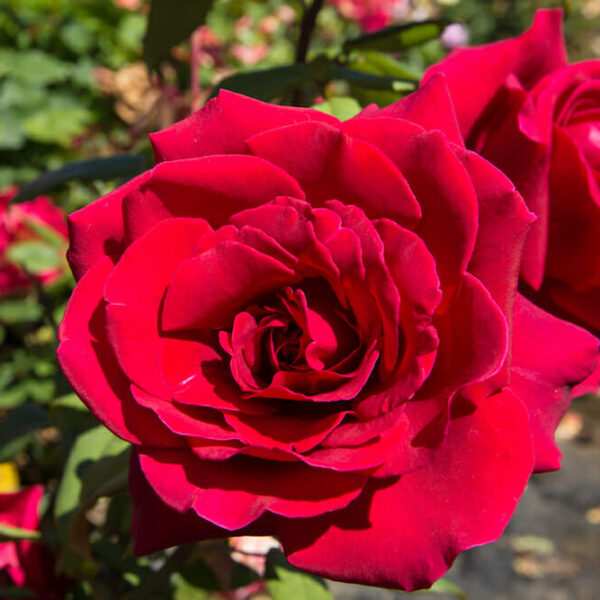
Up right and free blooming, producing large double blooms with high centers and a beautiful fragrance and brilliant strong red colour. Available as a bush rose and 3ft standard.
8" pot size.
Available online ONLY - Not in store. | Hyssopus officinalis
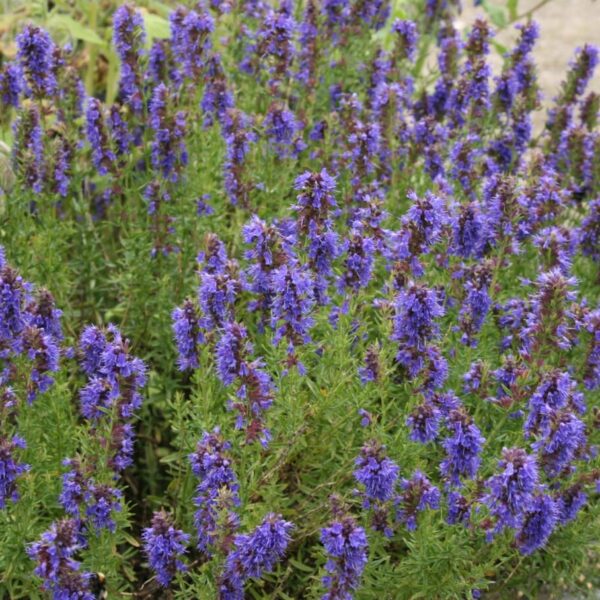
Hyssop is a perennial shrub in the mint family. It is a narrow, upright shrub that grows to about 70cm tall and only about 15cm wide. It loves sun, so a hot sunny position with well drained soil is best. When this plant is nourished enough it will produce small vibrant blue flowers. It looks very attractive in the garden, and bees love it. It's also a favourite with butterflies and hummingbirds. Traditionally Hyssop was used in ancient times as an insecticide, therefore, it makes a very good companion plant. It will repel flea beetles and cabbage moths, so planting near your cabbages and grapevines is a great place for this plant. Hyssop is a flavourful addition to salads soups and stews. Although the Hyssop is not for everyone, as it has quite a bitter aroma and flavour. Extracts of this plant have been used in soaps and perfumes, and to flavour liqueurs, puddings, and candy. When harvesting hyssop, dry the stems indoors away from sunlight, then remove the leaves and flowers. You can then grind these and store in a jar or air tight container away from sunlight. The woody stems lack flavour. To harvest the seeds, let the seed pods brown and dry out, the seeds are then easily removed, also store these in an air tight container out of the sun. Hyssop has expectorant, anti inflammatory and tonic affects. It can also lower fever. The flowers can be used for coughs. And the entire plant is used for fevers, bronchitis, upper respiratory tract infections, and colds. It can also be used to aid digestion, and to ease flatulence and colic. The flowers and leaves are also used on cuts and bruises. And the essential oils of this plant can be added to baths to help chest and bronchial problems. This also helps combat exhaustion. All in all, this herb is a great little all rounder that's easy to grow! | Banksia integrifolia
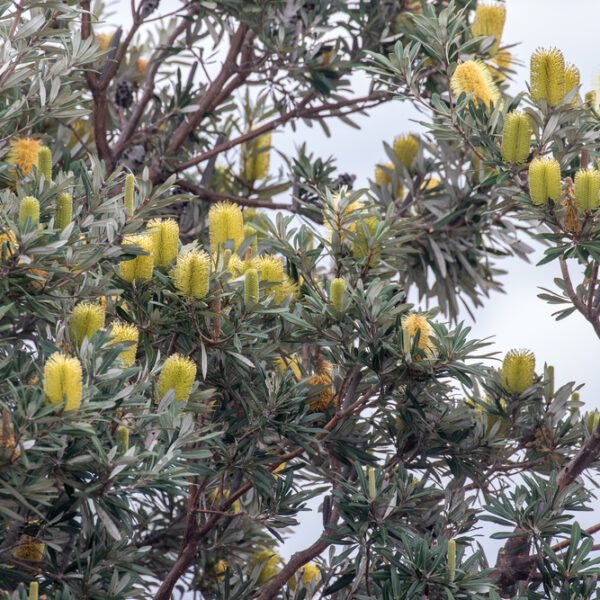
Banksia integrifolia or ‘Coastal Banksia’ is a hardy native found down the Eastern coastline of Australia. Often seen in windswept and sculptural shapes along beach fronts, when placed in a less hostile environment, they can become quite beautiful, bushy specimen plants. They grow anywhere between 4m - 10m and 1m - 5m wide, depending on their environment. During autumn and winter their yellow flowers form into large cones, rich with nectar. These stunning flowers attract lots of bird life, particularly cockatoos and honey-eaters. Coastal Banksia is a slow grower and can handle a wide range of soil types.
10" pot size. | Plectranthus caninus
Dogbane is a perennial herb from the mint family, which grows to about 15cm high, 30cm when in flower. When crushed, leaves have a very strong aroma, however dogs and cats are said to be able to smell the aroma from intact leaves and be repelled from the plant. This herb is also know as "scaredy cat plant". This plant prefers full sun to part shade, but may need more shade in very hot areas. If there is too much shade the plant becomes "leggy" with less foliage. It's frost tender so it needs a warm protected position to protect it from frost and hot sun, it's not suited to open conditions. Water young plants regularly, and once established older plants will tolerate short dry periods. It flowers in spring and summer. And this plant is also recommended for use as an insect repellent. |
| Content | | | | Roses are easily one of the most popular and widely cultivated groups of flowering plants. Numerous different cultivars have been produced over the last two centuries although roses have been grown for millennia before their popularity bloomed. Renown for their flowers and beauty they are also loved for other reasons such as their fruit, the rose hip which can be made into an old fashioned jam or for garden uses such as ground covers and hedging.
Roses range in size and variety from your standard and bush roses right up there with your climbers and weeping varieties, amongst all their beautiful colour, variety and hardy nature there is bound to be the perfect rose out there for your garden. | | | |
| Additional information | |
| botanical name |
Lavandula angustifolia "Hidcote"
|
| height x width |
30cm x 30cm
|
| planting distance |
For border: 25cm
|
| conditions |
Sunny open position in well-drained soil, lavender will not tolerate wet feet, please read Wet Feet Kills, prune after flowering
|
| landscape use |
Borders, low hedges, single specimens, containers, cut flowers, pot pourri, lavender sachets
|
|
| |
| botanical name |
Hyssopus Officinalis
|
|
| botanical name |
Banksia integrifolia
|
| height x width |
5m x 3m
|
| features |
Cones of yellow brush like flowers during autumn, dark green leaves with white underneath, bird attracting, good hardy coastal tree, lime tolerant
|
| conditions |
Full sun to part shade
|
| landscape use |
Cut flower arrangements, screens, windbreaks, hedges and specimens
|
|
| botanical name |
Coleus Cannis
|
|