| Description | Buxus sempervirens suffruticosa
A glossy green, rounded leaf box hedging plant
• Used for low to medium hedging and topiary
• Planted in the garden, along borders, pathways and in pots
• Tolerates shady positions | Coprosma repens
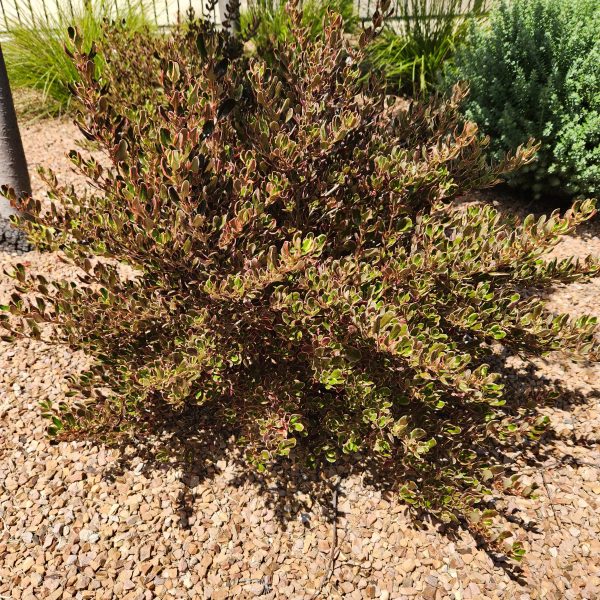
Coprosmas are evergreen shrubs grown for their colourful foliage, which turns even more vibrant in the winter, so you can still have stunning colour through the barer months. They are ideal for hedging, borders, colour contrasts for any garden and pots. Suitable for coastal conditions and frost, they enjoy both full sun and part shade. This makes them great for underplanting trees like magnolias or ornamental pears. Coprosma "Evening Glow" is a multi-coloured variety that has a mixture of red, pink, green, gold and dark purple all on the one leaf. | Pittosporum tobira
[one_half]
[/one_half]
[one_half_last]
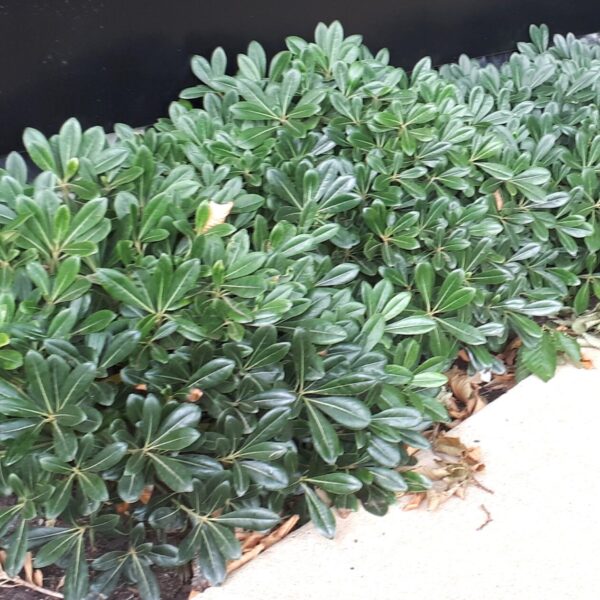
Pittosporum Miss Muffet is a small shrub with tightly compacted leaves that make it a great plant for many gardens especially Japanese style designs. It has fragrant cream flowers that appear in spring. Situate this variety in a half sun position for best results. | Hyssopus officinalis
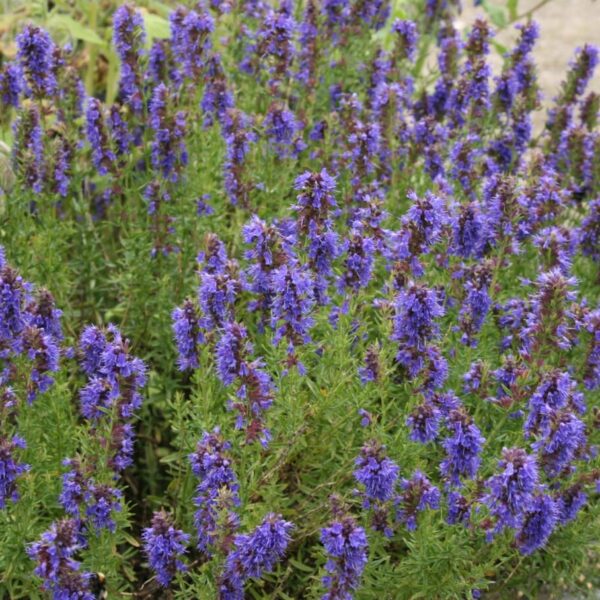
Hyssop is a perennial shrub in the mint family. It is a narrow, upright shrub that grows to about 70cm tall and only about 15cm wide. It loves sun, so a hot sunny position with well drained soil is best. When this plant is nourished enough it will produce small vibrant blue flowers. It looks very attractive in the garden, and bees love it. It's also a favourite with butterflies and hummingbirds. Traditionally Hyssop was used in ancient times as an insecticide, therefore, it makes a very good companion plant. It will repel flea beetles and cabbage moths, so planting near your cabbages and grapevines is a great place for this plant. Hyssop is a flavourful addition to salads soups and stews. Although the Hyssop is not for everyone, as it has quite a bitter aroma and flavour. Extracts of this plant have been used in soaps and perfumes, and to flavour liqueurs, puddings, and candy. When harvesting hyssop, dry the stems indoors away from sunlight, then remove the leaves and flowers. You can then grind these and store in a jar or air tight container away from sunlight. The woody stems lack flavour. To harvest the seeds, let the seed pods brown and dry out, the seeds are then easily removed, also store these in an air tight container out of the sun. Hyssop has expectorant, anti inflammatory and tonic affects. It can also lower fever. The flowers can be used for coughs. And the entire plant is used for fevers, bronchitis, upper respiratory tract infections, and colds. It can also be used to aid digestion, and to ease flatulence and colic. The flowers and leaves are also used on cuts and bruises. And the essential oils of this plant can be added to baths to help chest and bronchial problems. This also helps combat exhaustion. All in all, this herb is a great little all rounder that's easy to grow!
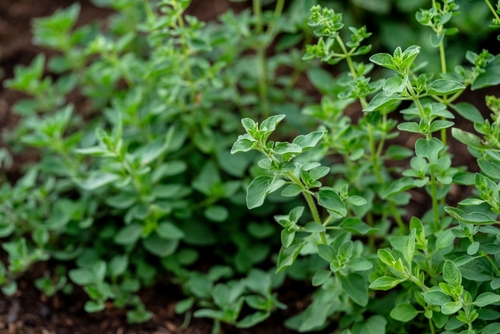
4"/10cm pot size. | Sweet Marjoram is a delicately flavoured cousin or Oregano. It has mild pine and citrus flavours. It is native of North Africa, the Mediterranean region and South-Eastern Asia. Although it is a herbaceous perennial, it is treated by most as an annual due to its sensitivity to frost and cold temperatures. It like a sunny well drained position, and regular watering. It can grow up to 50cm tall, but due to its spreading nature is brilliant to use at the edge of large containers to trail, in hanging baskets, in rockeries and for borders. Excluding the roots, all parts of this plant is edible, even the little white or very pale pink flowers. This herb is great used fresh or dried. In the kitchen, sweet marjoram enhances many dishes, and is deceivingly strong. The tender fresh leaves are great in salads, or mixed with spring veggies. And used fresh or dried goes great in any tomato, pork or beef dishes. It also adds a nice flavour to pizza. When adding this herb to a hot dish, add it in the last 10 minutes of cooking. This herb has many remedy uses. It has been used as a therapy for headaches, toothaches, indigestion, asthma, rheumatism, flatulence, earache, epilepsy, as well as for providing relief from labor pains. The oil extracted from this herb has been used as a healing cream for bruises and sprains. Sweet marjoram is an excellent common tonic, and it has a more potent affect on the nervous system than its close cousin oregano. However pregnant women should not take this herb medicinally.
4"/10cm pot | Choisya ternata
Mexican Orange Blossom is so named as it's flowers are of a similar nature and scent to an orange tree! The foliage is a mid to light green and is covered with masses of scented white flowers through Spring and Summer.
This attractive shrub will grow to approx. 1.5 - 2m, but is happy to be clipped to suit. As a result it can be also used as a hedge or screen. It is best grown in full sun or part shade and is reasonably frost tolerant. |
| Content | If your looking for a small hedging plant then this is the one for you. Dutch Box is a dwarf box that grows with dense, glossy green foliage and works well in shaded areas.
Dutch Box also likes part shade in moist, well-drained soil, but will tolerate a wide range of soils and conditions. It should be clipped to maintain a formal shape.
Slight yellow discolouration of the leaves on Dutch box may occur during cooler months, but don't worry, this is normal! This is remedied by applying with Dolomite Lime, and a slow release fertilizer a month later. Or you can just leave your Dutch Box alone and it will come back lovely and green and spring.
Having trouble choosing the right Box Hedge for your garden? Click here! | | | | | |
| Additional information |
| botanical-name |
Buxus sempervirens "Suffruticosa"
|
| height-x-width |
Up to 1m, but usually kept quite low as slow growing
|
| planting-distance |
For border: 5 or 6 per metre
|
| features |
An evergreen dwarf shrub with glossy green oval foliage and a dense growth habit
|
| conditions |
Sun to part shade in moist, well-drained soil, but will tolerate a wide range of soils and conditions, clip to maintain formal shape
|
| landscape-use |
Edges and borders, topiary, pots and general garen planting, widely used in formal gardens
|
| |
| Sunshine |
Full Sun, Part Shade
|
| Fertilise Me |
November, October, September
|
| Fertilizer Frequency |
Annually
|
| Flowering |
Yes
|
| Fragrance |
Moderate
|
| Fruit / Seed |
No
|
| Growth Speed |
Fast
|
| Leaf Drop |
Evergreen
|
| Origin |
China, Japan, Korea, Taiwan
|
| Other Common Names |
Australian Laurel, Cheesewood, Japanese Cheesewood, Mock Orange
|
| pH |
Acidic, Alkaline, Neutral
|
| Plant Type |
Shrub
|
| Soil Type |
Loam, Loamy – Clay, Sandy – Loam, Well drained
|
| Tolerances |
Pollution Tolerant, Poor Soil Tolerant, Frost Tolerant, Salt Tolerant, Heat Tolerant, Drought Tolerant
|
| Water Requirement |
Low
|
| Max Height |
1m
|
| Max Width |
1.5m
|
| Toxic To |
Non-toxic
|
| Prune Me |
2-3 times a year
|
| Planting Distance |
1 per metre
|
| Size Maintained at |
1.5m
|
| Uses |
Low Hedge
|
| Foliage Colour |
Green
|
| Flowering Time |
December, November, October
|
| Botanical Name |
Pittosporum tobira 'Miss Muffet'
|
|
| botanical name |
Hyssopus Officinalis
|
|
| botanical name |
Origanum Majorama
|
|
| height x width |
1.5m x 1.5m, can be trimmed
|
| planting distance |
For hedge or screen: 80cm
|
| features |
Compact rounded bush, leaves consist of 3 glossy deep green leaflets, tight clusters of fragrant white flowers appear in spring and late summer
|
| conditions |
Full sun to part shade in rich, well-drained soil, prefers a slightly acidic soil
|
| landscape use |
Specimen, screen, general landscaping, a great substitute for Orange Jessamine in a frosty area
|
|