Compare
| Ulmus 'English' Elm remove | Ulmus parvifolia 'Chinese Elm' remove | Convolvulus 'Silver Bush' remove | Strelitzia 'Bird of Paradise' remove | |||||||||||||||||||||||||||||||||
|---|---|---|---|---|---|---|---|---|---|---|---|---|---|---|---|---|---|---|---|---|---|---|---|---|---|---|---|---|---|---|---|---|---|---|---|---|
| Name | Ulmus 'English' Elm remove | Ulmus parvifolia 'Chinese Elm' remove | Convolvulus 'Silver Bush' remove | Strelitzia 'Bird of Paradise' remove | ||||||||||||||||||||||||||||||||
| Image | 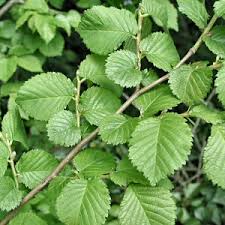 |  | 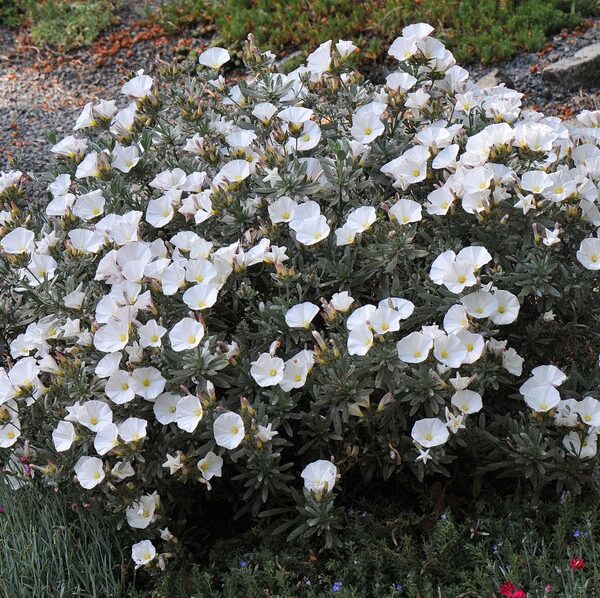 |  | ||||||||||||||||||||||||||||||||
| SKU | UPEEL00 | CHEL00 | SILB00 | BIRD00 | ||||||||||||||||||||||||||||||||
| Rating | ||||||||||||||||||||||||||||||||||||
| Price | Price range: $149.99 through $229.99 | Price range: $15.99 through $339.99 | Price range: $12.99 through $49.99 | Price range: $8.99 through $339.99 | ||||||||||||||||||||||||||||||||
| Stock | ||||||||||||||||||||||||||||||||||||
| Availability | ||||||||||||||||||||||||||||||||||||
| Add to cart | ||||||||||||||||||||||||||||||||||||
| Description | Ulmus proceraEnglish Elm is an iconic tree that has adapted well into South Eastern Australia. It is usually used as a park, specimen, street or shade tree. Its beautiful yellow Autumn foliage is its notable feature. This tree is best used as a feature tree in a large space. It can also be used as a screen or avenue tree. | Ulmus parvifoliaThe bark of the Chinese Elm is a real stand out feature, as the tree sheds it in patches, creating the effect of a tapestry of varying browns and greys. Foliage is lush, shiny and green, and the tree is semi deciduous, turning golden in autumn, and keeping its leaves in warmer areas. It has also been noted by many Aussie gardeners in recent years that native birds enjoy the fruit of the Chinese Elm. | Convolvulus cneorumContrasting foliage makes Convolvulus Silver Bush a striking feature in the garden. • Slender silver foliage with bright, white cupped flowers • Low growing, only 40cm high and round • A beautiful addition to a cottage, low maintenance or potted garden | Strelitzia reginaeExotic blue and orange flowers in the shape of a bird give this plant its name, Bird of Paradise. • Tropical looking broad round leaves • Looks great in pots, along fence lines and in poolside gardens • Tolerates drought, light frost and poor soils | ||||||||||||||||||||||||||||||||
| Content | Video: Chinese Elms as a beautiful, medium size feature tree for a tough spot | [one_half] [/one_half] [one_half_last padding ="0 0 0 20px"] Bird of Paradise are native to South Africa, and are very hardy and can be grown in full sun to part shade. They get their name from their exotic blue/orange flowers that resemble the head of a colourful tropical bird. Bird of Paradise have large, lush foliage and look great when used in rockeries and interplanted with yuccas and agaves. Great for creating a tropical feel in the garden. We refer to these as "Flowering Bird of Paradise" or Strelitzia Bird of Paradise (a bit of a mouthful that comes from their botanical name) because there is another variety of Bird of Paradise called Giant Bird of Paradise. These have much bigger leaves, are taller growing, and are often planted together with Flowering Bird of Paradise to create a multi-layered, tropic garden effect even as far south as Melbourne. [/one_half_last] | ||||||||||||||||||||||||||||||||||
| Weight | N/A | N/A | N/A | N/A | ||||||||||||||||||||||||||||||||
| Dimensions | N/A | N/A | N/A | N/A | ||||||||||||||||||||||||||||||||
| Additional information |
|
|
|