| Name | Banksia Rose 'Yellow' 6" Pot remove | Thymus 'Lemon Thyme' 4" Pot remove | Cotinus 'Purple Smoke Bush' 10" Pot remove | Pyrus nivalis 'Snow Pear' remove | Hyssop remove | Buxus 'English Box' 3" Pot remove |
| Image | 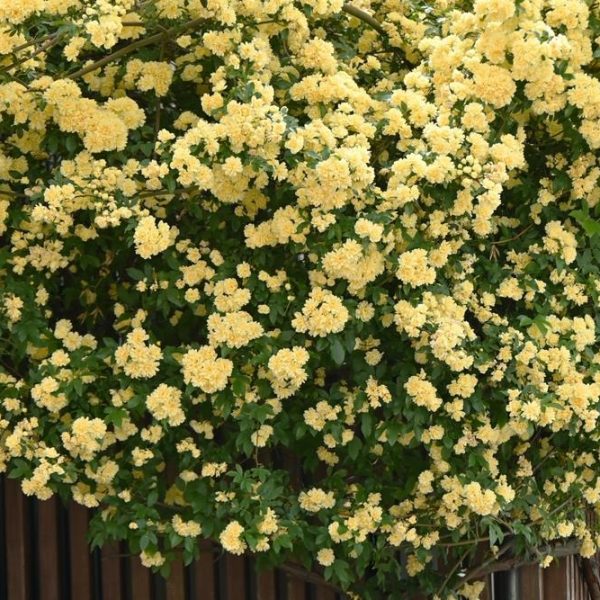 | 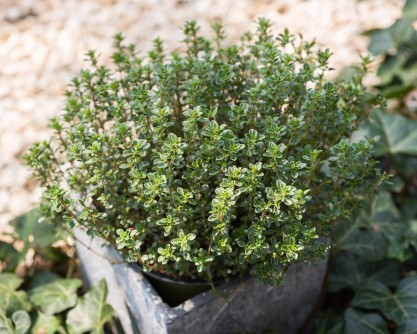 | 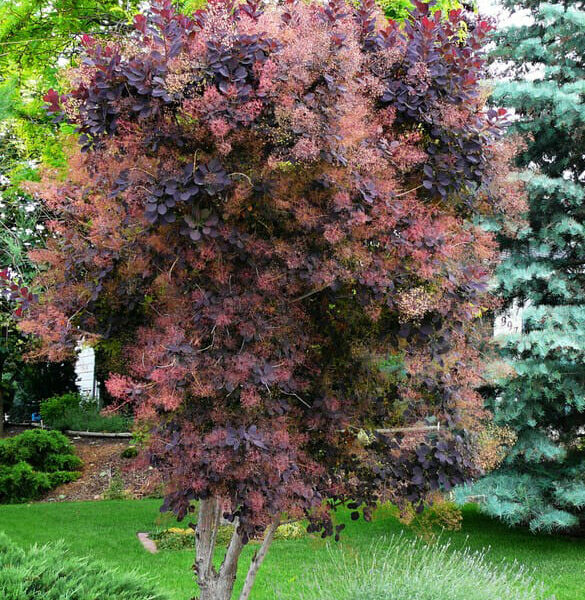 | 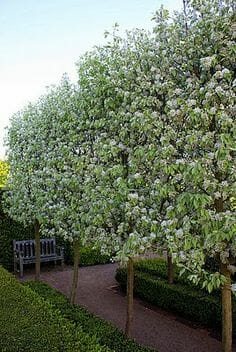 | 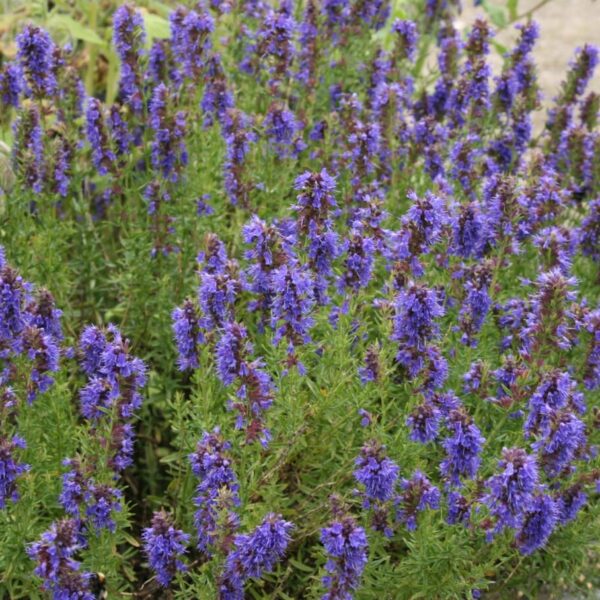 | 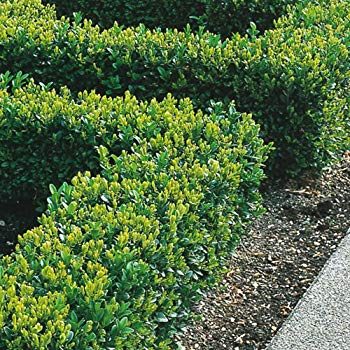 |
| SKU | BANKRN35 | HLETH02N60 | COTSB1stk | SNPR00 | HHYSS00 | EGBOX3 |
| Rating | | | | | | |
| Price | $17.99 | $7.99 | $79.99 | $34.99 – $299.99Price range: $34.99 through $299.99 | $7.99 – $14.99Price range: $7.99 through $14.99 | $4.99 Original price was: $4.99.$3.99Current price is: $3.99. |
| Stock | | | Out of stock
| | | |
| Availability | | | Out of stock | | | |
| Add to cart | Add to cart
| Add to cart
| Read more
| View products
| View products
| Add to cart
|
| Description | Rosa banksiae
The Banksia Rose is a tough evergreen climbing rose with soft ruffled yellow flowers which appear in Spring. Like Iceberg Roses, it's prized as a disease resistant and hardy rose. It works well as a groundcover rose or a climber when given a support such as a trellis.
The Banksia rose is an incredibly useful and versatile climber or groundcover as it is low maintenance, thornless and tolerates full sun and part shade.
6"/14cm pot size. | Thymus x Citriodora "Lemon Thyme"
Lemon thyme is a hardy perennial, that prefers sunny, well drained positions, and requires only moderate watering. It is perfect for containers or in rock gardens. It makes a great companion plant to cabbage, onions and roses. The leaves of this herb can be used in any recipe that requires lemon juice, lemon zest or lemon flavouring. It goes well with fish, chicken and mixed with vegetables. Try it in stuffing in place of regular thyme, or put in soup! Thyme can be used fresh or dried. Thyme has antiseptic and anti bacterial properties, and makes a useful herbal tea to help combat colds, coughs, asthma, laryngitis and sore throats. It can also be applied externally to aid in bacterial and fungal infections, and to soothe insect bites.
4" pot size. | Cotinus Coggygria, Smoketree
Purple Smoke Bush is a gem in the garden thanks to it's unique blend of colours that change throughout the seasons. A large deciduous shrub or small tree, its beautiful eye-catching Spring foliage is green overlaid with purple. Summer brings deep purple foliage that then turns deep orange and bronze in a burst of glory for an Autumn show.
Purple Smokebush gets its name from the clouds of smoke-like purple and pink "flowers" it produces in early Summer. These are very beautiful themselves, and are prized along with the foliage by florists. Grows best in full sun to partial shade and it is tolerant of drought and most soils, making it a great addition to many gardens.
10" pot size. | Pyrus nivalis
The Snow Pear is an especially hardy ornamental pear tree with glaucous foliage, having a fine, silvery soft coating on the leaves.
• Tolerates drought and wet areas
• Perfect for driveways, avenues or a stand alone feature
• Autumnal colour and spring blossom
For more information on Ornamental Pears see our Pyrus - Ornamental Pear Factsheet
For care instructions, features and more, check out Additional Information below | Hyssopus officinalis
Hyssop is a perennial shrub in the mint family. It is a narrow, upright shrub that grows to about 70cm tall and only about 15cm wide. It loves sun, so a hot sunny position with well drained soil is best. When this plant is nourished enough it will produce small vibrant blue flowers. It looks very attractive in the garden, and bees love it. It's also a favourite with butterflies and hummingbirds. Traditionally Hyssop was used in ancient times as an insecticide, therefore, it makes a very good companion plant. It will repel flea beetles and cabbage moths, so planting near your cabbages and grapevines is a great place for this plant. Hyssop is a flavourful addition to salads soups and stews. Although the Hyssop is not for everyone, as it has quite a bitter aroma and flavour. Extracts of this plant have been used in soaps and perfumes, and to flavour liqueurs, puddings, and candy. When harvesting hyssop, dry the stems indoors away from sunlight, then remove the leaves and flowers. You can then grind these and store in a jar or air tight container away from sunlight. The woody stems lack flavour. To harvest the seeds, let the seed pods brown and dry out, the seeds are then easily removed, also store these in an air tight container out of the sun. Hyssop has expectorant, anti inflammatory and tonic affects. It can also lower fever. The flowers can be used for coughs. And the entire plant is used for fevers, bronchitis, upper respiratory tract infections, and colds. It can also be used to aid digestion, and to ease flatulence and colic. The flowers and leaves are also used on cuts and bruises. And the essential oils of this plant can be added to baths to help chest and bronchial problems. This also helps combat exhaustion. All in all, this herb is a great little all rounder that's easy to grow! | Buxus sempervirens
Want to buy cheap English Box? This is the size for you. English Box is popular because:
• Low maintenance, only requiring 1-2 prunings a year
• Evergreen with no flowers
• Can be used for hedging, topiary balls, cones, squares, spirals and standards
3"/7cm pot size.
      |
| Content | | | | | | Want to buy cheap English Box?
The 3" pot size are our cheapest English Box plants. While not as big as our other varieties, if you want to establish an English Box hedge as economically as possible, these are for you!
We typically have some of the cheapest English Box available in any retail nursery in Melbourne. These are bigger, bushier and more advanced than your average 3″ tubes of box.
For perfect English Box borders and hedges, we recommend a spacing of 5 plants per meter. The secret to making perfect English Box borders and hedges is to space your English Box closely. Some traditional gardening books recommend spacing them even closer. That's why buying cheap English Box can make a big difference to the price of putting in an English Box hedge, as so many plants are needed.
The advantages of English Box hedge and border is that it only requires one or two trimmings per year. It needs very little water and it grows in almost any soil, except for a very heavy or poorly drained soil. English Box grows in full sun through to the very deepest shade. In fact English Box will grow with no direct sunlight. English Box is the best of the low borders when you have a border that is partly in full sun and partly in deep shade.
Click here to view our English Box Factsheet for more information.
Please note: During Winter, it is common for discolouration on the foliage of English box. It is due to severe frosts, where our products are grown in the coldest parts of Victoria. They will sort themselves out in Spring, however if it does bother you, please treat with Dolomite Lime, and a slow release fertilizer a month later. |
| Weight | N/A | N/A | N/A | N/A | N/A | N/A |
| Dimensions | N/A | N/A | N/A | N/A | N/A | N/A |
| Additional information |
| height x width |
Climber to 3-4m
|
| planting distance |
For hedge or screen: 70cm
|
| conditions |
Very hardy, likes full sun and well-drained soil
|
| landscape use |
fences, screens, cover unattractive sheds, pergolas, arbors, rotundas, trellis
|
|
| botanical name |
Thymus x Citriodorus
|
|
| height x width |
3m x 3m
|
| features |
Attractive rounded purple foliage with a red tinge in spring and autumn, inflorescences appear in summer covering the bush like a cloud of smoke
|
| conditions |
Full sun to part shade in well-drained soil
|
| landscape use |
Specimen, feature, color contrast
|
|
| Botanical Name |
Pyrus nivalis
|
| Other Common Names |
Callery Pear, Flowering Pear, Ornamental Pear, Yellow Pear
|
| Origin |
Southeast Europe, Western Asia
|
| Plant Type |
Tree
|
| Leaf Drop |
Deciduous
|
| Sunshine |
Afternoon Sun, Full Sun, Midday Sun, Part Shade
|
| Tolerances |
Pollution Tolerant, Poor Soil Tolerant, Soggy Soils, Wind Tolerant, Frost Tolerant, Heat Tolerant, Drought Tolerant
|
| Soil Type |
Clay, Loam, Loamy – Clay, Sandy – Loam, Well drained
|
| pH |
Acidic, Alkaline, Neutral
|
| Water Requirement |
Moderate
|
| Fertilise Me |
April, March, November, October, September
|
| Fertilizer Frequency |
Bi-annually
|
| Best time to plant |
All Year
|
| Planting Distance |
4-5m apart
|
| Max Height |
8m
|
| Max Width |
5m
|
| Growth Speed |
Fast
|
| Prune Me |
Annually, Only if required, In the cooler months
|
| Size Maintained at |
4m
|
| Flowering |
Yes
|
| Flower Colour |
White
|
| Flowering Time |
November, October, September
|
| Fragrance |
Strong
|
| Foliage Colour |
Grey-Green
|
| Autumn Colour |
Orange, Red
|
| Fruit / Seed |
Yes – Non-edible
|
| Fruiting Time |
December, January
|
| Attracts |
Bees, Birds, Butterflies
|
| Toxic To |
Non-toxic
|
| Uses |
Fenceline, Shade Tree, Feature Tree, Hedging & Screening
|
|
| botanical name |
Hyssopus Officinalis
|
|
| botanical-name |
Buxus sempervirens
|
| height-x-width |
Up to 1.2 metres, or trimmed lower
|
| planting-distance |
For border: 5 per metre For low border, 3 or 4 per metre For taller hedge
|
| features |
Traditional slower growing neat hedge or border with glossy oval dark green leaves
|
| conditions |
Full sun to part shade, moist well drained soil
|
| landscape-use |
Hedges, borders, topiary, mazes, containers and general garden planting
|
|