| Description | Bronze Fennel
Bronze Fennel is a herbaceous Perennial plant that can grow up to 1.5m tall. It's a very easy to grow plant, however young plants are frost tender. To produce richer oils and seeds, this plant should be planted in full sun, in well drained soil. It easily self seeds, so deadhead after flowering to keep under control. With its soft bronze foliage and pretty little yellow flowers, this plant is also great as a decorative addition to any garden. Bronze fennel has the same sweet liquorice flavour as the traditional green variety, so can be used in its place in any recipe. The leaves are great with fish, and can be stuffed into the cavity of a whole fish or to wrap fillets. You can also use it to make a stuffing. Another herb that goes well with fennel, is French tarragon. Tarragon having a spicy aniseed kick and fennel a sweeter flavour. You can make a very nice tea from the leaves and seed of bronze fennel. Or milk steeped with this herb can make delicious ice cream, or be used in baking cakes or bread. To harvest the seeds, leave the flower stalks on the plant until the seeds turn from green to brown then hang the seed heads in a paper bag to finish drying out. The seeds are ready when the shake away from the main head easily. The store them in an air tight container away from sunlight.
4" pot size. | Centella asiatica
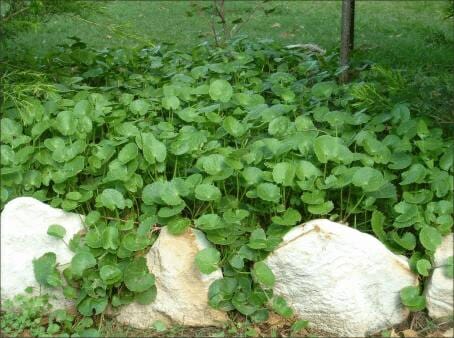
When we think about herbs we think of things like parsley, sage and thyme, which all originate from Southern Europe. We don't hear much about those from Asia, let alone native Australian herbs. "Gotu kola" is more commonly known here as the arthritis plant. This herb has been cultivated in India, China, tropical Asia and Africa for centuries. It comes from the same family of plants as parsley and it has close relatives in Australia. Some of the traditional claims made about the medicinal properties of this plant include ; the extension of life, control of tuberculosis and leprosy, relief of high blood pressure and the pain and swelling associated with arthritis as well as a treatment for cancer and irritating skin ailments. It has also been referred to as Indian Ginseng because of its stimulating effects on many parts of the body. The arthritis herb has been used as a medicine for thousands of years in countries where it grew naturally. It is claimed to have beneficial effect on a number of other ailments including psoriasis, ulcers, rheumatism, acute infections and inflammation, upper respiratory tract infections, diarrhoea, fevers and diseases of the female reproductive organs. Modern clinical tests on humans and animals have confirmed a positive effect in the treatment of skin ailments such as ulcers, burns and wounds. The recommended daily dose is two leaves of 40mm diameter per adult, or the equivalent in smaller leaves. The leaves have a bitter taste particularly if grown in full sun. You may be able to eat the leaves straight from the plant or alternatively they can be chopped up and used like a parsley garnish on salads or mashed potato. It is commonly used to flavour rice dishes in Southeast Asia. A weak tea can be made which you might like to sweeten with honey. The naturally occurring organic chemicals in the leaves include strong alkaloids and a carcinogen called asiaticoside. It is recommended therefore, that you do not exceed this dose as symptoms of headache, dizziness and insomnia have been reported. This plant also goes by the common name of swamp pennywort and this is a clue to its preferred environment, which is shady and swampy. In such a location this plant can grow very quickly. The arthritis plant can be easily grown in the home garden. It thrives under shade in pots, hanging baskets and particularly in bog gardens or by a pond. A good idea is to keep this plant in a confined position such as a tub to prevent it from escaping. And a good potting mix will see this plant take off quickly.
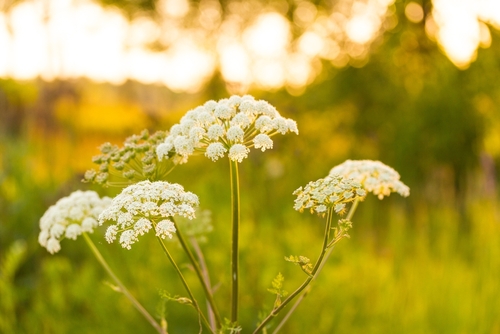
4" pot size. | Angelica plants are biennials belonging to the Parsley family. It originated in Northern and Central Europe. In ancient times this plant was considered a powerful protective herb against evil spirits, witchcraft and disease, and in the 17th century it was considered a major medicinal plant. Roots and leaves are used as a digestive stimulant, and the roots and rhizomes are approved by the German Commission E for digestive disturbances including flatulence and mild gastro spasms! The roots, stalks, leaves and flowers are all edible. The stalks are candied for cake decoration, leaves are added to cooked fruit dishes, soups, stews, fish or poultry. The essential oil of the roots and seeds are used as a vanilla like flavouring. This plant can grow up to 1m tall, and prefers a sheltered, semi shaded spot. To survive, this plant requires regular watering in warmer months. And to stop the leaves drying out give them a little spray of water also!! 4" pot size |