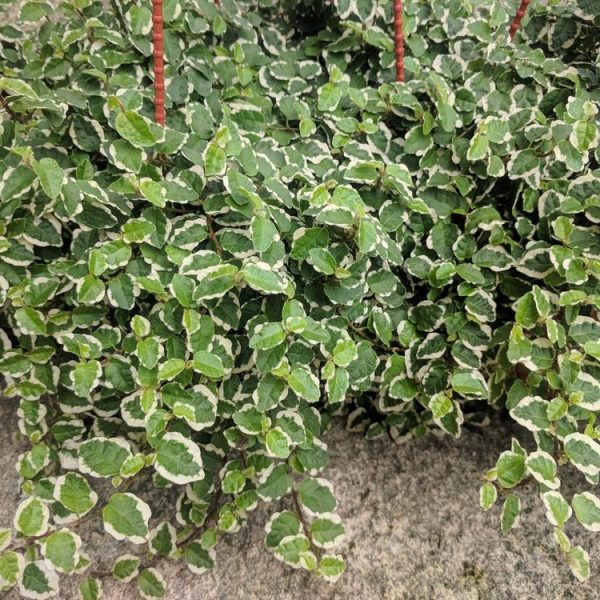
| Description | Ficus pumila variegata
Creeping/Climbing Ficus 'Ice Caps' has crinkly, heart-shaped variegated juvenile leaves on a tracery of fine stems which adhere closely to its support. When the plant matures it starts to produce large, leathery adult foliage on horizontal, woody branches. Mature plants also produce yellowish-green, inedible figs. The Ice Caps fig is very hardy and drought tolerant once established. Prune to control rampant growth and to remove horizontal branches which stand out from the support and produce unattractive adult foliage.
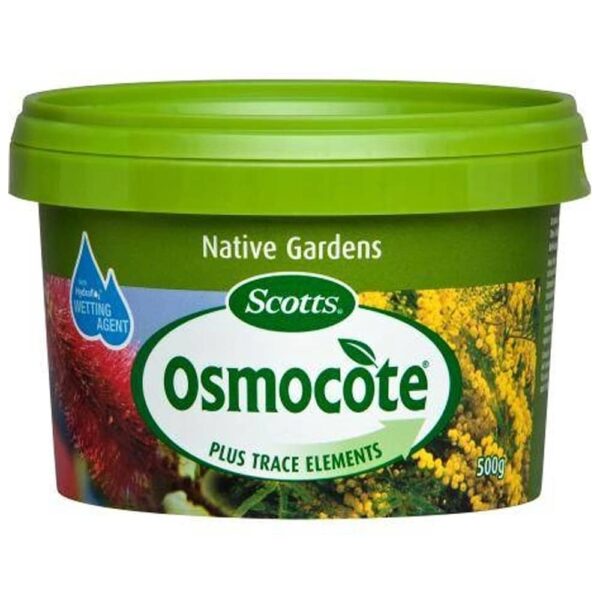
8''/20cm pot | A no-fuss, set and forget controlled release plant food for plants that prefer low phosphorus feeding, such as Australian Natives. The smart way to fertilize - one application feeds continuously for up to six months.
• Contains 6 months feed
• Plus trace elements
• Fast and Easy
• No Surge Growth
FEATURES
- The release of nutrients depends on temperature - more when it's warm and plants are growing and less when it's cold and growth is slow
- Scotts Osmocote® uses advanced prill technology that ensures even and controlled nutrient release with no wastage
- Controlled release means feeding less often and more effectively; less frequent feeding is more economical and environment-friendly
- Wetting agent improves water absorption into the soil or potting mix and helps plants take up nutrients
- Boosted levels of these and other trace elements keep leaves greener for longer and promote healthy growth
SUITABLE FOR
- All phosphorus-sensitive plants including Australian natives, South African proteas, leucadendrons, leucospermums and serrurias
- Other trees, shrubs, annuals, perennials, vegetables, herbs and fruit trees
- Safe to use on new plants - the controlled release of nutrients means it will not burn soft leaves or tender young roots
Size 500g | Debco Garden Soil Mix is ideal for constructing new garden beds or improving existing soil conditions by mixing it into your existing soil. Garden Mix is suitable for all plant types including annuals, trees, shrubs and phosphorus sensitive plants such as natives.
It contains quality key additives and includes rich humus to increase the organic matter in sandy soils and assist in breaking down clay in heavy soils.
• Contains 4 months feed
• Plus trace elements
• WaterSmart Technology
• Encourages stronger root development
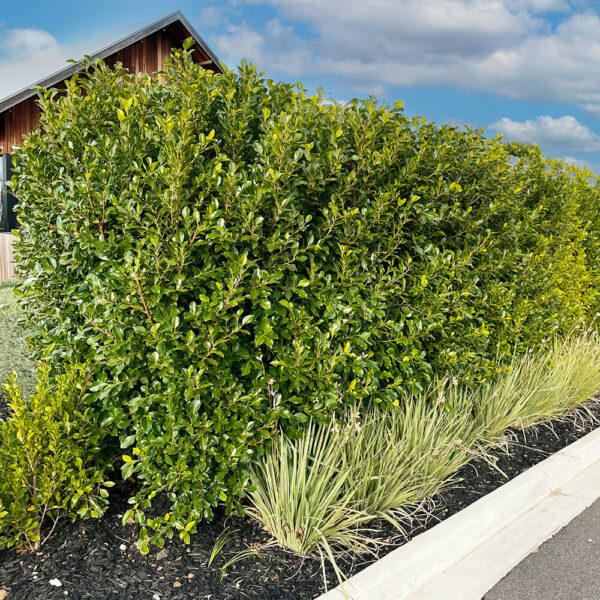
Size 25L | Ficus microcarpa hillii
Ficus hillii or 'Hill's Weeping Fig' are the hardiest of the evergreen ficus plants and are the number one choice for standardizing. The soft, white bark contrasts beautifully against the exuberant, glossy green foliage, making a feature out of your pleached hedge or standard topiary.
Unlike other ficus, the foliage of the Hill's Weeping Ficus can be hit by a hard frost without recoiling and turning black. Ficus hillii can tolerate a wide range of soils from clay to sandy, preferring a rich, moist loam in which it would thrive. They grow best in full sun to part shade and produce no flowers, making it a no mess hedging option!
Ficus roots are known to be quite vigorous, but can be controlled by keeping the foliage and head of the plant trimmed, roughly 2-4 times a year. They are best planted away from water pipes, easements and pools to avoid any root issues.
See our Ficus Hedging & Screening Factsheet here for more about the different Ficus varieties!
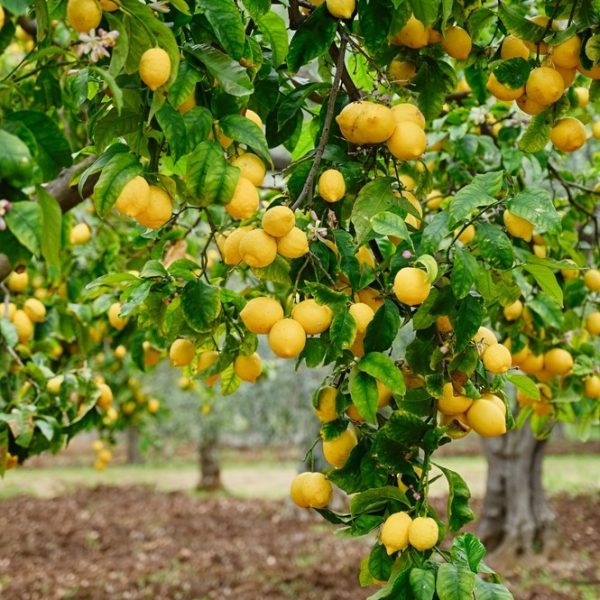
For care instructions, features and more, check out Additional Information below | Citrus x limon meyerii
Dwarf Lemon Meyer has a compact growth habit but will yield full-sized fruit. Meyer is a cross between a lemon and orange and plants tend to be more cold-tolerant than true lemons. Fruit is sweeter than a lemon and less acidic making it a very versatile fruit.
One of the most popular citrus trees, particularly for the cooler regions, Meyer has a steady supply of fruit all year. Suitable to be grown in a large pot. Grows 2m high x 1.5m wide
5L Bag (Equivilent to 8"/20cm pot) |
| Additional information | | | |
| Other Common Names |
Chinese Banyan, Indian Laurel, Malayan Banyan, White Trunk Ficus
|
| Origin |
Asia, Australia
|
| Plant Type |
Tree
|
| Leaf Drop |
Evergreen
|
| Sunshine |
Afternoon Sun, Full Sun, Part Shade
|
| Tolerances |
Pollution Tolerant, Poor Soil Tolerant, Frost Tolerant, Salt Tolerant, Heat Tolerant, Drought Tolerant
|
| Soil Type |
Clay, Loam, Loamy – Clay, Sandy, Sandy – Loam, Well drained
|
| pH |
Acidic, Neutral
|
| Water Requirement |
Moderate
|
| Fertilise Me |
December, February, January, March, November, October, September
|
| Fertilizer Frequency |
Monthly, When needed
|
| Planting Distance |
1 every 80cm, 1 per metre
|
| Best time to plant |
All Year
|
| Max Height |
10m
|
| Max Width |
3m
|
| Growth Speed |
Fast
|
| Prune Me |
3-5 times a year, Only in the warmer months
|
| Size Maintained at |
2m, 3m
|
| Flowering |
No
|
| Foliage Colour |
Green
|
| Fruit / Seed |
No
|
| Toxic To |
Dogs
|
| Uses |
Hedging & Screening, Pots, Standard, Topiary
|
| |