| Description | Nandina domestica 'Nana'
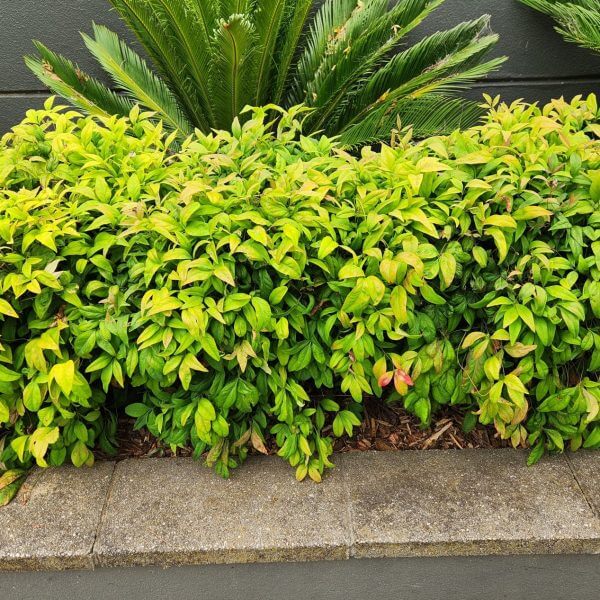
Dwarf 'Sacred Bamboo', commonly known as Dwarf Nandina, is a small self shaping, non-flowering shrub with colourful foliage.
• Green foliage in summer that changes to vibrant red in winter
• Very low maintenance and incredibly hardy
• Perfect for borders, edging, pots & containers | Acacia melanoxylon
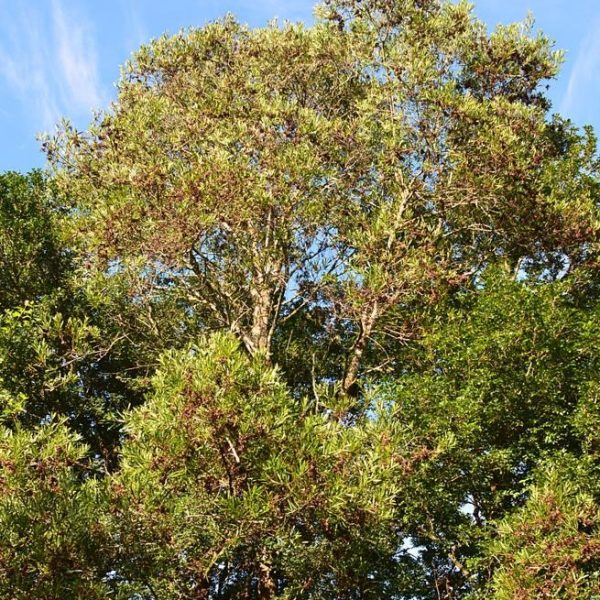
Acacia 'Blackwood' is an iconic Australian tree famous for its timber, which has been extensively used for quality specialist furniture since European settlement.
Growing into a large shade tree, the Blackwood's dense foliage makes it an ideal choice for a screen or windbreak with its pale yellow cream flowers blooming in winter and spring. It is cold and frost tolerant with low flammability and high tolerance to poor soils and drought. Plant with Acacia Lightwood, which flowers in summer, for year-round interest.
See our Acacia - Wattles Factsheet here for more about the different Acacia varieties!
For care instructions, features and more, check out Additional Information below
| |
| Content | Reasons to buy Dwarf Nandina
Loved for its attractive colourful foliage, Dwarf Nandina is one of the most popular varieties of the Nandina (Sacred Bamboo) family. Extremely versatile, and wherever you choose to plant it, its gorgeous colours will create a bright spot in any garden. Dwarf Nandina does not flower, and is loved mostly for its exotic coloured foliage. You will delight as its green/yellow foliage transforms through blush pinks in summer, before bursting in vibrant reds during winter.
Nandina grows quite low, remaining roughly as wide as it is tall which in the Dwarf (Nandina domestica nana) varieties is not much more than about 50cm tall. (It does also come in larger varieties, which we call Tall Nandina.)
Dwarf Nandina is quite a hardy plant that is suitable for most climate types. After establishing itself, it enjoys both lots of sun or partial shade, with a high tolerance for different temperatures. It even copes well with drought, but prefers soils with a little acidity that are well-drained and topped with a light sprinkling of compost. A light prune as new spring growth emerges is recommended to keep it neat, but it can do quite well with no trimming at all.
If you plant to buy Dwarf Nandina for planting in pots or containers, beware of overheating in summer. A deep soak every now and then helps. Apart from that it needs minimal maintenance.
It is equally at home in Coastal or Tropical Gardens, Mediterranean Gardens, Poolside, Courtyard and more. | | |
| Additional information | |
| Botanical Name |
Acacia melanoxylon
|
| Other Common Names |
Australian Blackwood, Black Wattle, Blackwood, Hickory, Mudgerabah, Sally Wattle, Wattle
|
| Origin |
Australia
|
| Plant Type |
Tree
|
| Leaf Drop |
Evergreen
|
| Sunshine |
Full Sun, Part Shade
|
| Tolerances |
Pollution Tolerant, Poor Soil Tolerant, Wind Tolerant, Frost Tolerant, Salt Tolerant, Heat Tolerant, Drought Tolerant
|
| Soil Type |
Clay, Loam, Loamy – Clay, Sandy, Sandy – Loam
|
| pH |
Acidic, Neutral
|
| Water Requirement |
Low
|
| Fertilise Me |
December, January, November, October, September
|
| Fertilizer Frequency |
In the first year after planting, Monthly
|
| Best time to plant |
All Year
|
| Planting Distance |
2-3m apart
|
| Max Height |
12m
|
| Max Width |
5m
|
| Growth Speed |
Fast
|
| Prune Me |
Only if required
|
| Size Maintained at |
3m, 4m
|
| Flowering |
Yes
|
| Flowering Time |
August, November, October, September
|
| Flower Colour |
Cream, Yellow
|
| Foliage Colour |
Green
|
| Fragrance |
Moderate
|
| Fruit / Seed |
Yes – Edible
|
| Fruiting Time |
December, February, January
|
| Attracts |
Bees, Birds, Native Birds
|
| Toxic To |
Non-toxic
|
| Uses |
Shade Tree, Street Tree, Hedging & Screening
|
| |