| Description | Lavandula angustifolia
Traditionally English Lavender was grown for its heavenly fragrance, used in oils and potpourri.
• Small, slender blue-ish purple flowers on tall stems above the foliage
• Grown in pots, as a hedge or in the cottage garden to attract bees and butterflies
• Tolerates drought and dry conditions, preferring well drained soils
6"/14cm pot | Cercis canadensis 'Forest Pansy'
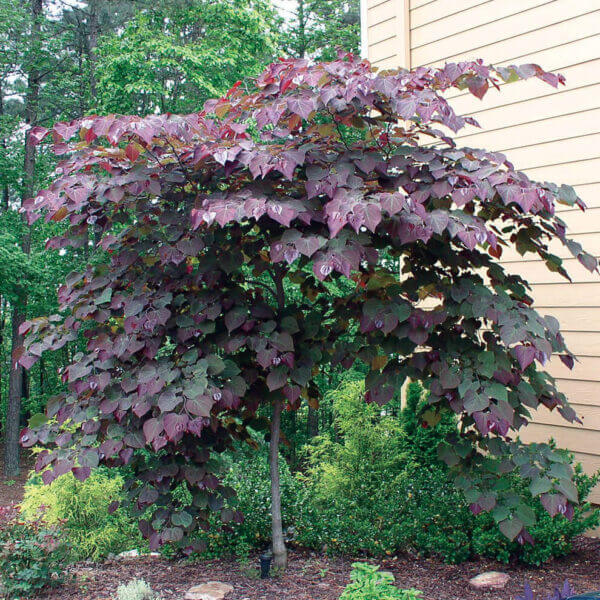
The Forest Pansy is an incredibly beautiful small growing deciduous tree. Its rich purple heart-shaped foliage turns vibrant yellows, oranges, reds and purples in the autumn time and in the spring its bare, almost black branches are aflush with magenta blossoms. It is an ideal feature shade tree for a lush suburban, cottage or Japanese style garden.
See our Cercis Factsheet here for more about the different Cercis varieties!
For care instructions, features and more, check out Additional Information below | Archontophoenix cunninghamiana
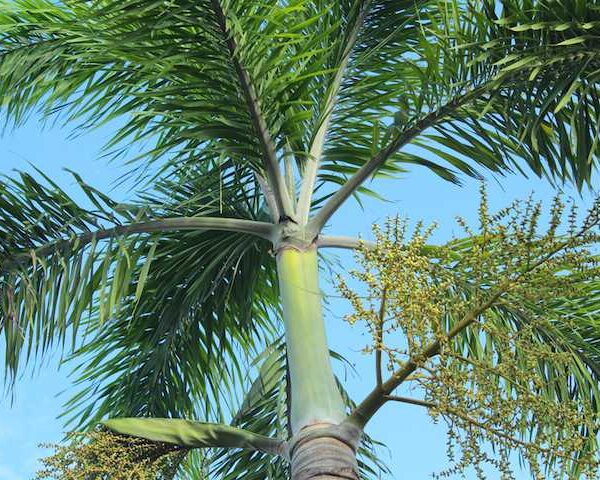
Bangalow Palms are native to Australia and are often used as indoor plants here down South. To grow into a very large tree they would probably require warmer climates than Melbourne, but as a small or medium size tree they look lovely anyway.
Use Bangalow Palms as a clumped indoor plant or in a sheltered spot outdoors to add a tropical feel to the garden. |
| Content | | VIDEO: Forest Pansy, a beautiful easy to grow small tree.
| |
| Additional information |
| height x width |
1m x 1m
|
| planting distance |
For border: 50cm
|
| features |
Narrow aromatic grey-green leaves and slender spikes of tiny fragrant purple flower spikes during summer
|
| conditions |
Sunny open position in well-drained soil, lavender will not tolerate wet feet, please read Wet Feet Kills, prune after flowering
|
| landscape use |
Borders, hedges, single specimens, containers, cut flowers, pot pourri, oil, lavender sachets
|
|
| Other Common Names |
Eastern Redbud, Redbud
|
| Origin |
North America
|
| Plant Type |
Tree
|
| Leaf Drop |
Deciduous
|
| Sunshine |
Full Sun, Part Shade
|
| Soil Type |
Loam, Loamy – Clay, Sandy – Loam, Well drained
|
| pH |
Acidic, Alkaline, Neutral
|
| Water Requirement |
Moderate
|
| Fertilise Me |
April, March, November, October, September
|
| Fertilizer Frequency |
Bi-annually
|
| Planting Distance |
2-3m apart
|
| Max Height |
5m
|
| Max Width |
5m
|
| Growth Speed |
Moderate
|
| Prune Me |
Only if required, Only in winter
|
| Size Maintained at |
3m
|
| Flowering |
Yes
|
| Flowering Time |
October, September
|
| Flower Colour |
Pink, Purple
|
| Fragrance |
None
|
| Foliage Colour |
Green, Purple
|
| Autumn Colour |
Orange, Purple, Red, Yellow
|
| Fruit / Seed |
Rarely, Yes – Non-edible
|
| Attracts |
Bees, Birds, Butterflies
|
| Tolerances |
Soggy Soil Sensitive, Frost Tolerant
|
| Uses |
Shade Tree, Feature Tree
|
|
| botanical name |
Archontophoenix cunninghamiana
|
| height x width |
6m x 4m, usually a bit smaller in Melbourne climate
|
| features |
An elegant palm with long arching lime-green fronds, weeping panicles of lilac flowers are produced
|
| conditions |
Part shade in a protected position from frost and hot winds
|
| landscape use |
Specimen, group planting, shaded and protected areas, courtyards
|
|