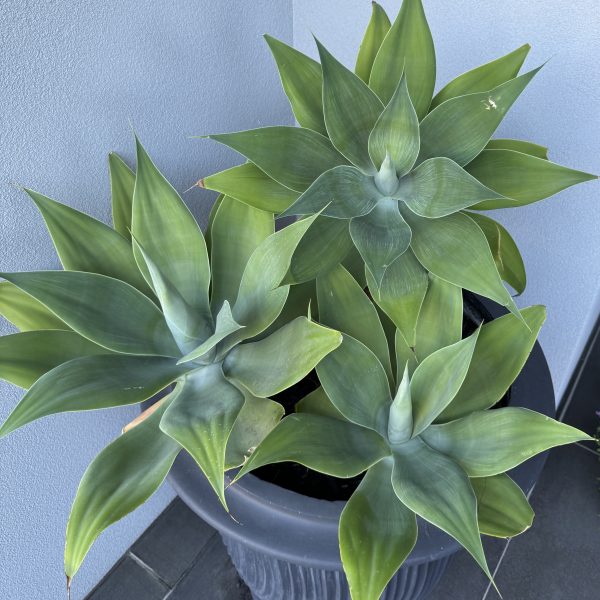
| Description | Agave attenuata
Agave are one of the easiest plants to establish and maintain. They grow in full sun to shade in most soil types. Agave are best grown in reasonably well drained soils and love to be watered regularly, once a week to once a fortnight, but will thrive in periods of dryness. | Ophiopogon planiscapus ‘Nigrescens’
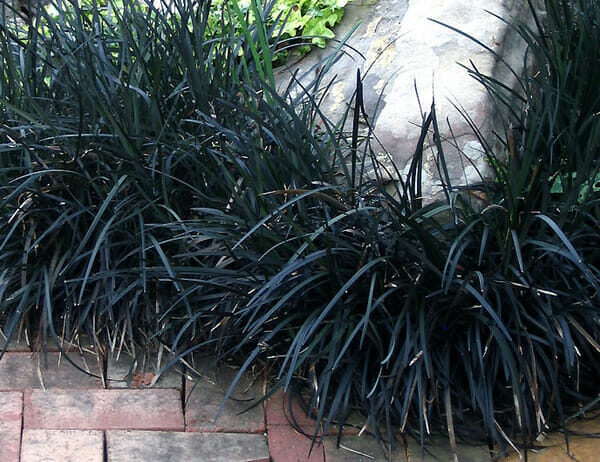
A low growing grass used as a formal groundcover.
• Striking black unique foliage
• Mass planted in gardens or between pavers
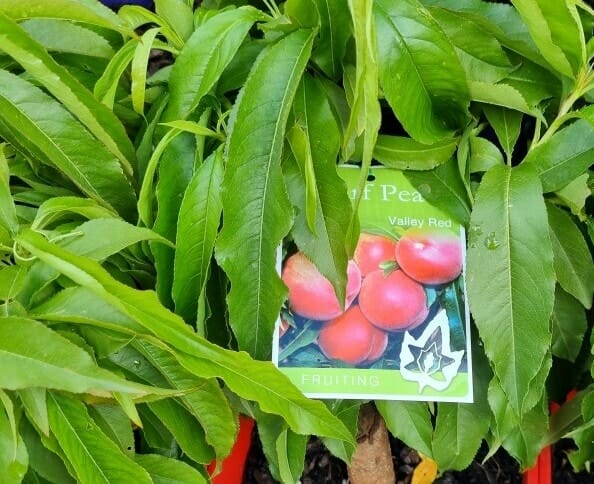
• Prefers well-drained, moist soil in part shade | Prunus persica
Super Dwarf Peach Valley Red is a deciduous tree providing full sized sweet and juicy fruit that can be eaten straight off the tree. Specifically bred for Australia's cool climate. This Peach is self fertile so only one tree is required. Should mature to 1.5m tall and no more. Use fertile soil in full sun. |
| Content | | Why buy Black Mondo Grass
[one_half]
[/one_half]
[one_half_last]
Mondo Grass is the grass-like plant you never have to cut. Fantastic for groundcovers and borders, it reaches a maximum length of 8 inches and grows no longer. This black variety makes a striking feature element in the garden.
This groundcover is ideal for Asian or Zen-style gardens, as well as areas around pavers. It prefers morning sun or dappled shade, thriving in deep shade and tolerating wet, boggy conditions. However, it does struggle in direct hot sun, especially at the sunny end of a path.
In a hurry: Plant 16 per square metre
Prepared to wait: Plant 8 per square metre
[/one_half_last] | |
| Additional information |
| height x width |
Up to 1.5m x 1.5m
|
| features |
A stem develops and is crowned by compact rosettes of soft textured, succulent-like leaves, the arched flower spike appears sporadically every few years and can reach up to 3m long with densely packed greenish-yellow flowers,
|
| conditions |
Full sun to part shade in well-drained soil, will tolerate drought
|
| landscape use |
Pots, courtyards, plaza?s, specimens, general landscaping, feature
|
|
| Botanical Name |
Ophiopogon planiscapus 'Nigrescens'
|
| |