| Name | Rose 'Peace' Bush Form remove | Agapanthus 'Dwarf White' 6" Pot remove | Ulmus parvifolia 'Chinese Elm' remove | Lavandula 'Munstead' Dwarf Lavender 8" Pot remove | Hyssop remove | Prunus 'Elvins' Flowering Plum 8" Pot remove | Syzygium 'Neighbours-Be-Gone' Lilly Pilly remove | Boronia megastisgma 'Brown' 6" Pot remove |
| Image | 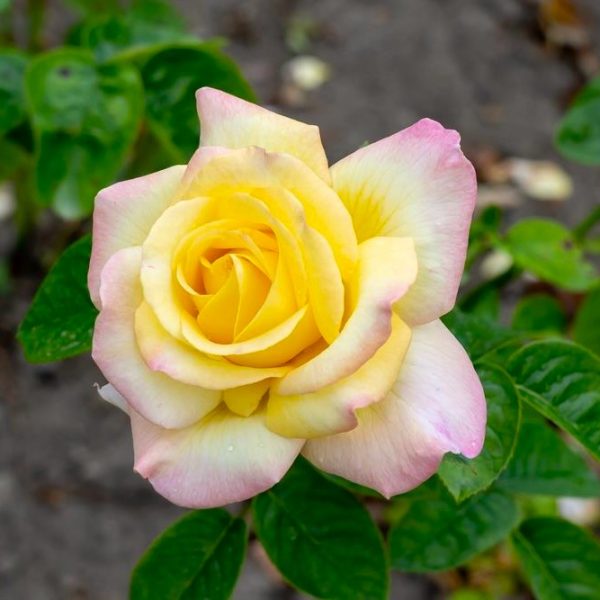 | 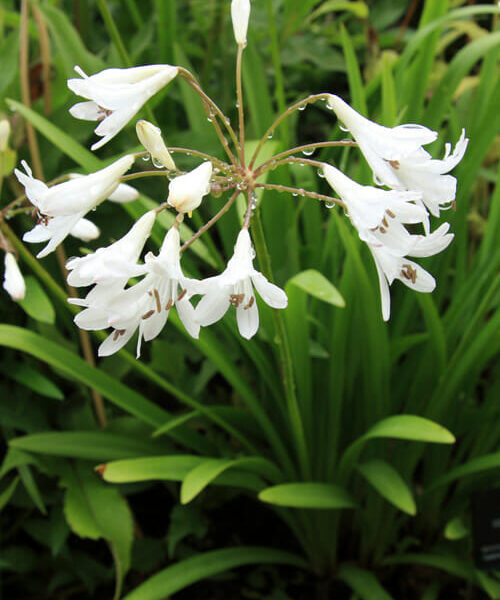 |  | 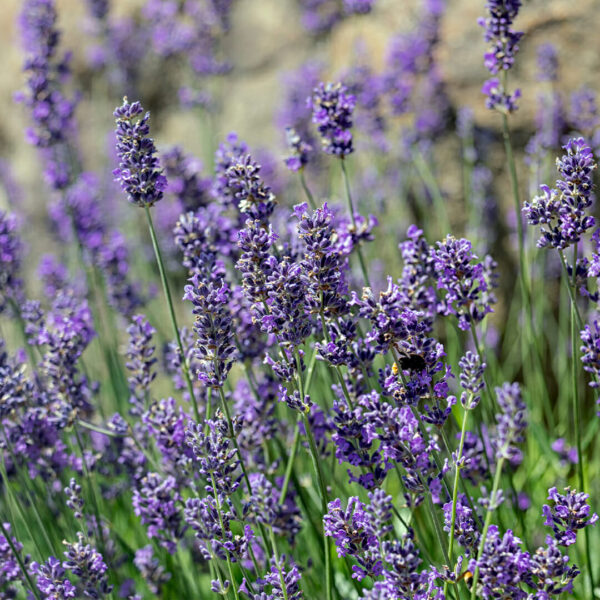 | 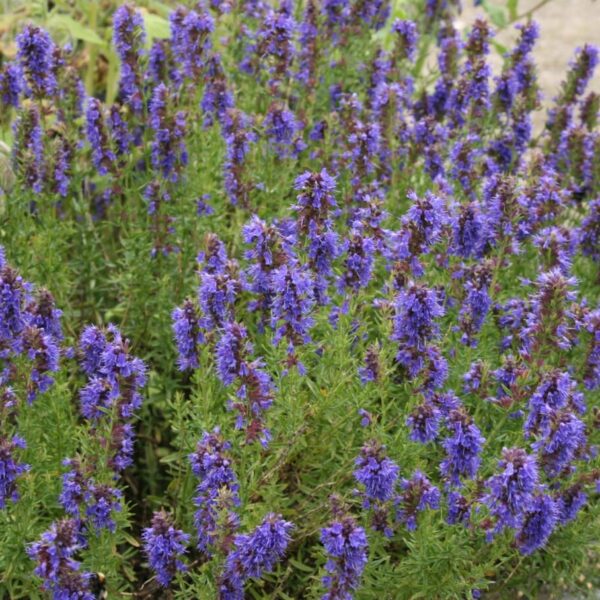 |  | 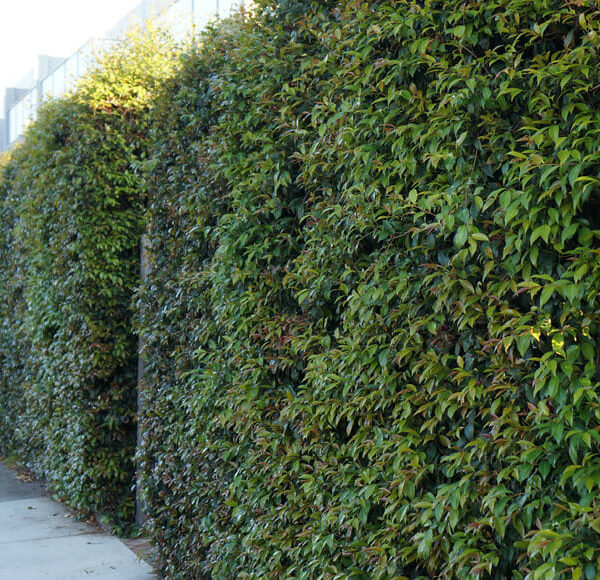 | 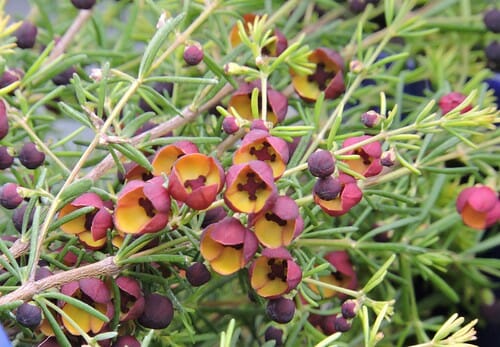 |
| SKU | PEAC01N62 | DWAGAN43 | CHEL00 | DWLAV21N7 | HHYSS00 | PRUELN137 | NBGL00 | BRBON27 |
| Rating | | | | | | | | |
| Price | $39.99 | $14.99 | $15.99 – $339.99Price range: $15.99 through $339.99 | $27.99 | $7.99 – $14.99Price range: $7.99 through $14.99 | $49.99 | $5.99 – $139.99Price range: $5.99 through $139.99 | $16.99 |
| Stock | | Out of stock
| | | | | | |
| Availability | | Out of stock | | | | | | |
| Add to cart | Add to cart
| Read more
| View products
| Add to cart
| View products
| Add to cart
| View products
| Add to cart
|
| Description | Rosa Hybrid Tea
Peace Rose is bushy and vigorous in growth, and the blooms are flushed with pink and fragrant. Available as a climber, 2ft standard, 3ft standard and bush rose. This rose will change colour and sometimes fade, it will produce a mixture of different colours throughout the season.
Available online ONLY - Not in-store. | Agapanthus praecox minimus
Dwarf Agapanthus are smaller and more compact, great for narrow borders and gardens with less space.
• Fine, strap-like lime green foliage
• White umbel flowers appear on tall stems above the foliage
• Extremely hardy, tolerating poor soils and drought
6"/14cm pot size. | Ulmus parvifolia
The bark of the Chinese Elm is a real stand out feature, as the tree sheds it in patches, creating the effect of a tapestry of varying browns and greys. Foliage is lush, shiny and green, and the tree is semi deciduous, turning golden in autumn, and keeping its leaves in warmer areas. It has also been noted by many Aussie gardeners in recent years that native birds enjoy the fruit of the Chinese Elm. | Lavandula angustifolia
Munstead Lavender is a dwarf-rounded bush with aromatic grey-green foliage. It produces dense spikes of aromatic beautiful tiny purple to violet flowers during summer. These are lighter in colour than Hidcote Lavender, and the plant grows slightly larger.
8" pot size | Hyssopus officinalis
Hyssop is a perennial shrub in the mint family. It is a narrow, upright shrub that grows to about 70cm tall and only about 15cm wide. It loves sun, so a hot sunny position with well drained soil is best. When this plant is nourished enough it will produce small vibrant blue flowers. It looks very attractive in the garden, and bees love it. It's also a favourite with butterflies and hummingbirds. Traditionally Hyssop was used in ancient times as an insecticide, therefore, it makes a very good companion plant. It will repel flea beetles and cabbage moths, so planting near your cabbages and grapevines is a great place for this plant. Hyssop is a flavourful addition to salads soups and stews. Although the Hyssop is not for everyone, as it has quite a bitter aroma and flavour. Extracts of this plant have been used in soaps and perfumes, and to flavour liqueurs, puddings, and candy. When harvesting hyssop, dry the stems indoors away from sunlight, then remove the leaves and flowers. You can then grind these and store in a jar or air tight container away from sunlight. The woody stems lack flavour. To harvest the seeds, let the seed pods brown and dry out, the seeds are then easily removed, also store these in an air tight container out of the sun. Hyssop has expectorant, anti inflammatory and tonic affects. It can also lower fever. The flowers can be used for coughs. And the entire plant is used for fevers, bronchitis, upper respiratory tract infections, and colds. It can also be used to aid digestion, and to ease flatulence and colic. The flowers and leaves are also used on cuts and bruises. And the essential oils of this plant can be added to baths to help chest and bronchial problems. This also helps combat exhaustion. All in all, this herb is a great little all rounder that's easy to grow! | Prunus cerasifera elvins
Tis called a plum! But a fruiting plum it is not! The Elvins Flowering Plum is a perfect little round deciduous tree with stunning autumn colours, come spring time pops of blossom unfurl into white flowers which magically change colour to coral pink. What a journey! The best option for a smaller garden as this tree may be little but mighty in personality.
Loves full sun and moist well draining soil.
Grows approximately H: 3 Meters W: 3 Meters
8"/20cm pot size. | Syzygium australe
Grow a thick, bushy hedge in no time. What you do behind it is your business!
• Thick, glossy green hedging with red tinged new growth
• Australian native
• Easy to maintain and fast growing | Boronia megastigma
Brown Boronia is a small shrub that reaches heights of around a meter, and while it can be short lived, it is worth growing for the beautifully perfumed flowers in Spring. The best garden growing conditions are in dappled shade, in moist but well drained soils, and it loves a cool root run, which can be ensured with a good layer of mulch.
6" pot size. |
| Content | Roses are easily one of the most popular and widely cultivated groups of flowering plants. Numerous different cultivars have been produced over the last two centuries although roses have been grown for millennia before their popularity bloomed. Renown for their flowers and beauty they are also loved for other reasons such as their fruit, the rose hip which can be made into an old fashioned jam or for garden uses such as ground covers and hedging.
Roses range in size and variety from your standard and bush roses right up there with your climbers and weeping varieties, amongst all their beautiful colour, variety and hardy nature there is bound to be the perfect rose out there for your garden. | | Video: Chinese Elms as a beautiful, medium size feature tree for a tough spot
| | | | Neighbours-Be-Gone Trees can grow two or more metres per year once established. Neighbours-Be-Gone Trees have deep green, dense, fine foliage and copper red new growth and can grow two or more metres per year once established, and love to be clipped and shaped. They grow in full sun through to light shade and withstand mild frost, wind, heat and drought. They thrive in almost any soil including heavy wet and occasionally waterlogged soils.
Neighbours-Be-Gone Trees can be used to create tall screens, large hedges and large topiary. They can be planted in pots or confined areas. Although they have the potential to grow into large trees, their size can be contained by regular clipping. The trunk and roots only grow to serve the needs of the crown of the tree, so the trunk and root system will remain small, while the tree is being kept small by regular trimming. Neighbours-Be-Gone Trees are a long living tree that don’t become woody or sick from long-term regular pruning. A well maintained Neighbours-Be-Gone Tree hedge or topiary can last for many decades.
Neighbours-Be-Gone Trees are a select form of Acmena smithii and are exclusive to Hello Hello Plants. They were developed by Chris 20 years ago, and Neighbours Be Gone is actually a trademark that belongs to the Hello Hello group of companies.
Back in 2003 Chris was holidaying in Los Angeles and noticed that the most popular hedge was an Australian Native Lilly Pilly. At that time, the main hedge being grown in Melbourne was the Silver Sheen Pittosporum, and Lilly Pilly's were a product that was shipped down from Queensland. They were expensive, and many of the Queensland varieties did poorly in Victoria.
Chris decided to make a Lilly Pilly hedge that was tailor made for Melbourne. He chose a variety of Lilly Pilly that had been cultivated and had done well in Melbourne for the last 100 years. It grows all year round, is tough, drought tolerant and hedges beautifully. Now the "Neighbours Be Gone" is one of Melbourne's most popular hedges!
For more information on this great hedging and screening plant, see it's Growing Guide. | |
| Weight | N/A | N/A | N/A | N/A | N/A | N/A | N/A | N/A |
| Dimensions | N/A | N/A | N/A | N/A | N/A | N/A | N/A | N/A |
| Additional information | |
| botanical name |
Agapanthus "Dwarf White"
|
| height x width |
45-50cm x 45-50cm
|
| planting distance |
For border: 30cm
|
| conditions |
Very hardy, like?s full sun to part shade in well-drained soil,
|
| landscape use |
Borders, general garden planting, pots, foliage contrast, cut flower
|
|
| botanical name |
Ulmus parvifolia
|
| height x width |
8m x 8m
|
| features |
Small glossy dark-green leaves with silvery serrated edges, they are semi evergreen with the leaves turning yellow and staying on the tree until late winter, the bark is very attractive and mottled grey, green, orange and brown
|
| conditions |
Very hardy, prefers full sun in well-drained soil, good for planting in poor soil
|
| landscape use |
Street planting, avenues, urban planting, specimen, group planting, avenues
|
|
| botanical name |
Lavandula angustifolia "Munstead"
|
| height x width |
60cm x 60cm
|
| planting distance |
For border: 30cm
|
| conditions |
Sunny open position in well-drained soil, lavender will not tolerate wet feet, please read Wet Feet Kills, prune after flowering
|
| landscape use |
Borders, low hedges, single specimens, containers, cut flowers, pot pourri, lavender sachets
|
|
| botanical name |
Hyssopus Officinalis
|
|
| botanical name |
Prunus ?Elvins?
|
| height x width |
3m x 3m
|
| features |
During spring single white flowers entirely cover the long branches, gradually turning to coral pink
|
| conditions |
Full sun to part shade in well-drained soil,
|
| landscape use |
Specimen, group planting, street tree, general landscaping,
|
|
|
| botanical name |
Boronia megastigma
|
| height x width |
.80cm x .80cm
|
| features |
Extremely fragrant brown bell flowers with yellow insides in mass in late winter and spring, aromatic fine foliage
|
| conditions |
Plant in dappled shade, must have very well drained soil
|
| landscape use |
Pots, garden beds, cut flowers, general garden planting
|
|