| Name | Luma apiculata 'Myrtus Luma' remove | Hedera 'English Ivy' remove | Nandina nana 'Dwarf Nandina' remove | Lomandra longifolia 3" Pot remove | Magnolia 'Soulangeana' remove | Magnolia 'Coolwyn Gloss' remove | Magnolia 'St Mary' remove |
| Image | 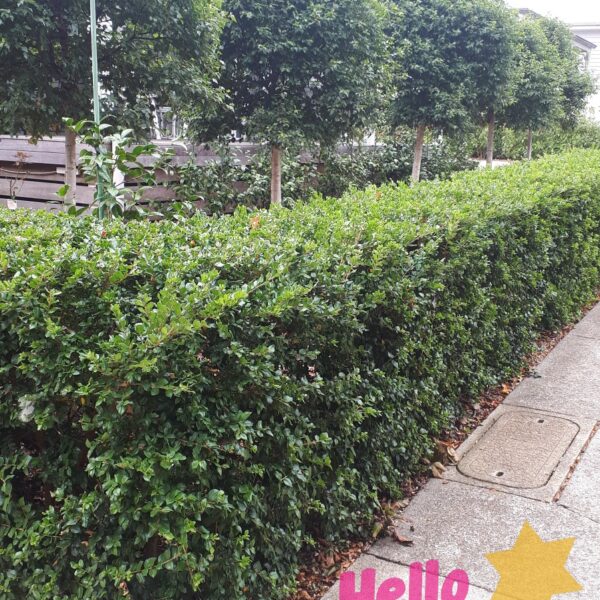 |  | 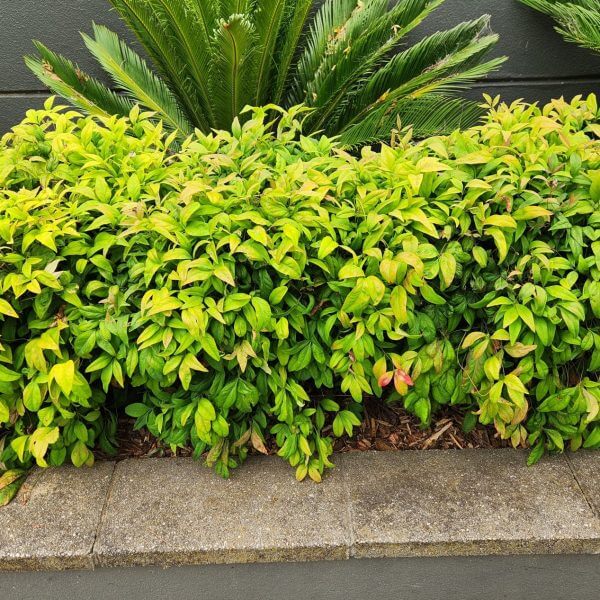 | 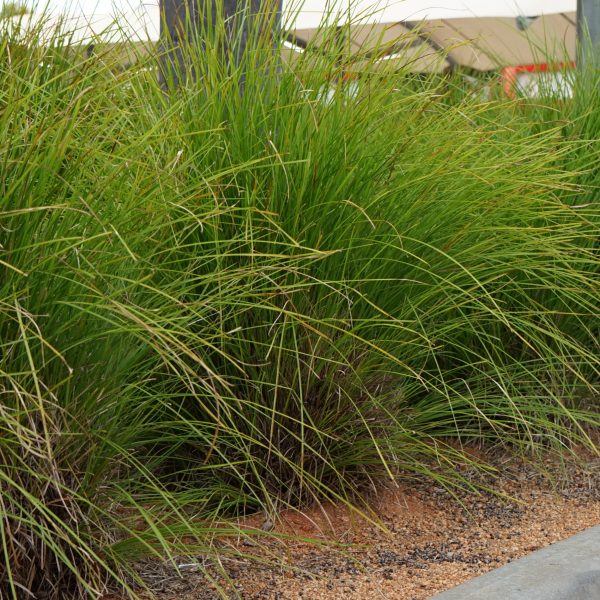 | 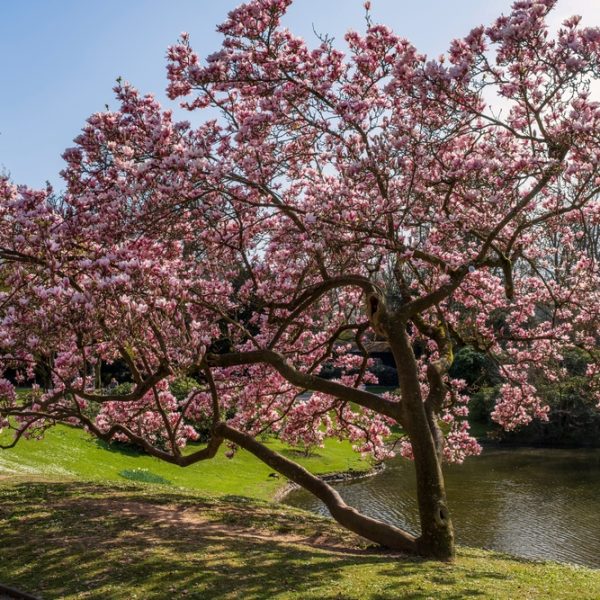 | 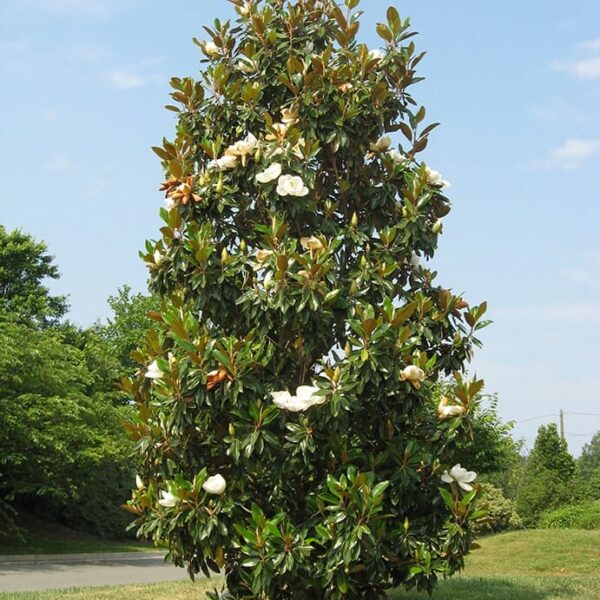 | 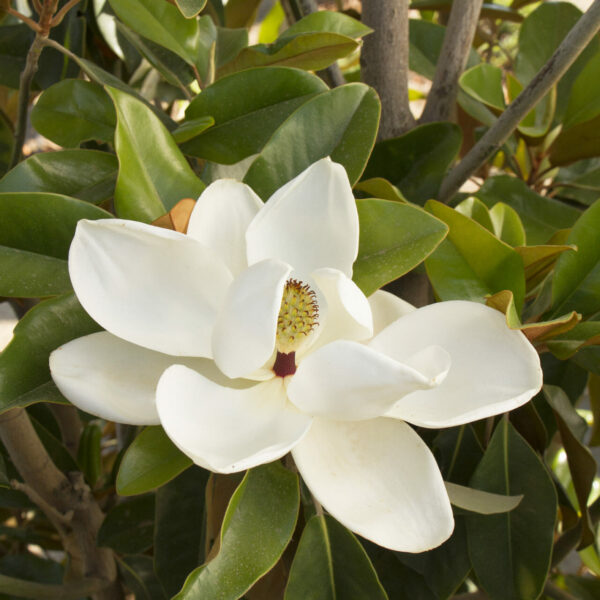 |
| SKU | LUAP00 | HHEI | NAND00 | LOLON19N29 | MSTMA00 | MGCOG00 | MGSM00 |
| Rating | | | | | | | |
| Price | $14.99 – $2,999.99Price range: $14.99 through $2,999.99 | $9.99 – $59.99Price range: $9.99 through $59.99 | $0.00 – $39.99Price range: $0.00 through $39.99 | $7.99 | $22.99 – $599.99Price range: $22.99 through $599.99 | $39.99 – $599.99Price range: $39.99 through $599.99 | $169.99 – $309.99Price range: $169.99 through $309.99 |
| Stock | | | | | | | |
| Availability | | | | | | | |
| Add to cart | View products
| View products
| View products
| Add to cart
| View products
| View products
| View products
|
| Description | Luma apiculata
Myrtus Luma is the medium to tall hedge with real traditional style. A lot of people believe the only fast growing larger hedge with fine foliage is the Pittosporum. It is an extraordinarily versatile plant suitable for hedging, screening, topiary, or as a specimen tree, but its small, aromatic leaves respond so well to pruning that it is commonly used as a hedge.
Myrtus luma also makes a wonderful specimen tree if left unpruned. With age it forms an outstanding trunk with cinnamon brown branches. Its bark peels to reveal streaks of pink and beige. What a plant! It really should be seen more in Australian gardens.
| Hedera helix
English Ivy is a hardy, evergreen vine/groundcover, with attractive creamy white-variegated green leaves. As a vine, it attaches itself by aerial rootlets to masonry walls and other surfaces such as tree trunks. Spreads approximately 3m. Fantastic for both pots, hanging baskets and containers. | Nandina domestica 'Nana'
Dwarf 'Sacred Bamboo', commonly known as Dwarf Nandina, is a small self shaping, non-flowering shrub with colourful foliage.
• Green foliage in summer that changes to vibrant red in winter
• Very low maintenance and incredibly hardy
• Perfect for borders, edging, pots & containers | Lomandra longifolia
Lomandra longifolia is a large perennial grass with strong architectural shape and long flat leaves.
It is fast growing, very hardy and long lived. Will grow in full sun or part shade in most soil conditions. High drought tolerance & frost hardy with small yellow heavily scented flowers.
3" pot size | Magnolia x soulangeana
A small deciduous tree with magnificent large purple flowers shaped like a tulip, which appear before the leaves in late winter/early spring.
- Early flowering feature tree
- Hardy and beautiful
- Stays relatively small
| Magnolia grandiflora 'Coolwyn Gloss'
Magnolia 'Coolwyn Gloss' PBR is a lovely and very large Magnolia. The gorgeously lime green, glossy leaves have one of the richest, rusty velvet brown undersides a Magnolia can produce. And some of the largest flowers, with diameters reaching 30cm wide and cup shaped.
'Coolwyn Gloss' PBR are perfect for larger properties needing a big feature tree, shade tree or large flowering screen. They tolerate a wide range of soil types, are relatively disease and pest resistant and, due to their neat habit, are quite low maintenance!
See our Magnolia & Michelia - Evergreen Factsheet here for more about the different Magnolia & Michelia varieties!
For care instructions, features and more, check out Additional Information below | Magnolia grandiflora 'St Mary'
'St Mary' is a a wider growing variety of Mangolia tree with large, shiny, apple green foliage. During the warmer months it produces the magnificent, large single white lemony scented flowers.
'St Mary' Magnolias are a hardy tree, tolerating most soil conditions. They are low maintenance, rarely needing a prune to keep in shape and are relatively pest and disease free!
See our Magnolia & Michelia - Evergreen Factsheet here for more about the different Magnolia & Michelia varieties!
For care instructions, features and more, check out Additional Information below |
| Content | | | Reasons to buy Dwarf Nandina
Loved for its attractive colourful foliage, Dwarf Nandina is one of the most popular varieties of the Nandina (Sacred Bamboo) family. Extremely versatile, and wherever you choose to plant it, its gorgeous colours will create a bright spot in any garden. Dwarf Nandina does not flower, and is loved mostly for its exotic coloured foliage. You will delight as its green/yellow foliage transforms through blush pinks in summer, before bursting in vibrant reds during winter.
Nandina grows quite low, remaining roughly as wide as it is tall which in the Dwarf (Nandina domestica nana) varieties is not much more than about 50cm tall. (It does also come in larger varieties, which we call Tall Nandina.)
Dwarf Nandina is quite a hardy plant that is suitable for most climate types. After establishing itself, it enjoys both lots of sun or partial shade, with a high tolerance for different temperatures. It even copes well with drought, but prefers soils with a little acidity that are well-drained and topped with a light sprinkling of compost. A light prune as new spring growth emerges is recommended to keep it neat, but it can do quite well with no trimming at all.
If you plant to buy Dwarf Nandina for planting in pots or containers, beware of overheating in summer. A deep soak every now and then helps. Apart from that it needs minimal maintenance.
It is equally at home in Coastal or Tropical Gardens, Mediterranean Gardens, Poolside, Courtyard and more. | | Why buy a Saucer Magnolia soulangeana?
[one_half]
[/one_half]
[one_half_last]
Traditionally, Magnolia Soulangeana have been the tree that tells Melbournians that Spring is coming! If you look around Melbourne (particularly in the older suburbs) right now, you’ll see these beautiful small trees in flower with their beautiful pink tulip like flowers. It’s a pre cursor to spring.
Soulangeana Magnolias, also known as Tulip Magnolias, are a small deciduous tree with large green foliage that fall in autumn. This tree has magnificent large purple flowers shaped like a tulip, which appear before the leaves in late winter/early spring and are a great contrast against the dark branches.
The foliage is green and glossy appearing after the flowers. It can be planted singularly or in a row both in parks and landscapes. This lovely specimen tree grows to a height of approximately 7m.
[/one_half_last] | | |
| Weight | N/A | N/A | N/A | N/A | N/A | N/A | N/A |
| Dimensions | N/A | N/A | N/A | N/A | N/A | N/A | N/A |
| Additional information | | | | | |
| Botanical Name |
Magnolia grandiflora 'Coolwyn Gloss' PBR
|
| Other Common Names |
Southern Magnolia
|
| Origin |
Southeastern USA
|
| Plant Type |
Tree
|
| Leaf Drop |
Evergreen
|
| Sunshine |
Full Sun, Part Shade
|
| Tolerances |
Poor Soil Tolerant, Soggy Soil Sensitive, Wind Tolerant, Frost Tolerant, Salt Tolerant, Heat Tolerant
|
| Soil Type |
Clay, Loam, Loamy – Clay, Sandy – Loam, Well drained
|
| pH |
Acidic, Neutral
|
| Water Requirement |
Moderate
|
| Fertilise Me |
December, February, January, March, November, October, September
|
| Fertilizer Frequency |
Monthly, When needed
|
| Best time to plant |
|
| Planting Distance |
4-5m apart
|
| Max Height |
10m
|
| Max Width |
8m
|
| Growth Speed |
Moderate
|
| Prune Me |
after flowering, Only if required
|
| Size Maintained at |
6m
|
| Flowering |
Yes
|
| Flowering Time |
December, February, January, March, November
|
| Flower Colour |
White
|
| Fragrance |
Strong
|
| Foliage Colour |
Green
|
| Autumn Colour |
|
| Fruit / Seed |
Yes – Non-edible
|
| Fruiting Time |
April, March, May
|
| Attracts |
Bees, Birds
|
| Toxic To |
Non-toxic
|
| Uses |
Fragrance, Shade Tree, Feature Tree, Hedging & Screening
|
|
| Botanical Name |
Magnolia grandiflora 'St Mary'
|
| Other Common Names |
Dwarf Magnolia, Southern Magnolia
|
| Origin |
Southeastern USA
|
| Plant Type |
Tree
|
| Leaf Drop |
Evergreen
|
| Sunshine |
Full Sun, Part Shade
|
| Tolerances |
Drought Sensitive, Poor Soil Tolerant, Soggy Soil Sensitive, Frost Tolerant, Heat Tolerant
|
| Soil Type |
Clay, Loam, Loamy – Clay, Sandy – Loam, Well drained
|
| pH |
Acidic, Neutral
|
| Water Requirement |
Moderate
|
| Fertilise Me |
December, February, January, March, November, October, September
|
| Fertilizer Frequency |
Monthly, When needed
|
| Best time to plant |
|
| Planting Distance |
2m apart
|
| Max Height |
6m
|
| Max Width |
4m
|
| Growth Speed |
Moderate
|
| Prune Me |
after flowering, Only if required
|
| Size Maintained at |
4m
|
| Flowering |
Yes
|
| Flowering Time |
December, February, January, March, November
|
| Flower Colour |
White
|
| Fragrance |
Strong
|
| Foliage Colour |
Green
|
| Autumn Colour |
|
| Fruit / Seed |
Yes – Non-edible
|
| Fruiting Time |
April, March, May
|
| Attracts |
Bees, Birds
|
| Toxic To |
Non-toxic
|
| Uses |
Feature, Group Planting, Shade Tree, Bird attracting, Hedging & Screening
|
|