| Description | Ulmus parvifolia
The bark of the Chinese Elm is a real stand out feature, as the tree sheds it in patches, creating the effect of a tapestry of varying browns and greys. Foliage is lush, shiny and green, and the tree is semi deciduous, turning golden in autumn, and keeping its leaves in warmer areas. It has also been noted by many Aussie gardeners in recent years that native birds enjoy the fruit of the Chinese Elm.
8''/20cm pot
This is a Bonsai starter – create your own Bonsai (images are examples only) | Plectranthus plepalila
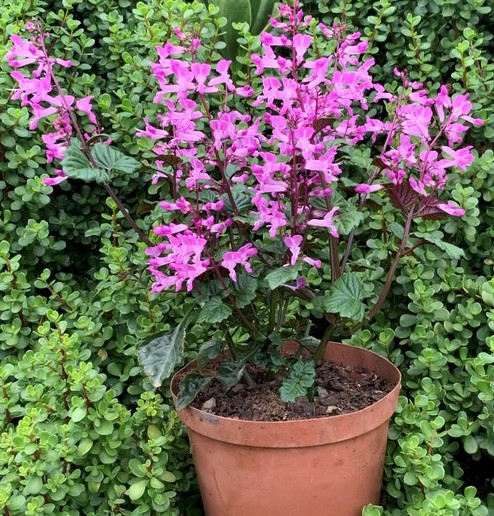
Mona Lavender (Spur flower) is an attractive plant that does not spread like other members of the family, but forms a neat shrub with an upright, erect habit. Numerous spikes of bright pink flowers begin to appear from late Summer through Autumn complementing the ornamental foliage of deep green leaves with dark purple coloured undersides. This fast-growing plant is best placed in a full sun to part shade location.
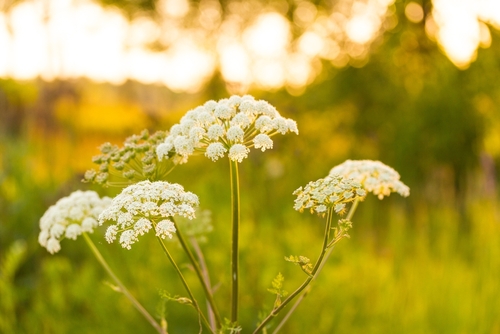
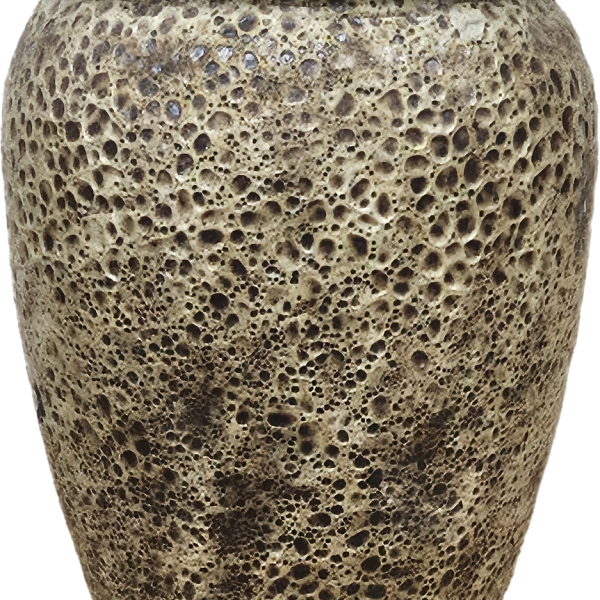
| Angelica plants are biennials belonging to the Parsley family. It originated in Northern and Central Europe. In ancient times this plant was considered a powerful protective herb against evil spirits, witchcraft and disease, and in the 17th century it was considered a major medicinal plant. Roots and leaves are used as a digestive stimulant, and the roots and rhizomes are approved by the German Commission E for digestive disturbances including flatulence and mild gastro spasms! The roots, stalks, leaves and flowers are all edible. The stalks are candied for cake decoration, leaves are added to cooked fruit dishes, soups, stews, fish or poultry. The essential oil of the roots and seeds are used as a vanilla like flavouring. This plant can grow up to 1m tall, and prefers a sheltered, semi shaded spot. To survive, this plant requires regular watering in warmer months. And to stop the leaves drying out give them a little spray of water also!! 4" pot size | High-fired Earthenware pots for indoor and outdoor use with feature plants. Great alone or try clustering different sizes to make an attractive feature. Including Saucer.
- Waterproof and frost-tolerant
- Lightweight
- Ideal for plant pot sizes 10″/25cm pot
Approximate weight: 7kg. | Cyrtomium falcatum
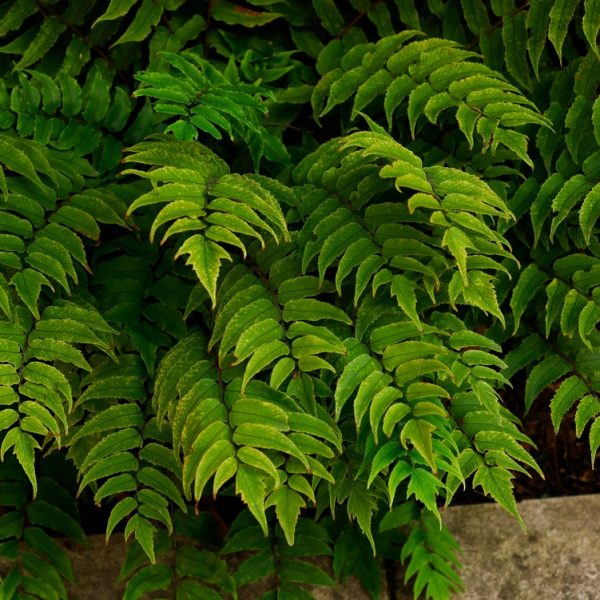
Japanese Holly Fern is lush shade loving fern with large fronds and glossy leaflets. Indoor plants may need to be rotated for ideal growth. Gives a beautiful lush feel to any garden.
- Thrives in shaded areas, making it ideal for gardens, patios, or indoor spaces with indirect
- Grows to approximately 50cm in height and 40cm in width
- Keep the soil evenly moist, but avoid overwatering. Allow the top inch of soil to dry slightly between waterings
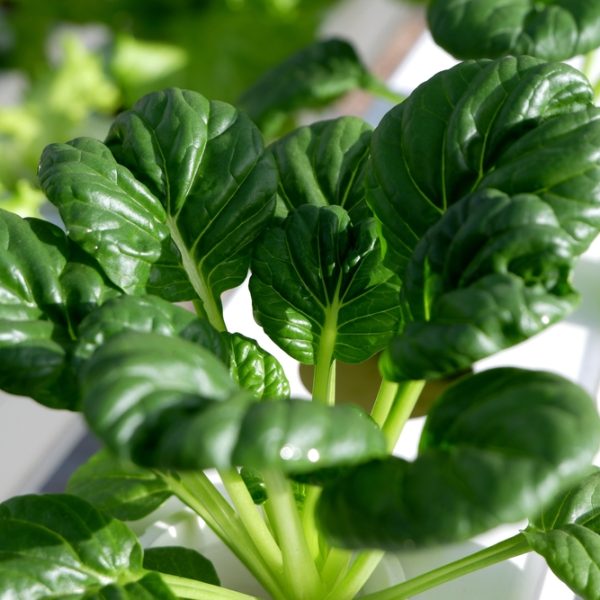
7"/17 cm pot size. | Brassica rapa subsp. narinosa
Bring tender texture and mild flavour to your garden with Tatsoi Green, a leafy Asian vegetable known for its glossy spoon-shaped leaves and compact rosette form. Perfect for salads, soups, or stir-fries, this cool-season green is easy to grow and harvest, even in small spaces.
- Mild, Sweet Flavour: Perfect raw in salads or lightly cooked in warm dishes.
- Beautiful Rosette Shape: Deep green, spoon-shaped leaves grow in a low, compact form.
- Fast Growing: Harvest baby leaves in just a few weeks.
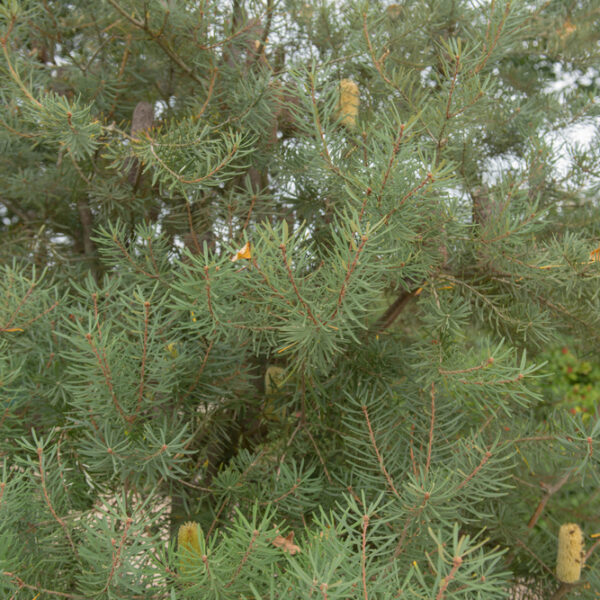
4"/ 10 cm Pot | Banksia marginata 'Silver Banksia'
A classic woody native Australian shrub, Banksias are great for a low maintenance garden and create interest with their recognizable flower cones. Silver Banksias will grow to the size of a large shrub and and good for screening. They're also great for coastal areas, as they're naturally found by the sea and tolerate sand and salt.
10" pot size. |
| Content | How to create your own bonsai tree
To transform the plant into a bonsai you need a shallow bonsai pot, a free-draining potting mix, scissors or sharp secateurs, wire to secure the plant in the container, and a small piece of mesh to cover the drainage hole to prevent loss of potting mix.
Brush/Hose off the potting mix from the selected plant to reveal the base of the stem and the root structure. Trim the roots to fit into the new container.
Sit the plant in place, adjusting its position so it is appealing and suits the shape of the container. Revealing the base of the trunk and the top of the root system by planting the specimen higher than it was growing originally may add to the aged look of the plant.
Secure the root ball in place by inserting wire through the base of the container and through the root system. Twist the wire so the plant is firm and secure. Top up the potting mix, firming it around the root system to remove air pockets.
Use secateurs or sharp scissors to prune and shape the plant to accentuate its branch shape and imperfections. Some bonsai gardeners use wire to twist or manipulate the trunk and branches into new shapes and positions. Roots may also be trained over rocks. The trunk or branches may be deliberately wounded to give a plant an aged, gnarled appearance.
To finish off, cover the surface of the potting mix with gravel, moss or artfully arranged stones and water well. As the plant grows, it will need regular pruning and from time to time will require root pruning and repotting. | | | | | | |
| Additional information | |
|
| botanical name |
Angelica sinensis
|
|
| | |
| botanical name |
Banksia marginata
|
| height x width |
2m x 2m
|
| planting distance |
For hedge or screen: 1m
|
| features |
Leaves are slightly serrated with the top being green and underneath silver, pale yellow flower spikes occur in winter
|
| conditions |
Full sun or dappled shade in well drained soil
|
| landscape use |
Great screen or windbreak, mixed garden beds, specimen, cut flower or dried flower arrangements
|
|