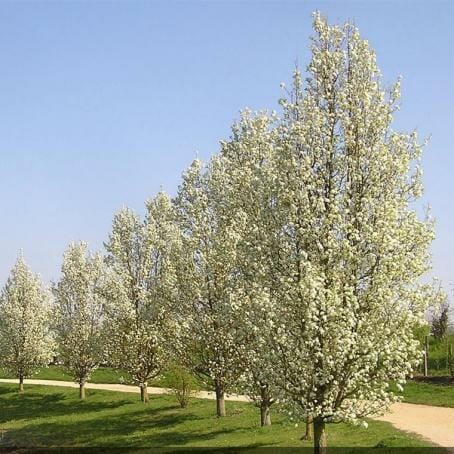
| Description | Pyrus calleryana Chanticleer®
A truly popular ornamental pear for its natural tear drop shape, giving the appearance of a highly manicured tree.
• Spring blossoms on bare branches
• Vibrant autumnal colours or red, orange and purple
• Ideal feature tree, along fencelines & driveways
For more information on Ornamental Pears see our Pyrus - Ornamental Pear Factsheet
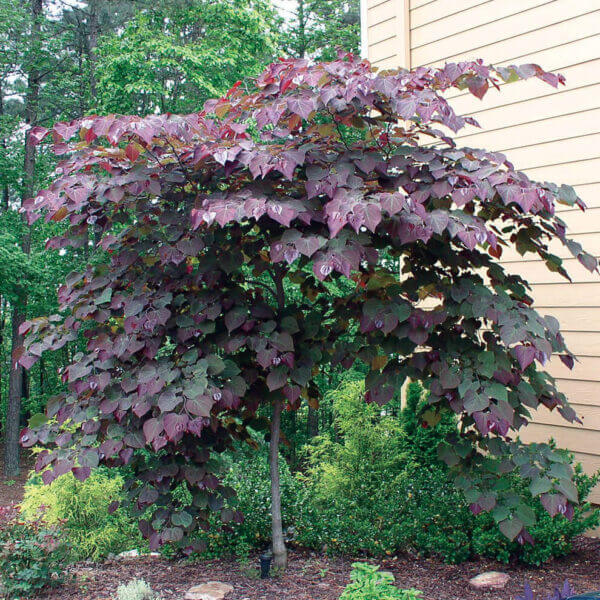
For care instructions, features and more, check out Additional Information below | Cercis canadensis 'Forest Pansy'
The Forest Pansy is an incredibly beautiful small growing deciduous tree. Its rich purple heart-shaped foliage turns vibrant yellows, oranges, reds and purples in the autumn time and in the spring its bare, almost black branches are aflush with magenta blossoms. It is an ideal feature shade tree for a lush suburban, cottage or Japanese style garden.
See our Cercis Factsheet here for more about the different Cercis varieties!
For care instructions, features and more, check out Additional Information below | |
| Content | | VIDEO: Forest Pansy, a beautiful easy to grow small tree.
| |
| Additional information |
| Botanical Name |
Pyrus calleryana Chanticleer®
|
| Other Common Names |
Callery Pear, Cleveland Ornamental Pear, Cleveland Select Pear, Flowering Pear, Glen's Form, Ornamental Pear
|
| Origin |
China, Vietnam
|
| Plant Type |
Tree
|
| Leaf Drop |
Deciduous
|
| Sunshine |
Afternoon Sun, Full Sun, Midday Sun, Part Shade
|
| Tolerances |
Pollution Tolerant, Poor Soil Tolerant, Wind Tolerant, Frost Tolerant, Heat Tolerant, Drought Tolerant
|
| Soil Type |
Clay, Loam, Loamy – Clay, Sandy – Loam, Well drained
|
| pH |
Acidic, Alkaline, Neutral
|
| Water Requirement |
Moderate
|
| Fertilise Me |
April, March, November, October, September
|
| Fertilizer Frequency |
Bi-annually
|
| Best time to plant |
All Year
|
| Planting Distance |
4-5m apart
|
| Max Height |
11m
|
| Max Width |
6m
|
| Growth Speed |
Fast
|
| Prune Me |
Annually, Only if required, In the cooler months
|
| Size Maintained at |
5m
|
| Flowering |
Yes
|
| Flower Colour |
White
|
| Flowering Time |
November, October, September
|
| Fragrance |
Strong
|
| Foliage Colour |
Green
|
| Autumn Colour |
Orange, Purple, Red
|
| Fruit / Seed |
Yes – Non-edible
|
| Fruiting Time |
December, January
|
| Attracts |
Bees, Birds, Butterflies
|
| Toxic To |
Children
|
| Uses |
Fenceline, Shade Tree, Street Tree, Feature Tree, Hedging & Screening
|
|
| Other Common Names |
Eastern Redbud, Redbud
|
| Origin |
North America
|
| Plant Type |
Tree
|
| Leaf Drop |
Deciduous
|
| Sunshine |
Full Sun, Part Shade
|
| Soil Type |
Loam, Loamy – Clay, Sandy – Loam, Well drained
|
| pH |
Acidic, Alkaline, Neutral
|
| Water Requirement |
Moderate
|
| Fertilise Me |
April, March, November, October, September
|
| Fertilizer Frequency |
Bi-annually
|
| Planting Distance |
2-3m apart
|
| Max Height |
5m
|
| Max Width |
5m
|
| Growth Speed |
Moderate
|
| Prune Me |
Only if required, Only in winter
|
| Size Maintained at |
3m
|
| Flowering |
Yes
|
| Flowering Time |
October, September
|
| Flower Colour |
Pink, Purple
|
| Fragrance |
None
|
| Foliage Colour |
Green, Purple
|
| Autumn Colour |
Orange, Purple, Red, Yellow
|
| Fruit / Seed |
Rarely, Yes – Non-edible
|
| Attracts |
Bees, Birds, Butterflies
|
| Tolerances |
Soggy Soil Sensitive, Frost Tolerant
|
| Uses |
Shade Tree, Feature Tree
|
| |