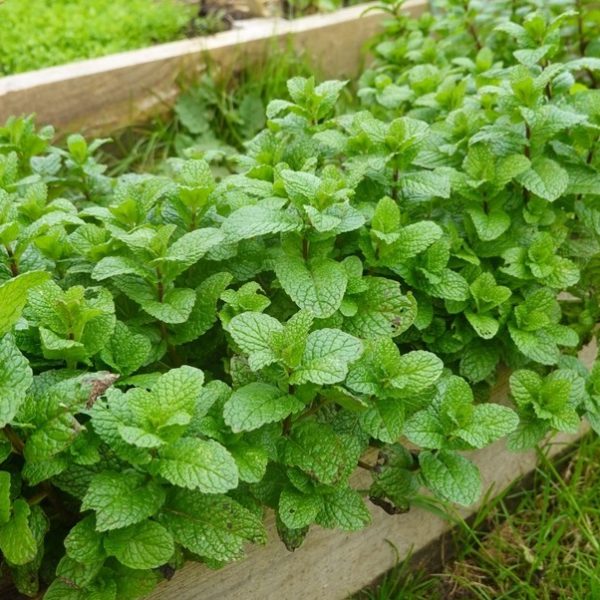
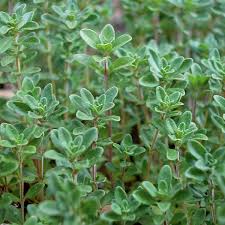
| Description | Common Mint, All types of mint are vigorous, fast growing, spreading perennials. You need to plant them where they have room to spread or plant them in pots. Mint plants send out runners just above and below the ground level, quickly forming large lush green patches. Planted in the right spot they make fantastic ground covers. Mint can grow anything up to 1m tall, but require regular trimming to ensure nice bushy, healthy plants. Although mint is hardy and will adapt to almost any spot in your garden, it prefers cool damp conditions in partial shade. Mints make good companion plants, repelling unwanted pests and attracting beneficial ones. The leaf is used in cooking, fresh or dried. Although fresh is usually preferred. It is used in a wide range of cuisine, including, teas, beverages, jellies, candies, syrups and ice creams. Mint is infamous for being one of the most common herbs to used when cooking lamb. And can be used in cooking, as a garnish, or in a sauce to accompany the dish. Mint was originally used as a medicinal herb to treat stomach aches and chest pains. In Ancient Rome, students were encouraged to wear wreaths of mint to "exhilarate the mind", And in medieval times, mint leaves were ground into powder and used to whiten teeth. Mint is also known to be used to treat insect bites. | Common thyme is a hardy, frost tolerant small perennial shrub. It prefers a full sun, well drained position, and only requires moderate watering. This plant is a widely used herb in the kitchen and used in a variety of dishes, from stuffings and soups, to chicken dishes, and even stir fries. This herb is great used fresh, but can also be dried and stored for later use. Thyme has powerful antiseptic and anti bacterial properties. It's used to treat a wide range of ailments from sore throats, colds and chest infections, to insect bites, cuts, and fungal infections. Thyme is used a lot in modern commercial mouth washes. | |