We are SPRINGING into Spring with this incredible sale (please forgive the pun). But when you have such incredible deals as this, you can’t help but get excited. Now if you’ve been putting off a garden project because you just can’t fit it into your budget, or are about to start planting your new garden, then this sale is perfect for you. Even if you’re just looking to pick up a couple cheap additions to finish off the garden, you’re going to love this sale.
Spring is a time of new beginnings and growth, and so it’s the perfect time to get into the garden and make it as pretty as can be. There’s nothing better than the feeling of sitting in a beautiful garden you created, basking in the spring sun. Or even eating fresh delicious food that you grew yourself, and with tomatoes and strawberries selling for as little as $4.99, it’s so accessible.
So what are all these incredible deals? Okay let’s get right into it.
Edible Plants
Yep, what you heard before is right. Six inch strawberries and four inch tomatoes are only $4.99. Now is the perfect time to be planting them as well!
There’s nothing as satisfying as growing your own food, and the choices are practically endless when it comes to strawberries and tomatoes. Smoothies, stews, soups, pies, salads, sandwiches, or just plucked straight from the vine!
Our bare rooted roses have been on sale for some time, but we’ve reduced them even further! All 2 foot and 3 foot stock are only $19.99, which is an insane deal! These same roses potted up and blooming in summer will sell for more than double that price. So if you’re wanting to create a rose garden, or just want a few rose additions to your garden, we can’t understate how important it is to get your roses now.
We also have a huge amount in stock, around 2,000 with 50 different varieties. Check out all our bare rooted roses stock here. When we put this article out there were 6,000 in stock and they have been flying out of the nursery ever since!
At a whopping 66% off the usual price, grab yourself a white or pink 6ft Weeping Cherry tree in-store right now. Come on in and take advantage of a rare price drop like this on these beauties.
At such a great price you can buy up and plant yourself a full hedge ready for growing to size. It works out to be 50% off our usual price if you come in-store to shop for these 6″ pot English Box plants during our Early Spring Clearance Sale.
MINIMUM 25% OFF ALL Lightweight, Glazed & Terracotta Pots
IN-STORE ONLY Prices
Pots are such fantastic things! We love how pots let absolutely anyone have beautiful plants, even if you live in an apartment with no balcony or courtyard. But even those with gardens can make use of pots to pretty up the patio or front door area.
We have an incredible selection of Mojay pots with the entire lightweight, glazed and terracotta all 25% off. We adore all of these pots, help pick the right one for you and check out our article here.
So this sale is IN-STORE only. Now you can call up to place an order on plants, but unfortunately, we can’t do any online sales. The reason being that we are quite behind in our online sales.
To be completely transparent, we just don’t have the staff right now to keep up with all the orders and to help lessen the load we want to get rid of the floor stock.
Want to come help our team? We are hiring right now with a huge range of jobs available, check out all the details here.
Now there’s nothing wrong with the floor stock, they are all beautiful healthy plants, but we need to make space for all the new stock coming in.
This sale is for TWO weeks only, so make sure you get in quick before all the wonderful plants are snatched up.
Now we’re not talking about your uncle Richard emailing you that he urgently needs $500,000, but rather how many people choose the wrong Conifer for their garden. Slight difference.
You may think you’re getting a cute little Conifer and next moment it has taken over your yard and kidnapped your kids for ransom. Okay maybe not that last part. But there are so many cases where people have a monstrous Conifer towering over their suburban home, or farmers have puny dying Conifers in the yard. When you don’t have the gardening knowledge, it can be really hard knowing what Conifer is right for you.
Especially when there are SO many different types of Conifers that all grow to different sizes and shapes. At Hello Hello we have around 40 different types. Some are really tiny, and you can keep them in nice pots. But some are gigantic and best suited for farm life. It’s all about choosing the right Conifer for the job.
Today we’re going to break down the best Conifers for different types of application, including:
Pencil Pines are tall, skinny Conifers that are best for large gardens where you are wanting a focal point. Plant them as an avenue, where you could have them lead up to an even greater feature at the end of the garden. If planted close enough together, they also make an excellent narrow hedge.
Swanes Gold is a lovely, neat shape with golden-green foliage. It doesn’t grow very quickly and keeps that nice tight shape forever. It grows to about five metres in height in ten years. They love full sunlight or partial shade.
Blue Arrow has a very elegant look and is the best option for keeping really narrow and tight as it won’t grow too big. It trims up beautifully and has blue-green foliage. Once established, Blue Arrow is hardy and drought tolerant.
Glauca Pencil Pine is absolutely fabulous – tough, fast-growing and requires minimal maintenance. Yet even though it grows like crazy, it still stays neat and tight.
The dark green towering column grows to about nine metres tall. Glauca is the one we recommend for people that don’t want to be climbing up ladders and using all this special equipment to trim it and keep it looking nice. Especially for people who are a bit older but still want something tall to block out other units.
Where a hedge needs trimming, the Glauca Pencil Pine will shoot up nine metres very quickly and only stay a metre wide. Best of all, you will never have to get up and trim it. Glauca is also a fabulous avenue option on a farm or big space.
Then there is Spartan, which some people wouldn’t call a Pencil Pine, but we like to say is a fat Pencil Pine. Just like the warriors, Spartan is very tough – it doesn’t need much water or good soil. Yet, it is still such a fast grower, ending up at about six metres tall and 1.2 metres wide.
Spartan is excellent as a windbreak, dust/dirt screen and sound block because of its thick foliage. For example, if you live near a railway line or freeway and want to block off some of that noise, you are not going to want a hedge, but rather something dense like the Spartan. Similarly, if you live on a dirt road, Conifers are great at absorbing the dust and dirt.
Conifers for Small Features
Although not tiny by any means, these are some of the smaller Conifers that would look great in a regular garden:
Smaragd is perfect for the suburban garden, it makes an excellent feature reaching a maximum height of three metres. However, with some trimming you can keep it just over a metre tall. Smaragd is fairly slow growing and has a slightly higher water requirement. It will form a pointed top.
It’s beautiful, thick, and lush, and can be planted in a large pot or as an obelisk style feature. They look excellent in a variety of garden styles, such as cottage, coastal, formal or Mediterranean.
A cousin of the Smaragd, Golden Biota grows in a lovely golden-green ball shape, that with a bit of a trim you can keep to one metre tall. Or if you leave it, the end height will be of about two meters tall. The round shape and dense foliage make for a stunning garden feature.
You can plant them as a row along the front fence, or up the driveway. It has more of a rounded top than the Smaragd.
Prostrata is commonly made into a bonsai, by wiring the branches to hang down and arch over. They make for a spectacular small feature and can be kept in pots.
But you can also plant it as a groundcover, and it will fill a large area and grow really low. Prostrata is also extremely hardy for things like the heat and wind.
Conifers for Hedging
Whether it’s for privacy or looks, Conifers make fantastic big and bushy hedges.These are the best ones suited to the job:
Back again, Spartan is also an excellent option as a hedge. What’s interesting is that you can actually topiarise Spartan into whatever shape you’d like – we often sell them as a spiral, but you could cut it into the shape of chook if you were so inclined. But let’s chat hedging, plant them up close and cut them into a beautiful square for the most fantastic hedge.
Out of all the Pencil Pines discussed before, Spartan is the best choice because you don’t need to plant them as close together due to the thicker foliage.
Leighton Green is one of the most popular options for hedging because it grows at an enormous speed. You need something quick? Plant a small one of these and you can have it up three metres in two years. Trim it up and it’ll grow thick and bushy.
It’s one of the fastest three metre hedges ever. There was a case where someone got their Leighton Green hedge up seven metres in three years from a small plant. That was with perfect conditions, water and fertiliser, and no grass or weeds around the bottom. Leighton Green is great as a tall screen on a farm.
Many of the most expensive properties around Melbourne have macrocarpa hedges because they look incredible and are such a classic look. A lot of people believe macrocarpa is slow growing, but the reason for that is because they receive so little care and attention. Most farmers stick them out in the paddock and never water or fertilise them.
But what we found is if you properly watered and fertilised it, macrocarpa actually grew quite quickly. If you take care of it in the first couple years, you’ll get fantastic growth, and then after that it doesn’t need very much water. So if you are in quite a dry area, then macrocarpa is the perfect option.
We sell the ‘Monterey Cypress’, a vivid green shade and ‘Lemon Scent’, a striking yellow-green colour with a lovely citrus smell.
This is the gold version of Leighton Green, although it isn’t as fast growing, it is a bit hardier. The foliage is dense and a stunning golden green hue. Castlewellan Gold is best suited for medium to large sized properties. They are easy to maintain and shape.
Conifers for Feature Trees
Conifers make the most wonderful feature trees. Some will grow quite large and are best suited to bigger properties, whereas others are great for a suburban backyard. Here are some of our favourite choices:
The lovely dark green foliage is contrasted beautifully by white candle shaped needles. In Japan they trim and train these into beautiful shapes. It will reach a maximum height of 15 metres and has an irregular spreading habit. The Japanese Black Pine is perfect for sunny spots but will tolerate afternoon shade.
If you live by the beach, then Norfolk Island Pine is a great option. Being both hardy and beautiful, you’ll find that Gold Coast and South Australia is absolutely filled with them. They are fast growing and make for a stunning specimen tree.
The Stone Pine has a fascinating turtle shell like finish on its trunk with a flat head and a widespread body. They are a beautiful tree for big fields and do quite well in hot, dry, difficult sites.
The most common Cedar is the Himalayan Cedar, also known as the Indian Cedar. It has a natural weeping form that is covered in fine long needles and cones. They are fast and easy to grow. Once established, the Himalayan Cedar can withstand frost and some drought.
Atlas Cedars are beautiful with short needles, as they get older, they develop a really interesting shape to them. They start off slow, but once they’re more established, they will start growing at about one and a half to two metres a year.
They trim really well, and so even though they can become huge, they are still suitable for the suburban garden. If you don’t trim it, in about thirty years, you’re going to have an absolutely massive tree (may or may not kidnap your children).
This is a very interesting, grafted miniature cedar that will need training. It has lovely blue weeping foliage and is kind of like a collector’s item. Feelin’ Blue loves the sun and doesn’t need much water once it has been established. You can grow it in a pot.
The Giant Sequoia Tree is considered one of the biggest trees in the world, so if you are to plant it in your little suburban backyard, it will kidnap your children. But on a big property they’ll make an excellent feature. Once they get going, they grow surprisingly quick. They have a thick trunk with lovely red bark.
In Conclusion
So there’s a taste of some of the incredible types of Conifers, now it isn’t the full range we sell in the nursery, or even what is available in general. But we wanted to keep it to the best types for different applications.
Conifers are incredibly versatile, from a small to a gigantic feature, avenues to ground covers, screens to hedging, your options are endless. They’re fast. They’re tough. They’re beautiful.
Just make sure you choose the right Conifer, so you don’t get conned.
Feeling inspired to create your own garden, but want some expert advice? Try our one-on-one garden design service with Chris. Together you’ll come up with a selection of plants along with a layout plan that gives you the look you want, as well as being suitable for your local soil and conditions.
Well, all green and black tea is made from the foliage of Camellias, from a particular variety called Camellia sinensis ‘Tea Plant’. So you can actually grow your own Tea Plant and have an unending supply of tea. Heaven.
Now we know Camellias are an all-time classic – for years they’ve been a beloved plant in many gardens. But most people don’t know just how versatile the Camellia truly is.
So why should you want to plant a Camellia at all?
First up, they are so easy to grow. For very little effort you are getting this gorgeous, lush, flowering plant.
Next, they are very long living. Unlike perennials, they’re not going to be a sudden flash of beauty that dies quickly thereafter. You will get year after year of wonderful blossoms.
Finally, which is the whole point of this article, is the fact that they are so versatile.
The Different Applications of Camellias
From the apartment balcony to the deep shade of suburban backyards, Camellias are kind of like that one size fits all leggings – but in this case it’s actually true.
HEDGES & BORDERS
First of all, Camellias are very popular for hedges and borders. We’ve seen hedges that are over a hundred metres long, and a couple of metres tall. Simply spectacular.
POT PLANTS
The next use is as a pot plant. A lot of us live in apartments nowadays, which can make you feel like you don’t get to share in the joy of having your own garden. But just because you don’t have a backyard, doesn’t mean you can’t have an exciting, lush garden.
Pots let you put your plants wherever you want, free of the constrictions of soil. We actually stock our own range of pots, so you can easily get everything you need in one place. But what’s fantastic about Camellias is how well they grow in a pot.
So get creative with where you put them – whether it is that apartment balcony or just the patio. You can trim and shape them in this pot to however you like. Make sure you fertilize and water them to keep your Camellias lush and green.
SPECIMEN IN THE GARDEN
Next thing is growing them as a specimen in the garden. Depending on what variety you choose, you can grow them in the shade with other shade lover plants like Helleborus or Azaleas. Or you can put them in the hot sun with other sun loving plants like Daises or Lavender.
If you are lucky enough to have your own backyard, you might come up against a different problem – the absence of sun. This can come from your neighbour’s house, it could be from other big trees in your yard, whatever the case, shade can be a limiting factor to what plants you use. But certain types of Camellias thrive in the shade, giving you colour and lushness where you most need it.
Then you can have them as a standard, which is a ball on a stick style plant. You’ll find that most standards don’t flower, but a Camellia standard will give you gorgeous blooms and evergreen foliage. The standard we sell uses a Camellia sasanqua ‘Yuletide’ which has stunning hot pink/red flowers and is a slow grower. You can plant a row of standards in your garden or have it in a pot with some flowers planted underneath.
The next application is a bit trickier, but so worth the effort. Get some trellis and use Camellia as an espalier. The best type to plant for this is Sasanqua. Espalier Camellia is perfect for a tight situation up against the wall. For the whole year you will have lovely evergreen foliage and then in autumn and winter you get this gorgeous show of flowers.
SCULPTURE
The last application is even more unusual, but perfect for those who are wanting to do something a bit more different in their gardens. If you are intentional with the trimming, you can shape your Camellia like it was a sculpture, and have it as an exquisite centrepiece in the garden.
One of Chris’ first jobs was to do just this, here is a story from him:
“When I was seven, I went and got myself a gardening job and I used to work every Saturday morning for an elderly lady. Anything that was a bit tricky like climbing the ladder or lifting heavy things, I used to do for her. She planted a sasanqua Camellia that was cut into a perfect cylinder shape with a flat top. I was the one trimming it. It would take me hours, she would direct each snip and I would trim it little by little. But it was a beautiful thing.”
You’re practically spoilt for choice when it comes to deciding how to plant a Camellia in your garden.
The Different Types of Camellias
There are MANY sorts of Camellias, each with their own unique characteristics and strengths.
We bet you’re dying to hear more about that tea producing Camellia, so let’s jump straight into that one first.
These are grown all over the world for tea plantation, from Australia, to China, to India. The flowers themselves smell like green tea, but really, it’s the new growth you’re looking at to make that delicious cup of tea. Also yes, you can make green OR black tea, from the same plant. It’s all in the way you harvest the leaves that make the difference.
You have to wait until summer for the new shoots, pick a few grams and dry it in the microwave or oven. Then chuck on the kettle and make yourself a cuppa. This is going to be like no tea you’ve ever had before, that old stuff at the grocery store can’t measure up to freshly plucked and brewed tea.
But of course, the Cammellia Sinensis is so much more than just a tea producer, it’s also a very attractive feature in the garden. You can plant them in a pot, have them as a specimen in the garden, or create a hedge out of them. The flowers are gorgeous, delicate white petals with a golden/yellow centre.
We get it, not everyone is a tea fanatic, so here is a Camellia that is purely for show. It’s actually our most popular Camellia in the nursery.
Sasanqua Camellias have smaller flowers and finer leaves than most Camellias. But they also have greater versatility in that they can grow in hot full sun, but also deep shade.
As we mentioned before, a lot of gardens have those spots where the sun never quite reaches, and it can be tricky to find a plant that will work there. But you’re also not limited to the shade, if you have a big kitchen window or an ugly fence you want to cover and it’s in full sun, this is no problem for the Camellia sasanqua. Just make sure you’re watering it more if it is in a sunny spot.
Beyond this, they are also nifty in a tight area because they don’t need a lot of root space as long as you use really good soil. They’ll grow up and then with a bit of a trim you can keep them nice and narrow.
You can grow them under verandas or pergolas, or they make beautiful pot plants. They flower from autumn to mid-winter.
THERE ARE A LOT OF DIFFERENT COLOUR CHOICES, SO THESE ARE SOME OF OUR FAVOURITES:
Setsugekka is great for hedging and has beautiful dark green foliage with lots of white flowers. They are the perfect option for a green and white garden style.
Pure Silk have gorgeous white flowers with hints of pink in the petals and fresh buds. People are drawn to Pure Silk because of the lack of a big yellow centre that most other Camellias have.
Hiryu has vivid pink-purple flowers and is the strongest grower of all the Camellias. It’s great as a hedge and an excellent option for those who are wanting a brighter pop of colour.
Avalanche is a new type on the market that is very handy for lots of people. It is a dense and bushy column that is quite tall and skinny. You can have it as an individual specimen or plant it as a hedge.
Japonica has a wider leaf and tend to grow bushier and fatter than the Sasanqua. They grow quite tall and will live for many, many years. But keep them out of the hot afternoon sun or you’ll get brown patches in the middle of the leaves.
They flower from late winter into spring, so will have blossoms at different times than the Sasanqua. If you plant both species then you can have flowers for five or six months of the year.
JAPONICA ALSO COMES IN DIFFERENT COLOURS, HERE ARE SOME OF OUR FAVOURITE PICKS:
Volunteer has the most amazing flowers, it is an eruption of red-pink flowers into white tips. It is the only Japonica that flourishes in the hot sun (provided there is adequate watering), as well as the deep shade. Volunteer is a good strong grower, nice and bushy, and what’s interesting is that the flowers become richer in colour the more you progress through the season.
Pope John XXIII is a classic white with semi-formal double flowers and really nice foliage. They are another great selection for that green and white garden style.
Black Tie is a more formal double flower in a brilliant shade of red with large leaves. It’s another strong grower that is going to form a dense rounded shape.
Okay so you’ve decided what type and where you’re going to use it, now you need to know how to take care of it.
Camellias like loose well-drained soil that is acidic. If you don’t have quite the right soil, then dig a big hole and mix in some fine composted pine bark or acidic potting mix. They love lots and lots of fertiliser.
If you’re Camellia is looking a bit crook, what’s likely happened is that you’ve started taking your old Camellia for granted and not watered it enough. So make sure you give it plenty of water. Another solution is to mulch it with fine pine bark or Osmocote. If it was really crook, try the Osmocote liquid fertiliser for acid loving plants, this will almost bring it back from the dead.
In general, your Camellia needs regular feeding – water it and give it Osmocote, and Camellias will absolutely flourish. The best time to prune is immediately after the flowering is finished. The reason for this is that pruning them halfway through the season inhibits next year’s growths.
Although Camellias flower in winter, you won’t get much foliage growth. But being evergreen means that you will still have gorgeous green leaves all year.
Camellias are a stunning plant with so many applications, from a thick hedge to a pot plant, you have so much freedom with where you want to put it in your garden.
There is a huge range of colour choices so you can go bold or stay subtle.
And if you love tea as much as we do, then chances are you’re gunning for the Camellia sinensis ‘Tea Plant’.
So pour yourself a cuppa and get to thinking about how you want to harness the versatility of Camellias.
Feeling inspired to create your own garden, but want some expert advice? Try our one-on-one garden design service with Chris. Together you’ll come up with a selection of plants along with a layout plan that gives you the look you want, as well as being suitable for your local soil and conditions.
Take a peek out the window or have a think about your garden. Is it looking a bit grey and bare? Have all the leaves fallen off those once gorgeous autumn-coloured trees? Is there even a single blossom left?
You may be suffering from winter-itis. A very real and not made-up disease where one believes that winter is the ugliest time of the year for the garden. If you drive through Melbourne right now, at the end of May, you’ll see there is a bit of an epidemic of this.
Now a lacklustre garden in winter is not inevitable, but rather a lack of forethought and knowledge on what plants will keep your garden looking lush and colourful, including this list of plants that flower in winter:
Now the first part of winter is the most difficult. Many plants have stopped flowering such as summer Perennials, Roses and Magnolias. Deciduous trees have lost their leaves, and their bare branches can be quite a stark sight.
Late winter you’ll see things start to pick up again, plants like your Quince, Plum, Magnolia or Peaches will start flowering. The further you move along, the more exciting gardens get.
But we’re here to talk about how to get your garden looking incredible ALL winter.
Your Current Garden Check Up
First things first, let’s run some diagnostics on your current garden.
Can you find any spots of colour or lushness? Is anything still flowering? Are your trees deciduous or evergreen?
Now don’t freak out if you step outside and see a barren landscape. Even Chris, our master horticulturist, didn’t always have a perfect garden as he explains here:
“I remember when I built my first home, and I carefully chose all my plants. This would be my first ever garden I was designing myself. I was nowhere near as experienced as I am now, but I still had a good sense of gardening.
“I loved deciduous trees, especially maples. So I planted pretty much just deciduous trees, and all kinds of different perennials. It was late spring, and I had the most beautiful garden all through spring and summer.”
Then winter came. The perennials shrivelled up and lost their flowers. The maples all dropped their leaves. Suddenly I had the saddest, most barren looking garden you’ve ever seen. But I learned a lesson from that, and that lesson was balance.
But how do you create balance in your garden?
Having an Holistic Approach to Gardening
What everybody wants is a garden that is going to look great all year. Not just in the spring. Not just in the winter. All year.
But that means being clever with your selection of plants, and for most of us with no horticulture background, it can be incredibly difficult. But this is why we are writing this article today and why we offer services like the free Garden Design with Chris and here’s what he says about them:
“I’m very careful in my garden designs. When someone comes in with a list of plants they want and they’re all deciduous, I make them aware of the problems they could have in wintertime.
I would never tell someone what they can and cannot plant. But I suggest bringing in some more evergreens. For example, they could have all their favourite deciduous trees, but plant some larger evergreen shrubs.”
Previous
Next
Let’s take this lesson and apply it your own garden:
PLANT A HEALTHY MIX OF EVERGREENS AND DECIDUOUS Having evergreens in your garden will help eliminate that bleakness. Consider Magnolias, Camellias, Pittosporums, Olive Trees, the list goes on. Browse our entire category of evergreen trees here. Also don’t forget about other evergreens like Shrubs or Grasses.
USE INTERESTING DECIDUOUS TREES Not all deciduous trees look terrible as soon as they drop their leaves. For some, their beauty actually increases. Consider the popular Senkaki Japanese Maple. The trunk and branches are a bright, bold red. It practically looks more sculpture than tree. But this isn’t the only tree with interesting bark. There’s the classic Silver Birches with their lovely white and speckled black trunk. If you want to be adventurous, look at trees such as Acer ‘Winter Gold’ Japanese Maple and Betula ‘Wades Golden’ Birch, that have yellow/gold coloured bark.
BE TACTICAL WITH TYPES OF SPECIES We’re going to use the example of Lavenders to explain this, but you can apply this to a lot of flowering plants. By being clever with what type of Lavender you plant, you can have your Lavenders flowering 365 days of the year. A good plan of attack would look like this:
Deep Purple for the winter. Avonview for spring into early summer. Hidcote for the full summer. French Lavender for autumn. Then back to the start with Deep Purple.
Plants that are Colourful in the Winter
There’s two ways a plant can give you colour – foliage or flowers. Both have their advantages. Plants with colourful foliage give you colour all year round. Flowering plants give you extra interest and excitement. We’re going to first talk about foliage.
With fiery red foliage and an economical price, Moon Bay is an excellent way to keep those winter blues away. We’re not going to get into them too much here, as we have an article coming out soon about Adding Warmth to Your Winter Garden Using Nandinas. But they’re a very versatile plant that is incredibly low maintenance – so many commercial gardens chuck them in and never think about them again.
Aren’t these just the cutest looking plant? You’re spoiled for choice when it comes to colour, from the amber hues of Marmalade to the vibrant fuchsia of Wild Rose.
Because they’re so petite, they are perfect for a tiny garden bed. Or pop them in some pots on a deck and have fun with the different colour combinations.
Rising in popularity is the Loropetalum. We love them so much we wrote an entire article about how to Add Excitement to Your Garden with Loropetalum. They have great versatility – trim them into any shape or let them sprawl artfully.
Cut on top and have them as a tall groundcover/low spreading bush. Trim them into a hedge to create privacy from your neighbours. There is a huge selection to choose from, with each type having its own strengths and suitability. So it’s important to read up about them so you know which type will work the best for you.
If you bought Cordylines a while back, you may have found that some of them discoloured badly in the winter. But with the genius of our plant breeders, this has actually been bred out of them. Nowadays, you have a huge variety of different shades, from pink to purple to brown.
They are very tough growing, tolerating almost any soil type, and love an open sunny spot. One we love in particular is Pocahontas – a rich burgundy intermixed with vibrant purple-pink hues.
It grows up like a palm tree and adds a tropical look to your garden, making you feel like you’re on island getaway and not, well ah, stuck in miserable Melbourne. There are also clumping Cordylines that don’t grow trunks and have a bushier look, such as Electric Flash.
Okay we harp on a lot about Coprosmas but it’s because they’re just such damn good plants. They’re tougher than cactuses and have fabulous colours. The colder it gets, the more intense the colours become.
For those living in apartments and have either a rooftop or balcony garden, these are an excellent choice. Wind, heat, salt spray, frost, sun – Coprosma can take anything. They are a great pot plant. Flex your creativity and experiment with different pairings. Use Ignite with our Seafoam Bronte Planter Copper. Pair Pacific Sunrise with our GardenLite Trough Black. Try different shapes, colours and sizes.
Or plant them in the garden, shape them into a round ball, cut them into a square box hedge. Stick with one colour or alternate between different colour combinations. The world is your oyster.
These are great placed next to plants that look bleak in the wintertime, such as most Hydrangeas or the Arthropodium ‘NZ Rock Lily’. We don’t want to discourage you from buying the plants you love because they don’t look so great in the winter.
Rather, we want to encourage you to include other plants that are a supporting act to your fabulous summer plants. Then in the summer you can enjoy all those Perennials and Hydrangeas and come winter your garden still looks great. In particular we love the Burgundy Glow with its medley of pink, green, purple and burgundy hues. They’re great as a border in the garden or can be planted in a hanging basket on the patio.
Okay so there’s plenty of colourful foliage options, but let’s chat about some of the plants that flower during winter.
This is one of your best sources of flowers in the winter. What’s really interesting is that in the summertime, the white Camellias sell like crazy, but come winter, no one wants to buy the white. This is because the white shade is quite cold and doesn’t do much to uplift the rest of the garden during winter.
We’re finding that a lot of people right now are buying the soft pink shade because it just looks warmer and friendlier. You can even take it a step further and plant hot pink Camellias. So a little hint: when looking at flowering plants, don’t just look at your whites. Camellias are also just a great, reliable plant that are super easy to grow.
Originating from Africa, these are incredibly tough and very popular. The flowers are an exquisite purple/pink shade and stick around all throughout autumn and winter.
They’re unbothered by the cold wet weather, whereas other flowers can struggle in a particularly miserable spell. They’re going to grow about a metre tall and are great for mass plantings.
If you are really wanting Hydrangeas, but the horror-quality they take on in the wintertime scares you, then Oakleaf is perfect.
Instead of shedding its leaves, they turn a gorgeous purple shade for all of winter. Then in springtime, new bright green leaves push through, for a time giving you a mix of purple and green leaves.
If any of your friends or loved ones are suffering from winter-itis, please be sure to share this article with them. We want to help as many people as we can bring colour and lushness into their lives. If you’re hungry for more options, go check out our YouTube playlist How to Have a Colourful Garden During Winter.
Let’s bring beauty into all Australian gardens during winter.
Feeling inspired to create your own garden, but want some expert advice? Try our one-on-one garden design service with Chris. Together you’ll come up with a selection of plants along with a layout plan that gives you the look you want, as well as being suitable for your local soil and conditions.
There’s a lot of scenarios in which you need a garden to look great, really quickly. Perhaps you’re finishing off a property to sell, or you just bought some land and don’t want to wait years upon years for it to look good.
For under $1000 you can get a seven to ten year old tree (or two) that is going to:
Elevate your garden to the next level
Give your property an established look overnight
Increase its market value
Give you instant privacy
Buying an advanced field grown tree is buying time. Time that would have been spent watering, fertilising, maintaining, and waiting for a sapling to mature.
What is a field grown advanced tree?
Nurserymen start by planting a selection of trees out in their field. These trees are already two to four years old when planted, then are grown for three to six more years. When they are ready for their forever home, they are dug up with a special tree spade. Check out our video below on the exact process.
So you normally don’t see these trees in retail nurseries or chain stores, as they don’t have the equipment or the room to handle them. We can offer them because of how large our retail space, trucks and delivery equipment are.
Advantages of field grown over pot grown
Because they are planted in fields, they have much more space between one another than pot grown trees. This results in thicker trunks and better developed branches. They have a straighter root system, whereas in a pot the roots will coil.
Advantages of field grown over pot grown
Because they are planted in fields, they have much more space between one another than pot grown trees. This results in thicker trunks and better developed branches. They have a straighter root system, whereas in a pot the roots will coil.
Utilising your advanced trees
Plant one to five in key positions in the landscape, then fill up the rest of the garden with lots of smaller plants. Your garden will look established and elevated. When you consider the age, size and impact of the advanced trees available today, you may decide to plant the whole garden screen or avenue with advanced trees.
Advanced trees are much cheaper nowadays, because the transportation technology had improved greatly. Nurseries can now dig and deliver trees in mass. Before they were hand digging them!
Planting and establishing your tree Your field grown tree will come with its roots enveloped in an earthen ball, wrapped in Hessian and secured with a wire mesh basket to hold it all together. Lean it up against a wall and make sure to keep the root ball moist. Dig a hole that is an extra 50cm wide than the root ball. Combine potting mix through the parent soil. You want the root ball high in the hole and surrounded by loose permeable soil.
Then cut the wire basket and string around the foliage. Undo the hessian from the trunk. If the hessian is not badly rotted, you can use it as a sling to help lower the tree into the hole. As long as the hessian is not tied to the trunk, it can be left in the hole to rot.
Top dress your tree with Osmocote and soil wetter. Keep it watered so that it is moist, but don’t go overboard and waterlog it.
If trees are less than 2.5 metres tall, or if they are in very sheltered area, they may not need securing. But if they are bigger than this, then you will need to secure it. We will be posting a video soon that takes you through this special process.
Chris’ Experience with Advanced Trees
In 1985 I was operating a mail order business called Farm Fodder Trees Australia. One evening, a friend of mine, John Fenton called and said that a load of 500 advanced trees had been dropped on a farm in Yarra Glen.
He wanted me to take a look and work out what to do. So I drive out there and check out these 500 trees. They were three to nine metes tall, laying on their side, coming into leaf and drying out. Yikes. Because there was no plumbing in the field, I had to buy a pump, get it going, and set up a system of pipes and sprinklers to water them all. It felt a bit like I had a hospital of trees that all needed me to stay alive.
I made a deal with the landscape architects, and I spent the next eight weeks from dawn to dusk, seven days a week, tending to these patients. I watered, moved and planted them in conjunction with the landscape architect’s plans.
The farm where I purchased these trees had now become TarraWarra Estate winery. As you drive into TarraWarra Estate winery you drive through a magnificent forest of tall straight Poplars and the surrounding hills are covered in beautiful deciduous trees. Most of those trees are part of the original 500 trees that I planted.
A Huge Range of Advanced Trees
Now obviously you’re not going to have to go to this extreme for your tree. So why tell you about advanced field grown trees? Well, we have an exciting new range of quality advanced trees that have just been added to our website. From Silver Birches to Forest Pansies, there is a huge selection to choose from. Time travel and browse our range here.
These trees are great to make a barrier of privacy between you and your neighbours. Also great to plant along the fence line for a more lush and intimate yard.
If you want a blossoming garden for a lot of the year then we’d suggest including one or more of these trees to add to lower flowering plants for plenty of colour and interest.
Our Advanced Field Dug Small Ornamental Trees category offers a selection of mature, ready-to-plant ornamental trees, ideal for adding immediate visual appeal to your garden or landscape. In this category, you will find trees good for small gardens and spaces.
Our Advanced Field Dug Medium Ornamental Trees category offers a selection of mature, ready-to-plant ornamental trees, ideal for adding immediate visual appeal to your small to medium sized garden or landscape.
We have many field dug feature trees to choose from here. Feature trees create visual interest, provide a sense of scale, and add personality to outdoor spaces. For our bigger feature trees scroll down to our next section.
Check out our larger field dug feature trees here for making a real statement on your property and for commercial properties too. Feature trees create visual interest, provide a sense of scale, and add personality to outdoor spaces.
Weeping trees make a magnificent, low maintenance garden feature. Their elegant weeping habit and restricted height make them the ideal choice for both large and small gardens.
Loropetalums are one of the easiest and most dynamic ways to add excitement to your garden year-round. Their colourful foliage means they won’t be looking drab come winter, but in the spring, you get a special touch from those gorgeous blossoms.
With such a huge range of Loropetalums, you get to choose what colour or purpose it serves in your garden. Each type of Loropetalum can be mass planted, used as a topiary, or planted in a pot.
One of Loropetalum’s strengths is their versatility in the garden.
They do beautifully in pots, and what’s fun about this is that you get an extra feature to play with and add intrigue to your garden. For example, you could pick out a dark pot that intensifies the drama of Loropetalums, such as our Seafoam Bronte Planter Dark Grey.
Previous
Next
Or you could provide a stark contrast with a white pot like our GardenLite SquatCongo that’s really going to set off the deep purple tones of a Loropetalum like Plum Gorgeous.
You could even pick a complimentary colour shade with our Glazed Squat Egg Blue pot that is a rich deep blue and would blend beautifully with the pink-purple foliage of Loropetalums.
Loropetalums make for excellent topiaries – run them up a stake, trim them into a ball on a stick or turn them into a nice cone. Just let you imagination run wild with what shapes to make them because they love a good trim. Place them at the entrance of your home for maximum impact.
They are fantastic for mass planting. When I do a garden design, I’ll often plant three to five of them together for a good splash of colour.
The next thing you could do is plant them as a border. They make for beautiful colourful borders, but there are some types that are better suited to this. We’ll get into this in a sec.
The Best Loropetalums
When we talk about the best Loropetalums, what we really mean is the best Loropetalum for YOU. Everyone has different needs and preferences.
So for each type of Loropetalum, we’re going to describe their applications and characteristics so you can decide what is best for you (and your exciting garden).
Bobz Pink, White and Red
Previous
Next
For simplicity I’m going to put all of these together. They each have their own distinct colourway, but when it comes to most suitable applications, they are the same.
So if you’re after a low groundcover or border, these are the best options out of our Loropetalums. They don’t grow up too high, like some other Loropetalums do.
Now the foliage on Bobs Pink and Bobz Red might look very similar, but come spring, they’ll be distinct in their colour of flowers. Bobz Red, of course, has bold red/fuchsia pink flowers. Bobz Pink has bright pink/purple flowers. These flowers are small and spidery, but absolutely cover the bush.
If you have a dark brick house or fence, Bobz White is a very refreshing addition, with bright green foliage and beautiful white flowers. Bobz White is great in modern or green and white gardens.
Purple Prince
A very interesting and upright Loropetalum, Purple Prince is great for a tall narrow hedge.
Being such a fast grower you don’t have to wait long for it to be a decent size. It will reach a maximum height of about three metres, but you can keep it smaller with trimming.
It has deep purple foliage developing into burgundy in the spring and pink, fuchsia flowers.
Purple Prince is great also great for mass planting as they mound quite nicely.
Plum Gorgeous
The most striking colour of all the Loropetalums, Plum Gorgeous has deep purple foliage and bright pink flowers. It is a good strong grower and if you trim it, Plum Gorgeous will grow very wide. It is one of the largest Loropetalums.
Plum Gorgeous is great for shady areas because their foliage is so intense. With some Loropetalums you can notice the foliage lightening in spots that don’t get much sunlight.
They are great to underplant trees, cover beds or as an informal border around walls.
China Pink
China Pink is the cheapest Loropetalum. Not because of a lack of quality, but because other Loropetalums are patented and have royalties that need to be paid.
The candy pink flowers contrast nicely with the dark reddish-purple foliage.
Clip it into a purple hedge for something a bit different from the usual English Box hedge.
How to Take Care of Them
Loropetalums like nice loose soil. If you have hard clay soil, then you need to dig it up and combine it with potting mix so that it becomes light and airy. They also need plenty of water.
But if you get these two conditions right, soil and water, then you’ll find they can take quite hot, difficult conditions.
You also can’t go astray with some osmocote and fertiliser.
They can grow in full sun or deep shade but be aware that less sunlight means less intensity in the foliage. They need about three to four hours of sunlight to get that real brightness of colour. So although they’re great for some colour in the shade, they’re going to do better in sunny spots.
Some of Our Garden Designs Using Loropetalums
We’re going to give you a sneak peek into some of Chris’ Garden Designs to give you insight into how you can build a captivating garden using Loropetalums.
This is a great example of a Japanese style garden:
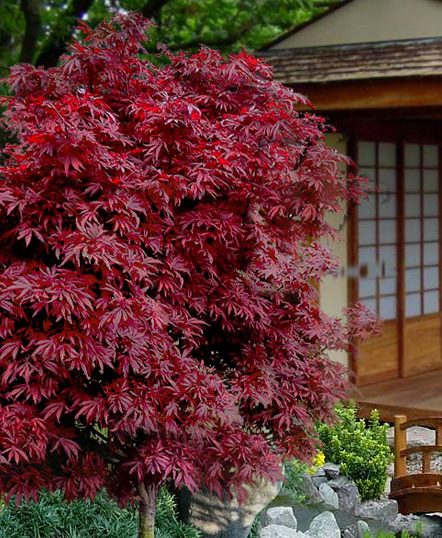
Often when I do a Japanese style garden, I’ll plant a purple weeping Japanese Maple like an Atropurpureum, with a Loropetalum at its base.
The Loropetalum provides deep purple hues, the Kaleidoscope has fine golden-green leaves, and the Licorice has bright silver foliage. They grow to be around the same size and have similar textures, but the excitement comes from the contrasting colours.
I make sure to tell my customers to clip these into balls for the maximum effect.
Here is a great solution for small shady spots:
A lot of people have a skinny garden bed up the side of their house with a big window looking out on it. You’ll also find that with these areas they don’t tend to get a lot of sunlight.
Yes, Loropetalums aren’t going to be as vividly colourful here, but that doesn’t mean they don’t still provide an excellent source of colour in shady spots.
So what I’ll do first is plant a Camellia sasanqua as a screening option to give some privacy. They have dark green foliage and produce stunning flowers in autumn or summer.
Then also up against the fence, I’ll plant a Loropetalum between each Camelia sasanqua. In front of these line of Loropetalums and Camelias, I’ll use the Liriope ‘Stripey White’. The foliage is green with bright silver stripes and grows to about 40cm.
All of these plants go together really nicely, and they’re providing you with colour and excitement even in a narrow sunless spot.
For a layered look you can’t go past these options:
I’ll use Purple Prince to grow a hedge of about 1.2 -1.6 metres in height. Because it’s fast growing and tall you’ll get this in no time. Then in front of it I’ll plant a silver hedge, such as the Helichrysum ‘Licorice’ and trim it to be shorted than the Loropetalum hedge. The purple and silver look so good together, and you’re still getting an elevated design from the neatness of the hedges.
Or another great pairing is a low hedge of Bobz Red with a golden hedge behind, such as your Ligustrum ‘Golden Privet’. The Golden Privet is bright and fresh looking, and contrasts incredibly with the purple-red hues of Bobz Red. Once again, classy but colourful.
I love doing a border of Bobz Red with a row of Convolvulus ‘Silver Bush’ in front of it. The deep burgundy of Boz Red peeks out over the top of the Silver Bush. That bright silver foliage really makes Bobz Red pop, with the white trumpet shaped flowers providing a nice contrast to the red spidery flowers.
Also don’t feel limited to hedging, remember that Loropetalums are also fantastic as topiaries so you could shape these into balls and plant them next to one another.
We love green and white gardens just as much as the next person, but if you’re looking for something more dynamic in colour, then Loropetalums are the way to go. Their versatility and wide range make it so easy to add excitement to your garden. With all the different applications and plant pairings, get creative with the ways you use Loropetalums.
So try something a bit different from your neighbour.
Feeling inspired to create your own garden, but want some expert advice? Try our one-on-one garden design service with Chris. Together you’ll come up with a selection of plants along with a layout plan that gives you the look you want, as well as being suitable for your local soil and conditions.
If you’ve ever seen a bare rooted plant, you probably think it’s the ugliest looking thing ever. Why on earth would you want to buy something like that and cart it all the way home?
Well, we’re about to give you some damn good reasons why buying bare rooted is one of the smartest decisions you can make for your garden.
We’ll be specifically covering bare rooted standard roses, but if you check out our YouTube channel, you’ll see a playlist that covers many different types of bare rooted plants. Also, most of the things discussed here, will apply to other bare rooted plants as well.
What are bare rooted plants?
Bare rooting is the process of selling, transporting and storing plants out of soil with their roots bare. This is possible in winter when many plants, like roses, are dormant. Roses are the first plants arriving in the nursery for sale bare rooted this season. We have rose plants for sale in many varieties and colours, each in good quantity.
How are bare rooted roses grown and sold?
So let’s backtrack a bit – what is a bare rooted standard rose? To understand this you need to know how the growing process of roses works.
For standard roses, growers will start off with a cane field of wild roses and cut sections of cane, about two to four feet long, and then put those cuttings into the field. This happens around the start of May.
Then in the summertime they graft or bud the type of rose that they want, like an Iceberg or Mr Lincoln. Once it’s grafted, they keep growing it in the field. They’ll trim it and shape it up a little.
Then when winter comes and they drop their leaves, Growers will dig that rose up from the field and sell it bare rooted.
The other alternative, which you’re probably familiar with, is they pot the rose and sell it in the summer within that pot. So essentially, buying bare rooted is buying it fresh from the field. Got it?
Is it better to buy bare rooted or potted roses?
Okay so what are the advantages? Firstly, nurseries are able to put hundreds and hundreds of roses in a small space. This is good for you because it means you can buy in bigger bulk and have a greater selection of different types and colours.
Normally with potted roses, because they take up a lot of space, you can only get about three of one particular colour. But with bare rooted you could get up to twenty of one colour!
Secondly, it’s much, much cheaper. In summer, when they’re all potted up, you’ll pay anything from $30 to $60 for a standard rose.
Right now, we’ve got standard roses (bare rooted) starting at $15.99. So you’re paying a quarter to half the price you would be buying in summer for essentially the same plant. Insane.
Thirdly, it is a hell of a lot easier to transport bare rooted roses than ones that have been potted up. When you buy our bare rooted roses, we pull them out of the potting mix and wrap them tightly up with moist sawdust to keep it close to the roots. They pretty much just look like a bunch of sticks and they’re going to fit very easily into your boot or backseat.
If you were getting a dozen standard roses, you’d need a van to deliver them, or pull up in a big station wagon. Even then it would be a bit awkward to fit them in because they’re four foot tall in these big pots that have to be placed vertically.
Now the bare rooted version is about three or four feet long too, but they are packaged together in this slimmer bundle that doesn’t have to be placed perfectly vertical. You can actually keep them in this bundle for about three weeks. You don’t have to water them or worry about them, just keep them in a cool shady spot.
Fourthly, similar to the previous point, they are very easy to handle and move around. So you’ve popped them in your regular car and driven your standard roses home.
Now it is the easiest thing to pick dozens of them up at once and carry them to your garden. You don’t have to go back and forth, back and forth, carrying these heavy pots of roses. Because just like the groceries, no one wants to do a multi-round trip. Then you just cut open the plastic packaging and plant your roses.
To sum it up, there is a real ease in buying, handling, transporting, and planting your bare rooted standard roses. So if you have a big project with roses, or looking to do your garden on a budget, wait till the winter and buy bare rooted roses.
Standard Roses vs Bush Roses
The next thing you’re probably wondering is why would you grow standard roses as opposed to bush roses? Standard roses have a lot of advantages. Let’s break them down.
With a standard rose you are getting much more opportunity for colour in the garden.
A normal bush rose is low growing and prickly, which means you can’t grow anything underneath. Also when you’re weeding the garden it’s a terrible task. But a standard rose is going to grow up higher, meaning the prickles are higher and out of the way of the weeds. All you have is that stem down low which gives you an empty garden bed underneath, that you can fill with whatever you like. Your garden is going to be more dynamic and interesting for these different layers of plants. You could have two, even three times more colour in your garden.
Also regardless of bush or standard, there will be a time in the year where your roses are not flowering. With a bush you are just stuck looking at this bare thing, however with a standard you could be smart about it and plant something that flowers during this time. Hint: we also have a playlist on that, just check out ‘How to Have a Colourful Garden During Winter’ on our YouTube channel.
Standard roses are also an excellent solution for small gardens, as you can fit more plants in a confined space. It also brings the flowers up high where you can really enjoy them – three feet is perfect sniffing height.
The Best Standard Roses
There’s hundred of varieties, all with their own unique colour, scent, and shape. Here’s Chris’ list of what roses to actually buy if you’re having trouble making a decision:
Iceberg Roses
Standard Iceberg Roses are by far the most popular, and for very good reasons. Firstly, it’s practically prickle free. You barely get any thorns on your Iceberg Roses. The next thing is that they hardly get any diseases. With some other roses you might get spots, mould, or leaves dropping because of disease, but this rarely ever happens with Iceberg Roses. If you were to rate the hardiness of roses, Iceberg would get an 11/10.
From late September you will get masses and masses of flowers, and with plenty of fertiliser you could even have flowers in the dead of winter. These flowers come in clusters of threes and fives which makes for a very beautiful show. What’s really interesting about Icebergs is that they are actually a family of roses. many years ago there was only a white Iceberg. Now you also get shades like a rich pink or burgundy. Which means you can add an extra dimension of colour in your garden, whilst still having that strong flowering and disease resistant characteristics.
Double Delight
A big reason why people buy roses is for the fragrance, but there are quite a lot of roses out there that fall a bit flat when it comes to potency of scent. Double Delight is not one of them. You practically get punched in the nose with an amazing powerful rose scent. It’s also just a gorgeous rose. You have a bit of white, a bit of cream and a bit of red, combining in this delightful medley of colour. On top of that you’re getting a tough, mostly disease resistant rose.
Charles De Gaulle
We’d actually love to rename this rose as Blue Moon, because it’s everything people hope the Blue Moon to be. It has the romance of the Blue Moon, but a much more vibrant mauve hue and a stronger scent – about three times stronger than the Blue Moon. Just like the other roses on this list, it’s also disease resistant.
Mr Lincoln
This is another all-time classic. Probably one of our number selling roses, it has that classic red colour. That beautiful dark velvety red is practically begging to be plucked and given to your amor. Its scent has a unique richness and depth to it that is very captivating. You just cannot go wrong with Mr Lincoln. Somebody wants a red rose? Give them Mr Lincoln.
Camp David
Now this is like the slightly less great cousin to Mr Lincoln. It’s still a great rose, and it’s honestly quite easy to mistake it for Mr Lincoln. The red shade is slightly lighter, a more medium sort of red. Camp David is an easy rose to grow, with a lovely fragrance. It has low chances of disease and doesn’t require too much work in the way of trimming and spraying. We’d put it at about nine-tenths as good as Mr Lincoln, and even place it as almost being up there with the Iceberg. So if you’re after a red rose that is easy to look after, then get Camp David.
Oklahoma
This is another beautiful red rose with a really lovely smell. It will bloom in flushes throughout the season and has this gorgeous dark green matte foliage. This is actually one of our Growers absolute favourite roses for scent. So if you’re wanting a red rose with an incredible scent, then Oklahoma is a great choice.
Pope John Paul
Pope John Paul is a very sophisticated looking rose, perfect for those modern or classy gardens. It has a magnificent fragrance and the ultimate double flower. Pope John Paul is actually grown in the Vatican’s private garden! On top of that it has won medals all around the world for its fantastic fragrance and superior disease resistance. What a rose!
Peace
For SO many years, Peace was the most popular rose in the world. Which it fully deserved to be. The colours are absolutely superb, a yellow centre blends into cream shades, ending with pink tips. The fragrance is lovely but not overly strong. It’s one of those all-time classic roses and even though it’s not as popular anymore, it should never be forgotten.
Just Joey
We don’t think anyone has ever come up with a better orange rose than Just Joey. The centre is a beautiful rich orange, moving to a delicate peach hue on the edges of the petals. Just Joey also has a wonderful fragrance. It’s fairly disease free, easy to grow, and an all-round hearty rose. There may be other roses with a tinge of orange to them, but there’s nothing else quite like Just Joey.
Gold Bunny
If you’re after a yellow rose than Gold Bunny is perfect. It doesn’t have much of a fragrance but makes up for it with its exquisite shade of delicate yellow. Just take a look at how beautiful it is! I actually love pairing Gold Bunny with Charles De Gaulle, because the yellow and purple shades look so good together. But even on its own, Gold Bunny is a standout.
Fragrant Charm
Planting this rose through a garden looks amazing. The colour is incredible, and the fragrance is even more incredible. Whoever named this definitely made the right call. The colour is a vivid pink-red and the flowers are enormous. Fragrant Charm is a good strong grower, but it’s one that not a lot of people know about. So we’re bringing it to your attention here. The striking pink looks great mass planted. Although it’s wonderful having a variety of different roses, but if you’re only after one rose then Fragrant Charm makes a big impact.
Best Plants to Pair with Roses
If you’re making a rose garden, there’s more to it than just roses. Sure you could fill every square inch with roses, but uhm well, I figure most people are not looking to do that.
English Box
We’re actually about to start selling bare rooted English Box, which makes this pairing even more perfect. Regardless though, the dark green of an English Box hedge or topiary compliments Roses incredibly well. Particularly if you are using a Standard Rose, which will stand up well above your hedge and create those dynamic layers mentioned before. The English Box looks great all year round and is a Melbourne favourite.
Dwarf English Lavender
Many types of Lavender would work great with Roses, but we’ve specifically chosen Dwarf English Lavender for its flowering peak in the summer. This is when your roses are also going to be looking their best. So you have this fabulous display of roses and lavender all at once. Munstead or Hidcote are great Dwarf English Lavender options for this summer flowering.
Catmint
Catmint grows into a nice little mound that has multiple periods of flowering in the summer. So it will flower, finish, you trim it back, and then it shoots up and flowers again. It will do these two or three times in the summer. You can get it in a blue or white shade. Catmint is quite a small plant so nowhere near as big or demanding as your Lavender.
Blue Convolvulus
This is one of our favourites to plant under roses, especially Iceberg Roses. The powder blue shade looks incredible with the stark whiteness of the Iceberg. Blue Convolvulus is a really hardy plant and a very fast grower. If you have rows of standard roses and you plant Blue Convolvulus between each row, it will cover the whole garden bed in no time. Blue Convolvulus flower from mid-September right through to early May. So by the time your roses come into flower, Blue Convolvulus is already putting on a spectacular show. We have a lot of customers come in looking for a plant pairing with their rose, and we almost always suggest Blue Convolvulus because its colour goes with pretty much any rose.
Gaura Butterfly Bush
Gaura flowers from spring through to autumn, meaning that they are flowering at the time that roses are peaking. It has this lovely feathery foliage with flowers that are aptly named for their butterfly appearance. When the breeze picks up, it truly looks like a cloud of fluttering butterflies. This light and fluffy appearance looks great with roses, you’ll actually see a lot of florists pairing the two together in their floral arrangements. You can get Guara in white, light pink or dark pink, which means you can decide what hue compliments your roses best.
The key thing with these choices is that they are a supporting act to the rose, not a competitor for the spotlight. With flowers like Dahlias, they almost seem to compete for attention as the key feature in the garden. Now there’s nothing wrong with that, but we quite like the way that the four plants highlighted here, keep the rose as the star.
So there you have it – the reasons why you should buy bare rooted standard roses and how to build an incredible garden with them. If it isn’t obvious, we are currently selling tonnes of bare rooted standard roses, so now is the perfect time to come down to Hello Hello. Just come in your regular car and save up to half the amount you would have in the summer.
See you there,
Chris
Feeling inspired to create your own garden, but want some expert advice? Try our one-on-one garden design service with Chris. Together you’ll come up with a selection of plants along with a layout plan that gives you the look you want, as well as being suitable for your local soil and conditions.
How does that work? Across Victoria we’ve had a beautiful long growing season over Summer. As a result, plants have gotten way bigger than expected.
Growers like us, as well as our suppliers get to a point at this time of year where they either have to put these plants into bigger pots, or they have to sell them fast.
To top it off, when plants are oversized, the big chain stores don’t really want them, and some growers would rather sell their big bushy plants off a bit cheaper than take on the work of moving them into bigger pots.
So we’re helping these growers clear these great value plants.
Our resident garden guru Chris says: “If you are a person who’s wanting to get the garden looking great now because you’re fixing the place up to sell, or you want a bit of size and you are on a tight budget, buying oversized plants is the way to do it. You actually get bigger plants and pay less, which you don’t get this at any other time of the year.
“Often you go to a plant nursery and you look at a plant and you think, gee, that should still be back in the glasshouse. It’s a little too tiny! So what’s actually more common in nurseries is to have them overpriced and undersized. But we’ve got the reverse in this situation: oversized and under-priced. So enjoy this sale and get onto it while it lasts as stocks are limited.”
This Easter we’re open and delivering ALL long weekend! Starting with Good Friday—29 March, through Easter Saturday, Sunday and Monday, with our usual trading hours, 8am – 5:30pm.
Whether you’re looking to revamp your current garden or start fresh for the Easter season, our team is here to help bring your vision to life with our FREE Garden Design. Plus, to sweeten the deal, we have our FREE delivery 🚛 on all orders over $300.
That’s right—have your garden essentials delivered straight to your door! With Easter just around the corner, there’s no better time to shop plants over the long weekend and get your garden in tip-top shape. Don’t miss out on this fantastic opportunity to create the garden of your dreams. Contact us today to schedule your FREE Garden Design consultation and start planning for a beautiful, bountiful garden this Easter. 🌷🌿
We are using our buying power to drop the price of over 1000 high-quality trees, shrubs and other plants this summer.
Discounts are available now, online and in store, until 29th February or while stocks last. View the best of each category below, followed by a link to all discounted plants in that category.
Hello Hello Plants is an online plant superstore based in Melbourne, Australia. We maintain our own fleet so we can deliver door-to-door all over Victoria. We stock a select range of the plants you see online at our physical retail nursery in Campbellfield (sadly they can’t all fit). We offer a one-on-one garden design service, and our resident garden guru Chris has over 60 years experience in the plant word and is passionate about educating people on plants & gardening.
He’s trying to lure people away from the “Big Stores” with 10 Mind-Bending specials!
Hello, Hello. The big problem we have is that when the New Year’s sales come on, people go to the big stores and it’s as quiet as a tomb out here.
I’m desperate. What I’ve done is I’ve put on 10 of the best specials and you can see ’em at Hello Hello.
10 GREAT reasons to rush down to Hello Hello in this new year!
If you go to my website, you’ll find 10 fantastic reasons why you should be rushing down to Hello Hello for our New Year’s Sale. So bugger off with the big stores and come down to Hello Hello. The 10 x HOT Summer Specials are listed below linked to our website:
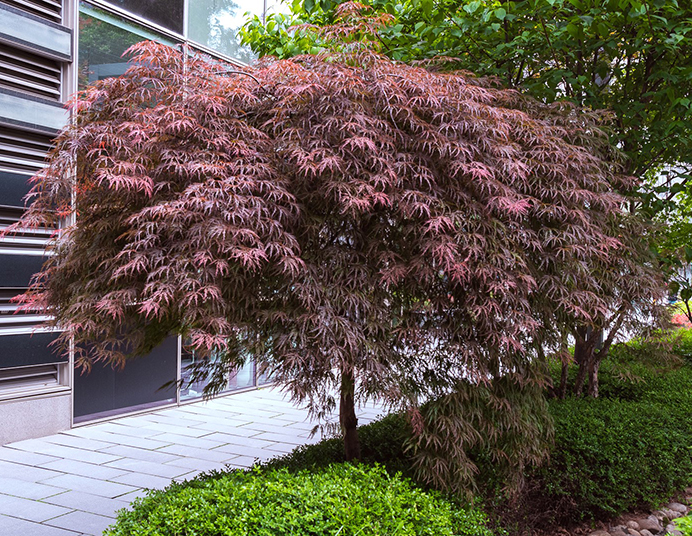
In this week’s article I’d like to tell you the story of how Weeping Maples come about. Now Japanese Maples tend to be a little bit expensive. They’re often a main feature tree in a garden. So what happens is someone grows a normal green leaf Japanese Maple for perhaps 5 years from a seed. Now after it’s reached about 1.5 metres tall and it’s forked, the grower then grafts a new head on each fork so it’s now a double-headed Weeping Maple. Then they would grow it for another 2 years in the field to get some more size on it. Finally, they would grow it for one more year in a pot. So you end up with an 8-year-old Weeping Maple.
Now the beauty of this process is that with two heads is you get more width. The Maple really spreads out wide as each head grows away from the other. You also get a crisscrossing of branches, which makes the head extra thick. This is one of the things that people really love about Weeping Maples is the height.
But you can grow them much lower. So if the grower chooses to do the grafting on the fork of the tree when it’s only 2 or 3 years old and they graft it low, then it will tend to stay low. So it might only reach around 1 metre tall.
The other Weeping Maple that wasn’t grafted till it was 5 years old and already over 1.5 metres tall, then that will probably grow to around 3 metres tall over about 8-10 years. So if you had a big garden space or a really big pot or a courtyard and you wanted a nice big tree, maybe something you could sit under, then a tall, high grafted Weeping Maple has much more value.
You can also get single-headed Weeping Maples and these can be high graft or low graft, so again, that will decide how tall they grow.
One species of Weeping Maple which differs a lot from the others is the Inaba Shidare. It seems to be able to take a lot more heat and sun. It doesn’t shrivel up or burn up in the sun, so you can put it in a hot sunny spot, or you can even put it in a windy spot and it grows quickly.
The Inaba Shidare has also revolutionised Weeping Maple growing in another way and that is just how fast it grows. It can grow up to 80cm in just 12 months, whereas some of your other Weeping Maples might only grow around 10 or 15 cm in the same time.
With all that fast growth it can develop a really lovely big head that can be well over a metre in width and it will do that very quickly with a lot of strength. So they can end up being quite a monstrous beautiful Maple.
Maples can sometimes be a bit hard to get around this time in December but I managed to get a really good deal on around 500 of them in various sizes. So right now you can normally get an Inaba Shidara in a 10 inch pot for just $99, which is a good, cheap starting price on a Weeping Maple. At that price you get one with a beautiful big head on it that will grow quite tall but you can even train it with a top branch on a stake to grow even taller.
From there you can go up to a multi-headed one, that might have up to 4 heads on it making it nice and wide and that is a real work of art. Normally it would be priced at around $1,500.
But I’ve decided that from right now through to the 31st of January 2024, because I got a good deal on all these 500 Weeping Maples, that I’m going to mark them all down by 30%. Yes that’s 30% off the normal price. So the $100 priced one I just mentioned will go for just $70 and the $1500 price one, will drop to just over a thousand dollars. That makes between now and Christmas 2023, the best time to come and buy a Weeping Maple.
The other thing to realise is that if you go to some other nurseries right now, you might get a choice of 3 or 4 Japanese Maples but here you have a choice from around 500 of them.
And I’ve discovered over the years that the choice of a Weeping Japanese Maple is very personal. I remember one time a chap rang me up and said, “Look, I want a Weeping Maple. I need it for a gift and I want it to look fabulous. I want the best Weeping Maple you’ve got at any price and I really want one that is really full and bushy.” So I carefully went all through the nursery and I picked out a really full bushy one. He paid for it with a credit card over the phone and I shipped it on a van and sent it out to him. You know what happened? He rang me up and said, “That’s no bloody good. It’s too fat and bushy!!!”
Then he said, “I want something more slimmer and taller and kind of skinnier!” So what I thought was the best Weeping Maple in the place, he rejected.
Now with pots, it’s better to plant a shorter Weeping Maple and have it hanging down the side of the pot. But if you want it to be the centrepiece of a big garden, then you want a bit of height. So it’s a really good idea that if you’ve been after a nice red Weeping Maple, that you visit a nursery that’s got some choices in terms of price, size, shape. And with my Weeping Maples, there’s only four or five people who actually grow Weeping Maples in Victoria. And I can look at most Weeping Maples and tell you who grew it. I can tell you where it came from, just by looking at it. Now in my opinion, each Weeping Maple is really a work of art and different people do it in different ways with different ideas and they end up with a different looking plant at the end.
So when you come down here and take a look at all these 500 Weeping Maples that are 30% off, you’ll see they’re all in leaf. You can see the shape, you can see the colour, you can look at the trunk, and you can look at the height of it.
Now what do you do with your Weeping Japanese Maple when you get it? Well with the Inaba Shidare particularly, it will happily live in a pot pretty much forever. This is probably true of all Japanese Maples but more so of the Inaba Shidare. So if you had a balcony or you’ve got a courtyard or something like that, as long as you use the right size pot, and you water and fertilise it regularly and you look after it, basically it will do just fine.
Now they do need a bit of calcium every couple of years, a bit of limestone basically, to keep them happy in a pot. Now as a nurseryman, I can tell you that some trees scare me in a pot. I don’t even know today how to keep a Silver Birch looking good in a pot! And I know a lot about keeping plants looking good in pots! But a Japanese Maple, watered and fertilised properly, re-potted occasionally every few years, well it is basically easy to keep it looking good.
We keep lots of Weeping Maples here and some of them have been in pots for years. And what we do is we take them up a size of pot each year, actually that’s what we’re doing right at the moment. We’re going through sorting them all and anything that needs to go up a size of pot is going up a size. Come next year they’ll be even bigger and fuller and nicer.
So basically with a Weeping Inaba Shidare Maple, if you do have a balcony or a courtyard, it is something that you can keep in a pot forever. And what it will do is it’ll become fuller, more majestic, more beautiful. You might give it a tiny trim occasionally, but basically what a lot of people do is to keep it in a pot forever.
To get really rich colour, you need to give your Weeping Maple at least half a day’s sun. The colour tends to be not quite as rich if they’re not out in the sun so just keep that in mind if it’s in a pot.
Now if you want to plant a Japanese Maple in your garden that’s also totally OK, they look lovely. When I plant one of them in the garden, I’ll tend to dig a large hole. I’ll mix in lots of potting mix and make it really good for the plant. Now with trees, a lot of people worry about roots on trees wrecking their foundations and things like that. But the great thing about a Japanese Maple is that they don’t have a particularly big or aggressive root system. So what happens is that if you just dig a hole in hard clay, the roots will not be able to really spread out beyond the size of the hole you dig.
So what I encourage my customers to do is dig massive holes, way larger than the root system, mix in a lot of potting mix so the roots can push out easily and spread out easily. Remember to plant them up nice and high with plenty of loose soil underneath them.
You can grow a Weeping Japanese Maple pretty much anywhere in Melbourne and have them looking absolutely beautiful as long as you put some effort into that hole. You have to do this because a lot of Melbourne has hard clay or hard rock, and you’ve really got to break it up and have lots of nice loose soil around their roots for them to move through.
In terms of using a Japanese Maple in different styles of gardens well you can really use them in any style. They can look very dramatic in a modern style garden. When I plant them in a modern style garden, I’ll tend to be minimalistic with what I plant around them. I did a garden design yesterday and all we did was put pebbles around the Japanese Maple and then some Black Mondo Grass and then some Lime Lava. I know it will look fabulous with its foliage contrasting with the black of the grass and the bright green of the Lime Lava.
They also work well in a very sort of traditional contemporary style garden. There you just put them in with shrubs like Azaleas and Camellias, they make that beautiful sort of classic older style garden.
Of course they are perfect for a Japanese style garden. And often when I use them in a Japanese style garden, I’ll plant them in conjunction with say a Dwarf Black Pine, like a Yatsubusa Pine or something like that. And I’ll plant it with plants that can be clipped into a nice round shape. One of my favourites is to use a Kaleidoscope Abelia which has a beautiful golden sort of foliage. You can clip that into a nice ball and have that as a lovely contrast with your nice, dark red Weeping Maple. You can also use a lot of native Australian grasses in your Japanese Garden or something like a Little Jess Dianella for the grassy effect you want.
Some people ask how much wind a Japanese Maple will take and I say well they can cope with a fair bit of wind, but if you’re somewhere really flat and open with really strong winds, like Philip Island or somewhere like that, you would have to shelter them from the wind a bit. But I’ve seen them do quite well in a lot of windy places.
Now I must say that Weeping Maples are a lot tougher than many people think. I remember I was doing a delivery in Shepparton one evening and I came to this front garden where this person had the most magnificent collection of about 30 Weeping Maples there. Magnificent. Every sort of Weeping Maple all planted properly, but it was open and it was exposed to full hot sun and they looked absolutely fabulous. So planted properly, even in a hot spot that was relatively windy, and quite open and barren, this amazing collection of Weeping Maples that had been planted correctly and looked after correctly were thriving. So I think Weeping Maples treated properly are much tougher and more versatile than people think.
I think the reason a lot of people think that Japanese Maples don’t do well in full sun, is because they’ve planted them in a very tiny hole that is too small for their roots. And so the roots never spread out and find sources of water. You get your 42 degree day in Melbourne and the plant shrivels up and dies and people say the heat killed it. But what really killed it was the tiny little hole in the clay you planted it in. That’s why, as I said earlier, you’ve got to have a nice big hole with lots of loose soil. The Maple can then spread its roots out among the soil and potting mix, while the clay holds the water at the bottom of the hole and the roots will spread out and down and take up all that moisture when it needs it on a hot day. We have literally tens of thousands of dollars’ worth of Maples in this nursery and we are not worried if it goes over 40 degrees or something, as long as they’ve got moisture, they’re fine.
Next let’s talk about the colour. I find it really interesting that if we don’t have enough red Weeping Maples in store, then even though most people are looking for the green ones, the store doesn’t do as well if we don’t have some red ones scattered throughout. I think it might be something subconscious about seeing the visual excitement of the red scattered amongst all the green that makes people interested in them. And they might plant a red Japanese Maple in their garden and still not realise that’s what’s uplifting to them when they look at their garden.
What I find interesting is that if you Google Inaba Shidare Weeping Maples you’ll see Maples that are all almost blacky purple, and then you’ll see them right through to a brilliant scarlet red. Now what happens with your Inaba Shidare is that basically there’s a journey that they go through. That journey starts off with deep, deep, blacky purple as they emerge in spring, and then they sort of go into more and more of a red zone and then they go through purpley reds and then they go to brownie reds and then just before they drop at the end of the season, you have brilliant scarlet. So if you Google then, what you’ll be amazed by is how many different colours you see and that’s because they have all been photographed at different times of the year. And there’s like a colour journey that you’ll go through when you search for them online. Now the one colour you might NOT see is actually green!
To make sure you get the full spectrum of colour throughout the year with your Japanese Maple, make sure you water them well because if you don’t, when it comes to autumn, instead of giving this brilliant scarlet red, they’ll just go brown. It’s like the plant is punishing you for not watering it properly!
In Closing
So there you have it. The full story on Weeping Japanese Maples.
Remember right now until the 31st of January 2024, we have 30% off on all of our 500 or so Weeping Maple (Inaba Shidare) and so you can get a $100 one for just $70 and a $1500 one for just over a thousand. They make great gifts for your mum or daughter-in-law or whoever. Grow ‘em in a pot, grow ‘em in the garden, hey why not give one to yourself? It will give you years of pleasure.
Feeling inspired to create your own garden, but want some expert advice? Try our one-on-one garden design service with Chris. Together you’ll come up with a selection of plants along with a layout plan that gives you the look you want, as well as being suitable for your local soil and conditions.





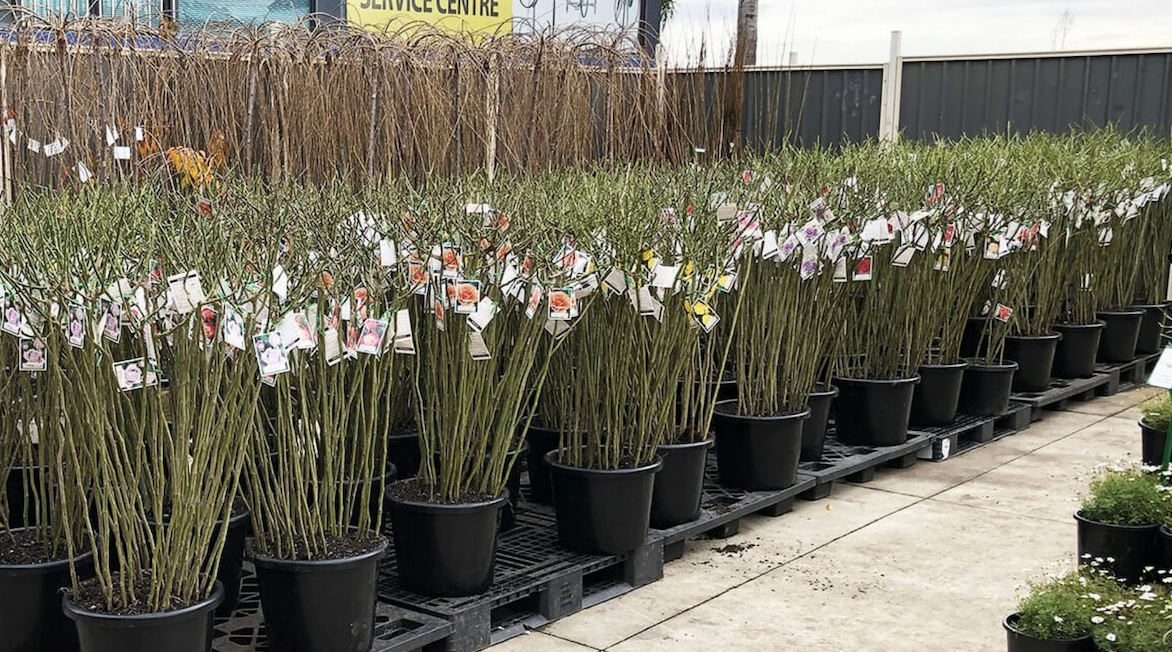
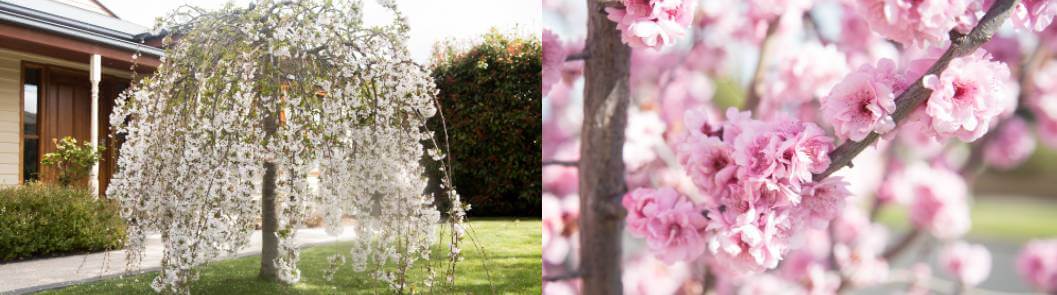
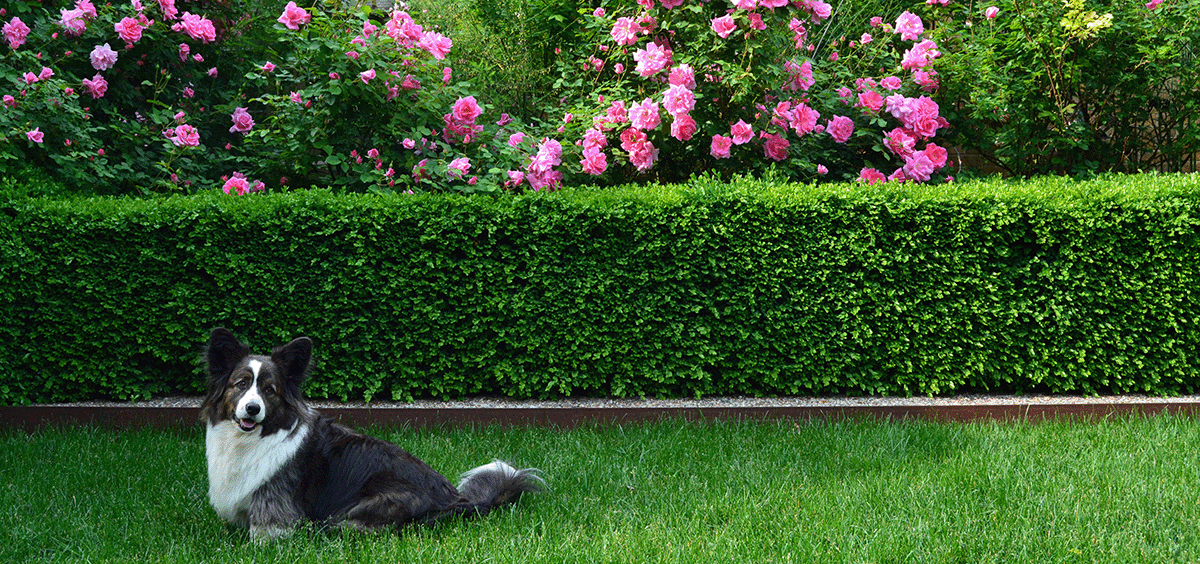
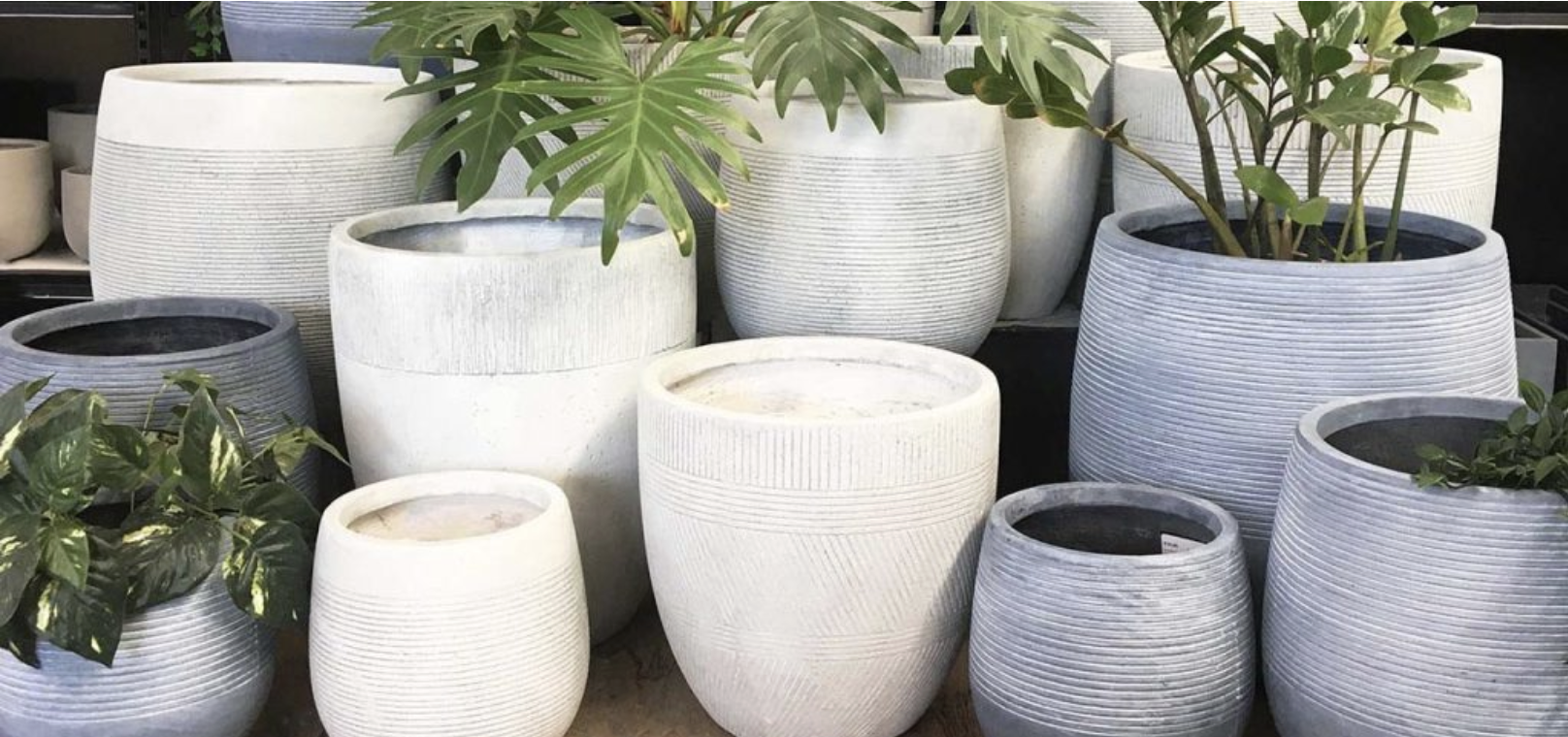
 Want to come help our team? We are hiring right now with a huge range of jobs available, check out all the details here.
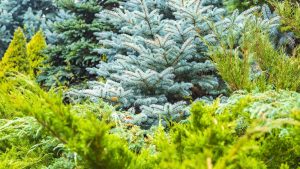 You may think you’re getting a cute little Conifer and next moment it has taken over your yard and kidnapped your kids for ransom. Okay maybe not that last part. But there are so many cases where people have a monstrous Conifer towering over their suburban home, or farmers have puny dying Conifers in the yard. When you don’t have the gardening knowledge, it can be really hard knowing what Conifer is right for you.
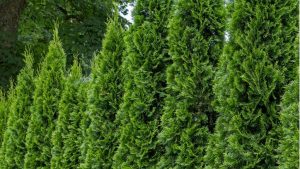 Especially when there are SO many different types of Conifers that all grow to different sizes and shapes. At Hello Hello we have around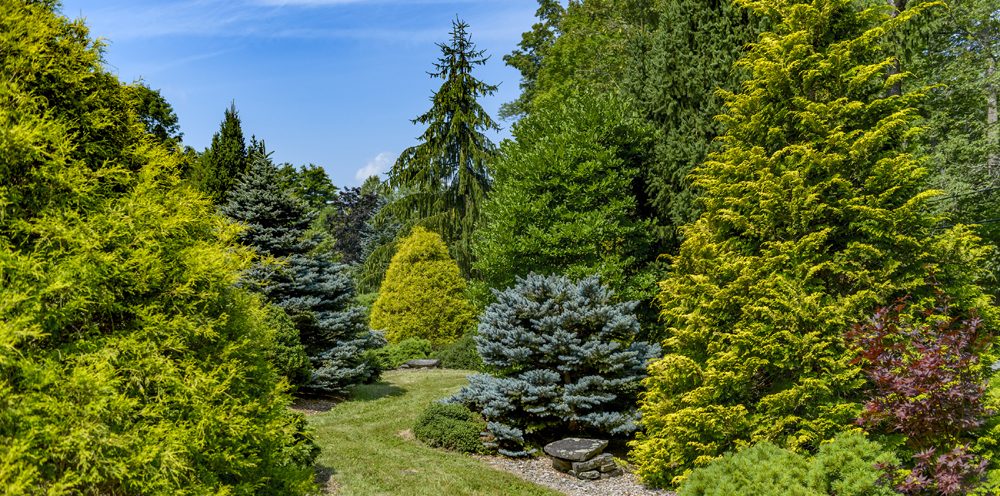

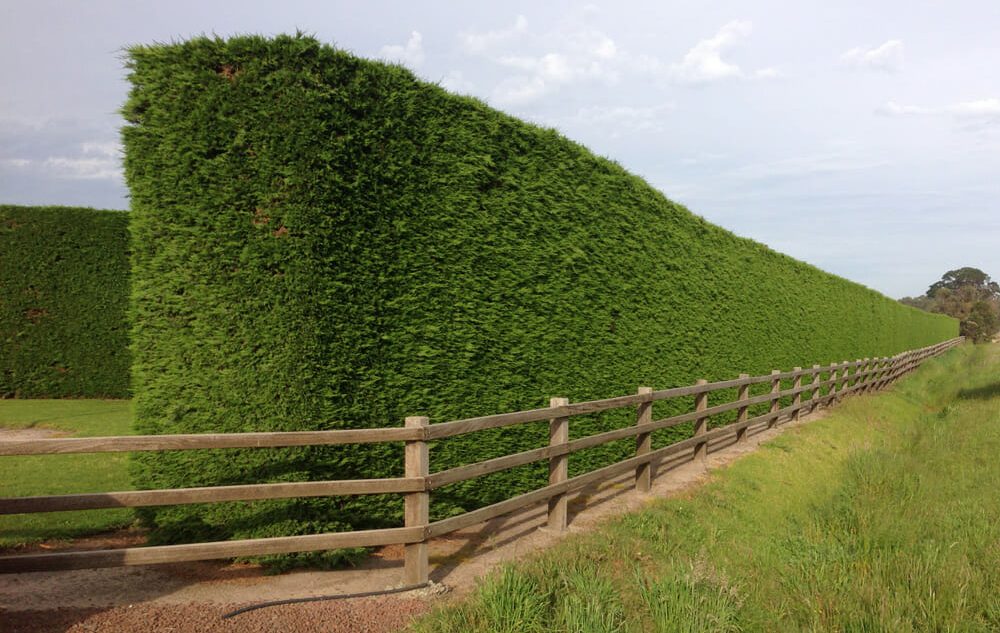
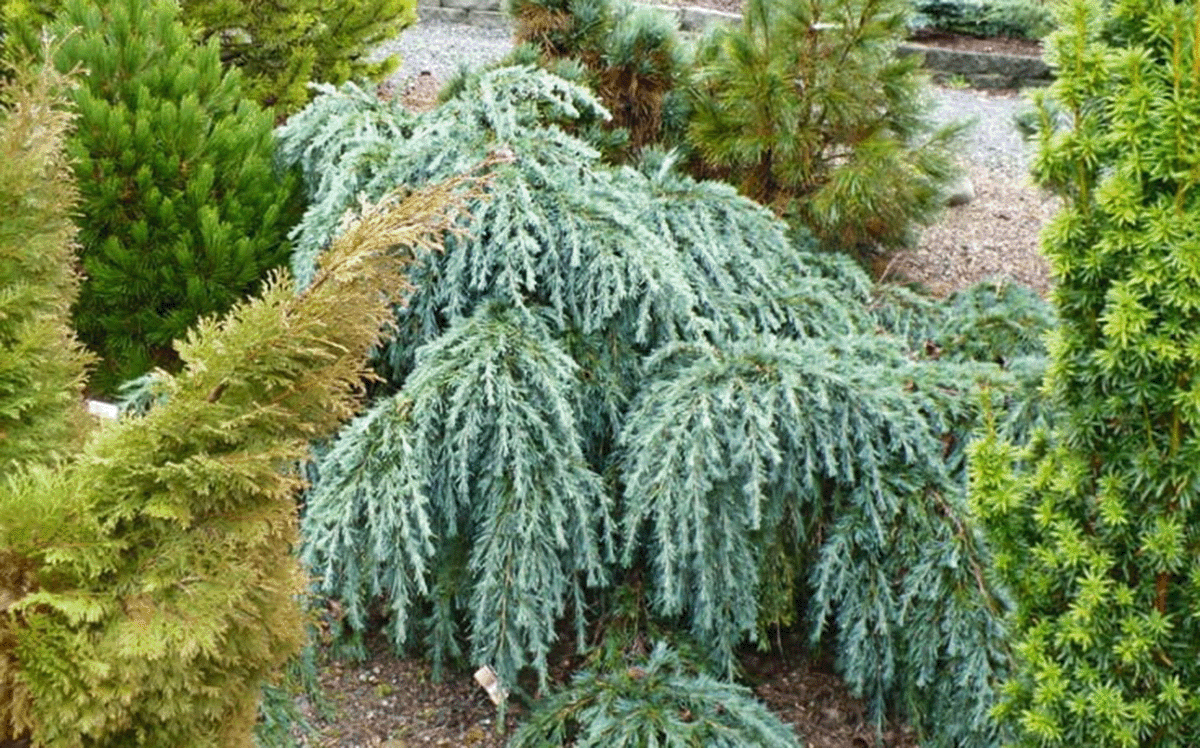
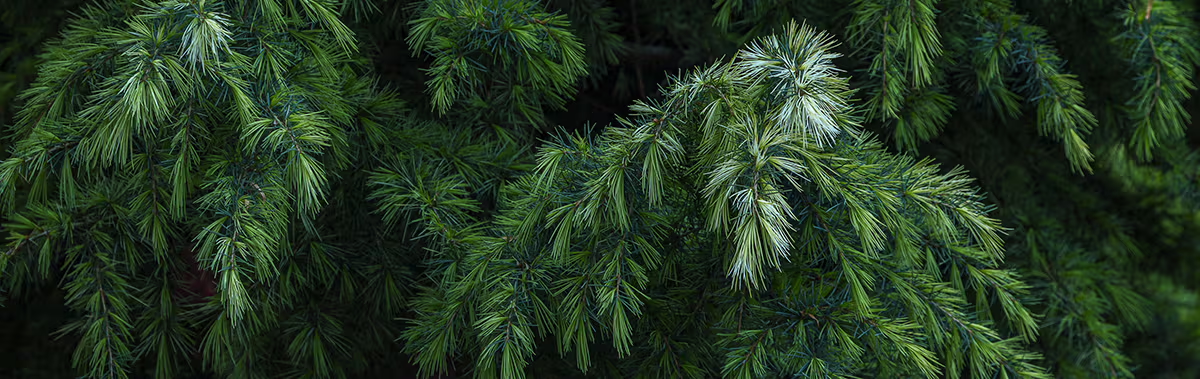 So there’s a taste of some of the incredible types of Conifers, now it isn’t the full range we sell in the nursery, or even what is available in general. But we wanted to keep it to the best types for different applications.


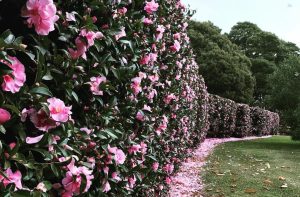
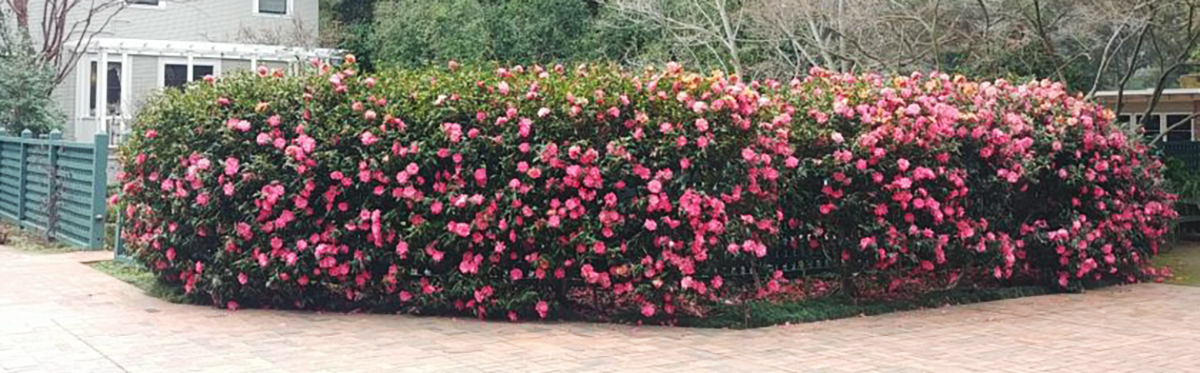
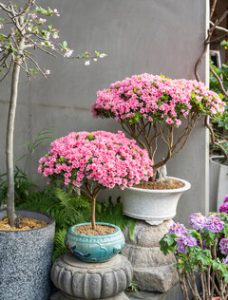
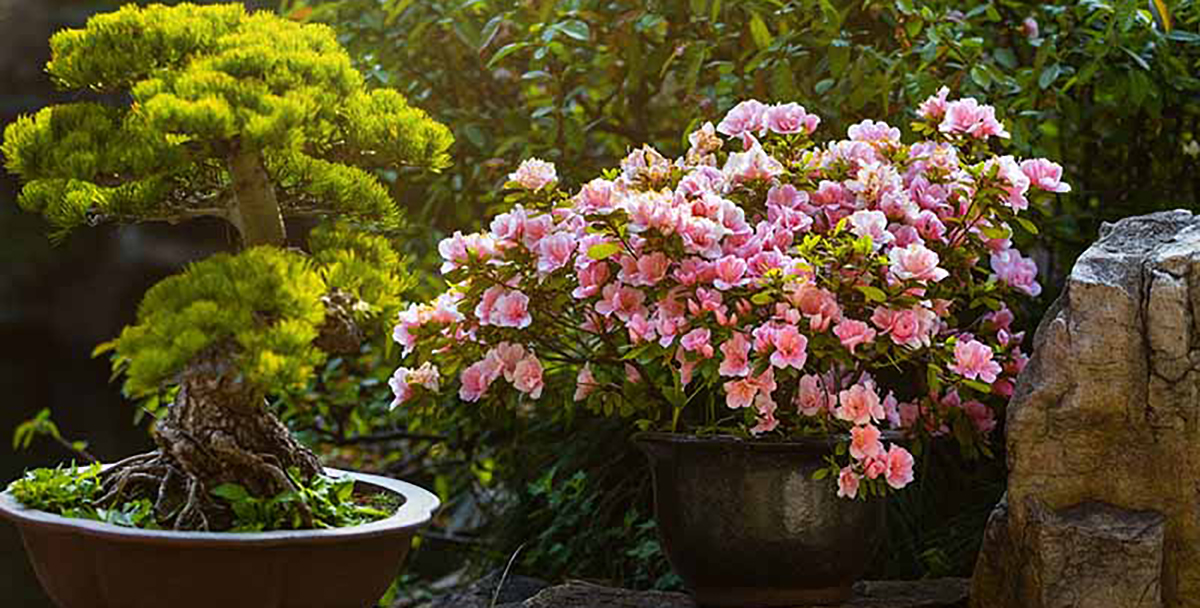
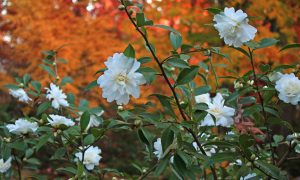
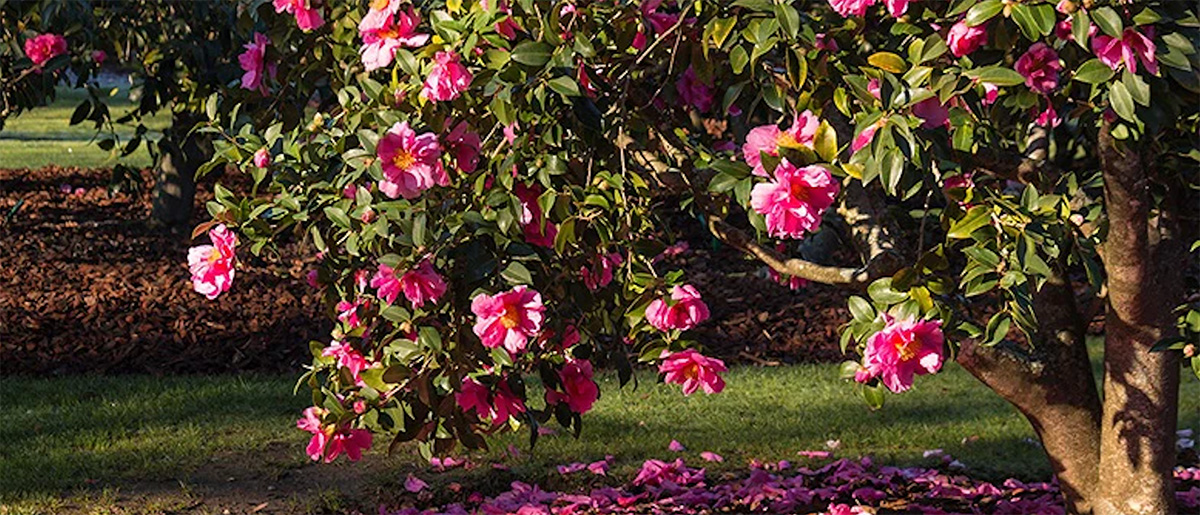
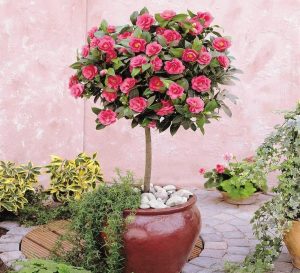
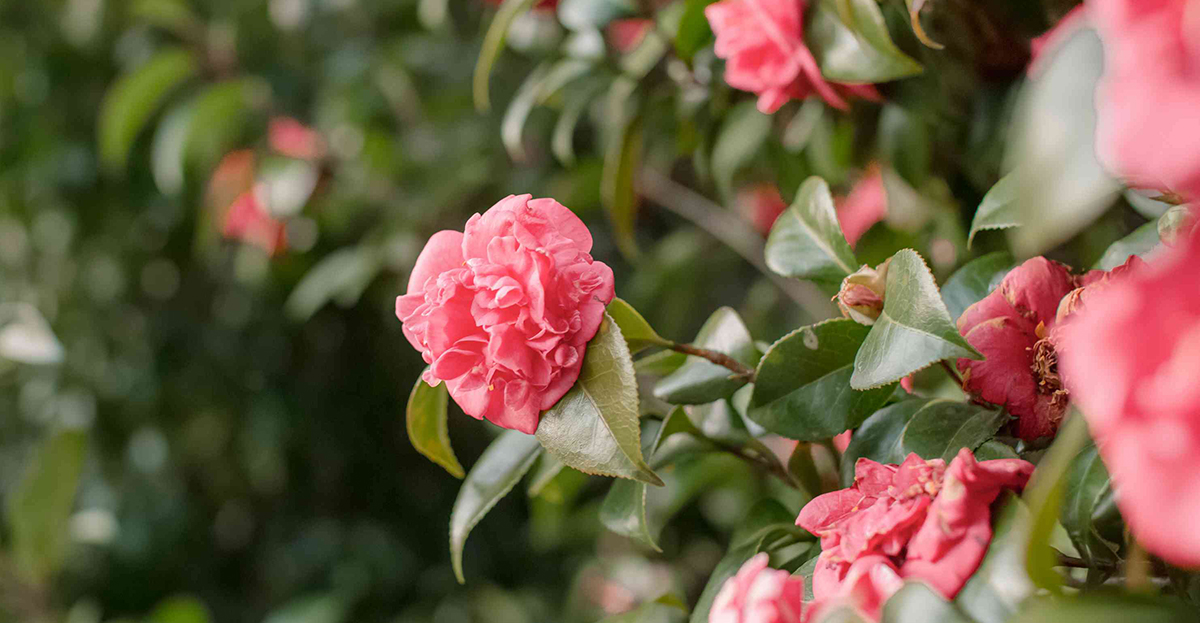
 You have to wait until summer for the new shoots, pick a few grams and dry it in the microwave or oven. Then chuck on the kettle and make yourself a cuppa. This is going to be like no tea you’ve ever had before, that old stuff at the grocery store can’t measure up to freshly plucked and brewed tea.
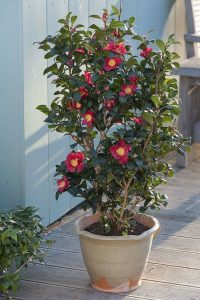 As we mentioned before, a lot of gardens have those spots where the sun never quite reaches, and it can be tricky to find a plant that will work there. But you’re also not limited to the shade, if you have a big kitchen window or an ugly fence you want to cover and it’s in full sun, this is no problem for the Camellia sasanqua. Just make sure you’re watering it more if it is in a sunny spot.
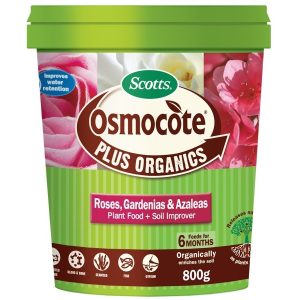 Okay so you’ve decided what type and where you’re going to use it, now you need to know how to take care of it.
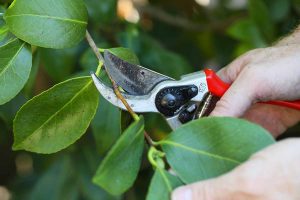 In general, your Camellia needs regular feeding – water it and give it Osmocote, and Camellias will absolutely flourish. The best time to prune is immediately after the flowering is finished. The reason for this is that pruning them halfway through the season inhibits next year’s growths.
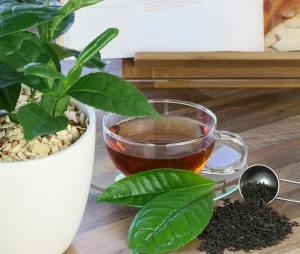 Camellias are a stunning plant with so many applications, from a thick hedge to a pot plant, you have so much freedom with where you want to put it in your garden.
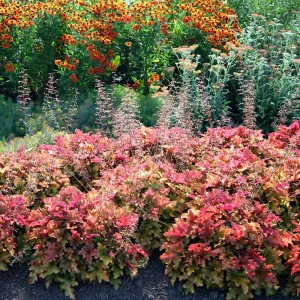 In this article we will cover: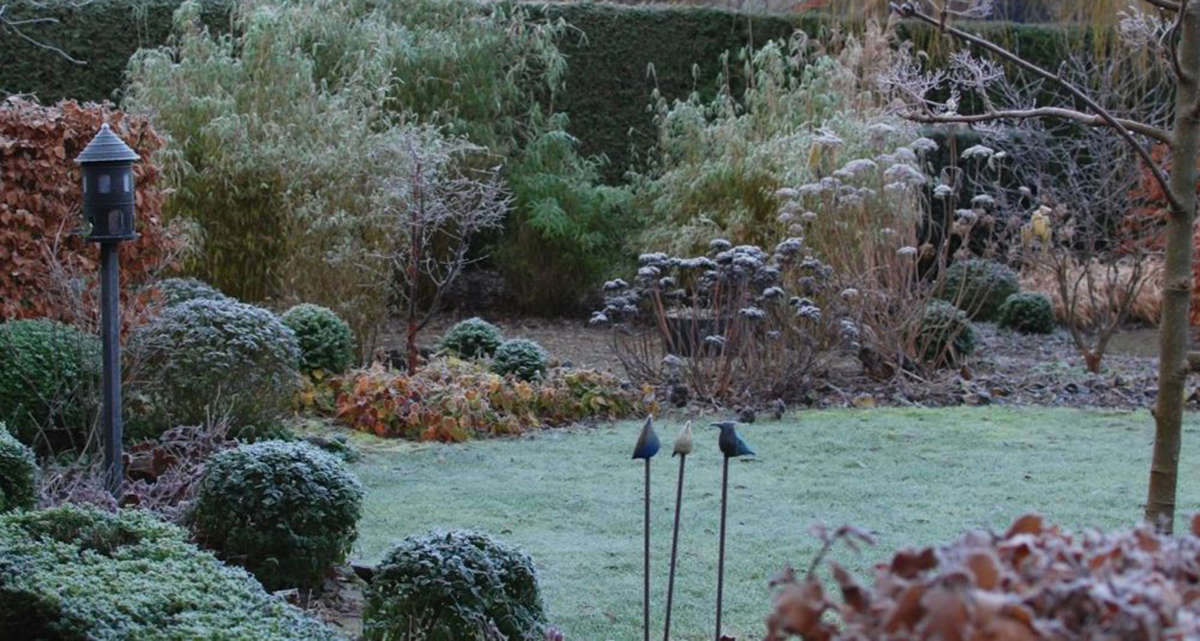
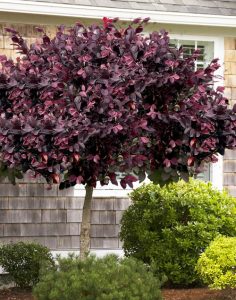
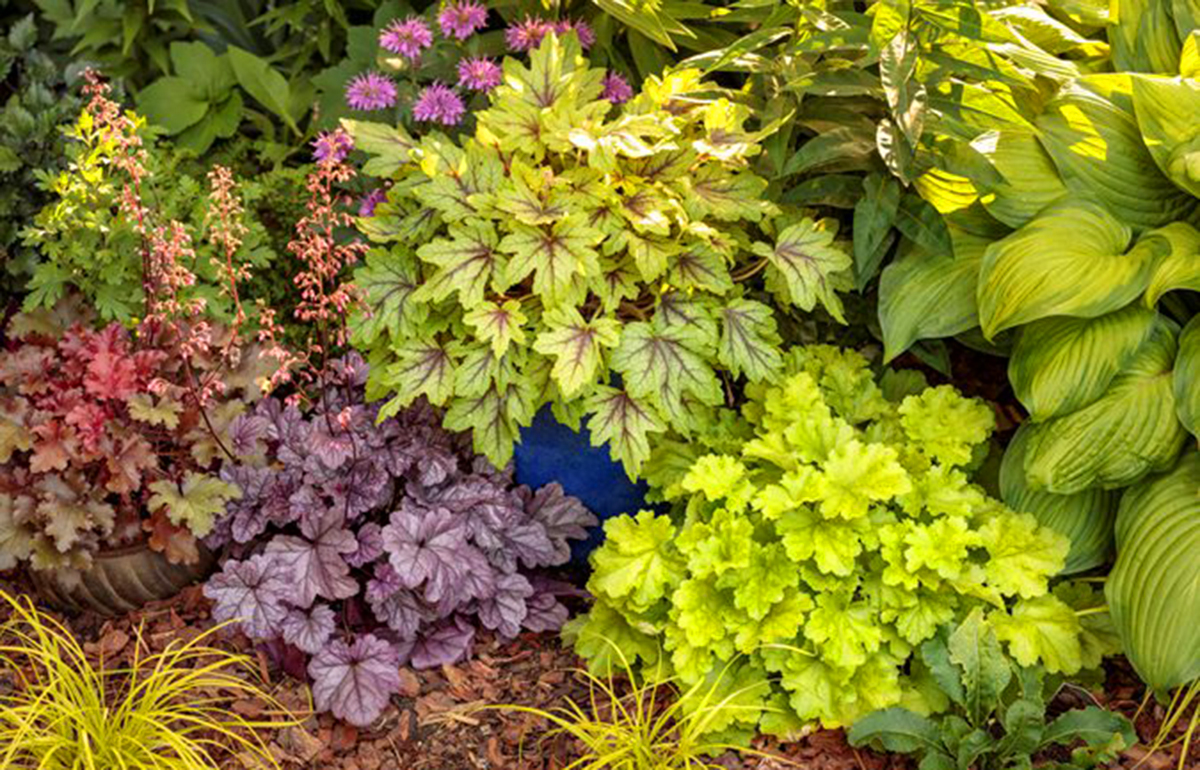
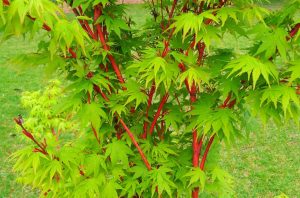

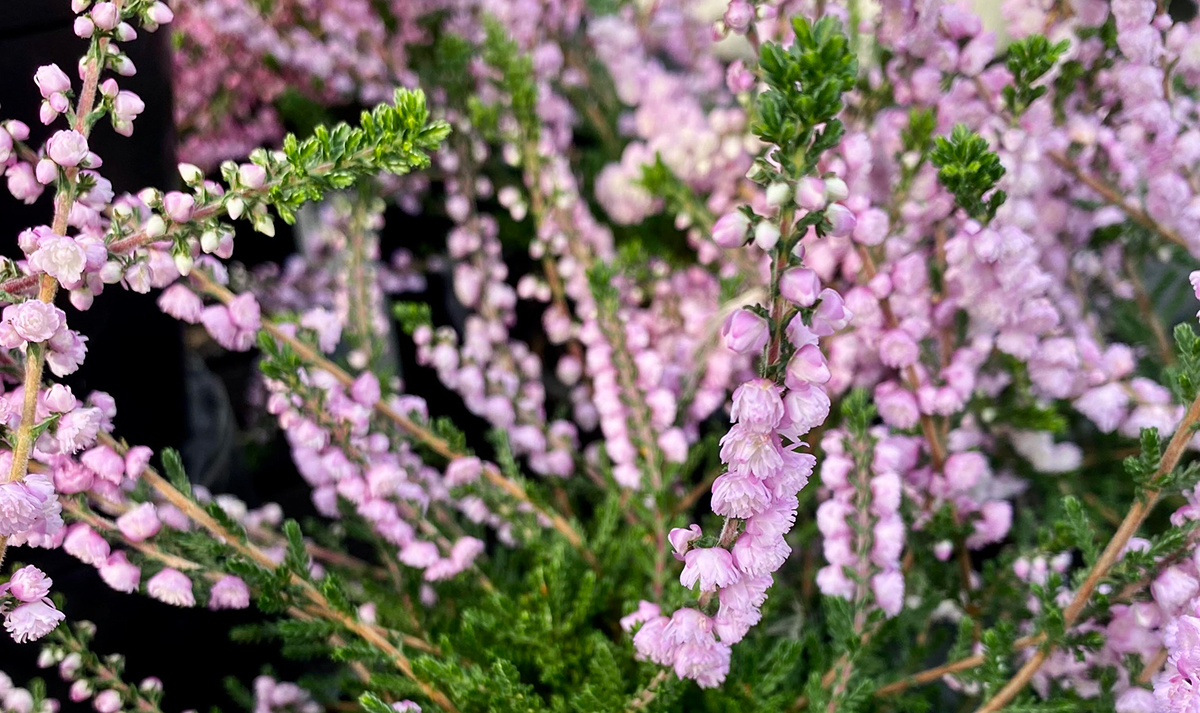
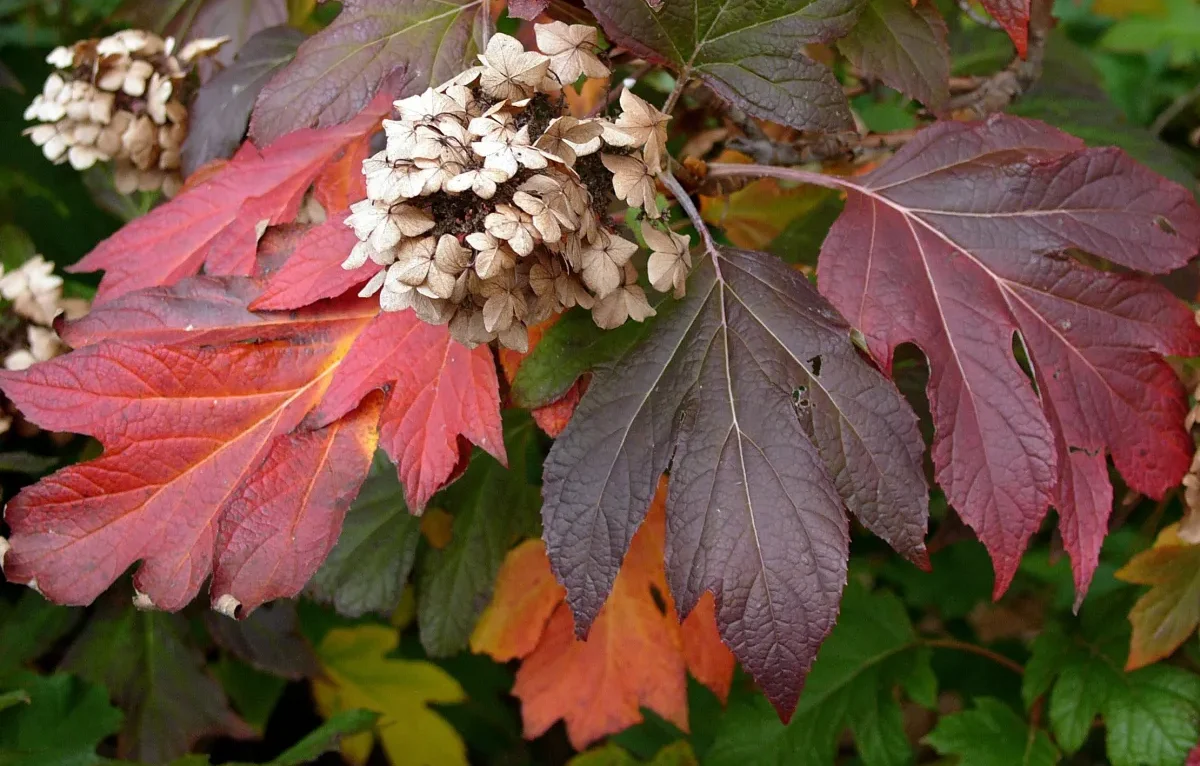

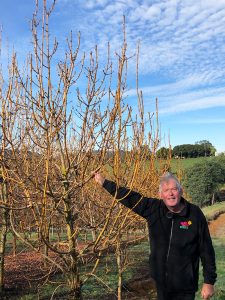
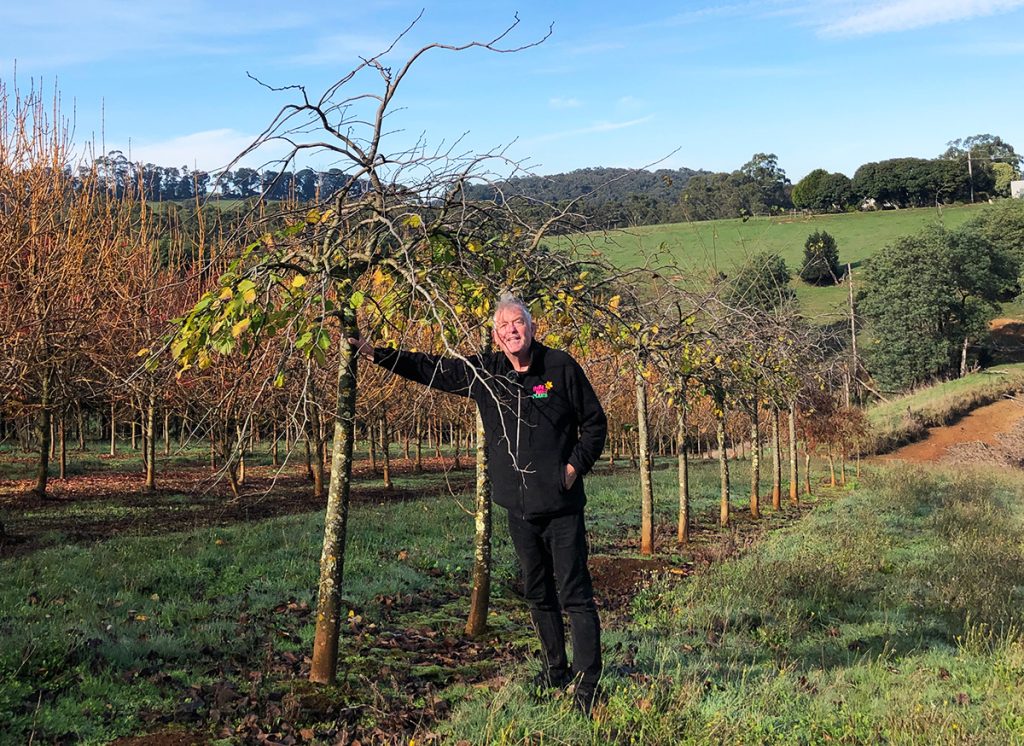
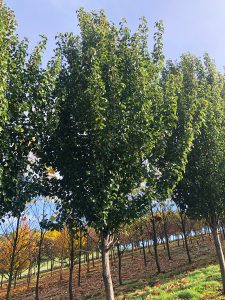
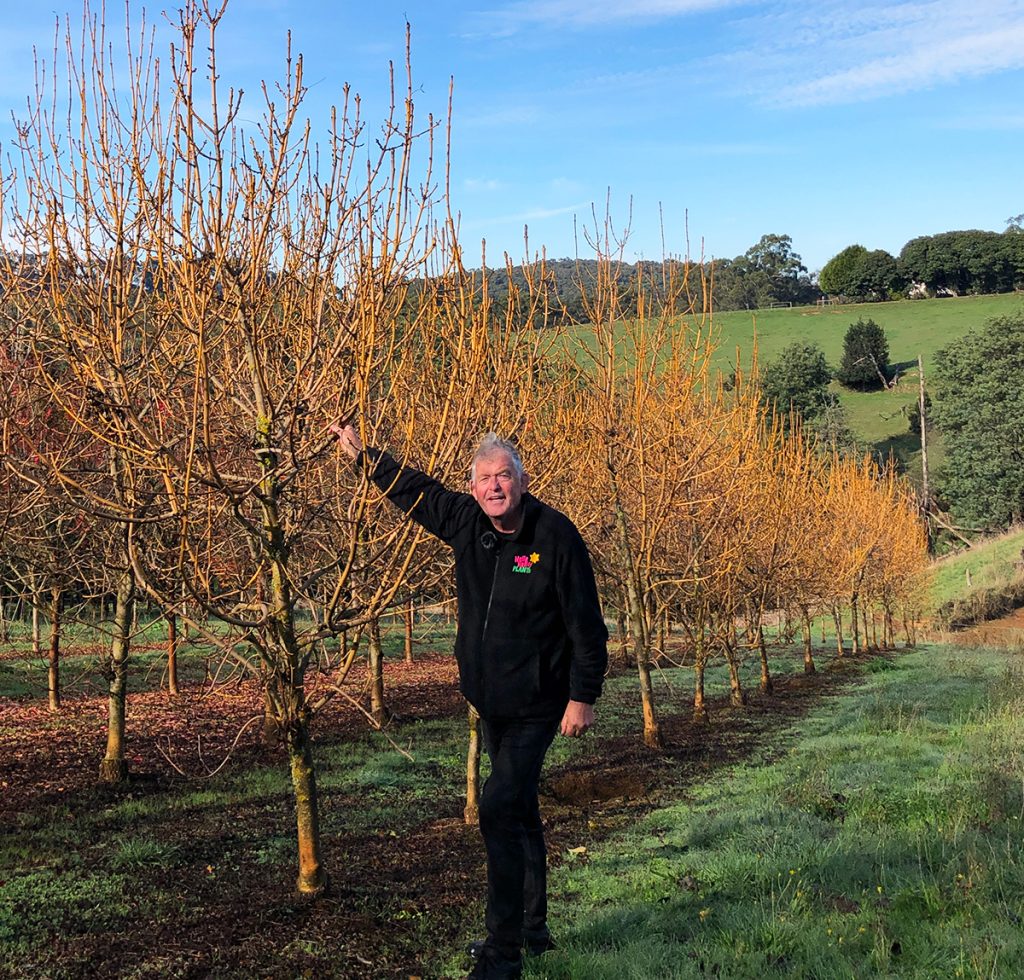
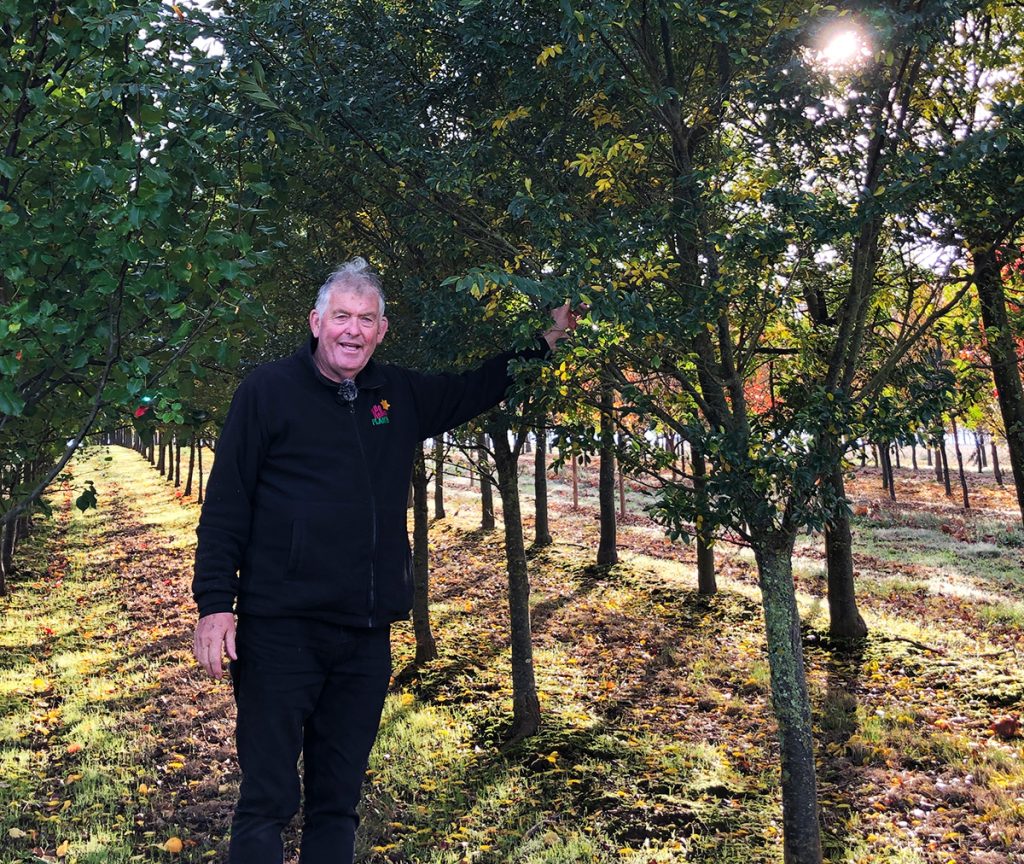
 come with its roots enveloped in an earthen ball, wrapped in Hessian and secured with a wire mesh basket to hold it all together. Lean it up against a wall and make sure to keep the root ball moist. Dig a hole that is an extra 50cm wide than the root ball. Combine potting mix through the parent soil. You want the root ball high in the hole and surrounded by loose permeable soil.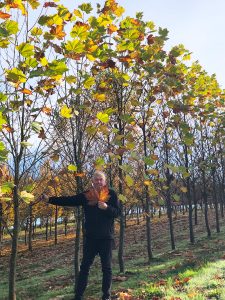

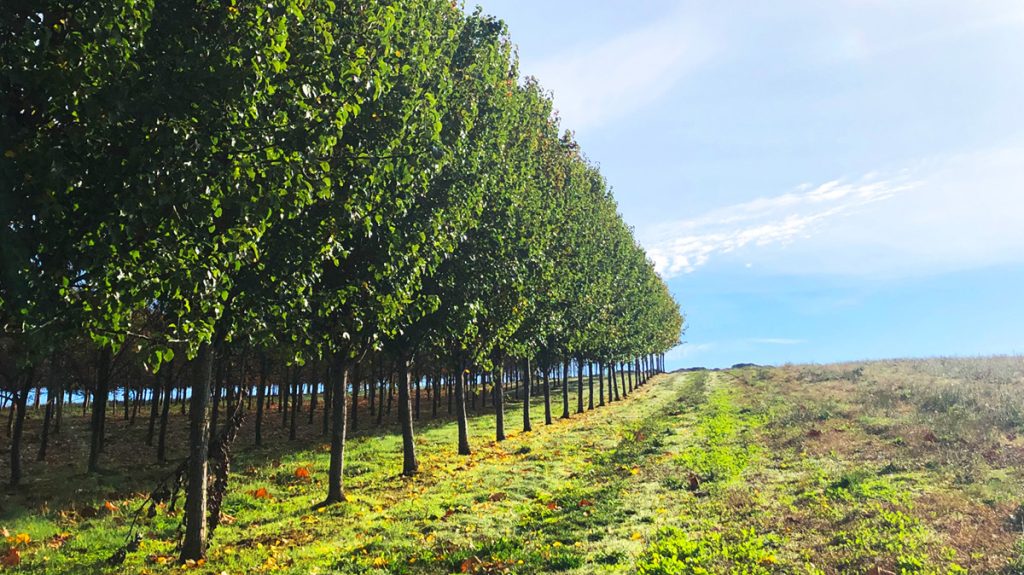

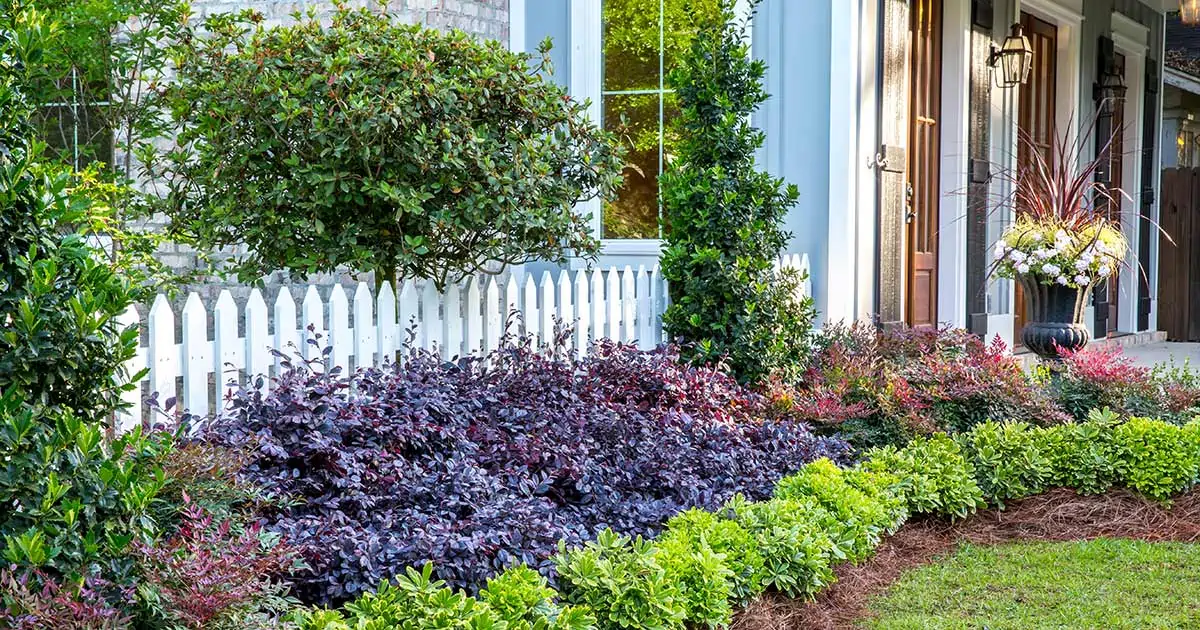
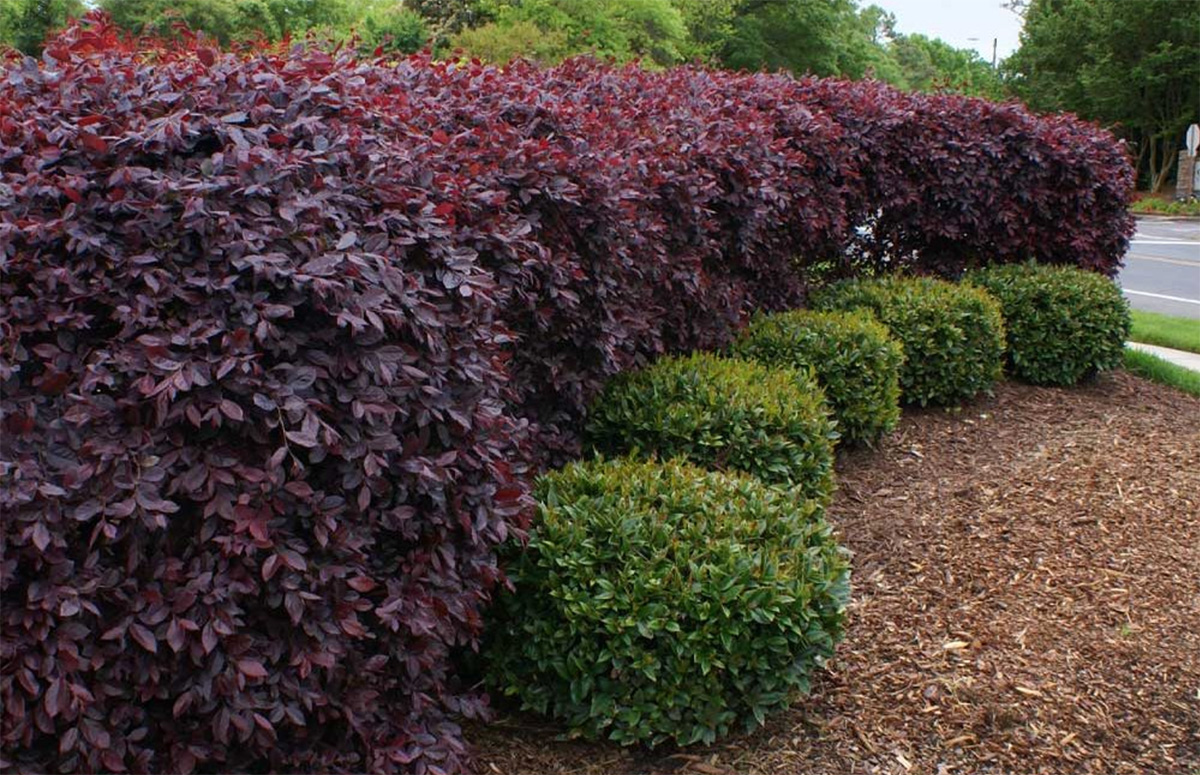

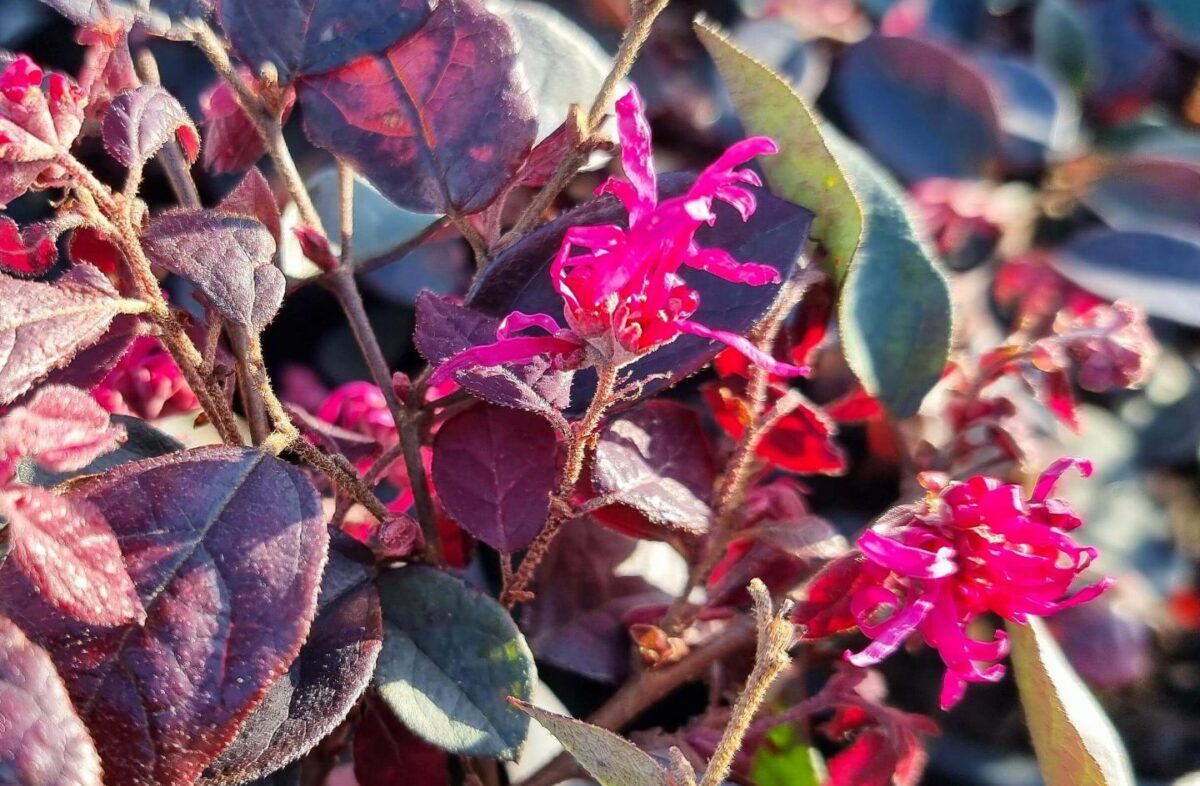 A very interesting and upright Loropetalum,
  Being such a fast grower you don’t have to wait long for it to be a decent size. It will reach a maximum height of about three metres, but you can keep it smaller with trimming.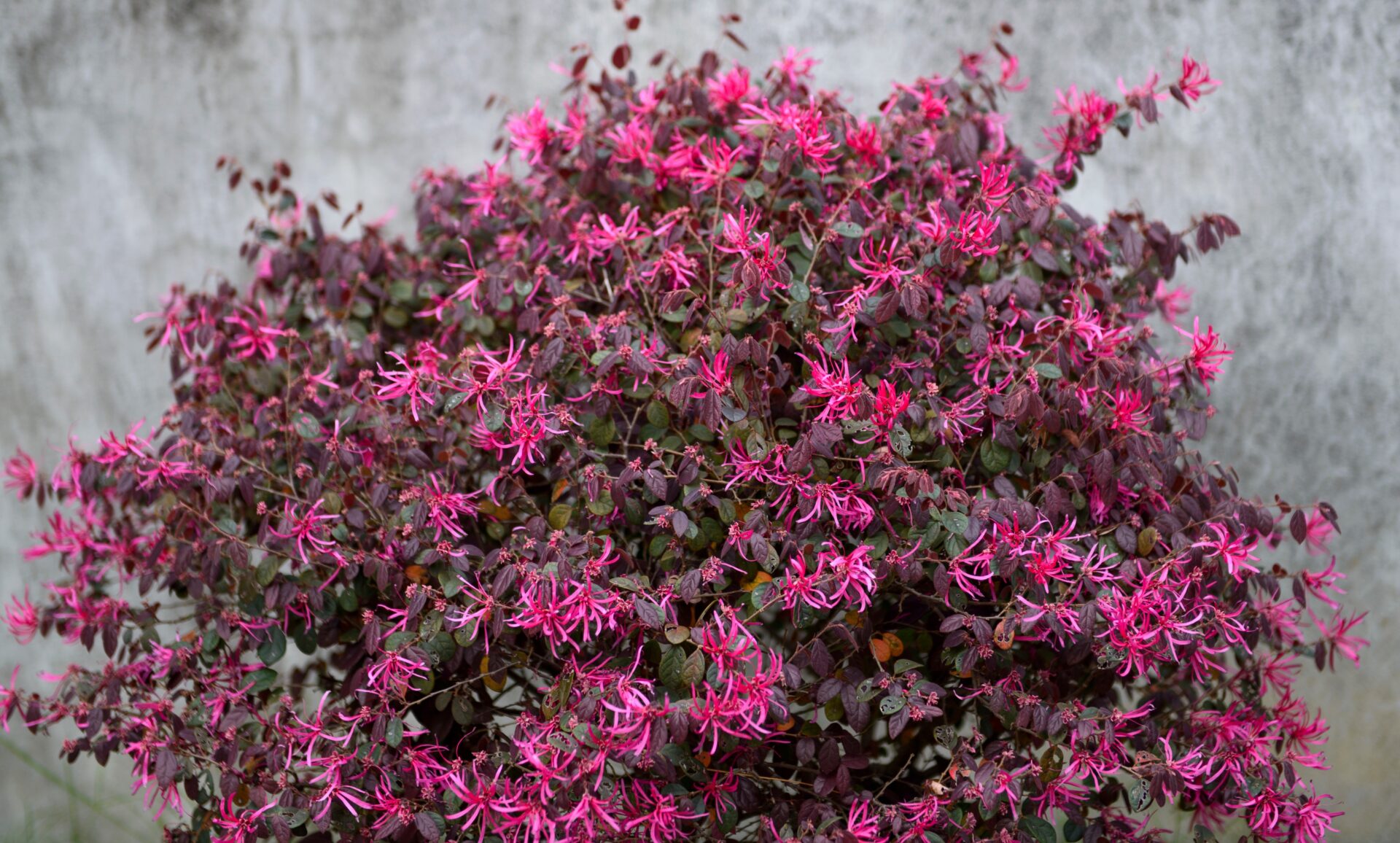
 The most striking colour of all the Loropetalums,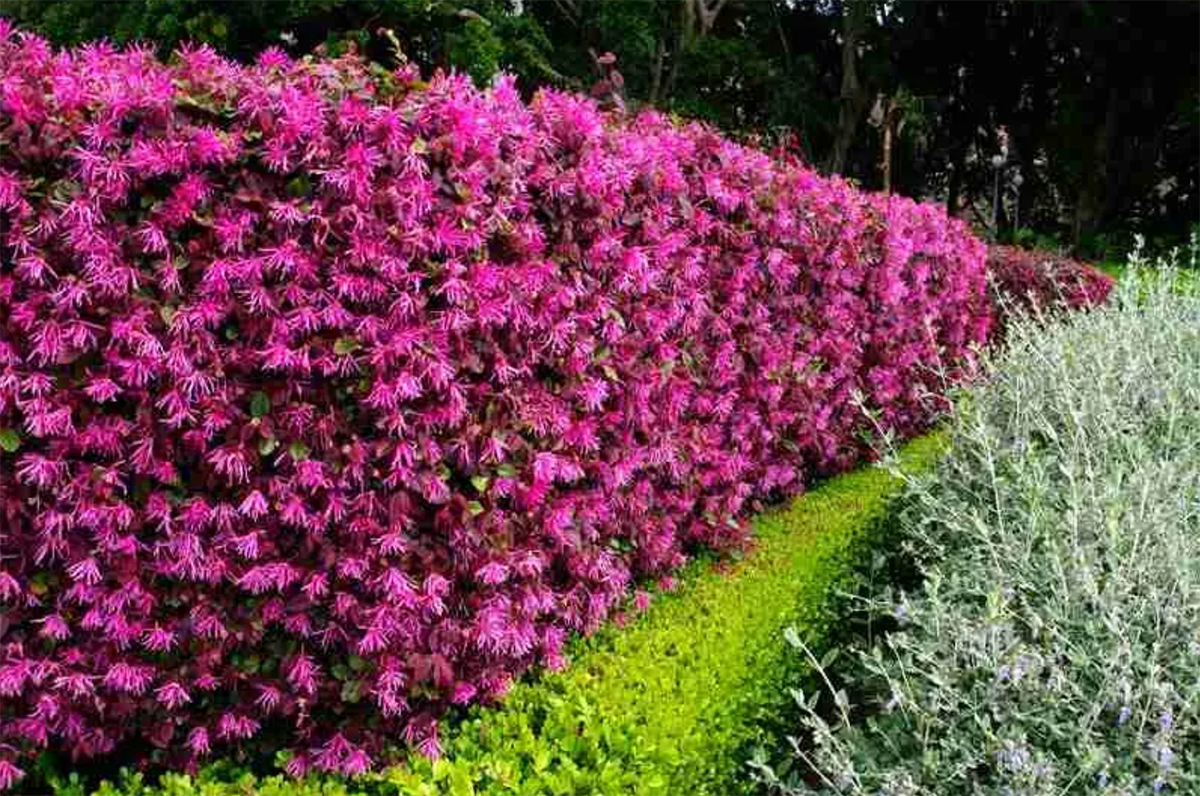

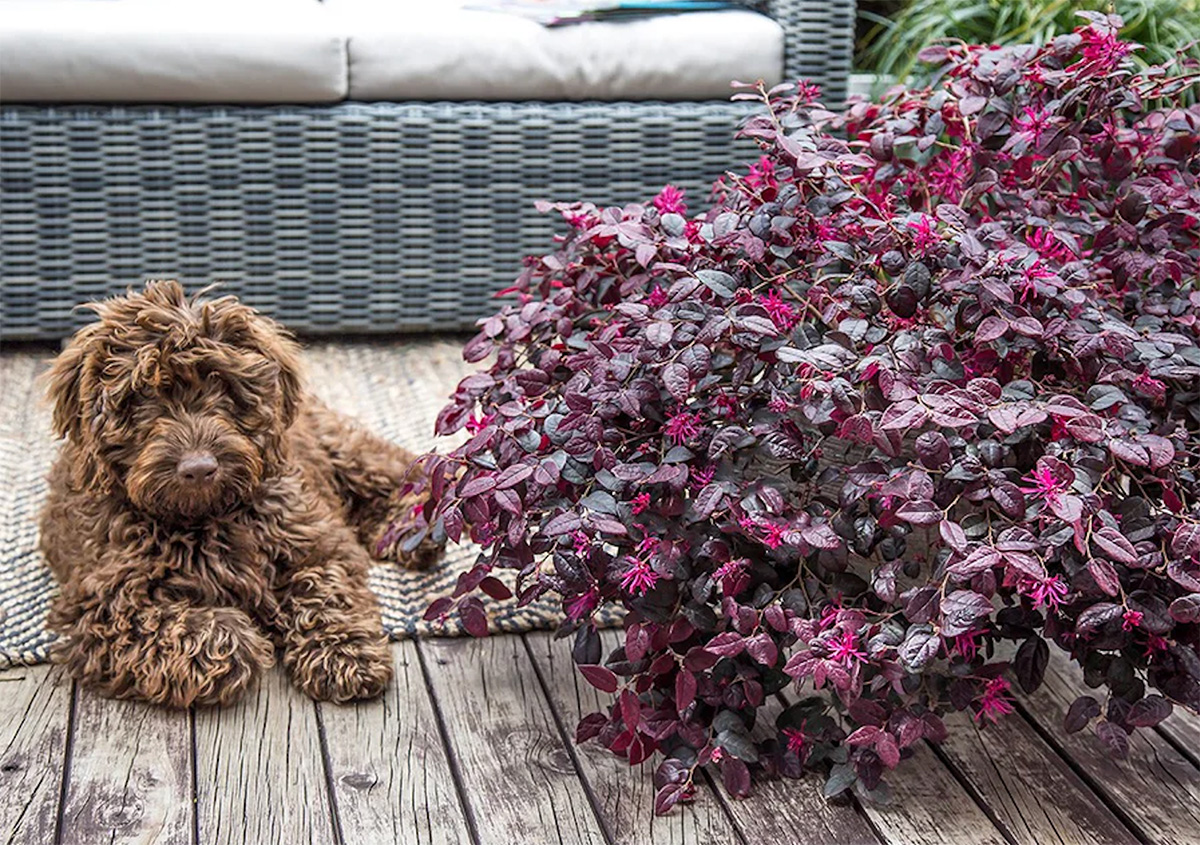

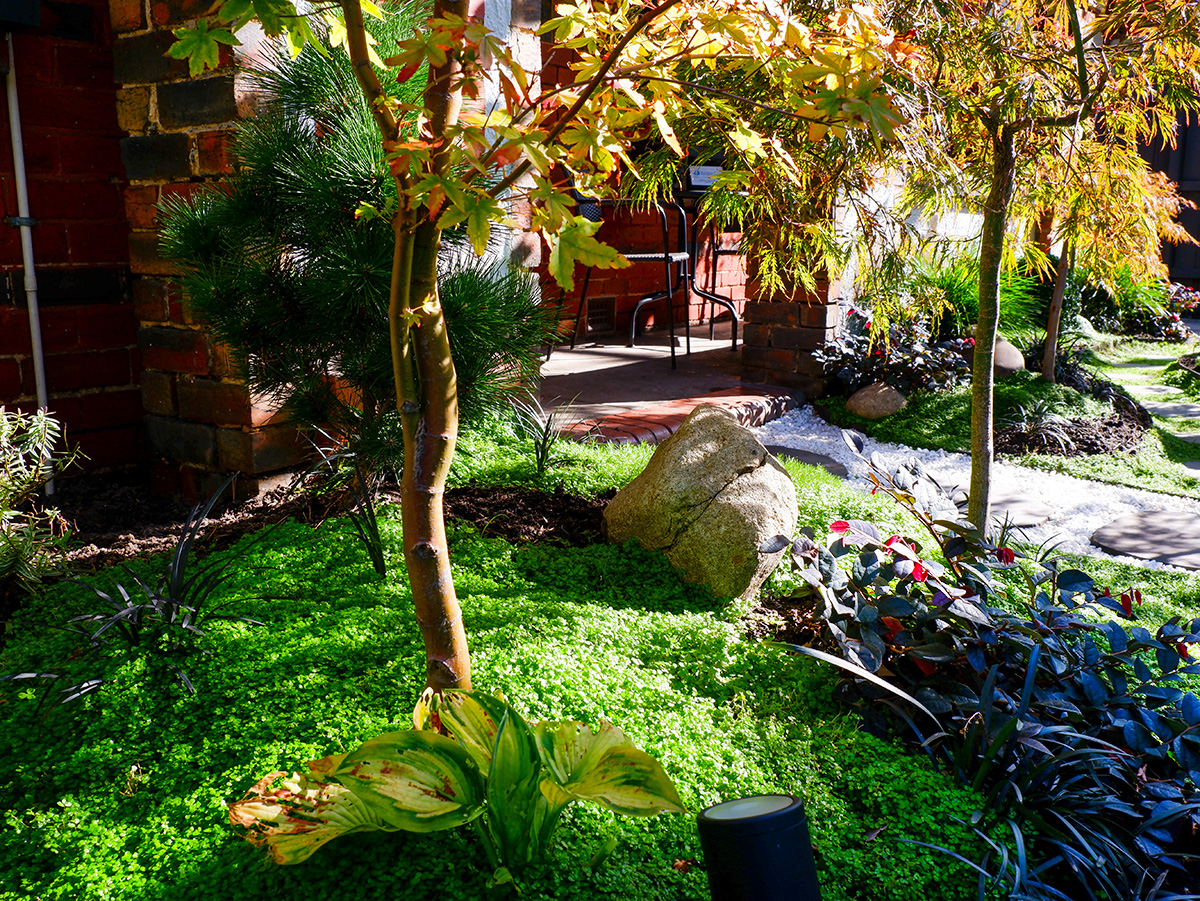
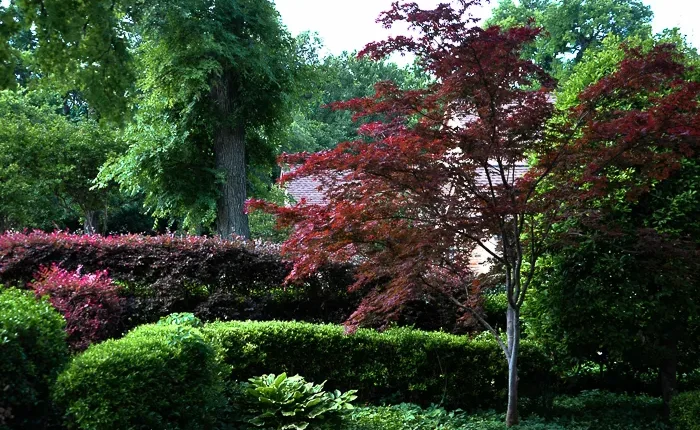
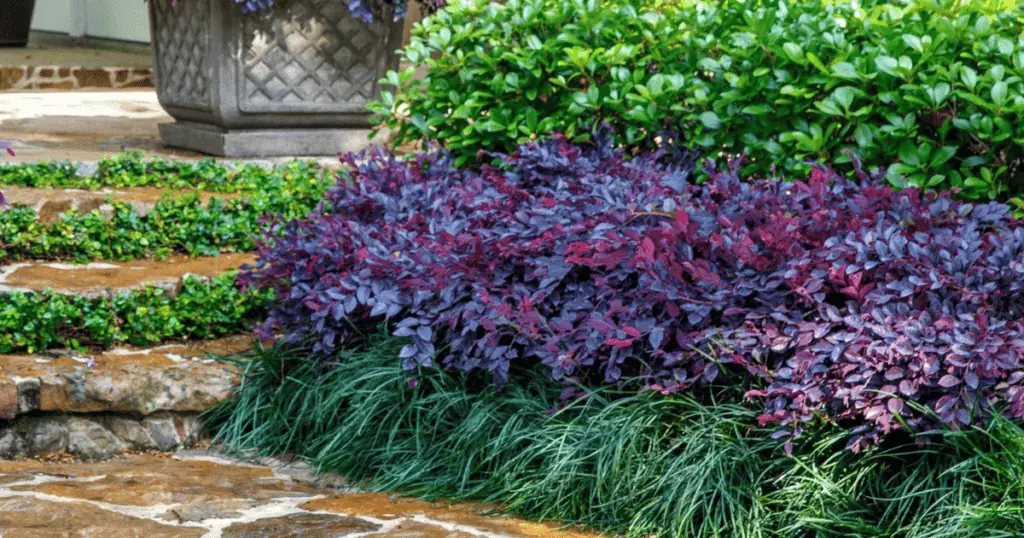
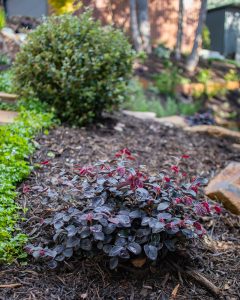
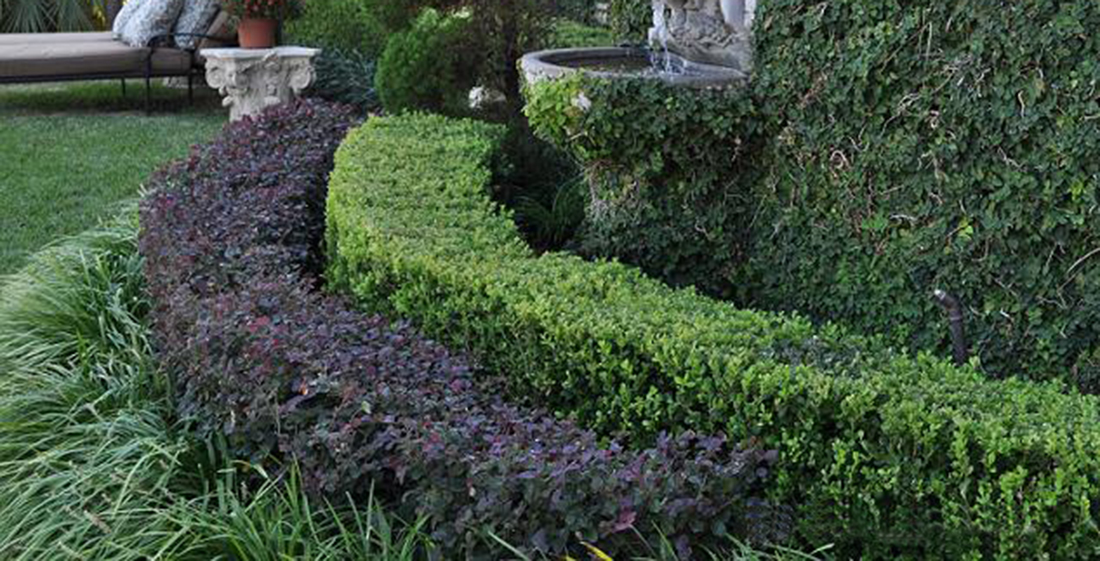

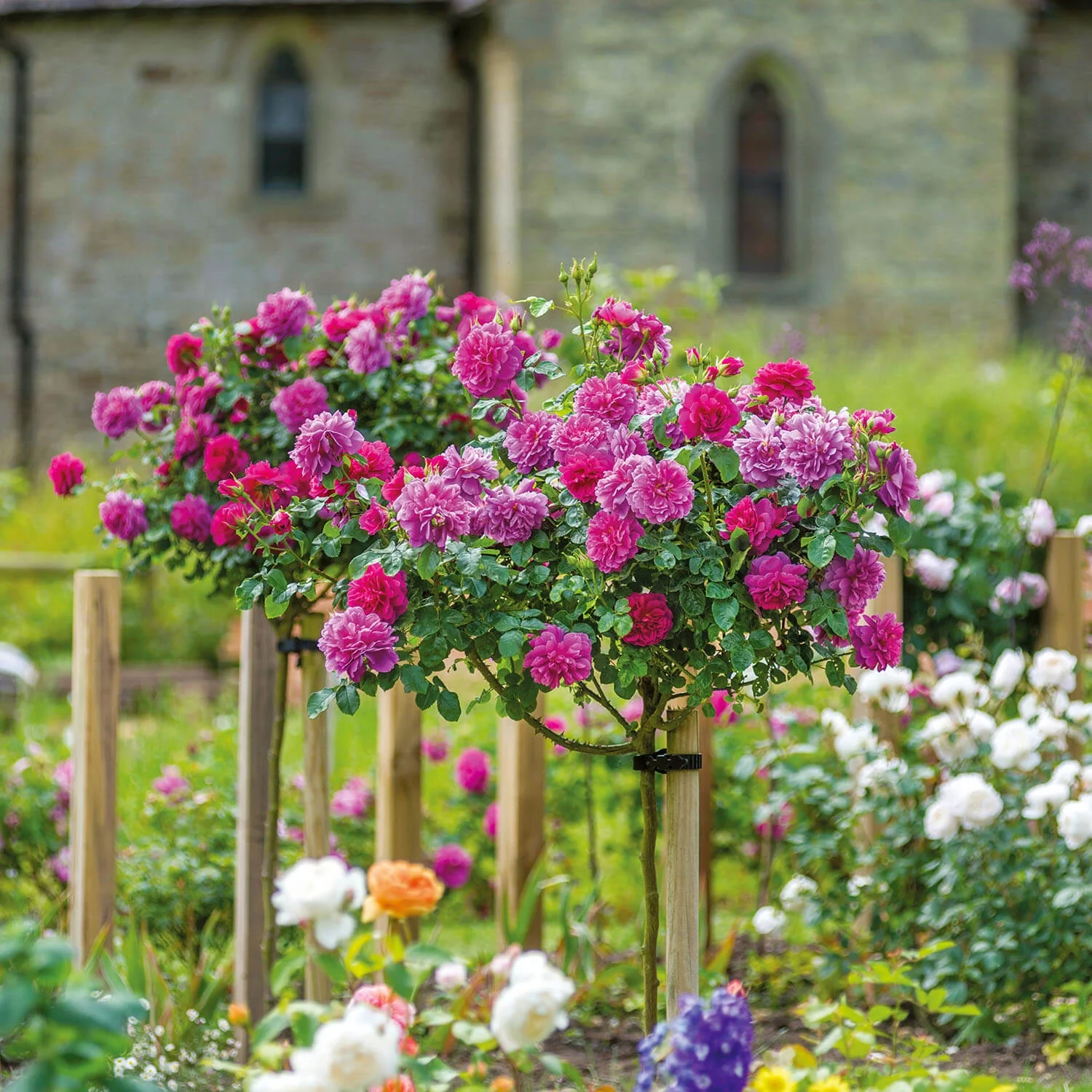
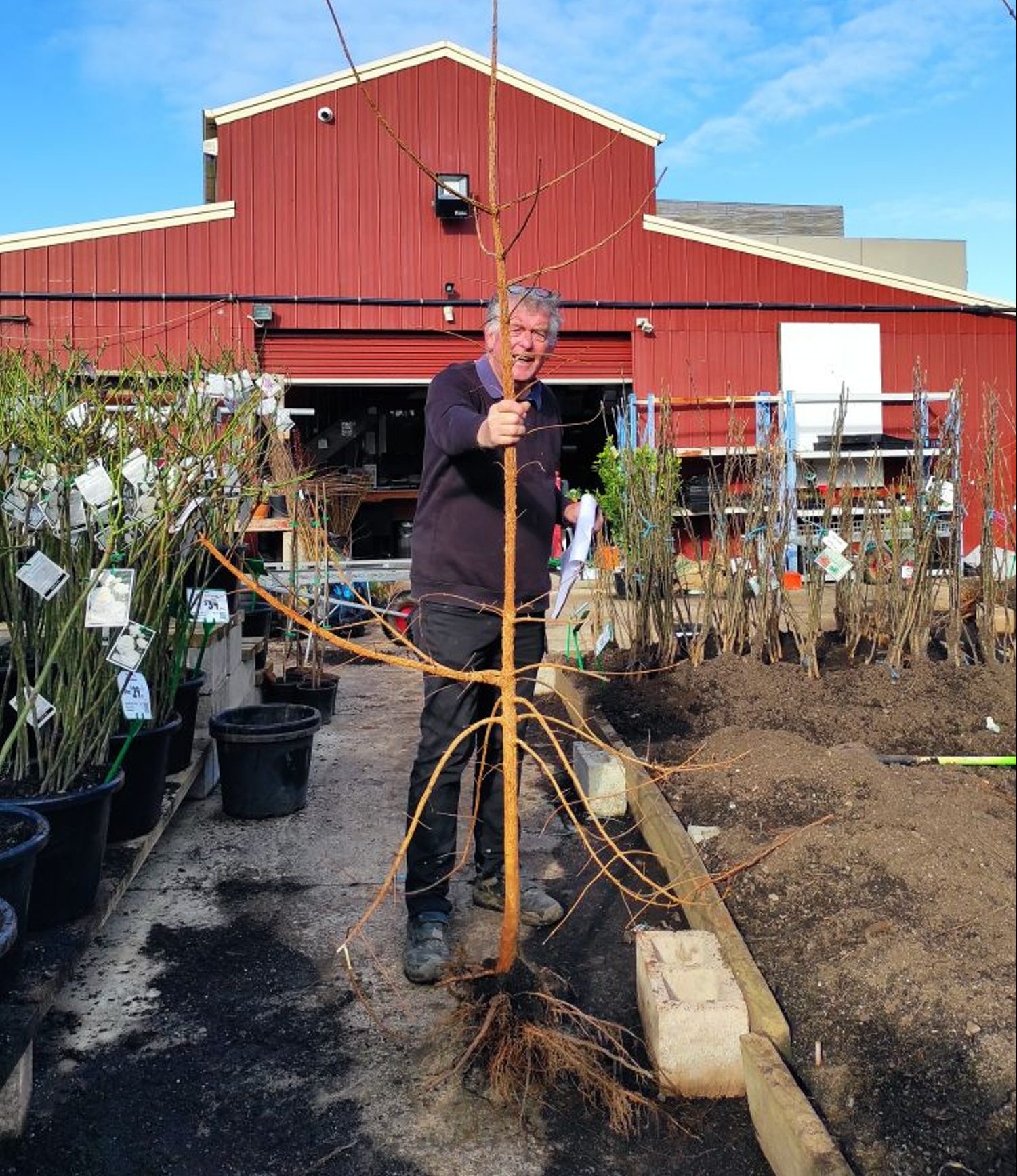
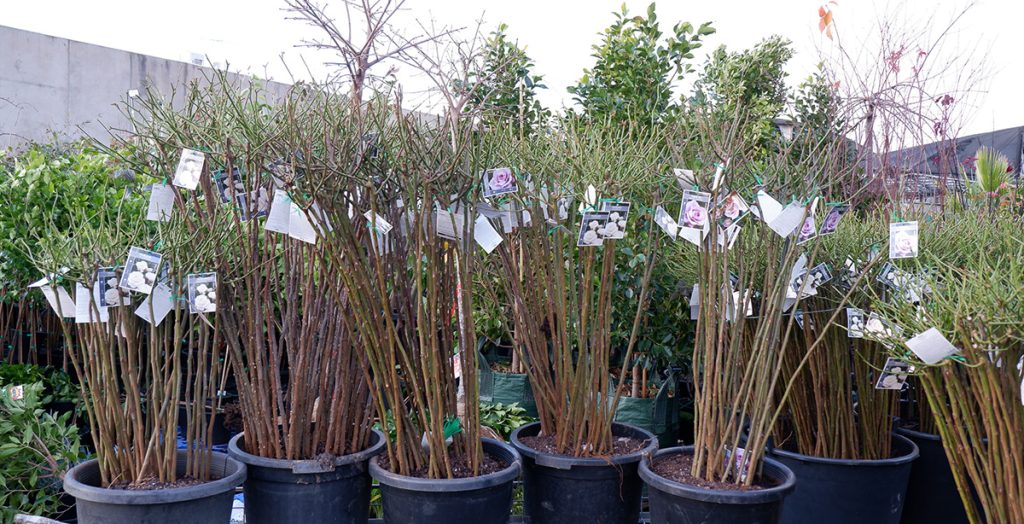
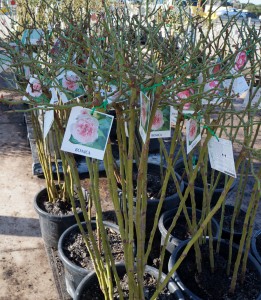 Then in the summertime they graft or bud the type of rose that they want, like an Iceberg or Mr Lincoln. Once it’s grafted, they keep growing it in the field. They’ll trim it and shape it up a little.
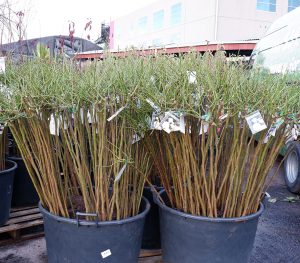 Firstly, nurseries are able to put hundreds and hundreds of roses in a small space. This is good for you because it means you can buy in bigger bulk and have a greater selection of different types and colours.

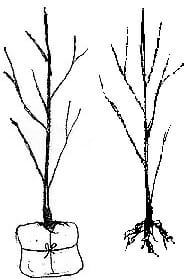 Thirdly, it is a hell of a lot easier to transport bare rooted roses than ones that have been potted up. When you buy our bare rooted roses, we pull them out of the potting mix and wrap them tightly up with moist sawdust to keep it close to the roots. They pretty much just look like a bunch of sticks and they’re going to fit very easily into your boot or backseat.
 If you were getting a dozen standard roses, you’d need a van to deliver them, or pull up in a big station wagon. Even then it would be a bit awkward to fit them in because they’re four foot tall in these big pots that have to be placed vertically.
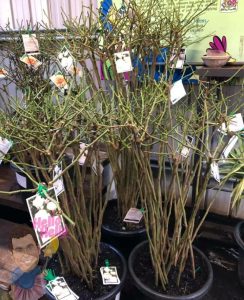 Fourthly, similar to the previous point, they are very easy to handle and move around. So you’ve popped them in your regular car and driven your standard roses home.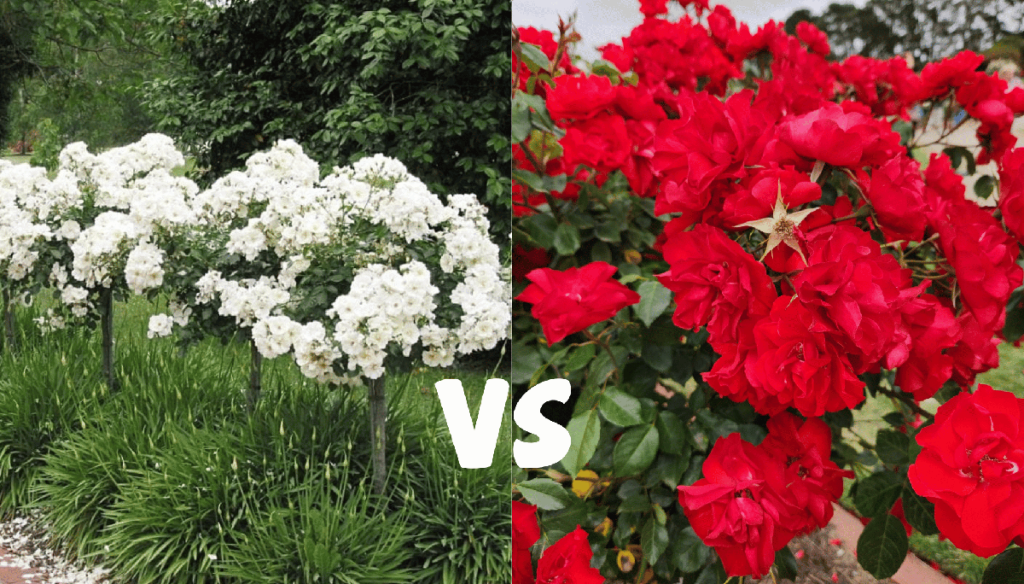
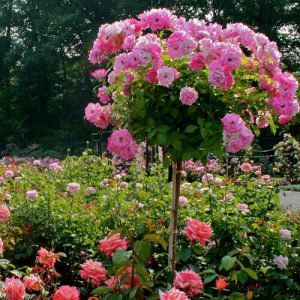 A normal bush rose is low growing and prickly, which means you can’t grow anything underneath. Also when you’re weeding the garden it’s a terrible task. But a standard rose is going to grow up higher, meaning the prickles are higher and out of the way of the weeds. All you have is that stem down low which gives you an empty garden bed underneath, that you can fill with whatever you like. Your garden is going to be more dynamic and interesting for these different layers of plants. You could have two, even three times more colour in your garden.
 Also regardless of bush or standard, there will be a time in the year where your roses are not flowering. With a bush you are just stuck looking at this bare thing, however with a standard you could be smart about it and plant something that flowers during this time. Hint: we also have a playlist on that, just check out ‘How to Have a Colourful Garden During Winter’ on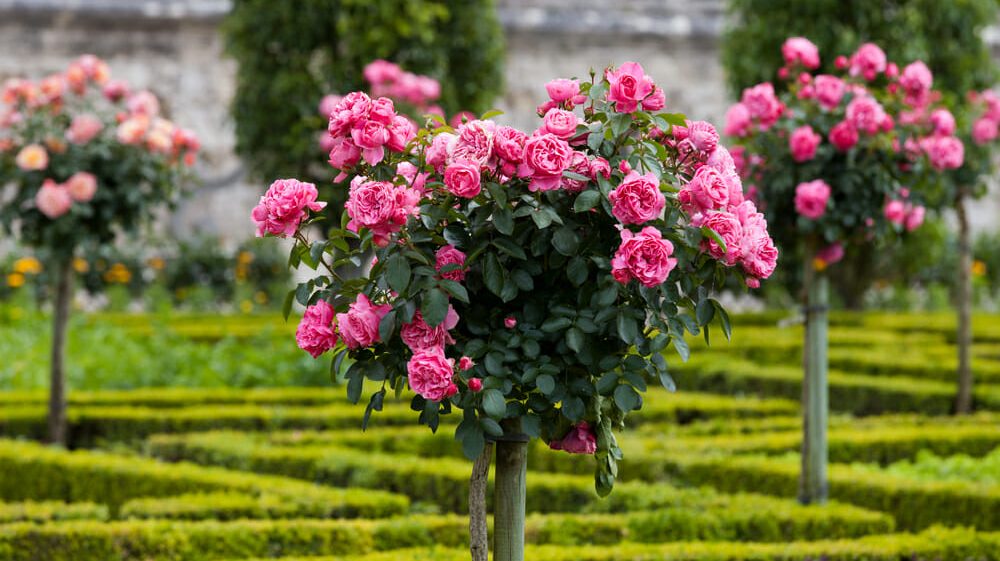
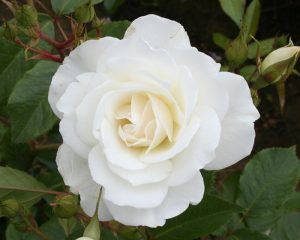
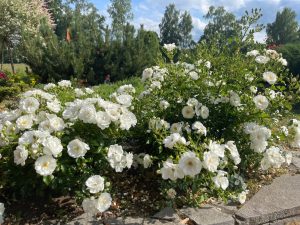



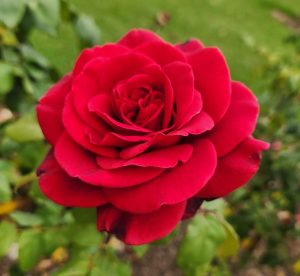
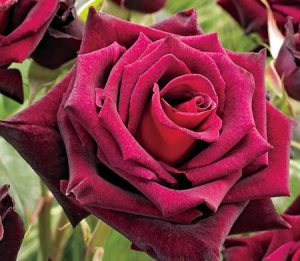
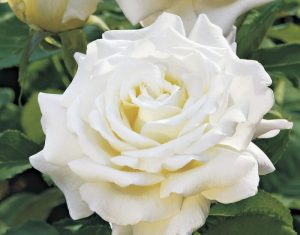
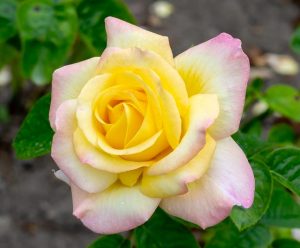
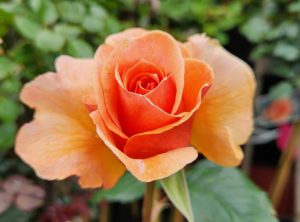
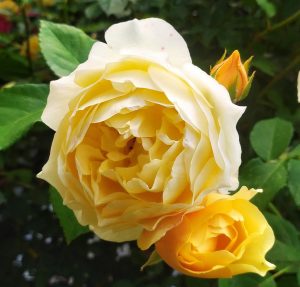
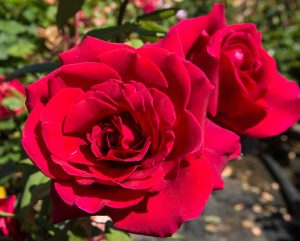
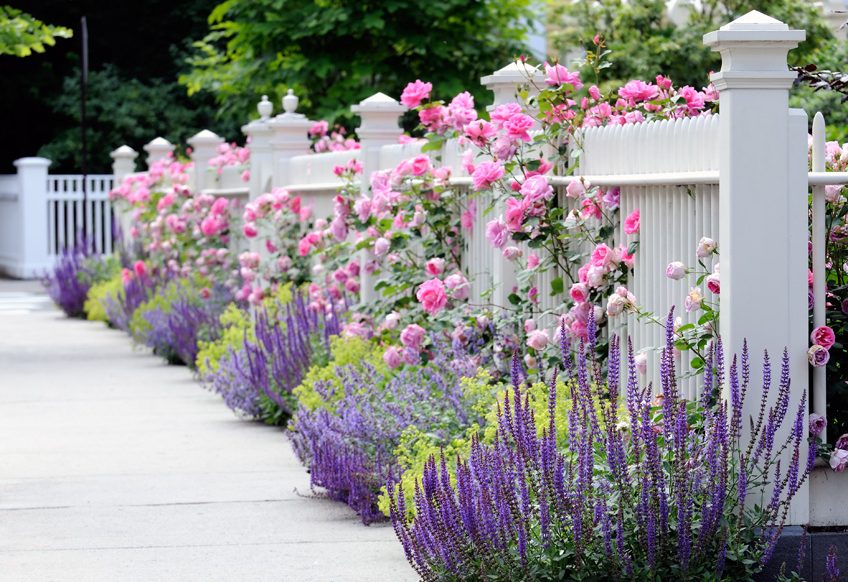
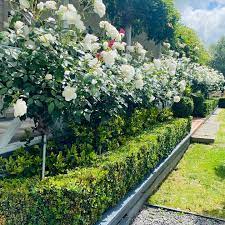
 Many types of Lavender would work great with Roses, but we’ve specifically chosen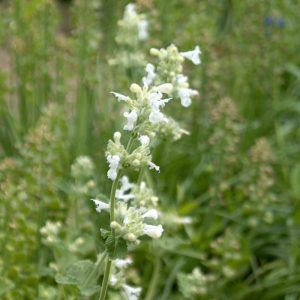
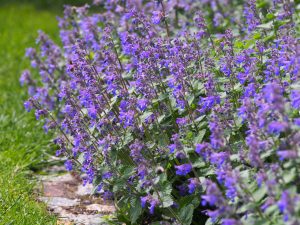
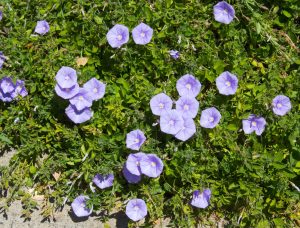
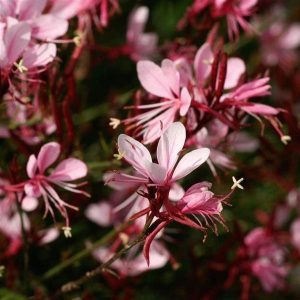
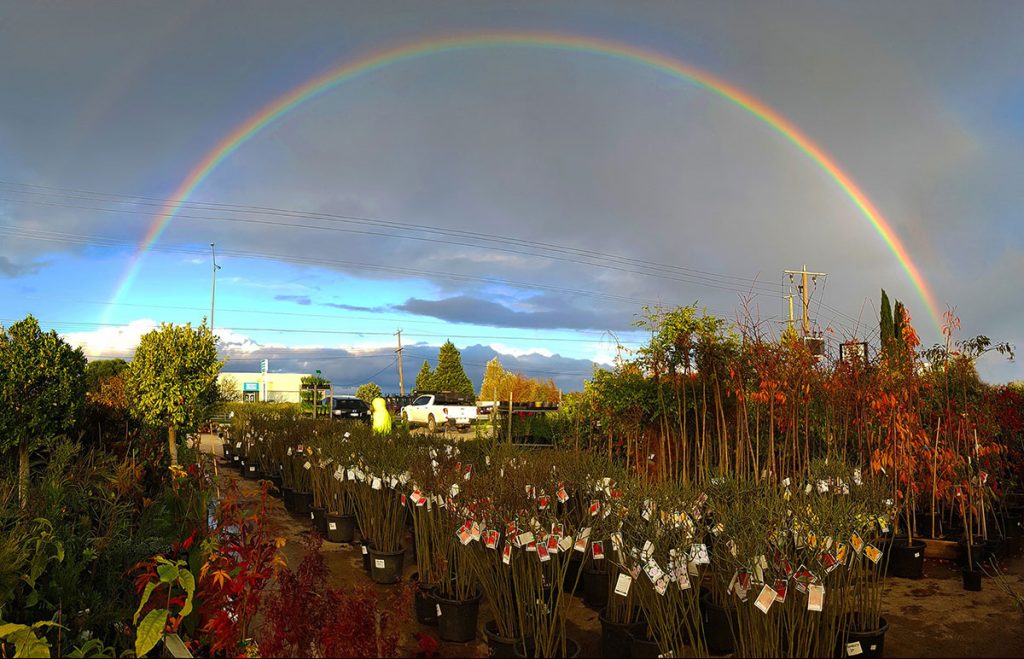






 A ‘Desperate’ Chris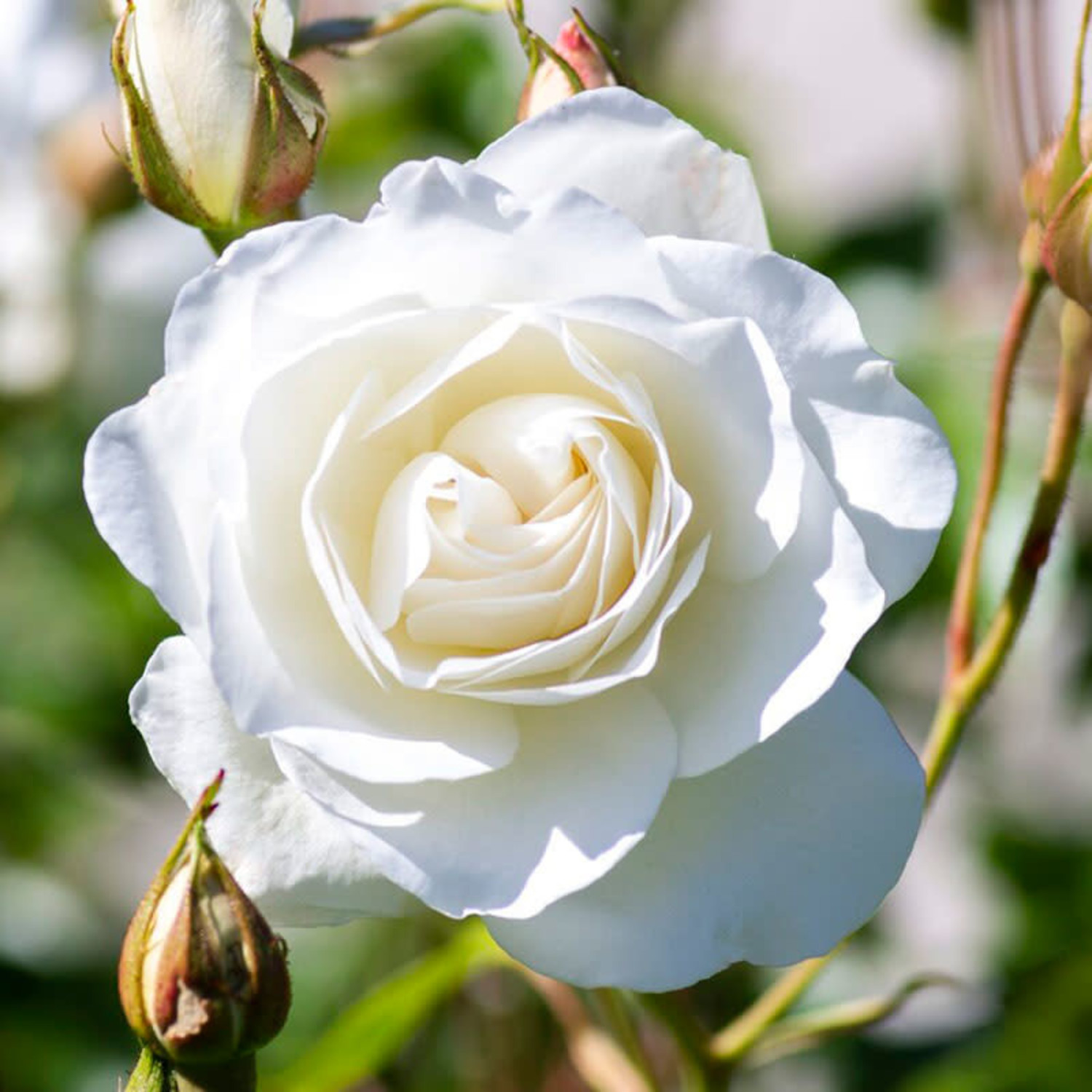
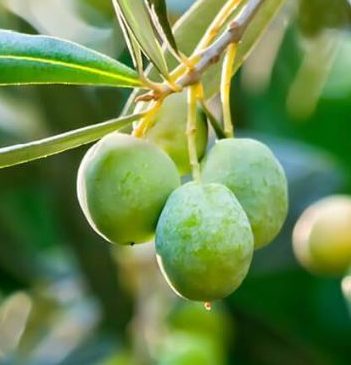
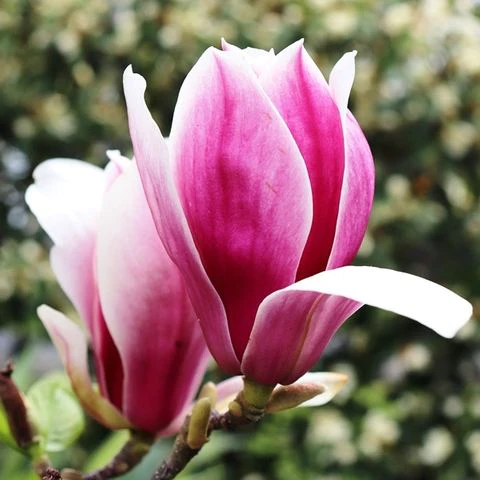

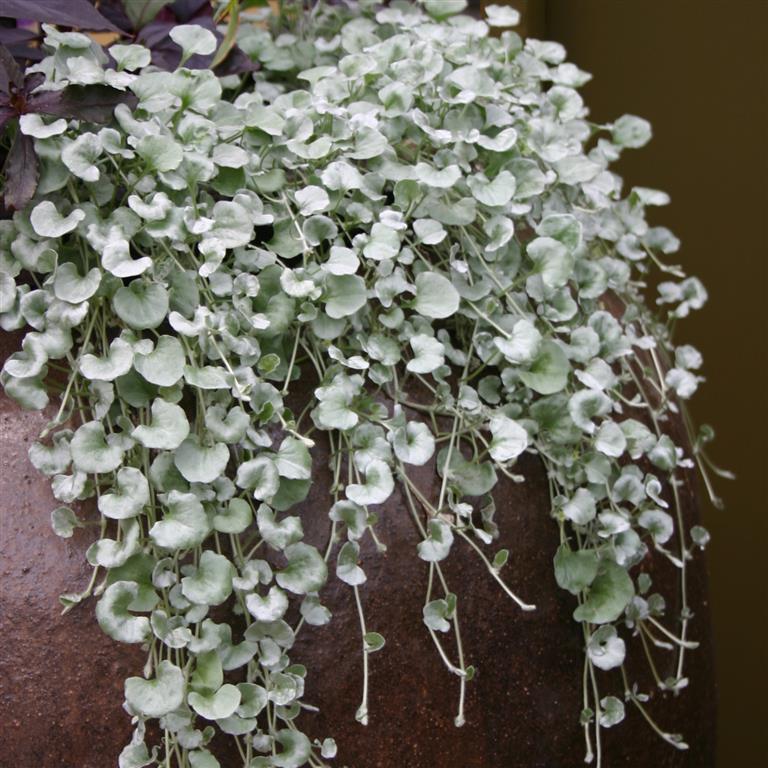
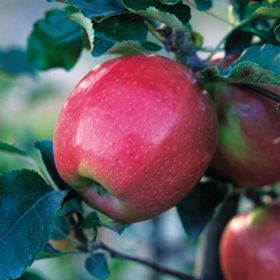
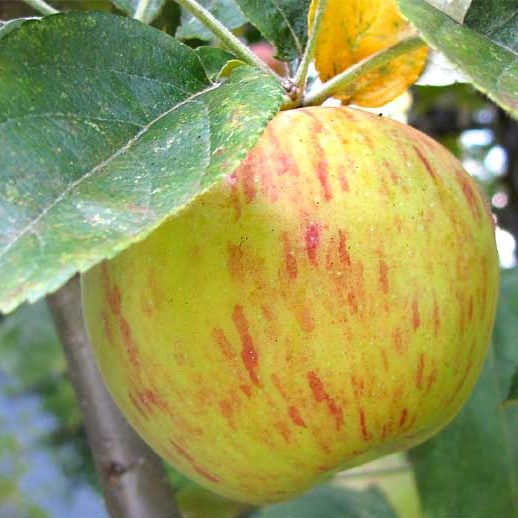
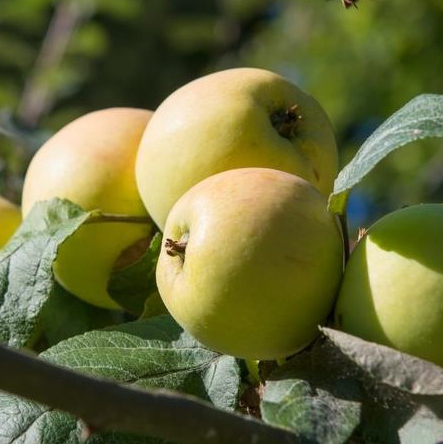
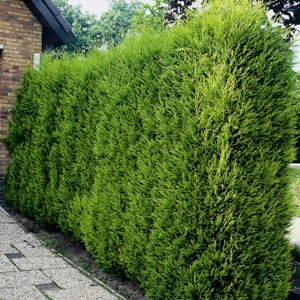
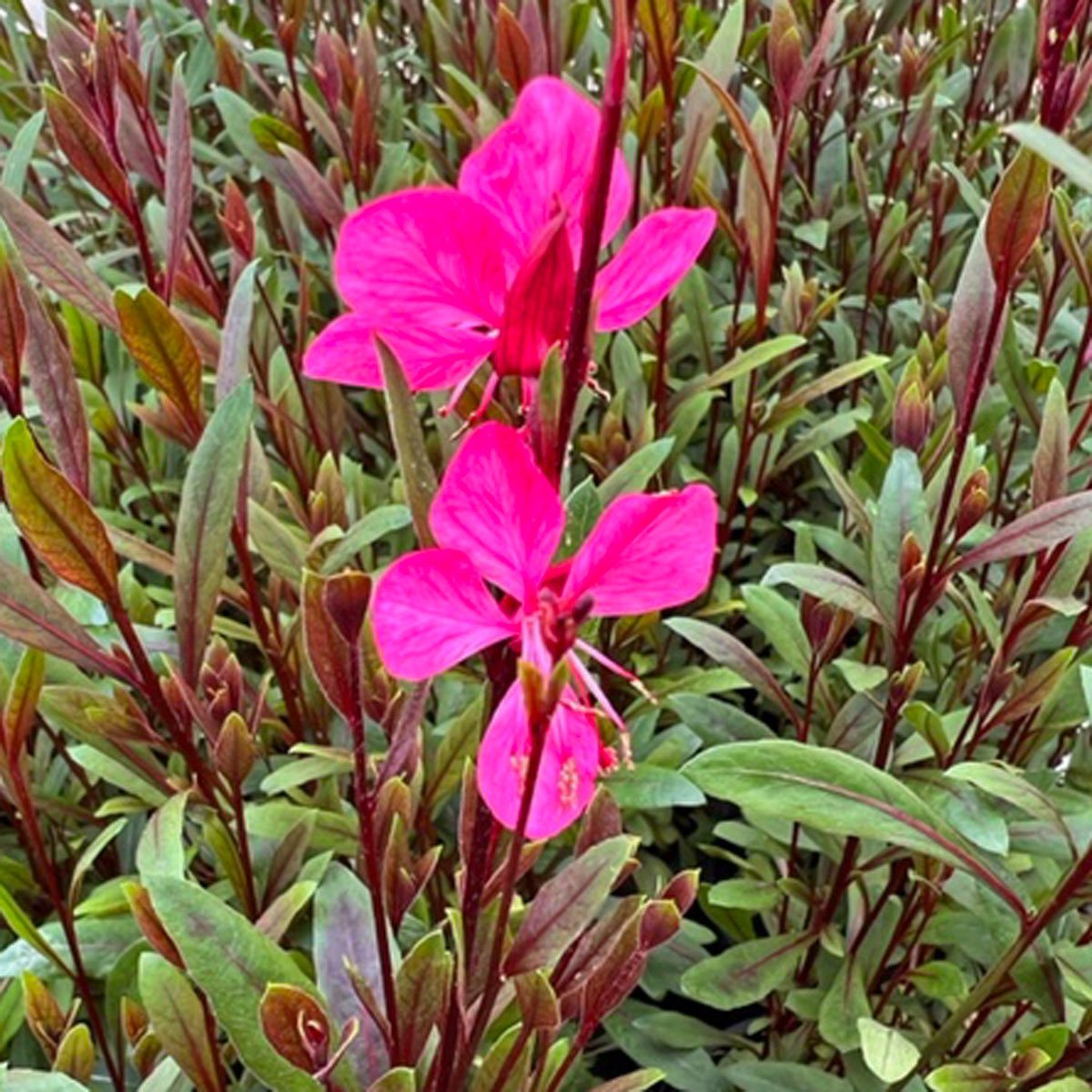
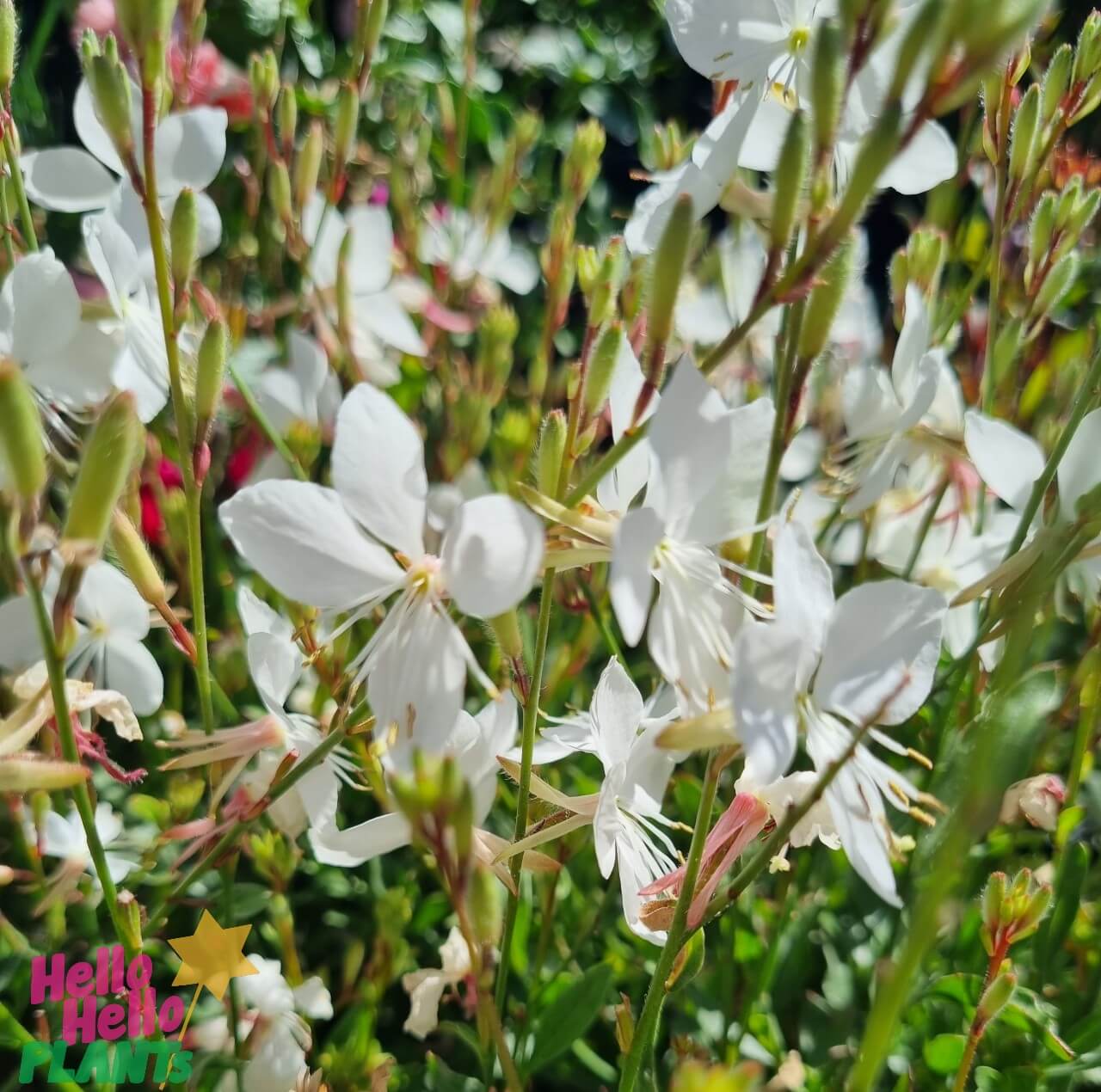

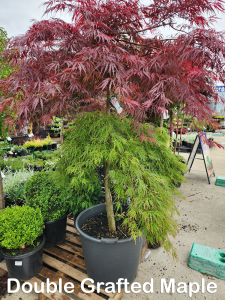
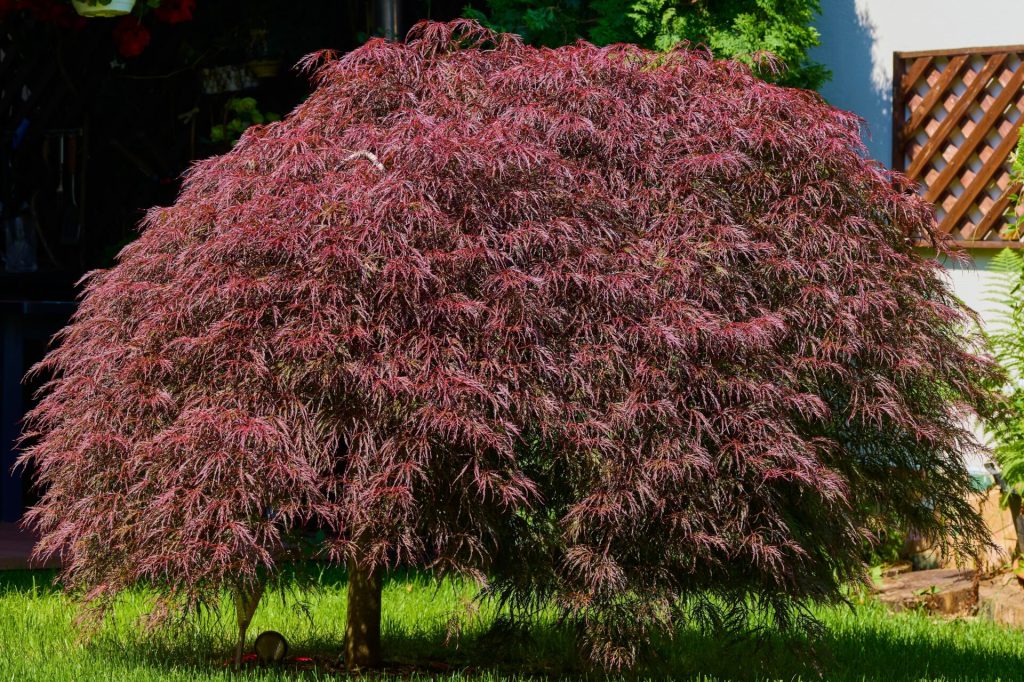

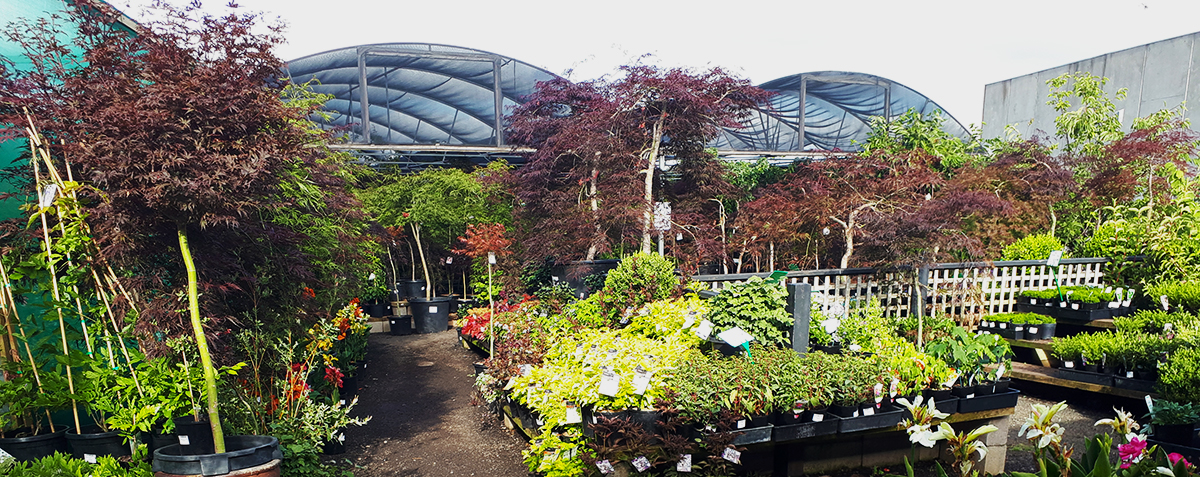 From there you can go up to a multi-headed one, that might have up to 4 heads on it making it nice and wide and that is a real work of art. Normally it would be priced at around $1,500.
 But I’ve decided that from right now through to the 31st of January 2024, because I got a good deal on all these 500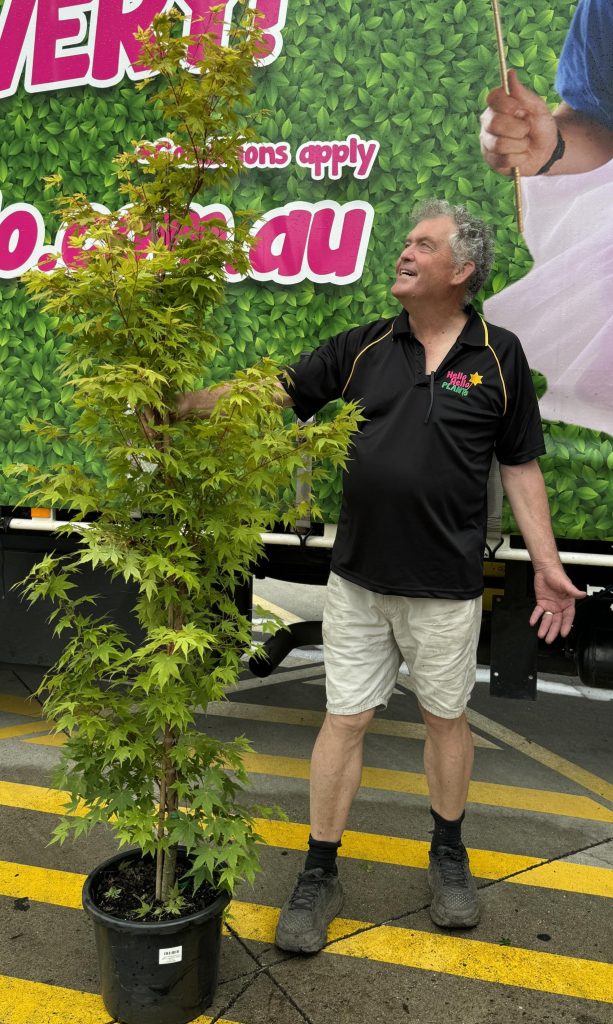
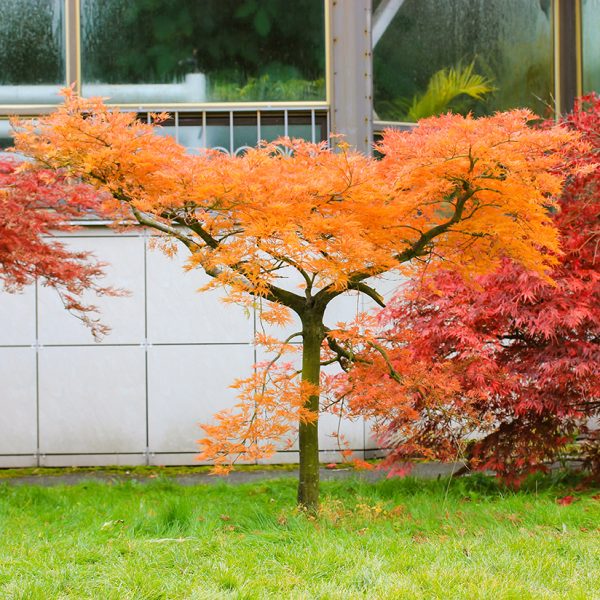

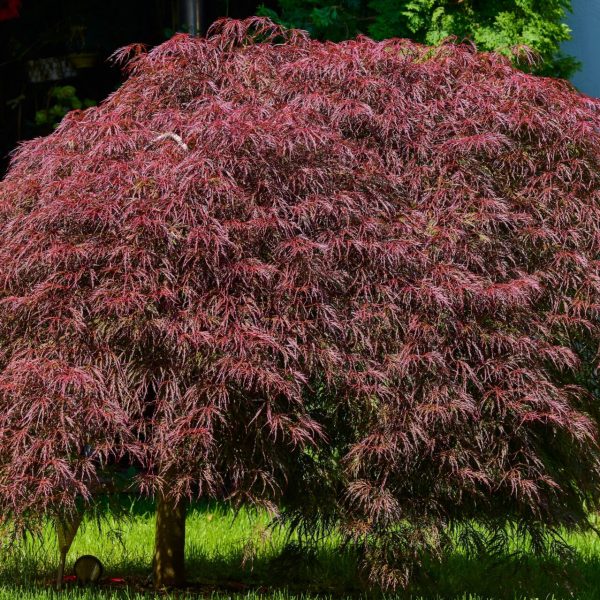
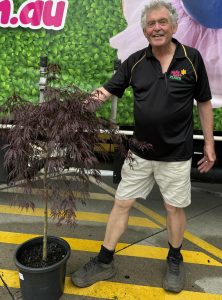 Now what do you do with your Weeping Japanese Maple when you get it? Well with the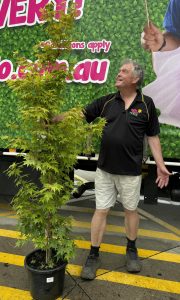
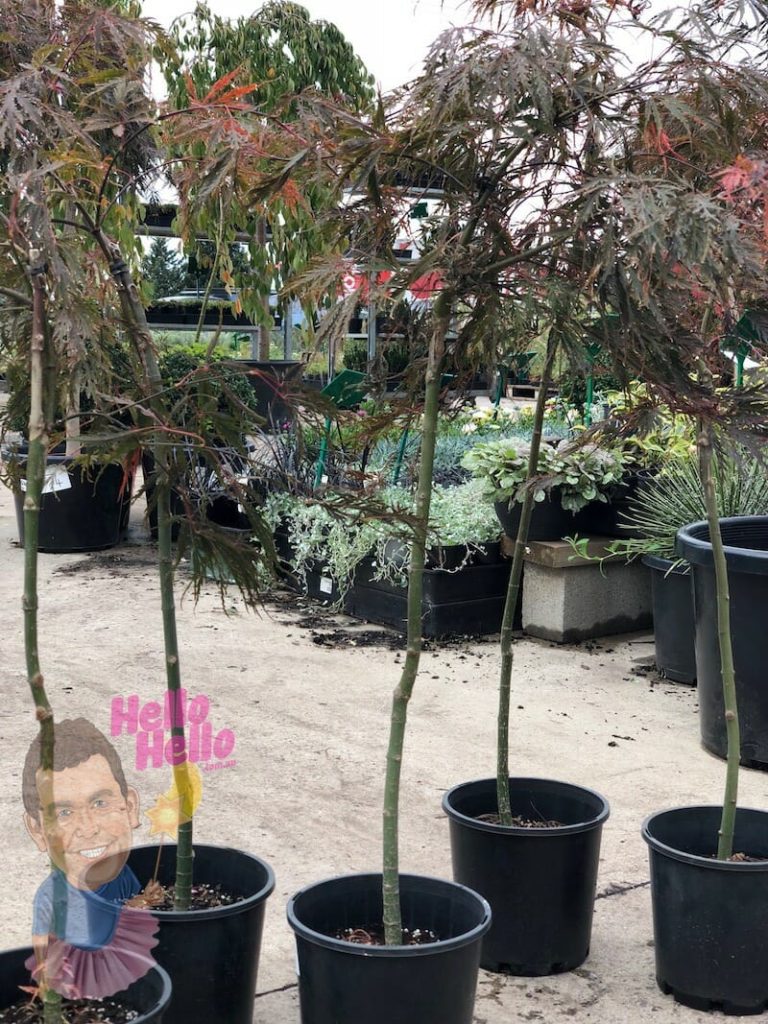
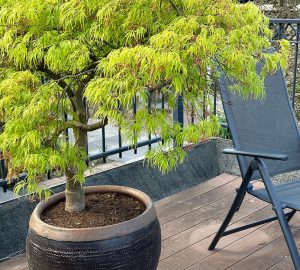 Now if you want to plant a Japanese Maple in your garden that’s also totally OK, they look lovely. When I plant one of them in the garden, I’ll tend to dig a large hole. I’ll mix in lots of potting mix and make it really good for the plant. Now with trees, a lot of people worry about roots on trees wrecking their foundations and things like that. But the great thing about a Japanese Maple is that they don’t have a particularly big or aggressive root system. So what happens is that if you just dig a hole in hard clay, the roots will not be able to really spread out beyond the size of the hole you dig.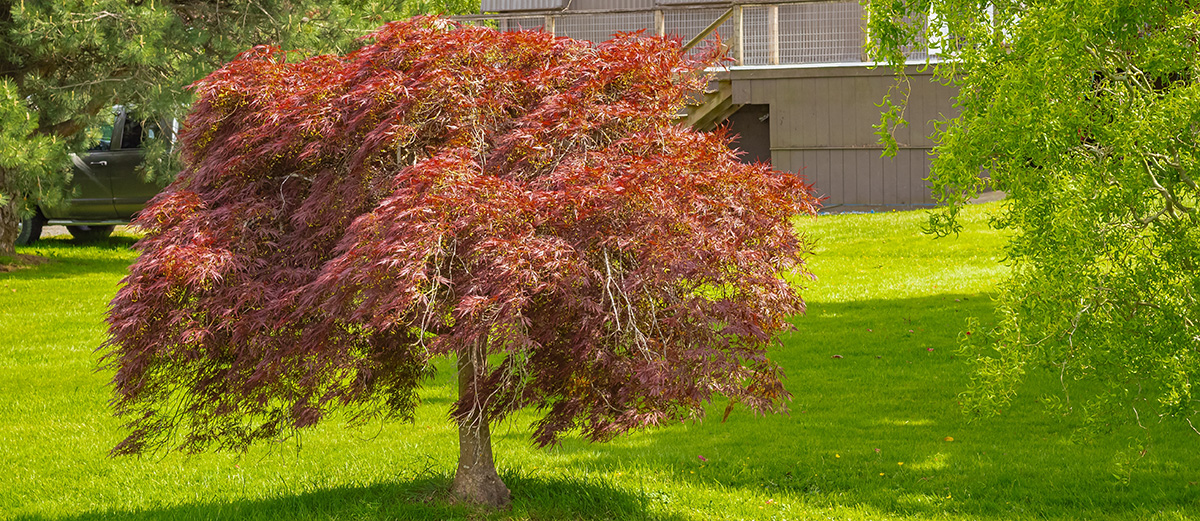
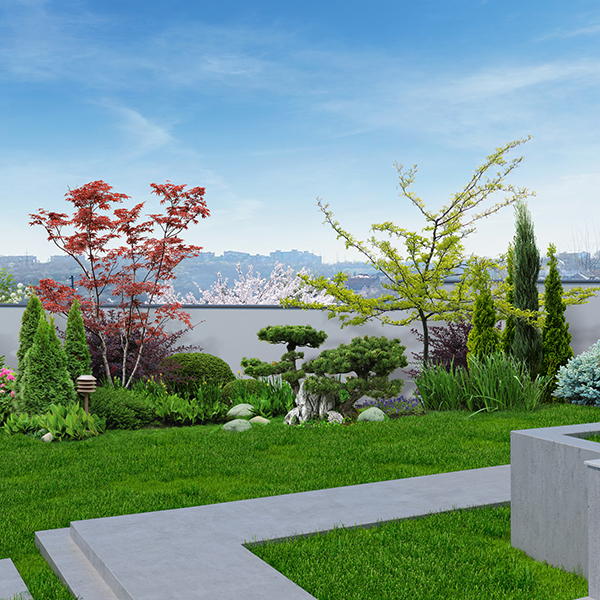
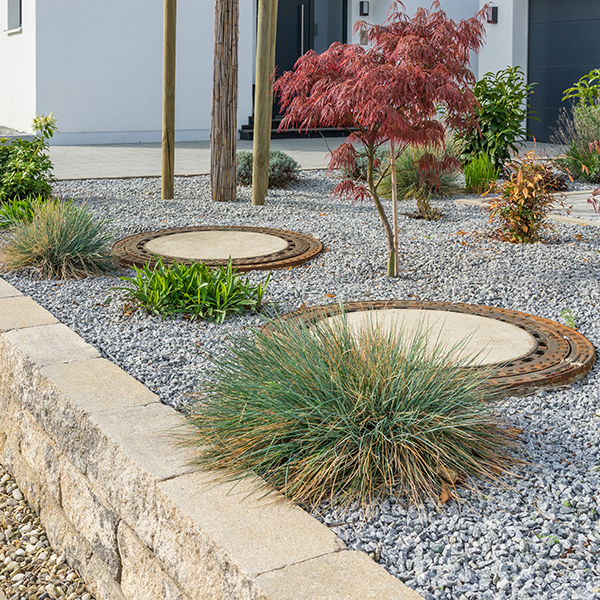
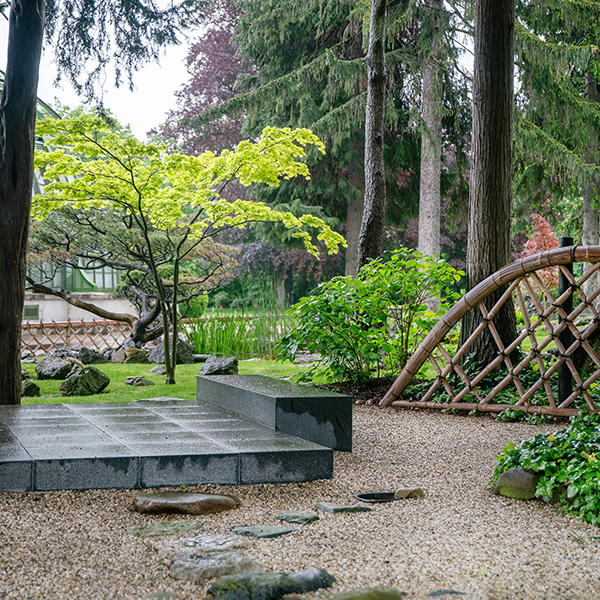
 Of course they are perfect for a

 I think the reason a lot of people think that Japanese Maples don’t do well in full sun, is because they’ve planted them in a very tiny hole that is too small for their roots. And so the roots never spread out and find sources of water. You get your 42 degree day in Melbourne and the plant shrivels up and dies and people say the heat killed it. But what really killed it was the tiny little hole in the clay you planted it in. That’s why, as I said earlier, you’ve got to have a nice big hole with lots of loose soil. The Maple can then spread its roots out among the soil and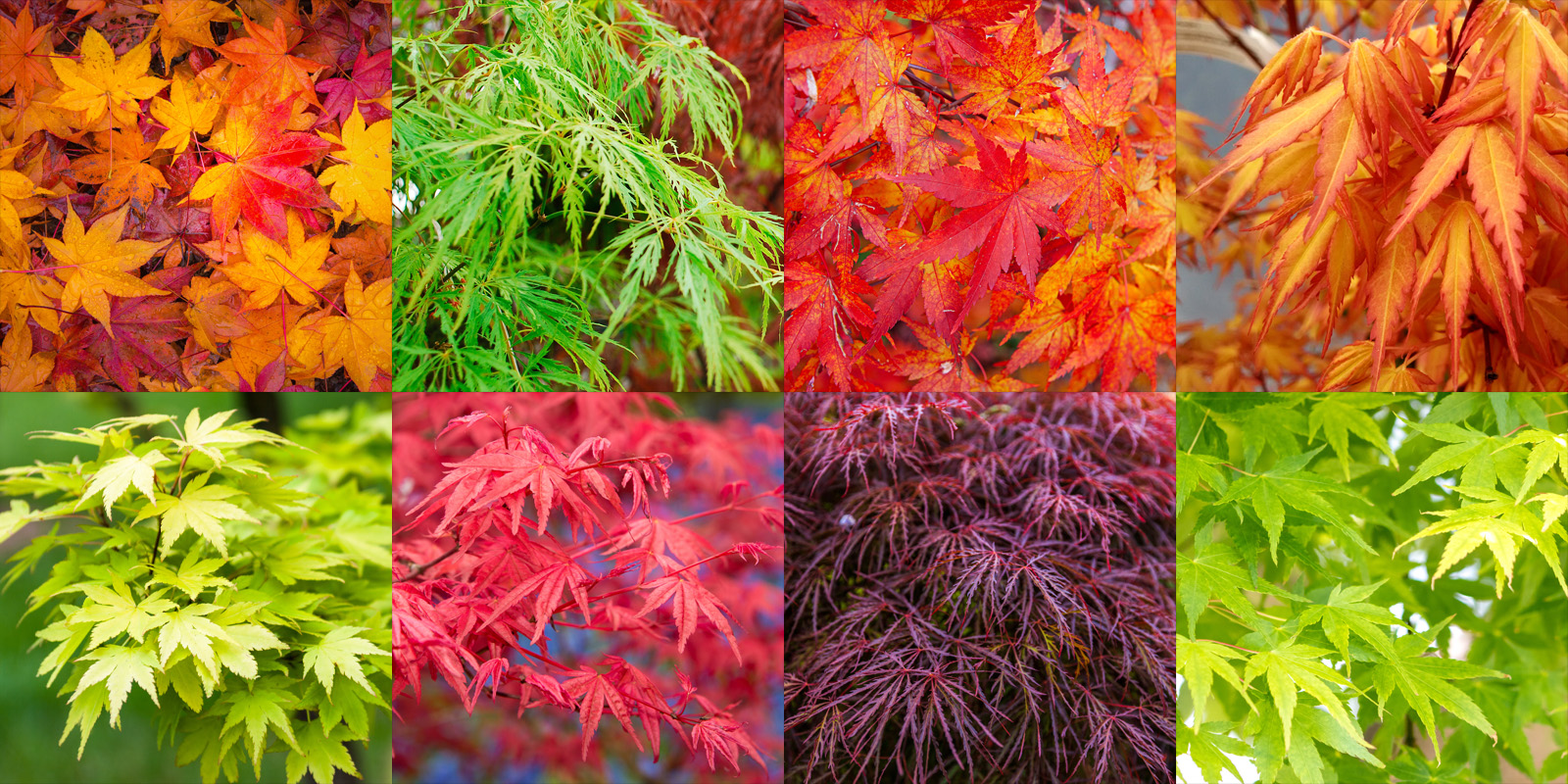
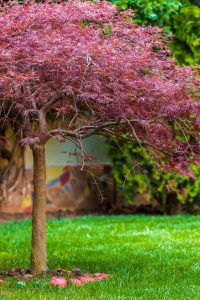 What I find interesting is that if you Google
  To make sure you get the full spectrum of colour throughout the year with your Japanese Maple, make sure you water them well because if you don’t, when it comes to autumn, instead of giving this brilliant scarlet red, they’ll just go brown. It’s like the plant is punishing you for not watering it properly!