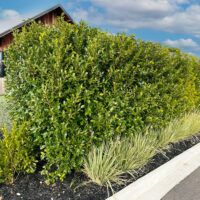
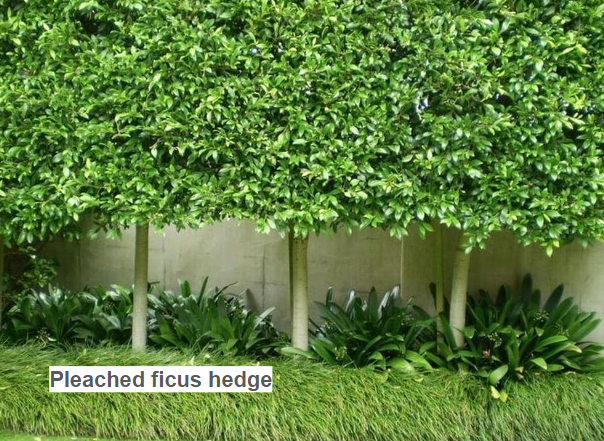
A neatly trimmed ficus hedge lines a garden path next to text that reads, "Choosing the Right Ficus for Your Garden: Chris’s Expert Guide.

Chris’s Guide to Choosing the Right Ficus for Your Garden

Chris’s Guide to Choosing the Right Ficus for Your Garden

Ficus trees are hardy, versatile and widely used across Australian landscapes. Among the most
popular varieties are Ficus Flash, Ficus Hillii, and the increasingly popular Ficus California.
Each one offers unique benefits in growth habit, foliage, hardiness, and suitability for different
locations. Here’s a simple guide to help you choose the right one for your garden or project

Which Ficus to Choose?


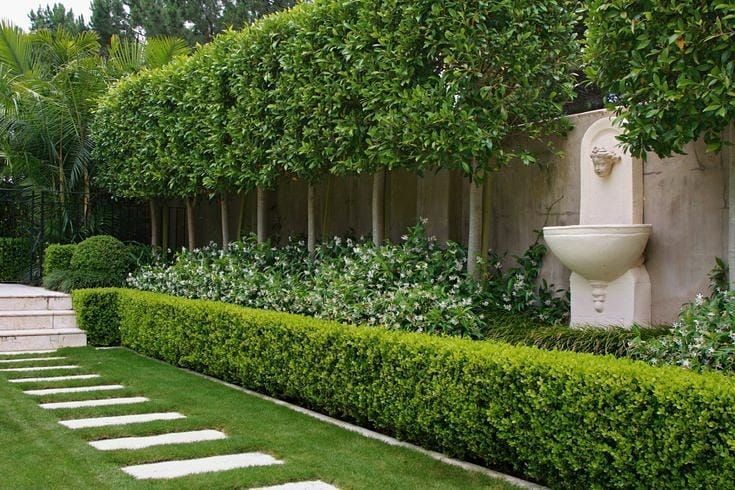
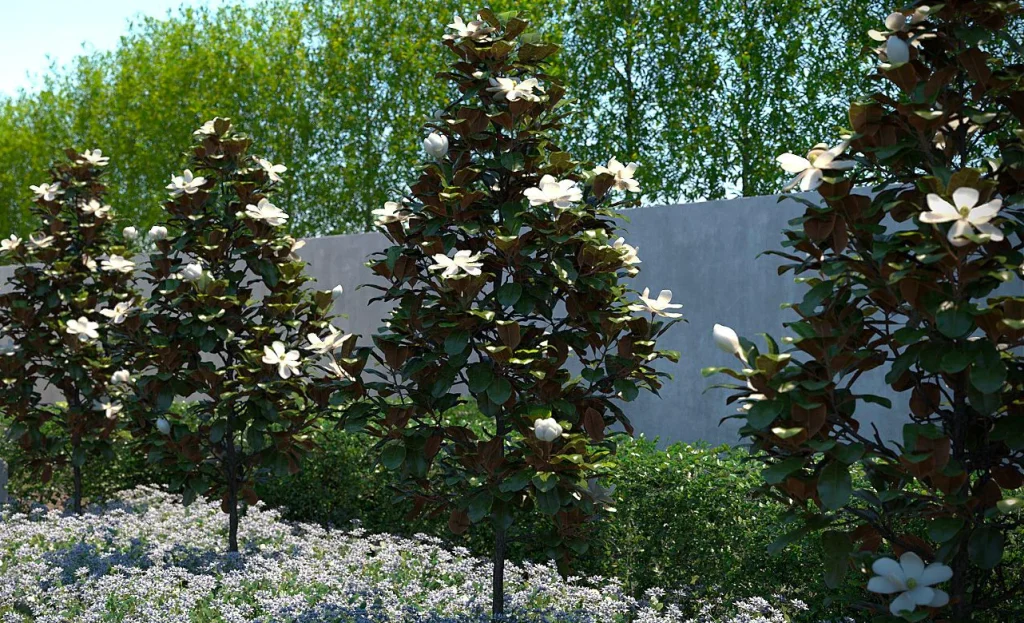
A pleached ficus hedge, expertly shaped for Ficus Hedging and Topiary, features straight trunks and a dense, trimmed canopy above a border of leafy green plants in front of a wall.

Don’t miss the video below—Chris reveals all the beautiful and unique Ficus varieties!

https://www.youtube.com/watch?v=tbMoVSD5A4c

Ficus Flash (Ficus Hillii ‘Flash’)

Ficus Flash is known for its slightly curly leaf and its incredible speed of growth — it grows in a flash. Whether you start with a small plant or a large one, this variety fills out fast. Small plants quickly become lush hedges, and advanced plants become impressive screens in very little time.
Ficus Flash has a strong, upright growth habit and maintains dense, green foliage year-round. It’s ideal if you want to block out neighbours or eyesores quickly with a vibrant, evergreen hedge.
It does have a vigorous root system, so if planting close to structures you’ll need to keep it trimmed and maintained. It’s very hardy, works beautifully in pots, and is excellent for shaping.


Hello Hello Plants Nursery Campbellfield Melbourne Victoria Australia Ficus microcarpa hillii 'Flash' advanced standard square topiary along shop front

You can grow Ficus Flash in several attractive forms, including as a standard with a clean trunk and round canopy, as a pleached hedge with a tall trunk and a square or rectangular top, or as a classic dense hedge. It thrives in full sun, tolerates short dry spells, and handles heat well. Just avoid heavy shade, as it struggles in darker areas. Overall, Ficus Flash is an extremely reliable, versatile choice for a wide range of garden styles.


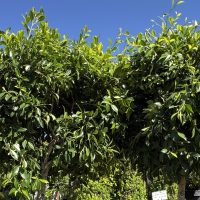
Hello Hello Plants Ficus hillii foliage and trunk standard

Ficus Hillii (Hill’s Weeping Fig)

Ficus Hillii is the classic Ficus you often see in older shopping centres and established parks —
tall, impressive and elegant. It features fine, dense foliage with a slight weep and longer straighter leaves compared to Ficus Flash. On mature trees you’ll also notice its beautiful

smooth white trunk.
Like Ficus Flash, it can be used in a huge range of applications:
● pleached
● in pots
● as a standard
● as a dense hedge or screen

It offers two major advantages:

1. A more refined, classic Ficus look — finer foliage, a slight weep, and distinctive white bark.
2. Superior frost hardiness once established.

Young plants may get a little frost burn, but once settled they tolerate frost far better than Ficus Flash.

If you live in a cold or rural area with regular frosts, Ficus Hillii is the safer choice.


Ficus California

Ficus California is the new favourite — especially in America — and is now becoming popular here for very good reasons. Unlike traditional Ficus varieties that naturally grow into very large trees, Ficus California is much more compact, with smaller roots, making it safer to plant near houses, driveways, and tight garden beds.


It’s ideal for: small spaces, confined root zones, long-term use in pots, and for customers wanting the Ficus look without the large tree size.

Ficus California thrives in coastal areas—unlike Flash and Hillii which only tolerate light salt, it grows right up close to the beach.

It is highly: salt-hardy, heat-hardy, wind-hardy, and drought-hardy.

Its only weakness: not frost-hardy, so avoid cold or inland frosty zones.

It has dense compact foliage, a smaller trunk, and clean white bark—excellent for topiary, standards, pleaching, and architectural shapes。


⚠️ Warning: Be mindful that Ficus can have invasive roots and, if planted near water pipes or pools, may seek out moisture. If root growth is a concern, keep it under control by maintaining hedges and standards at a medium or low height.

Discover our selection of Ficus varieties below


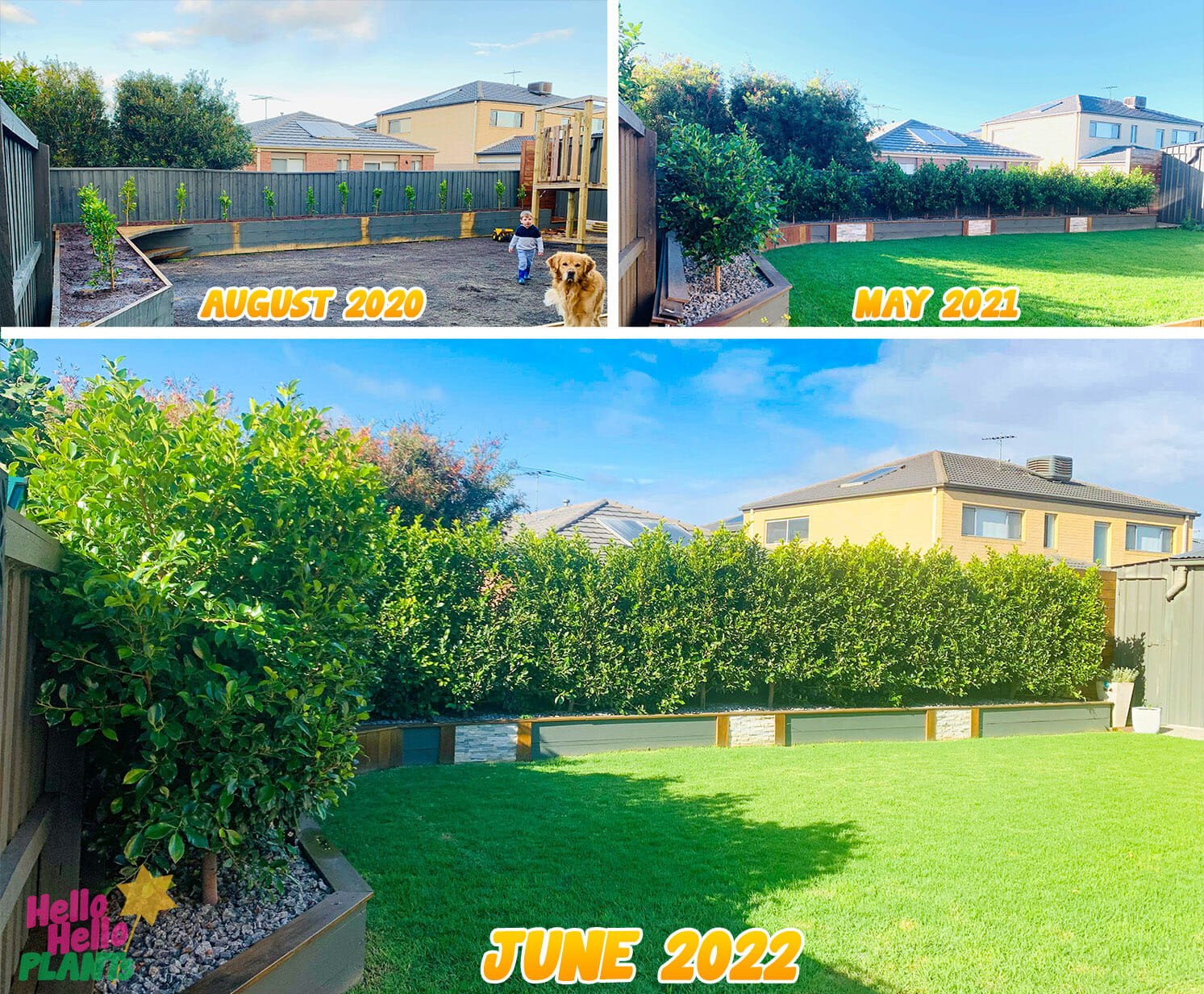
Ficus as a Hedge Growth Guide


Ficus Hedge growth speed
Ficus Hedge growth speed. Photos provided by Nicole.D

Still having trouble deciding which ficus is right for your project? Compare the key features below:

Uses Tolerances Trunk Max. Size
Flash Standard
Topiary
Pleaching
Tall Hedge
Medium Hedge
Pots
Full Sun
Part Shade
Poor Soils
Pollution
Brown 10m × 3m
Hillii Standard
Topiary
Pleaching
Tall Hedge
Medium Hedge
Pots
Full Sun
Part Shade
Poor Soils
Pollution
Frost
Pale Grey / White 10m × 3m
California Topiary
Pleaching
Medium Hedge
Pots
Full Sun
Dappled Shade
Poor Soils
Pollution
Light Brown 8m × 3m
Emerald Standard
Topiary
Pleaching
Tall Hedge
Medium Hedge
Pots
Full Sun
Part Shade
Poor Soils
Pollution
Dark Brown 8m × 3m


A manicured garden with a line of small trees—perfect for choosing the right ficus for your garden—box hedge, a stone path, and a wall-mounted decorative fountain.

Which Ficus Should You Choose?

Use this simple rule of thumb:

🌿
Fastest growth / lush instant hedge: Ficus Flash
❄️
Colder, frosty areas / classic look: Ficus Hillii
🏡
Small spaces / near houses / coastal areas: Ficus California

Browse our varieties and pick the right Ficus for your conditions.
If you’re unsure, call our team on (03) 9359 3331 — we’re always happy to help you choose the perfect plant.

The Beginners Guide to Planting the Best Berries

Spring is here and we couldn’t be happier. Warmer weather, longer days, and of course… the berry season starting soon in October. Many people talk about wanting to grow their own food but feel lost on where to get started or how to keep it up.

We think berries are a perfect starting point for beginners, they are easy to grow, and the rewards of your effort are so sweet.

Here are all the berries we’re going to cover:

Here are all the Berries we’re going to cover:

Strawberry
Blueberry
Raspberry
Blackberry
Black Currant
Goji Berry

We’re going to take you through the best berries to grow yourself, giving you a full guide on how to successfully take care of them. We’ll also help you choose which berry plant to start with, pointing out the strengths, benefits and suitability of each one.

We’ll start with one of our personal favourite types of berry – strawberries.

Strawberry


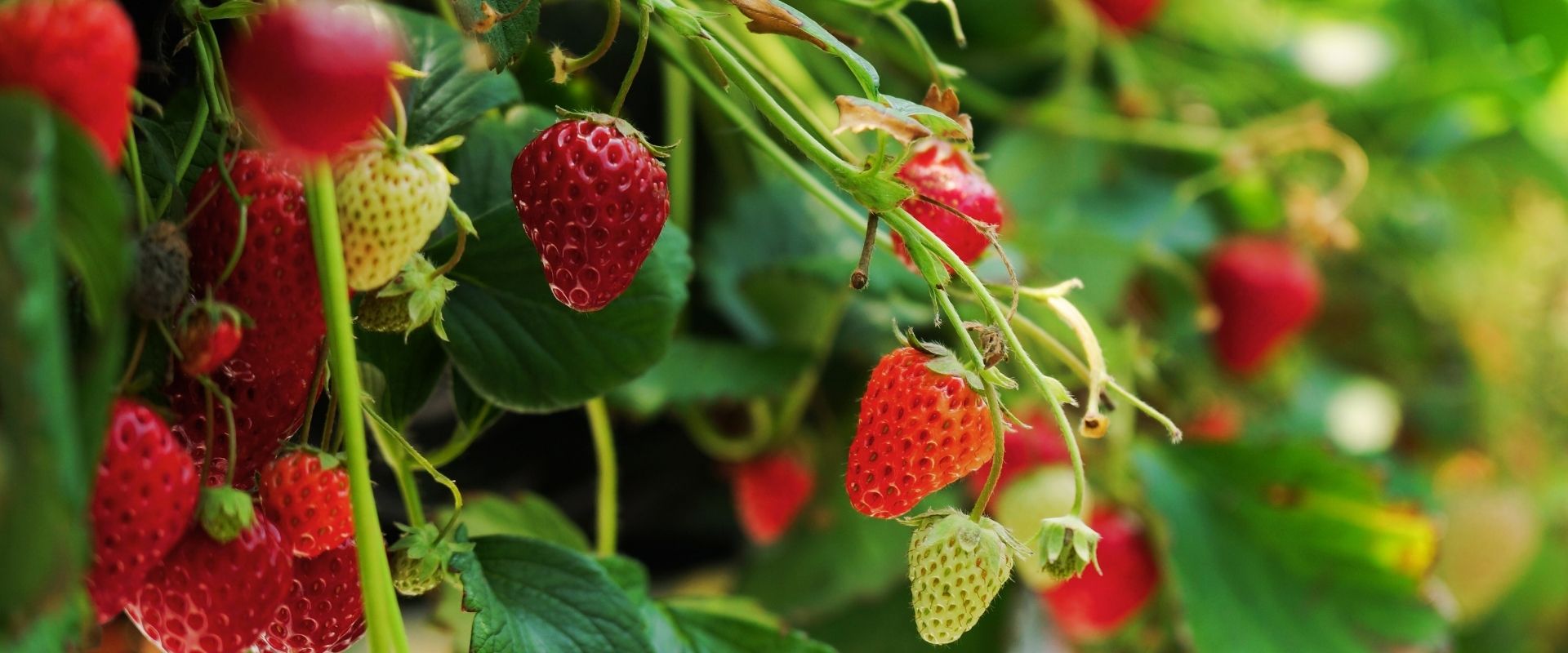
Close-up of ripe and unripe strawberries growing on green plants, with leaves and stems visible in the background—perfect inspiration for your next garden tips.

Strawberries are one of the easiest and most rewarding berries for beginners. Perfect for our first berry on this list. You don’t have to wait long to (literally) enjoy the fruits of your labour – strawberries produce fruit in their first season.

Reasons to Plant

The actual strawberry plant is a beautiful feature in your garden, with the fruit providing many health benefits. Strawberries bloom with pretty white flowers that are followed by the vibrant red fruit – adding a nice splash of colour to the garden.

Strawberries are high in vitamin C, antioxidants, and fibre making them good for immunity, skin health, and digestion.

Where to Plant

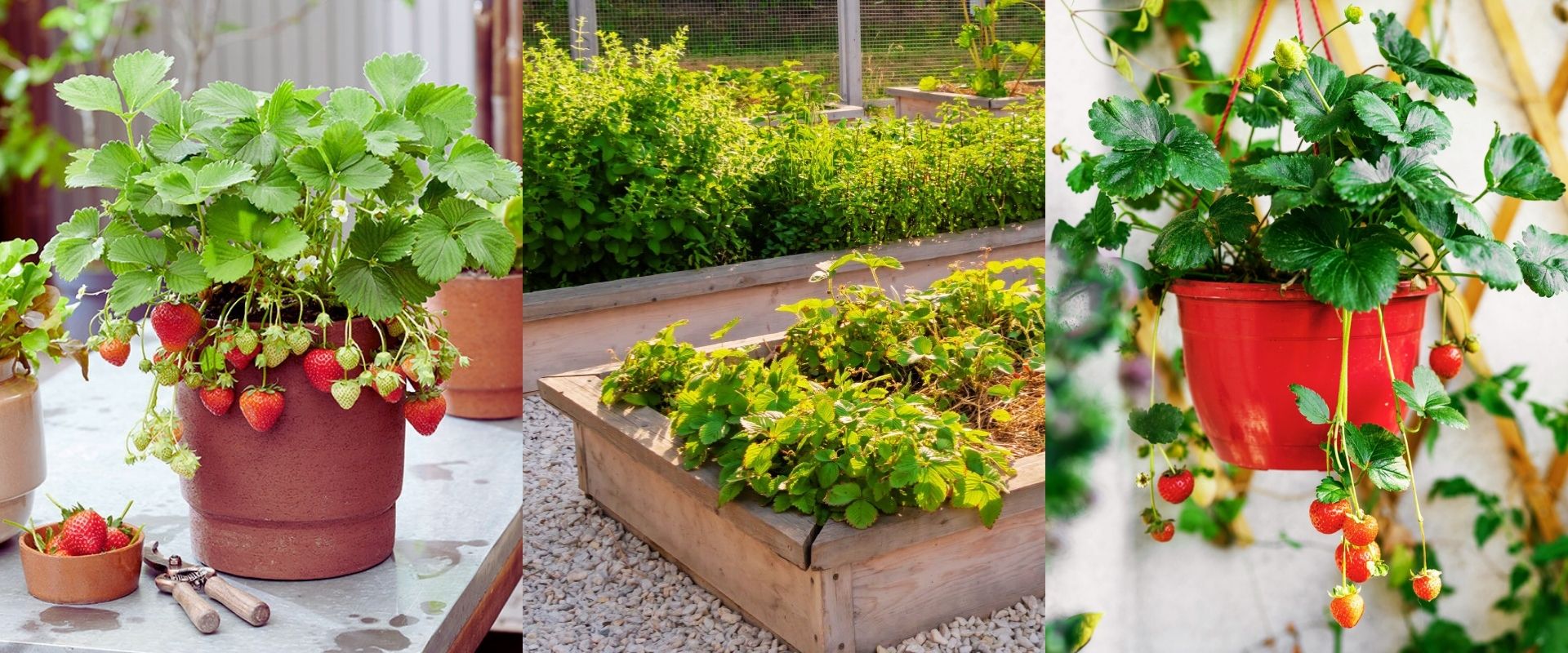
You have the choice between the garden bed, a hanging basket or a pot. This versatility is great for small spaces, or homes that only have a balcony or courtyard garden.

Strawberries are compact, making them perfect for edging in the garden bed. You could also put them in a white pot to compliment their cute flowers.

Our Current Special Deal

Strawberry Sale sign showing prices: £1.99 each or 99p per child. Limit 2 per child. In-store only. Large strawberry graphic in background.

Right now, kids can get their own strawberry plants (Fragaria ‘Red Gauntlet’ or ‘Tioga’) for just $0.99 each – the perfect way to encourage little gardeners to learn, nurture, and enjoy homegrown fruit. Adults can also grab strawberries for just $1.99 each.

This wonderful deal is only on for a very limited time – until the end of school holidays on October 8th, 2025. There is also a limit of 2 strawberries at $0.99c each per child.

How to Plant

You want to make sure the spot you’ve picked gets at least six hours of sun daily as strawberries need lots of sun. Then make sure the soil is well-drained, rich in compost and slightly acidic (pH 5.5–6.5).

If you’re planting multiple strawberries, space them 30cm apart, and if creating rows make the rows 40-50cm.

Once planted make sure to water them regularly but avoid over-watering to the point of waterlogging them.

Hot tip: mulch with straw to keep the fruit clean and deter weeds.

Blueberry


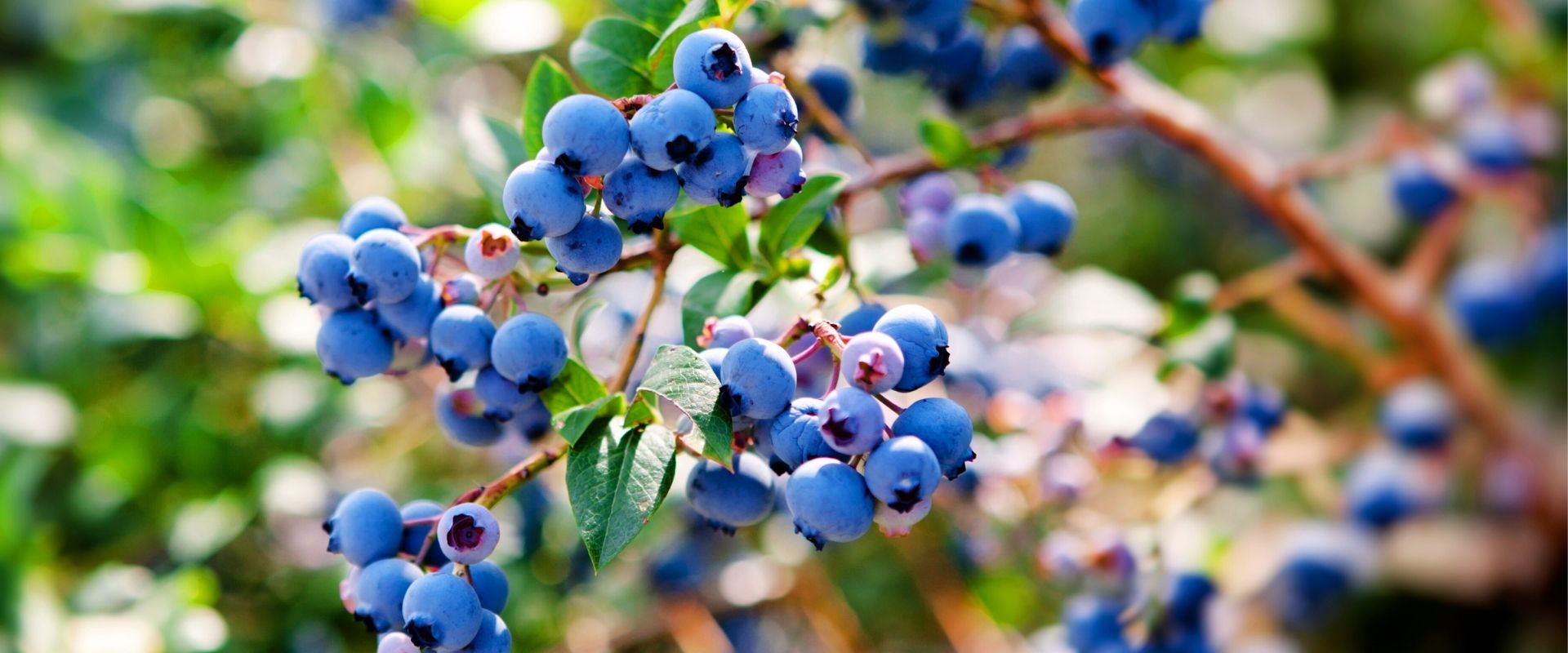
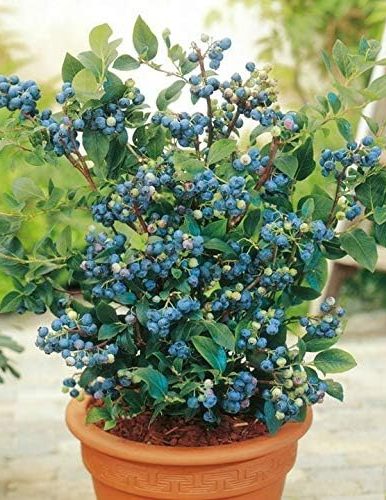
Close-up of ripe blueberries growing on a bush with green leaves, photographed outdoors in natural light—perfect inspiration for your next Garden Hacks.

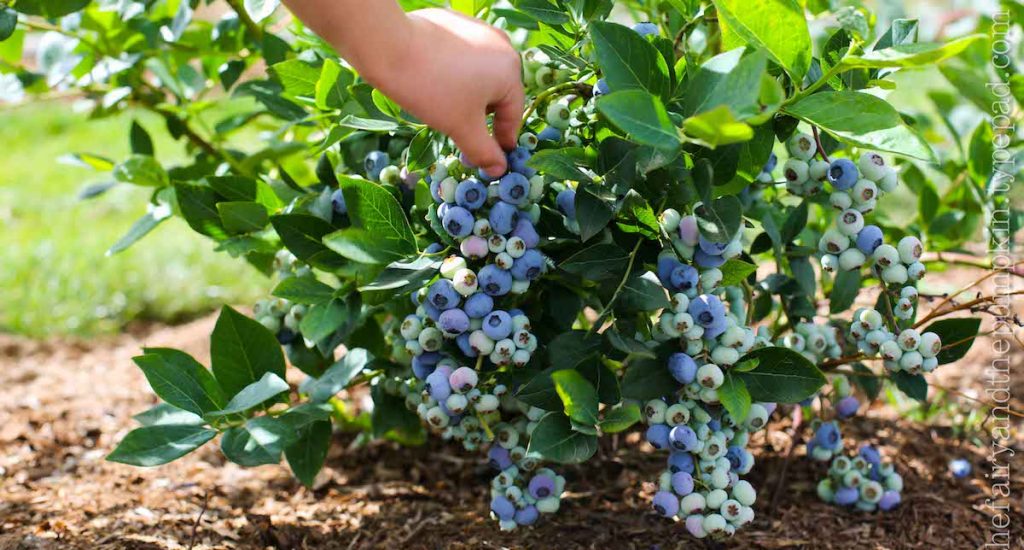
We all heard about the blueberry craze a few years back – and it’s true, they are quite a superfood powerhouse. But did you know they are also a stunning plant with a variety of seasonal interest? Let us tell you all about it.

Reasons to Plant

So we start in summer with emerald green foliage and blue jewel-like berries. Those beautiful berries continue into autumn, where the foliage turns into vivid red and orange hues.

Then in springtime delicate, bell-shaped flowers appear that are either tinged pink or white. This is a plant that is really a feature in the garden as well as an asset in the kitchen.

Blueberries have many health benefits and are packed with antioxidants, vitamin C, vitamin K, and fibre. Blueberries support heart health, brain health, and immunity.

Blueberries are also one of the best long term investments of the different berry plants as they are a very reliable bush that lasts for many years.


Where to Plant

Blueberry plants can be grown in a garden bed or pot. They are larger than strawberries, growing to a about 1-2 metres so make sure to get a big pot to allow root growth. If growing in a pot, also ensure there is correct drainage.

How to Plant

Blueberries can be grown in full sun to part shade – just make sure the soil is quite acidic (pH 4.5–5.5). It’s a good idea to use acidic mulch like pine needles or peat moss.

Space the blueberry bushes 1-1.5 metres apart. Blueberries love moist soil, but don’t let it get soggy.

Raspberry


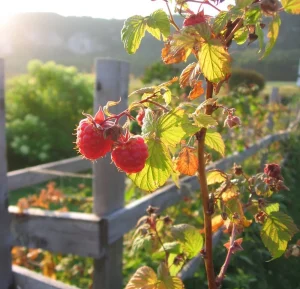
Two hands holding a bunch of fresh raspberries, with green leaves blurred in the background—perfect inspiration for your next Garden Hacks adventure.

There’s nothing more satisfying than eating raspberries off your fingers – it’s such a quintessential summer experience. They are very well suited to Victoria’s cool winters and warm summers.

Reasons to Plant

Raspberries are quite prolific growers where you can choose between a summer-bearing or autumn-bearing variety to have fruit when you want it.

They add vertical beauty to gardens with tall canes and fruit that is bright and eye catching. Raspberries are also known for their anti-inflammatory properties and digestive health, and are rich in vitamin C, manganese, and fibre.


Where to Plant

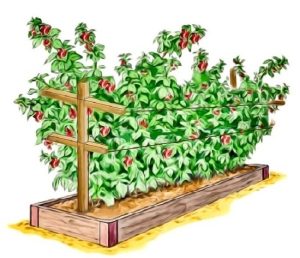
As raspberries grow up you want to plant it by a fence or create a support structure for it to grow upon. If you’re planting it by a fence, make sure to attach a trellis, or some type of wire structure.

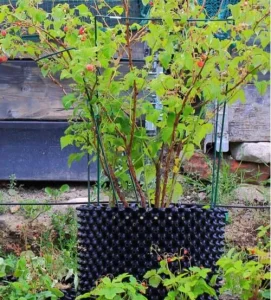
These would be great in a veggie garden bed, but certain varieties can be grown in pots.


How to Plant

Raspberries want to be planted in full sun and need well-drained, fertile soil. Space the canes 50-60cm apart in rows that are 1.5-2m apart.

Make sure to support the raspberry canes with a trellis or wires to keep them upright. Prune raspberries yearly by removing old canes after fruiting and leaving new ones for next year.

Blackberry


If you are someone that tends to neglect your plants a bit, blackberries are an excellent choice for you as they are very hardy and drought tolerant. You can also find thornless varieties that are more beginner friendly.


Reasons to Plant

Blackberries are vigorous and highly productive growers – there are some varieties that can produce up to 10kg of fruit! Their hardy nature makes them a low maintenance berry that you don’t have to worry about.

Blackberries support immunity and bone health through their high levels of vitamin C, vitamin K, and antioxidants.


Where to Plant

Blackberries are great as a screen or for covering fences/trellises with their lush green foliage and glossy black fruit.

If you want to grow one in a pot, make sure the container is large enough with a support structure for the blackberry to grow up on.

Blackberries reach a height of 1.5-2 meters with canes that can spread 2-4 meters.

How to Plant

Once again, this berry needs a full sun spot and well-drained soil. You want to space the canes 2-3 metres apart. Make sure to train the blackberry on a trellis or wires to make a neater screen with fruit that is easily accessed.

Mulch to retain moisture and like raspberries cut the old canes after fruiting.

Black Currant


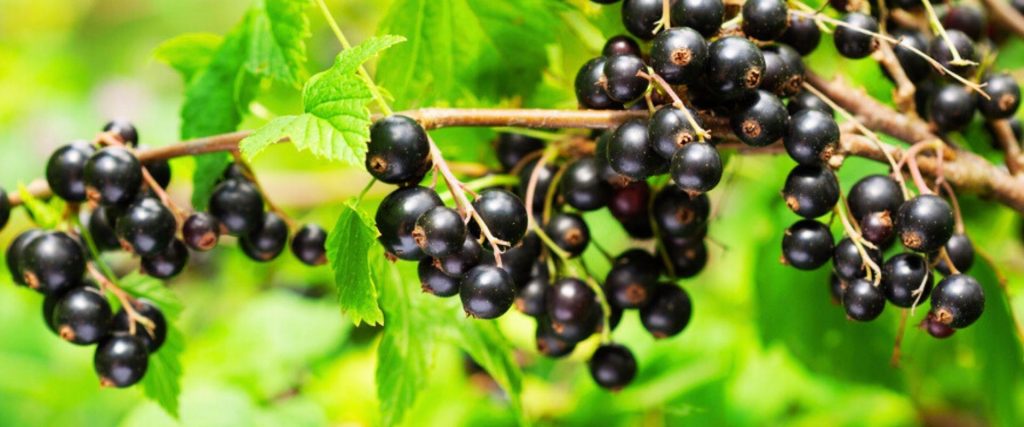
Black currants likely remind you of your childhood cordial drink and planting one means you can actually make your own drink from the fruit. Black currant is a self-pollinating shrub that has high yield of fruit in mid-summer.


Reasons to Plant

Black currants are utterly packed with flavour and nutritional value. Black currants actually have one of the richest sources of vitamin C. They are also high in iron and antioxidants which supports immunity and energy.

Their lush foliage and glossy dark fruit look beautiful in any garden. Black currants make excellent jams, juices and desserts.

Where to Plant

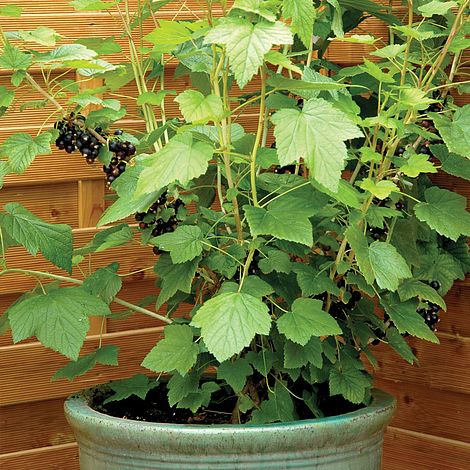
This bushy compact shrub is perfect in the garden or in a large pot.

Use black currants to form an attractive hedge, or train them vertically on a fence or trellis for a compact design, or incorporate them into a mixed berry patch.

How to Plant

Blackberries like full sun to part shade with fertile, good draining soil. Space them 1.5 metres apart and prune in winter to encourage new shoots.

Goji Berry


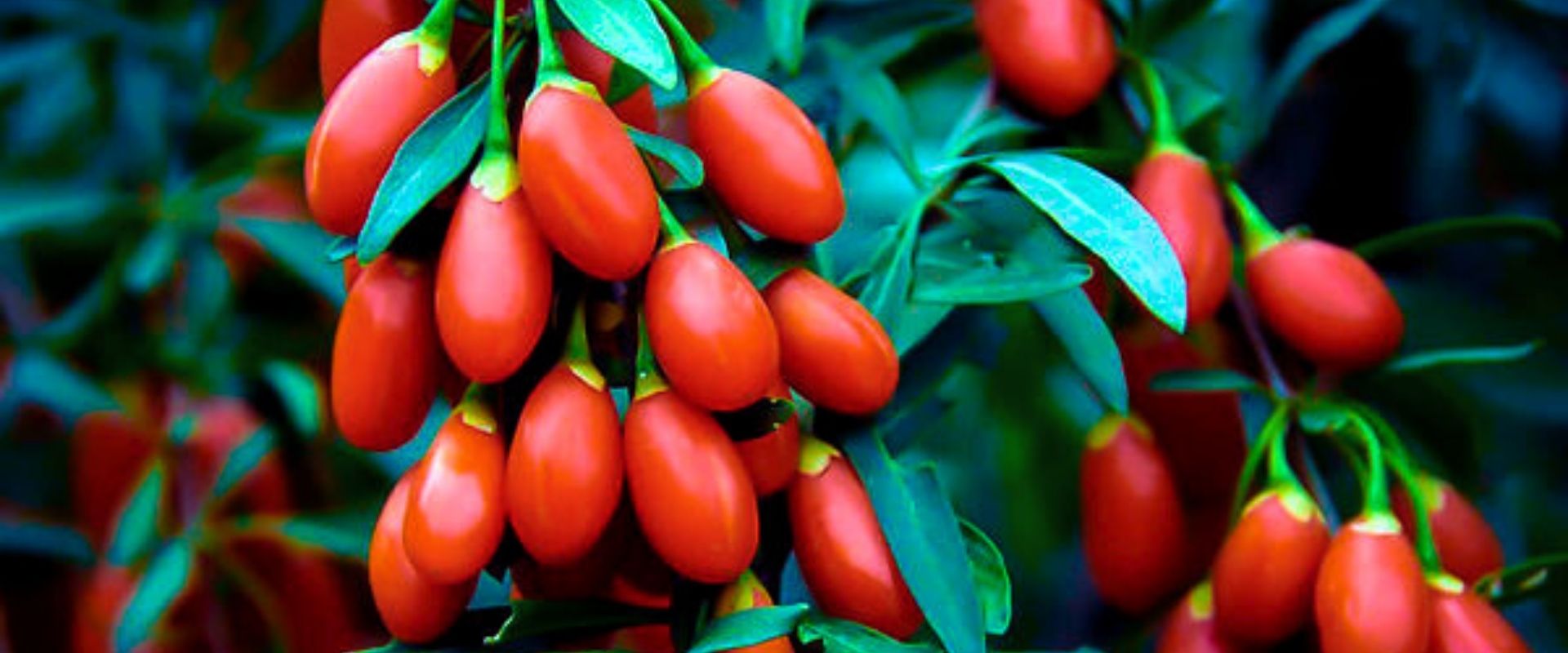
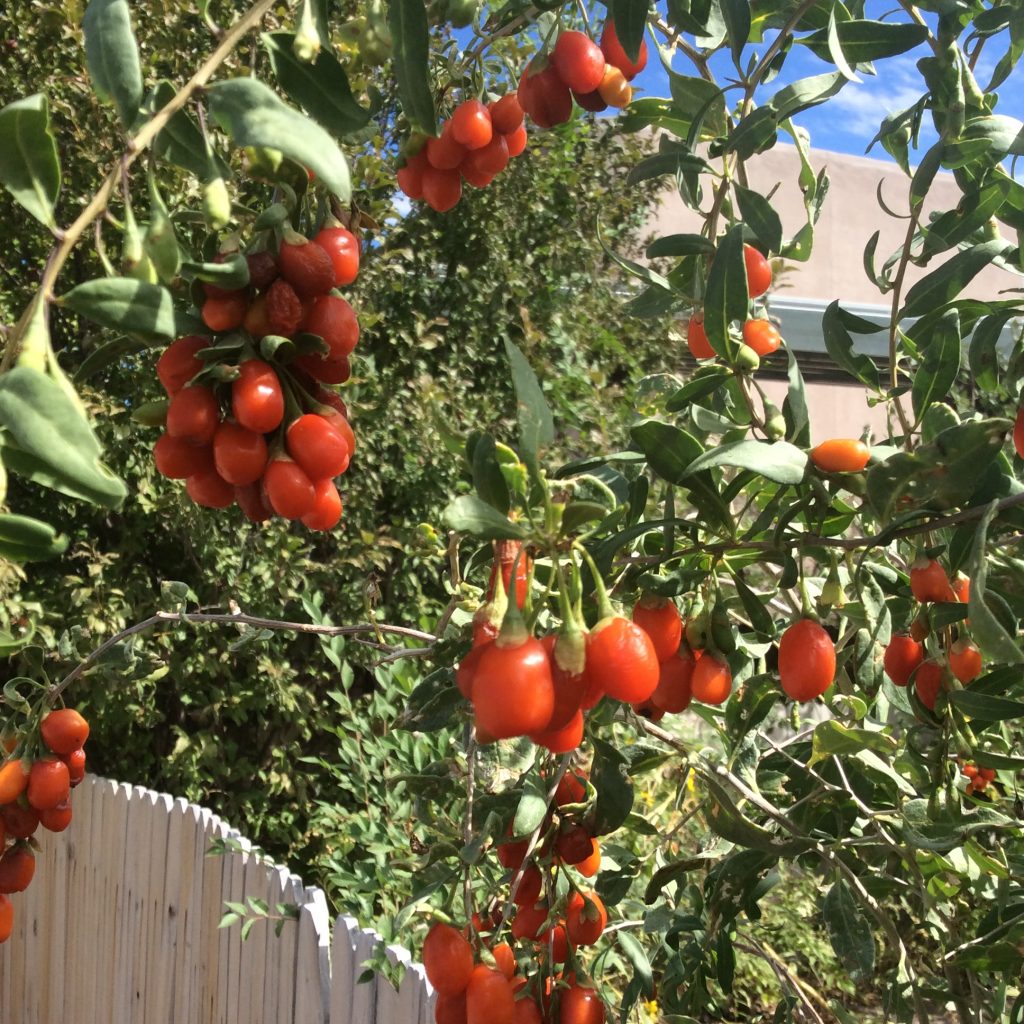
It’s likely you’ve just eaten expensive dried goji berries but they’re actually very easy to grow at home. They are native to Asia and are used in traditional Chinese medicine with the fruit ripening in late summer to autumn.


Reasons to Plant

Goji berries are also renowned as a superfood with so many health benefits. They are rich in antioxidants, vitamin A, vitamin C, and iron. Goji berries are known to support eye health, immunity, and energy.

They are also hardy and drought tolerant once established, making them a forgiving plant for those who don’t have a lot of time for the garden.

Where to Plant

The light green leaves and orange-red berries make for a beautiful shrub anywhere in the garden. They are particularly great for creating borders and mixed beds, or vertical structures on trellises.

Use them to create a backdrop for other plants or as a feature on their own.

How to Plant

Plant goji berries in full sun with well-drained soil. Space the plants 1.5-2m apart. Choose between growing them on a trellis or as a shrub. To encourage bushy growth make sure to prune.

In Conclusion

So which berry will you be picking? Don’t be afraid to try a few and create an assortment of delicious and beautiful berry plants in your garden.

You can always start with something really cheap and easy like strawberries and once you’ve grown your confidence, move onto other berries on this list.

Feeling inspired to create your own garden, but want some expert advice? Try our one-on-one garden design service with Chris. Together you’ll come up with a selection of plants along with a layout plan that gives you the look you want, as well as being suitable for your local soil and conditions.

get your own tailored modern garden design:


FIND OUT HOW

Articles you may also like

Hands adding coffee grounds from a bowl onto soil with seedlings, accompanied by the text "The Best Garden Hacks Using Everyday Household Items." Discover simple garden hacks to boost plant growth with things you already have at home.

The Best Garden Hacks Using Everyday Household Items

You don’t need fancy, expensive things to have a healthy, thriving garden. In fact, people have been using these common household items in their gardens for years. Some of these you may already know about, but we’re sure there will be a couple that will surprise you.

Jump straight to the Best Hacks using these items:

Tin Cans
Dishwashing Detergent
Beer
Vaseline
Ground Coffee
Egg Shells
Potato or Pasta Water
Epsom Salt
Banana Peel Water

Whether it’s aphids or poor soils or any of the common problems you deal with in the garden, we’ve got just the hacks for you. What we love about these hacks is that they reduce waste and give items that typically just get thrown straight in the trash another purpose.

Let’s get right into it.

Catching Earwigs Using Tins

Close-up of an earwig insect with pincers on its abdomen, walking on a green leaf. Discover how understanding earwigs can inspire the best garden hacks, all set against a blurred green background.
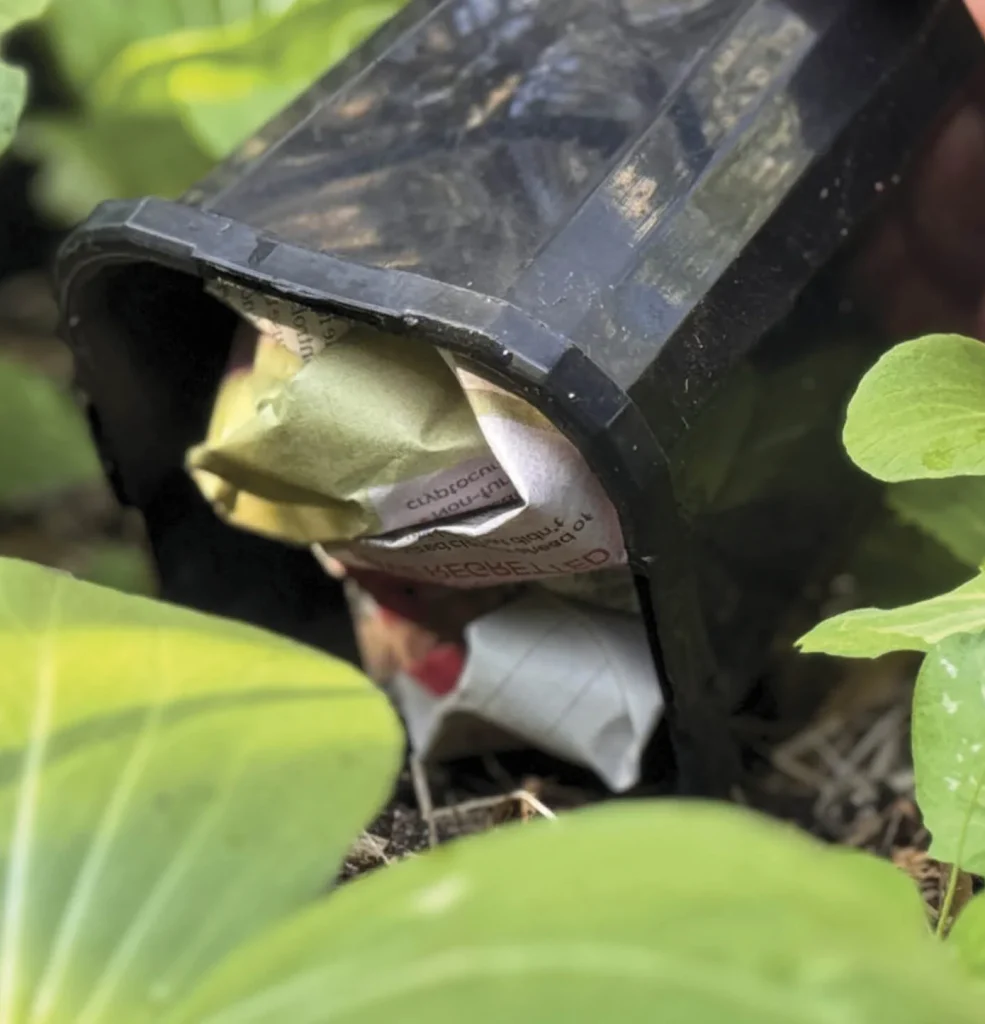
A hand places a black plastic container filled with crumpled paper among leafy green plants in a garden, showcasing one of the Best Garden Hacks for nurturing healthy soil.

Earwigs can be a great nuisance in many gardens; they feed on many different plants causing cosmetic damage and hindering growth.

Now, the next time you cook a meal that uses something tinned, instead of throwing it away this is what you do.

Take the lid off completely and give it a good rinse. Then you screw up newspaper and pop that inside the tin. After that it’s as easy as popping it under the bushes in your garden and waiting. Then the next day you go around with a bucket of boiling hot water and upend the tin over this bucket.

Earwigs that had been nestling in the tin will fall into the boiling water and bam earwig problem gone. With this hack it’s best to create several tin traps and do it on a semi-regular basis to keep earwigs under control.

Get Rid of Aphids Using Dishwashing Detergent

A plant stem densely covered with clusters of small, yellow aphids against a blurred green background—a reminder that garden hacks can help keep pests at bay.The key with this is only using a little bit of detergent and using water to highly dilute it. Less is more in this instance. This trick also works with other sucking insects!

Also make sure to do this in warm weather, around 23-28 degrees, such as on a morning of a nice sunny day.

So you create your solution in a misting bottle, just a touch of detergent with lots of water, and then go around and spray it on the affected areas in your garden.

You want to wait 48 hours and then spray all the affected areas again. This solution is non-toxic and non-residual so what happens is that the detergent dissolves the oily coating on the outside of the aphid. Then the aphid shrivels up and dies in the heat of the sun. Bye bye.

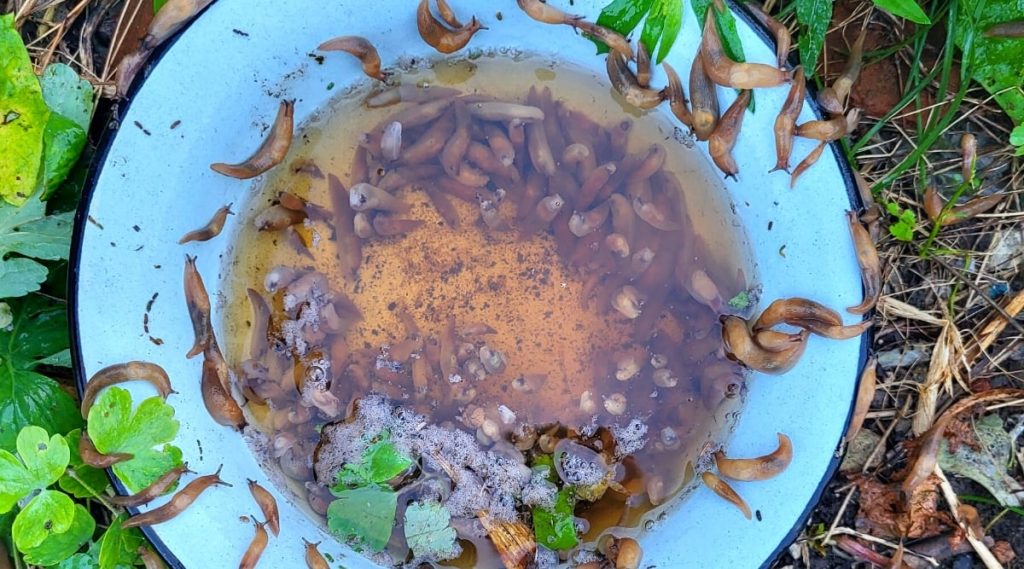
Get Snails Drunk on Beer Then Drown Them

White basin filled with water, containing numerous dead brown slugs and plant debris, surrounded by green leaves and soil—a simple garden hack for dealing with pests.

Yep, you read that right, this hack is all about sending snails off to a watery beer-y grave.

How you’re going to do it is by taking a plate or pan that has shallow edges but progressively gets deeper towards the middle. What happens is the slug drinks beer, gets intoxicated and moves closer to the middle where it drowns in the deep end of your beer pool. In the words of Chris the snail “has a happy death”.

Use Vaseline To Create a Barrier For Slugs and Snails

Several slugs crawl near two plant pots; one pot has a smear of Vaseline on its side—a clever Garden Hack. A tin of Vaseline is visible in the background.With just Vaseline you can create the equivalent of a magical “you shall not pass” line. Slugs and snails despise Vaseline and will refuse to cross a line of Vaseline.

So what you want to do is put Vaseline around the edge of your pot to protect any potted plants from snails and slugs.

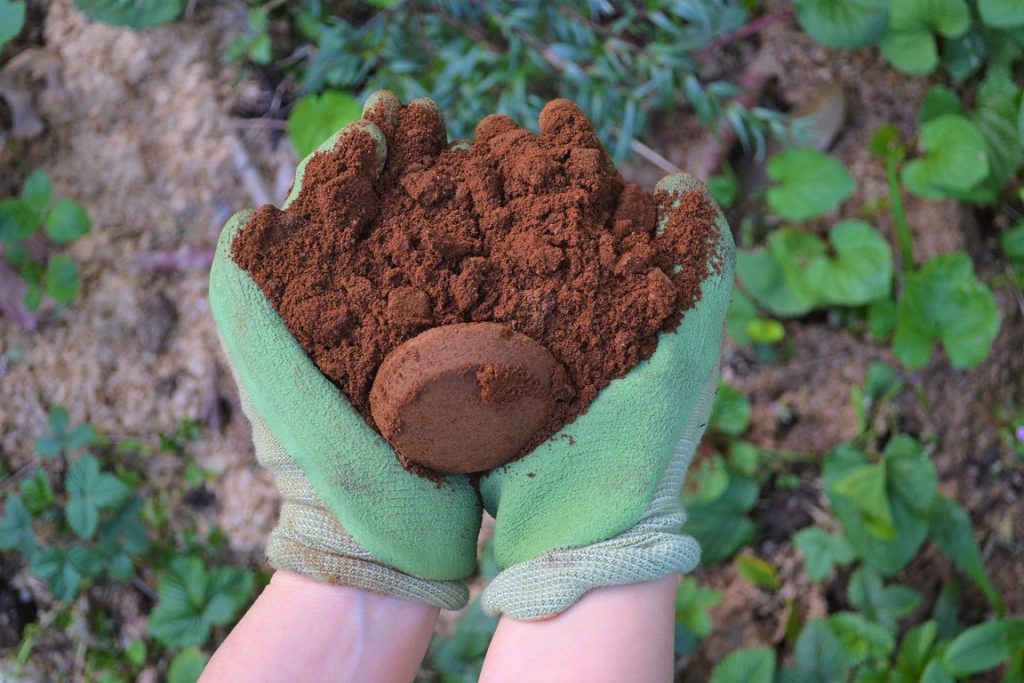
Improve Your Soil With Coffee Grounds

Hands wearing green gloves hold a pile of brown coffee grounds with a compressed coffee puck, surrounded by plants in a garden—showcasing clever Garden Hacks for enriching your soil and boosting plant growth.

Nourish yourself and your garden with your cup of morning coffee. Collect your coffee grounds and let them dry out first. Then sprinkle a thin layer (less then 1cm thick) around the base of your plants or mix it into your compost pile. Or you can mix your coffee grounds into the top layer of soil.

A person uses a wooden spoon to add coffee grounds from a small bowl to the soil in a potted plant, demonstrating smart Garden Hacks.How it works is that coffee grounds contain small amounts of nitrogen, potassium, and phosphorus—all nutrients plants love. They also improve soil texture, making it fluffier and better at holding water. Plus, coffee grounds attract worms, which help break down organic matter and improve soil health.

Don’t do this every day, once or twice a week is plenty. If you do it too often you risk making the soil too acidic.

Deter Slugs and Add Calcium with Crushed Eggs


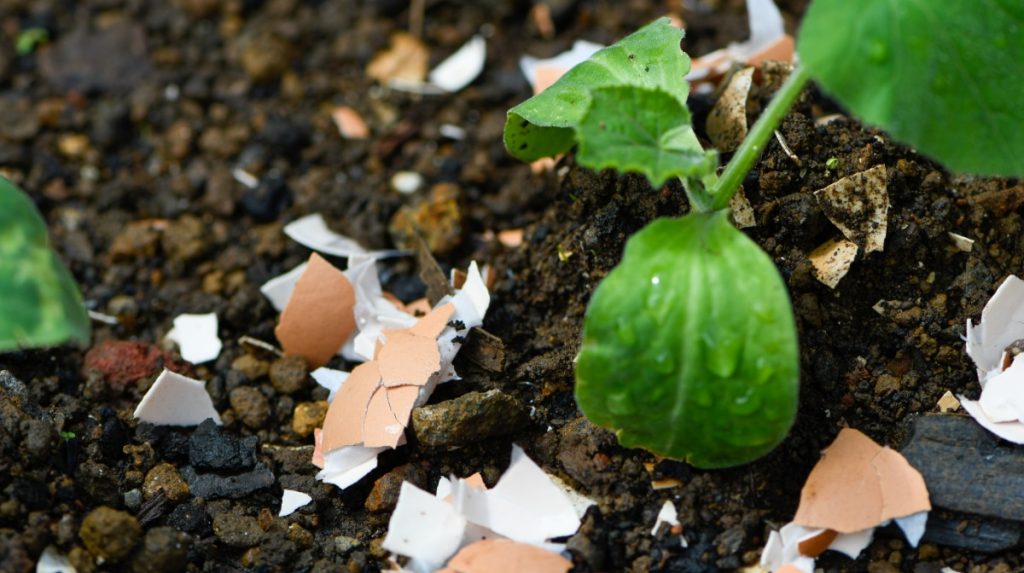
Close-up of a small green plant growing in soil, with pieces of broken eggshell scattered around the base—a clever example of Garden Hacks for nurturing healthy plants.

Made some scrambled eggs? Great, take those egg shells and rinse them out. Crush them into small, sharp pieces – you can use a rolling pin for this. Then sprinkle the crushed eggs over your soil.

Slugs will not crawl over ground with crushed eggshells as it’s like walking barefoot over rough jagged ground.

The crushed eggs have a double benefit of slowly releasing calcium into the soil which plants like tomatoes and peppers absolutely love.

It’s a good idea to do this after rain as we know how slugs love to come out after it’s rained. For the calcium boost it’s best to apply every 2-3 weeks.

Add Nutrients with Potato or Pasta Water

Uncooked spaghetti partially submerged and standing upright in a pot of boiling water on a gas stove—perfect for quick meals before diving into your favorite Garden Hacks.Unfortunately this isn’t a hack you can do while cooking your normal pot of pasta or potatoes because you need the water to be unsalted. Salt is great for flavouring your food but not so great for plants.

How it works is that when you boil potatoes and pasta, they leach minerals and starches into the water. This starch acts like a mild carbohydrate boost for soil microbes and it also contains minerals like iron or phosphorus that nourishes your plants.

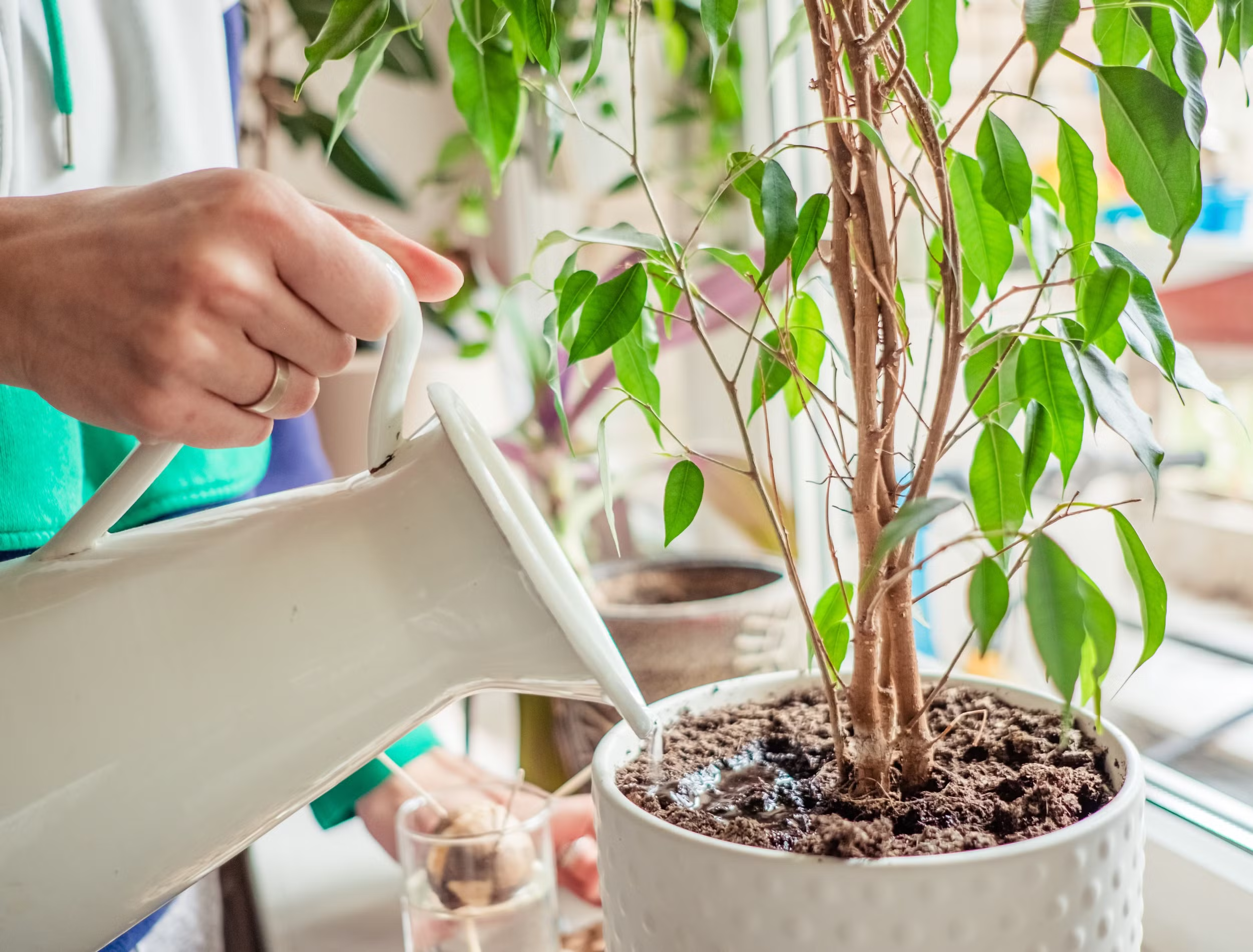
A person uses clever garden hacks as they water a potted indoor plant with a white watering can near a window.So once you’ve boiled your potatoes or pasta, take them out (eat them if you feel like it) and let the water cool to room temperature. Then pour the cooled water around your plant’s base.

Do this once a week – you can rotate it with your plain watering schedule.

Have Greener Leaves with Epsom Salt Spray

A gloved hand sprays water or liquid from an orange spray bottle onto green plants in a garden, showcasing simple garden hacks for healthier growth.You’ve probably heard of using Epsom salt for muscle relaxation, but it’s also great for making leaves greener. What happens is the magnesium from the Epsom salt helps plants make chlorophyll, which is the green pigment they use to transform sunlight into energy.

So by dissolving a tablespoon of Epsom salt into 1 litre of water, pouring it into a spray bottle and spraying it directly onto plant leaves you can make them greener. It’s best to do it in the early morning or late afternoon, you just want to avoid the harsh sun.

A close-up of coarse white salt in a bowl, with a wooden spoon resting on top and filled with salt—perfect for trying out simple Garden Hacks. Don’t overdo this because too much magnesium can be bad for your plants. We recommend every 2-4 weeks during the growing season.

Boost Potassium with Banana Peel Water

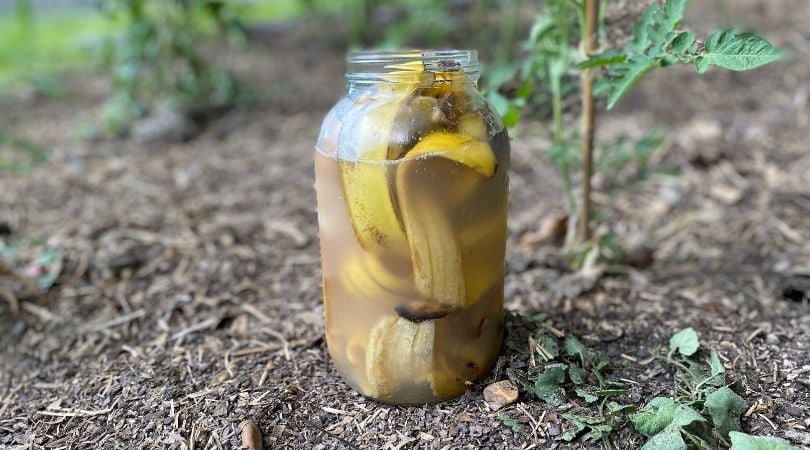
A glass jar filled with banana peels soaking in water, placed on soil near green plants outdoors—a simple Garden Hack to nourish your plants naturally.

We all know bananas are rich in potassium – and so are their peels. Plants need potassium for strong roots, disease resistance and flower production.

All you need to do is cut up banana peels and place them in a container with water. Let it soak for 2-3 days then strain the water and pour it onto the base of your plants.

Do this method every 2-3 weeks during the growing season.

In Conclusion

It’s crazy to see how many ways plants are just like us – they also need the right nutrients and when you start taking care of your plants your garden will absolutely flourish. We hope you enjoyed these hacks! Be sure to follow us on our socials for more hacks and tips to have the best garden.

Feeling inspired to create your own garden, but want some expert advice? Try our one-on-one garden design service with Chris. Together you’ll come up with a selection of plants along with a layout plan that gives you the look you want, as well as being suitable for your local soil and conditions.

get your own tailored modern garden design:


FIND OUT HOW

Articles you may also like

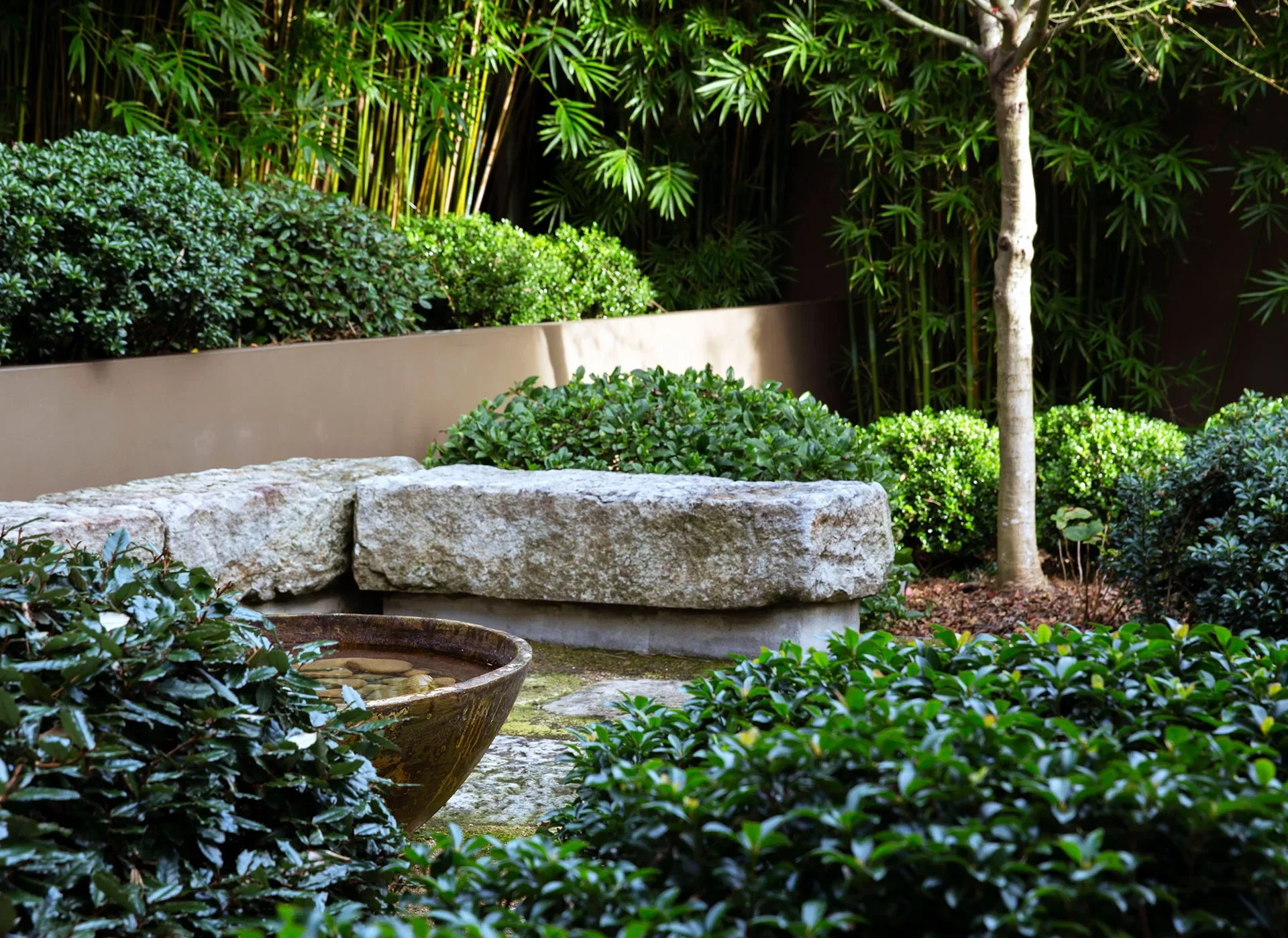
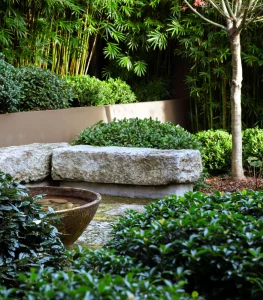
A landscaped garden with dense green shrubs, a tree, a large stone bench, and a shallow bowl water feature in the foreground showcases the beauty of Japanese gardens.

Bring Japan to Your Garden

How to Design the Perfect Japanese Style Garden

It seems like everyone and their mum are going to Japan, even several people from our team have been lucky enough to go to Japan! For those who were fortunate enough to go and are reminiscing over the beautiful cherry blossoms, the intricate bonsais and lush maples, let us show you how you can recreate that same beauty in your own backyard.

And for those who weren’t able to go this season, but have been looking in envy at everyone’s stories, why not bring a slice of Japan to your own home and feel like you are there from your own garden.

Jump straight to the sections we’ll be talking about today:

Planning the Design
Types of Gardens:
– Small Balconies and Courtyards
– Small Gardens
– Medium/Large Sized Suburban Gardens
– Large/Medium Sized Commercial Properties
Design Principles
Consider Your Location
Incorporate Other Natural Elements
Maintain Your Garden

We’ll define the Japanese Style Garden first. It is an ancient art form that has developed from sentiments within Japanese culture and philosophy. It is about creating a space of tranquillity where you can reflect on yourself and meditate. There is a careful balance of natural elements between water, rocks and plants. It’s truly such a beautiful style of garden.

Let us tell you how you can easily create a Japanese Style Garden.

Planning the Design

A wooden boardwalk borders a garden area with white gravel, green plants, rocks, and patches of moss, capturing the serene beauty of Japanese gardens.

The first step is to of course plan out your garden, you’ll need to take into account your location, garden size and shape, amount of sun, amongst many other things we’ll get into.

If this sounds like too much to contend with, book in a professional Free Garden Design with us and we can handle it all – we even offer Free Delivery on orders over $300!

Book your Free Garden Design here.

See if you’re eligible for Free Delivery here.

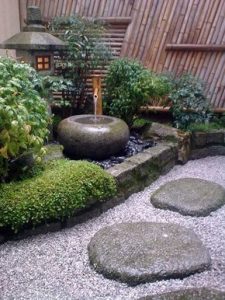
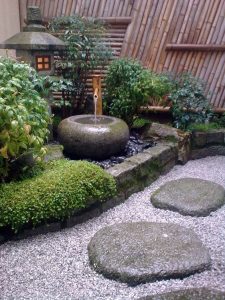
A traditional Japanese garden showcasing the beauty of Japanese gardens with a stone water basin, lantern, lush green plants, bamboo fence, and large stepping stones on white gravel.

But if you want to do it on your own, here’s how to plan out your garden.

Take a look at the size and shape of your garden. You may be physically limited by what you have, but you aren’t creatively.

We are going to go through a range of different types of gardens, so you can skip to your one, but we recommend reading through each part because you’ll glean tips and ideas from other types of gardens.

Types of Gardens

Small Balconies and Courtyards

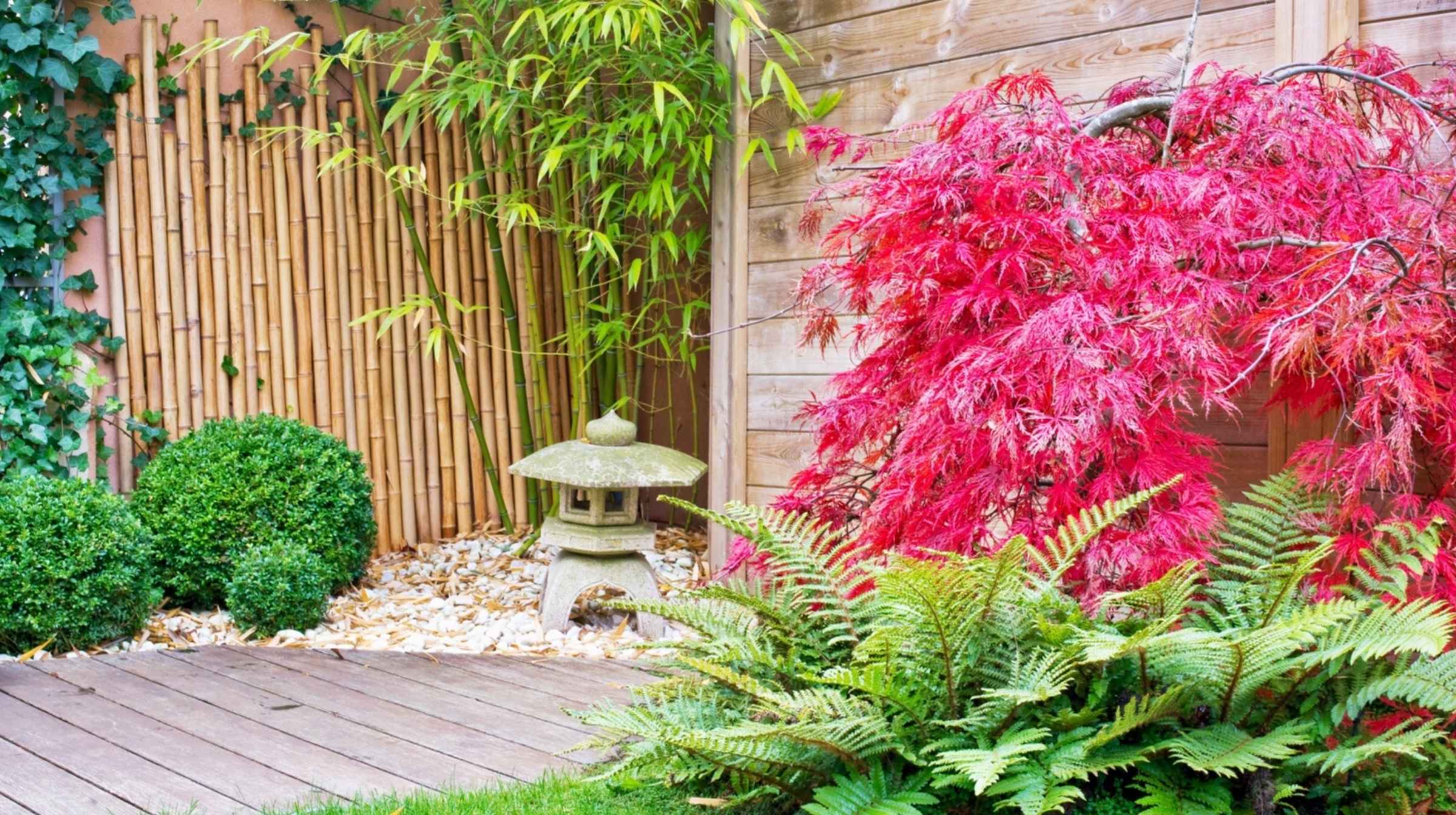
A small Japanese-style garden showcasing the beauty of Japanese gardens, with bamboo, a stone lantern, ferns, a red Japanese maple, and a wooden fence.

We are going to start with the most physically limited spaces – that of balconies and courtyards where pots are needed. Yes, you can still create a Japanese inspired garden in these spaces, and you’d be surprised just how many Japanese style plants can be grown in a pot.

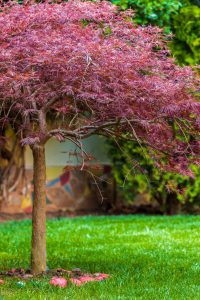
A modern tree in a garden. Inaba Shidare Red Weeping Japanese MapleFrom the quintessential Japanese Maple (upright & weeping) or Weeping Cherry to the flowering shrubs like Azaleas and Camellias, and then the supporting acts like Lime Lava and Nandinas.

The best plan of action with a space like this is less is better. We have an ethos of few pots but lots of plants – it creates a much more dynamic look and doesn’t clutter the space. What we mean by this is putting multiple plants in one pot.

You can have a tree with different groundcovers at its base, or even a variety of smaller plants in one big pot. Opt for classic colours like black or white to create neutral sophistication.

Small Gardens

A landscaped garden with large stepping stones and a gravel path, surrounded by green shrubs and bushes, captures the beauty of Japanese gardens. A patio with chairs sits in the background, inviting relaxation.

So you got some soil and dirt, yay! But you’re still working with quite a limited space. Okay, this is what you do.

Pare back on the variety of plants and focus in on a few select pieces to create tranquillity. The good thing about Japanese Maples is that many of them are on the small side like Acer palmatum ‘Shaina’, Acer palmatum ‘Red Pygmy’, Acer palmatum ‘Mikawa yatsubusa’ and plenty of other choices.

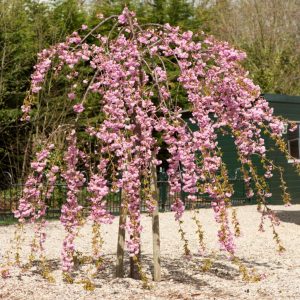
A small weeping cherry tree with drooping branches covered in pink blossoms stands on a gravel surface near a green building and trees, capturing the timeless beauty of Japanese gardens.You can also find Cherry Trees that are small like Prunus ‘Kojo No Mai’ Ornamental Cherry, Prunus ‘Falling Snow’ Weeping Cherry, Prunus ‘Rosea’ Pink Weeping Cherry or Prunus ‘Cheals’ Weeping Cherry.

Then you want to select a few supporting act plants that you can scatter throughout the garden for a cohesive look. The principle here is to choose around two plants, no more than three, and plant them in different parts.

So one corner can have the Japanese Maple with some Black Mondo Grass or Lime Lava planted around the base. Then in another corner you can have three Nandina bushes spaced apart with some Black Mondo in between them.

There’s so many different plant combinations you could go for, don’t hesitate to call us or come in store if you need some advice.

Medium/Large Sized Suburban Gardens

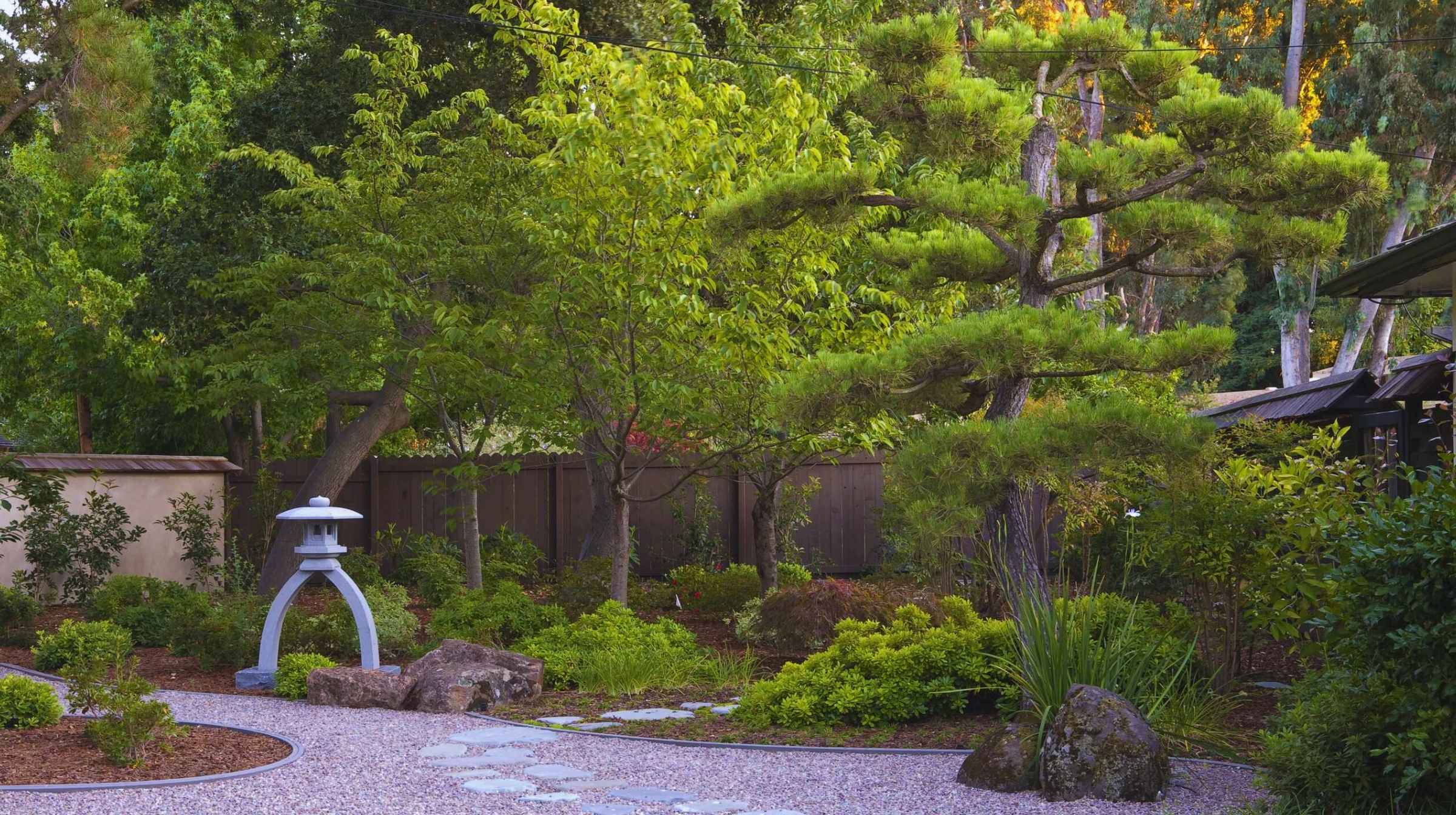
A landscaped Japanese garden showcases the beauty of Japanese gardens with a stone lantern, stepping stone path, manicured trees, shrubs, and a wooden fence in the background.

You have a decent amount of space you’re working with but don’t become overeager with the different plants you choose. Remember, simplicity is best.

A key thing to note here is that plants are usually arranged in odd numbers of 3, 5 or 7.

Consider all the different types of plants you can add in, such as:

Although you can have colour in Japanese Style Gardens, we wouldn’t go overboard. Keep things neutral with a focus on greens and whites and the occasional splash of colour.

Make sure to put in a wooden bench in so you can sit and admire your garden!

Large/Medium Sized Commercial Properties

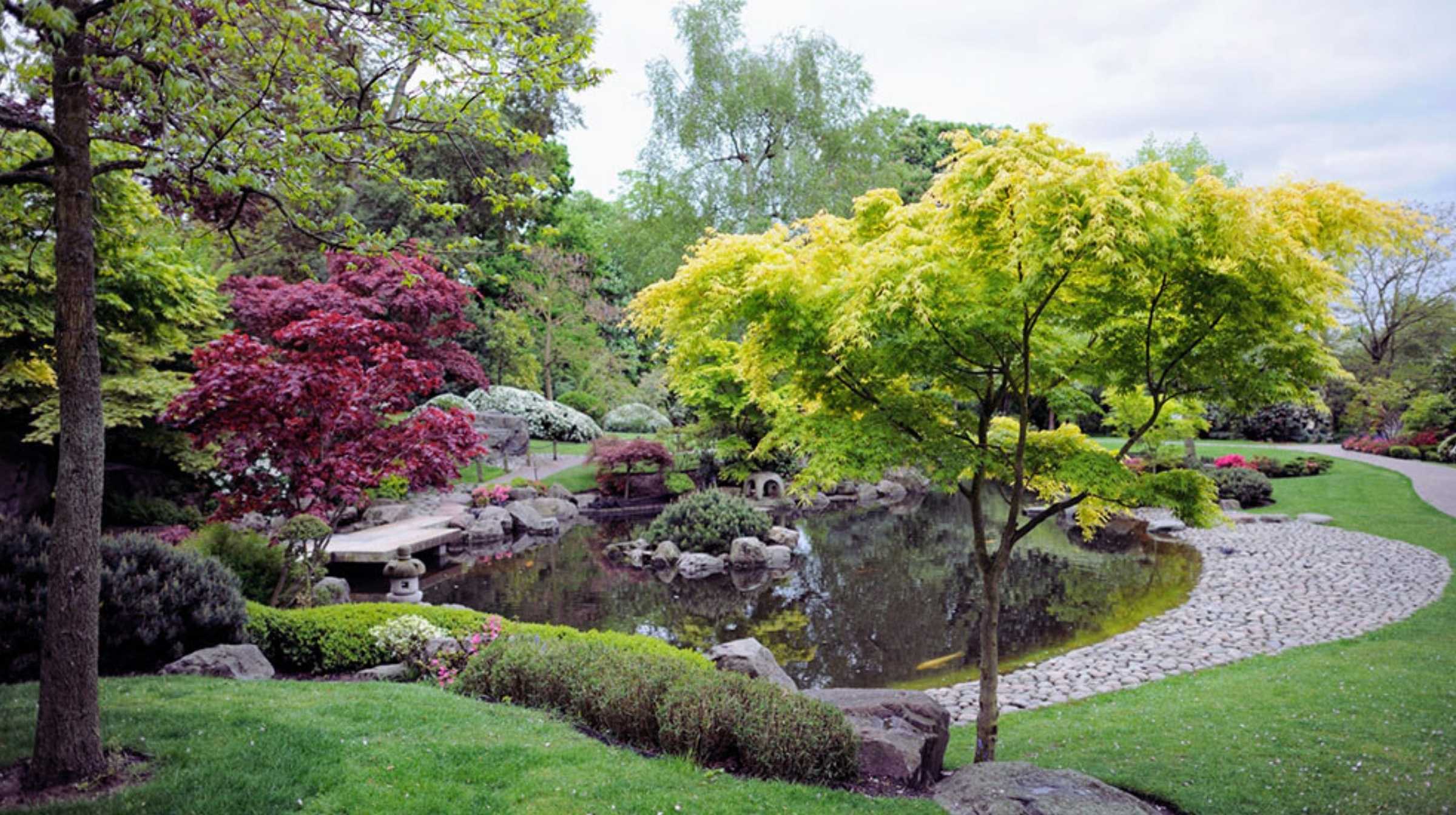
A landscaped garden with a pond, various trees in green and red foliage, trimmed bushes, and a stone path curving around the water showcases the beauty of Japanese gardens.

When planning a commercial property you are likely after something that is inexpensive and easy to maintain. Now we do think it’s worth it to splurge here and there on a beautiful feature such as a Japanese Maple (Upright or Weeping) or Weeping Cherry as they truly do raise the value of a place.

But you can find other plants for quite low prices, consider buying smaller sized plants and look around for bargains. You’re likely to find quite a few on sale in our nursery.

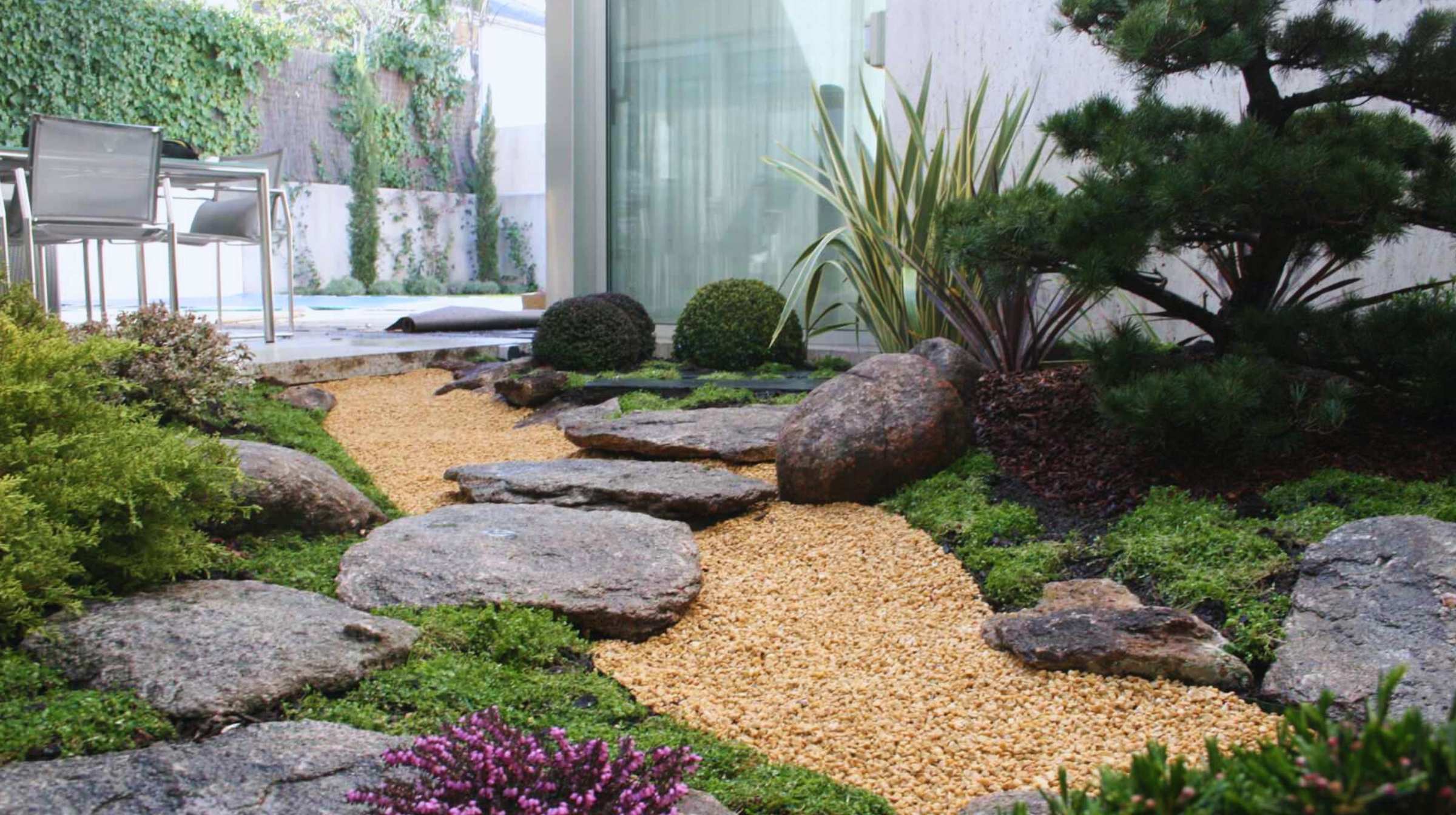
Modern courtyard garden inspired by the beauty of Japanese gardens, featuring a central tree, manicured shrubs, stepping stones, raked gravel, rocks, and floor-to-ceiling glass windows of a contemporary building.A huge amount of space can sometimes be just as tricky as planning a small garden, but we actually offer the same advice here. Just because you have the space doesn’t mean you should plant 50 different types of Japanese style plants.

Try to create little pockets or privacy within your garden using screens, and place benches throughout the space so people can sit and ponder. Keep in mind you want to create a space that encourages reflectiveness.

Mass planting is your friend, pick a few key plants and spread them throughout your property. It will create a cohesive look and simplify your design greatly.

In these larger commercial properties it becomes even more important to add other elements like a water feature, statues, pagodas, boulders and so on.

Design Principles

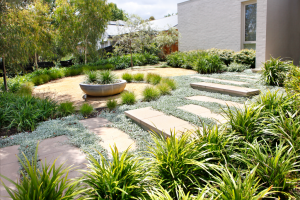
A landscaped garden with green bushes, a tree, stone benches, and a decorative bowl reflects the beauty of Japanese gardens, set against a background of tall bamboo.If you’re still struggling, return to the basic principles of the Japanese Style. These include:

  • Balancing the different elements of your garden
  • Avoiding perfect symmetry in all the arrangements, allow for nature’s beautiful imperfections
  • Considering the symbolism behind your choices – a rock can represent a mountain, sand can represent the ocean
  • Use hedges and walls to create a sense of seclusion and privacy
Consider Your Location

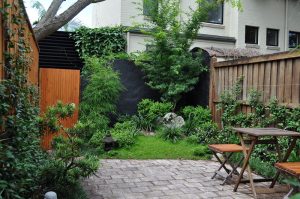
A small backyard garden with a paved patio, wooden table and chairs, green plants, wooden fences, and a tree near a light-colored house captures the tranquil beauty of Japanese gardens in its serene and harmonious design.We mention location because some plants don’t work well in certain climates. For example if you are near the beach there are Japanese style plants such as Japanese Boxwood, Azaleas and Camellias that are sensitive to salt and won’t work well in your garden.

Or if you live in a particularly windy spot then you want to steer clear of Japanese Maples and Azaleas as you risk damaging the foliage/flowers. A good rule of thumb is to try and plant your Japanese Maples in more sheltered spots, although there are certain varieties that are hardier than others.

Incorporate Other Natural Elements

A Japanese garden showcasing the beauty of Japanese gardens with a stone water basin, bamboo spout, moss-covered stones, gravel path, lush green plants, and a bamboo fence in the background.There’s more to a Japanese Garden than just the plants. One of the quintessential parts of the Japanese Style Garden is the water feature, whether this be a pond, stream or waterfall. Go the extra mile and even add in some brightly coloured fish!

Water features are expensive though so we understand if you aren’t able to incorporate one (though the Japanese may not).

What you can do instead is include some other natural elements like rocks, whether that’s larger boulders or small pebbles, sand, or gravel.

Add simple ornaments to tie the whole design in together such as lanterns, statues or a gazebo.

Maintain Your Garden

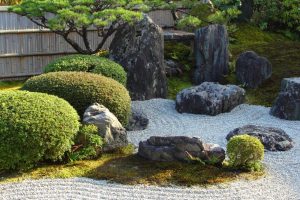
A traditional Japanese rock garden showcases the beauty of Japanese gardens with carefully arranged rocks, gravel, and manicured shrubs, bordered by a bamboo fence and pine tree.It’s important you don’t let your plants get unruly, now depending on what plants you choose, Japanese style gardens can range from low maintenance to high maintenance.

This can depend on facts like water requirement and frequency of trimming. You always want to make sure you are keeping your plants healthy and well-watered.

If you have a water feature, make sure to clean it regularly and check that the water circulation is correct.

Always keep the weeds at bay, nothing ruins the Zen style quicker than scraggly plants taking over your beautifully manicured garden.

Feeling inspired to create your own garden, but want some expert advice? Try our one-on-one garden design service with Chris. Together you’ll come up with a selection of plants along with a layout plan that gives you the look you want, as well as being suitable for your local soil and conditions.

get your own tailored modern garden design:


FIND OUT HOW

Articles you may also like

A field of tall pink autumn flowering plants with green stems, overlaid with the text: "Create a Floral Paradise in Your Garden.

Create a Floral Paradise in Your Garden

Create a Floral Paradise in Your Garden With These Plants

We’ve heard from a little birdie that you’re in need of some more flowers in the garden and we just so happened to stumble upon a beautiful garden that is sure to inspire you. We even made a whole video about it!

You can watch that here, but read on to learn more about these flowers.

Grab a quick sneak peek, JUMP STRAIGHT TO the plants we’ll be discussing today:

1. Clematis ‘Madame Julia Correvon’
2. Salvia ‘Mexican Bush Sage’
3. Bartlettina ‘Purple Mist Flower’
4. ‘Princess Diana’ Peruvian Lily
5. Rose ‘Shady Lady
6. Plectranthus ‘Mona Lavender’
7. Euphorbia ‘Ascot Rainbow’
8. Tricyrtis ‘Blue Toad Lily’
9. Fuchsia Fuchsita® ‘Blush Violet’
10. Persicaria Fascination Red Bistort
+ 8 More

Maybe you’re creating a garden from scratch and feeling overwhelmed by all the plant choices you need to make. Maybe you already have a garden but it’s in need of some pops of colour. Maybe you just moved into a place that only has a balcony and you’re looking for some potted colour.

We got you. We’re going to be breaking down the 18 flowers from this wonderful garden, and telling you all about their individual strengths, applications and how to best take care of them.

Now a quick note before we get into it, not all of these will be blooming right now. If you are more interested in flowers you can have in autumn, then be sure to check out our article The 10 Best Plants For Autumn Flowering in Australia.

Clematis ‘Madame Julia Correvon’

A cluster of bright pink clematis flowers, one of the standout autumn flowering plants, set against a backdrop of lush green leaves.

We’re starting strong with an award winning flower that has both incredible beauty and is easy to grow. You will see quickly why it earned the Garden Merit of the Royal Horticultural Society.

The first thing you’ll notice is the intensity of colour and uniquely shaped petals on Madame Julia Correvon. We love how the petals come out flat but with some time they start to curve and twist in unusually beautiful ways. It’s like each petal has a life of their own, giving the whole flower a dynamic movement to it.

Madame Julia Correvon doesn’t skimp on flowers, with masses of those beautiful star shaped flowers creating an incredible show. It also blooms for a very long time, from early summer to early autumn, meaning you get to enjoy those gorgeous flowers for ages.

They also make for excellent cut flowers so you can bring a slice of that beauty indoors too.

This is a plant you choose when you want a flowering climber as they look best when trained to climb up a fence, trellis, wall or any surface. The vines are nice and strong, making it easy to grow up your preferred garden structure.

This particular variety of Clematis is more heat tolerant than others so can take more sun. They intermingle well with many plants, climbing up them in a wonderfully symbiotic way. You can even grow them along short hedges!

Please note that this plant is toxic to dogs, cats and horses so if you have one of these furry friends consider another plant on this list.

In terms of how to best take care of this wonderful plant, you want to make sure to do the following things:

  • Keep it in moist, well-drained soil
  • Keep it’s ‘head in the sun and feet in the shade’ meaning the roots should be in a cool and shaded area and the top part of the plant with the flowers in the sun.
  • Prune it in late winter or early spring making sure to cut back hard to a pair of strong buds.
  • Use a Rose Fertilizer every three months or so to make them absolutely thrive.

We unfortunately don’t stock this exact variety just yet, but are working hard to get it in.
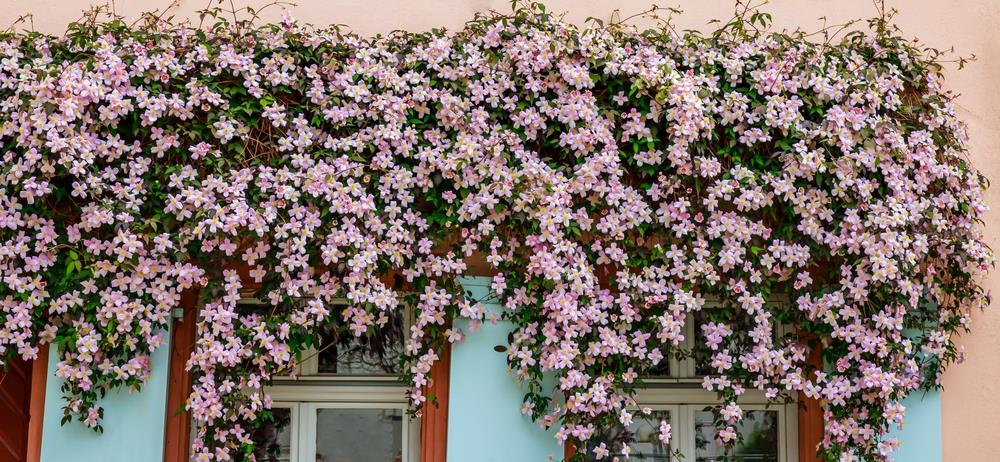

A wall covered with dense, autumn flowering plants features numerous small pink and white blossoms above two windows with blue trim.

In the meantime we can offer you another type of Clematis that is just as stunning. In fact, Clematis are just an incredible flower family that have a rich diversity of colours and tolerances.

The Clematis we recommend is Clematis montana ‘Rubens’ a light pink flower that is deliciously fragrant and is both drought and frost hardy. Learn more about it here.
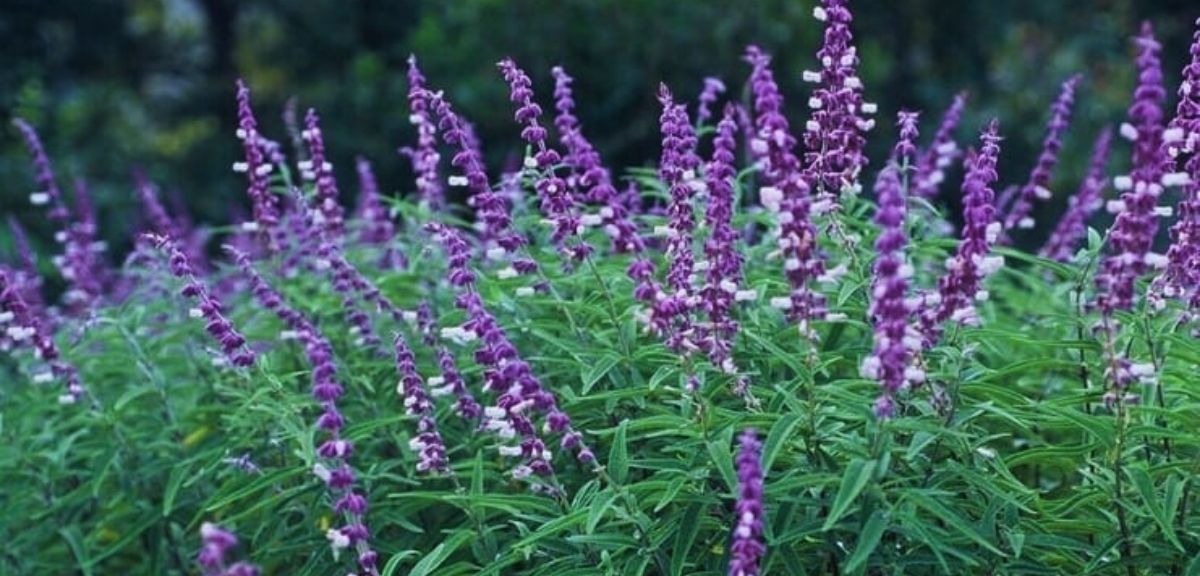
Salvia ‘Mexican Bush Sage’


A cluster of tall, purple autumn flowering plants with green, narrow leaves grows densely outdoors against a blurred background.

For our next option we’re going with a classic, the Mexican Bush Sage, which has been a garden favourite for many years. This is the plant you choose when you have a sunny spot and want something that’s hardy and long flowering.

It’s also a great choice for those needing a good medium sized hedge that can be planted at the front as a feature or used as a layering plant towards the back of a gardening bed.

Mexican Bush Sage is an evergreen shrub that bears tall erect flowers of either purple or white. The flowering period stretches from late summer/early spring to late autumn, and in the right climate it can actually flower all year round.

It grows to a height of 0.8 – 1.2metres tall and wide with grey-green foliage that contrasts nicely with other greenery in the garden. The flowers gracefully arch and bend in interesting ways above the foliage, creating a dynamic and interesting display.

Now although this is a hardy plant that can handle dry conditions, what you don’t want to do is put it in a shady area. A little bit of shade is fine, but extended periods of shade will leave the flowers scraggly and desperately trying to stretch towards the sun.

Mexican Sage Salvia prefers a deep watering once a week when hot but be mindful that hot and moist/wet conditions are not suitable. If you live in a tropical area, it’s best to choose another plant. It works in most soil types.

Although mild frosts can be tolerated by established plants, it’s best to protect young plants for the first few years. If you live in a particularly cold area, then it’s a good idea to plant it in a pot and you can even bring that inside if the weather gets particularly bad.

Pruning isn’t necessary but if you find the flowers are starting to sag and break off then a light prune may be required. Also general pruning can help promote bushiness if you want a fuller looking shrub.

Unlike other Sages, Mexican Bush is actually very good as a cut flower because of the way the fuzzy purple calyces stay on the plant even after the petals have fallen.

Bartlettina ‘Purple Mist Flower’


Clusters of vibrant purple flowers with fuzzy petals, typical of autumn flowering plants, grow among large green leaves in a garden setting.

When you’re looking for something whimsical and fragrant, you can’t go past the Purple Mist Flower. The aroma is described as an intoxicating mix of lilac and honey that attracts bees and butterflies.

The large, veined leaves make for a beautiful display that gets elevated in spring when large clusters of flowers emerge. The flowers have a very distinctive fluffy look that is both playful and striking – they look quite like fluffy pom-poms!

If you are after a large shrub/bush and have dappled shaded area than this is the perfect plant for you. Purple Mist Flower reaches a size of 3 metres tall and 2.5 metres wide.

Purple Mist Flower can be used in a number of different ways, either as a focal feature in the middle of a garden bed, a layered piece underneath trees or mixed in with other plants to add vibrancy.

In terms of care you want to plant it in a spot that doesn’t receive hot afternoon sun, Purple Mist Flower instead thrives in light, dappled shade. The ideal soil is moist yet well-drained, a good tip to retain moisture is by applying a good layer of mulch.

If you want compact growth, then it’s best to prune it by about a third after flowering. If you live in a frost prone area, then it’s best to choose another plant.
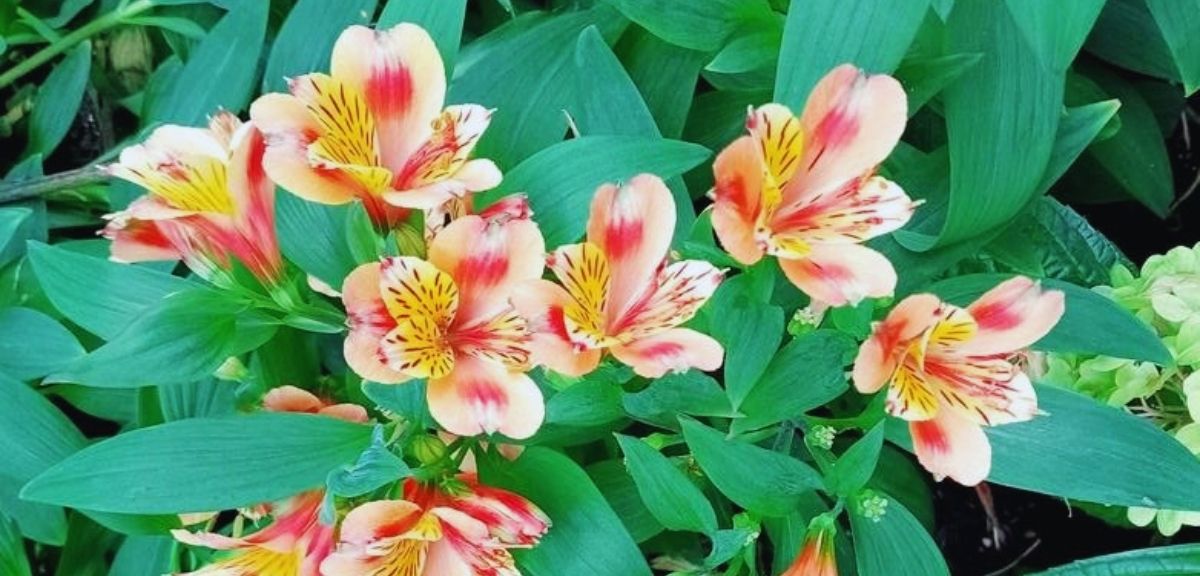
Alstroemeria ‘Princess Diana’ Peruvian Lily


Cluster of peach and pink Alstroemeria flowers with yellow markings, surrounded by green leaves—an elegant choice for autumn flowering plants.

For a truly striking multi-coloured display consider the Princess Diana Peruvian Lily. They have the most delightful combination of orange, red, yellow and cream with brown markings that instantly draws the eye.

Princess Diana Peruvian Lily is an excellent choice for those needing a border plant that is long flowering and low maintenance. They produce flowers for almost 9 months! From mid spring to late autumn you can enjoy those stunning flowers. What’s amazing as well is how great they are as cut flowers – they last for over two weeks in a vase!

If you have a smaller sized garden, these are the perfect flowers for you as they only grow 20-30cm tall and 24-60cm wide. They also do very well in containers so you can have them out on your balcony or patio.

They are a reliable easy to grow plant that is drought tolerant, frost tolerant and generally disease free. Butterflies and bees love them, but they may get damaged by slugs.

To best care for your Princess Diana Peruvian Lily plant it in a full sun or light shade area with fertile, moist, well-drained soil. Make sure to avoid dry soils and choose a spot that is sheltered from the wind.

If you want to promote new blooms, then pull the stems from the base instead of cutting them. Just be careful with the flowers as they can cause skin irritants.

Rose ‘Shady Lady’
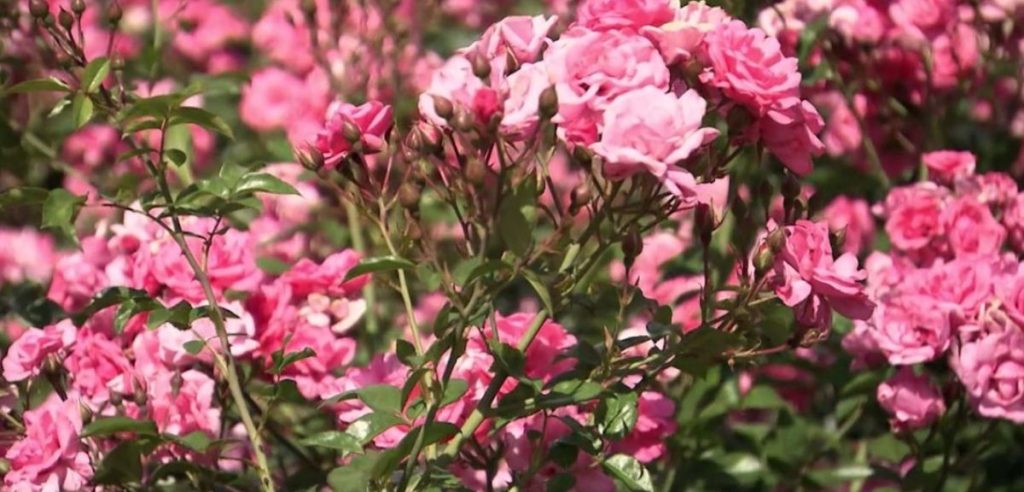
A cluster of blooming pink roses, celebrated among autumn flowering plants, is shown with green leaves in bright sunlight.

If you have a shady spot and you’re searching for something vibrantly coloured to brighten it up, here’s ‘Shady Lady’ Rose. It has gorgeous semi-double blooms of hot pink surrounded by glossy green foliage.

As you can see from this list there are quite a few flowers that can’t handle any shade, or only a little bit of shade. What makes Shady Lady so great is the fact that it can tolerate considerable shade.

Shady Lady flowers from early spring to early summer and has a mild fragrance. You can choose between the garden bed or a large pot, they look fantastic planted in a massed effect or a single specimen.

To take care of Shady Lady be sure to water it well in the hottest months of the year but avoid the foliage. The reason being that roses are prone to moisture loving fungus so don’t water from above.

Prune hard each winter to make way for new growth, cutting above an outward-pointing bud and cutting the stem on an angle.

Now we are currently working on trying to add this wonderful flower to our range but are unable to get it for the moment. What we can offer is the fantastic New Dawn, a blush pink semi-double rose that also tolerates shade well. Find out more about it here.
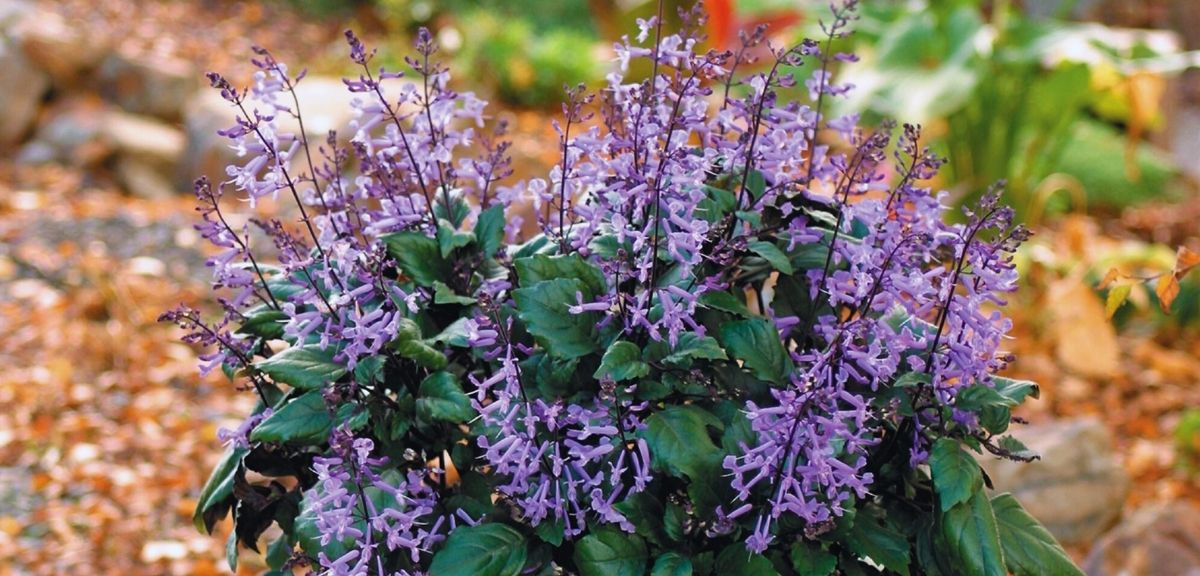
Plectranthus ‘Mona Lavender’


A bushy plant with clusters of small, tubular purple flowers and dark green leaves, this is a striking choice among autumn flowering plants for vibrant garden displays.

Mona Lavender is the plant to choose when you’re looking for a fast growing neat shrub that can be planted in a full sun to part shade location. Also funnily enough, Mona Lavender has also received the Award of Garden Merit from the Royal Horticulture Society in the UK!

Those gorgeous spikes of bright purple flowers emerge in late summer and bloom through autumn. The dark green leaves perfectly compliment these beautiful flowers.

Mona Lavender can of course be planted in the garden but also does great in a container on sheltered patios. It’s a great solution for low light spaces in the garden such as under decks or trees. They also make for a great border plant!

To best take care of your Mona Lavender plant it in moist but well-draining soil and fertilise it will a slow release fertiliser during early spring. If you want a neat shape and dense foliage then give it a light pruning after flowering. Mona Lavender doesn’t tolerate frosts so be sure to give it protection if your area is susceptible to frosts.
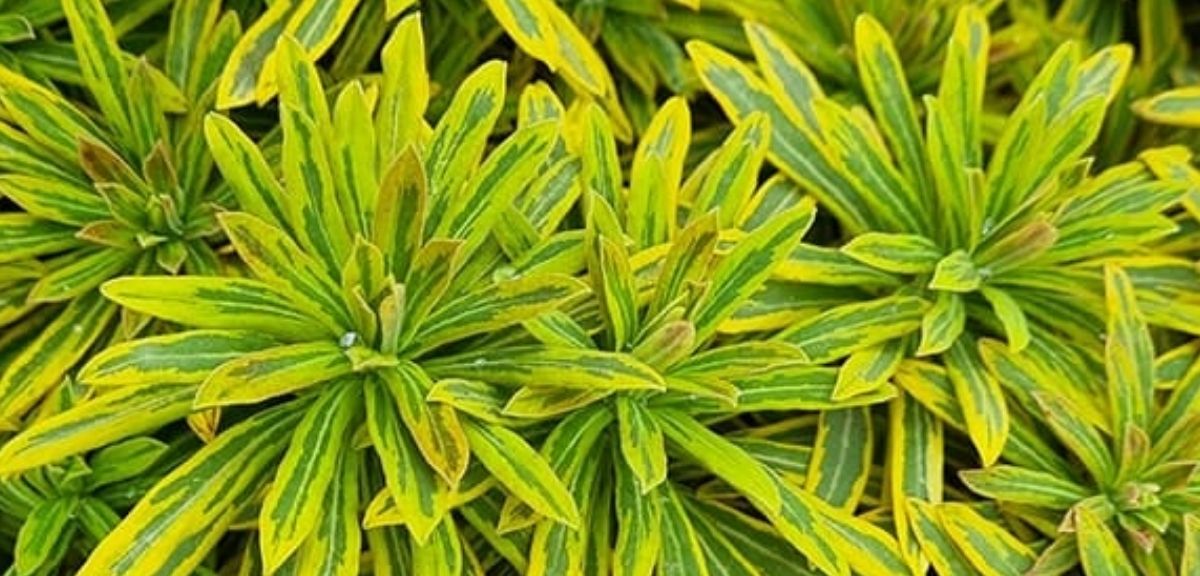
Euphorbia ‘Ascot Rainbow’


Cluster of green and yellow variegated leaves with pointed tips, forming dense foliage—an eye-catching addition among autumn flowering plants.

Here’s a truly unusual, yet striking, choice. It’s also the plant to go for when you need something that is tough as nails. The flowers are vastly different to any on this list, or most flowers in general. Ascot Rainbow also provides you with year round colour through its variegated foliage.

Those strange flowers are small and tubular with a red eye and grow in colourful bracts above the foliage. They appear from late winter through spring.

Ascot Rainbow is very hardy with an extreme tolerance for hot and dry conditions, as well as a tolerance to frost and coastal conditions. It’s compact habit makes it perfect for any sized garden, or even in a pot on the balcony or patio.

Plant it in almost any type of soil with good drainage as Euphorbias don’t like wet feet. To make Ascot Rainbow thrive give it a slow release fertiliser in spring. You don’t need to prune it but if you would like a bushier habit then you can cut back spent flower stems to their base. If you do cut it, avoid skin contact with the milky sap as it can be irritating to some people.
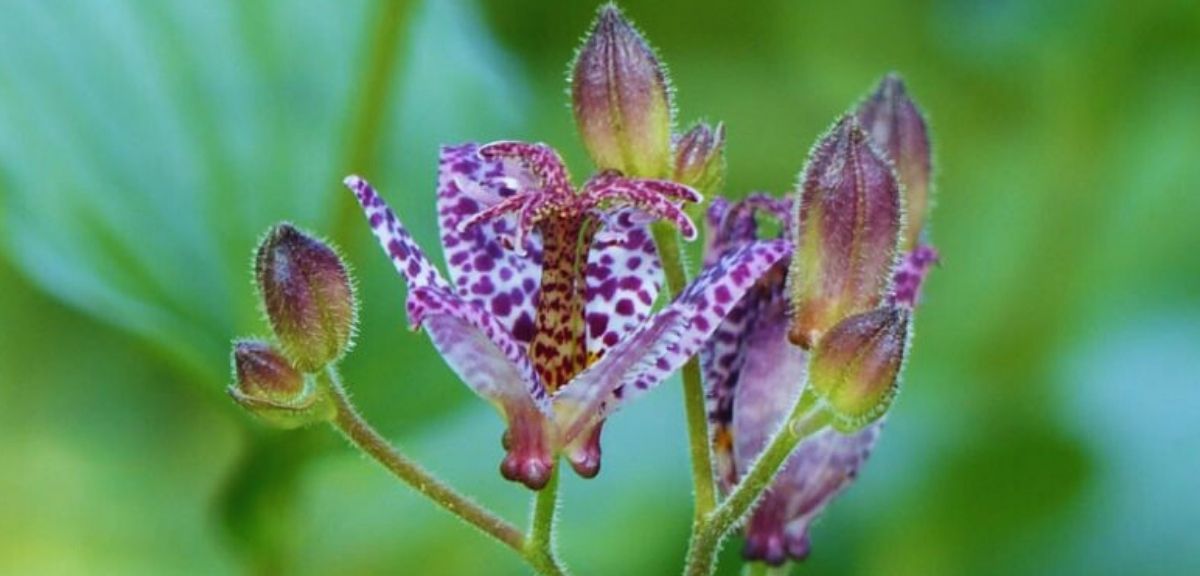
Tricyrtis ‘Blue Toad Lily’


Close-up of a toad lily flower, one of the unique autumn flowering plants, with purple spots and hairy buds, set against a blurred green background.

Here’s a beautiful rarity to add an exotic touch to your garden – the Blue Toad Lily. With orchid-like blooms that are speckled with soft blue and purple dots, Blue Toad Lily is truly a beautiful addition to any garden. We particularly love them in woodland gardens.

Those exquisite flowers appear from late summer into fall, adding colour at a time where most of your perennials are ending. Blue Toad Lily likes partial to full shade areas – even flowering in deep shade.

It reaches a height of about 45-60cm and don’t require much maintenance beyond regular watering to keep the soil moist.
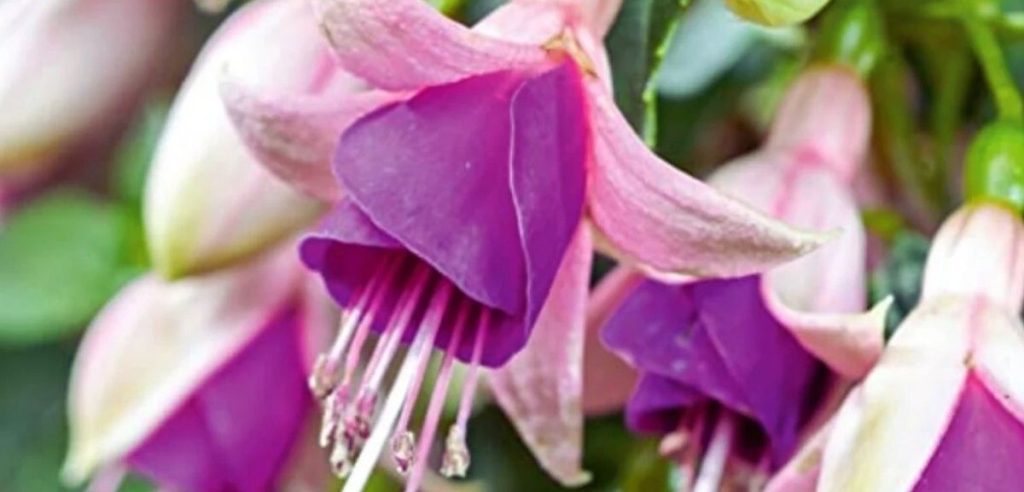
Fuchsia Fuchsita® ‘Blush Violet’


Close-up of fuchsia flowers, popular autumn flowering plants, with pink and purple petals and visible stamens, surrounded by green leaves.

For another intricately and multi-coloured flower consider the Blush Violet Fuchsia. The mix of coral pink and mauve make for a glamourous and striking show. You want to keep it out of the hot sun as it doesn’t do well in Aussie summers. Instead plant it in a half shade half sun area.

Blush Violet Fuchsia attracts butterflies and bees and flowers from early summer to autumn. It’s great for pots and baskets and grows to a max size of about 40cm in height and width. Keep the soil nice and moist, but don’t overwater it.

Persicaria Fascination Red Bistort
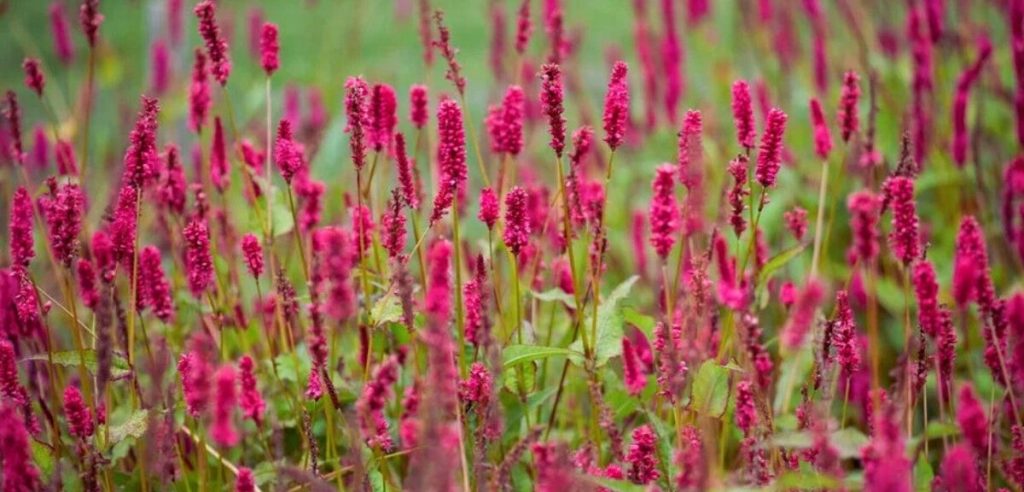
Dense cluster of bright pink, spiky flowers with green stems and leaves growing outdoors in a natural setting, perfect for adding color among autumn flowering plants.

Fascination Red Bistort is a real tough plant that can grow in almost any location. It isn’t bothered by sun or shade, soil type, or exposed places. You just need to get it established and then you can pretty much just leave it be.

But for such little effort you get a gorgeous show of vibrant pink flowers surrounded by slender arrowhead leaves. Fascination Red Bistort starts flowering in summer through to the first frosts.

Plant it in sun or part shade and although it can grow in most soils, it will thrive the most in loamy rich moist soils. Fascination Red Bistort grows to a size of about 1.2 metres in height and 0.7 – 1 metre in width. Be sure to trim it for fresh new regrowth and an extended flowering season.

Unfortunately we currently don’t hold stock of this plant, which will hopefully change soon. In the meantime we recommend the wonderful Agastache ‘Orange’ – a perennial plant that is similar in appearance to Fascination Red Bistort. Learn more about it here.

The Eight Other Plants

Here are eight more plants we recommend listed below. We hope we’ve inspired you for all the wonderful flowering plants you can have in your garden!

Be sure to follow our socials and check out our other blog posts for more inspiration!
Feeling inspired to create your own garden, but want some expert advice? Try our one-on-one garden design service with Chris. Together you’ll come up with a selection of plants along with a layout plan that gives you the look you want, as well as being suitable for your local soil and conditions.

get your own tailored modern garden design:


FIND OUT HOW

Articles you may also like

Pink chrysanthemums with text overlay: "10 best plants for Autumn flowering in Australia." Perfect for solving garden design problems with vibrant colors and seasonal blooms.

The 10 Best Plants For Autumn Flowering in Australia

We all know about beautiful autumn foliage, the fiery reds, deep purples, striking golds and vibrant oranges. We’ve written extensively about these plants, from the big, towering trees, to the small shrubs anyone can fit in their garden.

But what we haven’t written about yet is the beautiful plants that provide colour in different ways during autumn – with their flowers.

Jump straight to the 10 best plants for autumn flowering:

1. Japanese Anemone Windflowers
2. Sedum Autumn Joy
3. Camellia sasanqua
4. Dahlia
5. Mexican Bush Sage Salvia
6. Chrysanthemums
7. Hellebores Winter Roses
8. Begonia
9. Kangaroo Paw
10. Marigold

Now, you should definitely still have plants with stunning autumn foliage in the garden too. Here’s all the articles we’ve written about that to help you pick the best one for your tastes and needs:

Overall Best Plants For Autumn Colour
Top 10 Best Autumn Shrubs
Top 10 Autumn Trees

We’ve got a beautiful range here of autumn flowering plants so let’s jump right into it.

Japanese Anemone Windflowers


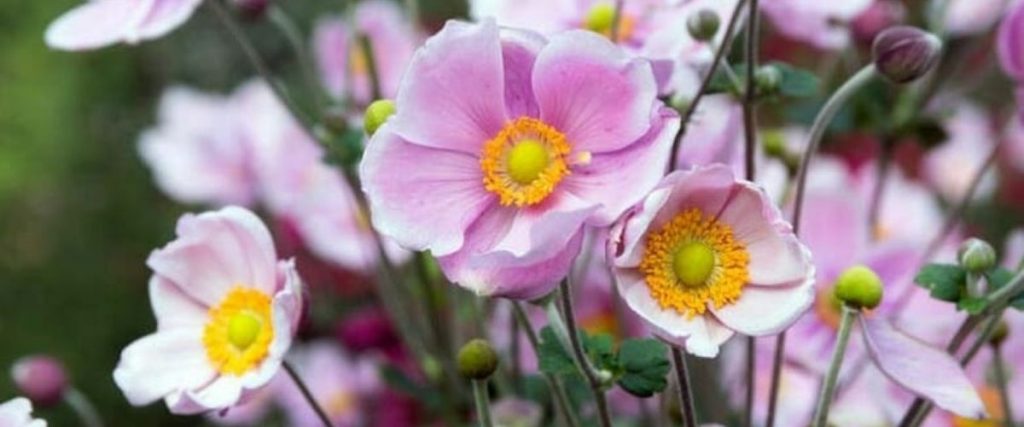
A close-up of pink flowers with yellow centers and lush green foliage illuminates the garden, offering a solution to common garden design problems.

These delicate poppy-like flowers are perfect for someone looking to elevate the elegance in their garden for little effort.

Here are some of the things we love about Japanese Anemone Windflower:

  • Low maintenance and resistant to pests
  • Upright growing habit makes it perfect for any sized garden
  • Versatile and can be mass planted, grown in a pot or planted as a border
  • Can choose between pink, purple and white shades for suits your garden best
  • Can grow in full sun or part shade
  • Attracts bees and butterflies

Sedum Autumn Joy


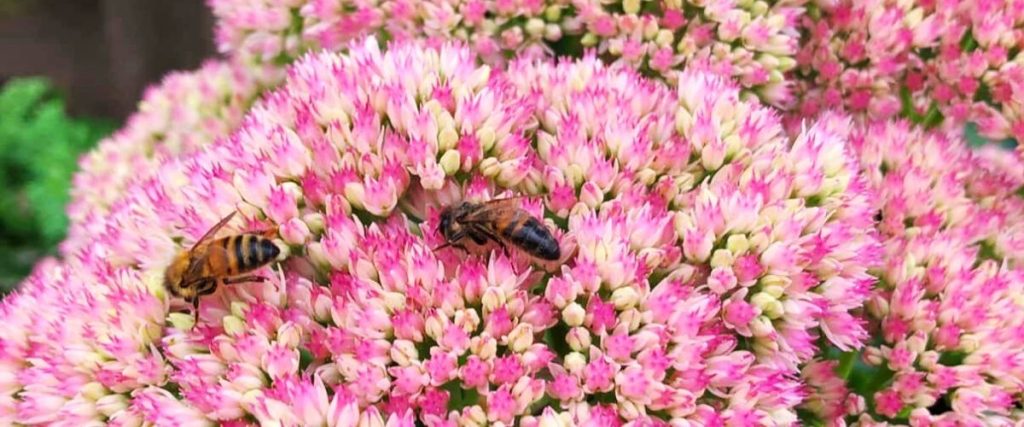
Two bees are perched on clusters of small pink and white flowers, collecting nectar. The blooms form dense, rounded bunches, a striking solution to common garden design problems with their colorful, textured backdrop.

With a name like that, how could this gorgeous succulent plant not be on our list? Sedum Autumn Joy is what you pick when you want something that is cottage style, you have a very sunny spot and not a lot of time to take care it.

Here are some of the positives about Autumn Joy:

  • Thrives even with minimal care
  • Drought tolerant and can grow in many soil types (but not soggy soils)
  • Large deep pink flowers that deepen into a bronze hue in autumn
  • Attracts bees and butterflies
  • Interesting type of foliage with fleshy green leaves

Camellia sasanqua


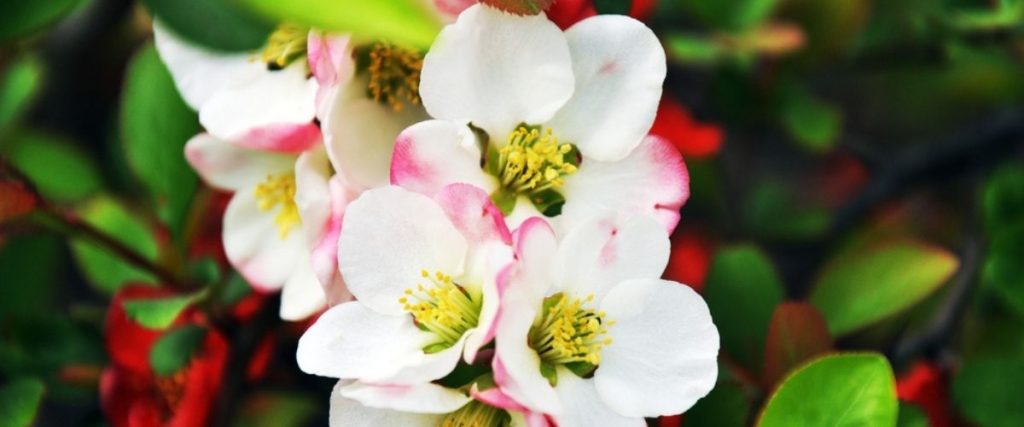
White and pink flowers with yellow centers are clustered together, surrounded by green leaves, offering a charming solution to common garden design problems.

If you’re looking for a privacy screen that will add elegance to your home, look no further than Camellia sasanqua. You can also plant them as a tall feature.

Other reasons you should choose Camellia sasanqua are:

  • Range of colours you can choose from including pink, white, red and purple
  • Can grow it in a sunny or part shade position
  • Also flowers in winter giving you colour during the greyest times
  • Glossy lush foliage that looks great all year
  • Can grow up to 5 metres tall or pruned to keep smaller

Dahlia


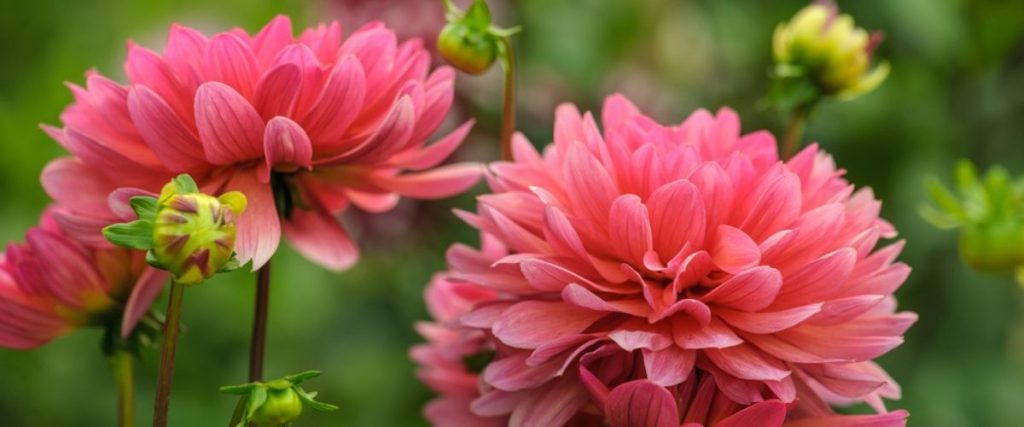
Pink dahlias in full bloom stand as a striking solution amidst green foliage, subtly addressing garden design problems with their vibrant presence.

These are some real show-stopping flowers with an extraordinary range of colourways and are perfect for those looking for something really striking in the garden.

Let us tell you a bit more about Dahlias:

  • Some varieties are multi-coloured which creates even more visual interest
  • Flowers are large in size
  • Grows best in full sun and well drained soils
  • Attracts birds, butterflies and bees.
  • Perfect for cut flowers
  • Regular deadheading and fertilising will prolong the flowering

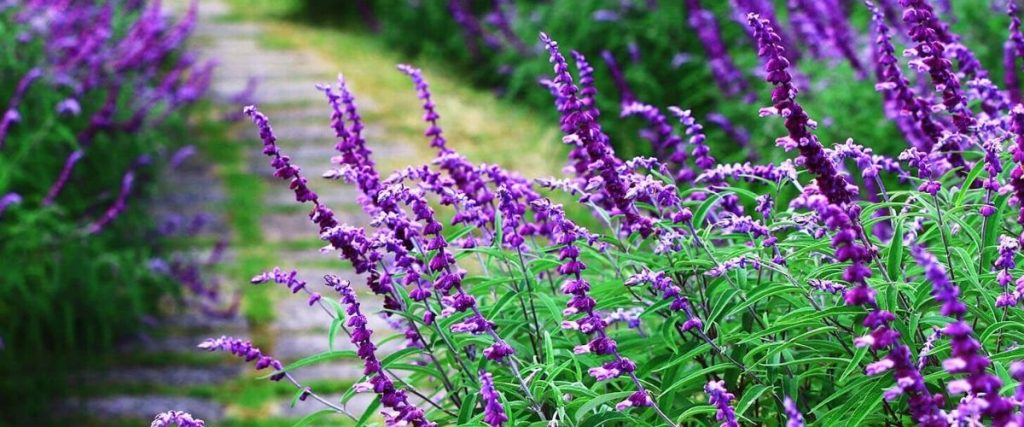
Mexican Bush Sage Salvia


A stone path meanders through a garden lined with tall purple flowers and lush green leaves, showcasing a solution to common garden design problems.

For those wanting a good sized hedge that is very easy to grow and has flowers for ages, Mexican Bush Sage Salvia is the plant for you.

Here are some other things we love about Mexican Bush Sage Salvia:

  • It is fast growing so you can save money and buy a small plant and let it grow big
  • It also flowers throughout winter so you can have those stunning purple flowers for months on end
  • It is drought resistant and thrives in full sun
  • Makes for fantastic cut flowers
  • Rabbits ignore it, but butterflies love it
  • Can be grown in containers, as a border, or a hedge
  • Are also other varieties of Salvia that bloom in autumn if you’re looking for something slightly different

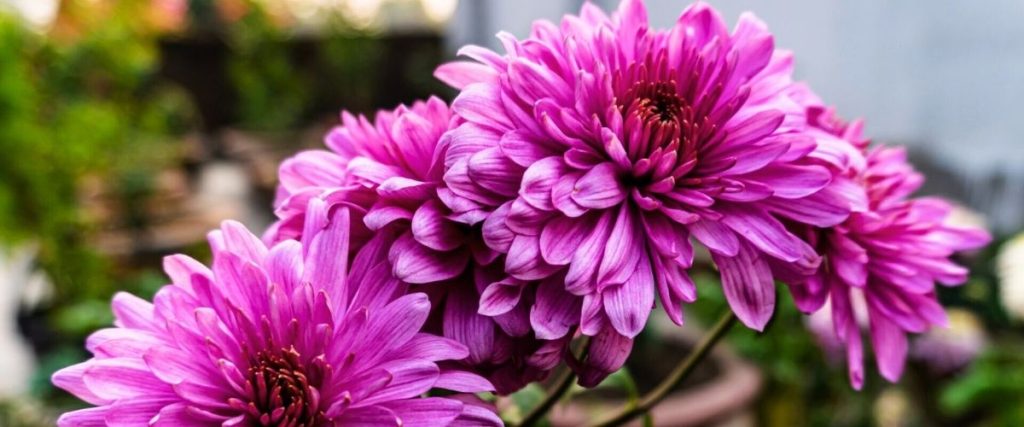
Chrysanthemums


Close-up of vibrant pink chrysanthemums with layered petals, showcasing a solution to common garden design problems in a lush setting.

Get the classic autumn colours of yellows, reds and oranges with the stunning multi-petaled Chrysanthemums. This is the plant to choose when you want something that is truly striking and will solicit many compliments from others.

There are so many reasons we adore Chrysanthemums, here are some of them:

  • A huge range of colours to choose from including yellow, orange, red, pink, white or purple
  • Can choose between the garden bed or a pot to grow it in
  • Love full sun and well-drained soil
  • Wonderful as cut flowers
  • Pest and disease free
  • Are quite low maintenance

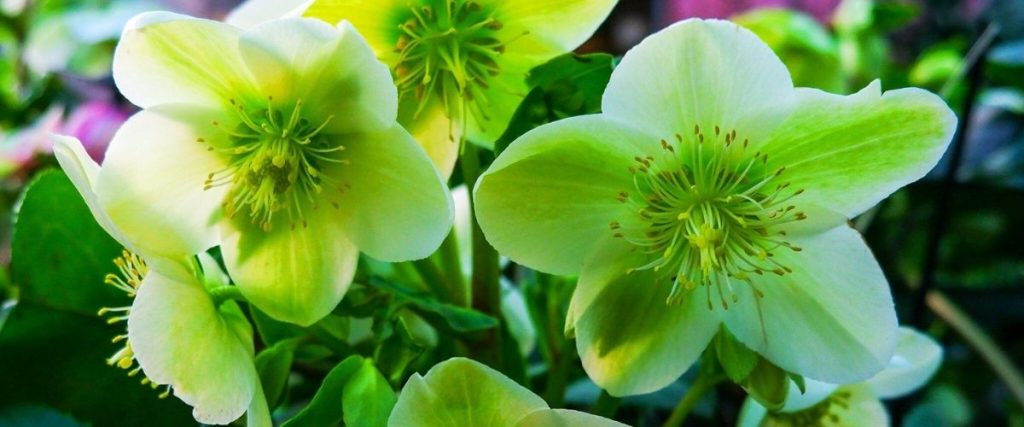
Hellebores Winter Roses


Close-up of pale green hellebore flowers with prominent stamens, surrounded by green leaves in natural light, offering inspiration for garden design solutions.

Now these may be called the Winter Rose, but they make for incredible autumn flowers. If you love the delicate beauty of Japanese Anemones but want slightly larger flowers, these are perfect for you.

Read on for more reasons to love Hellebores:

  • Choose between white, pink or purple shades
  • Cup shaped flowers that add a whimsical touch
  • Great for partially shady spots with moist rich soil
  • Perfect for mass planted under trees
  • Dark green glossy leaves

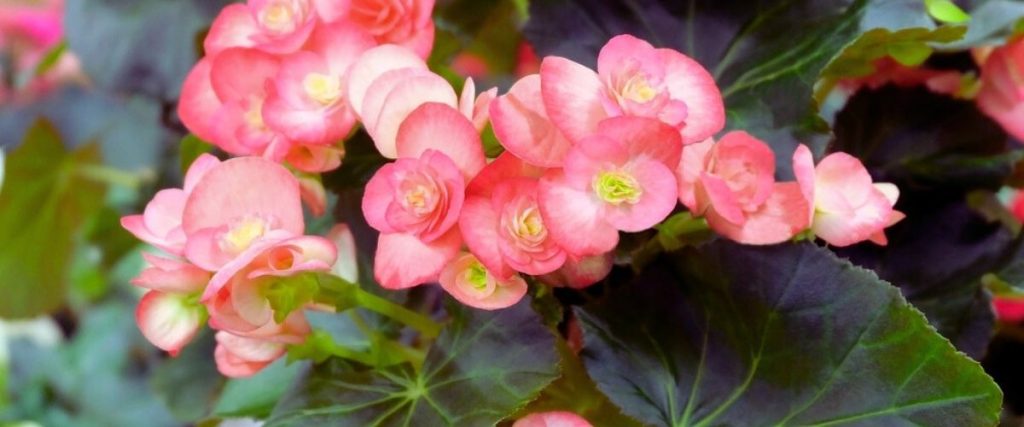
Begonia


Close-up of pink begonia flowers with ruffled petals, solving garden design problems by adding a burst of color against the backdrop of lush green leaves.

When you have a partially-shady spot that needs filling and want flowers for ages in the garden, Begonia is a great choice for you.

Here are some more wonderful things about Begonias:

  • They flower from late summer through autumn
  • Can be grown in dappled light or partial shade
  • A wide range of colours available including pink, white, orange, red and yellow
  • Are quite low maintenance as long as they have well-drained soil
  • Great for pots on balconies or patios

Kangaroo Paw


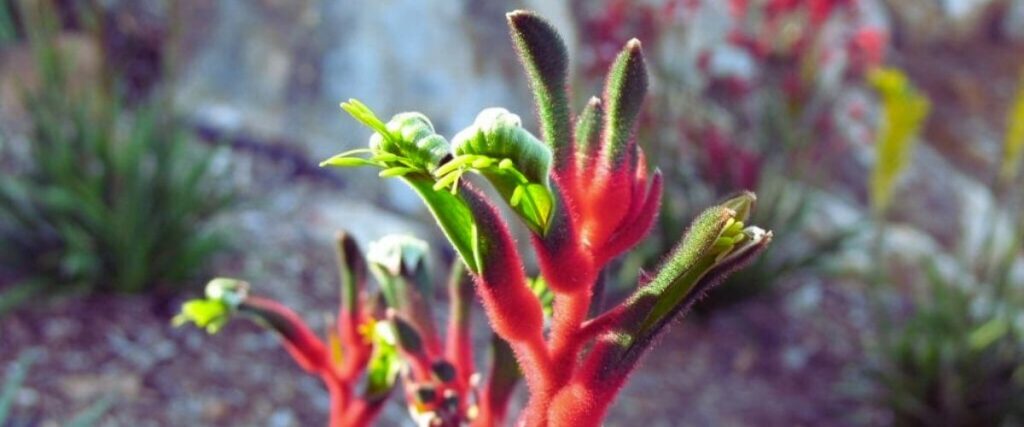
Close-up of a red and green Kangaroo Paw plant, gracefully contrasting against a blurred backdrop of greenery and rocks, showcasing nature's solution to garden design problems.

Kangaroo Paw is the perfect plant for when you have a Native garden but still want stunning autumn flowers.

Even if you don’t have a native garden, here are some reasons to plant Kangaroo Paws:

  • Uniquely shaped fuzzy flowers
  • Vibrant colours to choose from in red, yellow, black and pink
  • Thrives in full sun and sandy, well-draining soil
  • Attracts birds
  • Hardy, vigorous and low maintenance
  • Great for cut flowers
  • Great mass planted – can even alternate different colours for greater visual interest

Marigold


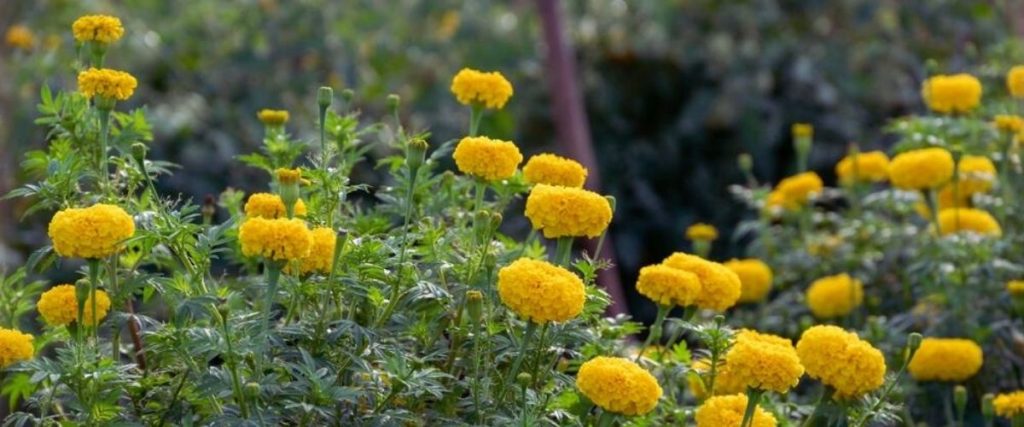
Yellow marigold flowers with green leaves brighten up the garden, overcoming common garden design problems to create a harmonious setting.

Marigolds are such a cute addition to any garden but are particularly great for those wanting to add some warmth through vibrant yellow colour.

Here’s a bit more about Marigolds:

  • Great border plants
  • Low maintenance
  • Repels pests
  • Grows in full sun to part shade with well-draining soil

In Closing

There you have it! The top 10 best plants for autumn flowering in Australia. We believe autumn is a time of great colour in the garden – it can even be more colourful than your spring or summer garden!

We hope this blog has inspired you to think outside the box when creating your dream autumn garden.

Feeling inspired to create your own garden, but want some expert advice? Try our one-on-one garden design service with Chris. Together you’ll come up with a selection of plants along with a layout plan that gives you the look you want, as well as being suitable for your local soil and conditions.

get your own tailored modern garden design:


FIND OUT HOW

Articles you may also like

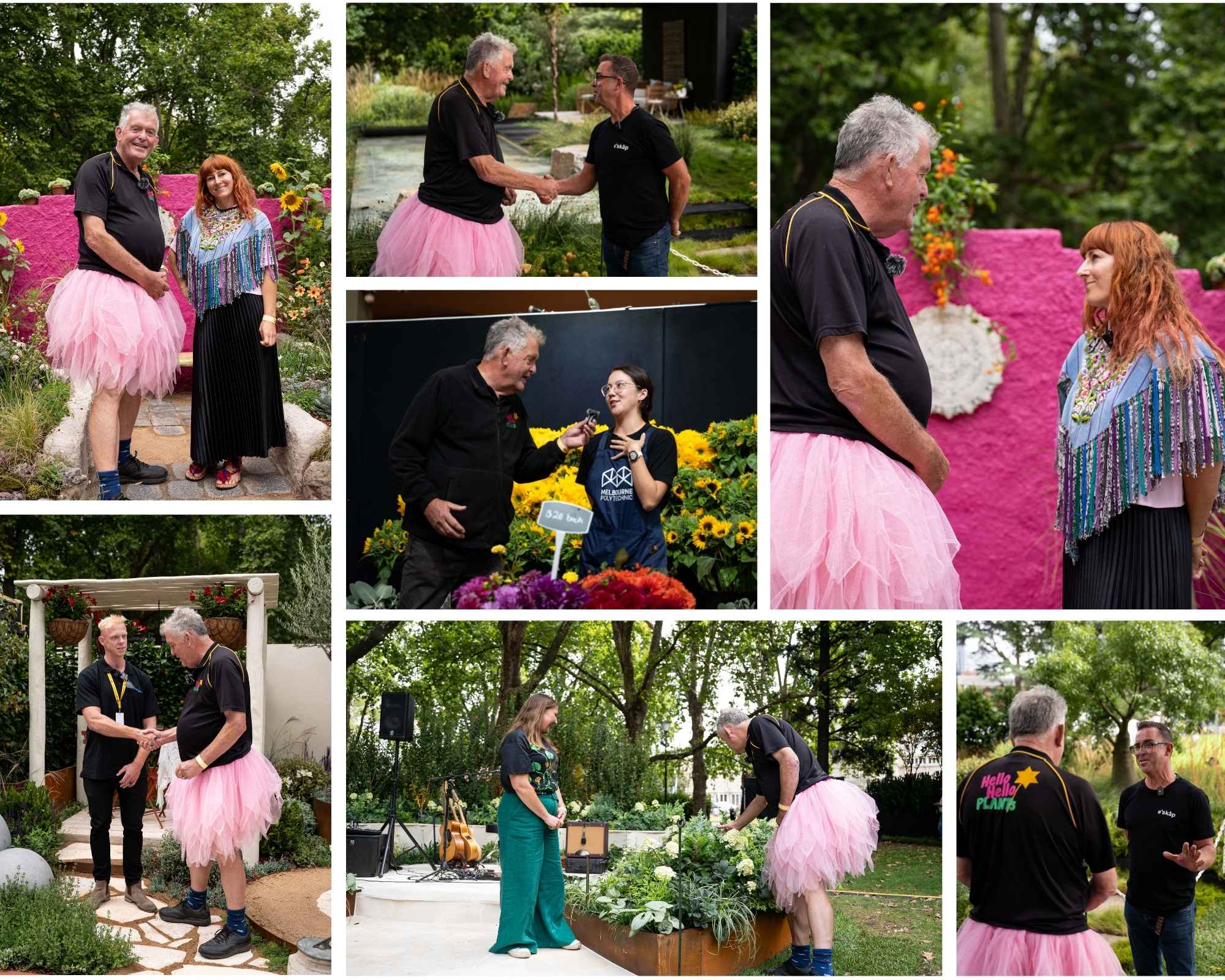
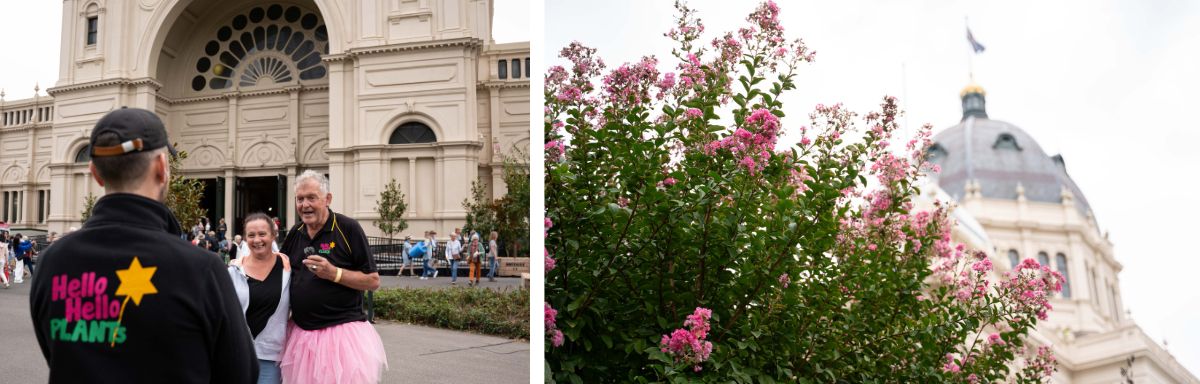
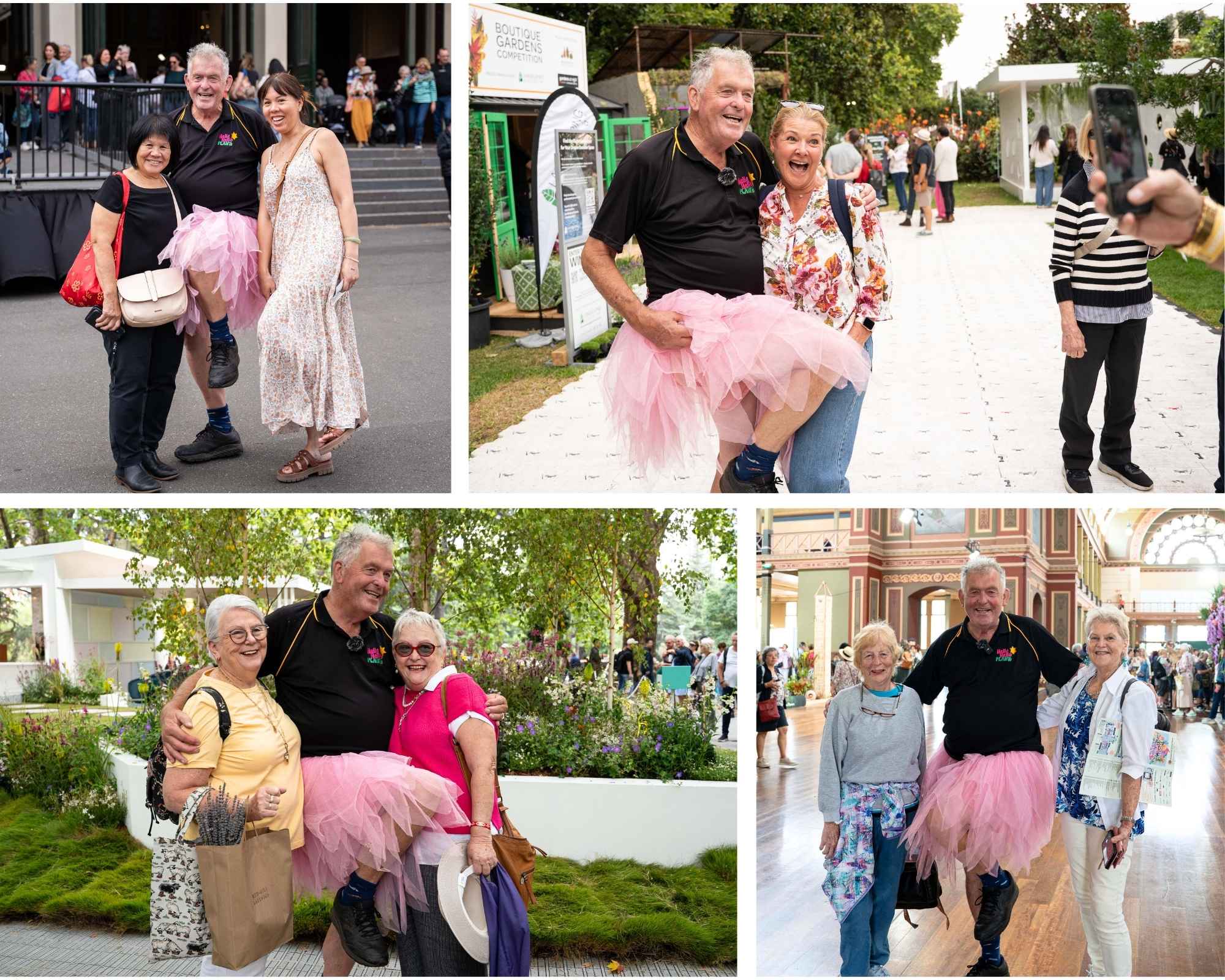
Two people stand in a colorful garden, showcasing the many benefits of gardening. The person on the left wears a pink tutu, while their companion sports a colorful top amidst vibrant foliage and blooming flowers.

The Melbourne International Flower and Garden Show

In all his pink tutu glory, Chris took to the streets of Carlton Gardens where the Melbourne International Flower and Garden Show was taking place.

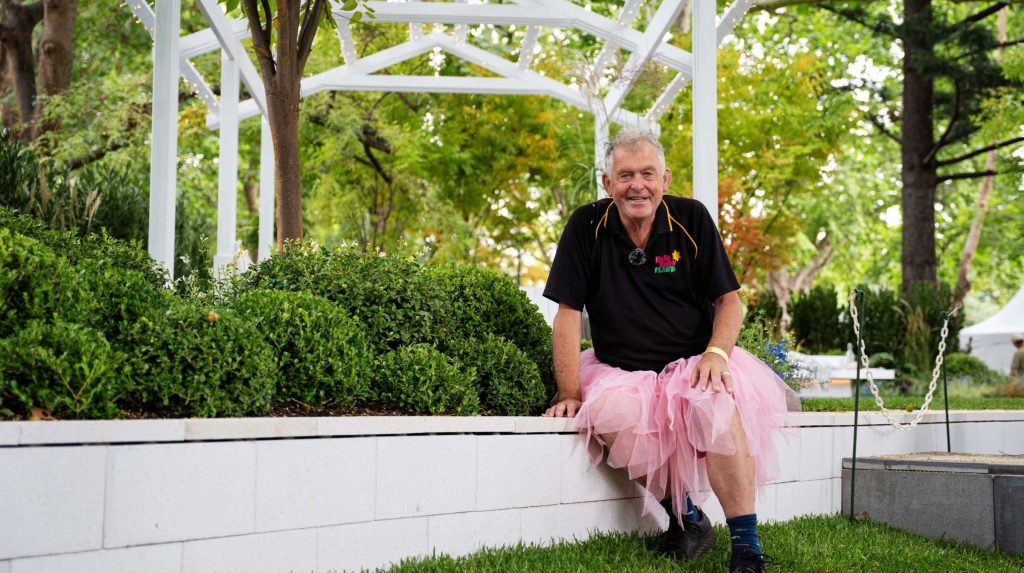
An older man enjoys the many benefits of gardening as he sits on a white ledge, wearing a black shirt and pink tutu. Behind him, trees sway gently near a charming white gazebo, offering a peaceful retreat in nature's embrace.

We interviewed the Garden Designers, took photos with many people, made educational videos about some of the plants, and so much more! Follow us on our socials and stay tuned for all the incredible content we’ll have coming out in the next few weeks.

People in colorful outfits, including pink tutus, interact outdoors, embracing the many benefits of gardening. They shake hands, pose, and talk near plants and a bright wall.

We wanted to take some time to express our love and appreciation for Melbourne’s horticulture industry and all the hard working people within it. We were truly so impressed by the breadth of talent and horticulture knowledge at the show (although not surprised at all).

We’ve always said that Victoria has the best horticulture industry in Australia, and its become even more apparent with the innovative garden displays at the show.

People stand near an ornate building, one wearing a tutu, surrounded by the many benefits of gardening as pink flowers bloom in the foreground.

Did you know the International Melbourne Flower and Garden Show is the Southern Hemisphere’s largest floral and garden event? We went on one of the supposed ‘quietest’ days of the week, but the place was still teeming with people.

If you weren’t able to make it to the show, let us guide you through some of our favourite displays.

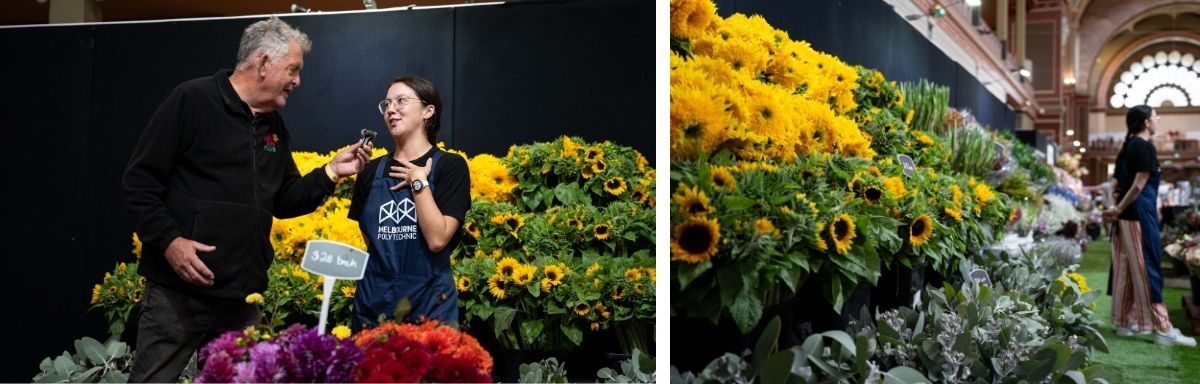
Two people engage in conversation near a vibrant display of sunflowers and other flowers, highlighting the many benefits of gardening. A sign reads "50% Sale," while another person strolls in the background past more floral arrangements.

We started off inside with the great variety of flower bouquets for sale and chatted to Eliza about how well thought out the displays were. It’s such a great idea to have something you can take back to remember the show by, or a delightful gift you can give to a loved one.

We admired the wonderful displays inside, in particular the Growth sculpture created by Sarah Coffey using completely repurposed items from last year’s show caught our attention. It’s so important that we are taking care of our planet and being thoughtful with our purchases.

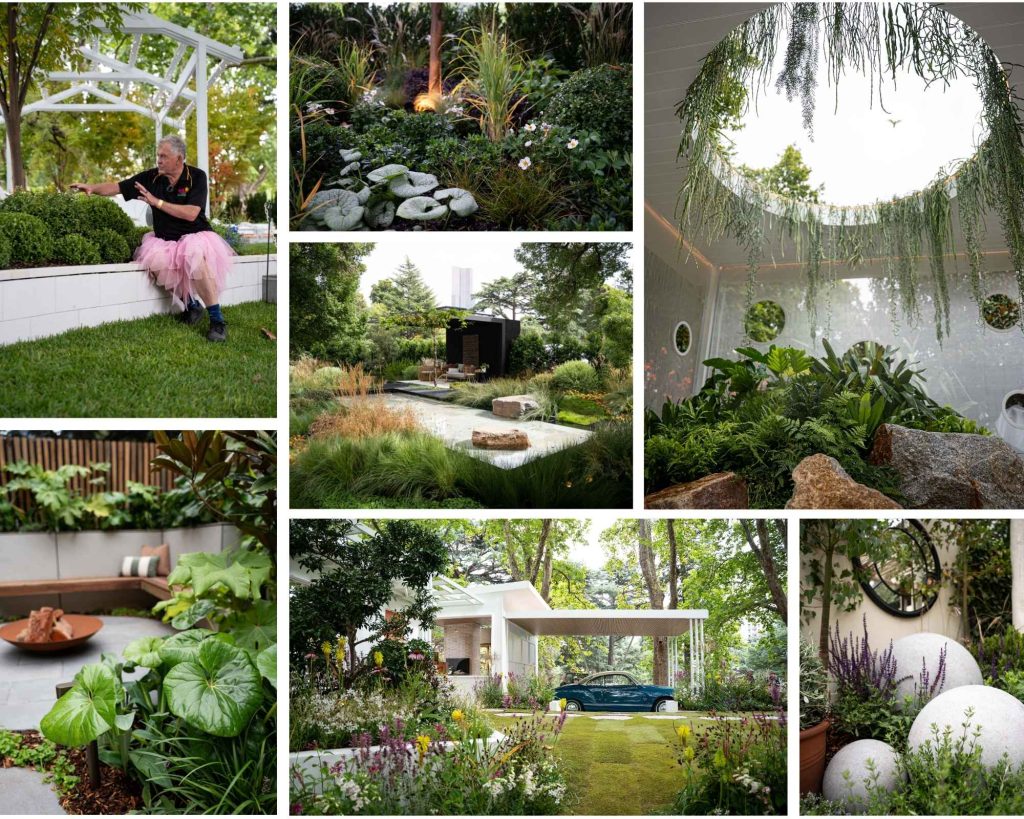
A collage of lush garden scenes reveals the many benefits of gardening with vibrant greenery, flowers, and a serene pond. A man in a tutu adds whimsy amidst modern architecture, complemented by a room with hanging plants and a carport tucked among trees.

After that we moved outdoors where we fell in love with every garden display, and the themes they were conveying.

Nostalgia called back to a time of colourful cottage gardens brimming with flowers, bees and butterflies. Designed by Paul Pritchard we were reminded of the joy that can be found in taking the time to really care for your garden, and that there’s no such thing as too much colour.

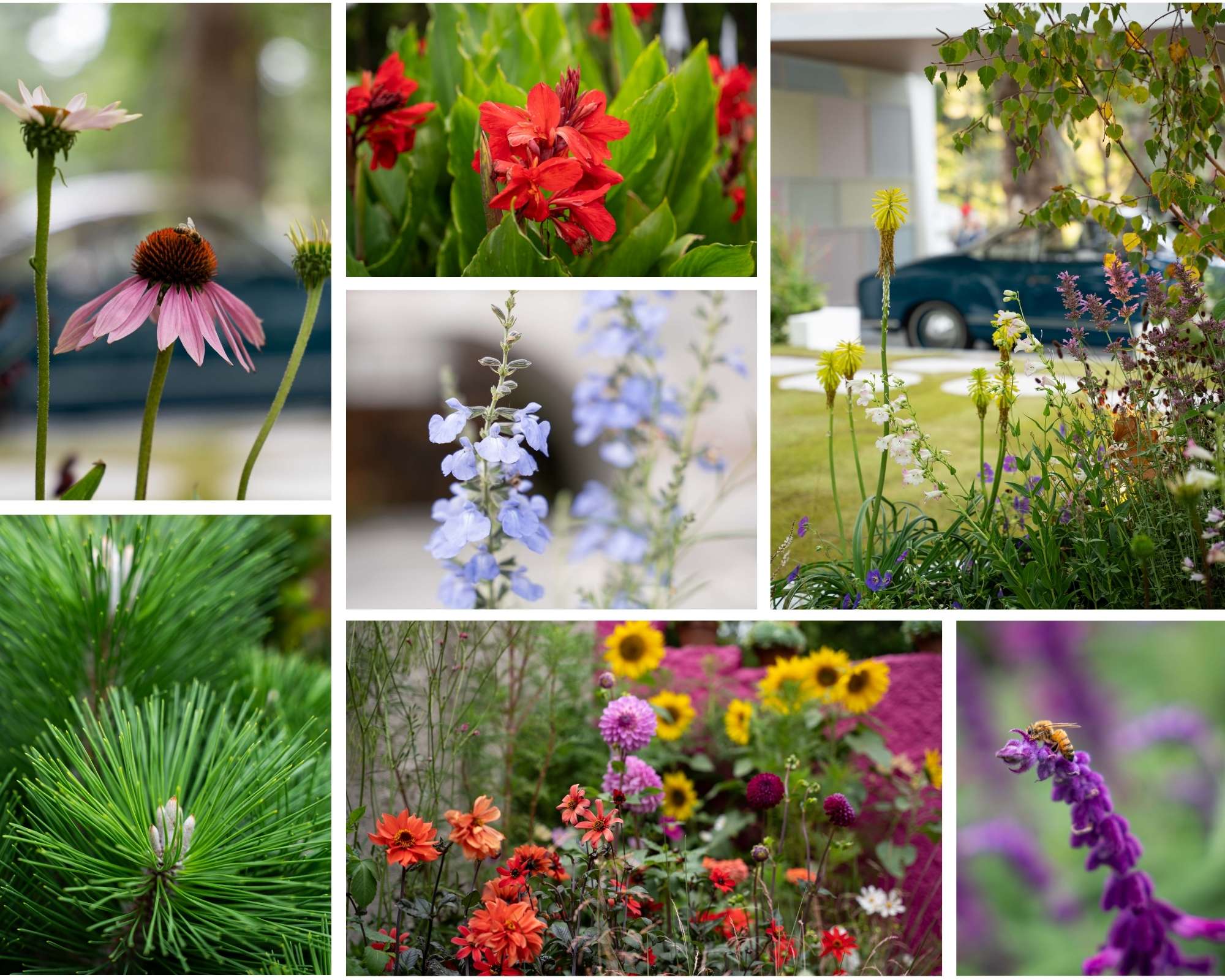
Collage of various flowers and plants, including pink and red blossoms, blue and purple blooms, greenery showcasing the many benefits of gardening, with a distant blue car in the background.

Doable, designed by Jason Hodges, examined our need for instant gardens and encouraged the cheaper route of buying small plants that grow and evolve with your family. A truly beautiful sentiment that more people need to hear.

The green and white garden, Spires and Sounds, circled one of the musicians stages, creating a multi-sensory experience of beautiful visuals and beautiful sounds. It actually made us discover a plant we had never seen before! Designed by Ellen Freeman we loved the way different textures and shades of green were used to create interest and beauty.

Amidst the lively outdoor event, a man in a pink tutu grins as he poses with various women. He lifts his tutu playfully, surrounded by attendees enjoying the day much like they would enjoy the many benefits of gardening—full of joy and community spirit.

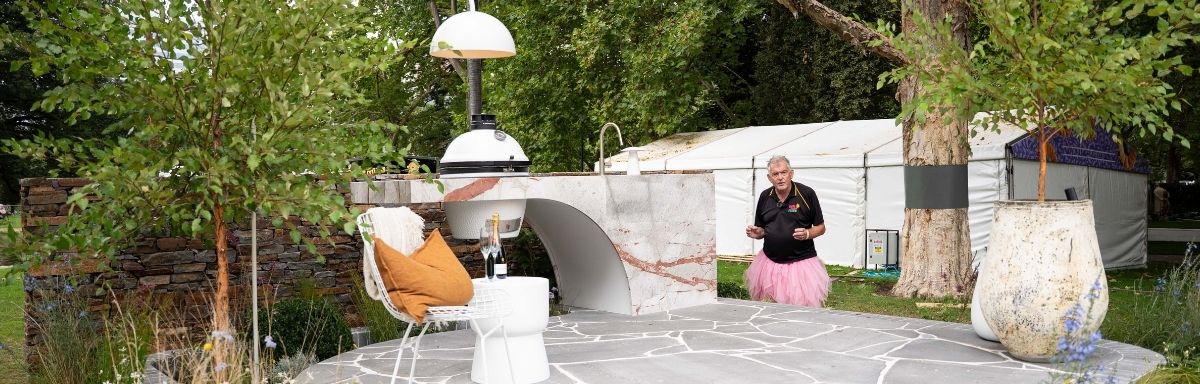
Timeless Outdoors oozed elegance and class, but the plants themselves are actually not that expensive at all! Now we won’t speak for the paving and appliances, but the actual garden itself could be recreated for quite cheap! Designed by Aaron Leslie & Kelsey Johns, we definitely found ourself imagining a summer’s night spent sipping some wine here.

An outdoor stone patio features a pizza oven, table, and chair. A person stands nearby in casual attire with a pink tutu. Amidst the trees and a large tent, this setting perfectly complements the many benefits of gardening that surround it.

An older man in a black shirt and pink tutu joyfully tends to a raised garden bed in a lush outdoor setting, embracing the many benefits of gardening.The Straightcurve Breaking Free display designed by Bayley LuuTomes Design and Bespoke Landscapes made us even more excited for autumn then we already were (which we didn’t think was possible). Already some of the trees were transforming into their fiery autumn hues, creating quite a spectacle that is only going to keep getting better as the weeks go on.

Then we stumbled upon a line of mini-garden stalls that drove home how space doesn’t stop you from having a beautiful garden.

We started with Jake McCorkell’s low maintenance garden, titled Evergreen Escape, that was filled with lush greenery of all shapes and sizes. A really great takeaway from this was layering. One reason why this garden was so beautiful and could fit so many plants was the way they used vertical space. Starting at the bottom with Native Violet, then Tractor Seat, then Bamboo and Magnolias to top it off, there was even a planter box on top of the seats to fit more greenery in the small space.

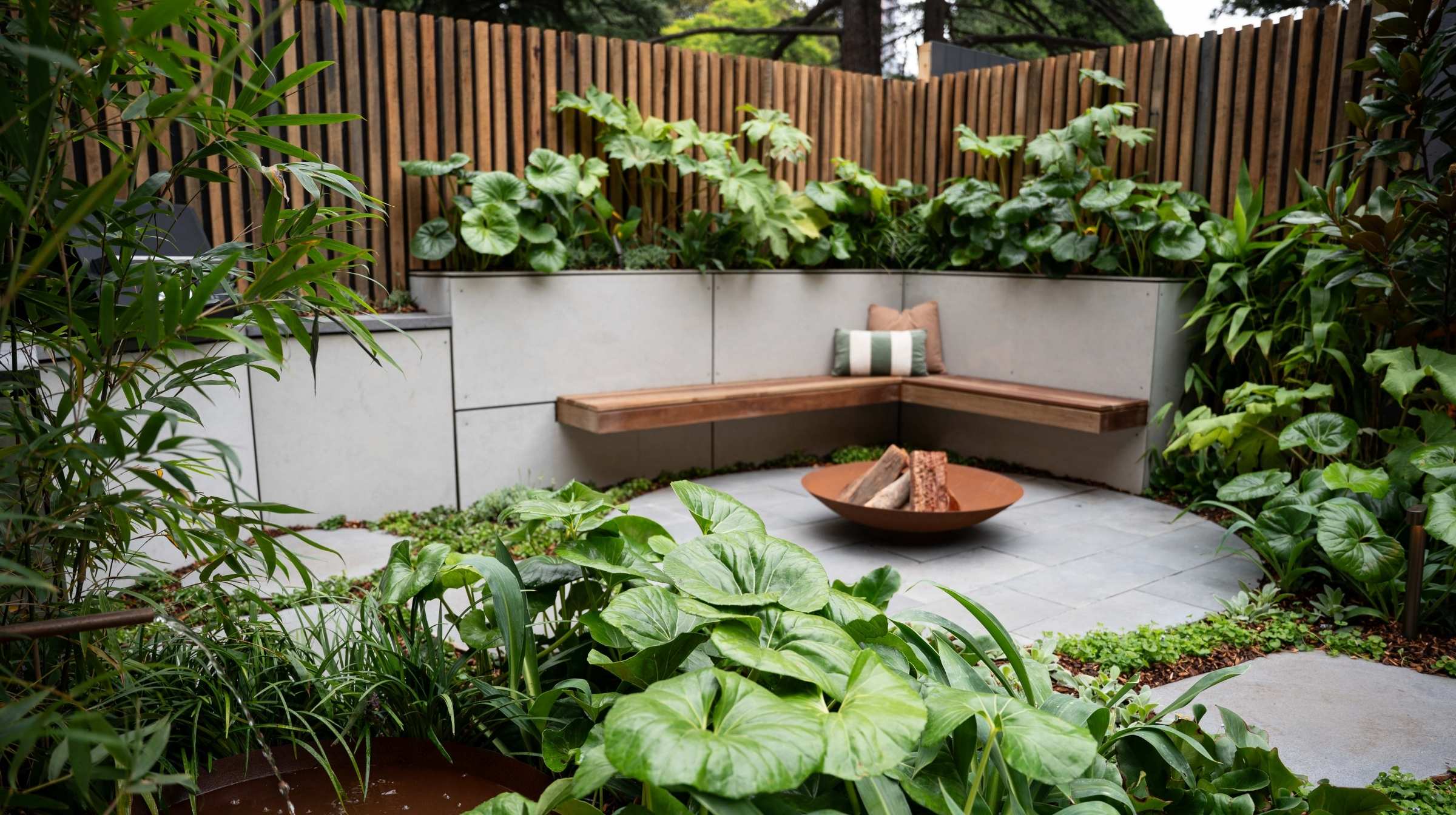
An outdoor garden corner with a wooden bench, enveloped by lush greenery, highlights the many benefits of gardening. A central fire pit warms the circular stone patio, while a vertical wood slat fence completes the backdrop.

Next, we spoke to Adam Clements with his gorgeous Mediterranean inspired garden (he told us he carefully selected the word inspired so that he could also fit in some natives without getting in trouble). Appropriately titled Mediterranean Musings, this is a garden that makes us feel like we’re on an exotic getaway. We really like how this garden showed that you can create a luxurious escape in your own garden.

An elderly man in a pink tutu stands by a flowering bush, showcasing the many benefits of gardening, with a historic building gracefully framing the scene.An explosion of colour greeted us in the next stall with the Mi Casa Es Tu Casa garden designed by Mia Zielinski. It was created out of her travels in Mexico and love for their culture. There was so much to admire in that small space but it didn’t feel cluttered at all, which goes to show how you can still have a colourful garden even if you are very limited by space.

Our final stop was appropriately the show’s winning garden designed by Rob from Distinctive Gardens, and wow, what a well deserved win it was.

We adored every detail that came together to create a lush, luxurious garden that made you feel like you were on a high class getaway. We really think more people need to put the effort into making their gardens serene sanctuaries that they can use to relax and rejuvenate in.

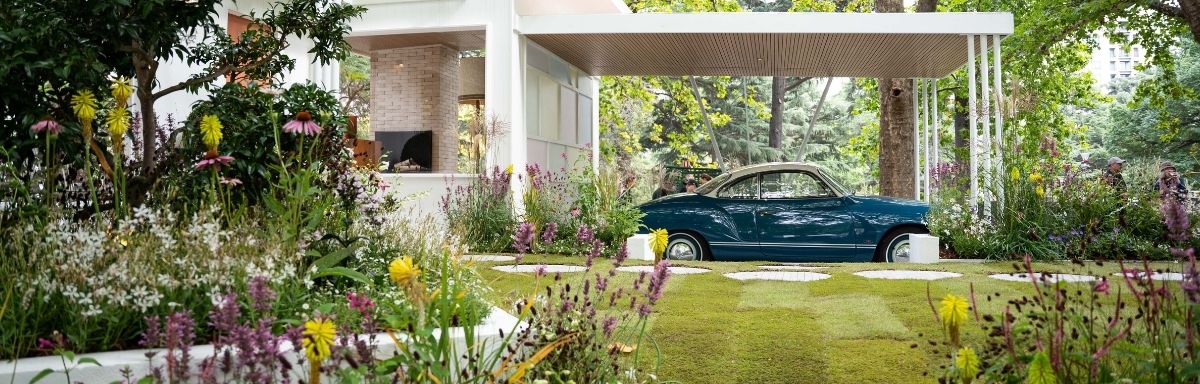
A blue vintage car is parked under a modern white canopy, surrounded by a lush garden that highlights the many benefits of gardening with its colorful flowers and vibrant greenery.

We hope you enjoyed this mini tour through the Melbourne International Flower and Garden Show, whether it was a recap on your own experiences or a peek at something you would otherwise not have had the chance to see. Be sure to follow us on our socials to see all the wonderful videos that come out from this day.

If you see any of these gardens and you’re like WOW I NEED THAT RIGHT NOW, we don’t blame you. It can be difficult knowing where to get started or how to replicate it, which is why we offer a Free Garden Design service. Book yours here.

Feeling inspired to create your own garden, but want some expert advice? Try our one-on-one garden design service with Chris. Together you’ll come up with a selection of plants along with a layout plan that gives you the look you want, as well as being suitable for your local soil and conditions.

get your own tailored modern garden design:


FIND OUT HOW

Articles you may also like
In a colorful garden, a child in a straw hat and blue shorts discovers the many benefits of gardening while watering plants with a silver can.

Having Your Garden Flourish in the Summer

Almost every Melbourne garden is spring orientated. In these months the gardens come alive with gorgeous flowers and colours of all kinds. But it’s not spring anymore.

Summer has come and the excitement of Melbourne gardens has disappeared. Your Weeping Cherries are done. The newness of foliage on Japanese Maples has waned. All the blossoms on your Plums, Apricots, Almonds, Apples, you name it, are long gone with the wind. What’s left is dullness and dryness.

Jump straight to the sections we’ll be talking about today:

Take Stock of the Situation
Watering Your Plants
Saving the Pot Plants
Fertilising Your Plants
Reviving Your Roses
Mistakes You Should Avoid

Or perhaps they have prioritised autumn colour, with plants that will light up with fiery colours but for now are just a plain green. We are here to turn that around. Now you don’t have to be in Melbourne to make use of these tips.

We’re going to chat about how you can make your garden flourish in the summer – both in terms of colour and in the health of your plants.

Take Stock of the Situation

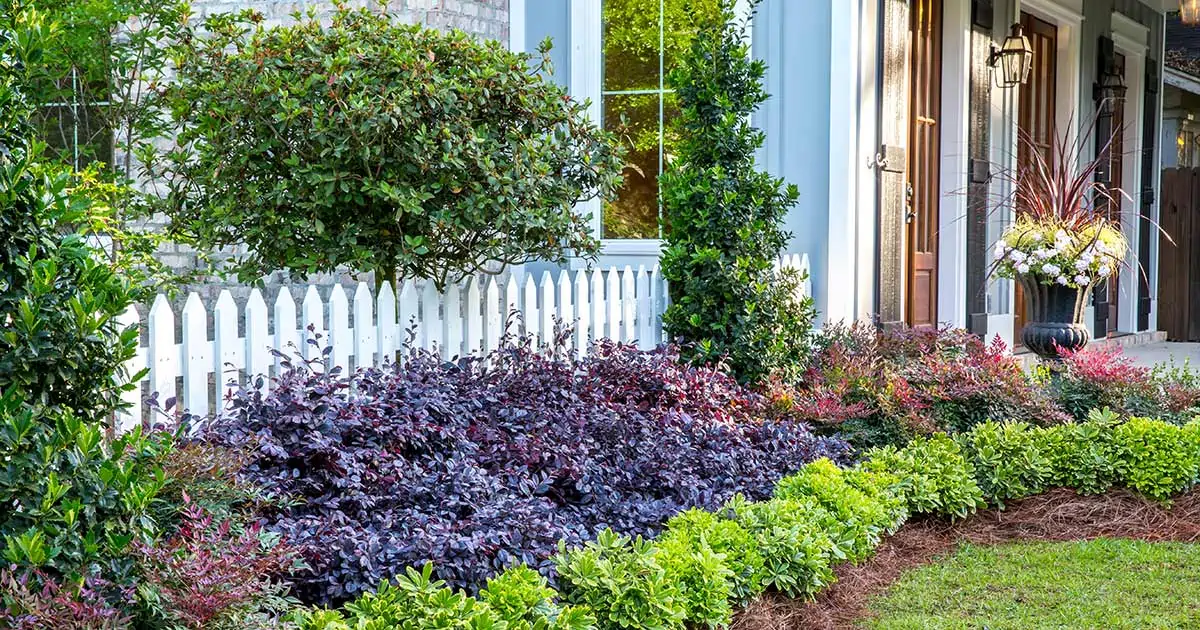
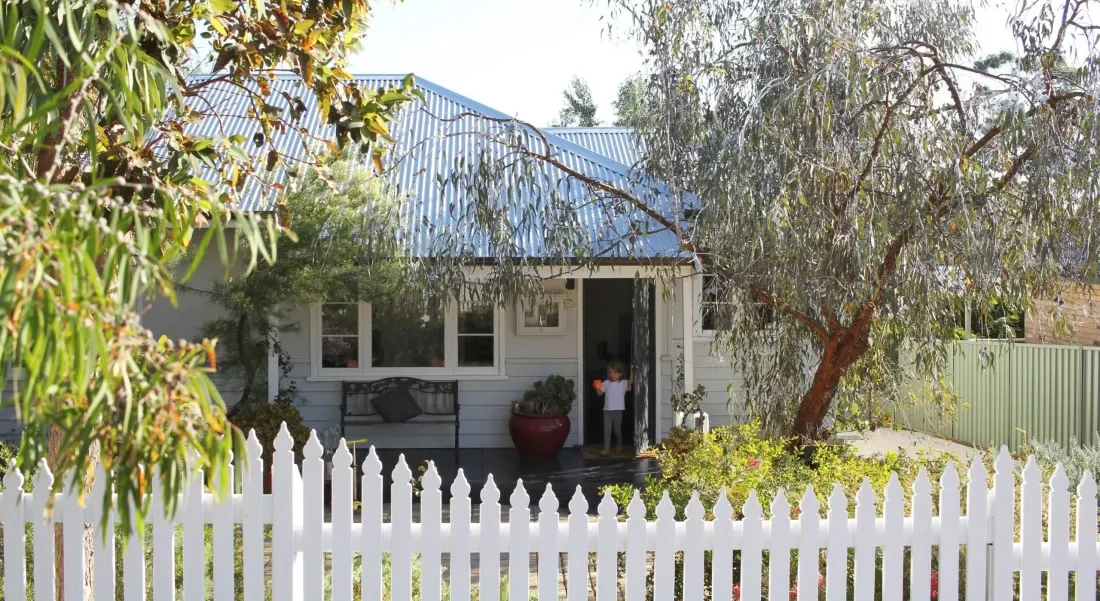
Front yard of a house with a white picket fence and a variety of plants including purple and green bushes in a well-maintained garden bed. A tree is visible beside a window, offering inspiration for cultivating top indoor plants. Loropetalum

The first step to recovery is acceptance. Okay jokes, but the first step is to take stock of what your garden looks like currently.

Approach it like you were someone coming over for the first time, become critical with what you are seeing.

Are some of your plants looking dry and fried? If so, you can skip ahead to this part where we chat about how to fix that.

Close-up of a flourishing Loropetalum plant with red flowers and dark leaves, covered in glistening water droplets, against a blurred green garden background.The next thing to look for is colour – can you find any? If not, here are some quick hot tips on how to fix that.

Choose plants with beautiful foliage. This is actually just a great tip for getting year round colour in the garden. These are your plants like Loropetalums (which comes in different shades), Iresine ‘Bloodleaf’, Ajuga ‘Burgundy Glow’, or Abelia ‘Kaleidoscope’.

Choose trees that flower in the summer such as Crepe Myrtles and Jacarandas. The fantastic thing about Crepe Myrtles is how many different colours you can get the flowers in – and even the foliage! Yep, you can choose between the classic green foliage or a dark purple. We’ve raved all about Crepe Myrtles in this article here.

A cluster of pink and white flowers with green leaves flourishes in the garden, showcasing a vibrant summer setting.The most obvious is to pick plants that flower in the summer – which is quite an extensive list.

Also so many of these plants are very cheap and easy to grow. These are your Geraniums, Impatiens, Mandevillas, Salvias, the list goes on. We’ve got an entire article dedicated on how to fill your summer garden with colour, check it out here.

Any of these plants will bring your garden to life in the summer.

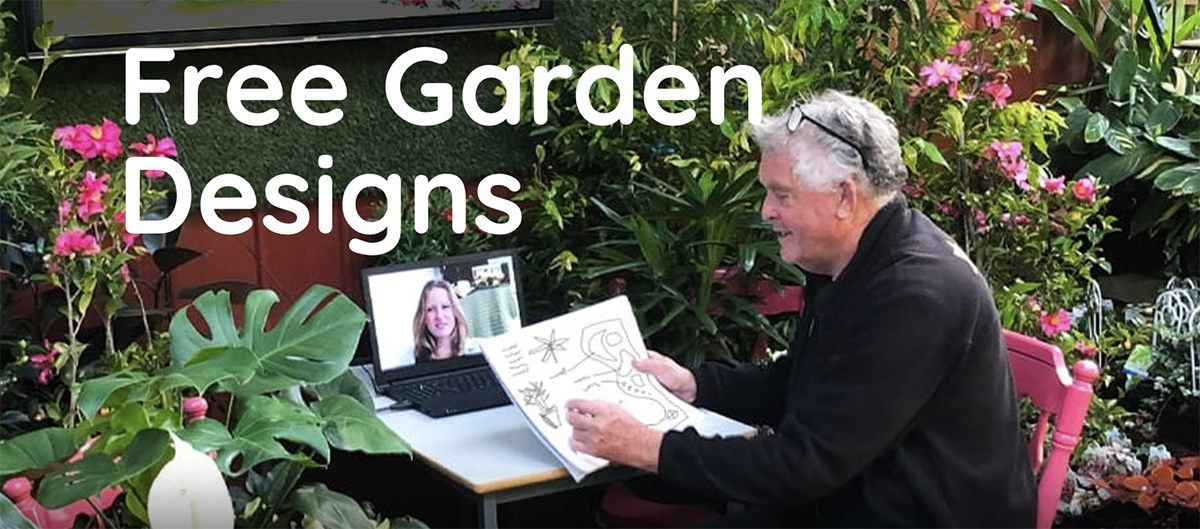
The following step is to get an expert’s help, it will barely cost you anything at all. Our Garden Designs with Chris are free when you purchase your plants with us. Essentially, they’re free. You have the choice between a quick consult or a more in depth discussion. In both of these Chris will take into account your location, wants, climate, garden/house style and suitability of plants. This is a dynamic design where you get to contribute to the final look. Book your Free Garden Design here.


Free Garden Design

A bonus handy tip is to come into the nursery and just see what is literally flowering right now. Browse the aisle and take note of what is looking beautiful at this moment. You are more than welcome to ask any of our staff how much longer certain plants will flower for so you can know how much longer they will look beautiful in your garden for.

You can have it all – a garden that looks beautiful in every season. It’s just a matter of having the knack and knowledge to achieve that.

Watering Your Plants

watering garden with hoseThe heat has taken quite a toll on both of us humans and plants. Now most plants actually adore the heat, granted that they are watered properly. We do have a comprehensive article on how to water your garden properly, which you can find here.

But we know people are time poor, so we’ll recap the most important points here quickly.

Everyone in Melbourne right now should be watering their garden and feeding their plants with fertiliser.

A garden sprinkler watering a green lawn under bright sunlight, with trees and bushes in the background.What you want to do is get a Soaker Hose, unroll it and start slowly watering your plants. Drag it around your garden letting it water everything. What you want is slow water getting in deep.

A nifty trick for making your garden flourish is watering during the summer rain. Yes, we did say to water while it’s raining. But hear us out. Trees and most plants draw water from deep down in the soil and in the summer that soil tends to dry from deep down.

So regular watering just doesn’t get to that deep part of the soil. But when it’s raining and you start watering your plants, that water is going to get in nice and deep.

Person in boots adding gravel to a trench in soil with a trowel, next to green plants.

If your garden is particularly dry, then it’s a good idea to add some soil wetter before the rain comes and combine that with the watering and raining technique. Keep an eye on the forecast and when you see a rainy day come up give your garden some soil wetter, it can be even just 20 minutes before the rain hits. Your plants will LOVE you.

Or even if rain isn’t coming but your garden is looking very dried out, you can still use soil wetter to help get the water in efficiently and effectively.

Saving the Pot Plants

Watering potted flowers with a watering can in a garden, with pink and purple blooms visible.A lot of pot plants are looking dry and fried around this time so if you are able to it’s a good idea to move them out of the hot sun into a spot that gets morning sunlight and afternoon shade.

To stop them from drying throughout the day put the pot in a shallow saucer filled with water.

A handy tip to revive a dry plant is the double soak method. How it works is you water your plant like normal, then go have a mug of tea or dinner (basically wait about 30 minutes) and then water it again. This helps the water get in nice and deep.

Fertilising Your Plants

A person wearing gloves uses a blue trowel to apply granular fertilizer to plants in a garden.Surviving through summer takes a lot of energy out of plants, lots of things are happening like flowering, fruiting, and of course, the intense heat. If plants are looking a bit tired right now is a great time to be out fertilising.

Slow release fertiliser such as Osmocote is great for getting a good volume of nutrients into your plants. If your plants are looking really yellow and hungry then you should use that with a liquid fertiliser.

Person wearing a straw hat and gloves, spreading soil from a bag labeled "Baileys Soil Improver Plus" in a garden.The trick with liquid fertiliser is to apply it in the early morning or late evening when the evaporation rate is low. Spray it over the whole plant including the leaves, bark and root.

What’s great about liquid fertiliser is that it is in the plant doing its magic within seconds. Whereas slow release fertiliser can take weeks to get to the whole part of the plant.

Liquid fertiliser is the short term answer and slow release fertiliser is the long term answer. Liquid fertiliser can be used on a weekly basis in summer.

Reviving Your Roses

A person wearing a green jacket is pruning a dried rose with garden shears among healthy rose plants.With the hot days we’ve had, a lot of roses are looking fried. Here is how you un-fry them.

Give your roses a good trim and feed with liquid fertiliser. A good trim entails removing dead flowers, dried branches and foliage, to get back to some nice buds and foliage.

Doing this will mean that in early March you will get a rebirth of beautiful flowers that will last all the way until May.

Mistakes You Should Avoid

Person wearing gloves, tending to green leafy plants in a garden with soil and mulch.One thing you can do wrong during this time is trimming back your hedges or topiaries really hard before upcoming hot days. This is because the leaves can actually get sunburnt. Instead do quite a light trim and be mindful of the weather forecast. Save your hard pruning for late February.

Another mistake people make is thinking that perennials like Catmint, Salvias and Gauras, have done their dash of flowering for the year. But they haven’t.

What you need to do is give them a good prune and feed and you’ll find that they will come back for a whole other flowering season. How exciting!

In Closing

So there’s how to freshen up your garden for summer. If you’d like even more tips on garden design, check out our article How to Get Your Garden Ready For All Your Summer Events.

Feeling inspired to create your own garden, but want some expert advice? Try our one-on-one garden design service with Chris. Together you’ll come up with a selection of plants along with a layout plan that gives you the look you want, as well as being suitable for your local soil and conditions.

get your own tailored modern garden design:


FIND OUT HOW

Articles you may also like
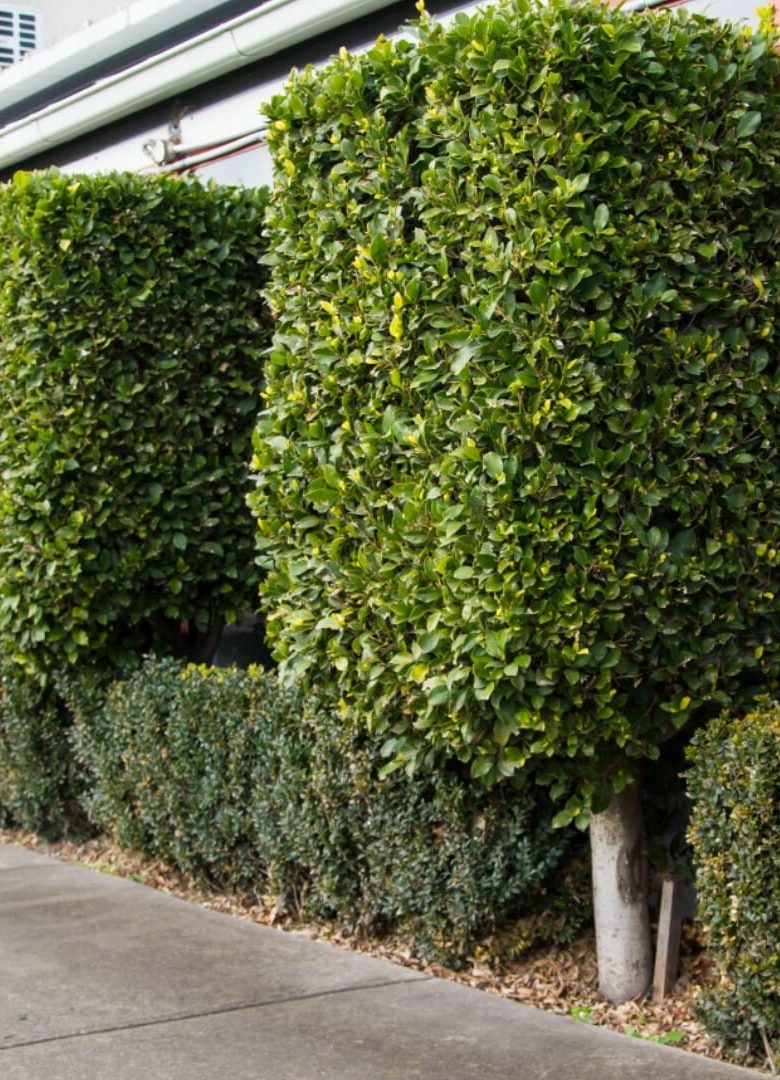
Lagerstroemia 'Pink' Crepe Myrtle 8" Pot (Eco Grade) features bright pink blooms and green foliage, beautifully set against a blue sky backdrop.

Fall in Love with the Beauty of Crepe Myrtles

Welcome to the best tree of all. Well, one of the best trees. The glorious Crepe Myrtle.

Now we’re going to get into exactly why they’re one of the best trees but first, you can skip straight to each type of Crepe Myrtle here:

Pink Flower
Purple Flower
Red Flower
White Flower
Multi-Stemmed Dwarf

Red-leaved plants in black pots are arranged closely together outdoors on a sunny day.BUT FIRST we want to tell you about the incredible show of Crepe Myrtles we are putting on at Hello Hello.

What we mean by show is creating a display of incredible quality Crepe Myrtles of every size and colour. We love keeping a large stock so that you can get exactly the tree you were after, whether that’s saving money and going small or creating instant impact with a more established tree.

Okay let’s get into why you should get a Crepe Myrtle.

All the Styles

Collage of six crepe myrtle flowers in pink, white, light pink, purple, red, and lavender.What’s great about having so many different shades to pick from is that it doesn’t really matter what type of garden you have – a Crepe Myrtle will suit it.

Let’s say you have a classic, Hamptons, traditional or green and white garden. Then a white Crepe Myrtle will look fantastic in such a garden!

If you have a cottage, modern and Japanese garden you’re spoilt choice between the different colours. With a modern and Japanese garden take a look at what other plants you have and see what shades would suit them best.

Pink Flower


Click through for all of our PINK CREPE MYRTLES available at Hello Hello

Purple Flower


Click through for all of our PURPLE CREPE MYRTLES available at Hello Hello

Red Flower


Click through for all of our RED CREPE MYRTLES available at Hello Hello

White Flower


Click through for all of our WHITE CREPE MYRTLES available at Hello Hello

Multi-Stemmed Dwarf


Click through for all of our MULTI-STEMMED DWARF CREPE MYRTLES available at Hello Hello

Always Beautiful, Always Interesting

Off the bat, they are just very versatile trees that provide excitement and interest year round.

Right now in summer they have incredible vividly coloured blossoms. You have so much choice with what coloured flowers you want – whether it’s a classic white, soft pink, bright pink, deep red or a striking purple.

A Crepe Myrtle flowering tree in front of a house.

bright-purple-crepe

Once the blossoms fade you have a brief period of time with lush green foliage and that oriental Japanese Maple-type shape on full display. Then you move swiftly into a riot of fiery colours in autumn, you can’t take your eyes off such a beautiful show.

orange-crepe-myrtle

bright-orange-crepe

Now in winter they do lose their leaves, but this is actually not such a bad thing because then that stunning patterned bark is on full display.

See, most trees only have one of those things. Maybe two.

But with a Crepe Myrtle you are getting such a wonderous tree that always looks beautiful.

The Perfect Size

A vibrant tree with dense clusters of bright pink flowers against a clear blue sky.Most people can’t have big trees in their garden, which is not a problem because Crepe Myrtles come in such a variety of sizes. You get to choose what works best for you!

If you have space for a bigger tree, go for a Natchez, Biloxi, Sioux or Tuscarora. They grow to about 6-8 metres tall.
If you’d like a medium sized tree, choose Tonto, Zuni or Lipan. They grow to about 4 to 6 metres tall.

Or if you want it real small you can now get a dwarf Crepe Myrtle called Enduring Summer Red that only grow 1.5 metres wide and tall.

You can even grow Enduring Summer Red in a pot if you have a courtyard garden or a spot on the patio you want some colour.

Anybody Could Grow Them

A small tree with vibrant pink blossoms and lush green leaves stands on a grassy area, with a clear blue sky in the background.Because they are such hardy trees, you’ll find them so easy to take care of. They will grow in almost any soil and can take both the heat and the frost.

They can adjust to a wide variety of climates but love hot and dry climates best. Once established they are drought tolerant, and there are some varieties that are even mildew resistant.

So you won’t need to fuss or worry over this tree at all.

How to Take Care of Them

Pink flowers bloom on a tree branch against a clear blue sky and green hills in the background.Okay, so we’ve convinced you to get a Crepe Myrtle, here’s how to make sure they thrive.

Something that is good to know about Crepe Myrtles is they love the hot sunny summers. The more heat and sun, the more flowers you get. They also love a bit of fertiliser.

As they get older, they will get bigger and bushier, which can lead to the flowers getting a bit smaller, so it’s important you are pruning them.

Because they flower on their new wood, you can prune them really hard and have a beautiful show of flowers in the summer. Just make sure you are giving them plenty of water and fertiliser.

Want a Bit of Extra Excitement?

Bright pink crape myrtle flowers with ruffled petals and yellow centers are surrounded by dark buds and leaves.We had to take a moment to tell you about the particular variety of Crepe Myrtles called Diamonds in the Dark, a very befitting name for this utterly exquisite type.

This is a Crepe Myrtle that has all the incredible benefits we’ve just discussed but with deep dark purple foliage instead of green. Just take a look at how fantastic those vividly coloured blooms look amongst the dark foliage.

You have the same range of flowers, whether you want white, purple, pink or red, you can have whatever you want.

Basically, there’s a great Myrtle for everybody.

Garden design tools and colorful flowers are artfully arranged around soil, framing the text "New Year, New Garden" at the center.

New Year, New Garden

New year new me. You’ve heard that a million times before. As people start to get on exercise bicycles and reattempt crash diets, we wanted to slow things down and talk about a hobby that will bring unlimited benefits to your life and your loved one’s lives.

Now of course we’re talking about gardening. But we’re talking about gardening for a good reason, or well, several good reasons.

So let’s break down why gardening is one of the best hobbies to pick up in the new year.

Jump straight to the sections we’ll be talking about today:

The Many Benefits of Gardening
The Key to Success
How to Get Into Gardening
Keeping Up With Your Hobby
When You Don’t Have a ‘Real’ Garden
2025 Here We Come

The Many Benefits of Gardening

Amidst flourishing green plants, a person meticulously tends to their vegetable garden, utilizing expert garden design practices along with essential gardening tools.

Gardening is one of those hobbies that positively impacts almost every aspect of your life, from mental health to physical health to even boosting your social interactions.

Gardening classifies as a moderate-intensity exercise, but it’s the type of workout you don’t really notice because you’re so focused on your plants. This exercise improves heart health, increases strength and dexterity, and lowers blood pressure.

A sunlit garden brimming with many benefits of gardening, featuring green lawns, various plants, and a small wooden shed on the right. The lush scene bursts with white flowers and dense foliage, offering serenity and joy to those who tend it.

But also the fact of it being an outside hobby means you are getting essential vitamin D and connecting to nature. Being immersed in nature is one of the most important things you can do in this urbanised world where we are spending more and more time cooped up indoors.

Think about how many times your mum told you to go get some fresh air, well now you’ll be getting fresh air on a regular basis.

When you garden you reduce stress and find peace in the small routine activities of planting something up or trimming your bushes. Even just go sit in your garden for a small time and you’ll notice how you start to relax and feel better.

Of course this is conditional on what you plant, but if you choose to get edible plants then you are also getting homegrown fresh veggies and fruits. There’s nothing more satisfying than eating food you’ve grown yourself – plus it’s better for you and your bank account.

Enjoy the many benefits of gardening in this serene outdoor patio, featuring green cushioned seating around a round table and a gas grill. A lush garden and lawn create the perfect backdrop under a clear sky.

A wooden deck with wicker furniture, cushions, potted plants, and greenery, surrounded by lush trees and bushes.Now once you’ve spent some time in the garden – you get to reap the benefits of just having a beautiful garden. This means having a wonderful space to sit in the sun and read a book or have friends over for a BBQ or play with your kids.

You get to control the level of effort you put into this hobby – whether you want to be a more casual gardener or a keen gardener it’s completely up to you.

The Key to Success

Wearing orange gloves, a person reaps the many benefits of gardening by planting white and pink flowers in a lush garden using a small spade.We want to chat to you about our philosophy when it comes to successfully starting this amazing hobby. The MOST important thing is…

Give yourself a win.

Choose something that is easy to grow and give yourself a win.

Small pine trees in terracotta pots with vibrant green foliage offer the many benefits of gardening, nestled among yellow-tinted plants.The reason why so many people lose their spark in gardening is because they get over-excited and choose complicated plants that are tricky to grow and then die on them. There’s nothing worse than buying plants that just keep dying on you, it would make anyone give up!

We understand how you can get caught up in all these different things you want to grow and all the beautiful plants you want in your garden, but it’s so important to start slow.

Choose something really simple and easy that is going to grow beautifully, and you’ll kick start your confidence. Also make sure you choose plants that are well suited to your spot and soil, if you’re not sure visit your local nurseryman.

Or you can just choose very hardy plants that can withstand almost anything.

How to Get Into Gardening

A garden scene with various plants and trees, featuring a wooden deck with seating and a fire pit surrounded by greenery, offers a serene escape. This tranquil setting is ideal for relaxing with friends while discussing tips on how to water indoor plants.So now that we’ve convinced you to start gardening as a hobby, here’s how to do it.

Stop thinking about it and just dive right in. Just make sure to do it in the right sequence of events.

First, plan out your garden design or go get one done. We offer a Free Garden Design, it is a small deposit but you get that money back when you purchase your plants with us.

Our Garden Design is done by Chris, founder of Hello Hello and an expert gardener. He has decades of designs under his belt and an acute knowledge of plants.

Having a plan gives you a framework to operate off of, so you’re not just willy nilly popping in plants and ending with a disaster of a garden.

The second step is to clear out the space, you want to start with a blank canvas. Maybe it’s a new property you just bought, and the garden hasn’t been maintained well, or you’re looking at the garden you have and wanting to spruce it up.

A garden scene with a wheelbarrow full of green leaves, a shovel and rake leaning against it, surrounded by lush plants and colorful flowers.

Before you add, you need to eliminate. Clear out any rubbish and get to weeding. Weeding can feel like a MASSIVE job so we’re going to break it down into the easiest way to go about it. Start by spraying any perennial weeds with roundup. Leave it for a couple of days then finish clearing it by mowing it.

A person wearing brown boots uses a green shovel to dig soil in a garden.This next step will be the longest, but you can break it up into small chunks and work at it systematically. What you want to do is get a shovel and dig turn smash. What that means is dig your shovel into the dirt, turn the dirt over and smash the dirt up with the shovel.

Don’t do your garden all at once because your back will HURT. Instead, spend around 15 minutes after work everyday and work in sections through it.

Once you’re done, add some new good quality soil and start the whole process again. Dig turn smash. Dig turn smash. Trust us, it’s worth it. Also, you’ll find the second time is much easier.

Then get a steel rake and smash it up some more and smooth the dirt down with it.

NOW you’re ready to plant.

If you’re reading this around the time of publication (and you’re in Australia), it’s summer right now which is the perfect time for planting. Also it’s a good idea to use Osmocote and Soil Wetter.

A gardening tool with a steel head is used to remove a dandelion weed from soil, surrounded by green plants.We are a big advocate of NOT mulching or pebbling straight after planting. It’s actually a little secret tip of ours on how to have less weeds. Instead of mulching and pebbling, get a small wolf draw hoe and start weeding.

Cut the weeds off and then you can just leave them as they will shrivel up in the sunlight. Do this weeding process every two weeks for a few months and you’ll notice the weeds stop germinating. It’s a lot of upfront effort, but it will save you so much time and pain later down the track when you feel like you’re constantly battling weeds.

So now you got your beautiful garden and the weeds are under control, the next important thing is to lock in your watering schedule. Watering is a very important part of gardening to keep your plants happy and thriving.

We have an article all about becoming a master at watering, check it out here. Plus we have a video for those who are visual learners.

Keeping Up With Your Hobby

Person holding a potted plant while squatting in a garden. Gardening tools and flowers are visible around them.Now you could just plant up your garden and be done with it, but a good garden requires constant creation.

A garden is not a set thing, plants are constantly changing and growing. Don’t try and hold your garden still, allow it to evolve and contribute to the evolution of the garden.

Maybe there’s one or two plants that don’t perform well and you need to replace them with something else. Or you get ideas for other things you want to add in. As you get more of a knack for gardening you can tackle more tricky plants and try out different things.

Don’t be afraid to experiment, see what works and what doesn’t work. Have fun and play around with different ideas for your garden. With a great garden you have to be constantly developing it, then your garden will just keep getting better and better.

When You Don’t Have a ‘Real’ Garden

Garden with assorted potted succulents and cacti on a tiled pathway, surrounded by lush greenery and a wooden pergola.You don’t need to have a true dirt backyard garden to get into gardening – with the wonderful invention of pots ANYONE can have some fun with gardening. Now it won’t be on the same scale as owning a backyard/front yard, but you can still do quite a lot.

For example, you can plant a lemon tree and a herb in the same spot and have two things that can be used in the kitchen but also make for a pretty feature.

You’d also be surprised on how much you can change your balcony with just a few pot plants.

Also there’s no limits on the number of indoor plants you can have (at least we don’t think so).

2025 Here We Come

A Hamptons garden scene features blooming flowers in white and purple, bordered by wooden structures, with trees and lush greenery in the background.We hope this helped you realise how wonderful gardening is as a hobby. Yes, it does take quite a bit of upfront effort, but it is so worth it when you are in an incredible garden that you created yourself.

It is very satisfying work that you get to reap the benefits of for the rest of your life.

If you have any questions about gardening don’t hesitate to reach out to us or come into the store. We are here to make a beautiful garden accessible to everyone.

The more wonderful gardens there are, the more joy there is in the world.

Feeling inspired to create your own garden, but want some expert advice? Try our one-on-one garden design service with Chris. Together you’ll come up with a selection of plants along with a layout plan that gives you the look you want, as well as being suitable for your local soil and conditions.

get your own tailored modern garden design:


FIND OUT HOW

Articles you may also like
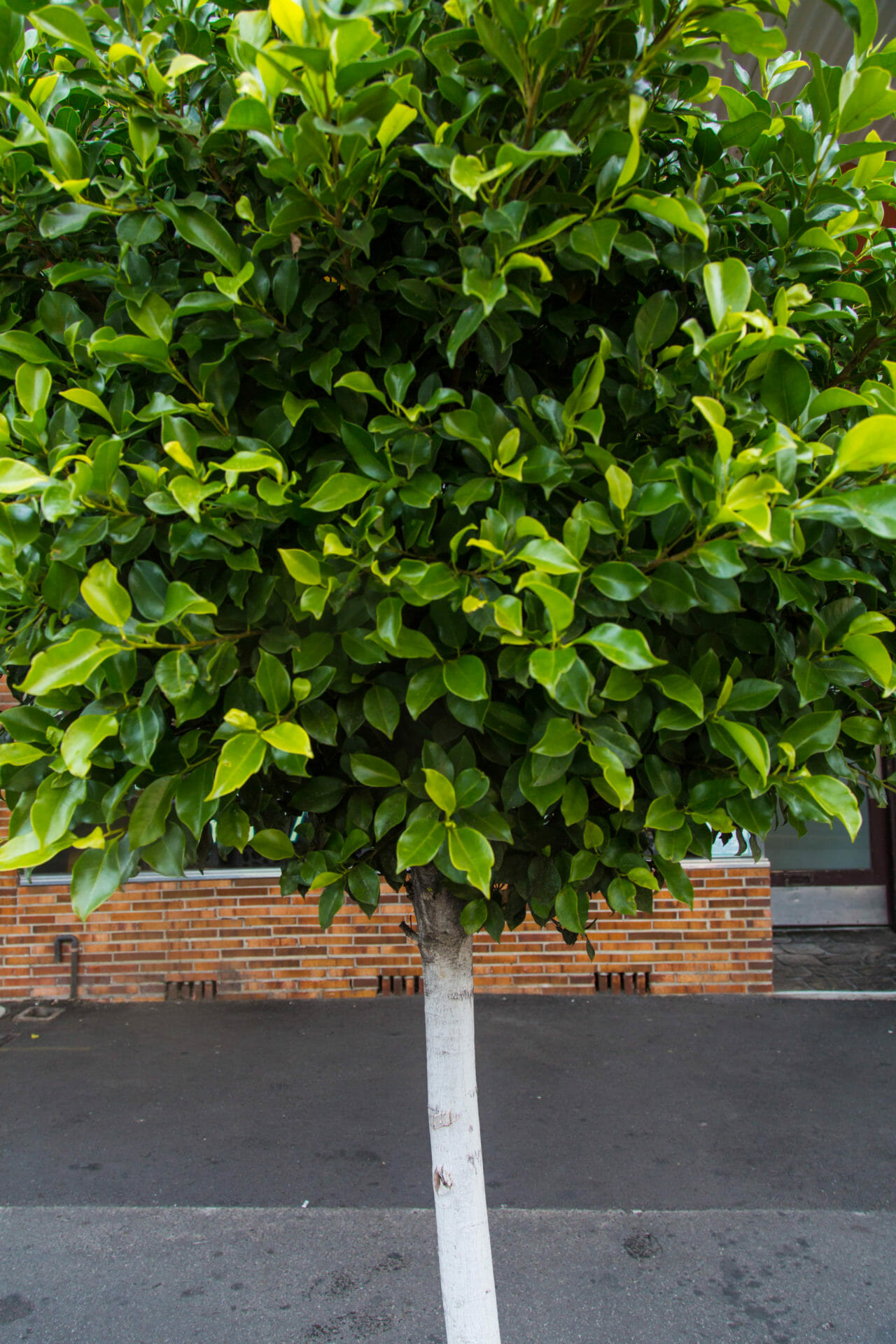
A wooden table holds red scissors, a spool of red ribbon, white flowers, a star-shaped tag with "Joy," and a green plant, evoking the warmth and spirit of Christmas trees.

Plants are the Ultimate Christmas Gift and Here’s Why

Candles or wine? A necklace or massage voucher? Shoes or chocolates?

Trying to figure out what to buy someone for Christmas can feel like running a gauntlet, you want it to be something they’ll love but also don’t want to spend an extraordinary amount.

JUMP STRAIGHT TO OUR GIFT IDEAS:

We are very biased, but we actually think plants are one of the best gifts you could give someone.

Our Reasons Why?

First of all they literally last forever (well, as long as your loved one doesn’t kill it).

Secondly, they instantly brighten someone’s space – whether that’s indoors or outdoors. There’s not a single house that isn’t made prettier by having plants.

Thirdly, they help the environment by absorbing carbon dioxide and releasing oxygen.

Fourthly, they can brighten someone’s mood and help reduce stress.

Fifthly, with such a massive range of plants to choose from, there is bound to be something for everyone. Whether it’s a lemon tree for a practical present, or a pretty collection of petunias for the garden, or a small tree that will grow into something big and beautiful.

And the last point is that plants are so affordable! It’s a very inexpensive gift with such a huge range of benefits.

But with there being such a massive range of plants to choose from it can be really hard knowing what to get. So we’ve created a little guide to help match the perfect plant to different situations in your life…

For When You Have a Kris Kringle or Two


Close-up of red and white petunias with green leaves in a garden setting, reminiscent of festive Christmas trees.

There is nothing quite like the struggle of being a Secret Santa, not only are you working with a tight budget but you probably don’t know your person very well.

Oh, how we’ve got the deal for you. Our ‘oopsies’ can be your ‘hurray!’

What happened is we put in the incorrect number for our Petunia Picotee order and accidentally added an extra zero or two. So we have more Petunias than we know what to do with.

We don’t want these to go to landfill so instead we’ve priced them RIDICULOUSLY low.

The deal is that our 6″ pot Picotee Petunias are only 99c each, down from $14.99!!!

AND our 7″ pot Picotee Petunia’s are just $1.99 each, down from $19.99.

This CRAZY deal is now available in store or online.

Truly a ‘hurray!’ for you. This is really great if you have quite a few people outside your family that you want to give something small, but thoughtful, too. You can spend the $50 on other presents (or yourself) and then grab a tray of six and give one out to each person (or you can also keep one for yourself).

It’s also great for a Kris Kringle situation where you have a $10 budget to work with – one of these Picotees is only $2! Giving you an extra $8 to grab some chocolate or something.

For The Person Who is Trying to Get More into Cooking


A glass jar filled with preserved lemons sits on a marble countertop, reminiscent of ornaments, with a bowl of fresh lemons in the background. The scene is softly lit by natural light, evoking the charm of Christmas trees.

Now of course this does also apply to the person who is already a fan of cooking.

But let’s say your friend or sister has been saying how they want to do more cooking and learn some new recipes. There’s nothing as motivating as growing your own food to push you to cook.

In particular a Dwarf Lemon Tree is the best gift because how easy it is to grow and how versatile lemons are in the kitchen. Plus they make for a beautiful feature.

You can use lemons in cakes, guacamole, cookies, marinade, salads, drinks, the list goes on and on.

For the Person Living in an Apartment


A living room with a green velvet sofa, colorful pillows, large leafy plants in woven baskets, and a patterned rug surrounds a round wooden coffee table. A cozy feel is enhanced by Christmas trees twinkling gently nearby as natural light streams in through sheer curtains.

Does the person you have in mind not have a garden? No worries.

We love the miracle invention of pots because it means we can put plants EVERYWHERE. If you wanted to you could practically create a jungle inside, but maybe that’s just us.

Now we have a killer deal right now on Fiddle Leaf Figs – it’s practically daylight robbery. Also practically everyone and their dog wants a Fiddle Leaf Fig.

So we’re selling 7 inch Fiddle Leaf Figs for $19.99.

Really, this is such a great gift for anyone.

Now another good option as an indoor plant is a Stephanie Peace Lily. You can get a 10 inch pot for $29.99 and they make for a gorgeous feature in any home.

For the Person Who Just Bought Their First Property


A family stands joyously in front of their new home, where alongside the "House for Sale" sign marked "Sold," a row of Christmas trees adds a festive touch to their fresh start.

How exciting! This is truly a big achievement that deserves celebration.

Your loved one is probably very overwhelmed. Which means it’s likely they have almost no time for the garden.

Take the stress out of it and book them a Garden Design with us. All Garden Designs are handled by Chris, a nurseryman with decades of experience. With all his expertise he has designed hundreds of gardens, of all budgets and sizes.

For the Person Who is Picky


A small weeping cherry tree with white blossoms stands in a garden near a house, echoing the delicate charm of miniature Christmas trees.

We’ve all got one (or two). But don’t worry we’ve picked out the plants with universal popularity.

The first one is a Weeping Cherry Falling Snow. We don’t think there’s a person who doesn’t like a Weeping Cherry – they’re such incredibly beautiful plants. It is $129 for 5 foot tall 13 inch pot.

Another classic is a Gardenia Florida these would look wonderful in any garden no matter the style. Gardenia Florida is an elegant hedge that gets covered with deliciously fragrant white flowers in the springtime.

For the Classy, Elegant Person


A row of magnolia trees with white flowers is planted along a concrete wall, reminiscent of elegant Christmas trees, and surrounded by a ground cover of small purple flowers and greenery.

You know the type. The one that seems to have it all together – their house is a dream of chic sophistication.

The perfect feature for this person is a Little Gem Magnolia. This tree is evergreen with big white flowers that dot the foliage in the springtime.

Truly a stunning tree, they are guaranteed to love a Little Gem Magnolia.

Merry Christmas

We hope this has helped in your quest for the perfect Christmas gift for everyone. Now this is a very small snapshot of the MASSIVE range of plants we have.

Be sure to come in store or check out our website for other gift ideas including our Gift Vouchers and Garden Design Gift Packages.

A quaint house with light grey siding, a blue metal roof, and a white picket fence features thoughtful garden design. A child and an adult are standing in the open doorway amidst greenery and trees.

How to Get Your Garden Ready For All Your Summer Events

It may not seem like it with Melbourne’s temperamental weather, but summer is looming closer and closer every day. Which means the time of garden parties, BBQ’s, pool parties, days lazing on a lounge chair and all those wonderful things, are almost here.

Now whether you have a true soil and dirt backyard, or just a balcony, we’re going to show you how to jazz up your space.

Jump straight to the sections we’ll be talking about today:

Quick and Easy Fix Up
A Moderate Amount of Effort
A High and Worthwhile Amount of Effort

A person in green gloves expertly trims a hedge with pruning shears, showcasing their keen eye for garden design.

Because do you really want to be inviting your friends and family over and have a garden that looks scraggly, uncared for and just plain dull?  Well, we sure hope not.

Getting the garden ready doesn’t have to be a lengthy, complicated process, but we also understand there are some really keen gardeners out there. So what we’re going to do is we’re going to break it up into the three different types of gardeners and their situation.

A green wheelbarrow filled with garden clippings sits on the lawn, embodying thoughtful garden design, with two wooden rakes resting on top.This is the profiles we’ve created:

  • Please let me just do the bare minimum.
  • I’m happy to put some effort in but I am a busy person.
  • I want to spend HOURS in the garden, give me all the tips.

    Which one are you?

Quick and Easy Fix Up

A wheelbarrow filled with garden clippings rests on the grass, complementing the art of garden design, while a metal watering can stands nearby.

Don’t particularly care about the garden but still want something nice? Yeah, we get it. Even though it breaks our little heart, we understand not everyone is as into plants as we are.

We’ll forgive you as long as you do something to have a nice garden.

Chances are you probably haven’t weeded in a while (not to call you out or anything), so that’s going to be your first step. Before you start ripping them out by hand, maybe go check out our article on the best equipment to use. Or do as you please, it’s your life after all.

A garden design masterpiece featuring a hammock, chairs, and a table nestled under a leafy tree surrounded by vibrant pumpkins.

So you’ve (hopefully) removed all the weeds from your garden. Back hurting yet? No?

Okay let’s move onto the next step. Making the garden pretty can also be as simple as just trimming up some overgrown hedges and snipping dead leaves off of plants. So grab your shears and start snip snip snipping.

Okay looking MUCH better. But still a bit dull.

We’re going to give you our top favourite low maintenance plants that are going to make a big impact in the garden.

For groundcovers you choose plants like Blue Convolvulus, Native Violet, White Creeping Thyme or Myoporum ‘Broad Leaf’.

For trees you can plant things like Tuscarora Crepe Myrtle, Silver Birch, Magnolia Little Gem or a Jacaranda Tree.

For hedges you can do English Box, Photinia robusta, Leighton Green Conifer or Prunus Portuguese Laurel.

All of these plants add style and beauty, suiting almost any garden style. Best of all, you barely have to do anything to take care of them.

A wooden deck with wicker furniture, cushions, potted plants, and greenery, surrounded by lush trees and bushes.We do have an entire section on our website dedicated to low maintenance plants, check it out here.

Plus we have a top 10 low maintenance plants article right here.

Also if you have a balcony or courtyard, you’re probably tight on space. Maybe you have a gas cooker out there and some chairs and a table. So what you’re going to want to do is select three big pots in a neutral colour, and then put multiple plants in the one pot. Check out this video for some inspiration.

Free Garden Design with ChrisIf making a decision between all these plants feels like too much effort, why not take literally all of the hassle and thought out of it and book a Free Garden Design with us.

Chris runs the Garden Designs and has years of experience and knowledge backing his every decision. He has designed the small low budget gardens, the difficult hot windswept sites, and the massive landscape jobs.

How it works is when you buy your plants from us, whatever deposit you’ve put down goes towards the plants. So this is by the far the most inexpensive and easiest way to get your garden perfect for all those BBQs.

You don’t even have to travel to our nursery, instead doing a consultation online and opting for our Free Delivery. Sounds pretty sweet hey? Book yours here.

A Moderate Amount of Effort

A garden scene with a wheelbarrow full of green leaves, a shovel and rake leaning against it, surrounded by lush plants and colorful flowers.So you do care about your garden and want to spend some time making it nice. We can work with that. If you skipped straight to this point, we’ll just reiterate the importance of weeding and trimming up your plants.

You want to improve what is already there before you start adding things in. Once you’re done there it’s time to start looking at what plants to pick out and pop in.

There are several ways you can do this.

Choosing a big feature and some support acts to accompany it.

Having just one great plant or tree can make a big difference (hint: this is a great budget friendly method as well). So you splurge a bit on the feature plant, and then pick cheaper and smaller plants to put in the rest of the garden.

Some ideas of a great feature are things like a Zuni Crepe Myrtle, Falling Snow Weeping Cherry, Viburnum Snowball Bush, Magnolia Soulangeana, Acer Osakazuki Japanese Maple plus a tonne of other options which you can find the full range here.

What about the support act, the ensemble plants? Well you’re looking at things like Alocasia Elephant Ears, Casuarina Cousin It, Loropetalum Plum Gorgeous, Helichrysum Licorice, Lomandra Tanika and Myoporum Yareena.

Adding some easy colour in through flowering or foliage plants.

Even just a little bit of colour can go a long way, and there is a surplus of colourful plants that are also very easy to maintain. We’re going to rattle off a few of our favourite flowering ones. These are plants like Petunias, Calibrachoas, Impatiens, Mandevilla, Hydrangeas and plenty of others.

Okay now for the ones with colourful foliage (hint: this means you have colour all year). These are plants like Loropetalum, Coprosma, Iresine Bloodleaf, Berberis Rose Glow, Ajuga Burgundy Glow and many others.

If you want more tips about adding colour in the summer, go check out our articles that cover this in more depth:

How to Fill your Summer Garden with Colour
10 Tips for a More Colourful Garden

Choosing plants that have a multi-impact in the garden.

A really nifty tricky for creating a beautiful garden is choosing plants that have several things going for them. What we mean by that is they may have beautiful spring blossoms and interesting autumn foliage, or they have colourful foliage all year and flowers in the summer. Or perhaps lush foliage and interesting bark.

Some plants can be kind of like a one trick pony – they have exceptional spring blossoms and then look drab the rest of the time.

Here are the plants that aren’t like that:
Purple Smoke Bush, Crepe Myrtle, Blueberry Bush, Senkaki Japanese Maple and Weigela Variegated.

A really good tip if you’re busy but do want to put some effort in the garden is to book a Garden Design with us, we believe in a collaborative style where we tailor the design to exactly what you love.

How it works is you bring photos and measurements of your garden, as well as mood boards and garden inspirations, and we bring the expertise to make it happen. Book yours here.

A High and Worthwhile Amount of Effort

A garden scene with various plants and trees, featuring a wooden deck with seating and a fire pit surrounded by greenery, offers a serene escape. This tranquil setting is ideal for relaxing with friends while discussing tips on how to water indoor plants.You’re our favourite person. Okay we do care about everyone, because we are all about making gardening accessible to every level of effort.

So let’s really get down into the nitty gritty of creating a spectacular garden. We probably don’t need to tell you this but an important first step is still to do some weeding and trimming.

In fact, we think it’s worth it scanning over the other tips in this article as they form a good foundation you can use to leap into the next level of gardening.

Choose your pots to maximise style.

The first way to elevate your garden is the selection of pots. With so many different types of pots available, every choice can have a significant impact. This is particularly true for those with a balcony or courtyard garden.

Chris advises “big pots little gardens” – you can check out the video here and you can see this theory in action. Essentially, instead of over cluttering your space with a tonne of different pots and one plant in each, choose just a few pots and put multiple plants in each.

Also consider how you combine different pots together, mix shapes and sizes and colours for a dynamic and interesting look. For example you could put a round squat pot next to a tall skinny pot and then in the middle type of pot to balance it out.

Explore our full range of pots here:

EARTHENWARE PLANT POTS


Check out all of our EARTHENWARE POTS RANGE here.

GLAZED PLANT POTS


Check out all of our GLAZED POTS RANGE here.

LIGHTWEIGHT PLANT POTS


Check out all of our LIGHTWEIGHT POTS RANGE here.

TERRACOTTA PLANT POTS


Check out all of our TERRACOTTA POTS RANGE here.

More plants, less varieties.

A garden with purple and red flowers, green foliage, and ornamental grass, bordered by a curved concrete path next to a lawn.Rather than randomly picking an arrangement of 30 different varieties and stuffing them all into one space, take a step back and consider mass planting the same few types for a more cohesive look.

Even if the garden isn’t small, it’s easy for it to look cluttered when there are too many varieties put together. We suggest doing repetitive planting of something that has a bright splash of colour as it helps tie the garden together.

For example something like Sea Lavender is a really great pop of blue/purple that looks amazing scattered here and there in the garden.

Not every plant can be a feature.

It can be so hard trying to figure out what THE feature plant should be in your garden, and it’s tempting to simply choose them all. But the problem with that is you have multiple incredible plants all competing for attention.

Modern garden with stepping stones, a round planter, and greenery surrounding a gravel path next to a white building.It’s very important that you also choose what we like to call ‘the support act plants’, the type of plants that are still beautiful, but much more subdued. Earlier we mentioned a couple great options so be sure to check those out.

We’ll mention a few more here though such as Seaside Daisy, Blue or White Convolvulus sabatius, Silver Dichondra and Catmint.

Okay we have mentioned this before, but we really believe our Garden Design is an incredible service that everyone could benefit from. Whether it’s the small low budget low maintenance gardens, or the grand big designs, it’s never a waste of time to seek help from the experts.

So elevate your garden even further and book here.

Are You Summer Ready?

A group of people enjoy a meal on a covered porch overlooking a scenic landscape. The table is set with food and drinks.We hope this article has helped you prepare for all those fun social things we mentioned before. The garden is so much more than just a bunch of plant stuffed together. It’s a place to relax and enjoy the sun, a place to hangout with your friends, a place to play with your kids and pets. To have a beautiful garden is to have a beautiful place to do all of those things and more.

If you want to level up your gardening, be sure to follow us on our socials. We post educational and inspirational content every day.

Feeling inspired to create your own garden, but want some expert advice? Try our one-on-one garden design service with Chris. Together you’ll come up with a selection of plants along with a layout plan that gives you the look you want, as well as being suitable for your local soil and conditions.

get your own tailored modern garden design:


FIND OUT HOW

Articles you may also like
Select the fields to be shown. Others will be hidden. Drag and drop to rearrange the order.
  • Image
  • SKU
  • Rating
  • Price
  • Stock
  • Availability
  • Add to cart
  • Description
  • Content
  • Weight
  • Dimensions
  • Additional information
Click outside to hide the comparison bar
Compare