I expect this spring will be the biggest spring in many years on the real estate market because already lots of people are buying & selling. Interest rates are falling and house prices have risen every month for the last five months, and they are expected to rise strongly with the next two expected interest rate falls.
Head straight to each section of how to increase the value of your property:
One of the ways to maximise your value in a rising market will be to have the garden looking great when people pull up at the front of your place!
Here’s some ideas about how to get your garden looking great.
One of the great ways to deck your garden out with great plants is to shop all the incredible sale prices for plants in our Growers Direct Flash Sale! We have lots and lots of really great specials.
We also have a Free Weeping Cherry offer going right now when you spend over $300 in-store or online at Hello Hello.
We have Free Delivery over most of Victoria. Spend over $300 with us and get free delivery to Metro Melbourne and central Geelong, Bendigo, Ballarat, Shepparton and Traralgon.
You can also get a Free Garden Design with us. You just pay a small deposit, and then when you buy your plants that deposit comes off your price so you get it back. This could be just what you need to get your house looking great to go on the market in springtime.
https://www.youtube.com/watch?v=RHH6WVaiqYE
The other thing we recommend is to work out what date you’re going to go on the market and then start preparing the garden long before that date. A garden design is a really good way of starting out, but start preparing the garden well before the date. Because so many people are going on the market, our garden designs are going to get booked up so get in early by booking here now.
Cost of landscaping and return on investment?
It can cost anywhere from $500 to $1,500 for the landscape design of a small garden, $1,500 to $3,000 for the landscape design of a mid-sized garden, and roughly $3,000 to $6,500 for that of a large garden. According to research, good landscaping can add up to 20% to your home’s overall value. That could be $100,000 or more when you sell your property.
Houses with great looking gardens make you feel better and have a greater appeal. It is also worth noting that houses in streets that have many trees on sidewalks also have a higher value.
What is great with landscaping is that it immediately adds value, but also increases the value over time. Plants grow to be more beautiful every year and provide fantastic flower shows, more fruit, or lush foliage.
How to get started?
It is a very easy process. The first thing to know is when are you going onto the market? Second thing is to know is who your potential customers are and what do they like.
Once this is established, setting up your property for success is a 4 step process:
1. Tidy! Take a good look at the garden and remove anything that looks ugly and unfashionable. Some plants are probably overgrown and need a good trim to tidy them up. Let some sunshine and fresh air flow through. Give existing plants some fertilizer to make them nice and lush.
2. Lawn. If you have a sad-looking lawn, fix it! There should be no dead patches. Put down topsoil and grass seed, water it regularly and it will be looking great in no time.
3. Ask the experts. Send us an email at sales@hellohelloplants.com.au with your photos and measurements of your yard. We have a wealth of knowledge about garden design and we can tailor a plan to make your garden pop.
4. Start Planting. Plant your big and cheap plants now for an impressive garden later. Doing this simple process can make all the difference.
• Trees- Keep in mind that some trees grow quite big. Some are maintenance-free, while others do need some care. Be careful NOT to plant big trees close to structures, pipes, and pools as they might cause damage further down the line. If you are unsure about what trees to plant, reach out to us and we will advise you.
• Instant look- If you want the instant look, be sure to pick out bigger pot sizes with established plants. If you are unsure if they are suitable, give us a call or send us an email.
There are some tips to consider:
• Privacy – We all want to feel cozy in our backyard, but that is not possible if we have that nosy neighbor always peeking over for a chat. Some tall Lilly Pillies like Neighbours-be-Gone or a Silver Sheen Pittosporum hedge should quickly fix that problem.
• Lawn edging- A neat lawn that looks restrained and tamed, gives the appearance of being easier to maintain and is a popular selling point.
• Mulch and Weed – Keep those beds tidy and mulched with some black, red, or natural mulch, whichever creates the best harmony with the rest of the garden and the house.
• Repetition- Instead of having too many varieties of plants, consider planting a lot of the same plants in clusters for more dramatic effect.
• Colourful Flowers – These make the garden pop with life and are too easy to plant!
• Maples – Japanese maples are one of the most popular plants to give a wow factor.
• Topiaries – Standard plants and Topiaries look fantastic and have a great appeal. look.
• Privacy screens – Here are some of the best fast growing screens for privacy:
• Natives – Native plants have a high appeal and beneficial to the local fauna. Bird attracting plants are great, bringing beautiful birds to the garden.
• Tropical corners – We all love little cosy tropical corners, and those are easy to achieve with giant birds of paradise, palms, and cordylines for colour.
• Rockeries – If you have an unruly little rock corner, you can easily pop in some tough succulents that will suppress weeds and give great color.
• Grasses – Grasses are great for borders, accents, or focal points.
• Box – Perfect for edging, they give shape and structure to gardens.
• Groundcovers – Ideal to suppress weeds and cover some unsightly places.
• Climbers – Some climbers can go up on fences or structures and look fabulous.
• Trees – Some trees have such a striking look that they can transform any garden.
• Indoor Plants – These bring indoor spaces to life and make a house feel like a home.
That is all for the plant suggestions. All the best in transforming your yard. It is definitely a very rewarding effort!
Hello, hello. This article is all about the right way to water your garden in summer. Now I think this is a very interesting thing because in my experience people generally underestimate what’s involved in watering.
Most people think that watering plants is just a matter of pointing a hose at something or just tipping a bucket of water over your plants or doing this or doing that. But I’ve been watering plants since I was 7 years old. I started out in my dad’s nursery. Dad would get me out there watering his plants and quite a few of them wilted or died or something like that if I missed them. And that got me into serious trouble. So I learnt how to water properly or face the consequences. So basically, I’ve got nearly 60 years of watering under my belt and the point is I’ve always had to water to a professional standard because my watering has always had thousands and thousands of dollars worth of plants involved.
Today in our nursery we have to keep about 200,000 plants in stock and they all have to be watered and they have to be watered correctly. So I’m sure you can understand that I am very much about making sure that I water properly and making sure that my staff water properly. And there are quite a few tricks of the trade in watering, believe me.
Now, the No.1 thing about watering is having the right equipment. Most people at home have a standard 12mm or ½ inch garden hose. And if they go to their local big green hardware store starting with “B” and they get one of those typical little watering guns, when they stand there on a hot summer’s night watering their garden, they think they are getting a lot of water into the ground. But they’re not really. A set up like this would take over a minute or more to fill a typical 10-litre bucket or watering can.
Now you can’t really see the difference until you swap your regular garden hose for an 18mm or ¾ inch garden hose. And what you’ll discover is that the smaller hose is actually holding the water back and stopping you from getting a good flow. If you put the larger diameter hose on the same tap you will get a massive increase in the flow of water out of the same tap.
So much so that with an 18mm hose, you can fill a 10-litre bucket or watering can in around 10 seconds. That’s more than 6 times faster than a standard half-inch hose.
Now the other mistake people make is using these cheap watering guns on the end of their small hoses. They often have them set to make a fine misting spray so they don’t damage their plants but the problem is that doesn’t give the plant much water at all, especially over a hot summer.
Bottom line is that if your hose nozzle is making a lot of noise then it’s doing so because it’s restricting the flow of water coming out of the tap and not letting much out onto your plants. It’s putting the brakes on the water and holding back the flow, which is NOT what you want in a hot Melbourne summer.
But if you add the right nozzle to your larger 18 mm hose you can get a very gentle spray that still delivers a lot of water. We actually have a fantastic nozzle at our store that we use that was designed over 50 years ago. It was created in the US by someone who wanted a very gentle spray that would mimic rain but deliver a huge volume of water. And this head does that. (You can buy them online on our website here but they ONLY fit to the larger 18mm or 3/4″ inch hose.) The other thing that’s great about these nozzles or rosettes is they are very quiet. Those cheap plastic guns make a lot of noise when the spray of water comes out but these aluminium nozzles have this soft spray that comes out so quietly.
It’s also a great time saver as it delivers so much water very quickly without damaging your plants or disturbing the soil.
Another point about your standard garden hose is, have you ever tried to drink the water out of the hose? If you have you might find it tastes funny. That’s because the plastic they make the hose out of is not very good quality and there are various toxins in that plastic that leach out into the water making it taste bad. In complete contrast, the ¾ inch hoses we sell at our nursery are made from a food grade material so if you drink the water out of the hose it takes pure and clean. Also these hoses don’t bend and kink like the cheap thinner ones and they don’t go hard and crack in the hot Aussie sun. This means they not only deliver much more water to your garden, it’s better quality water too.
So you can see just by changing your hose and the watering head you attach to it, can make your watering up to 6 times more effective. Maybe it’s time for you to put your old hose and watering gun in the recycling bin! That would be a good start for you to become a master waterer.
Now the next thing to think about with watering is your mindset. Personally I don’t see watering as just standing there with a hose. But many people do, they think they’re just doing something effective to wet the plants and stop them from dying. But in our nursery we’re not just watering our plants to keep them alive. It’s more than that. We’re actually watering them because they enjoy it. That’s right, they ENJOY it.
Now many plants love the hot summer, they love the hot sun. But they need adequate water to grow and flourish. And just like we enjoy a nice cool drink after a long hot day, so do our plants. So don’t just think about “Hey I don’t want my plants to die”. Think like this, “I really want my plants to flourish!” “I want my plants to grow beautifully.” “I want my plants to thrive”. So it’s a positive thing you are doing for them and giving them when you water them and that’s why you need the right equipment.
Another important point when it comes to watering is to not forget about the edges. If you have square shaped garden beds or anything with corners or spaces away from the plants, then make sure you water the edges of the garden bed and the backs and the corners too. If you do, the middle tends to take care of itself. But many people just water around the base of plants rather than the whole garden bed, so don’t forget to water the edges and the corners too. Plants draw moisture from a wider area than you probably imagine.
Now the next most important thing to tell you about in your search to become a master waterer is soil wetter. So what is a soil wetter and how does it work? Well soil wetters break down the surface tension of the soil to the water so that the water moves quickly and easily through the soil.
So what is the very best soil wetter? Well in my opinion, it’s actually water!!! What do I mean? Well it’s like this. Say you’ve been away for the weekend and you come back and all your pots are bone dry and the plants are just looking very parched and thirsty, if you just go and pound them with water, you’d be amazed. If pulled that plant out of the pot 10 or 15 minutes later, you’d realise there’s just a little bit of water on the top of the soil.
If your plants are bone dry, the best way to water them is to water them two or three times, like this. So you come home, you look at your plants and think, wow, they’re really, really dry. Well give them a fairly quick little water and then you leave them. Go off and have a cup of tea or whatever, then come back in half an hour and give ’em another water. Then, if they’re really, really dry, you might give them a third water.
As an example, we’ve got a lot of succulents growing in our backyard and we didn’t water them for a couple of weeks as I was away. When I got back I went out there and I found that to get the water to the bottom of the pot actually took three waterings. The first watering was fairly quick, the second watering went a little bit longer and that started to get the water halfway down the pot, but to get the water to the bottom of the pot actually took three waterings. So depending on how dry you plants are the secret is that water is fantastic at getting water into the ground.
It’s a funny thing. I used to have a nursery in the middle of Emerald and when the fields were really dry in summer, if we had some summer rain, I’d race out there, put the pump on and put all my sprinklers on to water the plants. People would actually ring me up and say, “Hey Chris, it’s raining and did you know your sprinklers are on?” They thought I was crazy. But in actual fact, if you want to get your paddock really, really wet deep down, the best thing to do is water in the rain.
It’s the same thing in the garden. If your garden’s pretty dry and it’s dry down deep, you’ve got a bit of summer rain, get out there and water in the rain. People will think you are crazy but your plants will love it because it’s like they are getting a double-soak and remember nothing wets the soil better than water!
Now even I can have some challenges when it comes to watering. Recently I had a situation where we had a sort of funny dry spell in late spring, early summer. I came home one day and it seemed like all of a sudden my birches had yellow leaves forming there and I could tell that they were really, really stressed. I knew they’d be stressed down deep. I went and had a look and the soil around the bushes was all cracked. So what I did was I gave them two or three waterings and that got the water in and finally gave them the really big soaking they were looking for. It was funny if I’d just gone out there and stood there for ages trying to do one long watering, the water would’ve been running off here and running off there. But because I did a couple of waters I got a lot into the ground.
Probably the most important thing in terms of watering, is making sure that the ground is moist enough that the water can be accepted deep down. So you come home from work after a long hot day and your plants look dry, then give them a quick squirt, go have dinner, then come back and give ’em a big soak. And if they’re really, really dry, do it a third time.
Now apart from not watering enough, the big question everyone has is, how do you know if you are watering too much? Well the first thing to be careful of with watering is plants like succulents, you know, cactus and the like. Also your Cordylines and your lavenders don’t want too much water. They need a bit of a break between their waterings.
Now here in our nursery we’ve got hundreds of thousands of plants and in summer we water them all every day. And if there’s a heat wave, we’ll water them twice a day.
The frequency of watering for your plants can be affected by the quality of your potting mix. If you’ve got a good quality potting mix then it will let the water in, let it go through and then let it out. But a poor quality potting mix initially repels water. But if you keep watering and the water finally gets into it, it’ll get too wet and stay wet. That’s because in these cheap potting mixes to try and make a profit from selling them so low, they have to add cheap fillers into the mix like sawdust for example. Once it gets wet it just holds the water. It can also contain chicken manure that can burn the roots of some plants.
Your guide to potting mix really comes down to price. If you’re seeing bags of potting mix on sale for $3, they are not worth buying because they will be full of cheap fillers.
But a good quality potting mix, like the Nature’s Soil that we use in our nursery is a commercial quality mix that is being made for professional nurserymen like me. And we are much more demanding than our customers when it comes to potting mix. It has to be really good because we use it to pot our plants and we would stop buying it straight away if they started putting cheap ingredients in it. (You can buy it from our store.)
So if you’re using good quality potting mix and unless it’s a succulent or a cactus, basically you can water every day through summer and the water will go in flow through and go away. So basically it’s impossible to water too much with plants in pots if you’ve got a good potting mix.
Where it is possible to water too much is with plants in your garden. Now we often have problems where people come in and buy, say a Weeping Cherry or a Weeping Maple. And what happens is that they put their Weeping Cherry in or their Weeping Maple and then they’ll put down turf around it. And the turf people tell them to water their turf 6 times a day. And so what they’ll do is they water the turf for 20 minutes, 6 times a day! In a week or say 10 days later, the Weeping Cherry or Weeping Maple is dead.
Now that is definitely a case of watering too much because basically you don’t need to water turf that much. If it is hot weather and you’re planting turf and you’ve got other plants you’ve just planted around it as well, you only need to water the turf once really thoroughly. Then after that you just spray the turf for a minute or 30 seconds just to keep the grass wet. You might water it 6 or 8 times a day, but you just spray it lightly so the grass is kept cool and moist and happy. You DON’T give it a deep soaking 6 times a day!
Generally speaking, in the garden you would give plants in the warm weather a good soak once a week. If it was particularly hot, you’d give them a soak two or three times a week and you’re really not going to get into trouble in the garden that way.
Okay, so say you’ve got a section of your garden that’s terribly dry or it’s dried right out and you don’t know what to do. Well this is where you would use an soil wetting agent. There are a number of them around and they are all similar. (We sell one called SaturAid.) Now these are great but I wouldn’t use them unless you have a specific problem to solve, because they are a sort of agricultural detergent and that’s not necessarily kind to the environment. But when you have a real reason to use them, they can do a good job.
So say you have a situation like I did a while ago with a hedge out the back of my place. It had dried right out underneath and was starting to drop leaves and look a bit crook. So what I did was get out the old soaker hose, those ones with the small holes that put out little sprinkling jets of water. I put on about twice the recommended dose of the soil wetter around the base of the hedge and then ran the soaker hose for 30 minutes at a time, every few hours. That combination worked brilliantly because the soaker hose doesn’t flood the place and the soil wetter in combination helped the water get right down deep into the roots. So that’s one example of where I might use a soil wetting product.
Another situation I would use an actual soil wetting product is when planting, especially if you are planting in summer. Now when they are planting, a lot of people will dig the hole, put in the potting mix with the plant and then maybe top it up with mulch or topsoil or something. So you might have 3 different types of soil mixture that this plant and its root system is sitting in. And they will have different rates at which they will absorb or let water flow through them. So what I would recommend is with summer planting is to put some soil wetting agent in the bottom of the hole and then some on the top when you have finished planting. Give it a really good soak and the soil wetter will help draw the water through all the different layers of soil and help disperse it into the ground beneath the plant.
Now what about mulching some people say. Well mulching doesn’t add moisture to the soil by itself. It is for helping keep the moisture you put in the ground stay there. So if you’ve got a problem with some part of your garden drying out, then mulch is not the answer.
Once you’ve got the water into the ground nice and deep then you might go for some mulch to try and keep it in there. You’ll find once you get some water down deep, it’s not hard to keep it moist. But when it’s really, really dried right out, getting it wet again can be quite difficult. But if you apply my approach of multiple waterings in a row, with a good big soak at the end, then you can solve this problem without mulch.
Another problem people have with watering plants in summer is that’s when we tend to go away on holidays and we might have to get a friend or neighbour to water our garden and plants for us. (Maybe show them this article before you put them in charge of the watering!!!) But basically, you can do a lot of things to help your plants cope with the heat while you are away. If you have any of the more delicate plants that don’t like the heat and sun too much, then move them into shade, under the carport or even in the garage where they will be out of the direct hot sun. And if you sit them in trays or anything that can hold some water that they draw back up again this will also help them cope with the heat. You can get a range of large plastic trays or saucers at our nursery to put under your pots and they can hold quite a bit of water to keep the soil in the pot damp for longer. They come in sizes up to 63 cm. Without a saucer under them, many pot plants might only last a few days without water but with the saucer they can last up to a week.
So there you have it, all the ins and outs of watering from someone who learnt the hard way as a child how to water properly. The biggest problem with watering is to think there is nothing to it and it’s just simple and holding a hose. But I hope from reading this article that you now realise you’ve got to know what equipment to use. You’ve got to know when to water and how to water. You’ve got to know what to do when it rains and when it doesn’t.
Remember too your mindset if you’re a keen gardener, you’re not there to just keep your plants alive. You’re there to have them flourish. Keeping your plants alive is one thing. Having them flourish is a whole different ballgame. And flourish means that the plant has adequate water right to the bottom of the pot or the plant in the garden down deep where its roots are, so it has plenty of water to draw on. And if you do that, you’ll have a really beautiful garden.
Let me tell you a story to finish this article off which I think illustrates the point I’ve been trying to make. I had a customer once who was actually a weatherman on one of the TV stations and he bought a whole lot of Mop Tops from me. Soon after he rang me up and said, “look, I’ve bought a lot of Mop Tops off you and they’ve got a disease or something. They’re all just turning brown and dying. I need you to have a look at them.”
So I went over to see him and he had this beautiful lush green lawn, absolutely fabulous green cooch lawn. Fantastic. And then he had these Mop Tops everywhere in the garden. It was a very modern house with Mop Tops and green lawn. And there they were. There was a dead one here and a dead one there. And he’d been replacing a few too. So I started scraping some of the dirt away at the base of one of the Mop Tops and I dug down a bit and there was dust. So I dug a bit further and it was just dust, dust, dust, dust, dust down deep. I said to him, you need to water them. He said, I do. He said, I water them every day. I said, how long for? He said for 30 seconds!
What he was doing was he was keeping the grass really lush and beautiful with 30 seconds of water every day. His lawns were fantastic, but his Mop Tops had not enough water. He wasn’t watering them. He was actually teasing them with just a little bit of water every day that never really soaked into the ground and just probably evaporated of the top of the soil, leaving dust below. So I said to him, just water your Mop Tops for 1 hour every week. Give them a huge soaking once a week. I never heard from him again so I assume that worked for it, as it would have! So giving your garden a big long soak is better than small regular waterings.
Happy watering!!
Feeling inspired to create your own garden, but want some expert advice? Try our one-on-one garden design service with Chris. Together you’ll come up with a selection of plants along with a layout plan that gives you the look you want, as well as being suitable for your local soil and conditions.
Smooth, sleek and contemporary is a top contender for the most coveted gardens style in Chris’ Free Garden Design service. This style can be adapted to any size garden, environmental conditions and can incorporate other garden styles in the design! We’re talking modern tropical, modern coastal or even modern cottage! But what elements actually make a modern or contemporary garden? This can be the part that makes designing your own modern garden tricky. So below we’ll go over some of the design elements Chris goes through in his contemporary garden designs.
If you need more advice on how to create a modern garden, we can assist you with tips, tricks or even a full tailormade garden design with Chris. Book one here!
Simplicity is key in a contemporary garden design. You don’t want to over crowd or clutter the garden, creating too much busy-ness. Modern gardens tend to have simple easy repetitive lines and shapes such as square, raised garden beds, all the same colour and texture and shape, the only variance being their height or length. Soft, rounded edges can also be used but it is paramount they are even, smooth and almost blend in with the surrounds.
Geometric shapes and lines don’t work unless they are balanced with the surrounding spaces. Geometry is precision work and is what makes the garden as a whole pleasing to the human eye. We can often tell when the lines of a garden bed or wall are incorrect and it’s so distracting! This also applies to the placement of objects and shapes in a design. It can be too colour heavy on one side of the design or not enough of a certain texture, which makes the whole feel of the are feel weird. This is when balance is usually off!
An element of the modern garden that isn’t considered until suggested by the designer is that of a functional space that joins the inside with the outdoors. This can be in the form of an outdoor living area or outdoor kitchen.
Retaining walls and planters can double as seats with carefully designed indented benches that meld seamlessly into the geometric design. Modern designs will generally have very deliberate and useful design elements, no questionable or confusing sections with unknown functions!
Nothing says modern like soft stone colours, charcoals and very light pastels. The colours of retaining walls, pavers, steps and buildings are often subdued so they don’t distract or detract from the plants of the main feature. This is also applied to the plants used. Green & White is a very common colour scheme for a modern garden as it is subdued and simple, no one plant necessarily stealing the show with a mess of colour. When colour is used, it’s applied en-masse, large drifts or rows of the same colour planted together to great effect. Good examples of this are simple green hedges, large, swathes of green or silver groundcovers, and blocks of lavenders, fescues or salvias.
Along with your simple colours, simple textures must also be used. Generally you won’t want any strongly patterned textures such as red brick or paisley confusing the area. The plants will usually create enough textural contrast and just require a simple backdrop or border to shine against. There’s no need to remove everything that might conflict with this tip! Bricks and tiles can easily be painted over to create a simplicity.
6. Lighting
Outdoor lighting not only brightens your backyard but can highlight a feature, draw your attention to elements of interest or set the mood. There are many outdoor lighting options available but remember to keep it simple so no leadlight lamps or spotlights!
It’s no doubt about it, some plants have really striking foliage and form, becoming almost an architectural feature in themselves. Such plants as Agave, Senecio ‘Blue Chalk Stick’ or Gymea Lily have strong shapely foliage that draws the eye and contrasts against almost any other plant or building. Other, what you might call standard style foliage plants such as the hedging varieties (Buxus ‘English Box’ or Murraya ‘Orange Jessamine’), look almost nondescript by themselves. BUT! When trimmed into a strong box hedge with simple straight lines or perfectly symmetrical topiary balls, it makes them an eye-catching contrasting feature yet not to ‘out there’ for the contemporary garden. And if the geometric lines get too much, soften your edges with a mass planting of Poa ‘Tussock Grass‘ or Myoporum ‘Fine Leaf’ groundcovers.
8. Garden features – sculptures, ornamental pots and water
There is room for some of the standard garden ornaments but once again keep it simplistic, minimal and neat. This isn’t the garden to have a hoard of gnomes scattered about! A single large urn with a Topiary Buxus Ball or trailing Dichondra ‘Silver Falls’ groundcover can make a beautiful, timeless feature and breaks up the landscape. This is also the type of garden where the complementary geometric or fluid shapes of contemporary sculptural art really shine. Artists such as David Harber create works that reflect the environment in which they are placed and truly add a finishing touch to the garden space.
If ornaments and artwork aren’t you thing, then consider the sound, movement and tranquillity that a water feature can add to your garden. Dispel the dated ideas of the cottage fishpond or the Japanese Koi and gravitate toward the the sculptural forms of a spherical water feature or wall of water. Remember to keep your simple and timeless shapes!
Now we know we have said to stay away from strong patterns on your walls, pavements and garden features but patterns are still subtly prevalent in your planting and structural work. We’re not necessarily talking about planting a colourful alternating pattern of vibrant colours. Here we are referring to the repetition of the same colour and shape. Think of the pattern your hedges may create. Two layers of box hedging in a square shape is a simple yet effective pattern. The repetition of the same size and colour pavers as a walkway through a neat lawn is a subtle and well balanced pattern. A continual colour, texture or simple pattern that looks good in all seasons holds the garden together.
We all have the temptation to add a busty Greek goddess or a Tiki Bar into the garden because we’ve seen them in the latest magazines, reality TV show or the neighbours bragging about theirs. But remember – these fads age, badly! The key to the modern garden is to keep it modern! This garden style doesn’t age, instead it maintains its style and grace throughout the decades.
Chris’s Guide to Choosing the Right Ficus for Your Garden
Ficus trees are hardy, versatile and widely used across Australian landscapes. Among the most popular varieties are Ficus Flash, Ficus Hillii, and the increasingly popular Ficus California. Each one offers unique benefits in growth habit, foliage, hardiness, and suitability for different locations. Here’s a simple guide to help you choose the right one for your garden or project
Which Ficus to Choose?
Don’t miss the video below—Chris reveals all the beautiful and unique Ficus varieties!
↓
Ficus Flash is known for its slightly curly leaf and its incredible speed of growth — it grows in a flash. Whether you start with a small plant or a large one, this variety fills out fast. Small plants quickly become lush hedges, and advanced plants become impressive screens in very little time. Ficus Flash has a strong, upright growth habit and maintains dense, green foliage year-round. It’s ideal if you want to block out neighbours or eyesores quickly with a vibrant, evergreen hedge. It does have a vigorous root system, so if planting close to structures you’ll need to keep it trimmed and maintained. It’s very hardy, works beautifully in pots, and is excellent for shaping.
You can grow Ficus Flash in several attractive forms, including as a standard with a clean trunk and round canopy, as a pleached hedge with a tall trunk and a square or rectangular top, or as a classic dense hedge. It thrives in full sun, tolerates short dry spells, and handles heat well. Just avoid heavy shade, as it struggles in darker areas. Overall, Ficus Flash is an extremely reliable, versatile choice for a wide range of garden styles.
Ficus Hillii is the classic Ficus you often see in older shopping centres and established parks — tall, impressive and elegant. It features fine, dense foliage with a slight weep and longer straighter leaves compared to Ficus Flash. On mature trees you’ll also notice its beautiful
smooth white trunk. Like Ficus Flash, it can be used in a huge range of applications: ● pleached ● in pots ● as a standard ● as a dense hedge or screen
It offers two major advantages:
1. A more refined, classic Ficus look — finer foliage, a slight weep, and distinctive white bark.
2. Superior frost hardiness once established.
Young plants may get a little frost burn, but once settled they tolerate frost far better than Ficus Flash.
If you live in a cold or rural area with regular frosts, Ficus Hillii is the safer choice.
Ficus California is the new favourite — especially in America — and is now becoming popular here for very good reasons. Unlike traditional Ficus varieties that naturally grow into very large trees, Ficus California is much more compact, with smaller roots, making it safer to plant near houses, driveways, and tight garden beds.
It’s ideal for: small spaces, confined root zones, long-term use in pots, and for customers wanting the Ficus look without the large tree size.
Ficus California thrives in coastal areas—unlike Flash and Hillii which only tolerate light salt, it grows right up close to the beach.
It is highly: salt-hardy, heat-hardy, wind-hardy, and drought-hardy.
Its only weakness: not frost-hardy, so avoid cold or inland frosty zones.
It has dense compact foliage, a smaller trunk, and clean white bark—excellent for topiary, standards, pleaching, and architectural shapes。
⚠️ Warning: Be mindful that Ficus can have invasive roots and, if planted near water pipes or pools, may seek out moisture. If root growth is a concern, keep it under control by maintaining hedges and standards at a medium or low height.
Ficus as a Hedge Growth Guide
Ficus Hedge growth speed. Photos provided by Nicole.D
Still having trouble deciding which ficus is right for your project? Compare the key features below:
Uses
Tolerances
Trunk
Max. Size
Flash
Standard Topiary Pleaching Tall Hedge Medium Hedge Pots
Full Sun Part Shade Poor Soils Pollution
Brown
10m × 3m
Hillii
Standard Topiary Pleaching Tall Hedge Medium Hedge Pots
Full Sun Part Shade Poor Soils Pollution Frost
Pale Grey / White
10m × 3m
California
Topiary Pleaching Medium Hedge Pots
Full Sun Dappled Shade Poor Soils Pollution
Light Brown
8m × 3m
Emerald
Standard Topiary Pleaching Tall Hedge Medium Hedge Pots
Full Sun Part Shade Poor Soils Pollution
Dark Brown
8m × 3m
Which Ficus Should You Choose?
Use this simple rule of thumb:
🌿 Fastest growth / lush instant hedge: Ficus Flash
❄️ Colder, frosty areas / classic look: Ficus Hillii
🏡 Small spaces / near houses / coastal areas: Ficus California
Browse our varieties and pick the right Ficus for your conditions.
If you’re unsure, call our team on (03) 9359 3331 — we’re always happy to help you choose the perfect plant.
Spring is here and we couldn’t be happier. Warmer weather, longer days, and of course… the berry season starting soon in October. Many people talk about wanting to grow their own food but feel lost on where to get started or how to keep it up.
We think berries are a perfect starting point for beginners, they are easy to grow, and the rewards of your effort are so sweet.
We’re going to take you through the best berries to grow yourself, giving you a full guide on how to successfully take care of them. We’ll also help you choose which berry plant to start with, pointing out the strengths, benefits and suitability of each one.
We’ll start with one of our personal favourite types of berry – strawberries.
Strawberries are one of the easiest and most rewarding berries for beginners. Perfect for our first berry on this list. You don’t have to wait long to (literally) enjoy the fruits of your labour – strawberries produce fruit in their first season.
Reasons to Plant
The actual strawberry plant is a beautiful feature in your garden, with the fruit providing many health benefits. Strawberries bloom with pretty white flowers that are followed by the vibrant red fruit – adding a nice splash of colour to the garden.
Strawberries are high in vitamin C, antioxidants, and fibre making them good for immunity, skin health, and digestion.
Where to Plant
You have the choice between the garden bed, a hanging basket or a pot. This versatility is great for small spaces, or homes that only have a balcony or courtyard garden.
Strawberries are compact, making them perfect for edging in the garden bed. You could also put them in a white pot to compliment their cute flowers.
Our Current Special Deal
Right now, kids can get their own strawberry plants (Fragaria ‘Red Gauntlet’ or ‘Tioga’) for just $0.99 each – the perfect way to encourage little gardeners to learn, nurture, and enjoy homegrown fruit. Adults can also grab strawberries for just $1.99 each.
This wonderful deal is only on for a very limited time – until the end of school holidays on October 8th, 2025. There is also a limit of 2 strawberries at $0.99c each per child.
How to Plant
You want to make sure the spot you’ve picked gets at least six hours of sun daily as strawberries need lots of sun. Then make sure the soil is well-drained, rich in compost and slightly acidic (pH 5.5–6.5).
If you’re planting multiple strawberries, space them 30cm apart, and if creating rows make the rows 40-50cm.
Once planted make sure to water them regularly but avoid over-watering to the point of waterlogging them.
Hot tip: mulch with straw to keep the fruit clean and deter weeds.
We all heard about the blueberry craze a few years back – and it’s true, they are quite a superfood powerhouse. But did you know they are also a stunning plant with a variety of seasonal interest? Let us tell you all about it.
Reasons to Plant
So we start in summer with emerald green foliage and blue jewel-like berries. Those beautiful berries continue into autumn, where the foliage turns into vivid red and orange hues.
Then in springtime delicate, bell-shaped flowers appear that are either tinged pink or white. This is a plant that is really a feature in the garden as well as an asset in the kitchen.
Blueberries have many health benefits and are packed with antioxidants, vitamin C, vitamin K, and fibre. Blueberries support heart health, brain health, and immunity.
Blueberries are also one of the best long term investments of the different berry plants as they are a very reliable bush that lasts for many years.
Where to Plant
Blueberry plants can be grown in a garden bed or pot. They are larger than strawberries, growing to a about 1-2 metres so make sure to get a big pot to allow root growth. If growing in a pot, also ensure there is correct drainage.
How to Plant
Blueberries can be grown in full sun to part shade – just make sure the soil is quite acidic (pH 4.5–5.5). It’s a good idea to use acidic mulch like pine needles or peat moss.
Space the blueberry bushes 1-1.5 metres apart. Blueberries love moist soil, but don’t let it get soggy.
There’s nothing more satisfying than eating raspberries off your fingers – it’s such a quintessential summer experience. They are very well suited to Victoria’s cool winters and warm summers.
Reasons to Plant
Raspberries are quite prolific growers where you can choose between a summer-bearing or autumn-bearing variety to have fruit when you want it.
They add vertical beauty to gardens with tall canes and fruit that is bright and eye catching. Raspberries are also known for their anti-inflammatory properties and digestive health, and are rich in vitamin C, manganese, and fibre.
Where to Plant
As raspberries grow up you want to plant it by a fence or create a support structure for it to grow upon. If you’re planting it by a fence, make sure to attach a trellis, or some type of wire structure.
These would be great in a veggie garden bed, but certain varieties can be grown in pots.
How to Plant
Raspberries want to be planted in full sun and need well-drained, fertile soil. Space the canes 50-60cm apart in rows that are 1.5-2m apart.
Make sure to support the raspberry canes with a trellis or wires to keep them upright. Prune raspberries yearly by removing old canes after fruiting and leaving new ones for next year.
If you are someone that tends to neglect your plants a bit, blackberries are an excellent choice for you as they are very hardy and drought tolerant. You can also find thornless varieties that are more beginner friendly.
Reasons to Plant
Blackberries are vigorous and highly productive growers – there are some varieties that can produce up to 10kg of fruit! Their hardy nature makes them a low maintenance berry that you don’t have to worry about.
Blackberries support immunity and bone health through their high levels of vitamin C, vitamin K, and antioxidants.
Where to Plant
Blackberries are great as a screen or for covering fences/trellises with their lush green foliage and glossy black fruit.
If you want to grow one in a pot, make sure the container is large enough with a support structure for the blackberry to grow up on.
Blackberries reach a height of 1.5-2 meters with canes that can spread 2-4 meters.
How to Plant
Once again, this berry needs a full sun spot and well-drained soil. You want to space the canes 2-3 metres apart. Make sure to train the blackberry on a trellis or wires to make a neater screen with fruit that is easily accessed.
Mulch to retain moisture and like raspberries cut the old canes after fruiting.
Black currants likely remind you of your childhood cordial drink and planting one means you can actually make your own drink from the fruit. Black currant is a self-pollinating shrub that has high yield of fruit in mid-summer.
Reasons to Plant
Black currants are utterly packed with flavour and nutritional value. Black currants actually have one of the richest sources of vitamin C. They are also high in iron and antioxidants which supports immunity and energy.
Their lush foliage and glossy dark fruit look beautiful in any garden. Black currants make excellent jams, juices and desserts.
Where to Plant
This bushy compact shrub is perfect in the garden or in a large pot.
Use black currants to form an attractive hedge, or train them vertically on a fence or trellis for a compact design, or incorporate them into a mixed berry patch.
How to Plant
Blackberries like full sun to part shade with fertile, good draining soil. Space them 1.5 metres apart and prune in winter to encourage new shoots.
It’s likely you’ve just eaten expensive dried goji berries but they’re actually very easy to grow at home. They are native to Asia and are used in traditional Chinese medicine with the fruit ripening in late summer to autumn.
Reasons to Plant
Goji berries are also renowned as a superfood with so many health benefits. They are rich in antioxidants, vitamin A, vitamin C, and iron. Goji berries are known to support eye health, immunity, and energy.
They are also hardy and drought tolerant once established, making them a forgiving plant for those who don’t have a lot of time for the garden.
Where to Plant
The light green leaves and orange-red berries make for a beautiful shrub anywhere in the garden. They are particularly great for creating borders and mixed beds, or vertical structures on trellises.
Use them to create a backdrop for other plants or as a feature on their own.
How to Plant
Plant goji berries in full sun with well-drained soil. Space the plants 1.5-2m apart. Choose between growing them on a trellis or as a shrub. To encourage bushy growth make sure to prune.
In Conclusion
So which berry will you be picking? Don’t be afraid to try a few and create an assortment of delicious and beautiful berry plants in your garden.
You can always start with something really cheap and easy like strawberries and once you’ve grown your confidence, move onto other berries on this list.
Feeling inspired to create your own garden, but want some expert advice? Try our one-on-one garden design service with Chris. Together you’ll come up with a selection of plants along with a layout plan that gives you the look you want, as well as being suitable for your local soil and conditions.
You don’t need fancy, expensive things to have a healthy, thriving garden. In fact, people have been using these common household items in their gardens for years. Some of these you may already know about, but we’re sure there will be a couple that will surprise you.
Jump straight to the Best Hacks using these items:
Whether it’s aphids or poor soils or any of the common problems you deal with in the garden, we’ve got just the hacks for you. What we love about these hacks is that they reduce waste and give items that typically just get thrown straight in the trash another purpose.
Let’s get right into it.
Catching Earwigs Using Tins
Earwigs can be a great nuisance in many gardens; they feed on many different plants causing cosmetic damage and hindering growth.
Now, the next time you cook a meal that uses something tinned, instead of throwing it away this is what you do.
Take the lid off completely and give it a good rinse. Then you screw up newspaper and pop that inside the tin. After that it’s as easy as popping it under the bushes in your garden and waiting. Then the next day you go around with a bucket of boiling hot water and upend the tin over this bucket.
Earwigs that had been nestling in the tin will fall into the boiling water and bam earwig problem gone. With this hack it’s best to create several tin traps and do it on a semi-regular basis to keep earwigs under control.
Get Rid of Aphids Using Dishwashing Detergent
The key with this is only using a little bit of detergent and using water to highly dilute it. Less is more in this instance. This trick also works with other sucking insects!
Also make sure to do this in warm weather, around 23-28 degrees, such as on a morning of a nice sunny day.
So you create your solution in a misting bottle, just a touch of detergent with lots of water, and then go around and spray it on the affected areas in your garden.
You want to wait 48 hours and then spray all the affected areas again. This solution is non-toxic and non-residual so what happens is that the detergent dissolves the oily coating on the outside of the aphid. Then the aphid shrivels up and dies in the heat of the sun. Bye bye.
Get Snails Drunk on Beer Then Drown Them
Yep, you read that right, this hack is all about sending snails off to a watery beer-y grave.
How you’re going to do it is by taking a plate or pan that has shallow edges but progressively gets deeper towards the middle. What happens is the slug drinks beer, gets intoxicated and moves closer to the middle where it drowns in the deep end of your beer pool. In the words of Chris the snail “has a happy death”.
Use Vaseline To Create a Barrier For Slugs and Snails
With just Vaseline you can create the equivalent of a magical “you shall not pass” line. Slugs and snails despise Vaseline and will refuse to cross a line of Vaseline.
So what you want to do is put Vaseline around the edge of your pot to protect any potted plants from snails and slugs.
Improve Your Soil With Coffee Grounds
Nourish yourself and your garden with your cup of morning coffee. Collect your coffee grounds and let them dry out first. Then sprinkle a thin layer (less then 1cm thick) around the base of your plants or mix it into your compost pile. Or you can mix your coffee grounds into the top layer of soil.
How it works is that coffee grounds contain small amounts of nitrogen, potassium, and phosphorus—all nutrients plants love. They also improve soil texture, making it fluffier and better at holding water. Plus, coffee grounds attract worms, which help break down organic matter and improve soil health.
Don’t do this every day, once or twice a week is plenty. If you do it too often you risk making the soil too acidic.
Deter Slugs and Add Calcium with Crushed Eggs
Made some scrambled eggs? Great, take those egg shells and rinse them out. Crush them into small, sharp pieces – you can use a rolling pin for this. Then sprinkle the crushed eggs over your soil.
Slugs will not crawl over ground with crushed eggshells as it’s like walking barefoot over rough jagged ground.
The crushed eggs have a double benefit of slowly releasing calcium into the soil which plants like tomatoes and peppers absolutely love.
It’s a good idea to do this after rain as we know how slugs love to come out after it’s rained. For the calcium boost it’s best to apply every 2-3 weeks.
Add Nutrients with Potato or Pasta Water
Unfortunately this isn’t a hack you can do while cooking your normal pot of pasta or potatoes because you need the water to be unsalted. Salt is great for flavouring your food but not so great for plants.
How it works is that when you boil potatoes and pasta, they leach minerals and starches into the water. This starch acts like a mild carbohydrate boost for soil microbes and it also contains minerals like iron or phosphorus that nourishes your plants.
So once you’ve boiled your potatoes or pasta, take them out (eat them if you feel like it) and let the water cool to room temperature. Then pour the cooled water around your plant’s base.
Do this once a week – you can rotate it with your plain watering schedule.
Have Greener Leaves with Epsom Salt Spray
You’ve probably heard of using Epsom salt for muscle relaxation, but it’s also great for making leaves greener. What happens is the magnesium from the Epsom salt helps plants make chlorophyll, which is the green pigment they use to transform sunlight into energy.
So by dissolving a tablespoon of Epsom salt into 1 litre of water, pouring it into a spray bottle and spraying it directly onto plant leaves you can make them greener. It’s best to do it in the early morning or late afternoon, you just want to avoid the harsh sun.
Don’t overdo this because too much magnesium can be bad for your plants. We recommend every 2-4 weeks during the growing season.
Boost Potassium with Banana Peel Water
We all know bananas are rich in potassium – and so are their peels. Plants need potassium for strong roots, disease resistance and flower production.
All you need to do is cut up banana peels and place them in a container with water. Let it soak for 2-3 days then strain the water and pour it onto the base of your plants.
Do this method every 2-3 weeks during the growing season.
In Conclusion
It’s crazy to see how many ways plants are just like us – they also need the right nutrients and when you start taking care of your plants your garden will absolutely flourish. We hope you enjoyed these hacks! Be sure to follow us on our socials for more hacks and tips to have the best garden.
Feeling inspired to create your own garden, but want some expert advice? Try our one-on-one garden design service with Chris. Together you’ll come up with a selection of plants along with a layout plan that gives you the look you want, as well as being suitable for your local soil and conditions.
It seems like everyone and their mum are going to Japan, even several people from our team have been lucky enough to go to Japan! For those who were fortunate enough to go and are reminiscing over the beautiful cherry blossoms, the intricate bonsais and lush maples, let us show you how you can recreate that same beauty in your own backyard.
And for those who weren’t able to go this season, but have been looking in envy at everyone’s stories, why not bring a slice of Japan to your own home and feel like you are there from your own garden.
Jump straight to the sections we’ll be talking about today:
We’ll define the Japanese Style Garden first. It is an ancient art form that has developed from sentiments within Japanese culture and philosophy. It is about creating a space of tranquillity where you can reflect on yourself and meditate. There is a careful balance of natural elements between water, rocks and plants. It’s truly such a beautiful style of garden.
Let us tell you how you can easily create a Japanese Style Garden.
Planning the Design
The first step is to of course plan out your garden, you’ll need to take into account your location, garden size and shape, amount of sun, amongst many other things we’ll get into.
If this sounds like too much to contend with, book in a professional Free Garden Design with us and we can handle it all – we even offer Free Delivery on orders over $300!
But if you want to do it on your own, here’s how to plan out your garden.
Take a look at the size and shape of your garden. You may be physically limited by what you have, but you aren’t creatively.
We are going to go through a range of different types of gardens, so you can skip to your one, but we recommend reading through each part because you’ll glean tips and ideas from other types of gardens.
Types of Gardens
Small Balconies and Courtyards
We are going to start with the most physically limited spaces – that of balconies and courtyards where pots are needed. Yes, you can still create a Japanese inspired garden in these spaces, and you’d be surprised just how many Japanese style plants can be grown in a pot.
The best plan of action with a space like this is less is better. We have an ethos of few pots but lots of plants – it creates a much more dynamic look and doesn’t clutter the space. What we mean by this is putting multiple plants in one pot.
You can have a tree with different groundcovers at its base, or even a variety of smaller plants in one big pot. Opt for classic colours like black or white to create neutral sophistication.
Small Gardens
So you got some soil and dirt, yay! But you’re still working with quite a limited space. Okay, this is what you do.
Then you want to select a few supporting act plants that you can scatter throughout the garden for a cohesive look. The principle here is to choose around two plants, no more than three, and plant them in different parts.
So one corner can have the Japanese Maple with some Black Mondo Grass or Lime Lava planted around the base. Then in another corner you can have three Nandina bushes spaced apart with some Black Mondo in between them.
There’s so many different plant combinations you could go for, don’t hesitate to call us or come in store if you need some advice.
Medium/Large Sized Suburban Gardens
You have a decent amount of space you’re working with but don’t become overeager with the different plants you choose. Remember, simplicity is best.
A key thing to note here is that plants are usually arranged in odd numbers of 3, 5 or 7.
Consider all the different types of plants you can add in, such as:
Although you can have colour in Japanese Style Gardens, we wouldn’t go overboard. Keep things neutral with a focus on greens and whites and the occasional splash of colour.
Make sure to put in a wooden bench in so you can sit and admire your garden!
Large/Medium Sized Commercial Properties
When planning a commercial property you are likely after something that is inexpensive and easy to maintain. Now we do think it’s worth it to splurge here and there on a beautiful feature such as a Japanese Maple (Upright or Weeping) or Weeping Cherry as they truly do raise the value of a place.
But you can find other plants for quite low prices, consider buying smaller sized plants and look around for bargains. You’re likely to find quite a few on sale in our nursery.
A huge amount of space can sometimes be just as tricky as planning a small garden, but we actually offer the same advice here. Just because you have the space doesn’t mean you should plant 50 different types of Japanese style plants.
Try to create little pockets or privacy within your garden using screens, and place benches throughout the space so people can sit and ponder. Keep in mind you want to create a space that encourages reflectiveness.
Mass planting is your friend, pick a few key plants and spread them throughout your property. It will create a cohesive look and simplify your design greatly.
In these larger commercial properties it becomes even more important to add other elements like a water feature, statues, pagodas, boulders and so on.
Design Principles
If you’re still struggling, return to the basic principles of the Japanese Style. These include:
Balancing the different elements of your garden
Avoiding perfect symmetry in all the arrangements, allow for nature’s beautiful imperfections
Considering the symbolism behind your choices – a rock can represent a mountain, sand can represent the ocean
Use hedges and walls to create a sense of seclusion and privacy
Consider Your Location
We mention location because some plants don’t work well in certain climates. For example if you are near the beach there are Japanese style plants such as Japanese Boxwood, Azaleas and Camellias that are sensitive to salt and won’t work well in your garden.
Or if you live in a particularly windy spot then you want to steer clear of Japanese Maples and Azaleas as you risk damaging the foliage/flowers. A good rule of thumb is to try and plant your Japanese Maples in more sheltered spots, although there are certain varieties that are hardier than others.
Incorporate Other Natural Elements
There’s more to a Japanese Garden than just the plants. One of the quintessential parts of the Japanese Style Garden is the water feature, whether this be a pond, stream or waterfall. Go the extra mile and even add in some brightly coloured fish!
Water features are expensive though so we understand if you aren’t able to incorporate one (though the Japanese may not).
What you can do instead is include some other natural elements like rocks, whether that’s larger boulders or small pebbles, sand, or gravel.
Add simple ornaments to tie the whole design in together such as lanterns, statues or a gazebo.
Maintain Your Garden
It’s important you don’t let your plants get unruly, now depending on what plants you choose, Japanese style gardens can range from low maintenance to high maintenance.
This can depend on facts like water requirement and frequency of trimming. You always want to make sure you are keeping your plants healthy and well-watered.
If you have a water feature, make sure to clean it regularly and check that the water circulation is correct.
Always keep the weeds at bay, nothing ruins the Zen style quicker than scraggly plants taking over your beautifully manicured garden.
Feeling inspired to create your own garden, but want some expert advice? Try our one-on-one garden design service with Chris. Together you’ll come up with a selection of plants along with a layout plan that gives you the look you want, as well as being suitable for your local soil and conditions.
It’s come to our attention that most labels of roses are blatantly lying. They claim ‘very fragrant’ but when you actually get a whiff of that rose… nothing.
It is so disappointing to pay for something and put in the effort of planting it, only for it to not live up to its label.
Which is why we’re going to give you the lowdown on what roses actually do have incredible fragrance PLUS we describe exactly how they smell, because of course everyone has different tastes.
We’re going to give you a list of the best fragrant roses in different categories, the roses with the most powerful fragrance, which rose has our favourite fragrance (hint it’s actually not the most powerful) and point out which roses are quite weak in scent. For some people it’s actually not about the fragrance, but more the look and beauty, which is why we’re including those varieties as well.
We knew our noses alone wouldn’t suffice, so we brought in an expert.
Sonya, a certified natural skincare formulator, came with us to a rose farm in Gembrook. She is the founder of Miod Skincare that specialises in botanical, naturopath-approved skincare and body products.
They stock everything from facial cleansers to body oils to perfumes – all with the intention of creating a luxurious sensory experience. Which, of course, includes the scents. So Sonya knows her stuff. She used a rating scale out of ten to measure the strength of the fragrance for each rose.
Let’s jump right into these delicious roses.
Best Fragrant Red Roses
Mr Lincoln
Mr Lincoln is a rose both rich in colour and scent – coming in around at a 7/10. Being such a classic it is beloved by many. The scent is a rich floral with earthly tones.
This rose is quite romantic with its deep red hue and velvety petals. It’s no wonder Mr Lincoln is one of our top selling roses.
Mr Lincoln is great for mass planting, as a cut flower in bouquets and of course would look fantastic in rose and cottage gardens.
They love full sun and well-drained soil.
Oklahoma
So many people ask for red roses with beautiful fragrances so here’s another one just for you. We rate Oklahoma also at a 7/10 and Sonya describes it as having a well-rounded floral scent with earthy undertones.
It’s a beautiful rose that is a different shade of red than Mr Lincoln with dark green matte foliage.
Best Fragrant White/Cream Roses
Margaret Merril
Margaret Merril gets a good 6/10 with a sweet floral scent that has touches of lime. But did you know this rose has one multiple awards?
Yep, its won the Rome Gold Medal, the Geneva Gold Medal and the Hague and Auckland Fragrance awards. Pretty crazy right?
The blooms themselves are stunning – tall and large with prominent red stamens. They are also dainty looking and semi-double, creating a truly beautiful show in your garden.
Elina
Although Elina only gets a 5/10, its fragrance is so delicious we had to include it on this list. Sonya described the scent as a very pleasing sweetness with light floral tones.
Elina is also an award-winning rose that has many positive features such as its disease resistance, abundance of blooms, versatility in applications and toleration of many different weather conditions.
Elina’s hue is a dreamy blend of cream and soft yellow.
Pope John Paul
Another 5/10, Pope John Paul has a sweet lavender scent with mild notes of citrus. Also this rose is so elegant and beautiful that it’s grown in the Vatican’s private garden!
It has even won trophies and medals all around the world for its delicious fragrance, superior disease resistance and vigorous growth habit.
This classic Melbourne rose actually gets two ratings. Sonya pointed out that a singular rose by itself is only 4/10, but when smelt together in a clump it gets 6/10. Because Iceberg flowers en mass, its more appropriate to give it a 6/10 rating.
The scent is sweet with notes of Star Jasmine. The blooms are striking white and form in tightly packed clusters, hence boosting the strength of the fragrance.
They are a thornless, hardy rose that are disease resistant and tolerant of poor soils.
Best Fragrant Gold Roses
Friesia
Friesia gets a good 6/10 rating and has a sweet touch of vanilla accompanied by subtle notes of citrus. A very delicious combination!
The roses are a strong golden-yellow hue that is instantly attention grabbing – they would be perfect for adding a pop of summery-colour to the garden. They are also double flowers, making them even more beautiful.
Friesia is an upright growing, compact bush, so its perfect for smaller sized garden.
Best Fragrant Climber Rose
Pierre de Ronsard
Pierre de Ronsard had one of Sonya’s favourite scents because of its distinctiveness and complexities. She rated it at a 5/10 and described it as having a spicy sweet ginger fragrance with floral lemony tones. Utterly divine.
Being a climber means you can get more creative in how you plant Pierre de Ronsard – cover a fence along the driveway or jazz up a pergola.
The edges of the rose are a creamy white hue that smoothly transitions into a mix of deeper and delicate pinks. Pierre de Ronsard has a long flowering season, meaning you can enjoy that divine perfume for ages.
Best Fragrant Colourful Roses
Coconut Ice
Coconut Ice came in strong with a 7/10 and was described as a powerful floral scent mixed with strong notes of citrus.
The flowers are truly stunning – the top side of the petal is a musky pink, with the bottom of the petal being a soft white. It truly looks like one of those coconut ice slices!
Coconut Ice is a neat bush that is very resistant to disease and is one of the more modern varieties of rose.
Charles de Gaulle
Charles de Gaulle received a solid 6/10 rating from Sonya, and she said it’s fragrance was earthy with light undertones of lemon and Geranium.
The colour is exquisite – a romantic shade of lilac purple that would look incredible in any garden and then popped in a vase on the kitchen counter.
Double Delight definitely earns its title with a rating of 8/10 and the perfume of a true classic rose with sweet citrus notes.
It’s also delightful in its dual hues of hot pink and creamy white, creating a striking look in the garden. Double Delight has large double blooms and even repeat flowers – so you’re getting PLENTY of fragrance with this rose.
They also don’t require much maintenance which is incredible to get such great beauty and strong perfume for little effort.
Firefighter
Sonya defined Firefighter as having a true rose fragrance, coming in at a 6/10 with the addition of earthy tones and slight Geranium notes.
A rose called this can only be a bright fire engine red shade, and that it is. Firefighter was also named to commemorate all the brave Firefighters in the world.
Being almost thornless means it’s very easy to pick and use as a cut flower, plus Firefighter is very disease resistant.
Heaven Scent
Appropriately named, Heaven Scent rates a 7/10 and has a sweet floral scent with touches of vanilla and citrus.
The flowers have a gorgeous hue of lavender pink and ruffles at the end making for a very cute look. Heaven Scent repeat flowers continually throughout the seasons.
Peace
Peace is a solid 5/10 rating with a mild fragrance that is very sweet and floral.
The blooms are a gorgeous mix of yellow, cream and pink and will even change in colour, sometimes fading to a softer hue, and producing a mix of different colours throughout the season. How exciting!
Most Powerful Fragrant Roses
Perfume Delight
Now there were actually no roses that received a 10/10 rating, but Perfume Delight came very close with a 9/10. Sonya states that the fragrance is very floral, very sweet and very powerful. So if you want a rose that is going to fill your entire garden with perfume, this is the one to pick.
Perfume Delight has large flowers of the most beautiful shade of deep pink and is a very vigorous grower. The flowers are on quite tall stems, so they are perfect for using as cut flowers.
Perfume Passion
Another 9/10, Perfume Passion’s aroma was defined as a slight citrus with strong earthy undertones. The flowers are a beautiful pink shade and grow in abundance on tall, almost thornless, stems.
Which make it another perfect choice for cutting off and bringing inside – or even making a bouquet for a loved one. Perfume Passion is hardy and disease resistant, meaning you don’t need to fuss over it.
Our Favourite Fragrant Rose
Elina
Was this what you were expecting to be our favourite rose? Now you may think it’s insane to put a 5/10 for strength of fragrance as our favourite rose.
But something we discovered on our expedition is that strength of fragrance isn’t actually the most important thing when it comes to rating roses.
What we loved about Elina is the incredible muti-layered affair of its fragrance, and the sweetness that was so captivating to the sense.
We aren’t the only ones that adore Elina, in 2006 it was inducted into the Rose Hall of Fame by the World Federation of Rose Society. Talk about being an esteemed plant!
We also can’t get enough of those stunning blooms that are the perfect size in butter soft hues of yellow and cream.
Weakest Fragrant Roses
Just Joey
1/10 is the tiny rating we’re giving Just Joey – you really had to take multiple whiffs and get up close to catch a hint of fragrance from it.
But where it lacks in scent it makes up for in beauty – the bright shade of apricot orange instantly draws the eye. The petals are also slight ruffled and fade to a lighter orange on the edges, creating more visual interest.
They are also one of the top picks for cut flowers because of how a single bloom grows on a long stem. Just Joey has a long blooming season and has great disease resistance.
So if fragrance isn’t all that important to you, this is an incredible rose to have in your garden.
Loving Memory
Loving Memory rates a bit higher with a 3/10 and a sweet floral citrus aroma.
But again, Loving Memory has other good qualities like its rich shade of crimson, its disease resistance, and its long flowering season. The way the flowers form makes this another great rose for cutting and putting in a vase.
Bonica
Dropping back down again, Bonica measures at only a 1/10 with very little smell.
Yet when you take a look at how pretty the blooms are, you can see why this rose is still quite loved. The blush pink flowers are very prolific, covering almost the entire plant.
Bonica is also a very hardy and reliable rose that forms a neat looking shrub. So Bonica isn’t a bad rose, just not the right choice if fragrance is your priority.
Tequila Sunrise
Same as Loving Memory, Tequila Sunrise comes in at a 3/10, with Sonya saying it had a light floral scent. However this flower really does look like a sunrise – with bold hues or orange, yellow and red.
If you want a pop of striking colour in the garden with little maintenance required, then this is the rose for you. It also is very healthy and has even won many awards including three gold medals!
Interesting Takeaways
As we smelt rose after rose after rose (you don’t want to know just how many roses we smelt in this 20 acre farm), something dawned on us.
Pretty much all of our favourite roses – the ones that made it onto this list – are the classic old roses. Almost none of the new breeds registered high enough on our scale or were interesting enough for us to bother writing about them.
If we were to take an educated guess, it seems that beauty has been prioritised more than scent, as it is very difficult to create a rose that is truly beautiful and has a rich powerful fragrance. But we thought it was something interesting to point out.
We hope this article has been insightful and helped you with your next rose purchase.
Almost every Melbourne garden is spring orientated. In these months the gardens come alive with gorgeous flowers and colours of all kinds. But it’s not spring anymore.
Summer has come and the excitement of Melbourne gardens has disappeared. Your Weeping Cherries are done. The newness of foliage on Japanese Maples has waned. All the blossoms on your Plums, Apricots, Almonds, Apples, you name it, are long gone with the wind. What’s left is dullness and dryness.
Jump straight to the sections we’ll be talking about today:
Or perhaps they have prioritised autumn colour, with plants that will light up with fiery colours but for now are just a plain green. We are here to turn that around. Now you don’t have to be in Melbourne to make use of these tips.
We’re going to chat about how you can make your garden flourish in the summer – both in terms of colour and in the health of your plants.
Take Stock of the Situation
The first step to recovery is acceptance. Okay jokes, but the first step is to take stock of what your garden looks like currently.
Approach it like you were someone coming over for the first time, become critical with what you are seeing.
Are some of your plants looking dry and fried? If so, you can skip ahead to this part where we chat about how to fix that.
The next thing to look for is colour – can you find any? If not, here are some quick hot tips on how to fix that.
Choose trees that flower in the summer such as Crepe Myrtles and Jacarandas. The fantastic thing about Crepe Myrtles is how many different colours you can get the flowers in – and even the foliage! Yep, you can choose between the classic green foliage or a dark purple. We’ve raved all about Crepe Myrtles in this article here.
The most obvious is to pick plants that flower in the summer – which is quite an extensive list.
Also so many of these plants are very cheap and easy to grow. These are your Geraniums, Impatiens, Mandevillas, Salvias, the list goes on. We’ve got an entire article dedicated on how to fill your summer garden with colour, check it out here.
Any of these plants will bring your garden to life in the summer.
The following step is to get an expert’s help, it will barely cost you anything at all. Our Garden Designs with Chris are free when you purchase your plants with us. Essentially, they’re free. You have the choice between a quick consult or a more in depth discussion. In both of these Chris will take into account your location, wants, climate, garden/house style and suitability of plants. This is a dynamic design where you get to contribute to the final look. Book your Free Garden Design here.
A bonus handy tip is to come into the nursery and just see what is literally flowering right now. Browse the aisle and take note of what is looking beautiful at this moment. You are more than welcome to ask any of our staff how much longer certain plants will flower for so you can know how much longer they will look beautiful in your garden for.
You can have it all – a garden that looks beautiful in every season. It’s just a matter of having the knack and knowledge to achieve that.
Watering Your Plants
The heat has taken quite a toll on both of us humans and plants. Now most plants actually adore the heat, granted that they are watered properly. We do have a comprehensive article on how to water your garden properly, which you can find here.
But we know people are time poor, so we’ll recap the most important points here quickly.
Everyone in Melbourne right now should be watering their garden and feeding their plants with fertiliser.
What you want to do is get a Soaker Hose, unroll it and start slowly watering your plants. Drag it around your garden letting it water everything. What you want is slow water getting in deep.
A nifty trick for making your garden flourish is watering during the summer rain. Yes, we did say to water while it’s raining. But hear us out. Trees and most plants draw water from deep down in the soil and in the summer that soil tends to dry from deep down.
So regular watering just doesn’t get to that deep part of the soil. But when it’s raining and you start watering your plants, that water is going to get in nice and deep.
If your garden is particularly dry, then it’s a good idea to add some soil wetter before the rain comes and combine that with the watering and raining technique. Keep an eye on the forecast and when you see a rainy day come up give your garden some soil wetter, it can be even just 20 minutes before the rain hits. Your plants will LOVE you.
Or even if rain isn’t coming but your garden is looking very dried out, you can still use soil wetter to help get the water in efficiently and effectively.
Saving the Pot Plants
A lot of pot plants are looking dry and fried around this time so if you are able to it’s a good idea to move them out of the hot sun into a spot that gets morning sunlight and afternoon shade.
To stop them from drying throughout the day put the pot in a shallow saucer filled with water.
A handy tip to revive a dry plant is the double soak method. How it works is you water your plant like normal, then go have a mug of tea or dinner (basically wait about 30 minutes) and then water it again. This helps the water get in nice and deep.
Fertilising Your Plants
Surviving through summer takes a lot of energy out of plants, lots of things are happening like flowering, fruiting, and of course, the intense heat. If plants are looking a bit tired right now is a great time to be out fertilising.
Slow release fertiliser such as Osmocote is great for getting a good volume of nutrients into your plants. If your plants are looking really yellow and hungry then you should use that with a liquid fertiliser.
The trick with liquid fertiliser is to apply it in the early morning or late evening when the evaporation rate is low. Spray it over the whole plant including the leaves, bark and root.
What’s great about liquid fertiliser is that it is in the plant doing its magic within seconds. Whereas slow release fertiliser can take weeks to get to the whole part of the plant.
Liquid fertiliser is the short term answer and slow release fertiliser is the long term answer. Liquid fertiliser can be used on a weekly basis in summer.
Reviving Your Roses
With the hot days we’ve had, a lot of roses are looking fried. Here is how you un-fry them.
Give your roses a good trim and feed with liquid fertiliser. A good trim entails removing dead flowers, dried branches and foliage, to get back to some nice buds and foliage.
Doing this will mean that in early March you will get a rebirth of beautiful flowers that will last all the way until May.
Mistakes You Should Avoid
One thing you can do wrong during this time is trimming back your hedges or topiaries really hard before upcoming hot days. This is because the leaves can actually get sunburnt. Instead do quite a light trim and be mindful of the weather forecast. Save your hard pruning for late February.
Another mistake people make is thinking that perennials like Catmint, Salvias and Gauras, have done their dash of flowering for the year. But they haven’t.
What you need to do is give them a good prune and feed and you’ll find that they will come back for a whole other flowering season. How exciting!
Feeling inspired to create your own garden, but want some expert advice? Try our one-on-one garden design service with Chris. Together you’ll come up with a selection of plants along with a layout plan that gives you the look you want, as well as being suitable for your local soil and conditions.
New year new me. You’ve heard that a million times before. As people start to get on exercise bicycles and reattempt crash diets, we wanted to slow things down and talk about a hobby that will bring unlimited benefits to your life and your loved one’s lives.
Now of course we’re talking about gardening. But we’re talking about gardening for a good reason, or well, several good reasons.
So let’s break down why gardening is one of the best hobbies to pick up in the new year.
Jump straight to the sections we’ll be talking about today:
Gardening is one of those hobbies that positively impacts almost every aspect of your life, from mental health to physical health to even boosting your social interactions.
Gardening classifies as a moderate-intensity exercise, but it’s the type of workout you don’t really notice because you’re so focused on your plants. This exercise improves heart health, increases strength and dexterity, and lowers blood pressure.
But also the fact of it being an outside hobby means you are getting essential vitamin D and connecting to nature. Being immersed in nature is one of the most important things you can do in this urbanised world where we are spending more and more time cooped up indoors.
Think about how many times your mum told you to go get some fresh air, well now you’ll be getting fresh air on a regular basis.
When you garden you reduce stress and find peace in the small routine activities of planting something up or trimming your bushes. Even just go sit in your garden for a small time and you’ll notice how you start to relax and feel better.
Of course this is conditional on what you plant, but if you choose to get edible plants then you are also getting homegrown fresh veggies and fruits. There’s nothing more satisfying than eating food you’ve grown yourself – plus it’s better for you and your bank account.
Now once you’ve spent some time in the garden – you get to reap the benefits of just having a beautiful garden. This means having a wonderful space to sit in the sun and read a book or have friends over for a BBQ or play with your kids.
You get to control the level of effort you put into this hobby – whether you want to be a more casual gardener or a keen gardener it’s completely up to you.
The Key to Success
We want to chat to you about our philosophy when it comes to successfully starting this amazing hobby. The MOST important thing is…
Give yourself a win.
Choose something that is easy to grow and give yourself a win.
The reason why so many people lose their spark in gardening is because they get over-excited and choose complicated plants that are tricky to grow and then die on them. There’s nothing worse than buying plants that just keep dying on you, it would make anyone give up!
We understand how you can get caught up in all these different things you want to grow and all the beautiful plants you want in your garden, but it’s so important to start slow.
Choose something really simple and easy that is going to grow beautifully, and you’ll kick start your confidence. Also make sure you choose plants that are well suited to your spot and soil, if you’re not sure visit your local nurseryman.
Or you can just choose very hardy plants that can withstand almost anything.
How to Get Into Gardening
So now that we’ve convinced you to start gardening as a hobby, here’s how to do it.
Stop thinking about it and just dive right in. Just make sure to do it in the right sequence of events.
First, plan out your garden design or go get one done. We offer a Free Garden Design, it is a small deposit but you get that money back when you purchase your plants with us.
Our Garden Design is done by Chris, founder of Hello Hello and an expert gardener. He has decades of designs under his belt and an acute knowledge of plants.
Having a plan gives you a framework to operate off of, so you’re not just willy nilly popping in plants and ending with a disaster of a garden.
The second step is to clear out the space, you want to start with a blank canvas. Maybe it’s a new property you just bought, and the garden hasn’t been maintained well, or you’re looking at the garden you have and wanting to spruce it up.
Before you add, you need to eliminate. Clear out any rubbish and get to weeding. Weeding can feel like a MASSIVE job so we’re going to break it down into the easiest way to go about it. Start by spraying any perennial weeds with roundup. Leave it for a couple of days then finish clearing it by mowing it.
This next step will be the longest, but you can break it up into small chunks and work at it systematically. What you want to do is get a shovel and dig turn smash. What that means is dig your shovel into the dirt, turn the dirt over and smash the dirt up with the shovel.
Don’t do your garden all at once because your back will HURT. Instead, spend around 15 minutes after work everyday and work in sections through it.
Once you’re done, add some new good quality soil and start the whole process again. Dig turn smash. Dig turn smash. Trust us, it’s worth it. Also, you’ll find the second time is much easier.
Then get a steel rake and smash it up some more and smooth the dirt down with it.
NOW you’re ready to plant.
If you’re reading this around the time of publication (and you’re in Australia), it’s summer right now which is the perfect time for planting. Also it’s a good idea to use Osmocote and Soil Wetter.
We are a big advocate of NOT mulching or pebbling straight after planting. It’s actually a little secret tip of ours on how to have less weeds. Instead of mulching and pebbling, get a small wolf draw hoe and start weeding.
Cut the weeds off and then you can just leave them as they will shrivel up in the sunlight. Do this weeding process every two weeks for a few months and you’ll notice the weeds stop germinating. It’s a lot of upfront effort, but it will save you so much time and pain later down the track when you feel like you’re constantly battling weeds.
So now you got your beautiful garden and the weeds are under control, the next important thing is to lock in your watering schedule. Watering is a very important part of gardening to keep your plants happy and thriving.
We have an article all about becoming a master at watering, check it out here. Plus we have a video for those who are visual learners.
Keeping Up With Your Hobby
Now you could just plant up your garden and be done with it, but a good garden requires constant creation.
A garden is not a set thing, plants are constantly changing and growing. Don’t try and hold your garden still, allow it to evolve and contribute to the evolution of the garden.
Maybe there’s one or two plants that don’t perform well and you need to replace them with something else. Or you get ideas for other things you want to add in. As you get more of a knack for gardening you can tackle more tricky plants and try out different things.
Don’t be afraid to experiment, see what works and what doesn’t work. Have fun and play around with different ideas for your garden. With a great garden you have to be constantly developing it, then your garden will just keep getting better and better.
When You Don’t Have a ‘Real’ Garden
You don’t need to have a true dirt backyard garden to get into gardening – with the wonderful invention of pots ANYONE can have some fun with gardening. Now it won’t be on the same scale as owning a backyard/front yard, but you can still do quite a lot.
For example, you can plant a lemon tree and a herb in the same spot and have two things that can be used in the kitchen but also make for a pretty feature.
You’d also be surprised on how much you can change your balcony with just a few pot plants.
Also there’s no limits on the number of indoor plants you can have (at least we don’t think so).
2025 Here We Come
We hope this helped you realise how wonderful gardening is as a hobby. Yes, it does take quite a bit of upfront effort, but it is so worth it when you are in an incredible garden that you created yourself.
It is very satisfying work that you get to reap the benefits of for the rest of your life.
If you have any questions about gardening don’t hesitate to reach out to us or come into the store. We are here to make a beautiful garden accessible to everyone.
The more wonderful gardens there are, the more joy there is in the world.
Feeling inspired to create your own garden, but want some expert advice? Try our one-on-one garden design service with Chris. Together you’ll come up with a selection of plants along with a layout plan that gives you the look you want, as well as being suitable for your local soil and conditions.
It may not seem like it with Melbourne’s temperamental weather, but summer is looming closer and closer every day. Which means the time of garden parties, BBQ’s, pool parties, days lazing on a lounge chair and all those wonderful things, are almost here.
Now whether you have a true soil and dirt backyard, or just a balcony, we’re going to show you how to jazz up your space.
Jump straight to the sections we’ll be talking about today:
Because do you really want to be inviting your friends and family over and have a garden that looks scraggly, uncared for and just plain dull? Well, we sure hope not.
Getting the garden ready doesn’t have to be a lengthy, complicated process, but we also understand there are some really keen gardeners out there. So what we’re going to do is we’re going to break it up into the three different types of gardeners and their situation.
This is the profiles we’ve created:
Please let me just do the bare minimum.
I’m happy to put some effort in but I am a busy person.
I want to spend HOURS in the garden, give me all the tips.
Which one are you?
Quick and Easy Fix Up
Don’t particularly care about the garden but still want something nice? Yeah, we get it. Even though it breaks our little heart, we understand not everyone is as into plants as we are.
We’ll forgive you as long as you do something to have a nice garden.
Chances are you probably haven’t weeded in a while (not to call you out or anything), so that’s going to be your first step. Before you start ripping them out by hand, maybe go check out our article on the best equipment to use. Or do as you please, it’s your life after all.
So you’ve (hopefully) removed all the weeds from your garden. Back hurting yet? No?
Okay let’s move onto the next step. Making the garden pretty can also be as simple as just trimming up some overgrown hedges and snipping dead leaves off of plants. So grab your shears and start snip snip snipping.
Okay looking MUCH better. But still a bit dull.
We’re going to give you our top favourite low maintenance plants that are going to make a big impact in the garden.
Also if you have a balcony or courtyard, you’re probably tight on space. Maybe you have a gas cooker out there and some chairs and a table. So what you’re going to want to do is select three big pots in a neutral colour, and then put multiple plants in the one pot. Check out this video for some inspiration.
If making a decision between all these plants feels like too much effort, why not take literally all of the hassle and thought out of it and book a Free Garden Design with us.
Chris runs the Garden Designs and has years of experience and knowledge backing his every decision. He has designed the small low budget gardens, the difficult hot windswept sites, and the massive landscape jobs.
How it works is when you buy your plants from us, whatever deposit you’ve put down goes towards the plants. So this is by the far the most inexpensive and easiest way to get your garden perfect for all those BBQs.
You don’t even have to travel to our nursery, instead doing a consultation online and opting for our Free Delivery. Sounds pretty sweet hey? Book yours here.
A Moderate Amount of Effort
So you do care about your garden and want to spend some time making it nice. We can work with that. If you skipped straight to this point, we’ll just reiterate the importance of weeding and trimming up your plants.
You want to improve what is already there before you start adding things in. Once you’re done there it’s time to start looking at what plants to pick out and pop in.
There are several ways you can do this.
Choosing a big feature and some support acts to accompany it.
Having just one great plant or tree can make a big difference (hint: this is a great budget friendly method as well). So you splurge a bit on the feature plant, and then pick cheaper and smaller plants to put in the rest of the garden.
Adding some easy colour in through flowering or foliage plants.
Even just a little bit of colour can go a long way, and there is a surplus of colourful plants that are also very easy to maintain. We’re going to rattle off a few of our favourite flowering ones. These are plants like Petunias, Calibrachoas, Impatiens, Mandevilla, Hydrangeas and plenty of others.
Choosing plants that have a multi-impact in the garden.
A really nifty tricky for creating a beautiful garden is choosing plants that have several things going for them. What we mean by that is they may have beautiful spring blossoms and interesting autumn foliage, or they have colourful foliage all year and flowers in the summer. Or perhaps lush foliage and interesting bark.
Some plants can be kind of like a one trick pony – they have exceptional spring blossoms and then look drab the rest of the time.
A really good tip if you’re busy but do want to put some effort in the garden is to book a Garden Design with us, we believe in a collaborative style where we tailor the design to exactly what you love.
How it works is you bring photos and measurements of your garden, as well as mood boards and garden inspirations, and we bring the expertise to make it happen. Book yours here.
A High and Worthwhile Amount of Effort
You’re our favourite person. Okay we do care about everyone, because we are all about making gardening accessible to every level of effort.
So let’s really get down into the nitty gritty of creating a spectacular garden. We probably don’t need to tell you this but an important first step is still to do some weeding and trimming.
In fact, we think it’s worth it scanning over the other tips in this article as they form a good foundation you can use to leap into the next level of gardening.
Choose your pots to maximise style.
The first way to elevate your garden is the selection of pots. With so many different types of pots available, every choice can have a significant impact. This is particularly true for those with a balcony or courtyard garden.
Chris advises “big pots little gardens” – you can check out the video here and you can see this theory in action. Essentially, instead of over cluttering your space with a tonne of different pots and one plant in each, choose just a few pots and put multiple plants in each.
Also consider how you combine different pots together, mix shapes and sizes and colours for a dynamic and interesting look. For example you could put a round squat pot next to a tall skinny pot and then in the middle type of pot to balance it out.
Rather than randomly picking an arrangement of 30 different varieties and stuffing them all into one space, take a step back and consider mass planting the same few types for a more cohesive look.
Even if the garden isn’t small, it’s easy for it to look cluttered when there are too many varieties put together. We suggest doing repetitive planting of something that has a bright splash of colour as it helps tie the garden together.
For example something like Sea Lavender is a really great pop of blue/purple that looks amazing scattered here and there in the garden.
Not every plant can be a feature.
It can be so hard trying to figure out what THE feature plant should be in your garden, and it’s tempting to simply choose them all. But the problem with that is you have multiple incredible plants all competing for attention.
It’s very important that you also choose what we like to call ‘the support act plants’, the type of plants that are still beautiful, but much more subdued. Earlier we mentioned a couple great options so be sure to check those out.
Okay we have mentioned this before, but we really believe our Garden Design is an incredible service that everyone could benefit from. Whether it’s the small low budget low maintenance gardens, or the grand big designs, it’s never a waste of time to seek help from the experts.
So elevate your garden even further and book here.
Are You Summer Ready?
We hope this article has helped you prepare for all those fun social things we mentioned before. The garden is so much more than just a bunch of plant stuffed together. It’s a place to relax and enjoy the sun, a place to hangout with your friends, a place to play with your kids and pets. To have a beautiful garden is to have a beautiful place to do all of those things and more.
If you want to level up your gardening, be sure to follow us on our socials. We post educational and inspirational content every day.
Feeling inspired to create your own garden, but want some expert advice? Try our one-on-one garden design service with Chris. Together you’ll come up with a selection of plants along with a layout plan that gives you the look you want, as well as being suitable for your local soil and conditions.
It’s strange to think of gardens having trends in the way clothes and interior design does. Plants are so much more forever than a pair of flared jeans.
But it is true that certain plants can come in and out of fashion. It’s funny, plants like Hydrangeas and Rubber plants were SO well loved, that people, well, stopped loving them.
We get it, when every second house has a bush of Hydrangeas flowers or every apartment has a Rubber Plant in the corner, they start to lose their sparkle a bit.
But what’s interesting is that we’ve seen a resurgence of these once-popular plants, so we thought we’d take the time to go over the basics again. How to take care of them, what varieties to choose and what made them so loved in the first place.
Being a Nursery means we get firsthand knowledge on what’s selling, and what’s collecting dust on the shelf. We see the way certain plants are flying out the doors, where we can just never seem to keep them stocked up.
But we also see the exact moment this changes, when the sales start to die down and people turn to something else to fill their garden with. Hello Hello Plants has been around for a while, and Chris, the owner, even more so.
Think of it like a trip down memory lane, where we explore the nature of gardening trends.
There are quite a few plants that this is happening with, as listed out earlier. We’re even going to chat about some of the plants that are starting to go out of fashion. Let’s dive right into it.
Hydrangeas are one of those plants that everybody knows about, even if you’ve never done gardening a day in your life.
Back in the 60s Hydrangeas were all the rage, almost everybody had them in their garden. But then people seemed to forget about them, and nobody brought Hydrangeas for many years.
Which takes us to today, where we are seeing a resurgence of this amazing plant. It’s no surprise, Hydrangeas are very beautiful and offer up so many different colour options.
Now we already have an incredible article that covers EVERYTHING you need to know about Hydrangeas. You can read that here.
It’s quite a lengthy article, so we thought we’d just recap some of the most important parts so that you can get to planting and growing them much quicker.
Hydrangeas ADORE water, they need plenty of water, especially if you’re growing them in the sun. But a lot of people choose to grow them in the shade where the water requirements are lower.
Most Hydrangeas are deciduous and lose their leaves in winter, with the flowering season being from December through to April.
They can be grown in pots or garden beds, so you have a lot of versatility with where you choose to put them, whether it’s on the balcony or patio, or in spot somewhere in the garden.
We recently did a video about the indoors plant for Mr or Mrs Kill ‘em Quick and in Chris’ words “they were so common that they went out of fashion.” Check out that video here.
But Rubber Plants are just too damn tough to stay unpopular for very long. If you’re the type of person that kills every indoor plant you come across, this is the plant for you.
Grow them in the sun or shade, have it indoors or out on the gazebo.
They grow so easily and are so low maintenance, you’ll plant one and practically forget about it.
It wasn’t until we accidentally stumbled upon one of these on our content shoot days that we remembered how wonderful this tree is. You can check out that video here.
We found it in a country town in front of a cottage house, and it really suits that aesthetic perfectly.
In spring it is densely packed with small pink flowers that give off that sweet currant flavour. The Flowering Currant is an ornamental plant that doesn’t produce any actual currants, but it is a cousin of the black currant. It’s a very hardy plant that works well in a number of different situations.
This is such a gorgeous plant it’s hard to imagine it becoming unpopular, but there was a time where stock of it was just not moving that well. Not anymore.
When in flower, this large shrub puts on quite a spectacle, with big clusters of flowers that start out an apple-green shade and brighten to white, eventually fading into a rosy pink. They are perfect for cut flowers.
The Viburnum Snowball Bush grows in an upright mounding manner, meaning it’s not a lot of effort to keep it looking great. It also doesn’t produce any berries so there’s no messiness produced by the bush.
Not only do you get blossoms but come autumn the maple shaped leaves turn red and orange. So this is a bush that is going to give you interest in the garden year round.
Now this was THE present plant for ages, either you were buying it as a gift for a loved one, or you were the loved one receiving it.
It’s likely because they are so great at tolerating heat, coupled with the very interesting foliage. Those upright sword shaped leaves with a mixture of deep green, cream and yellow markings make for quite a striking sight.
Now they’re not completely immune to neglect, as they don’t do well in the cold. So make sure to plant it in full or part sun, and if you are in a cool climate, grow it indoors.
Mother In-Law’s Tongue are perfect for a low water or low maintenance garden, and look fantastic in pots.
Okay so Silver Birch never declined in popularity as much as some of the other plants on this list, but there definitely was a dip where people weren’t planting Silver Birch as much.
But this is such a classic option that it’s no surprise that it’s returned to being the go-to feature tree for so many people.
What makes Silver Birch so incredible is its versatility. It suits almost any garden design, from minimalist to classic to cottage and so on. They are cheap to buy, quick to grow and don’t require a lot of effort.
We love Silver Birches so much we wrote a whole article about it, which you can check out here.
We couldn’t talk about the plants that are coming back, without mentioning the ones that are actually now going out fashion. But who knows, maybe in a couple of years we’ll be writing about how they’re once again rising in popularity.
Perhaps too perfect of an avenue tree, Ornamental Pears are starting to decline in popularity.
It seems that every person and their dog has a row of Ornamental Pears planted outside their house or business.
Both commercial and private owners have ADORED this tree for a number of different reasons.
The main reason is because the consistency in appearance. There’s nothing worse than a row of plants that look nothing alike, even though they’re the same species.
With the Ornamental Pear, in particular Cleveland Pears, their ability to leaf, autumn colour and blossom all at the same time is what makes for such a spectacle as an avenue.
Also just the fact that tree puts on such a gorgeous display year round is very attractive to commercial property owners wanting their property to look good all year. Of course this same principle applies to the homeowner.
But interestingly we’re starting to see a decline in their popularity, there are just so many of them planted everywhere, and it seems people are starting to get bored of it.
Now this is not us telling you you’re not allowed to plant Ornamental Pears anymore – they are clearly incredible trees. But we just wanted to point out how we are seeing a significant decrease in the sale of Ornamental Pears.
Or more accurately – are there any plants that will stand the test of time and always be popular.
Now we aren’t psychics (although sometimes we’re pretty sure Chris is with the way he knows everything about plants), but we reckon that trees like Flowering Cherries and Japanese Maples will never go out of fashion.
They are simply too beautiful, and particularly in the case of the Japanese Maple, the different varieties look so different you could never get sick of it.
Get Inspired
There you have it, the resurgence of some beautiful plants. It’s funny how trends can be quite cyclical in nature – just think about the return of flared jeans.
Now you never have to buy something just because it’s popular, but there’s definitely merit in checking out plants that a lot of people are buying. They’re obviously selling out for a reason.
If you’re not already following us on our socials, which is insane because we post educational and inspirational content literally every day, then be sure to check us out on Instagram, Tik Tok, Facebook and YouTube.
Feeling inspired to create your own garden, but want some expert advice? Try our one-on-one garden design service with Chris. Together you’ll come up with a selection of plants along with a layout plan that gives you the look you want, as well as being suitable for your local soil and conditions.


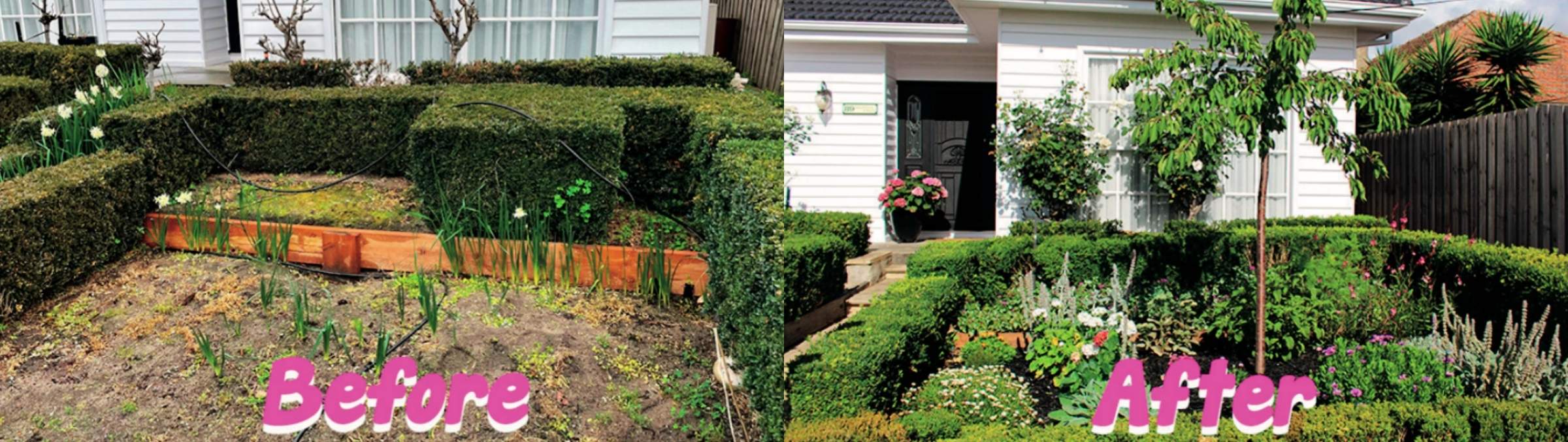
 One of the great ways to deck your garden out with great plants is to shop all the incredible sale prices for plants in our Growers Direct Flash Sale! We have lots and lots of really great specials.
 We also have a Free Weeping Cherry offer going right now when you spend over $300 in-store or online at Hello Hello.
 We have Free Delivery over most of Victoria. Spend over $300 with us and get free delivery to Metro Melbourne and central Geelong, Bendigo, Ballarat, Shepparton and Traralgon.
 You can also get a Free Garden Design with us. You just pay a small deposit, and then when you buy your plants that deposit comes off your price so you get it back. This could be just what you need to get your house looking great to go on the market in springtime.
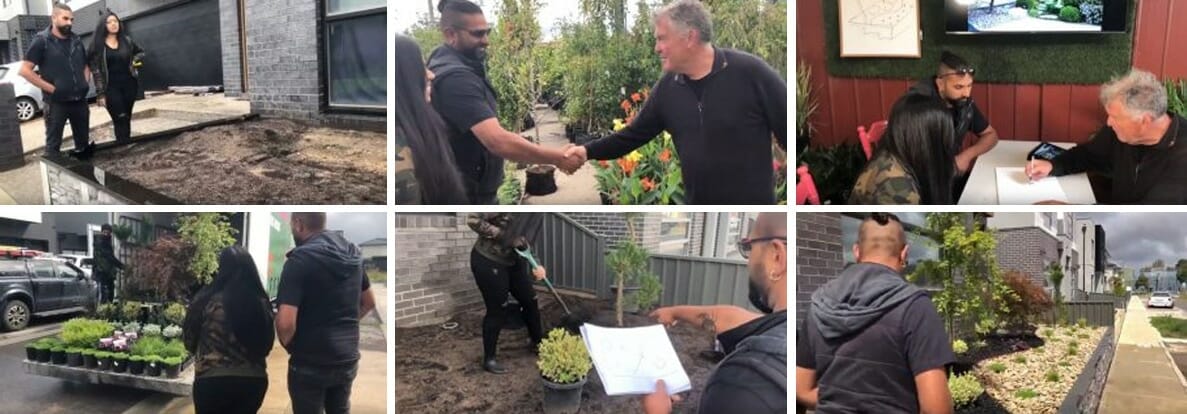
 • Trees- Keep in mind that some trees grow quite big. Some are maintenance-free, while others do need some care. Be careful NOT to plant big trees close to structures, pipes, and pools as they might cause damage further down the line. If you are unsure about what trees to plant, reach out to us and we will advise you.
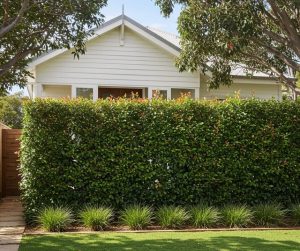 • Privacy – We all want to feel cozy in our backyard, but that is not possible if we have that nosy neighbor always peeking over for a chat. Some tall Lilly Pillies like Neighbours-be-Gone or a Silver Sheen Pittosporum hedge should quickly fix that problem.
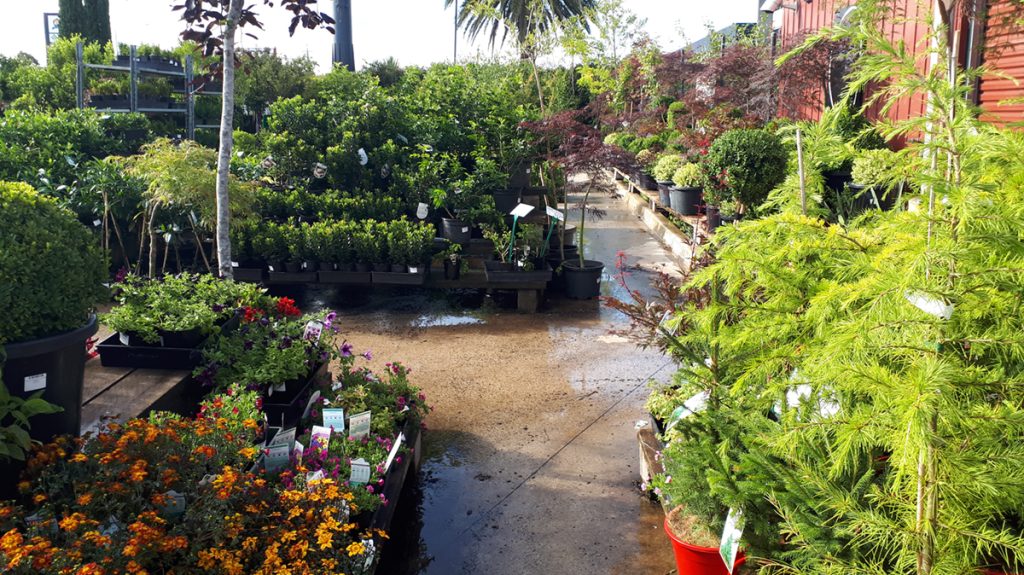


 Now the other mistake people make is using these cheap watering guns on the end of their small hoses. They often have them set to make a fine misting spray so they don’t damage their plants but the problem is that doesn’t give the plant much water at all, especially over a hot summer.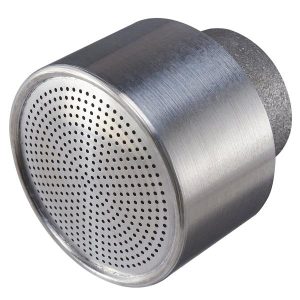
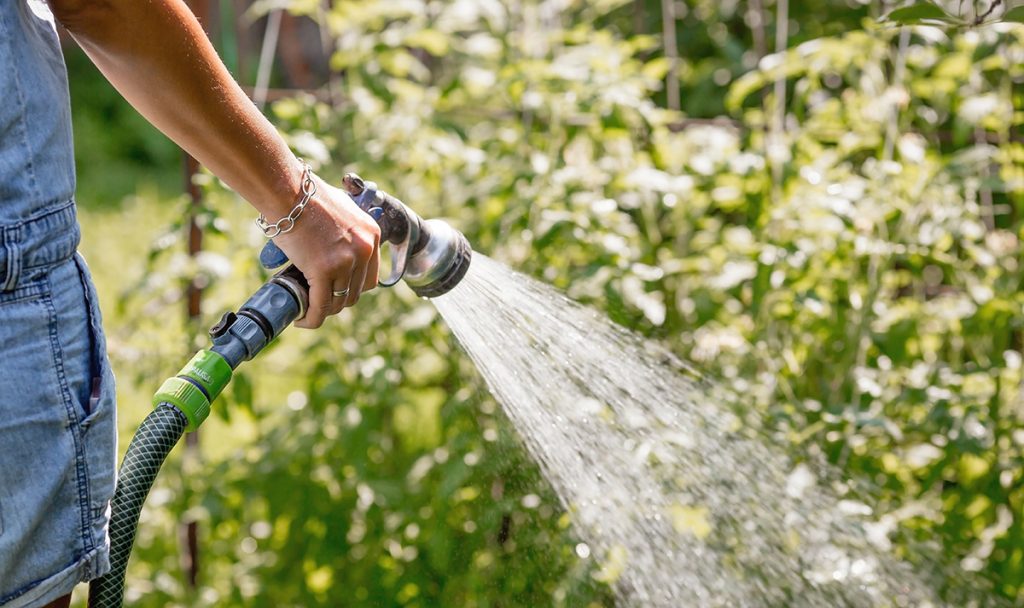
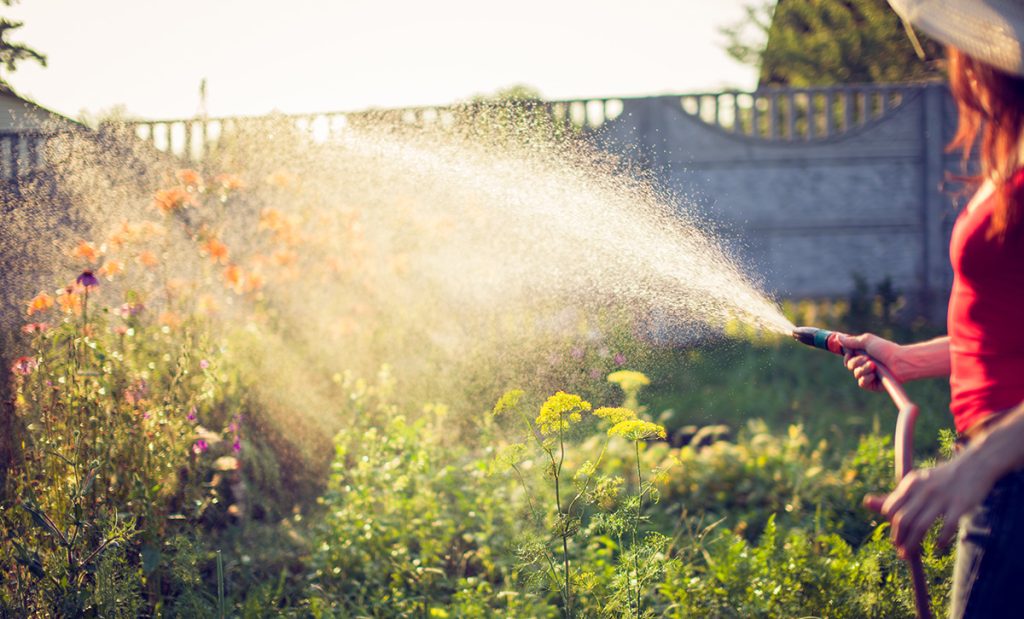
 Now many plants love the hot summer, they love the hot sun. But they need adequate water to grow and flourish. And just like we enjoy a nice cool drink after a long hot day, so do our plants. So don’t just think about “Hey I don’t want my plants to die”. Think like this, “I really want my plants to flourish!” “I want my plants to grow beautifully.” “I want my plants to thrive”. So it’s a positive thing you are doing for them and giving them when you water them and that’s why you need the right equipment.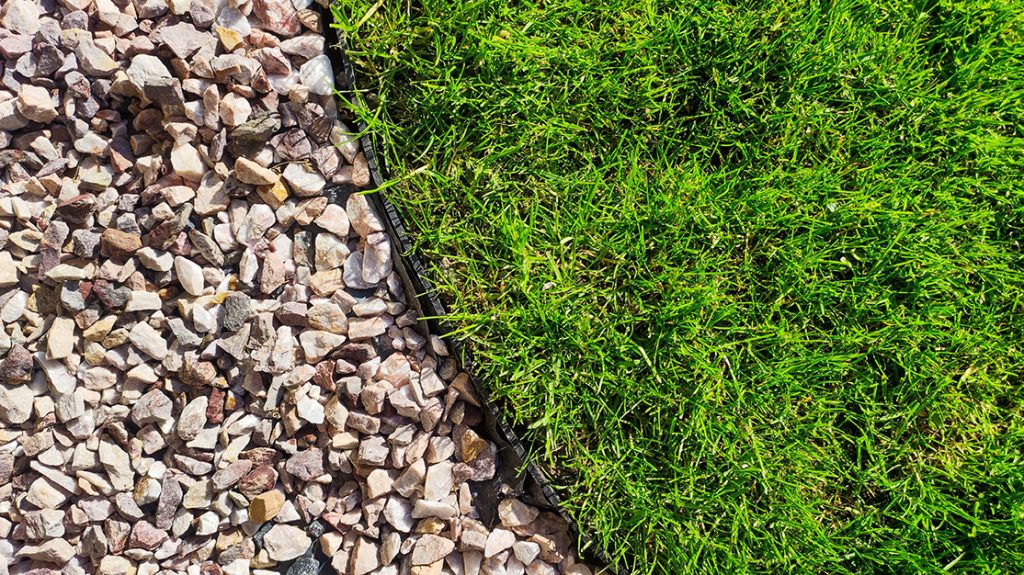

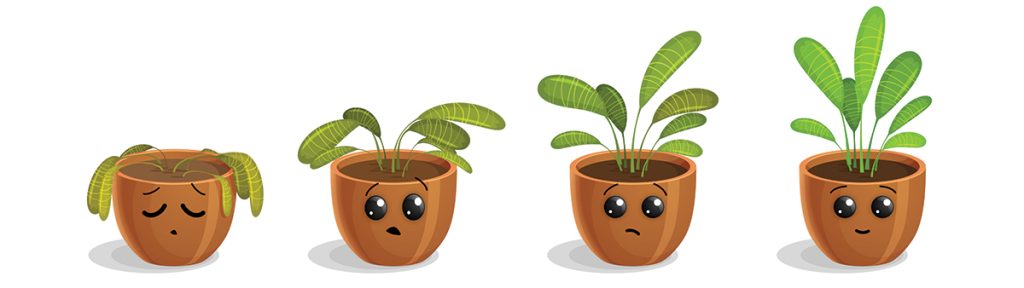
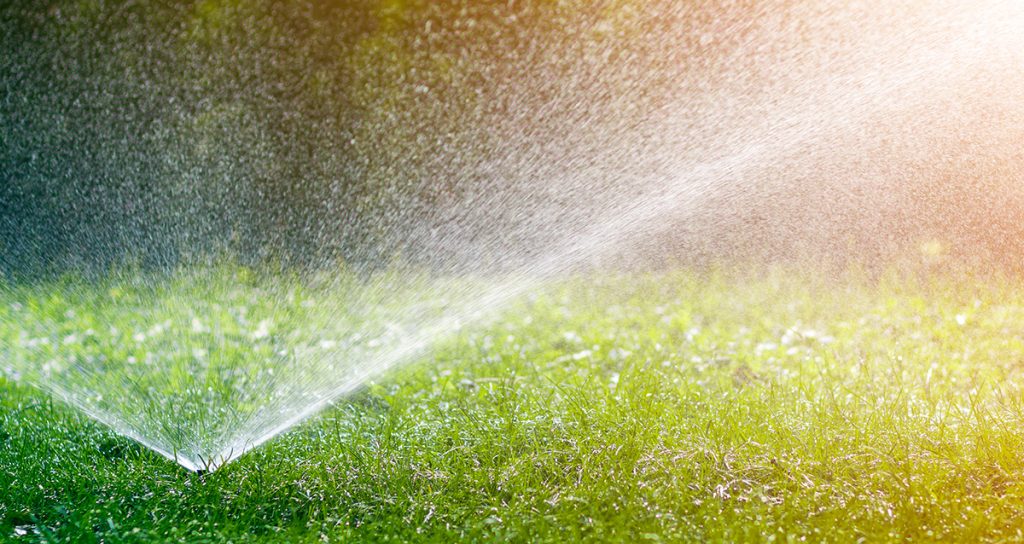
 Now even I can have some challenges when it comes to watering. Recently I had a situation where we had a sort of funny dry spell in late spring, early summer. I came home one day and it seemed like all of a sudden my birches had yellow leaves forming there and I could tell that they were really, really stressed. I knew they’d be stressed down deep. I went and had a look and the soil around the bushes was all cracked. So what I did was I gave them two or three waterings and that got the water in and finally gave them the really big soaking they were looking for. It was funny if I’d just gone out there and stood there for ages trying to do one long watering, the water would’ve been running off here and running off there. But because I did a couple of waters I got a lot into the ground.
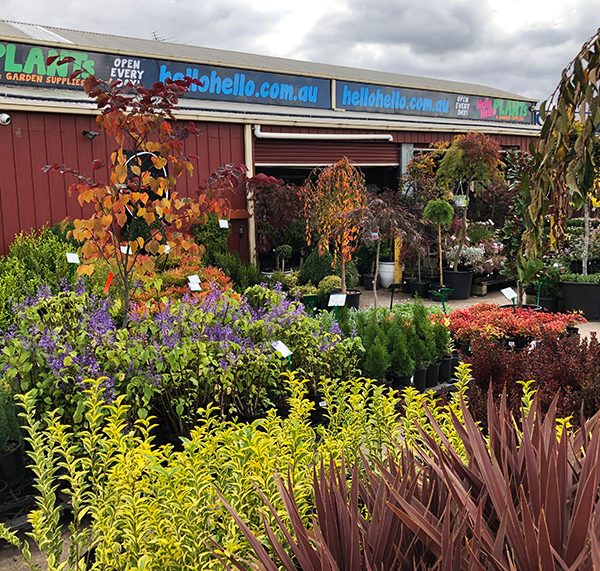
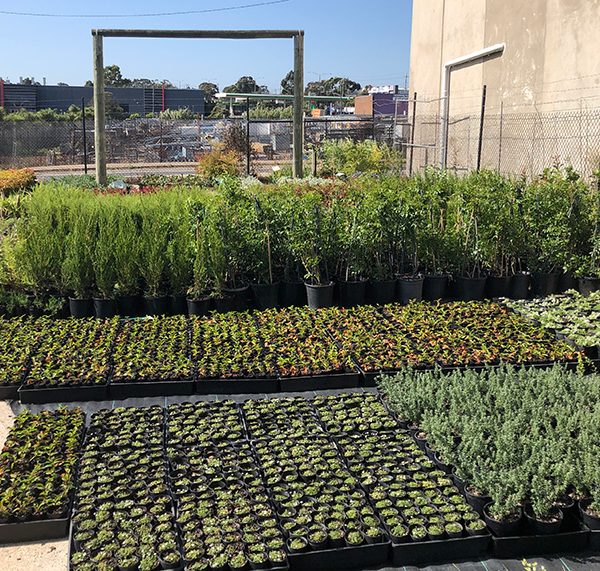
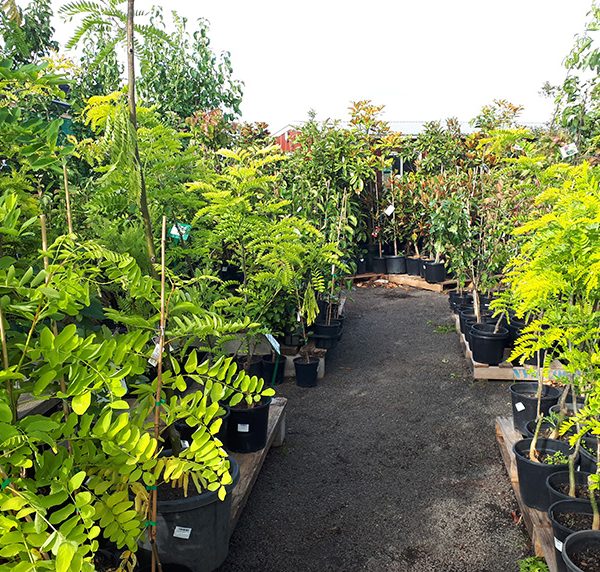
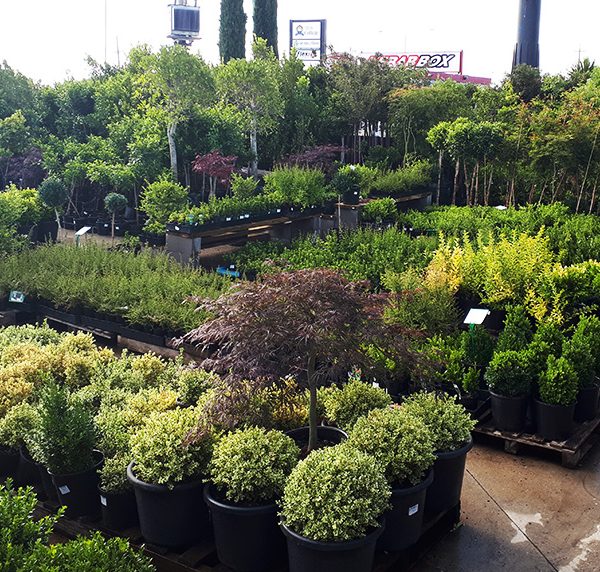
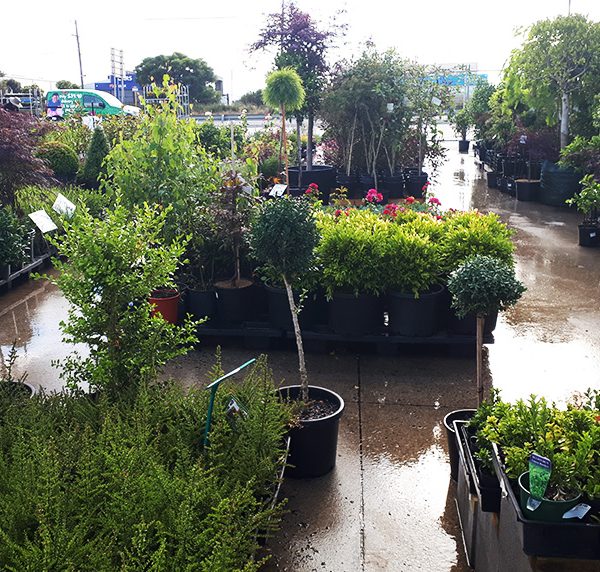
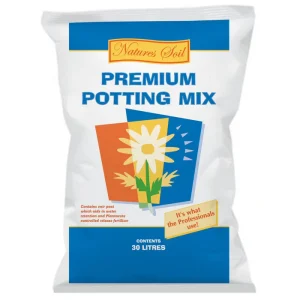
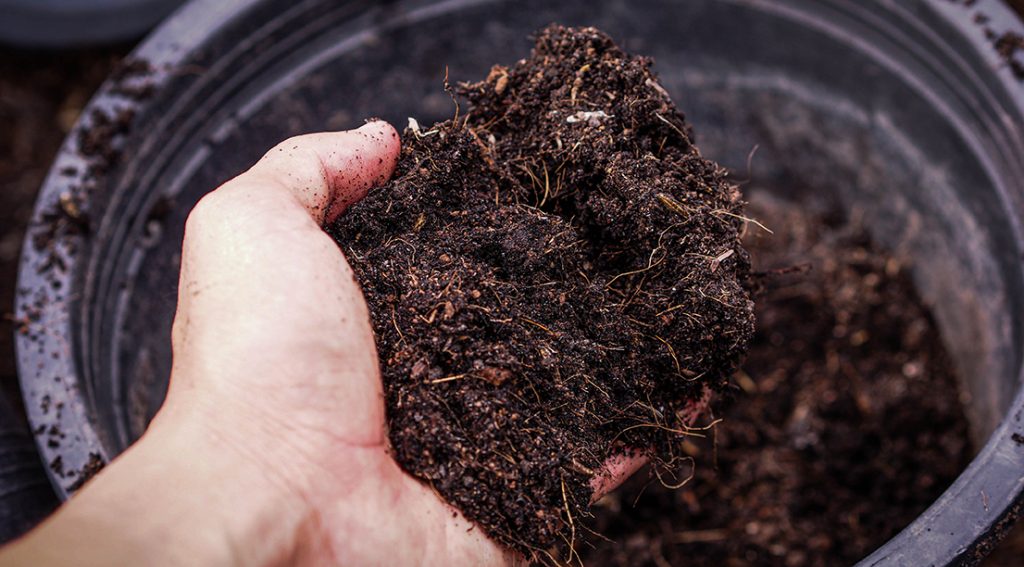
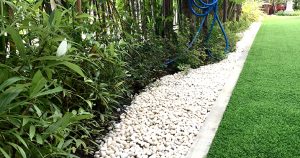 Now that is definitely a case of watering too much because basically you don’t need to water turf that much. If it is hot weather and you’re planting turf and you’ve got other plants you’ve just planted around it as well, you only need to water the turf once really thoroughly. Then after that you just spray the turf for a minute or 30 seconds just to keep the grass wet. You might water it 6 or 8 times a day, but you just spray it lightly so the grass is kept cool and moist and happy. You DON’T give it a deep soaking 6 times a day!
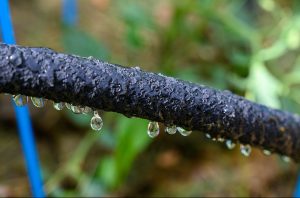 So say you have a situation like I did a while ago with a hedge out the back of my place. It had dried right out underneath and was starting to drop leaves and look a bit crook. So what I did was get out the old soaker hose, those ones with the small holes that put out little sprinkling jets of water. I put on about twice the recommended dose of the soil wetter around the base of the hedge and then ran the soaker hose for 30 minutes at a time, every few hours. That combination worked brilliantly because the soaker hose doesn’t flood the place and the soil wetter in combination helped the water get right down deep into the roots. So that’s one example of where I might use a soil wetting product.
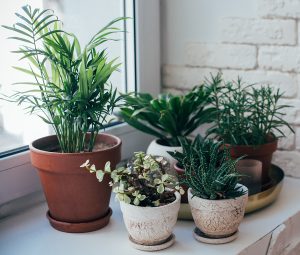 Another problem people have with watering plants in summer is that’s when we tend to go away on holidays and we might have to get a friend or neighbour to water our garden and plants for us. (Maybe show them this article before you put them in charge of the watering!!!) But basically, you can do a lot of things to help your plants cope with the heat while you are away. If you have any of the more delicate plants that don’t like the heat and sun too much, then move them into shade, under the carport or even in the garage where they will be out of the direct hot sun. And if you sit them in trays or anything that can hold some water that they draw back up again this will also help them cope with the heat. You can get a range of large plastic trays or saucers at our nursery to put under your pots and they can hold quite a bit of water to keep the soil in the pot damp for longer. They come in sizes up to 63 cm. Without a saucer under them, many pot plants might only last a few days without water but with the saucer they can last up to a week.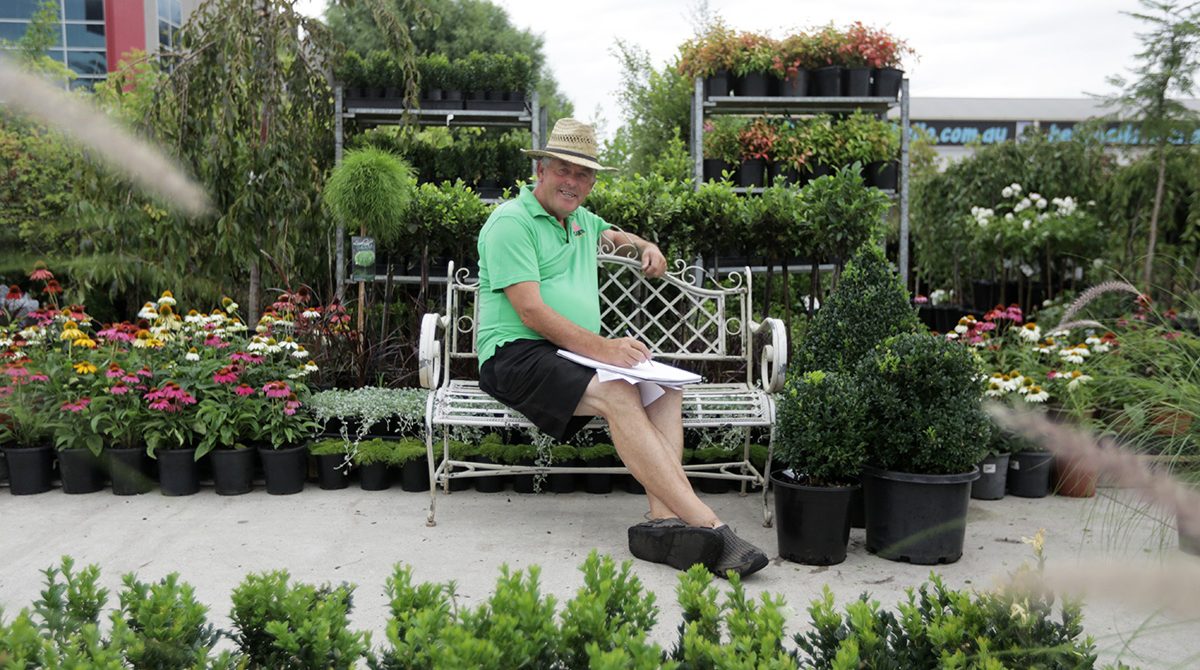
 Remember too your mindset if you’re a keen gardener, you’re not there to just keep your plants alive. You’re there to have them flourish. Keeping your plants alive is one thing. Having them flourish is a whole different ballgame. And flourish means that the plant has adequate water right to the bottom of the pot or the plant in the garden down deep where its roots are, so it has plenty of water to draw on. And if you do that, you’ll have a really beautiful garden.
 So I went over to see him and he had this beautiful lush green lawn, absolutely fabulous green cooch lawn. Fantastic. And then he had these Mop Tops everywhere in the garden. It was a very modern house with Mop Tops and green lawn. And there they were. There was a dead one here and a dead one there. And he’d been replacing a few too. So I started scraping some of the dirt away at the base of one of the Mop Tops and I dug down a bit and there was dust. So I dug a bit further and it was just dust, dust, dust, dust, dust down deep. I said to him, you need to water them. He said, I do. He said, I water them every day. I said, how long for? He said for 30 seconds!



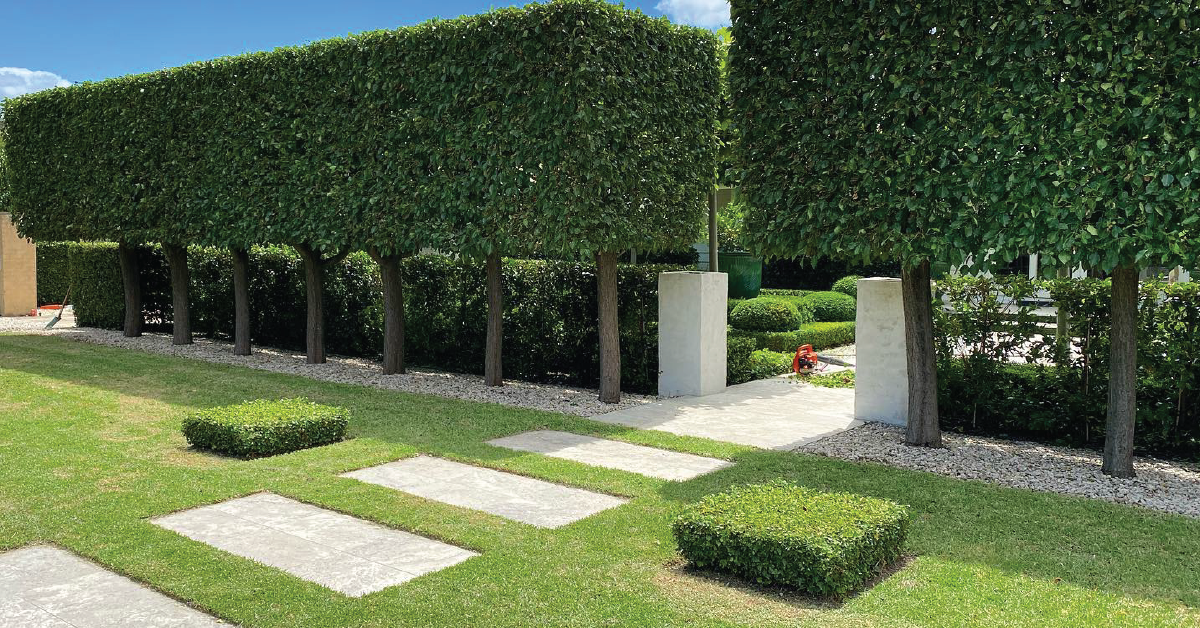
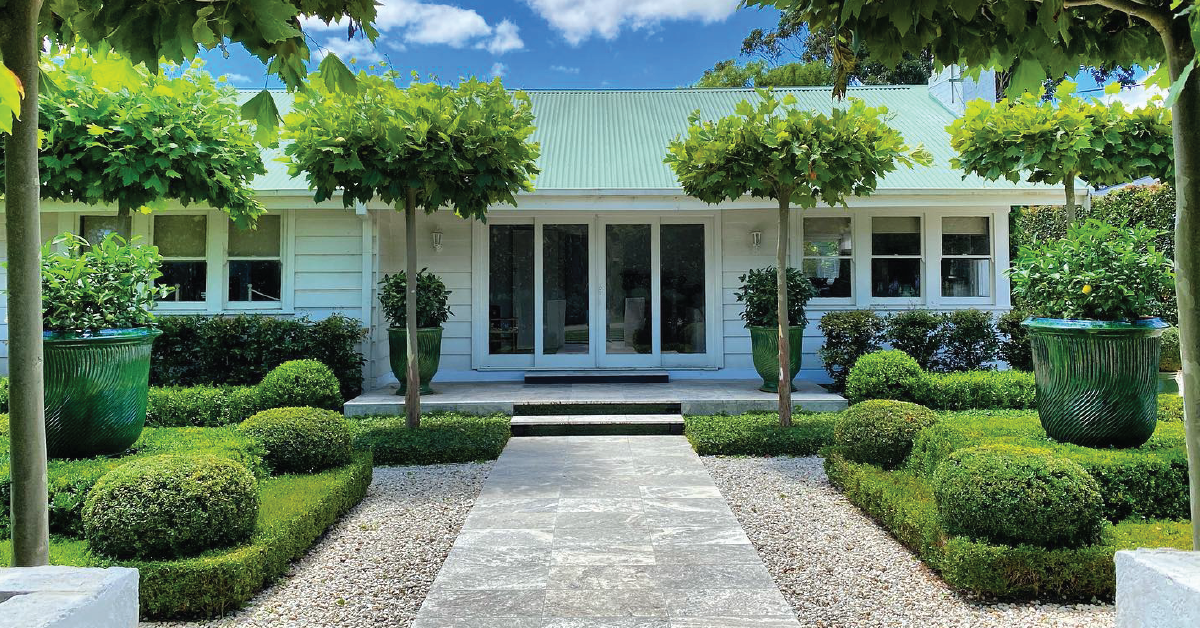
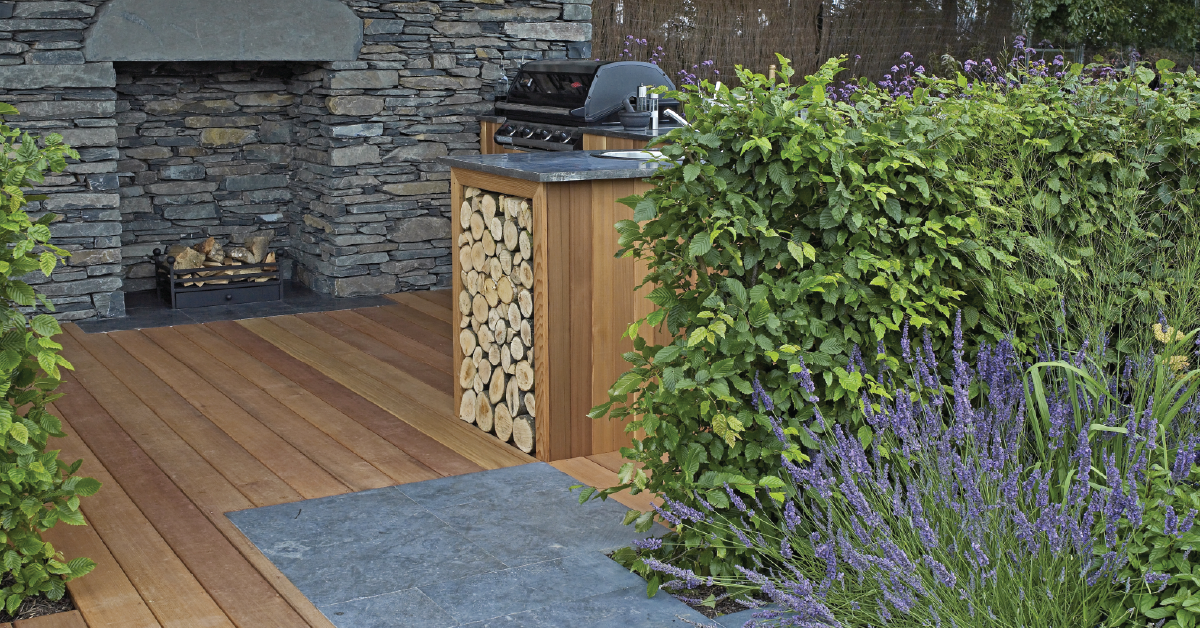




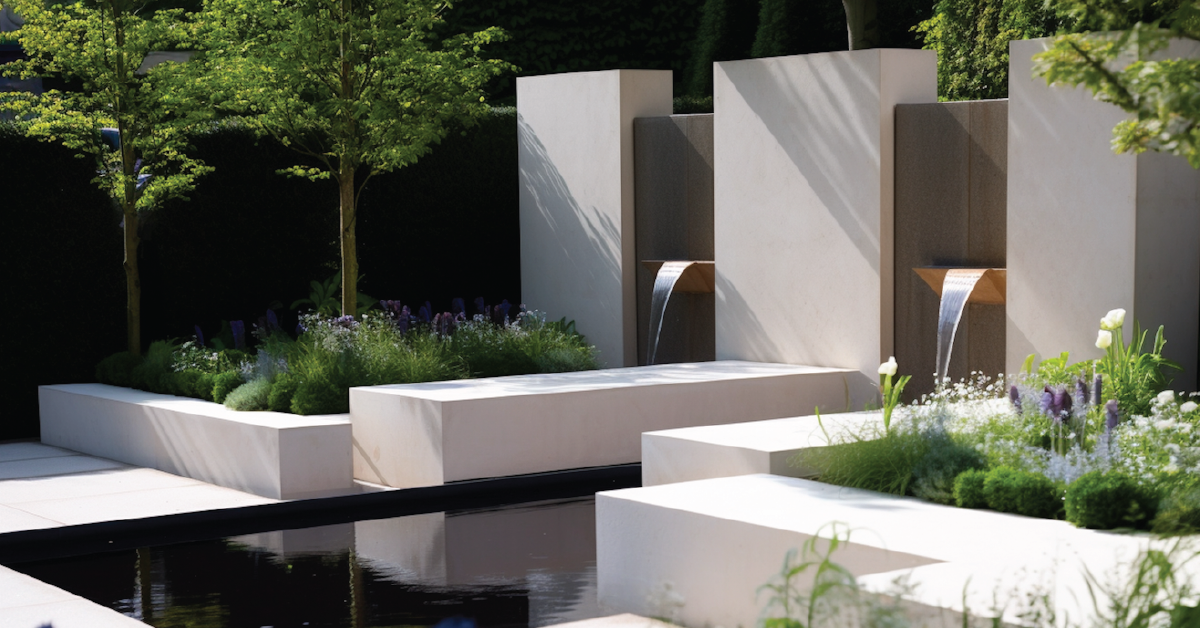
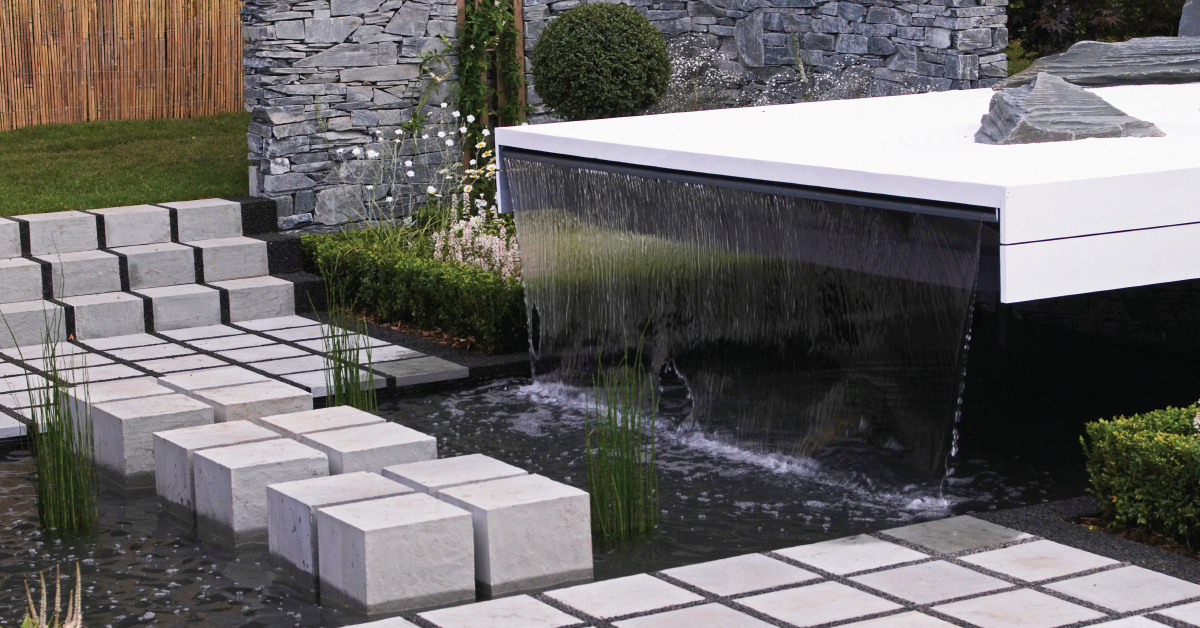
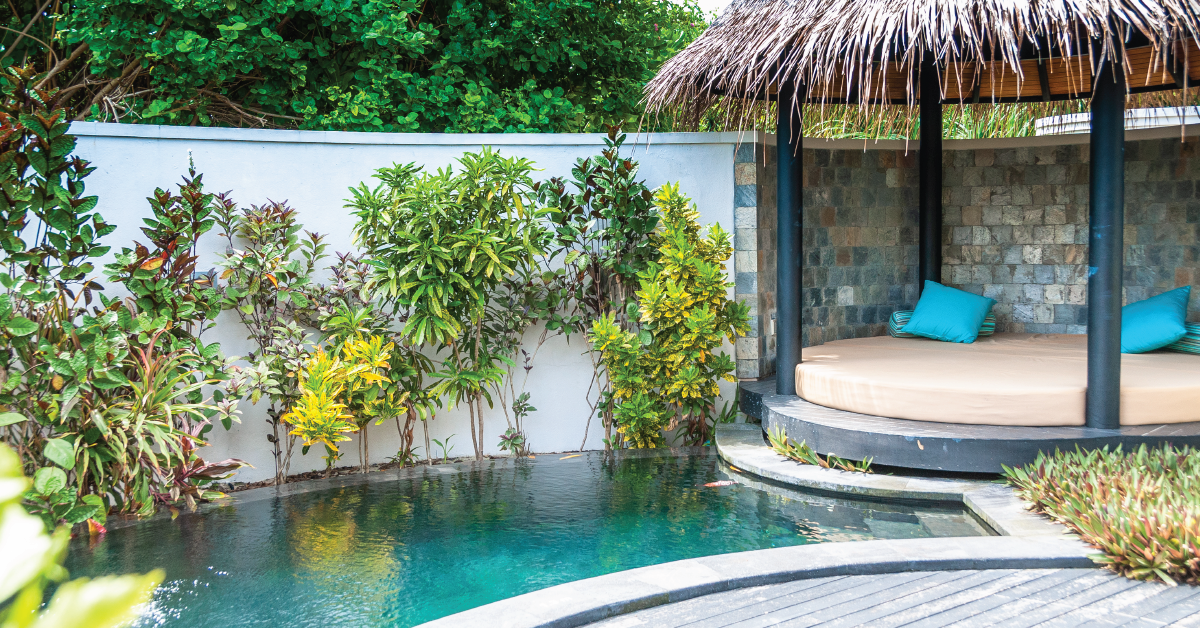
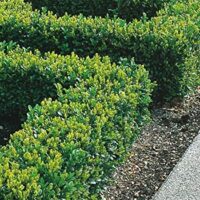
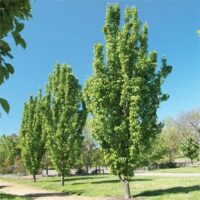

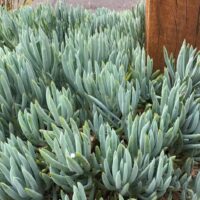

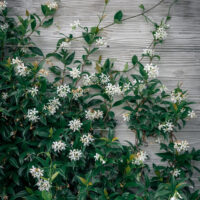
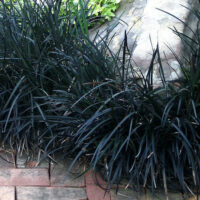
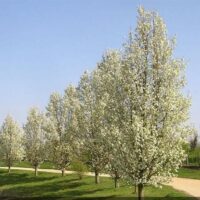
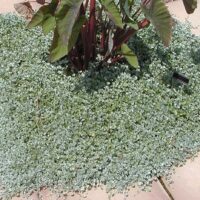
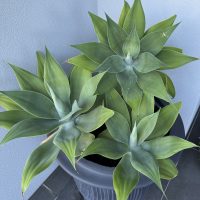
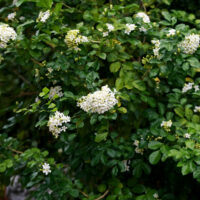

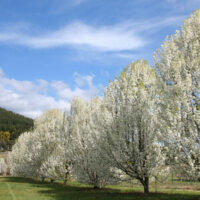
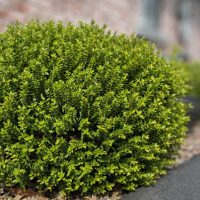

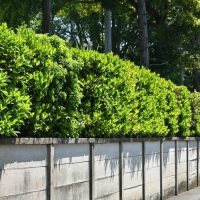
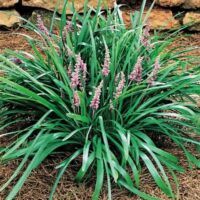

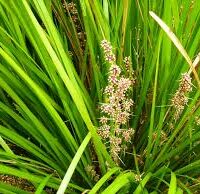

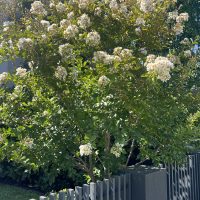
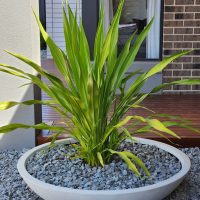
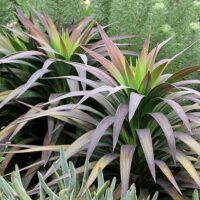
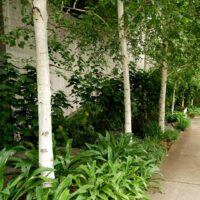

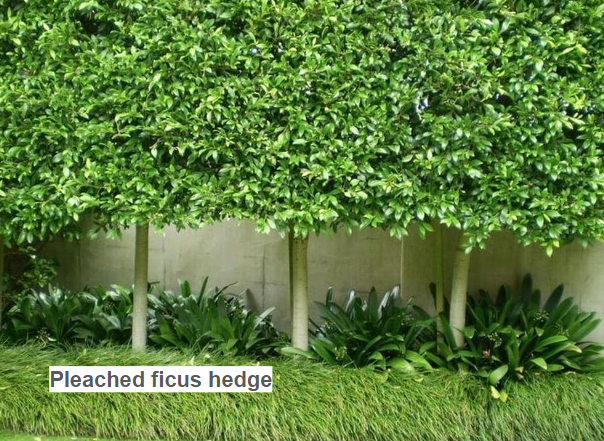
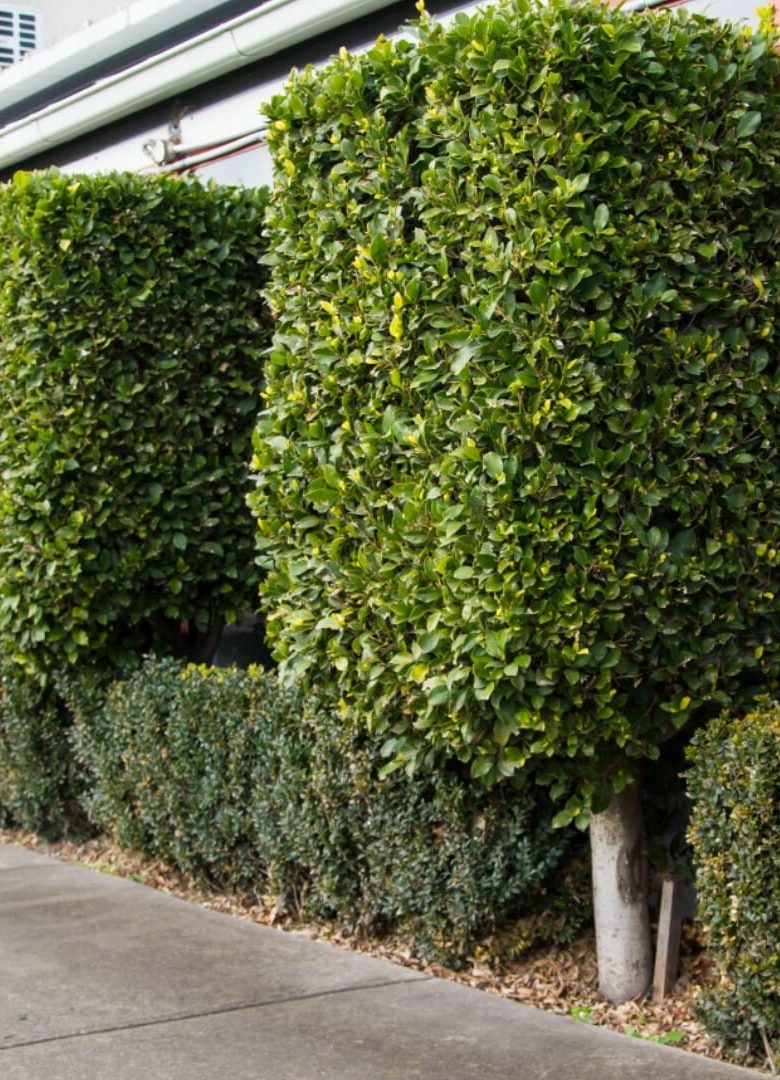
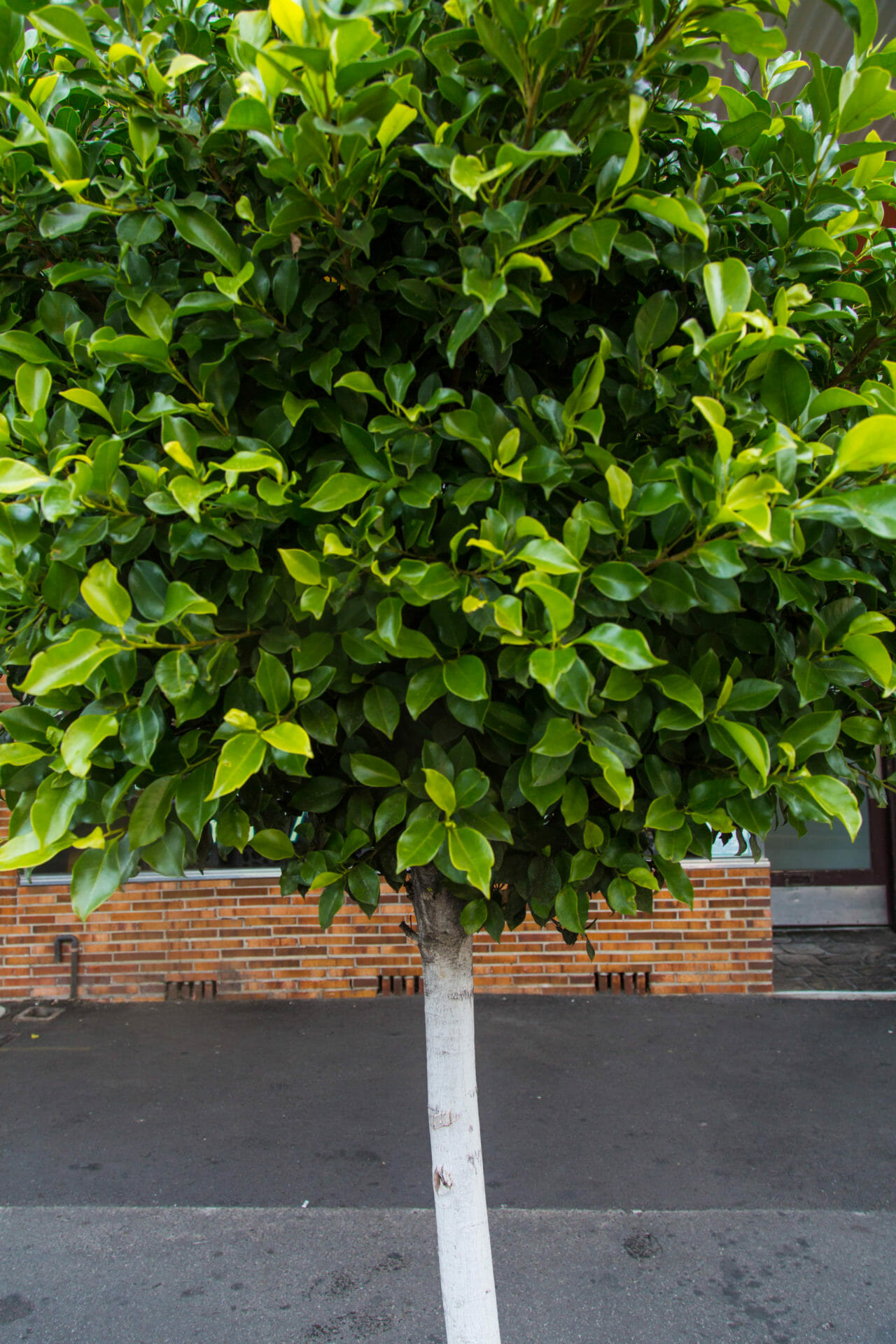


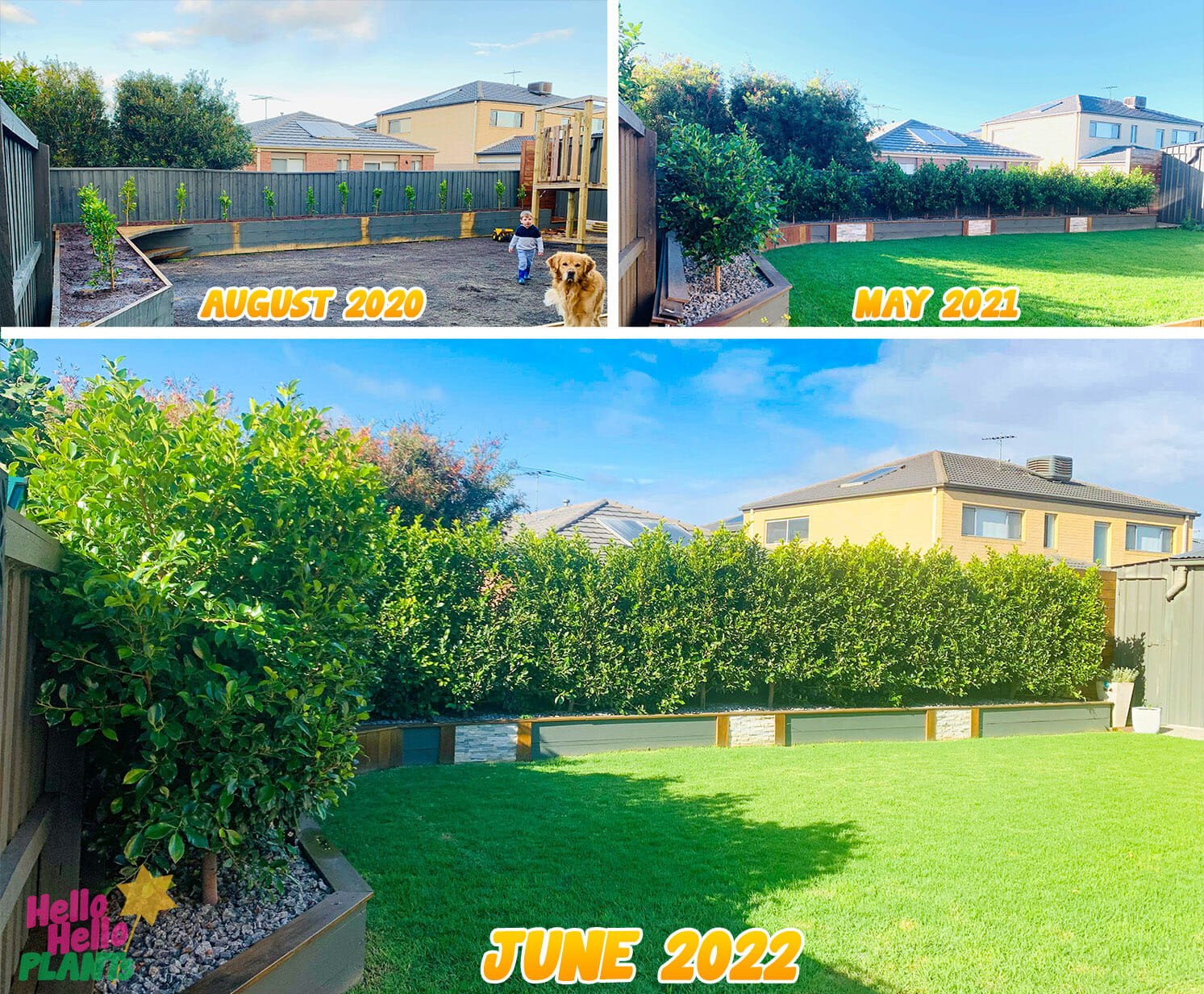
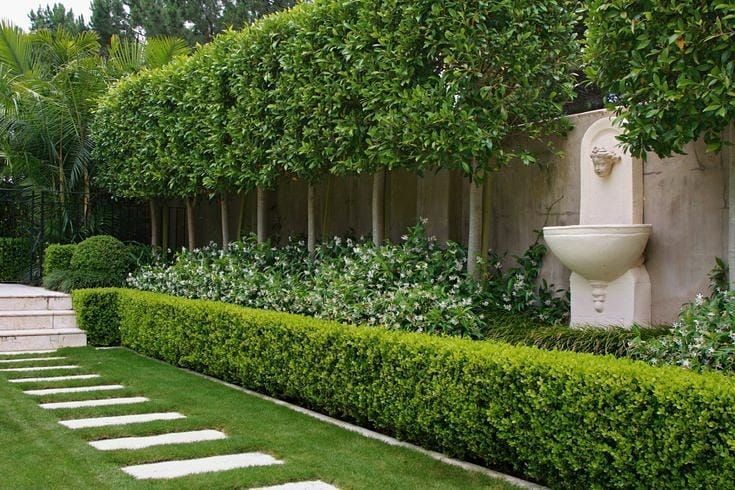

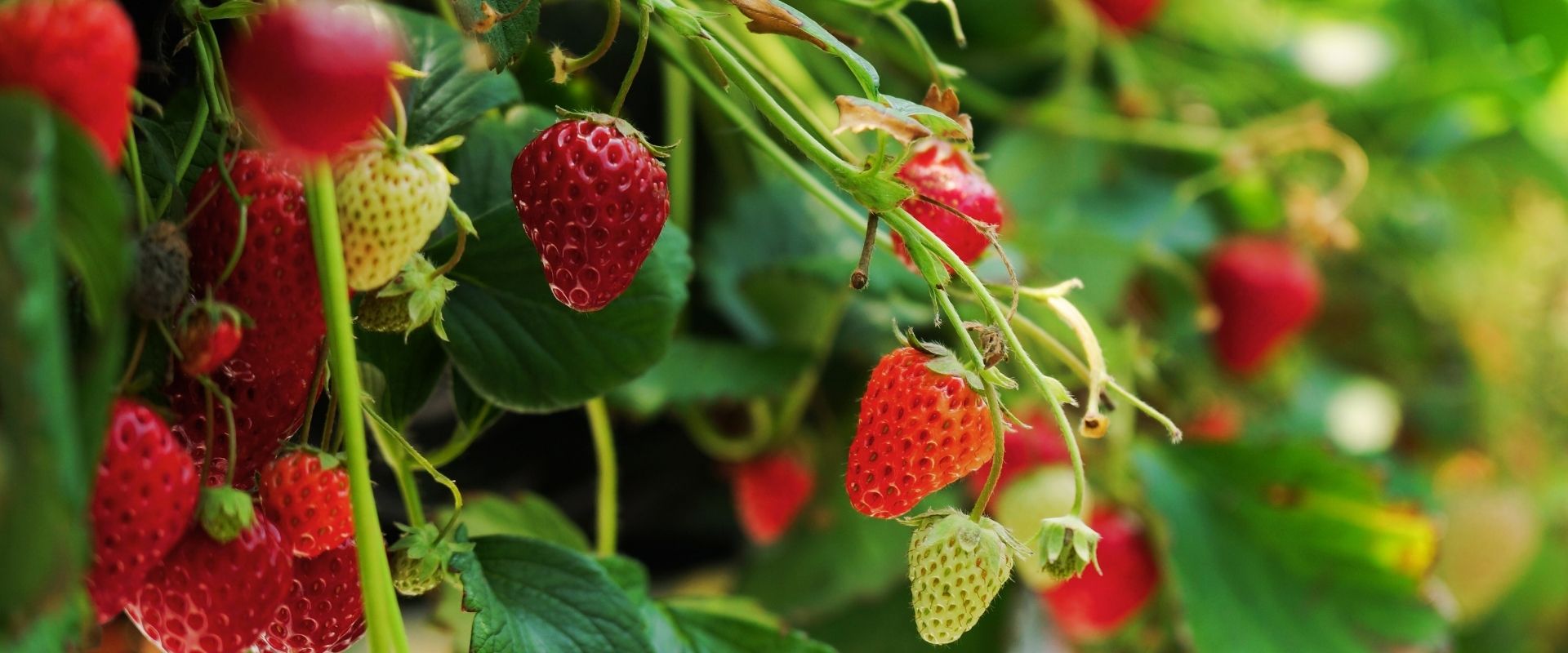

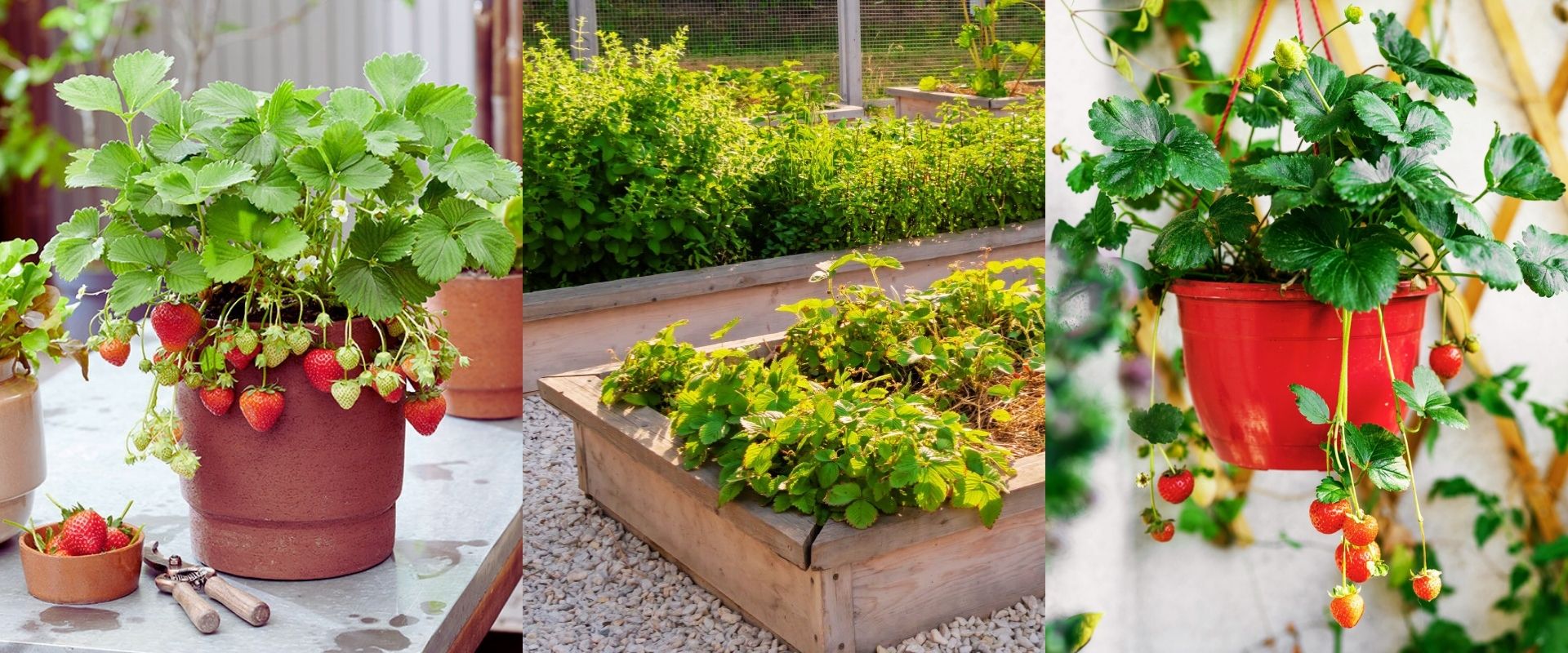 You have the choice between the garden bed, a hanging basket or a pot. This versatility is great for small spaces, or homes that only have a balcony or courtyard garden.
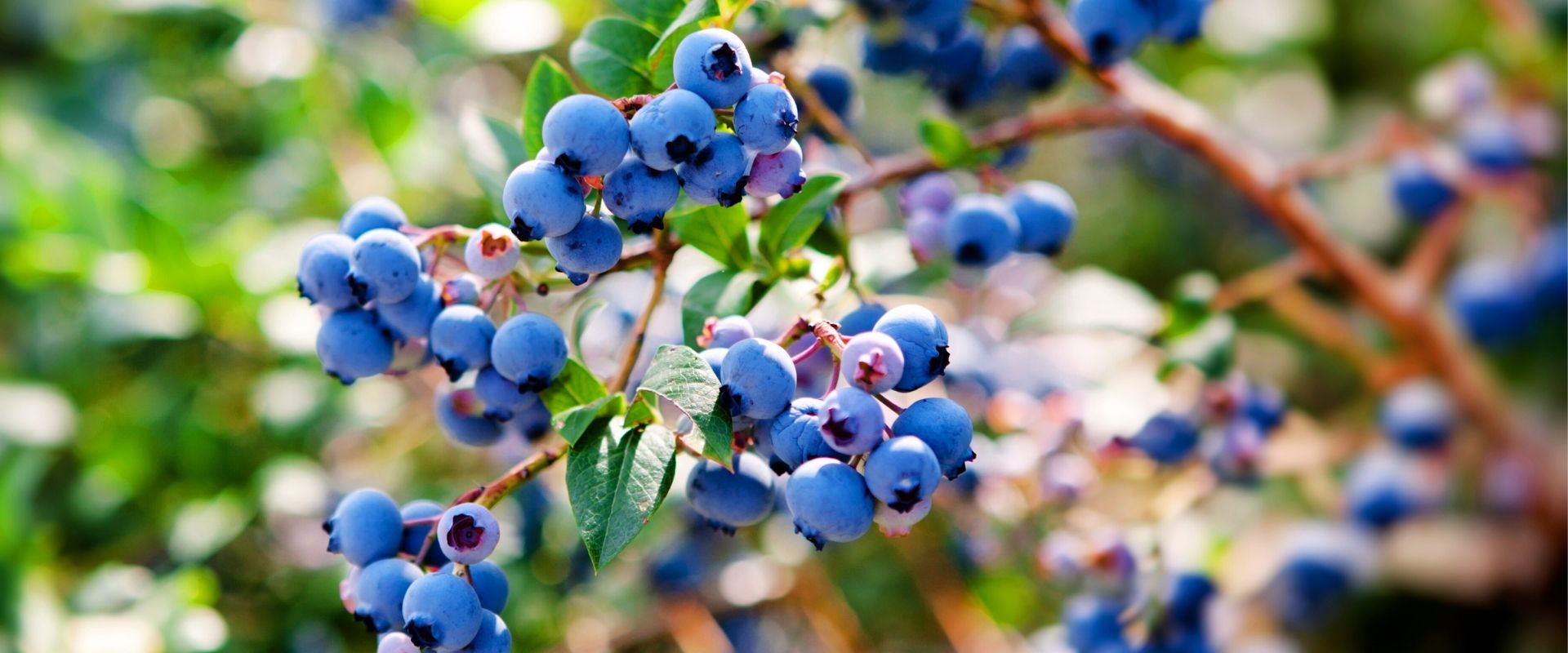
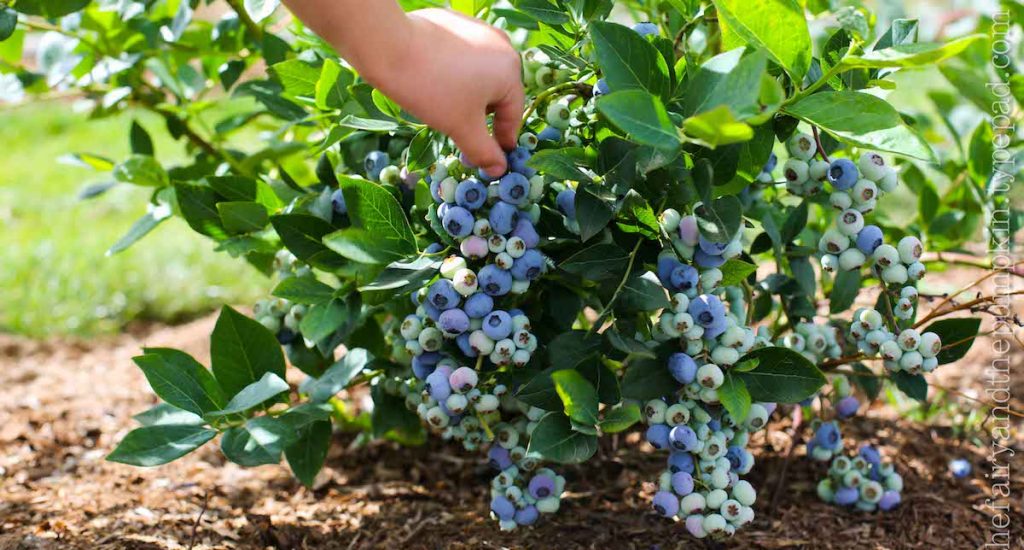
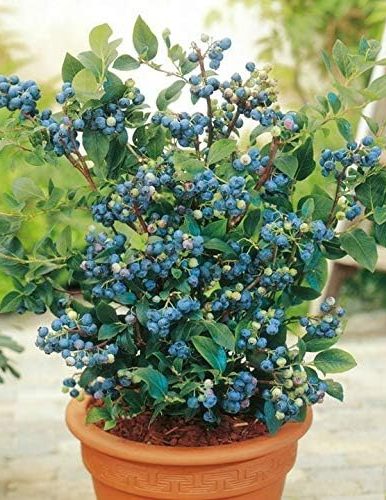

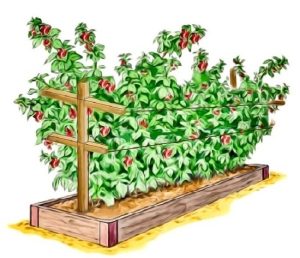
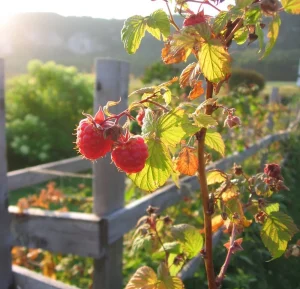
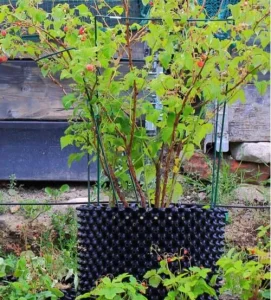

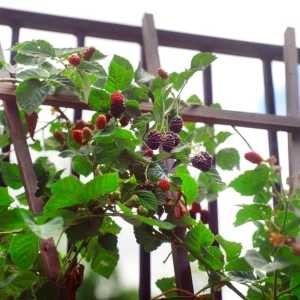
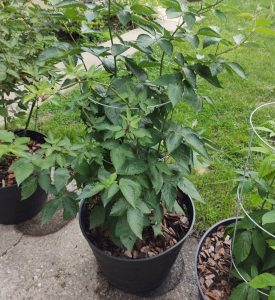
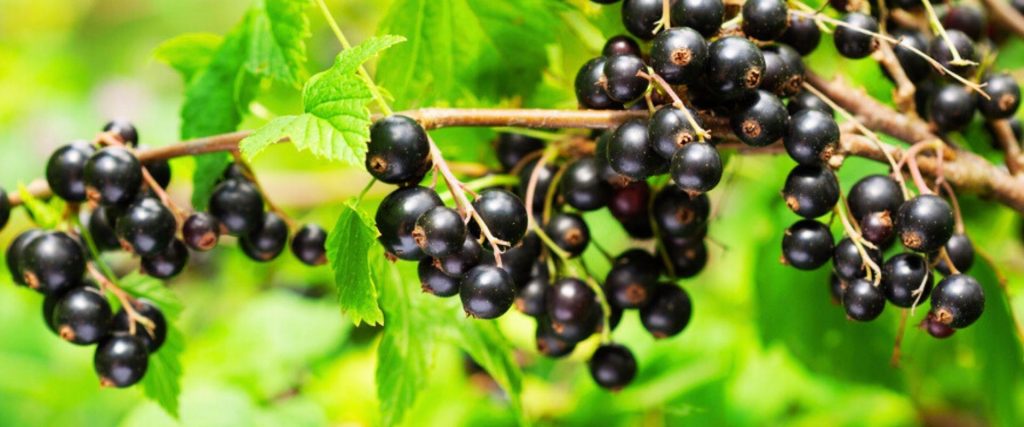
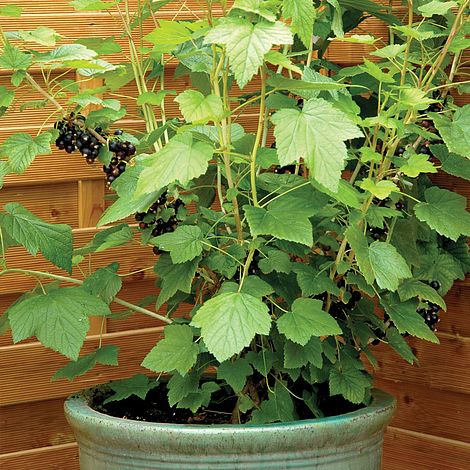

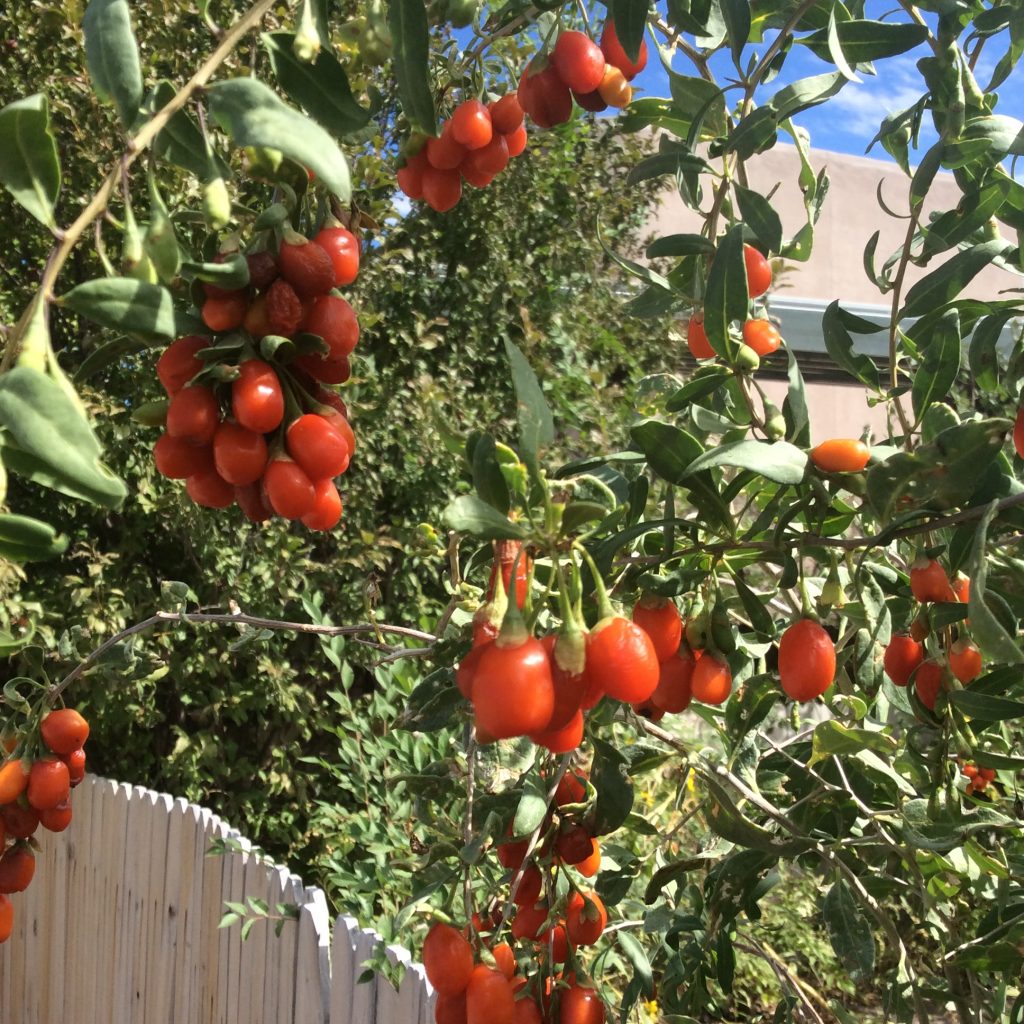


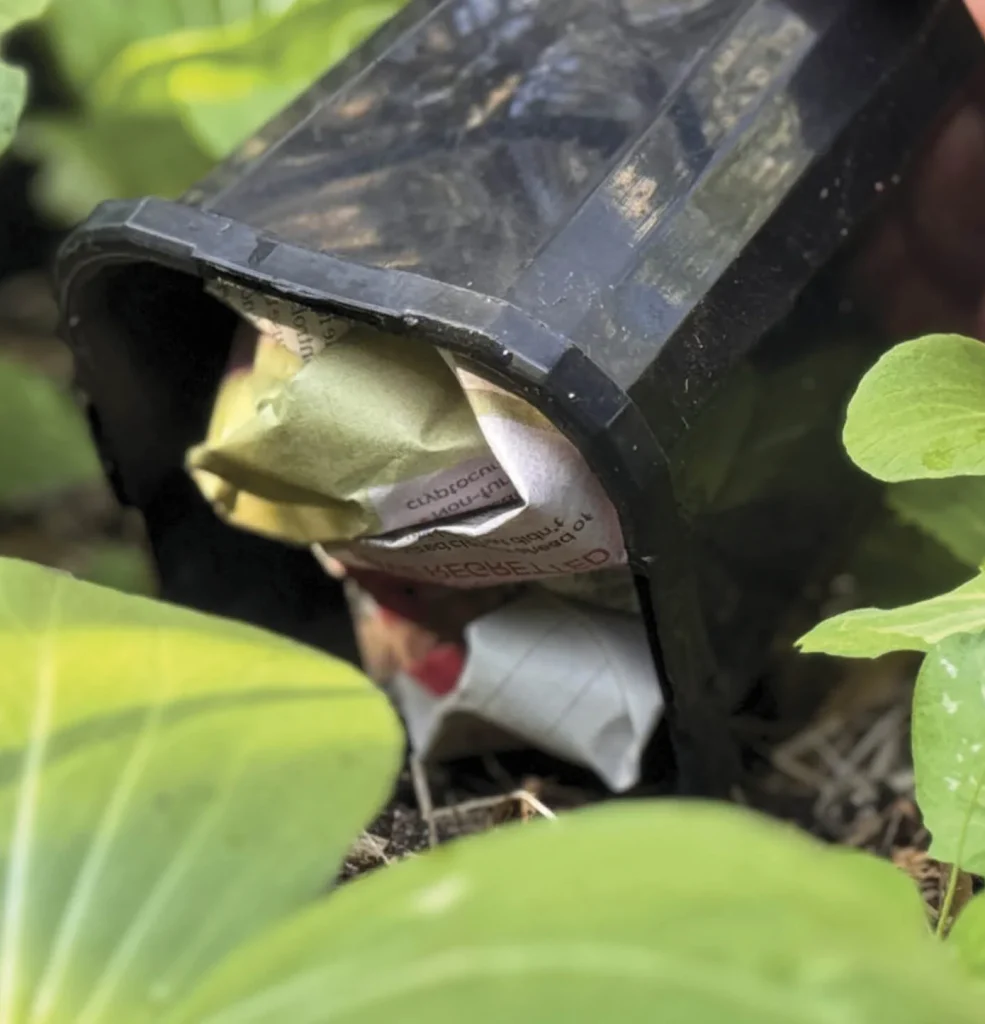
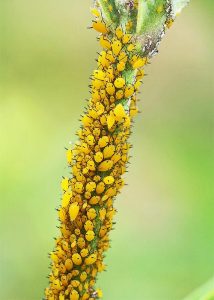 The key with this is only using a little bit of detergent and using water to highly dilute it. Less is more in this instance. This trick also works with other sucking insects!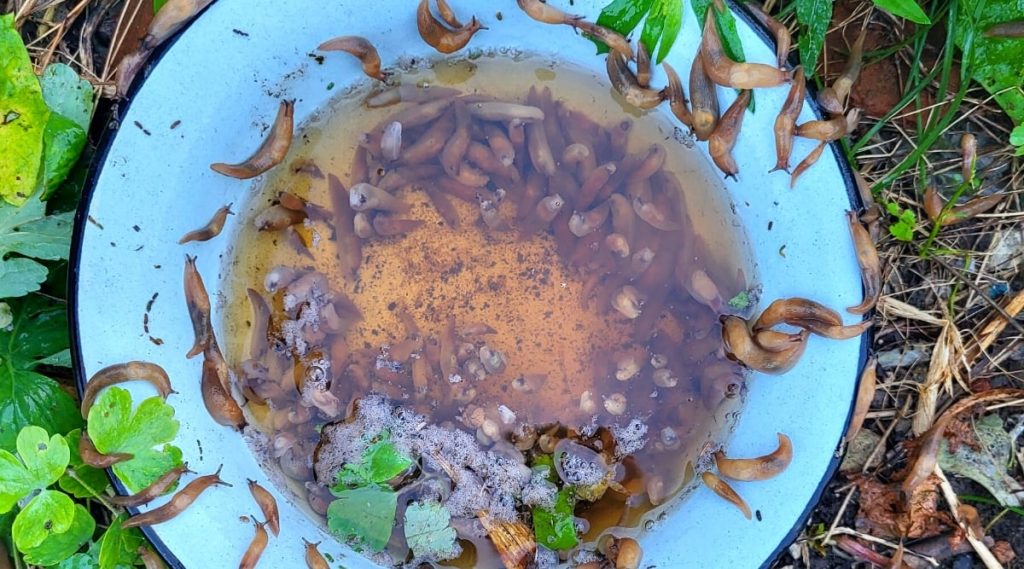
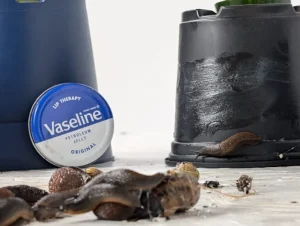 With just Vaseline you can create the equivalent of a magical “you shall not pass” line. Slugs and snails despise Vaseline and will refuse to cross a line of Vaseline.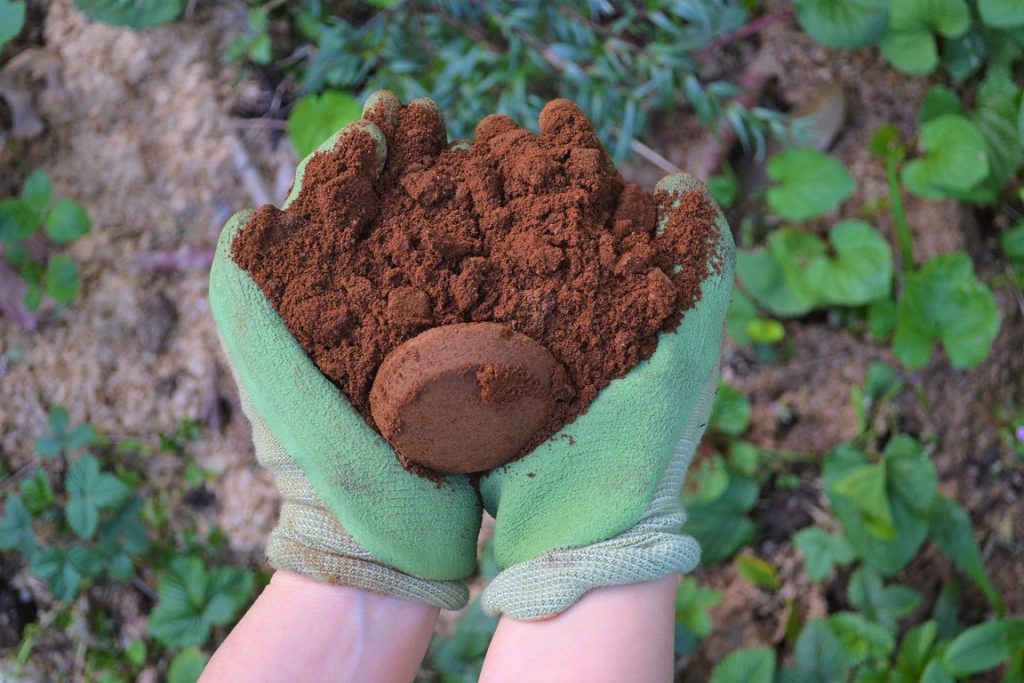
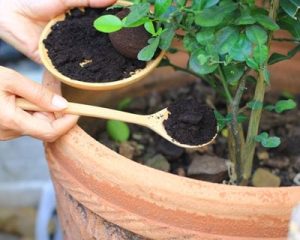 How it works is that coffee grounds contain small amounts of nitrogen, potassium, and phosphorus—all nutrients plants love. They also improve soil texture, making it fluffier and better at holding water. Plus, coffee grounds attract worms, which help break down organic matter and improve soil health.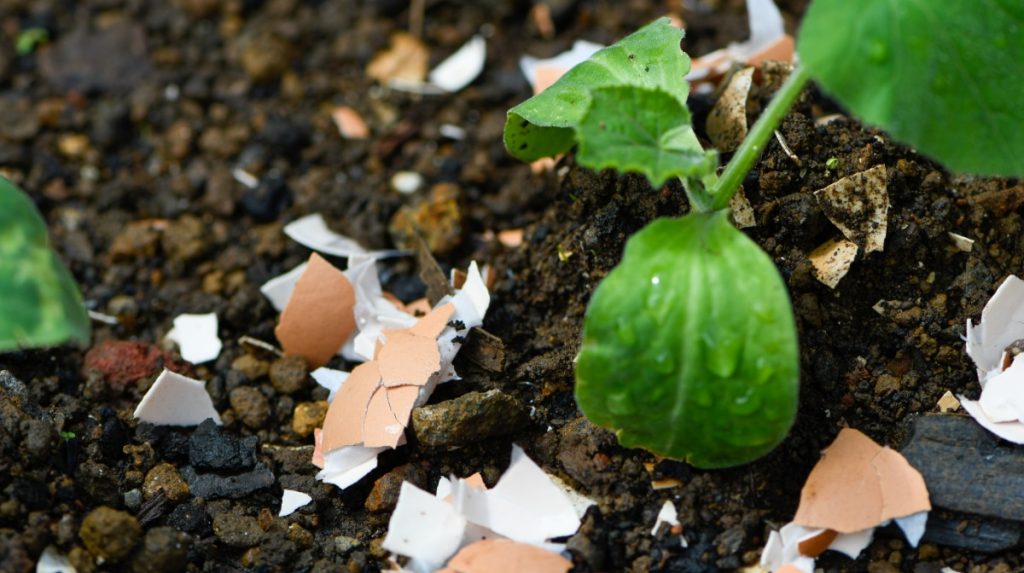
 Unfortunately this isn’t a hack you can do while cooking your normal pot of pasta or potatoes because you need the water to be unsalted. Salt is great for flavouring your food but not so great for plants.
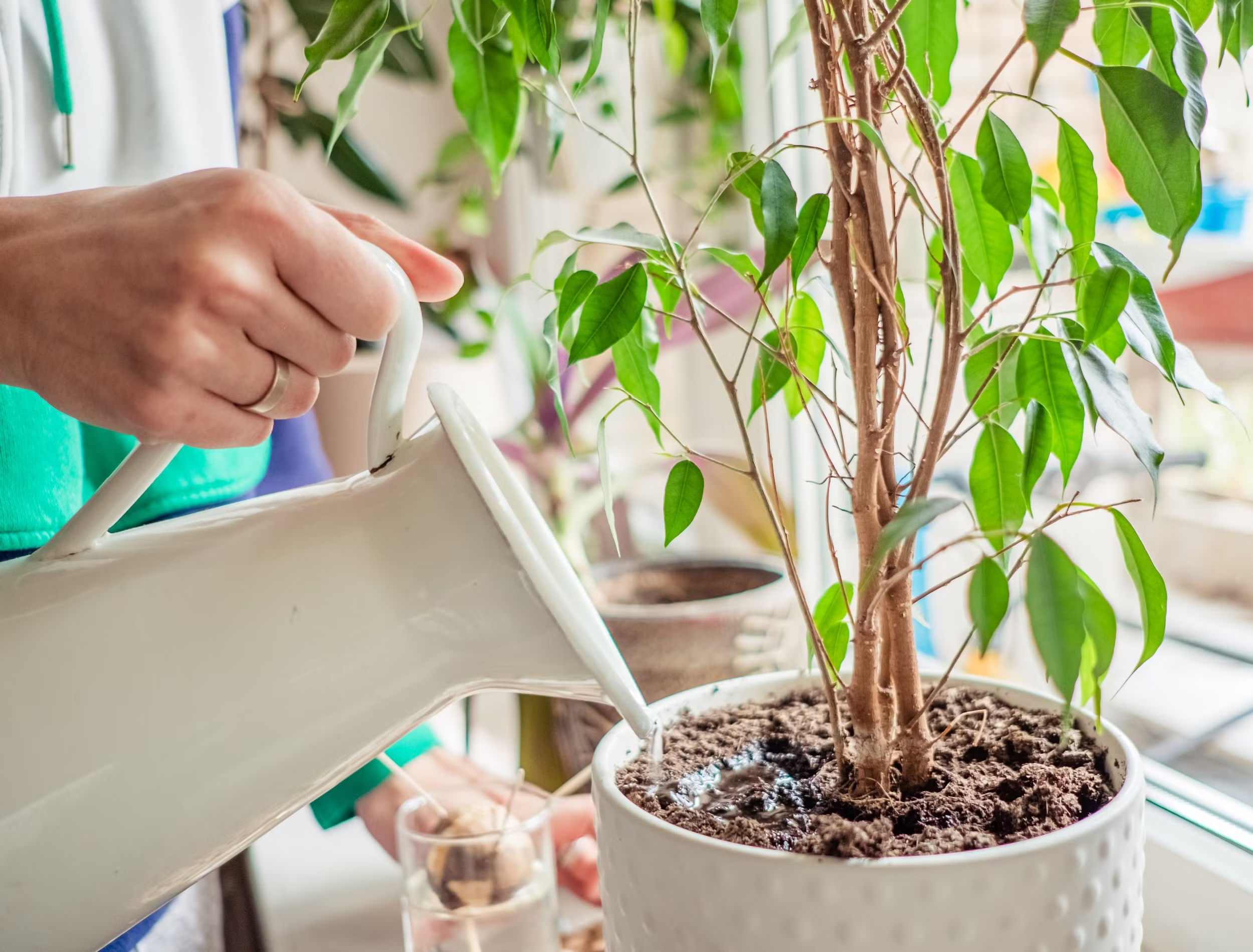 So once you’ve boiled your potatoes or pasta, take them out (eat them if you feel like it) and let the water cool to room temperature. Then pour the cooled water around your plant’s base.
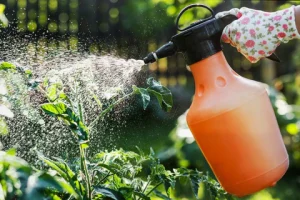 You’ve probably heard of using Epsom salt for muscle relaxation, but it’s also great for making leaves greener. What happens is the magnesium from the Epsom salt helps plants make chlorophyll, which is the green pigment they use to transform sunlight into energy.
 Don’t overdo this because too much magnesium can be bad for your plants. We recommend every 2-4 weeks during the growing season.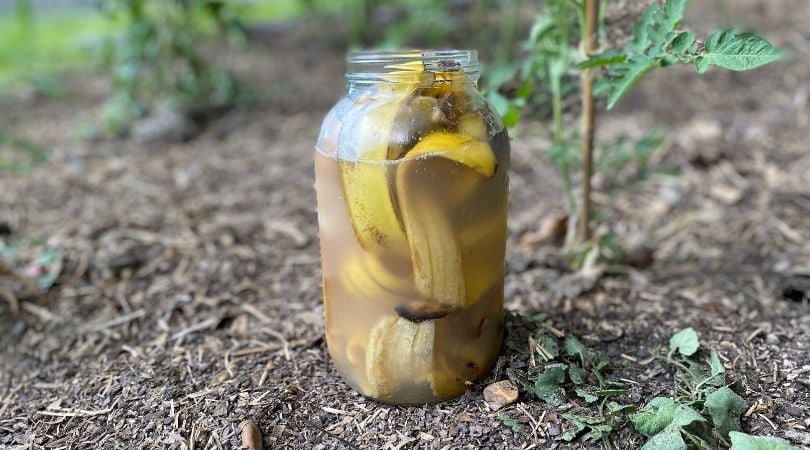

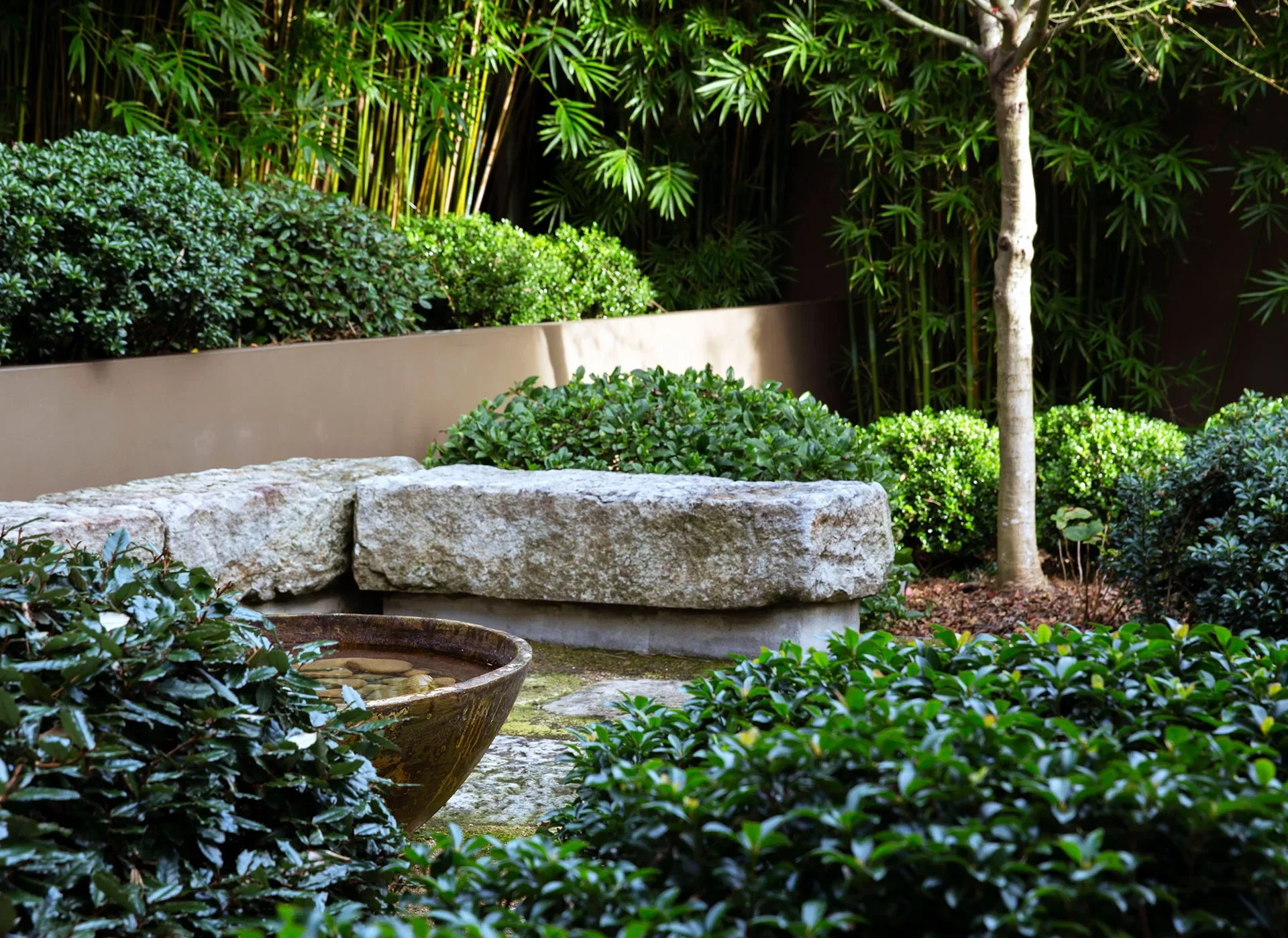

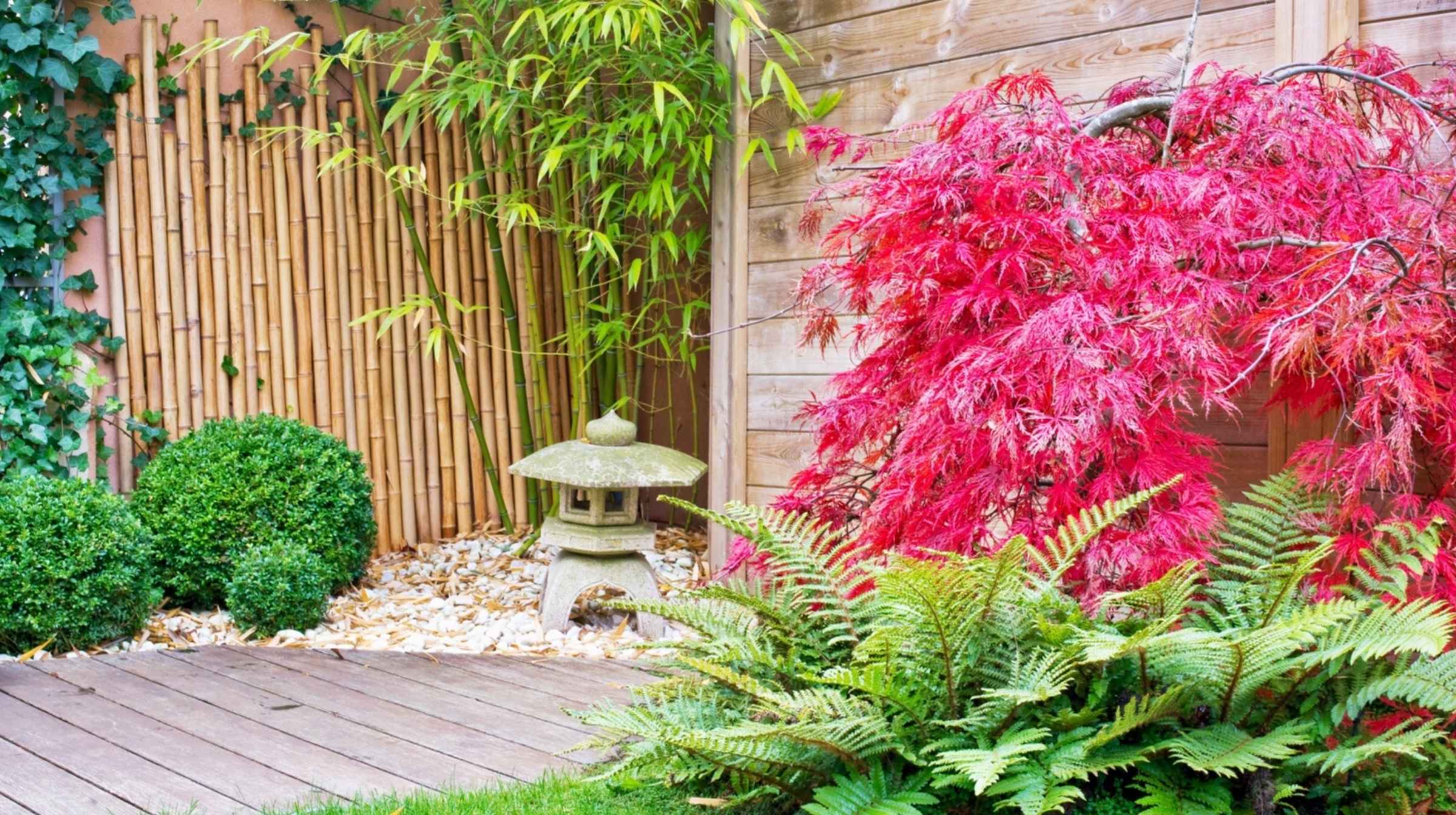

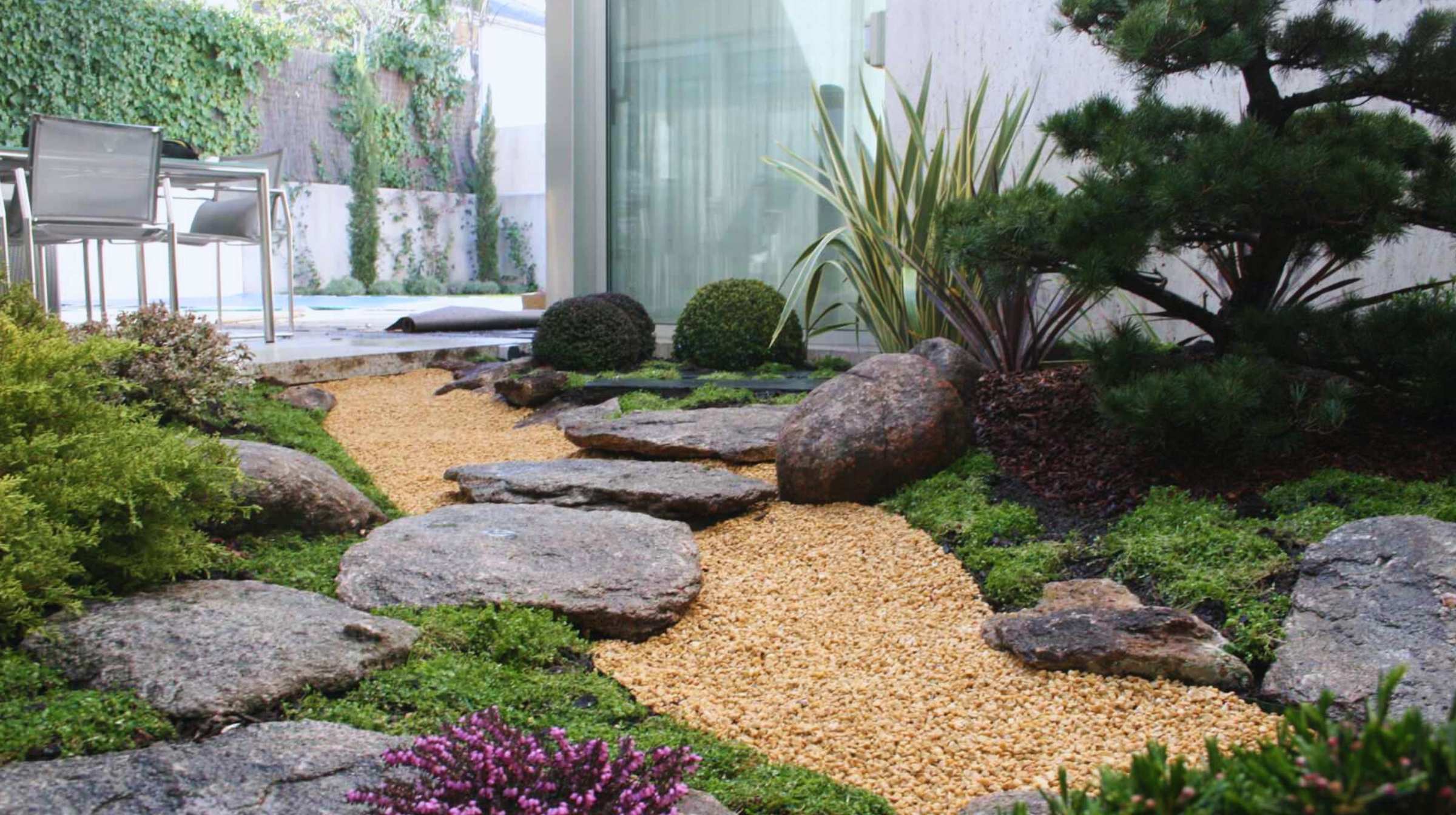
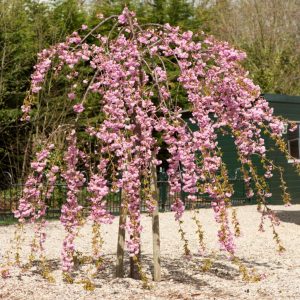 You can also find Cherry Trees that are small like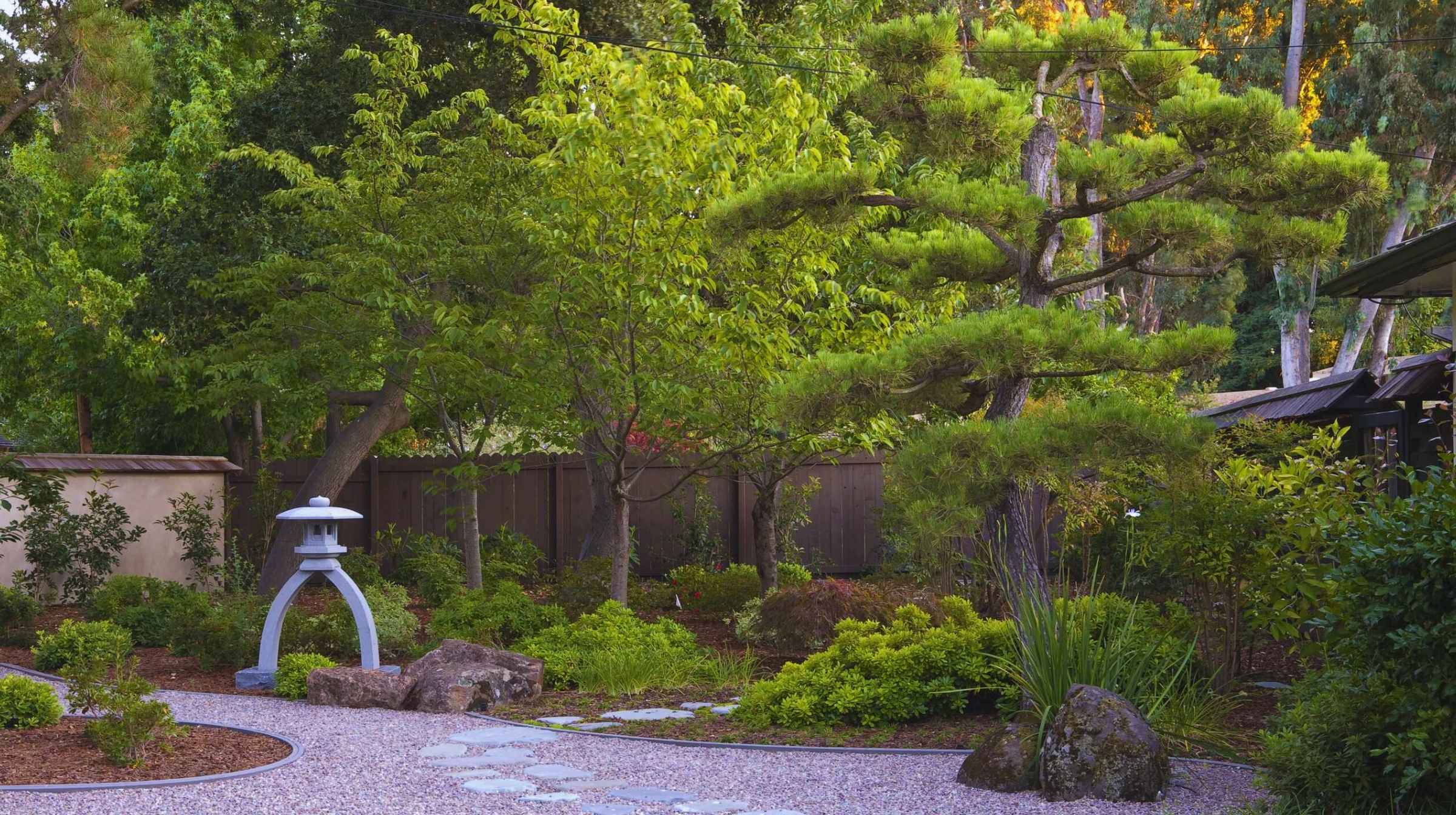
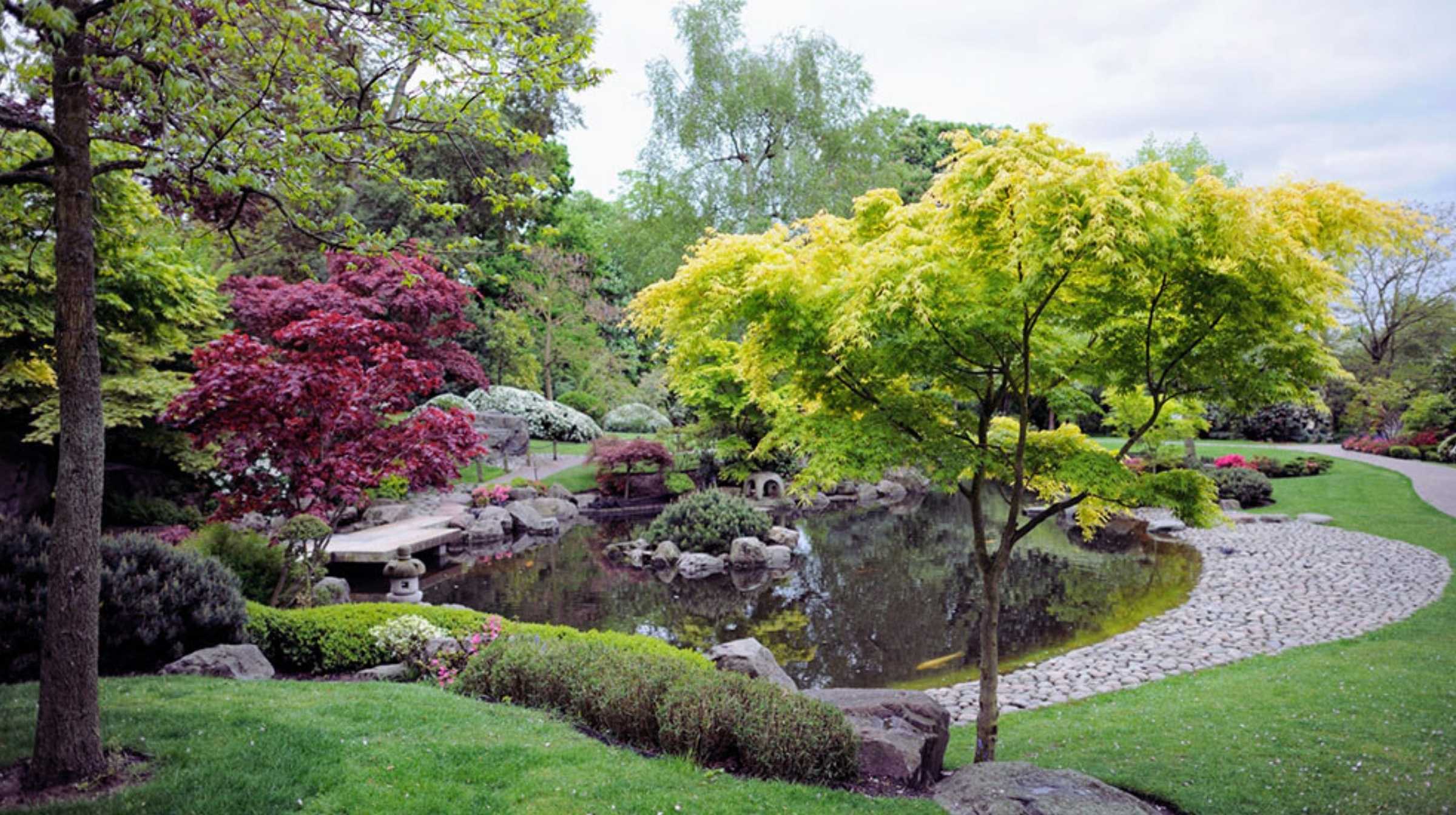
 A huge amount of space can sometimes be just as tricky as planning a small garden, but we actually offer the same advice here. Just because you have the space doesn’t mean you should plant 50 different types of Japanese style plants.
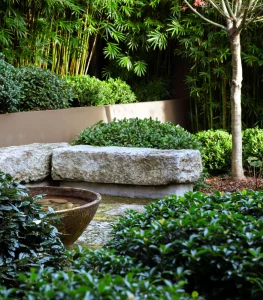 If you’re still struggling, return to the basic principles of the Japanese Style. These include:
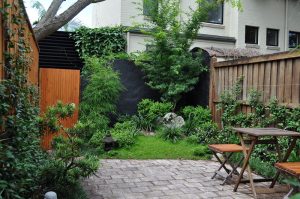 We mention location because some plants don’t work well in certain climates. For example if you are near the beach there are Japanese style plants such as Japanese Boxwood, Azaleas and Camellias that are sensitive to salt and won’t work well in your garden.
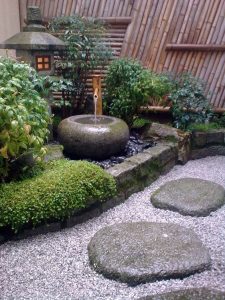 There’s more to a Japanese Garden than just the plants. One of the quintessential parts of the Japanese Style Garden is the water feature, whether this be a pond, stream or waterfall. Go the extra mile and even add in some brightly coloured fish!
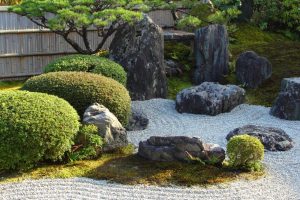 It’s important you don’t let your plants get unruly, now depending on what plants you choose, Japanese style gardens can range from low maintenance to high maintenance.


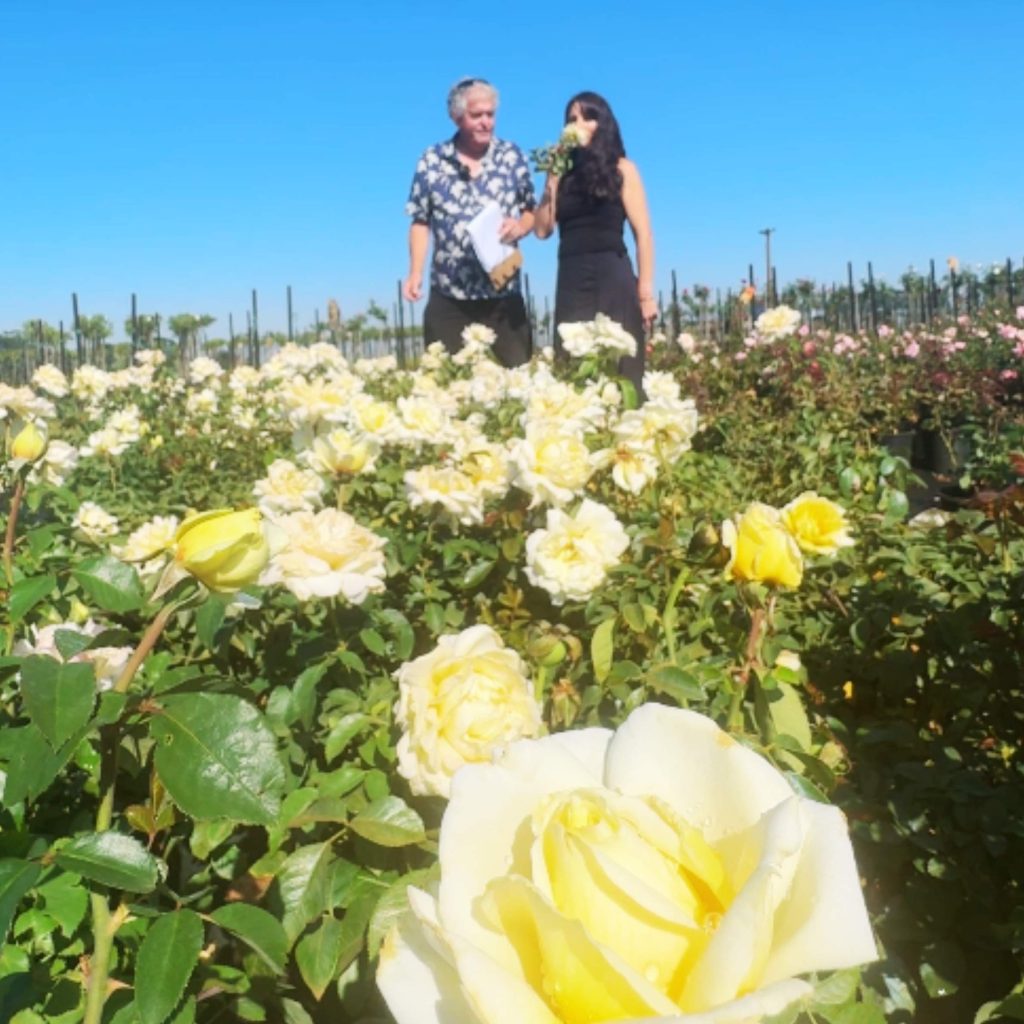
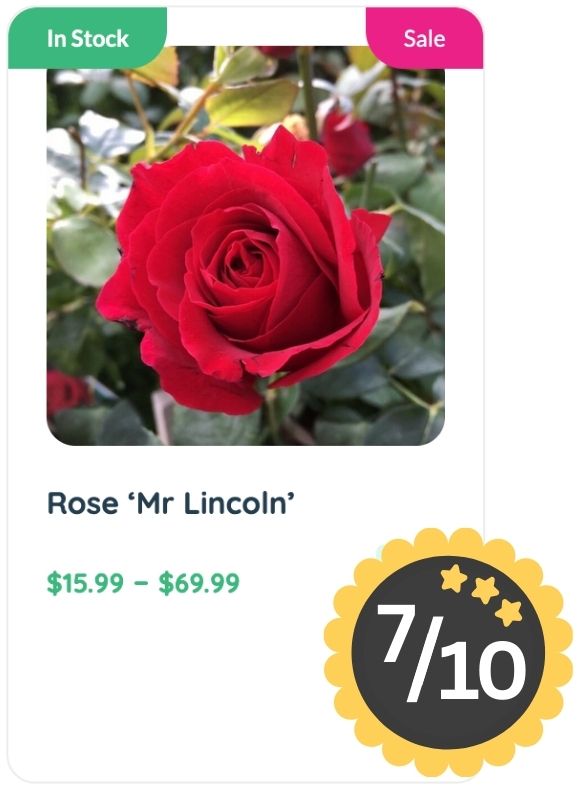
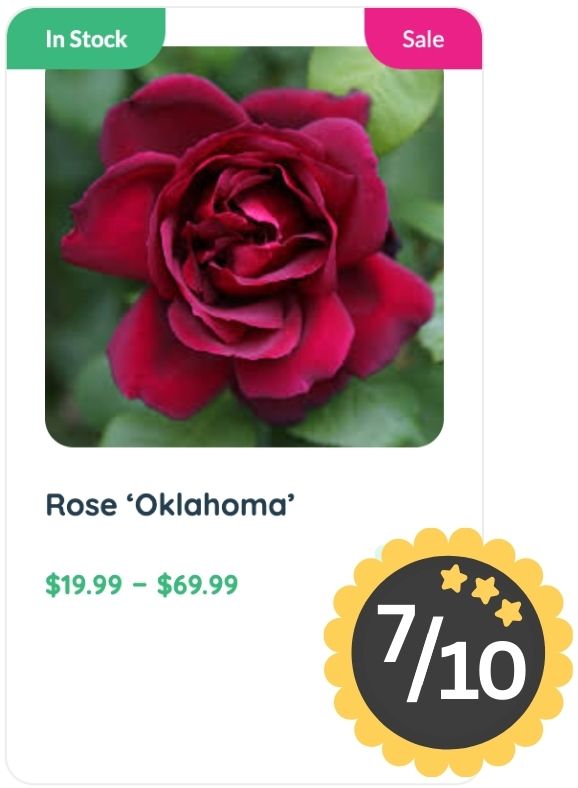
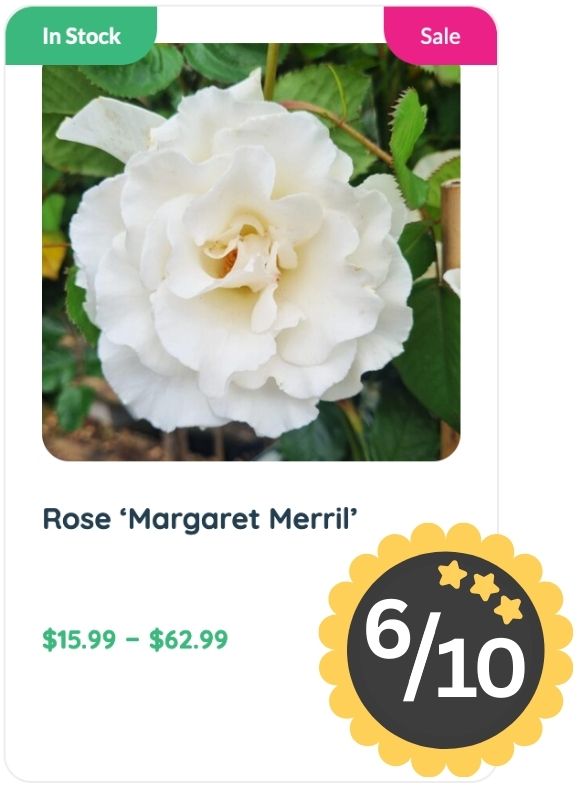
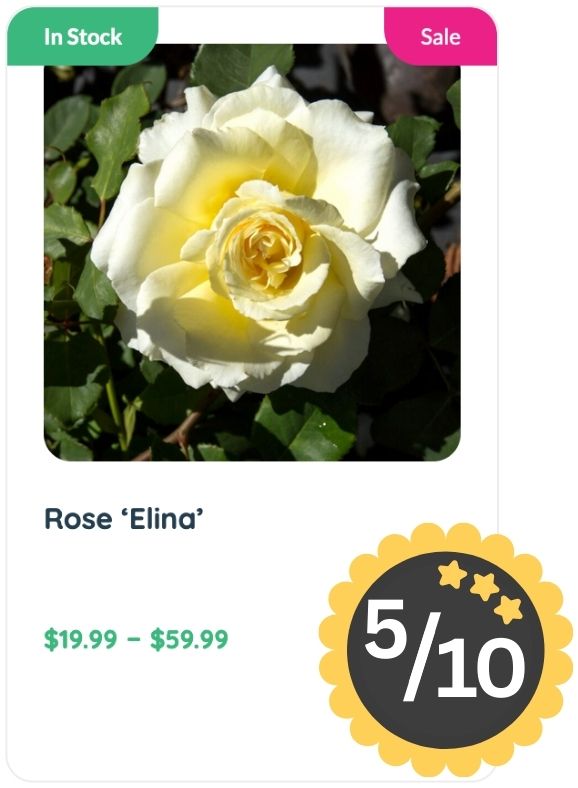
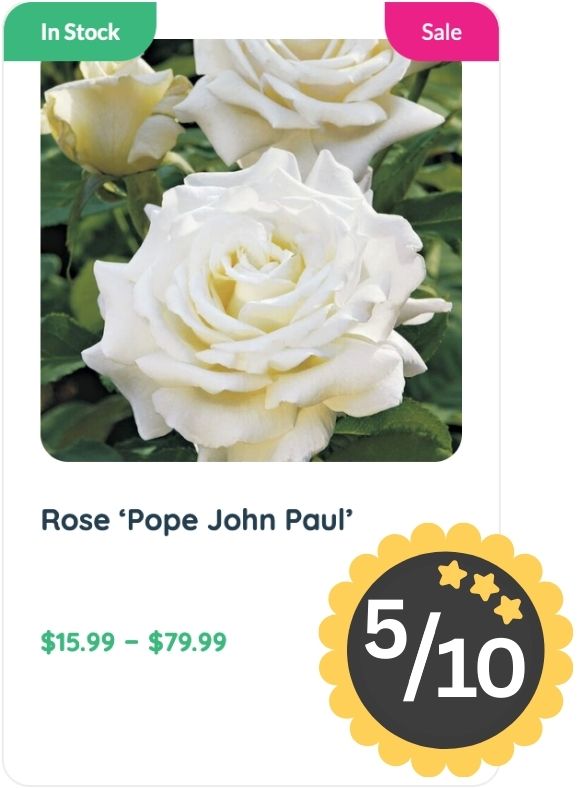
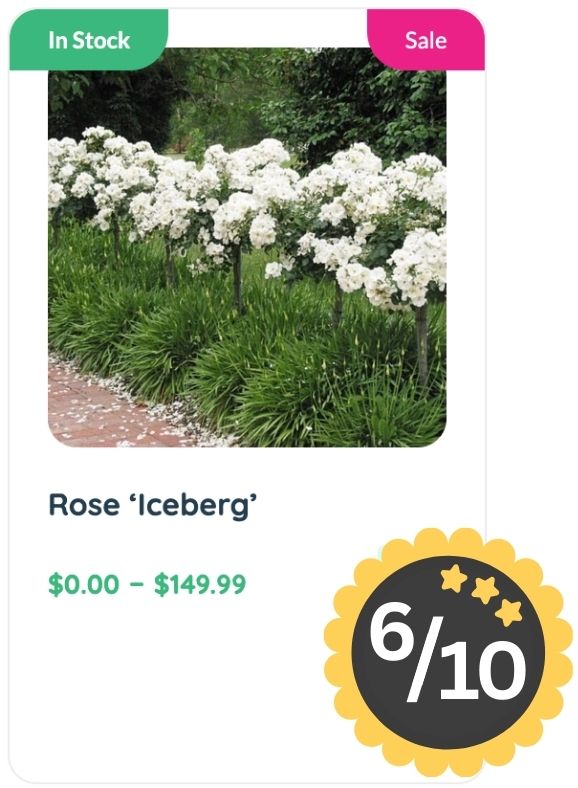
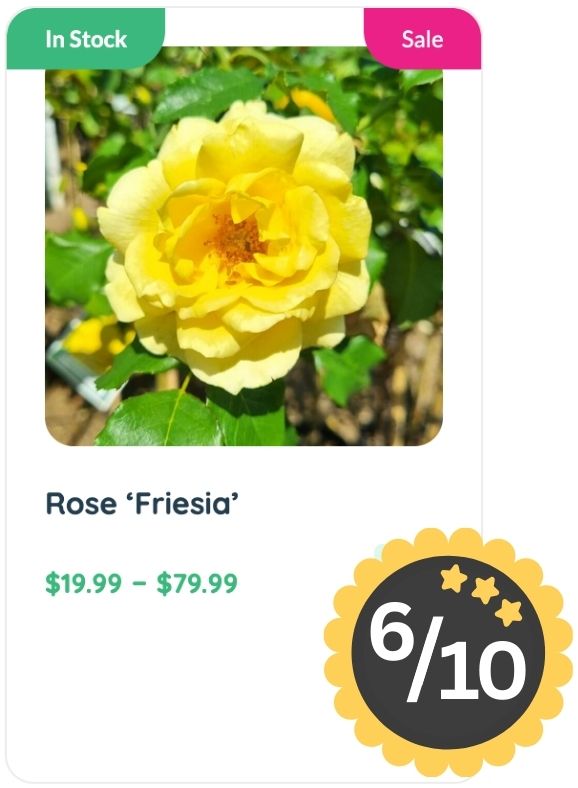
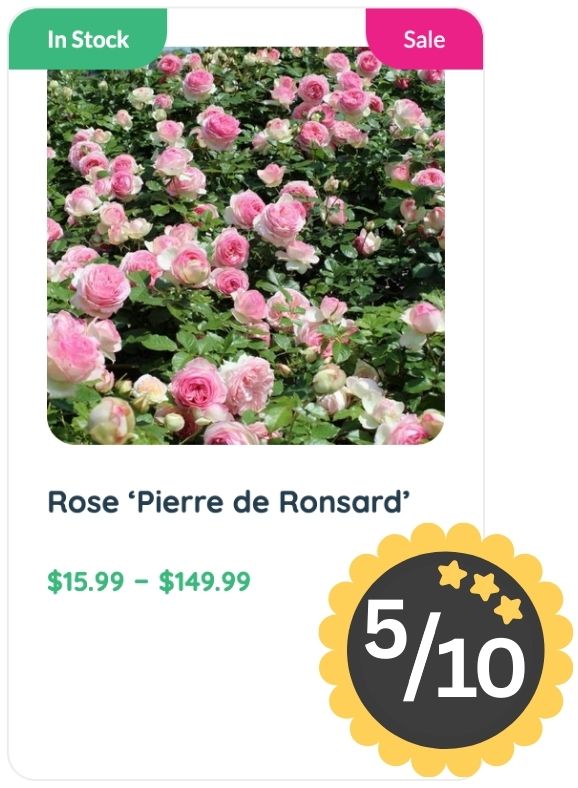
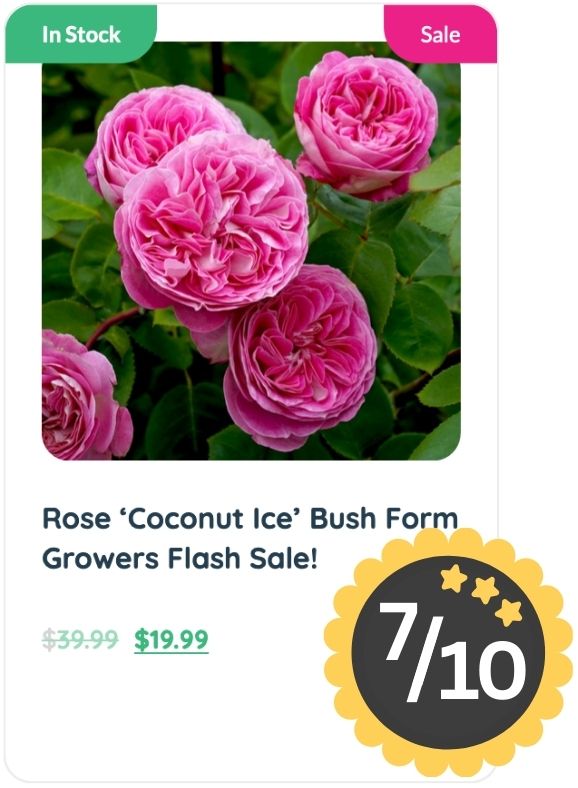
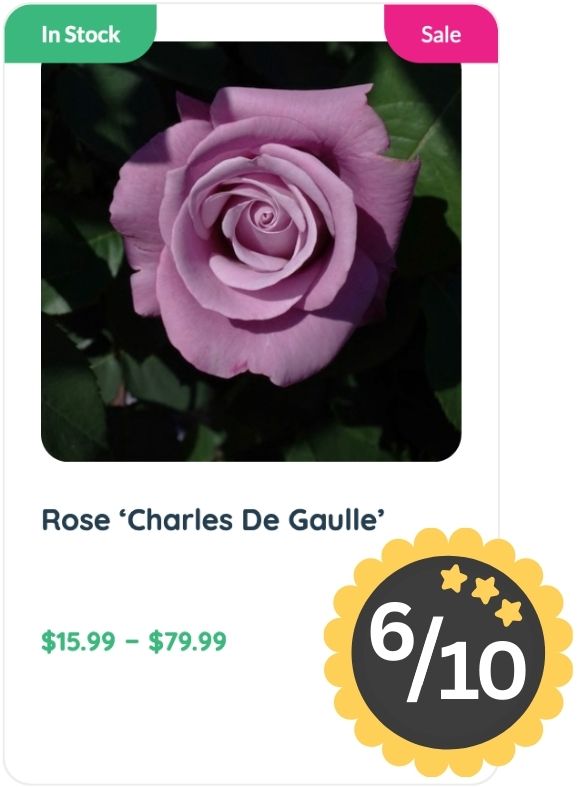
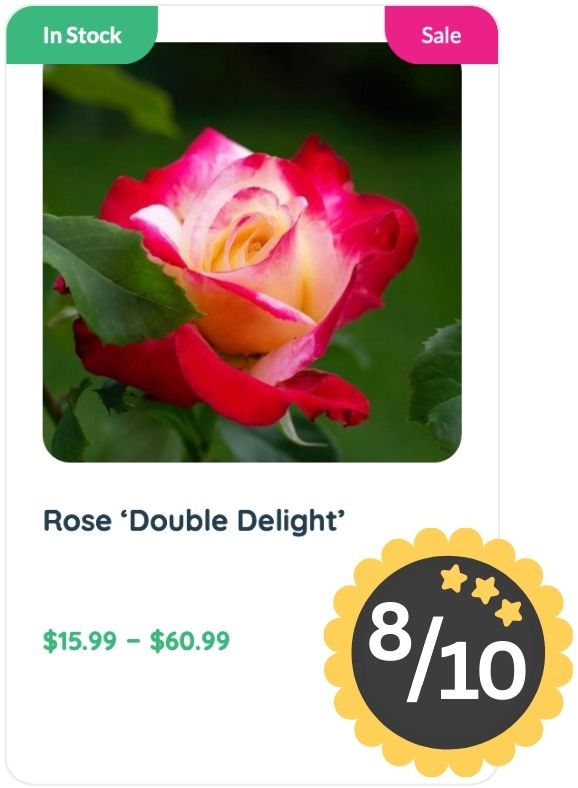
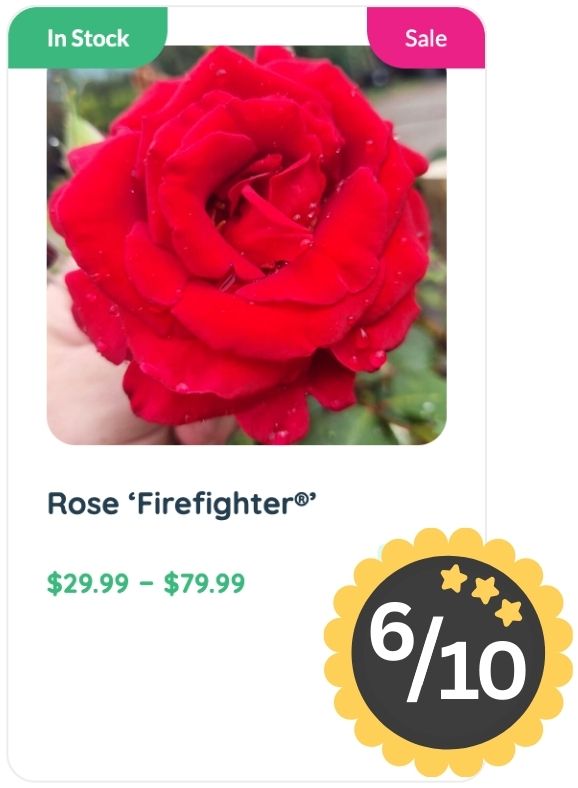

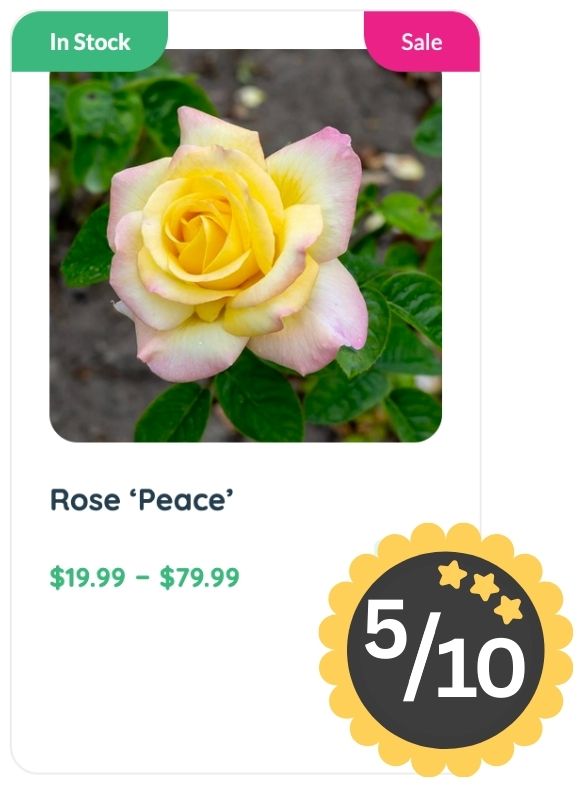
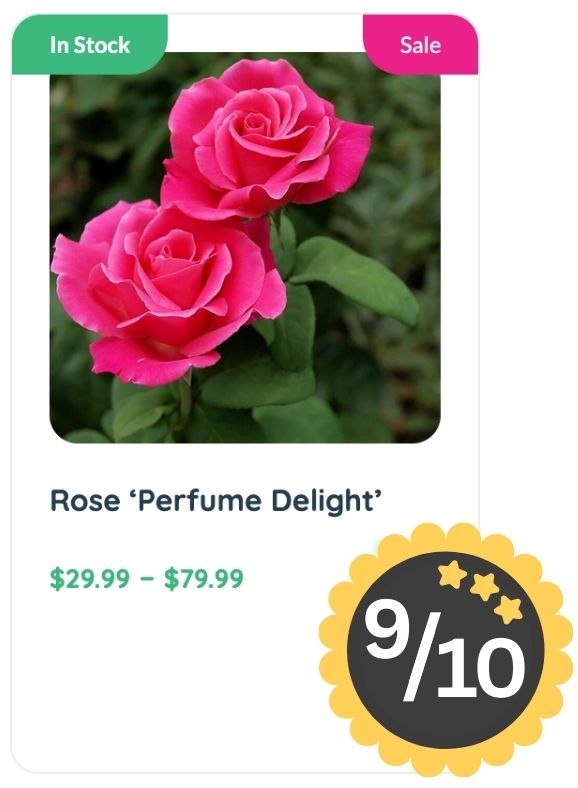
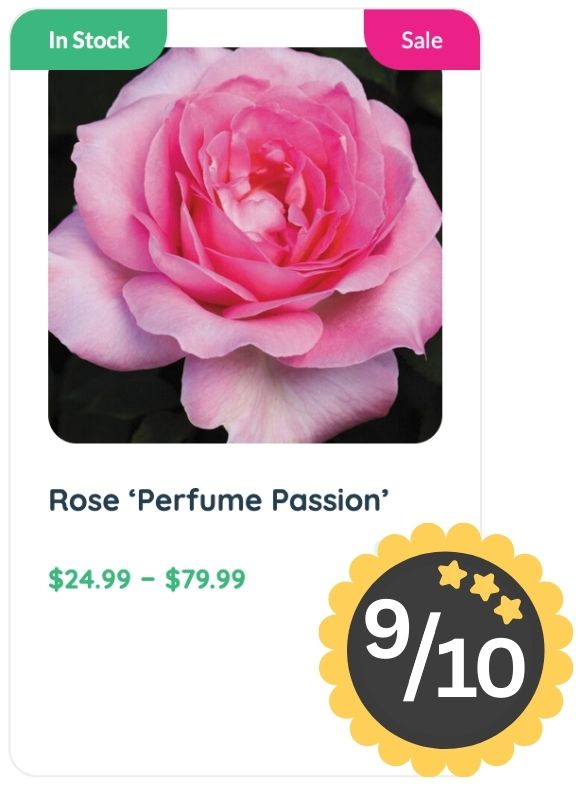
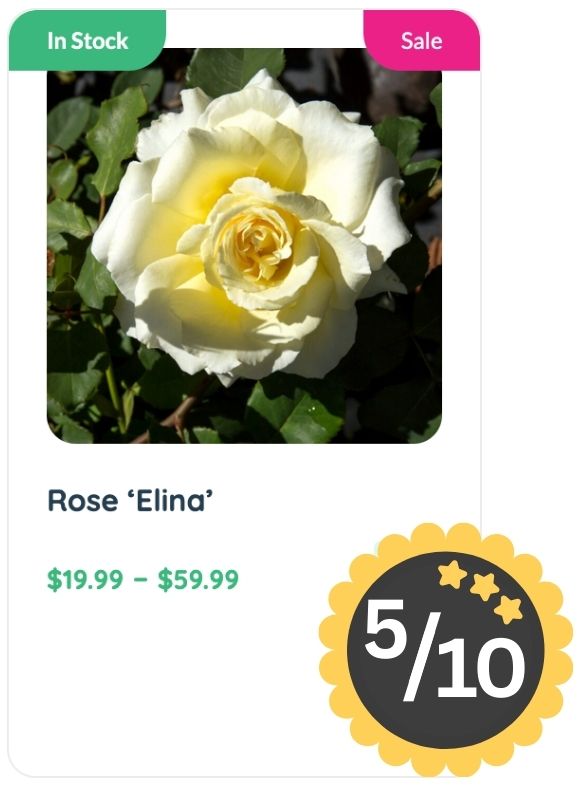
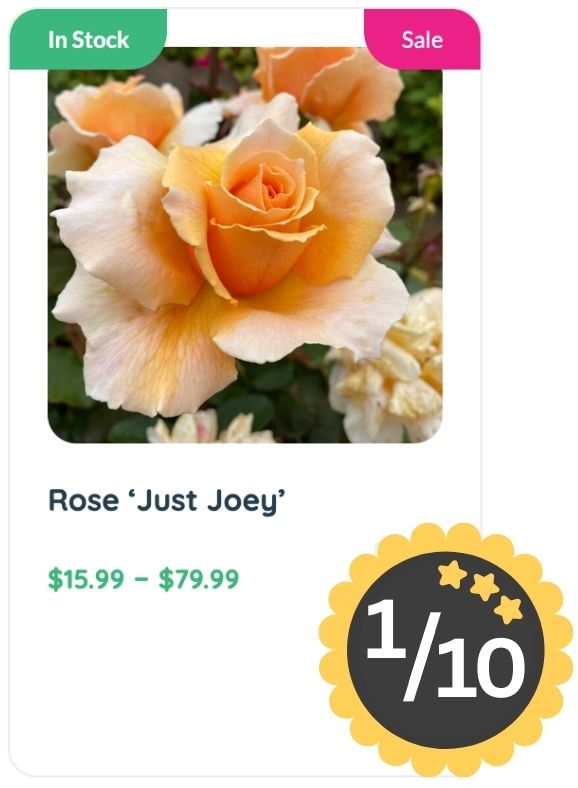

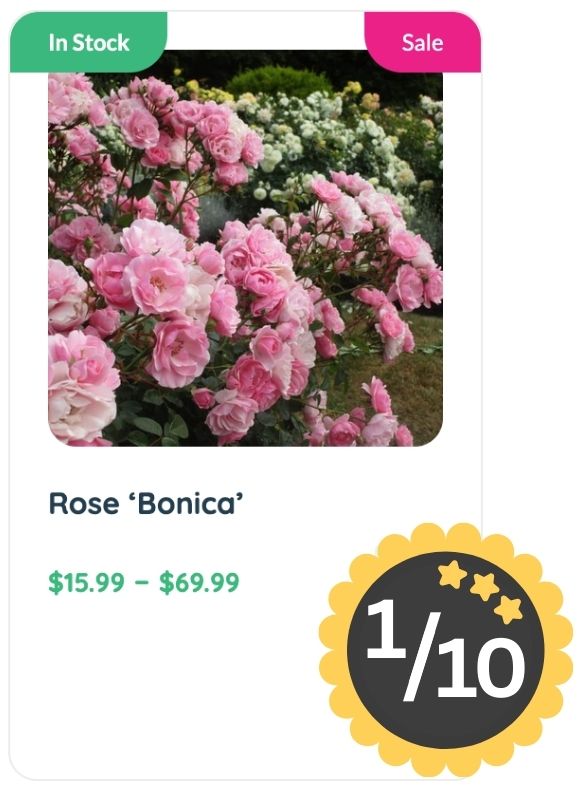
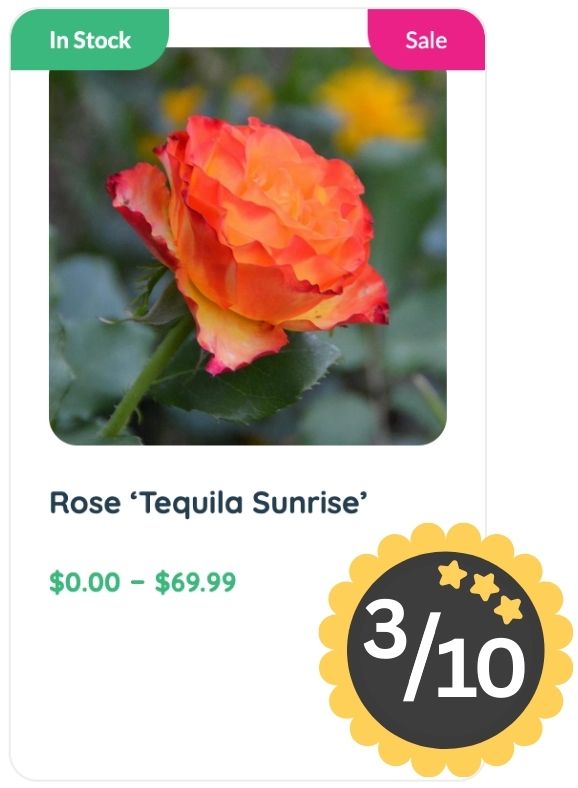
 As we smelt rose after rose after rose (you don’t want to know just how many roses we smelt in this 20 acre farm), something dawned on us.
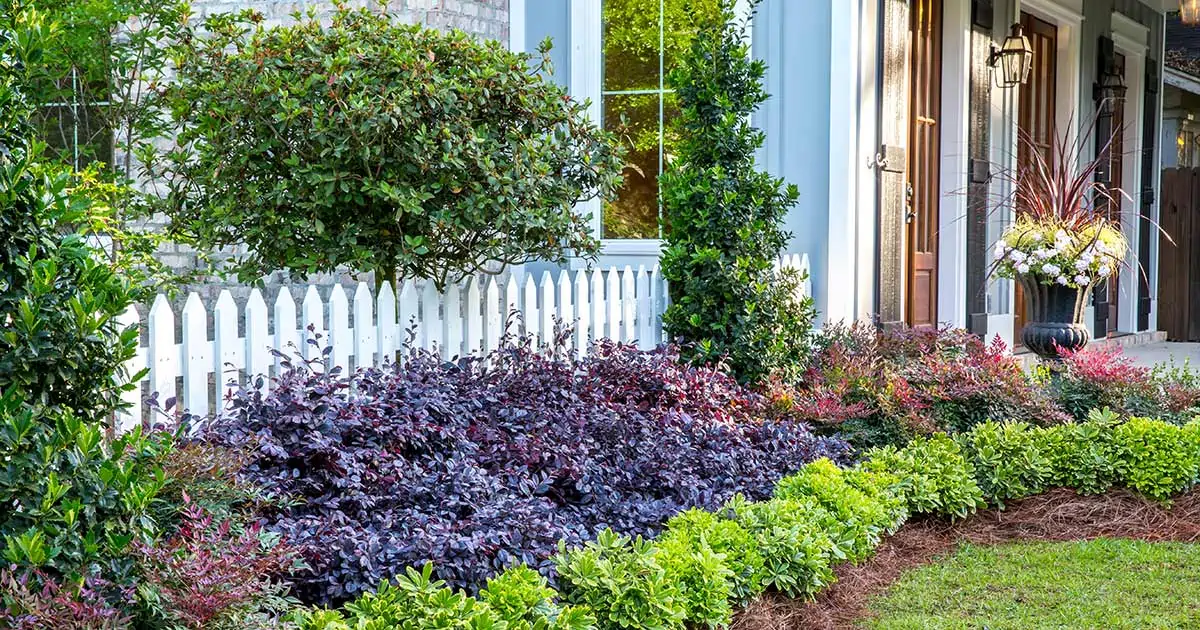

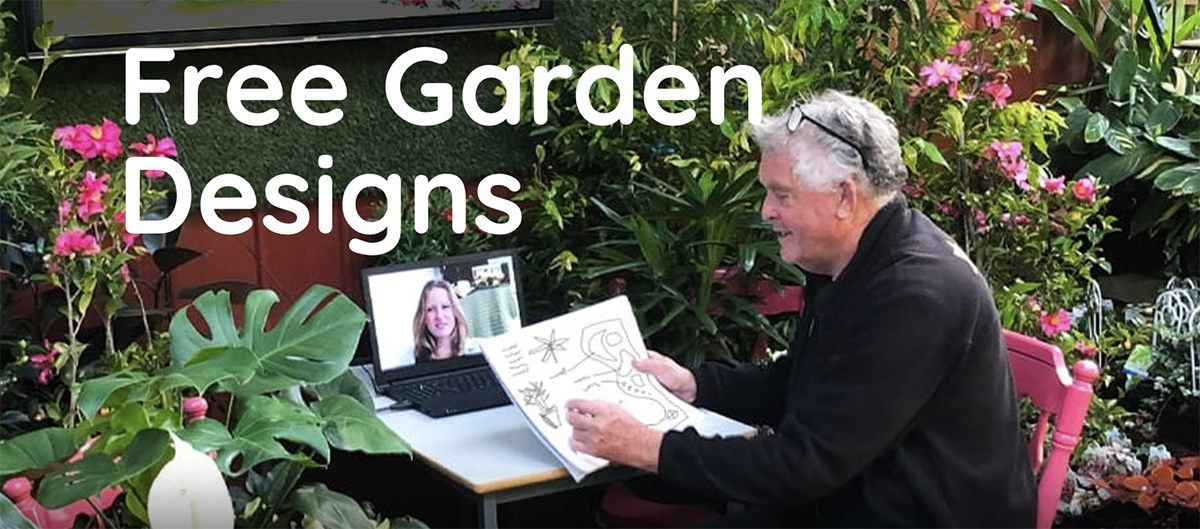
 The heat has taken quite a toll on both of us humans and plants. Now most plants actually adore the heat, granted that they are watered properly. We do have a comprehensive article on how to water your garden properly, which you can find
  What you want to do is get a Soaker Hose, unroll it and start slowly watering your plants. Drag it around your garden letting it water everything. What you want is slow water getting in deep.
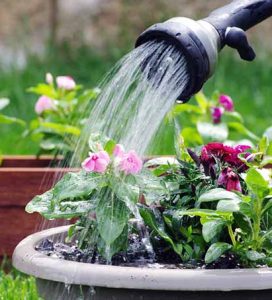 A lot of pot plants are looking dry and fried around this time so if you are able to it’s a good idea to move them out of the hot sun into a spot that gets morning sunlight and afternoon shade.
 Surviving through summer takes a lot of energy out of plants, lots of things are happening like flowering, fruiting, and of course, the intense heat. If plants are looking a bit tired right now is a great time to be out fertilising.
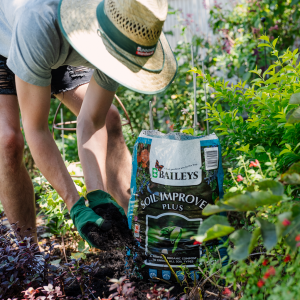 The trick with liquid fertiliser is to apply it in the early morning or late evening when the evaporation rate is low. Spray it over the whole plant including the leaves, bark and root.
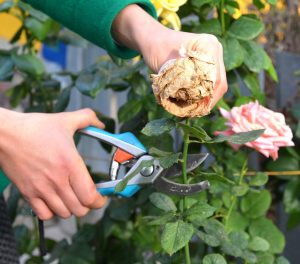 With the hot days we’ve had, a lot of roses are looking fried. Here is how you un-fry them.
 One thing you can do wrong during this time is trimming back your hedges or topiaries really hard before upcoming hot days. This is because the leaves can actually get sunburnt. Instead do quite a light trim and be mindful of the weather forecast. Save your hard pruning for late February.
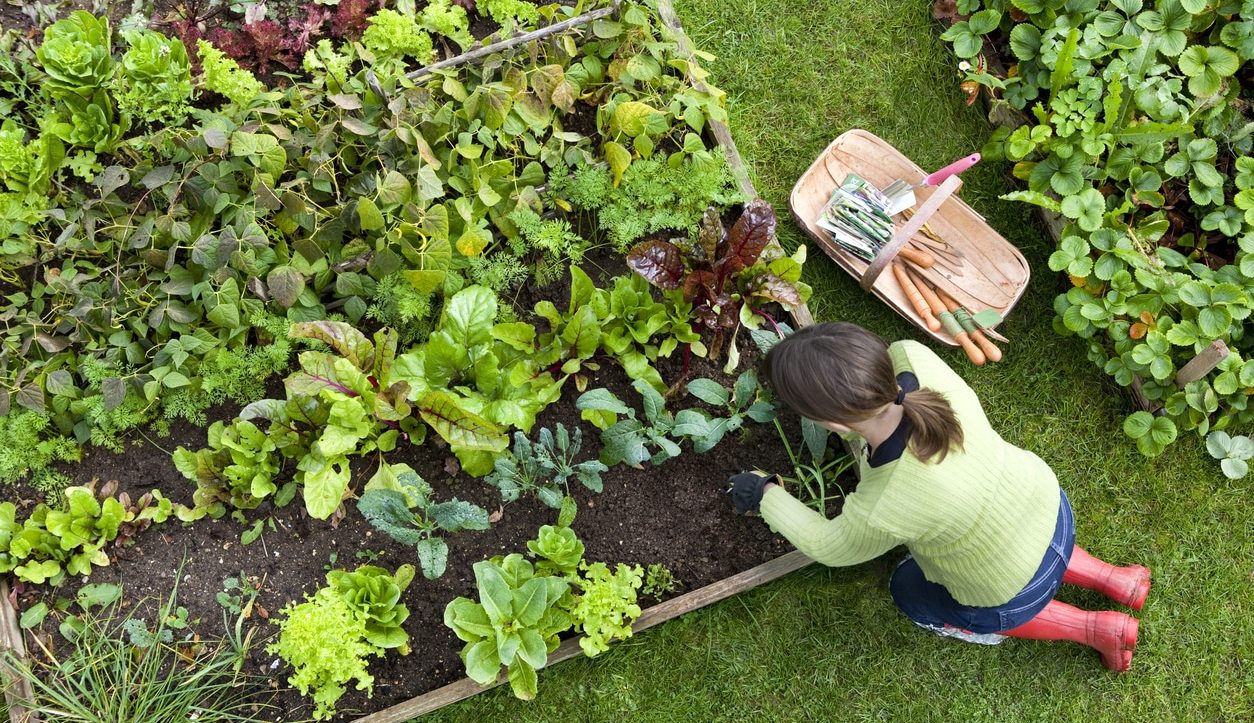
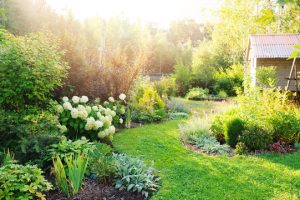
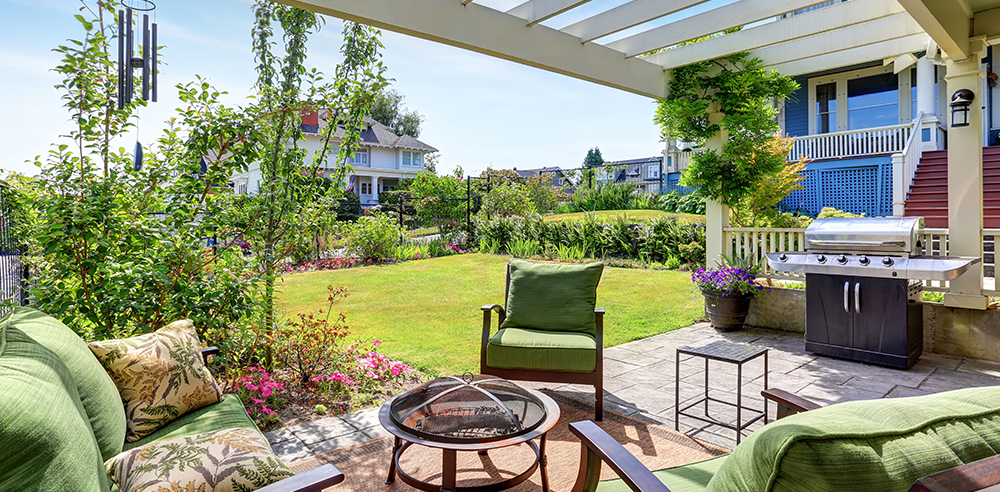
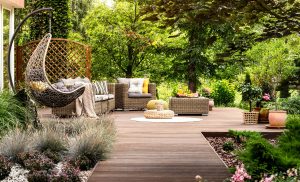 Now once you’ve spent some time in the garden – you get to reap the benefits of just having a beautiful garden. This means having a wonderful space to sit in the sun and read a book or have friends over for a BBQ or play with your kids.
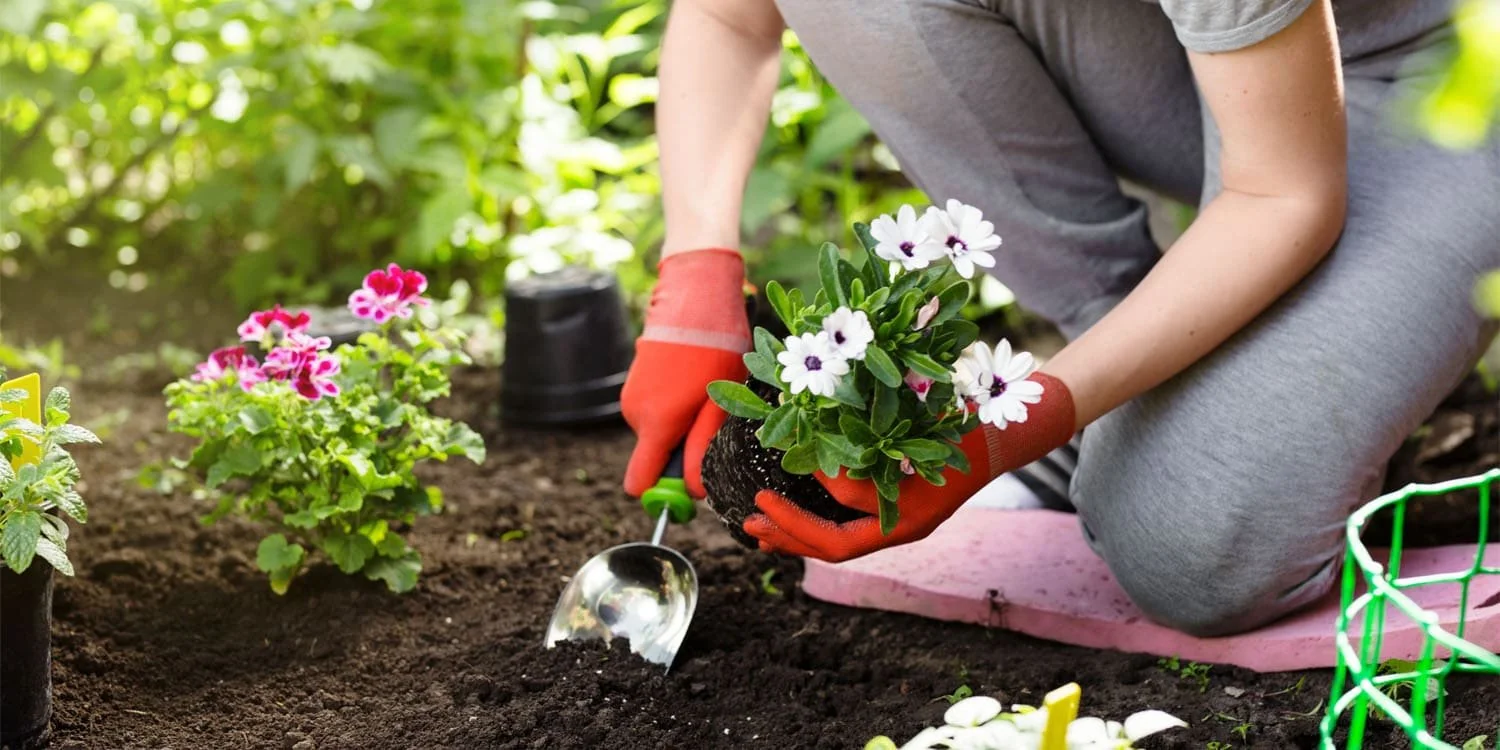 We want to chat to you about our philosophy when it comes to successfully starting this amazing hobby. The MOST important thing is…
 The reason why so many people lose their spark in gardening is because they get over-excited and choose complicated plants that are tricky to grow and then die on them. There’s nothing worse than buying plants that just keep dying on you, it would make anyone give up!
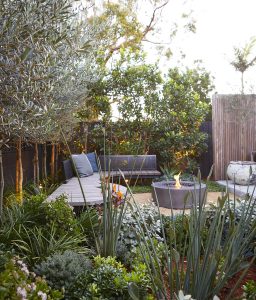 So now that we’ve convinced you to start gardening as a hobby, here’s how to do it.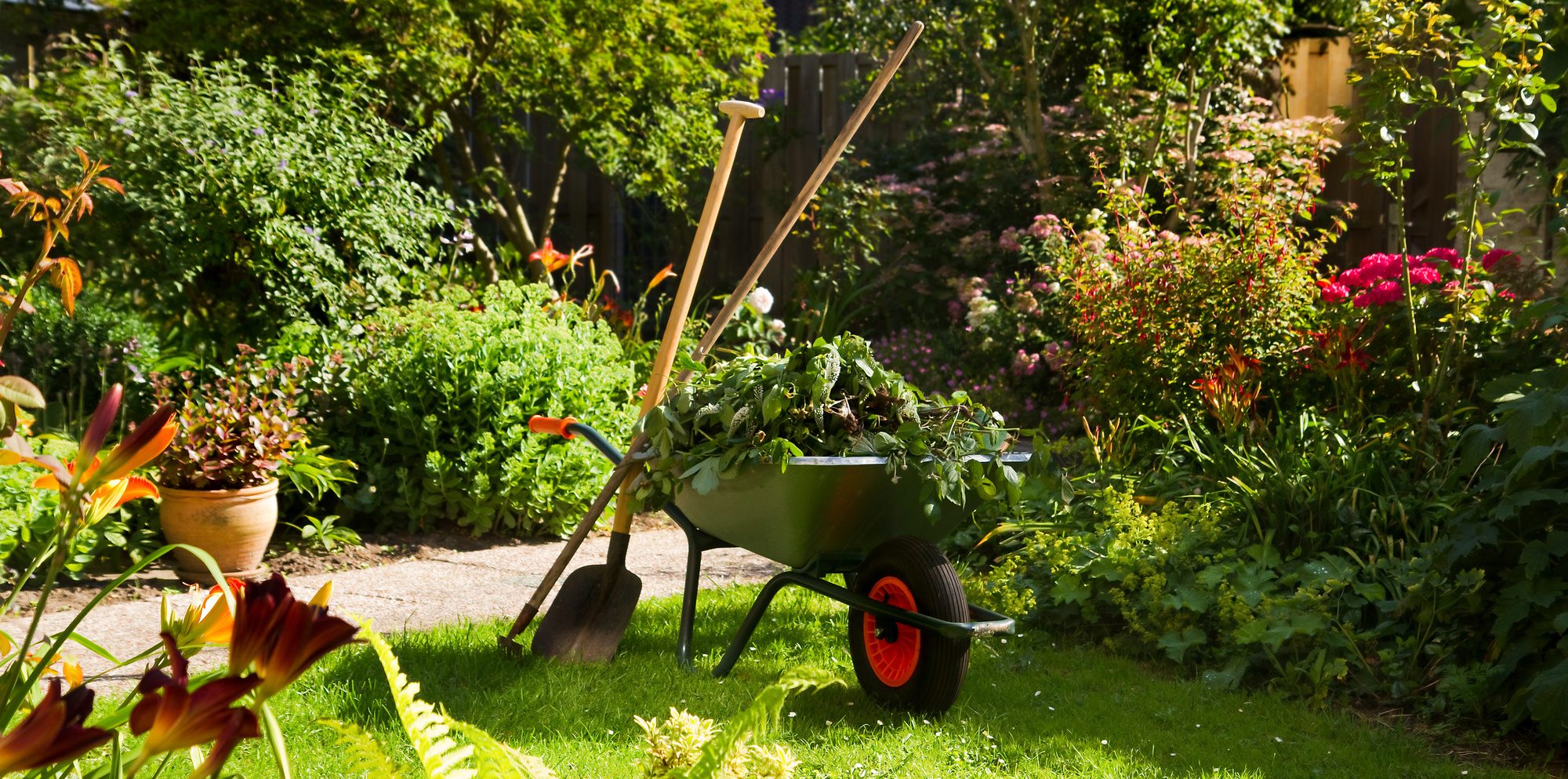
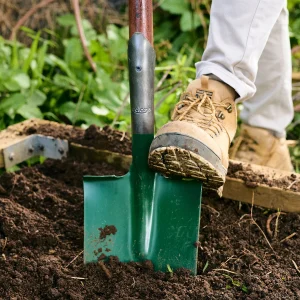 This next step will be the longest, but you can break it up into small chunks and work at it systematically. What you want to do is get a shovel and dig turn smash. What that means is dig your shovel into the dirt, turn the dirt over and smash the dirt up with the shovel.
 We are a big advocate of NOT mulching or pebbling straight after planting. It’s actually a little secret tip of ours on how to have less weeds. Instead of mulching and pebbling, get a small wolf draw hoe and start weeding.
 Now you could just plant up your garden and be done with it, but a good garden requires constant creation.
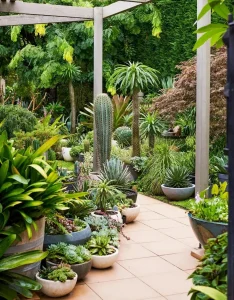 You don’t need to have a true dirt backyard garden to get into gardening – with the wonderful invention of pots ANYONE can have some fun with gardening. Now it won’t be on the same scale as owning a backyard/front yard, but you can still do quite a lot.
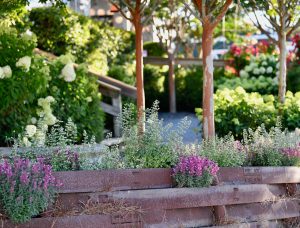 We hope this helped you realise how wonderful gardening is as a hobby. Yes, it does take quite a bit of upfront effort, but it is so worth it when you are in an incredible garden that you created yourself.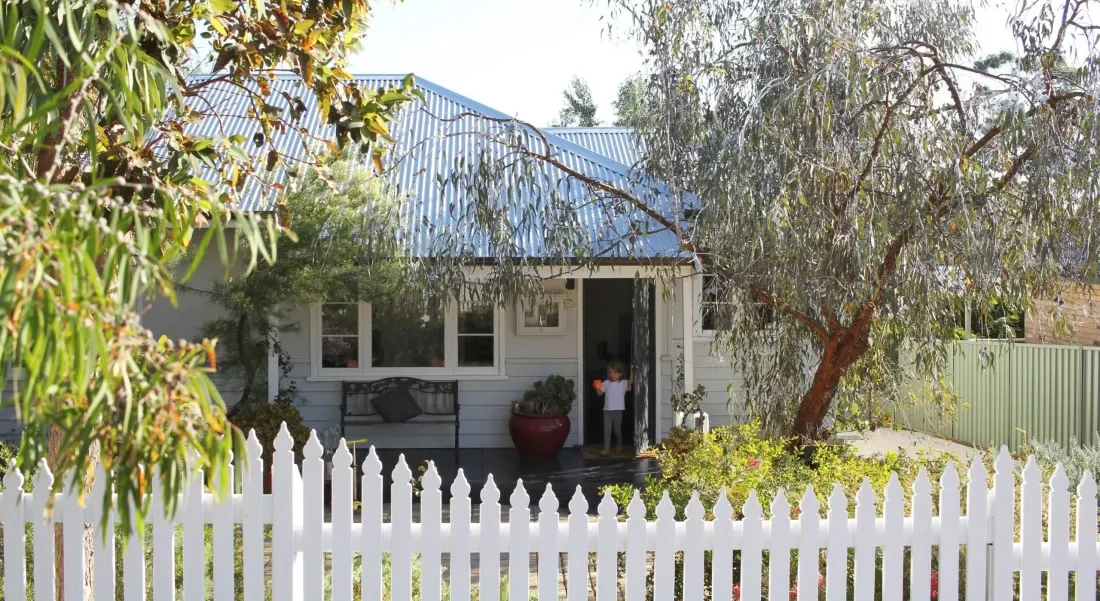
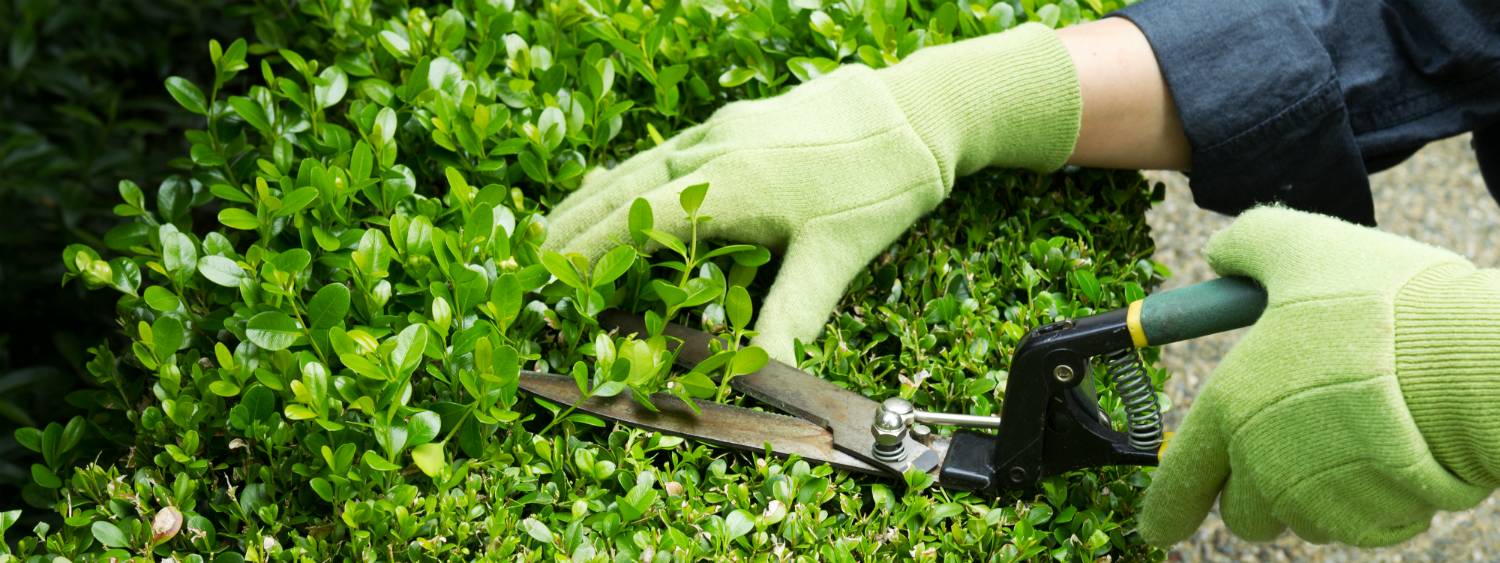
 This is the profiles we’ve created: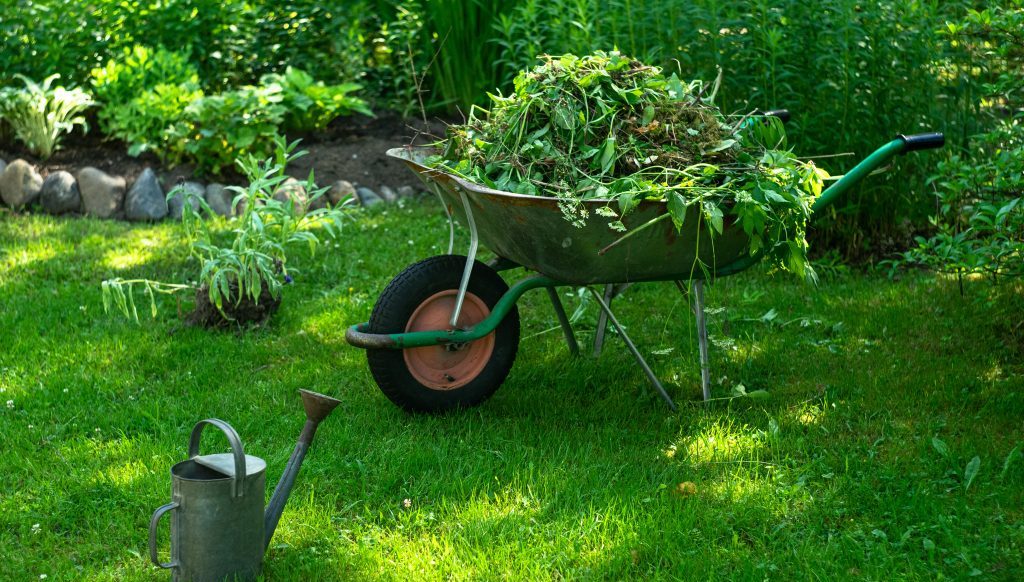
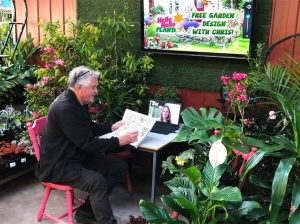 If making a decision between all these plants feels like too much effort, why not take literally all of the hassle and thought out of it and book a
 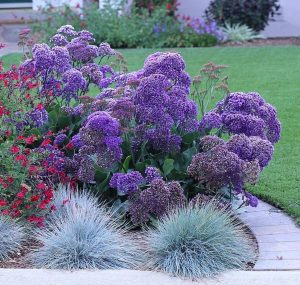 Rather than randomly picking an arrangement of 30 different varieties and stuffing them all into one space, take a step back and consider mass planting the same few types for a more cohesive look.
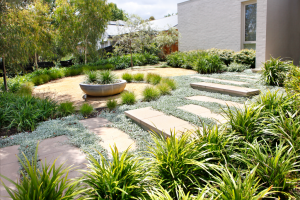 It’s very important that you also choose what we like to call ‘the support act plants’, the type of plants that are still beautiful, but much more subdued. Earlier we mentioned a couple great options so be sure to check those out.
 We hope this article has helped you prepare for all those fun social things we mentioned before. The garden is so much more than just a bunch of plant stuffed together. It’s a place to relax and enjoy the sun, a place to hangout with your friends, a place to play with your kids and pets. To have a beautiful garden is to have a beautiful place to do all of those things and more.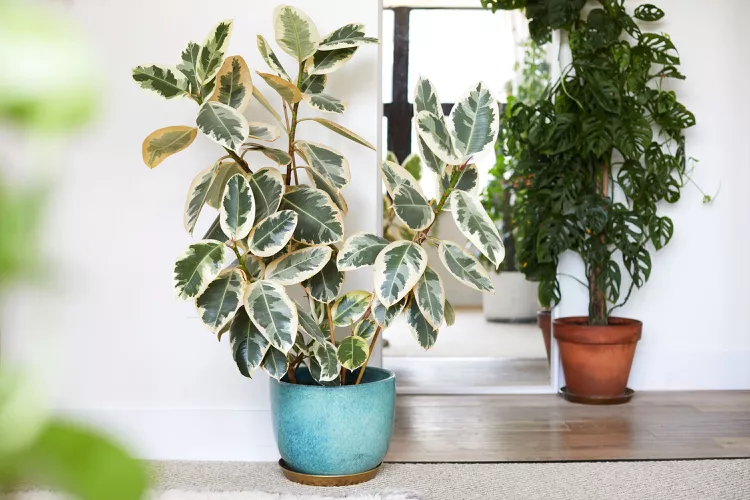

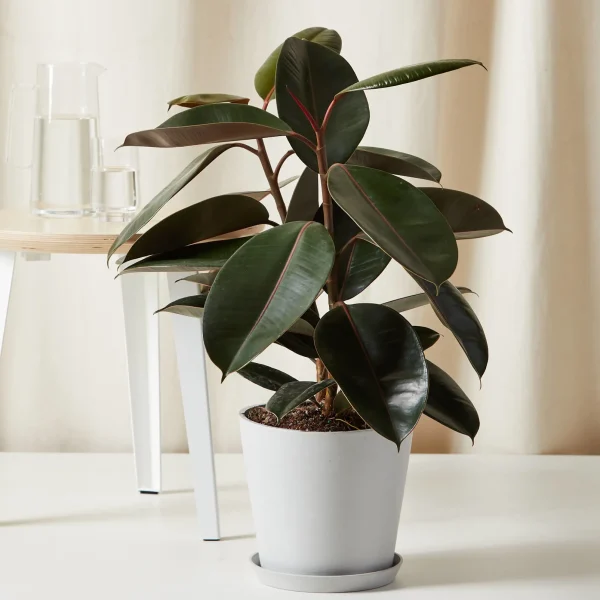
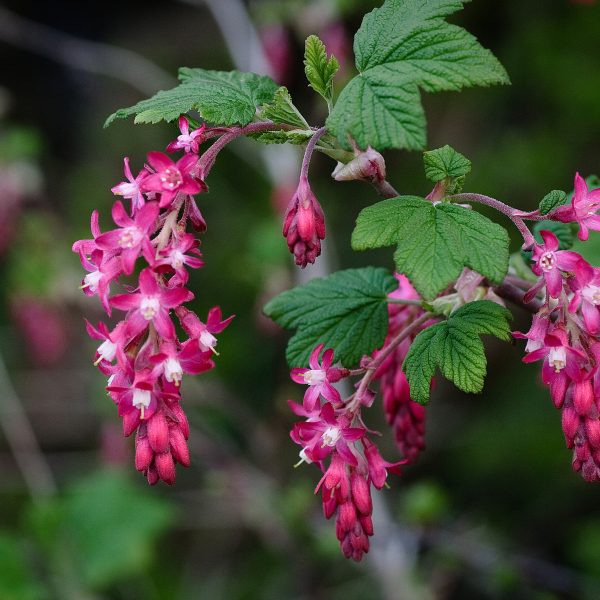
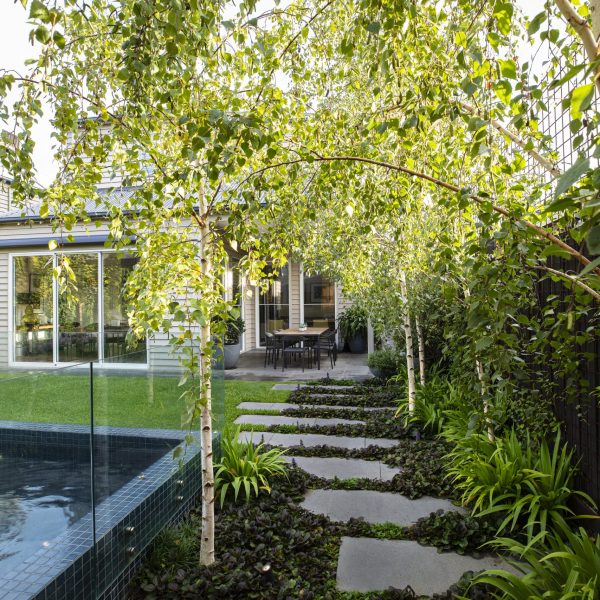
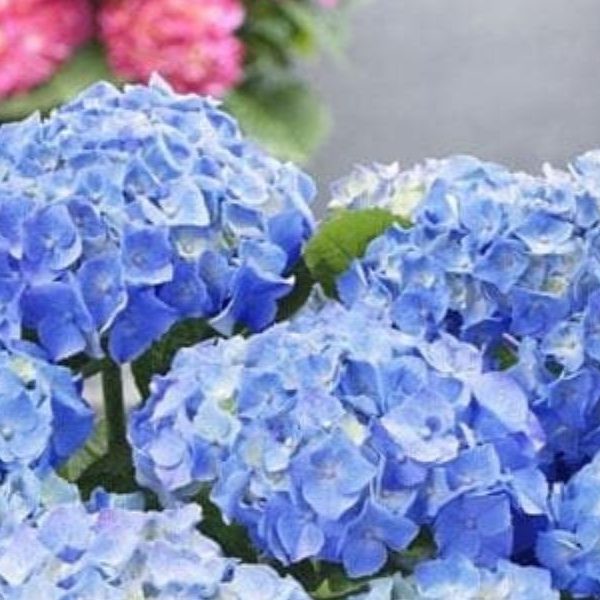
 Being a Nursery means we get firsthand knowledge on what’s selling, and what’s collecting dust on the shelf. We see the way certain plants are flying out the doors, where we can just never seem to keep them stocked up.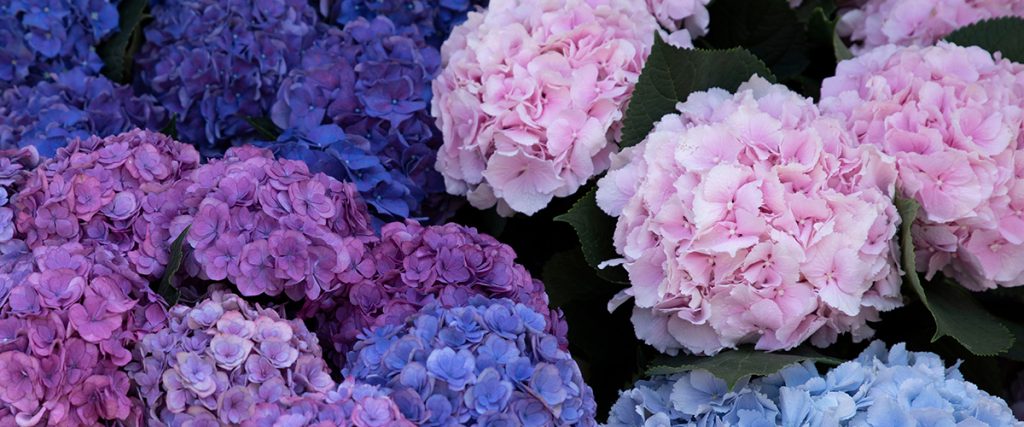
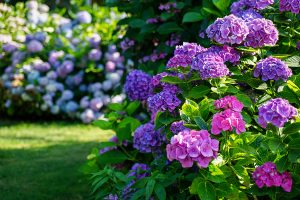

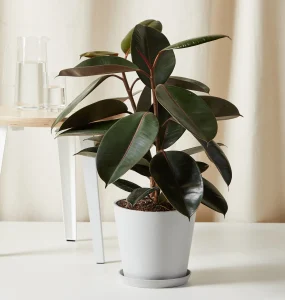
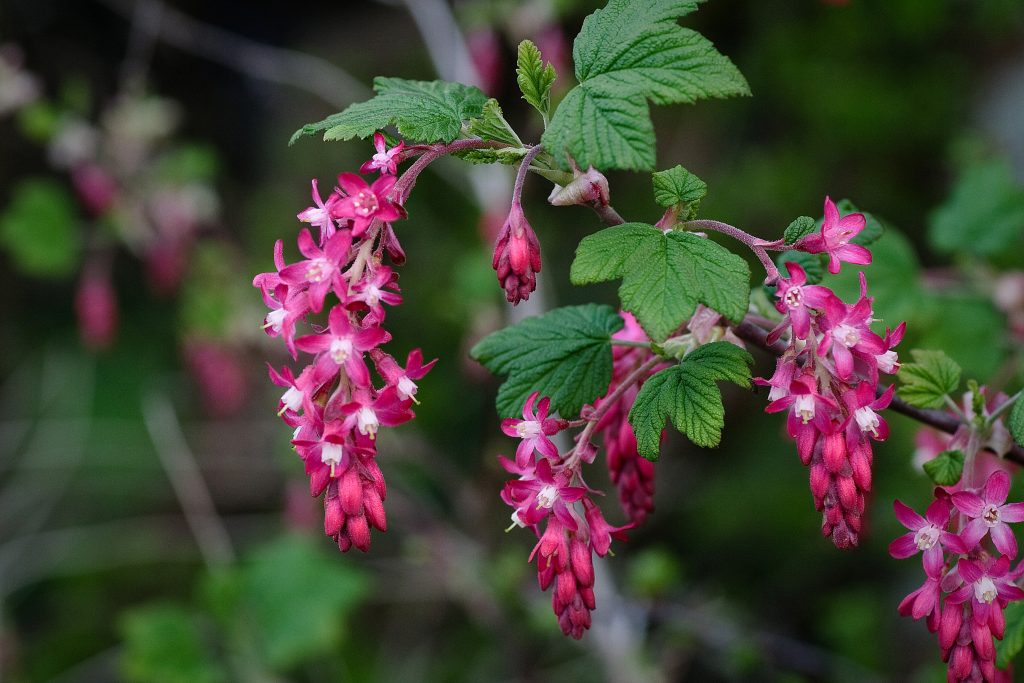
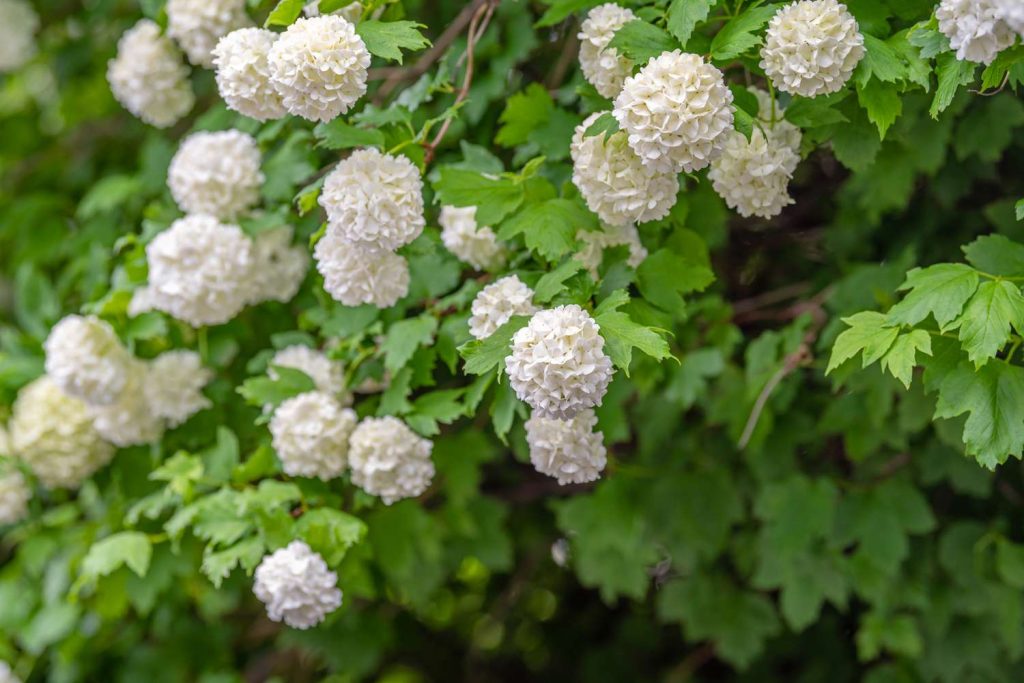

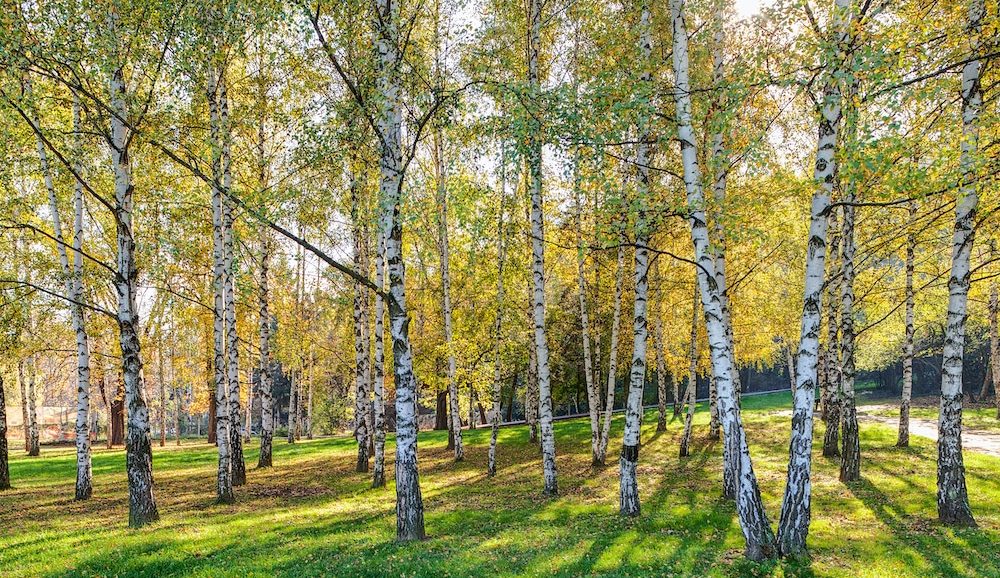
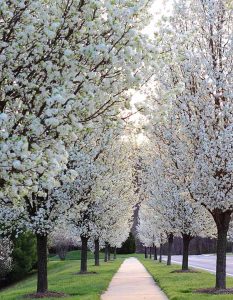

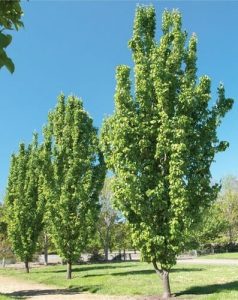
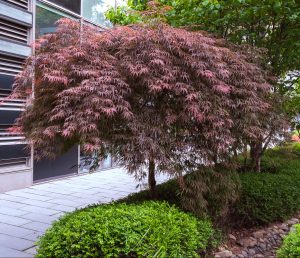
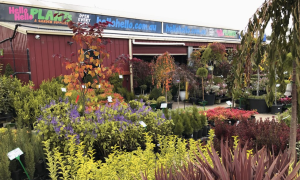 There you have it, the resurgence of some beautiful plants. It’s funny how trends can be quite cyclical in nature – just think about the return of flared jeans.